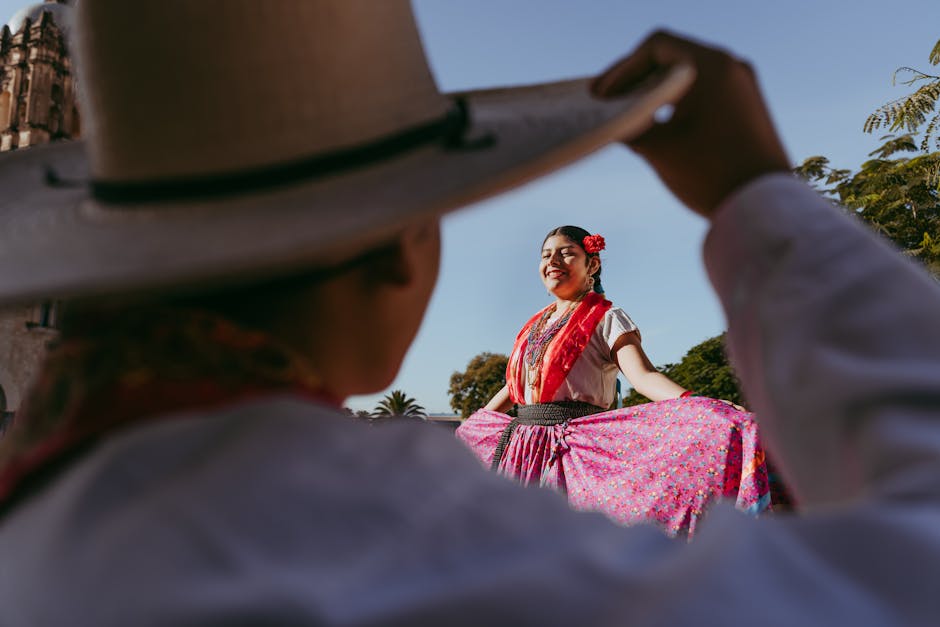
Self-guided audio tour in Oaxaca
Start Free on iPhone
Start free on iPhone to unlock this self-guided walking tour in Oaxaca. Hear all the stories that make it amazing, walk at your own pace, and begin whenever you want.
Your Private Tour Guide
Discover the timeless elegance of Oaxaca’s Centro Histórico with this immersive self-guided walk. As you traverse the cobblestone streets, you’ll encounter the city’s unique 'cantera verde'—the pale green volcanic stone that gives Oaxaca its distinct and ethereal glow. This neighborhood stroll takes you through centuries of history, from the spiritual height of the Dominican order to the French-inspired grandeur of the 19th century. The journey begins at the monumental Santo Domingo complex, a masterpiece of Baroque architecture that serves as a testament to the city's colonial past. Unlike a traditional guided tour Oaxaca visitors might find elsewhere, this audio walk allows you to linger under the gold-leafed ceilings or explore the botanical gardens at your own pace. As you move south, the architecture shifts. You will witness the transition from religious dominance to the secular opulence of the Teatro Macedonio Alcalá. This venue, with its Art Nouveau touches and marble accents, highlights the European influences that shaped Mexico during the Porfiriato era. The route continues to the spiritual heart of the city, the Metropolitan Cathedral, before opening up into the vibrant Zócalo. This walking route isn’t just about the buildings; it’s about the atmosphere. From the scent of roasted cacao in the air to the sound of marimba music drifting from the bandstand, this self-guided walk captures the soul of Oaxaca. Whether you are a history buff or an architecture enthusiast, exploring the historic center independently is the best way to soak in the local culture without the constraints of a group. This walking tour Oaxaca experience is designed to showcase the best of the city’s UNESCO World Heritage site, ensuring you don’t miss the intricate details that make these landmarks world-renowned.
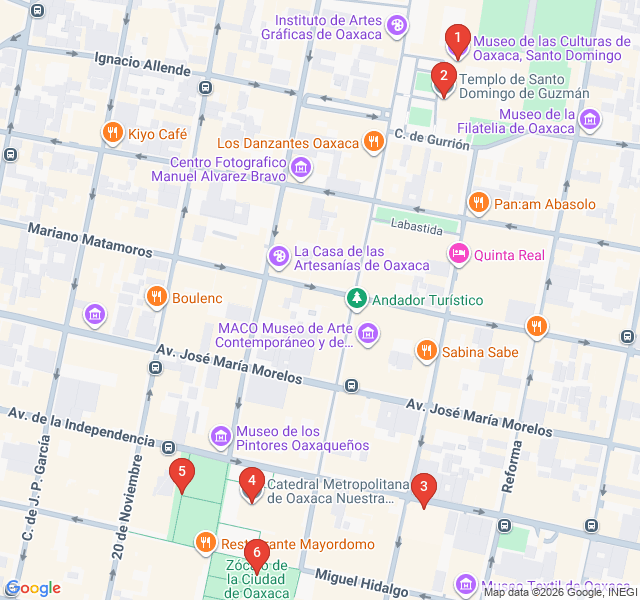
Numbers indicate the order of stops on the tour.
The Museum of Cultures of Oaxaca is housed in the former convent of Santo Domingo de Guzmán, a massive stone structure that took over a century to build. As you explore independently, you will notice the thick, fortress-like walls designed to withstand the region's frequent earthquakes. Inside, the museum traces the history of Oaxaca from pre-Hispanic times through the colonial era. The crowning jewel here is the 'Treasure of Tomb 7,' a collection of gold, turquoise, and crystal jewelry recovered from the nearby archaeological site of Monte Albán. This stop provides the essential historical context for the rest of your neighborhood stroll, highlighting the blend of indigenous and Spanish influences that define Oaxacan identity today.
The Templo de Santo Domingo de Guzmán is perhaps the most famous landmark in the city. Its facade is a masterpiece of the Baroque style, but the real wonder lies inside. As you step through the doors, look up to see the 'Tree of Jesse,' a complex relief on the ceiling depicting the genealogy of Christ. The interior is famously adorned with over 60,000 sheets of 24-karat gold leaf, creating a shimmering environment that reflects the wealth of the Dominican order during the colonial period. This self-guided walk encourages you to spend a few quiet moments in the Rosary Chapel, where the intricate plasterwork and golden details represent the pinnacle of New Spanish religious art.
The Teatro Macedonio Alcalá is a stunning contrast to the religious architecture seen earlier on this walking route. Opened in 1909, it reflects the 'Porfiriato' era, a time when Mexican elites looked to Europe—particularly France—for cultural inspiration. The building features a majestic marble staircase, red velvet seating, and an Art Nouveau facade that feels like it belongs in Paris. Named after the composer of 'Dios nunca muere,' Oaxaca’s unofficial anthem, the theater remains a functioning venue for concerts and operas. Take a moment to admire the ornate carvings on the exterior, which include busts of famous composers and intricate ironwork, showcasing the secular grandeur of the early 20th century.
The Catedral Metropolitana de Oaxaca, located on the northern edge of the Zócalo, is a resilient symbol of the city. Construction began in 1535, but due to multiple earthquakes, the building you see today was largely completed in the 18th century. Its facade is carved from the regional 'cantera verde,' a volcanic stone that gives the structure a unique greenish hue. The intricate carvings on the exterior depict the Assumption of Mary, the cathedral's patron saint. Unlike the opulence of Santo Domingo, the interior of the cathedral is more restrained, reflecting a neoclassical influence. It serves as a spiritual anchor for the local community and a perfect landmark for navigating the city center.
The Alameda de Leon serves as a leafy extension of the main square, providing a transition between the religious space of the Cathedral and the social space of the Zócalo. This park is named after General Antonio de León, a former governor of Oaxaca whose statue stands at the center. For those on a self-guided adventure, this is an excellent spot to observe the local pace of life. You’ll often find street vendors selling traditional snacks like 'nieves' or local artisans displaying their crafts. The Alameda has historically been a place for public gatherings, protests, and celebrations, making it a vital piece of Oaxaca’s civic fabric and a great spot to rest under the shade.
The Zócalo de la Ciudad de Oaxaca, or Plaza de la Constitución, is the beating heart of the city. Shaded by massive laurel trees, this plaza is where Oaxacan life happens. On any given day, you might hear the rhythmic sounds of a marimba band or the calls of balloon sellers. The square is surrounded by historic portals filled with cafes and restaurants, offering a perfect place to conclude your walking route. While exploring independently, notice how the plaza lacks a central cathedral—unlike most Mexican zócalos—because the Cathedral sits slightly to the side. It is a place of constant motion, where politics, commerce, and culture collide under the shade of the trees.
Start Free on iPhone
Explore “Colonial Grandeur of the Historic Center” with your very own Private Tour Guide with Zigway. Start free on iPhone, skip the large group and the fixed routes, and hear the city come alive as you go.
Your Private Tour Guide
Don't miss the good stuff
Explore Freely
 Easy
EasyOaxaca, Mexico
Explore Oaxaca’s oldest barrio on this self-guided walk through colonial aqueducts, colorful streets, and traditional artisan workshops.
 Easy
EasyOaxaca, Mexico
Explore Oaxaca's vibrant modern art scene, from revolutionary printmaking collectives to world-class contemporary museums, at your own pace.
 Moderate
Oaxaca, Mexico
Explore the heights of Oaxaca on this self-guided walk, featuring panoramic city views, cultural landmarks, and the iconic Cerro del Fortín.
 Easy
EasyOaxaca, Mexico
Discover the soul of Oaxaca on this self-guided evening stroll through the city's most iconic and traditional mezcal bars.
 Easy
EasyNairobi, Kenya
Discover Nairobi's iconic skyline on this self-guided architecture walk through the CBD’s most famous modernist and Brutalist landmarks.
 Easy
EasySalzburg, Austria
Discover the 'Rome of the North' on this self-guided walk through the Baroque squares and monumental legacy of Salzburg’s Prince-Archbishops.
 Easy
EasyNairobi, Kenya
Explore Nairobi's architectural evolution from colonial-era landmarks to iconic Brutalist skyscrapers on this historic self-guided walking route.
 Easy
EasyGdansk, Poland
Discover the opulent Royal Way of Gdansk at your own pace. Explore Hanseatic history, gilded architecture, and the iconic Neptune's Fountain.
 Easy
EasyMexico City, Mexico
Explore Mexico City's most glamorous district on this self-guided walk through Polanco's luxury boutiques, lush parks, and iconic art museums.
 Easy
EasyMexico City, Mexico
Explore the Art Deco architecture and gourmet food scene of Roma Norte on this self-guided neighborhood stroll through Mexico City’s creative heart.
 Easy
EasyMexico City, Mexico
Explore the epic murals of Rivera, Orozco, and Siqueiros on this self-guided walking route through the heart of Mexico City’s historic center.
 Moderate
Mexico City, Mexico
Taste the legendary tacos and cantina culture of Narvarte on this self-guided walk through Mexico City's most authentic foodie neighborhood.