Self-guided audio tour in Guanajuato
Start Free on iPhone
Hear the stories behind the streets and sights around you as you walk Guanajuato. Try it free on iPhone.
Your Private Tour Guide
Diego Rivera, Mexico's most famous artist, was born in Guanajuato, and his early life sets the path of a self-guided walk through the historic center of the city. The Muralist's Roots: Diego Rivera's Guanajuato starts at his childhood home and winds through the steep callejones and sunny plazas that shaped how he saw the world. Long before he was a giant of 20th-century art, and half of Mexico's most famous power couple with Frida Kahlo, Rivera was a kid running around these streets. Guanajuato mixes colonial grandeur with industrial grit, and as you walk you'll see how that mix fed the work of a man who went on to paint his country's history on its own walls. First stop is the house where he grew up, now a carefully kept museum. From there the route passes the Museo del Pueblo de Guanajuato and into busy Plaza De La Paz. Try looking at the city like a painter would. Notice the deep shadows on the University of Guanajuato's stairs and the lavish details of the Teatro Juárez. It doesn't feel like a standard guided tour of Guanajuato. It's more personal than that. Along the way you'll meet the local printmaking tradition Rivera admired so much, and you'll end at a modern studio that keeps Mexican graphic art going. If you love art history, you'll be happy. If it's your first time in town, you'll get a solid feel for the place. You'll hear about the social tensions behind Rivera's revolutionary murals, and you'll see the buildings that make this UNESCO World Heritage site so striking. This Guanajuato walking tour is for people who like to find the stories behind the facades, at their own speed. By the last stop, it's easy to see why Rivera kept coming back to Guanajuato in his mind throughout his career.
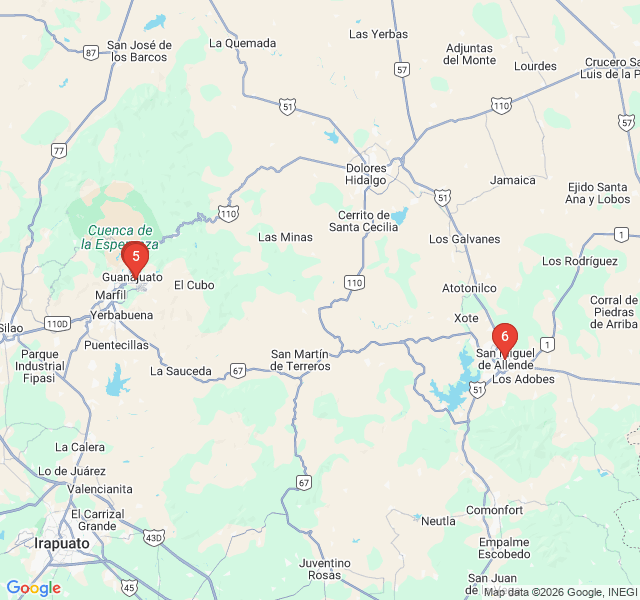
Numbers indicate the order of stops on the tour.
Diego Rivera was born in this house in 1886. His full name back then was Diego María de la Concepción Juan Nepomuceno Estanislao de la Rivera y Barrientos Acosta y Rodríguez. Try saying that quickly. Take a look at the 19th-century facade before you go in. On the ground floor, the museum recreates the family's living quarters, furnished with period pieces that show they were middle class. Upstairs, the focus moves from his private life to his career, with a significant collection of his early work. You can follow his path from traditional academic drawings to the first signs of the cubist and muralist styles that would later make him famous around the world.
The Museo del Pueblo is a short walk away, in a grand 17th-century mansion that once belonged to the Marquis of Rayas. Rivera's work looked toward the future of the Mexican people. This museum is about their past. It has a strong collection of religious art and civil paintings from the 18th and 19th centuries. Find the Hermenegildo Bustos collection and give it real time. Bustos was an indigenous painter whose honest, plain portraits of local people Rivera admired a great deal, and they strongly shaped how Rivera went about capturing the Mexican soul on a huge scale. Don't skip the courtyard and chapel. They're works of art too.
Plaza de la Paz, the Plaza of Peace, is the symbolic heart of Guanajuato. It's a triangle of a square, ringed by some of the city's most important colonial buildings, and a great deal of history has played out here. The bright yellow Basilica of Our Lady of Guanajuato fills the view. Inside is a jewel-covered statue said to be the oldest piece of Christian art in Mexico. To the young Rivera, this square stood for the social and religious pecking order of his day. Rich mine owners built these mansions, while laborers worked the silver mines close by. That gap gave him the theme of class struggle that ran through his revolutionary murals.
Look up at the tall white front of the University of Guanajuato and its famous 86 steps. The building was finished in the 1950s and is a neoclassical showpiece, the intellectual engine of the city. The university itself goes back much further, but the building's dramatic style reflects the modern Mexican identity Rivera helped create. It's a center for the arts, and it keeps Guanajuato a city full of students and thinkers. Rivera believed education and art belonged to everyone, and that idea fits a public institution like this one. Locals love sitting on the stairs to watch the city go by. Join them for a few minutes.
Teatro Juárez is one of the most beautiful theaters in Mexico, and it doesn't hold back. It was built between 1872 and 1903 and belongs to the Belle Époque years Rivera grew up in. Bronze lions guard the outside, and statues of the Greek Muses stand along the top. Inside, the decoration is a riot of Moorish-inspired luxury. During the Porfiriato, the long presidency of Porfirio Díaz, this was the peak of high culture. Rivera saw that kind of luxury as the opposite of life for the indigenous and working-class people he chose to stand up for in his art. The theater still puts on shows, and it says a lot about how much this city loves the stage.
The walk ends at El Pinche Grabador, a place that keeps Mexican graphic art alive. It's a contemporary printmaking studio that follows the tradition of the Taller de Gráfica Popular. Diego Rivera strongly backed printmaking, because prints could be made cheaply and put in the hands of ordinary people. The studio carries that on, turning out detailed woodcuts and linocuts that often carry social or political messages. Look at the presses and the prints hanging up to dry. It's the same creative drive that pushed Rivera to cover Mexico's walls with the stories of its people, just in a modern form.
Explore Mode
Open Zigway, start Explore Mode and just walk. Your guide notices where you are and tells you the story of what's around you, on this route or any street you turn into.
Start Free on iPhone
Open Zigway as you walk and your private tour guide tells the stories behind what you pass.
Your Private Tour Guide
Don't miss the good stuff
Explore Freely
 Moderate
Guanajuato, Mexico
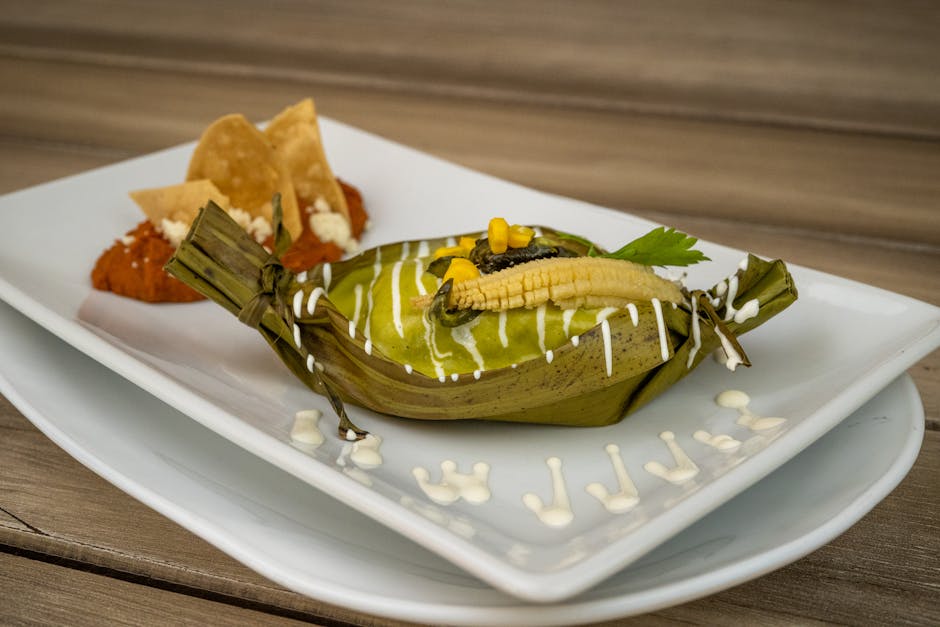
Explore the myths and hidden alleys of Guanajuato on this self-guided walk through romantic corners and legendary historic sites.
 Easy
Guanajuato, Mexico
Explore Guanajuato's vibrant nightlife through hidden mezcalerias, historic cantinas, and musical plazas on this self-guided evening stroll.
 Challenging
Guanajuato, Mexico
Ascend from the famous mummies to the opulent silver mines on this challenging self-guided walk through Guanajuato's industrial and colonial past.
 Easy
Guanajuato, Mexico
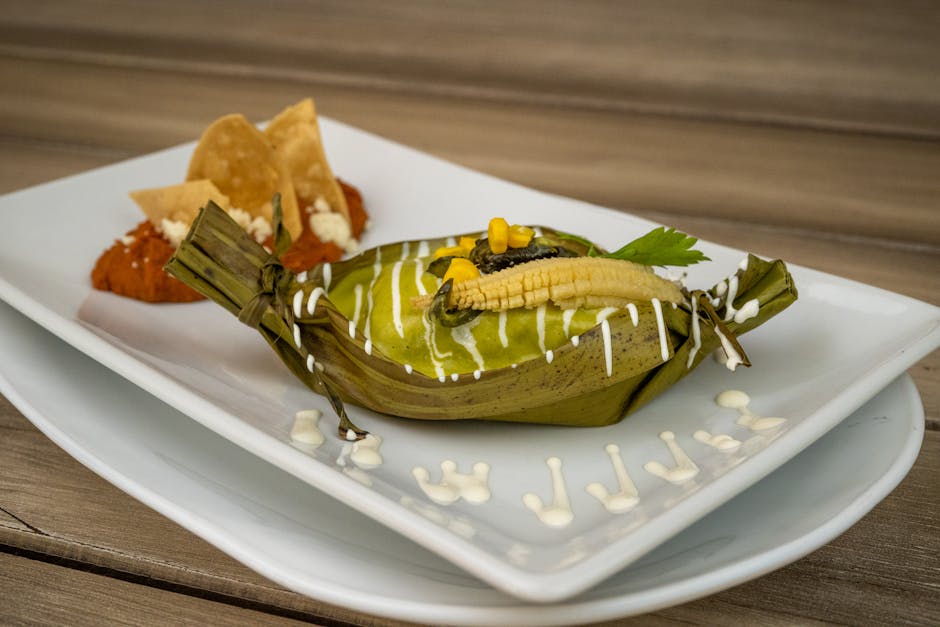
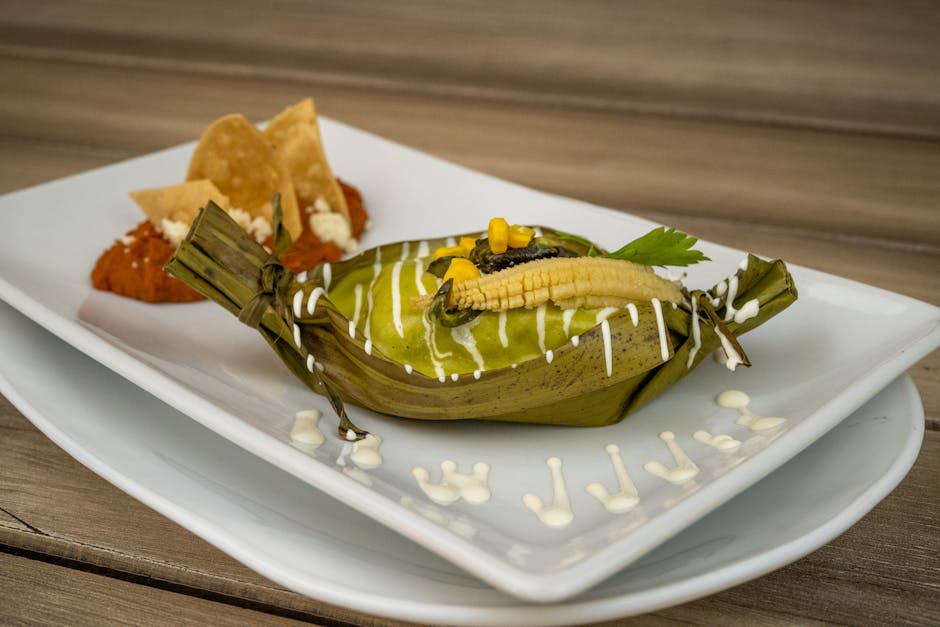
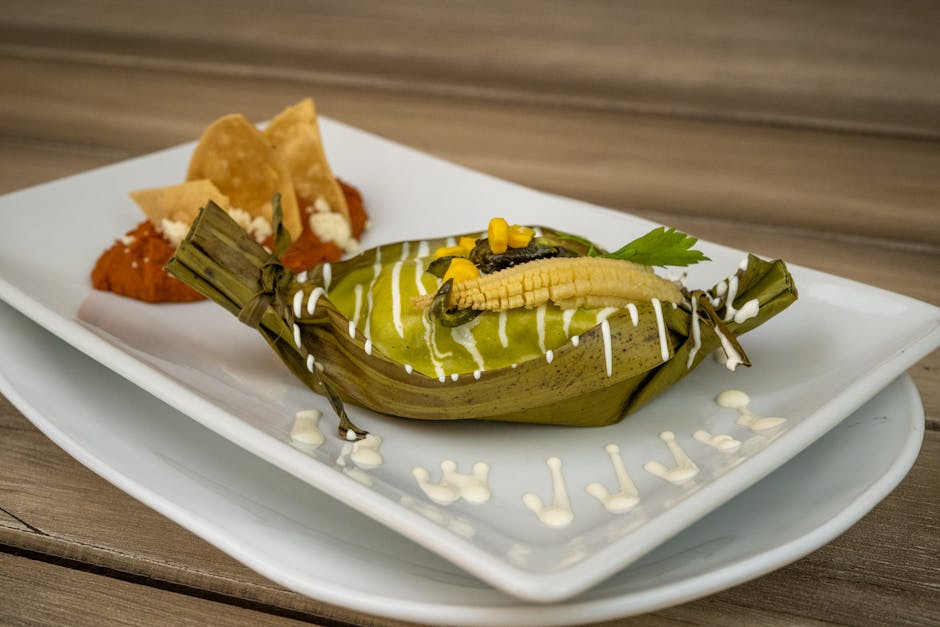
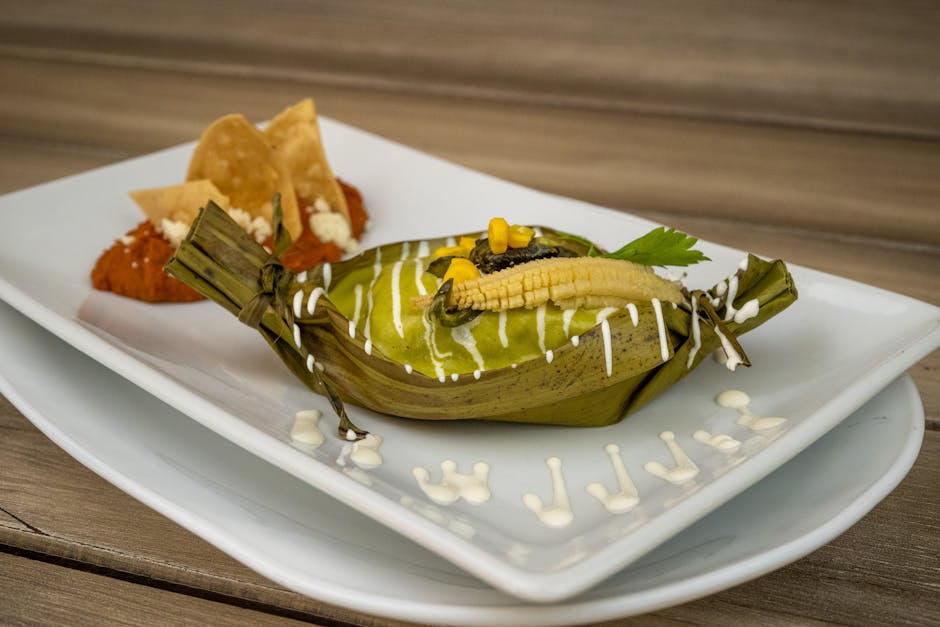
Discover the vibrant tastes of Guanajuato on this self-guided walk through markets, plazas, and local sweet shops.
 Easy
Krakow, Poland
Explore the historic heart of Kazimierz on this self-guided walk through synagogues, ancient cemeteries, and vibrant squares.
 Easy
Gothenburg, Sweden
Discover Gothenburg’s 17th-century Dutch foundations, historic canals, and military fortifications on this self-guided architectural walk.
 Easy
Nairobi, Kenya
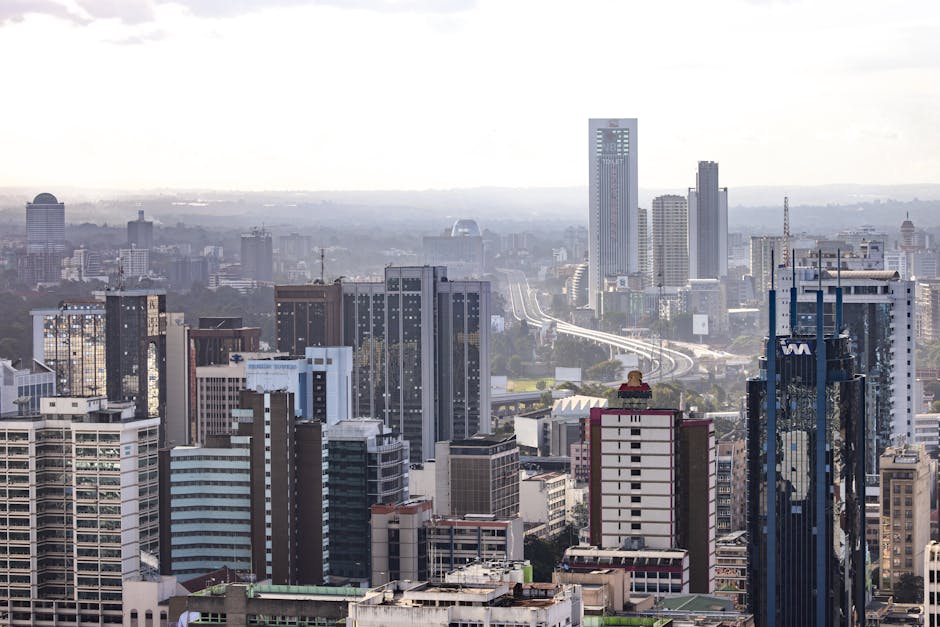
Explore Nairobi's architectural evolution from colonial-era landmarks to iconic Brutalist skyscrapers on this historic self-guided walking route.
 Easy
Nairobi, Kenya
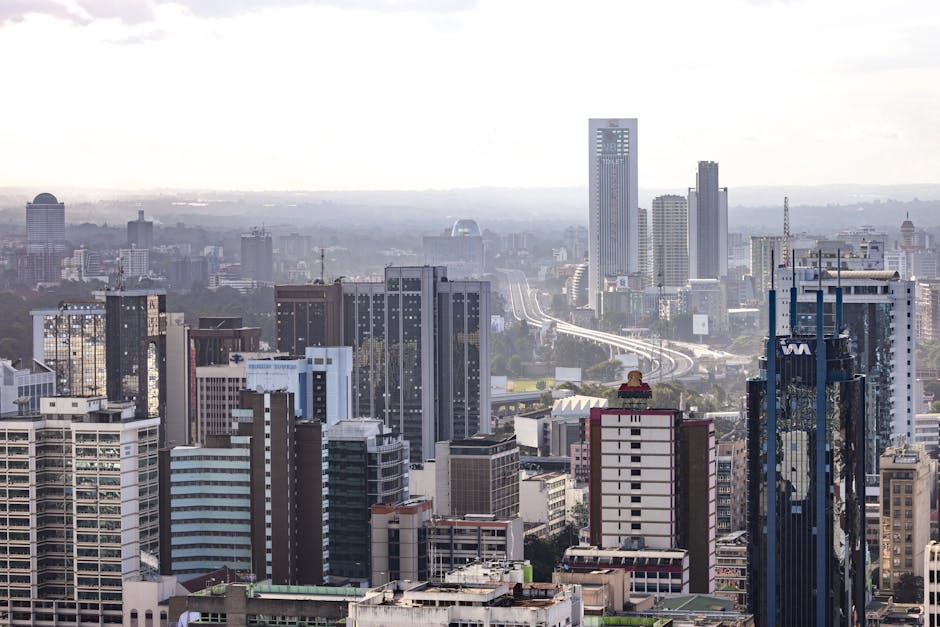
Discover Nairobi's iconic skyline on this self-guided architecture walk through the CBD’s most famous modernist and Brutalist landmarks.
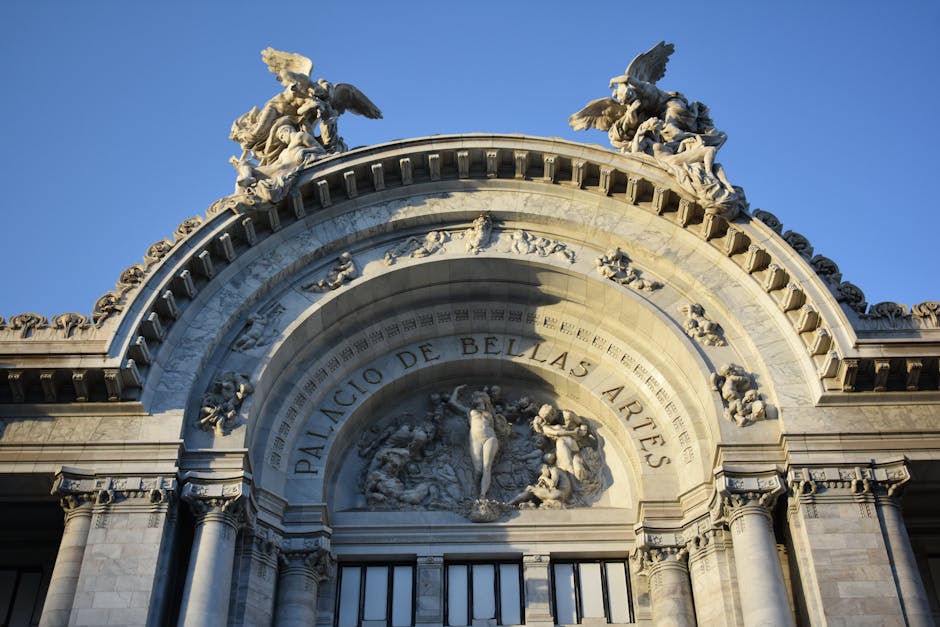 Easy
Mexico City, Mexico
Explore Mexico City's most glamorous district on this self-guided walk through Polanco's luxury boutiques, lush parks, and iconic art museums.
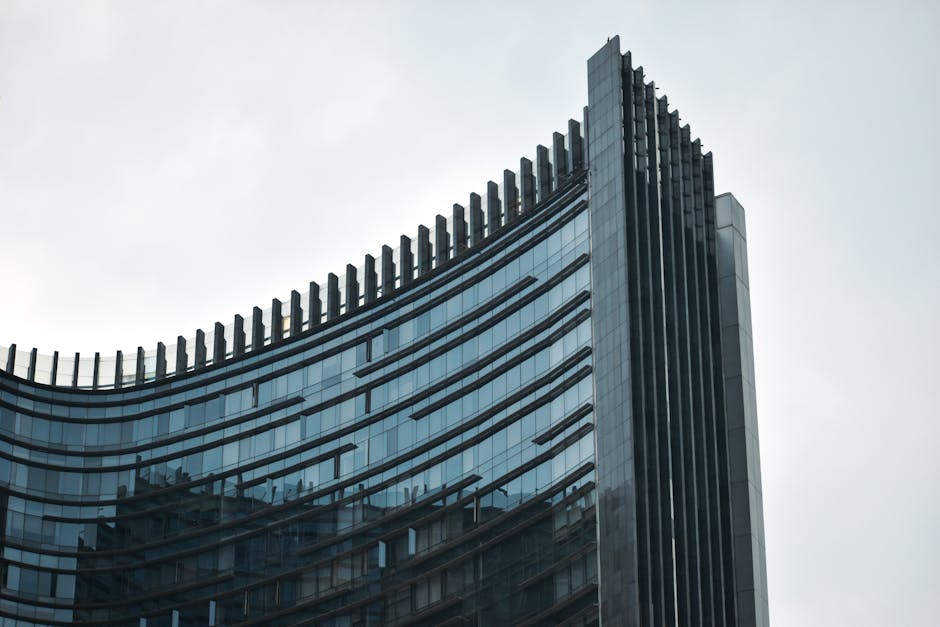 Easy
Mexico City, Mexico
Explore the Art Deco architecture and gourmet food scene of Roma Norte on this self-guided neighborhood stroll through Mexico City’s creative heart.
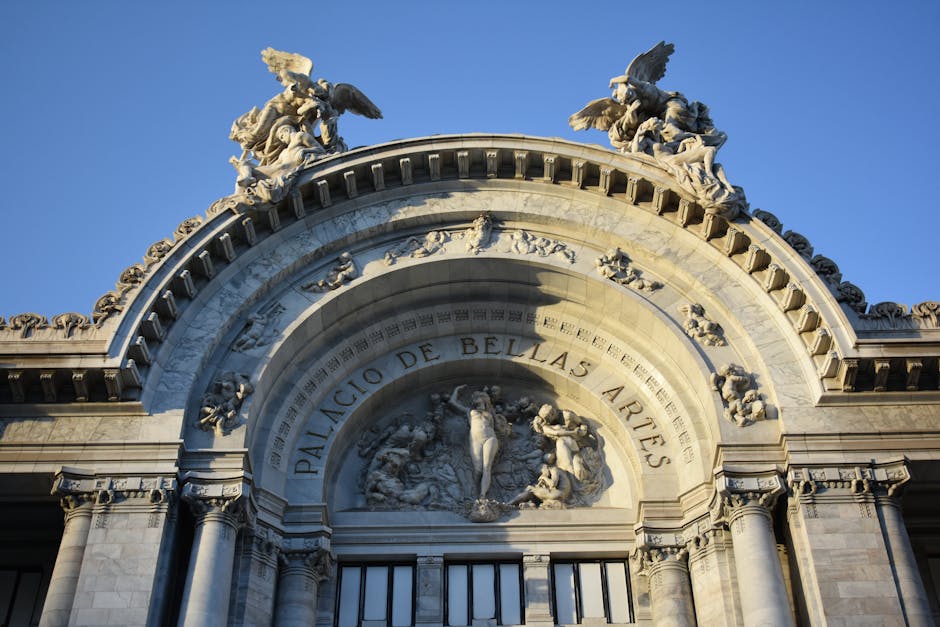 Easy
Mexico City, Mexico
Explore the epic murals of Rivera, Orozco, and Siqueiros on this self-guided walking route through the heart of Mexico City’s historic center.
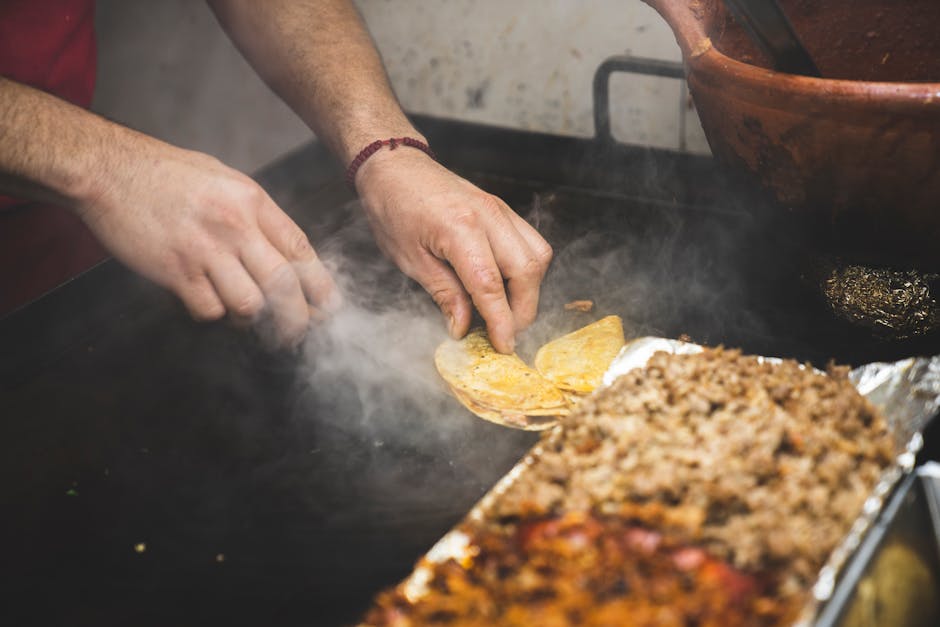 Moderate
Mexico City, Mexico
Taste the legendary tacos and cantina culture of Narvarte on this self-guided walk through Mexico City's most authentic foodie neighborhood.