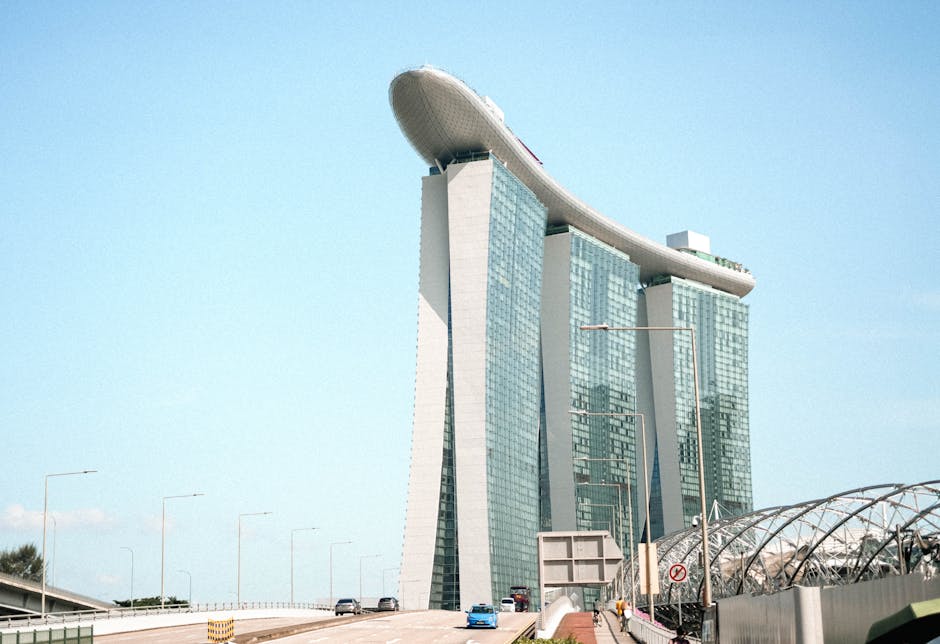
Self-guided audio tour in Singapore
Start Free on iPhone
Start free on iPhone to unlock this self-guided walking tour in Singapore. Hear all the stories that make it amazing, walk at your own pace, and begin whenever you want.
Your Private Tour Guide
Step back into a time when the British Empire’s influence shaped the skyline of Southeast Asia. This self-guided walk through Singapore’s Civic District reveals the architectural grandeur and political history of a city-state that transformed from a colonial trading post into a global powerhouse. As you explore this neighborhood, you will encounter Neoclassical facades, lush historic hills, and the very spots where modern Singapore was born. This walking route is designed for those who appreciate the interplay of heritage and modernization, offering a deep dive into the stories behind the white-washed columns and vibrant shutters that define the area. The Civic District serves as the literal and metaphorical center of Singapore. Your independent journey begins at the National Museum, a monument to the city’s past, before ascending the Forbidden Hill of Fort Canning. Here, the layers of history range from 14th-century Malay royalty to the headquarters of the British military. Moving toward the river, the route showcases the adaptive reuse of colonial structures. You will see how a former police station with hundreds of rainbow-colored shutters and a massive judicial complex have been reimagined as vibrant cultural hubs. The National Gallery, a centerpiece of this walk, seamlessly joins the former Supreme Court and City Hall, buildings that witnessed the surrender of occupying forces and the declaration of independence. This walking tour Singapore experience concludes at the legendary Raffles Singapore, an icon of luxury that has hosted literary giants and world leaders for over a century. Along the way, you will discover hidden courtyards, quiet memorials, and the architectural evolution that makes Singapore unique. Whether you are a first-time visitor or a resident looking to reconnect with the city's roots, this audio walk provides the context and freedom to explore at your own pace. By the end of this walking tour Singapore, you will have a profound understanding of how colonial echoes continue to resonate in the heart of this modern metropolis.

Numbers indicate the order of stops on the tour.
Your journey begins at the oldest museum in Singapore. Originally opened in 1887 as the Raffles Library and Museum, this Neo-Palladian masterpiece is instantly recognizable by its 11-meter-high silver dome, covered with 120 fish-scale glass tiles. The building represents the Victorian era's obsession with knowledge and classification. Look closely at the rotunda, where the stained glass captures the tropical sun. This site isn't just a museum; it is a symbol of Singapore's commitment to preserving its identity. As you stand here, imagine the early colonial scholars documenting the flora and fauna of a burgeoning port city. It serves as the perfect starting point to understand the transition from a British colony to a sovereign nation.
Just behind the museum lies Fort Canning Hill, known to locals as Bukit Larangan or the Forbidden Hill. Long before the British arrived in 1819, this was the seat of power for Malay royalty in the 14th century. When Sir Stamford Raffles arrived, he built his first residence here, recognizing the hill's strategic vantage point. Later, it became a massive artillery fort to protect the harbor. As you wander through the lush paths, you are walking over layers of history, from ancient tombs to the underground Far East Command Centre where the British decided to surrender Singapore to the Japanese in 1942. It is a peaceful green lung that holds the city's most somber and triumphant secrets.
As you descend from the hill toward the river, you will encounter one of Singapore's most photographed buildings. Built in 1934, the Old Hill Street Police Station was once the largest government building in Singapore and served as the city's first jail. While its history is serious, its modern appearance is anything but. The facade features 927 windows, each painted in a vibrant spectrum of rainbow colors. This Neoclassical structure, with its corbelled logs and heavy masonry, represents the 'Public Works Department' style of the colonial era. Today, it houses government offices, but its playful exterior makes it a favorite for photographers and a landmark of the city's creative spirit.
Standing before this massive complex, you are looking at two of Singapore’s most significant historical monuments: the former Supreme Court and City Hall. The National Gallery has ingeniously united these two buildings with a modern canopy of gold and glass. The City Hall building, with its Corinthian columns, was where the Japanese surrendered in 1945 and where Lee Kuan Yew declared Singapore’s independence in 1965. The Supreme Court building next door, completed in 1939, was the last major Neoclassical structure built in colonial Singapore. Together, they represent the judicial and executive heart of the British administration, now repurposed to celebrate the artistic soul of Southeast Asia.
Tucked away near the river is the Arts House, the oldest surviving government building in Singapore. Built in 1827 as a private mansion for a Scottish merchant, it was later rented by the colonial government and eventually became Singapore’s first Parliament House. The architecture is a modest Palladian style, designed by George Coleman, the man who shaped much of early colonial Singapore. In front of the building stands a bronze elephant statue, a gift from King Chulalongkorn of Siam in 1871. This building has witnessed the transition from colonial rule to a functioning democracy, and today, it serves as a multidisciplinary arts center focusing on the literary arts.
Now, move toward a sanctuary of peace and Gothic beauty. CHIJMES (pronounced 'chimes') was originally the Convent of the Holy Infant Jesus, established by French Catholic nuns in the mid-19th century. The centerpiece is the stunning Anglo-French Gothic chapel, completed in 1904, featuring intricate plasterwork and Belgian stained-glass windows. For over a century, this was a school and an orphanage. Today, the complex has been masterfully restored into a vibrant lifestyle destination filled with restaurants and bars. The cloisters and courtyards remain, offering a quiet escape from the surrounding city bustle while showcasing the religious and educational impact of European missionaries in Singapore.
Your walk concludes at perhaps the most famous hotel in the world. Raffles Singapore, named after the city’s founder, opened in 1887 as a 10-room bungalow. It quickly evolved into the 'Grand Dame of the East,' a beacon of luxury for travelers like Rudyard Kipling, Somerset Maugham, and Elizabeth Taylor. The Neoclassical architecture, with its breezy verandas and tropical gardens, epitomizes the colonial lifestyle. Even if you aren't staying here, the public courtyards and the Long Bar—birthplace of the Singapore Sling cocktail—are essential experiences. It remains a living monument to a bygone era of travel, standing proudly amidst the skyscrapers of the modern financial district.
Start Free on iPhone
Explore “Colonial Echoes in the Civic District” with your very own Private Tour Guide with Zigway. Start free on iPhone, skip the large group and the fixed routes, and hear the city come alive as you go.
Your Private Tour Guide
Don't miss the good stuff
Explore Freely
 Easy
EasySingapore, Singapore
Explore Singapore's historic riverfront at your own pace. Discover colorful bridges, colonial landmarks, and the vibrant energy of Clarke Quay.
 Easy
EasySingapore, Singapore
Discover the stunning Peranakan shophouses of Emerald Hill and the Art Deco history of Orchard on this self-guided architectural stroll.
 Easy
EasySingapore, Singapore
Discover royal history and vibrant street art on this self-guided audio walk through Kampong Glam, Singapore’s most colorful cultural neighborhood.
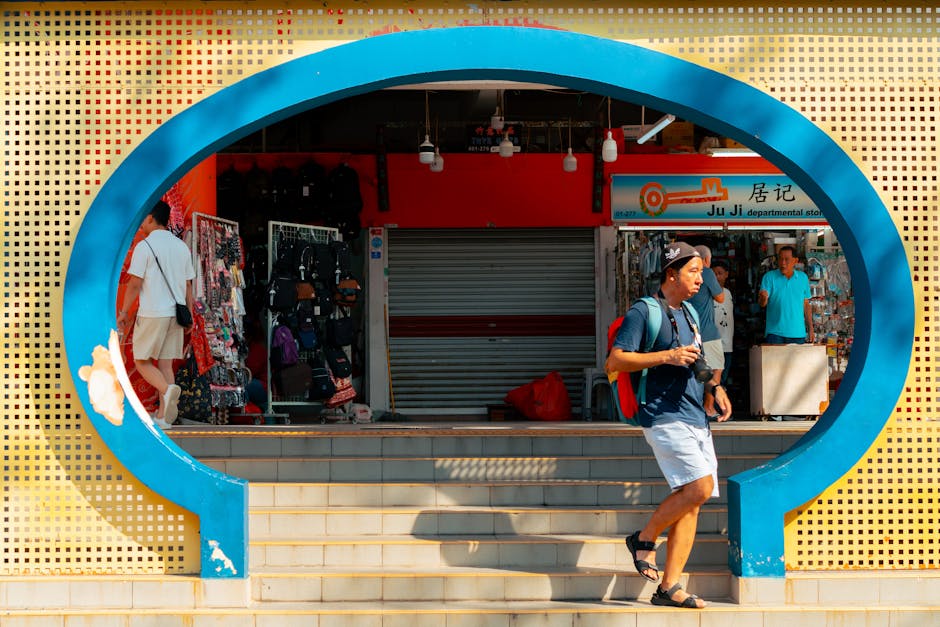 Easy
EasySingapore, Singapore
Explore the pastel shophouses and rich Peranakan heritage of Katong on this independent neighborhood stroll through Singapore's most colorful district.
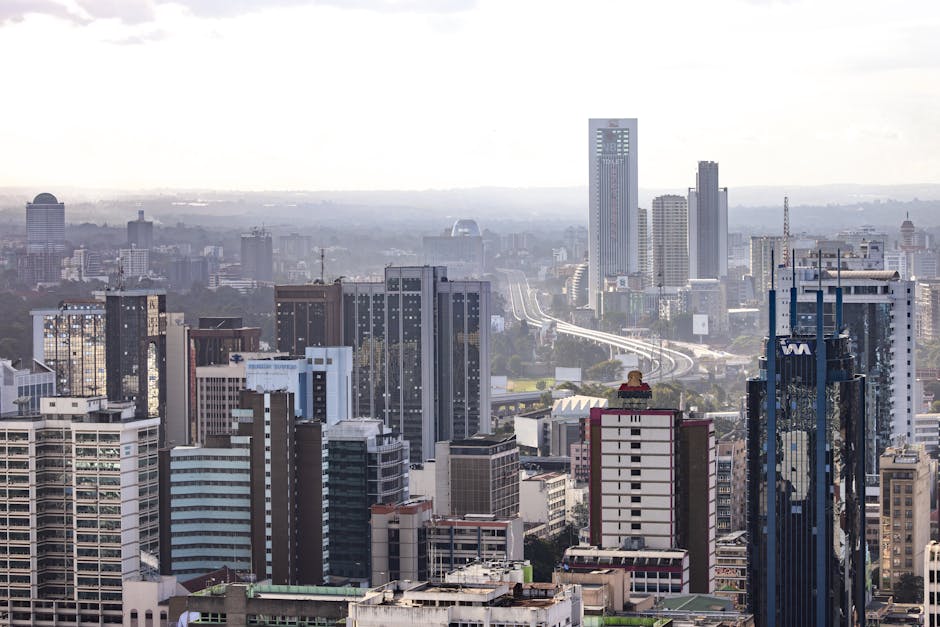 Easy
EasyNairobi, Kenya
Discover Nairobi's iconic skyline on this self-guided architecture walk through the CBD’s most famous modernist and Brutalist landmarks.
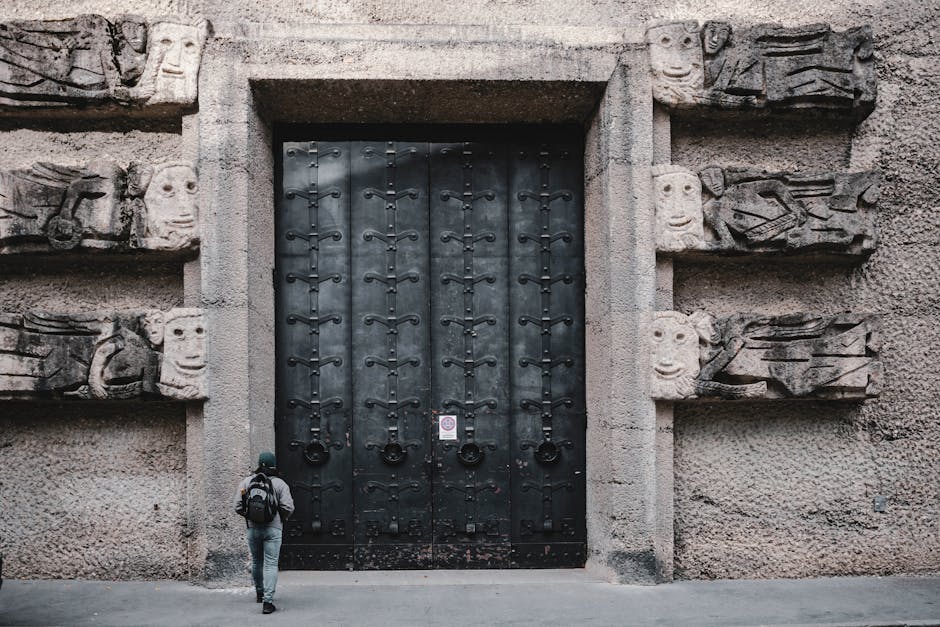 Easy
EasySalzburg, Austria
Discover the 'Rome of the North' on this self-guided walk through the Baroque squares and monumental legacy of Salzburg’s Prince-Archbishops.
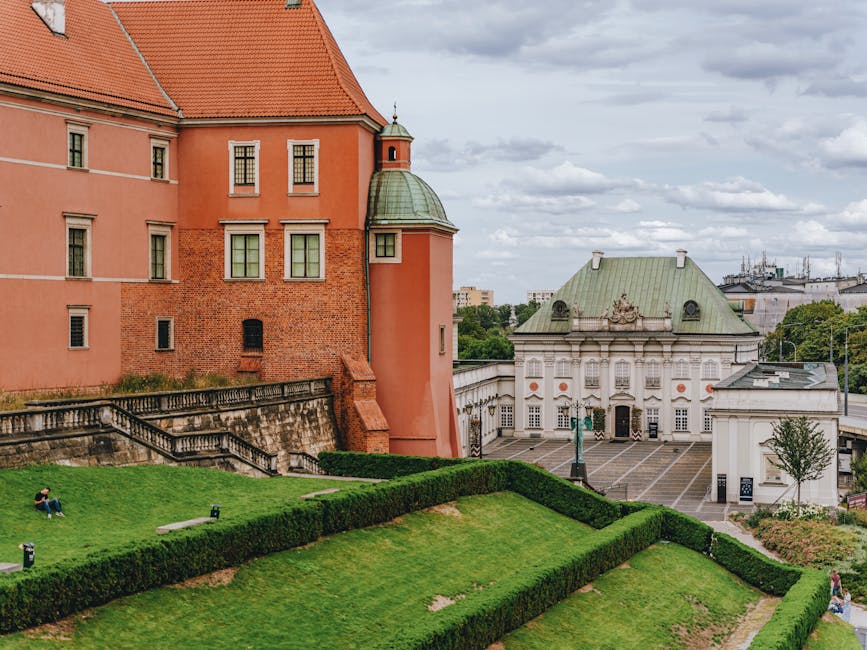 Easy
EasyWarsaw, Poland
Explore the miracle of Warsaw's reconstructed Old Town on this self-guided walk through royal squares, medieval walls, and heroic monuments.
 Easy
EasyGothenburg, Sweden
Explore Gothenburg's elegant academic district, featuring grand 19th-century stone architecture and the iconic cultural hub of Götaplatsen.