Self-guided audio tour in Singapore
Start Free on iPhone
Start free on iPhone to unlock this self-guided walking tour in Singapore. Hear all the stories that make it amazing, walk at your own pace, and begin whenever you want.
Your Private Tour Guide
Step into the vibrant tapestry of Katong and Joo Chiat, where the legacy of Singapore’s Peranakan culture is etched into every pastel-colored tile and ornate storefront. This neighborhood stroll invites you to discover a unique cultural synthesis that emerged from the marriage of Chinese, Malay, and Indonesian influences. As you begin your self-guided adventure, you will find yourself surrounded by the architectural grandeur of early 20th-century shophouses, characterized by their intricate plasterwork and vibrant ceramic porcelain. This walking route is not just about the visuals; it is a sensory journey through the aromas of spicy laksa and the intricate textures of hand-beaded slippers. The area was once dominated by coconut plantations and seaside retreats for the wealthy, but today it stands as a preserved heritage zone that celebrates the 'Straits Chinese' identity. Throughout this self-guided walk, you will explore the hidden stories behind the facades of Koon Seng Road and the spiritual resonance of local temples. This walking tour Singapore experience allows you to witness the evolution of a community that prides itself on its distinct language, cuisine, and fashion. From the iconic 328 Katong Laksa to the curated treasures of the Katong Antique House, you are free to explore at your own pace. Discover how the Peranakan community has maintained its traditions in a rapidly modernizing city, making this neighborhood stroll a highlight for any traveler seeking authenticity. Whether you are a photography enthusiast looking for the perfect shot of colorful shutters or a food lover eager to taste the heritage, this walking route provides a comprehensive look at one of Singapore's most charming districts. This walking tour Singapore itinerary is designed for those who appreciate the finer details of craftsmanship and the deep-rooted history of the Lion City's diverse population.

Numbers indicate the order of stops on the tour.
Begin your self-guided adventure at Joo Chiat Terrace, a gateway to the heritage-rich enclave of Katong. This area is named after Chew Joo Chiat, a wealthy landowner known as the 'King of Katong' who provided land for local development in the early 20th century. As you walk, notice the transition from simple terrace houses to more ornate shophouse designs. This street sets the stage for the Peranakan theme, showcasing how the community transitioned from plantation owners to urban dwellers. The architecture here reflects a 'Singapore Eclectic' style, blending European neoclassical elements like Corinthian columns with local motifs. Take a moment to appreciate the quiet residential vibe before the neighborhood becomes more vibrant and colorful.
You have reached one of the most photographed locations in Singapore. These shophouses, built in the 1920s, are the epitome of Peranakan aesthetic. Peranakan culture, often called 'Straits Chinese,' is a fusion of Chinese immigrants and local Malay influences. Look closely at the facades; you will see a riot of pastel pinks, blues, and yellows, adorned with intricate floral tiles and plaster reliefs of mythical creatures. These 'Majolica' tiles were originally imported from Europe and Japan, signifying the wealth and global connections of the families who lived here. Notice the 'pintu pagar' or swinging half-doors at the entrance, designed to allow ventilation while maintaining privacy and security.
As you continue your walking route, the skyline changes with the towering 'Gopuram' of the Sri Senpaga Vinayagar Temple. While the neighborhood is famous for Peranakan culture, it is also home to a diverse religious landscape. This Hindu temple, dedicated to Lord Ganesha, dates back to the mid-19th century when a statue was found by a pond next to a Senpaga tree. The current structure features stunning Chola-style architecture. Observe the intricate carvings of deities and the unique musical pillars that produce different notes when tapped. The presence of this temple highlights the multicultural fabric of the Joo Chiat area, where different communities have lived side-by-side for generations.
It is time for a taste of the neighborhood's culinary soul. 328 Katong Laksa is a legendary institution in Singapore's food scene. Peranakan cuisine, or 'Nyonya' food, is famous for its complex spice pastes and use of coconut milk. This specific style of Laksa is known as 'Katong Laksa,' characterized by thick vermicelli noodles cut into shorter pieces so they can be eaten with just a spoon—no chopsticks required. The broth is a rich, spicy coconut base infused with dried shrimp and topped with cockles and fishcakes. This spot gained international fame after a televised cooking challenge against a world-renowned celebrity chef, cementing its status as a must-visit for food lovers.
Enter the world of Peranakan craftsmanship at Rumah Bebe. This shophouse, with its distinct turquoise facade, serves as a boutique and heritage center dedicated to preserving traditional arts. Here, you can admire the 'Kasut Manek' or hand-beaded slippers, which require thousands of tiny glass beads and hundreds of hours of labor to complete. The store also showcases 'Nyonya Ware,' the colorful porcelain characterized by phoenix and peony motifs. The proprietor, Bebe Seet, is a renowned expert in Peranakan beadwork and fashion. This stop offers a deep dive into the 'Kebaya'—the traditional sheer blouse worn by Peranakan women, often featuring exquisite embroidery that reflects the wearer's status and heritage.
Conclude your neighborhood stroll at the Katong Antique House, a private museum curated by the late Peter Wee, a prominent figure in the Peranakan community. This is not a typical museum; it is a restored family home that feels lived-in. Inside, you will find a treasure trove of artifacts, from vintage wedding costumes and antique furniture to old photographs and kitchen utensils. The collection tells the intimate story of daily life in a Peranakan household. The intricate 'Tok Sam Kai' (altar cloth) and the heavy teak furniture inlaid with mother-of-pearl reflect the opulence and tradition of a bygone era. It is the perfect place to reflect on the enduring spirit of the Straits Chinese identity.
Start Free on iPhone
Explore “Peranakan Pastel and Porcelain” with your very own Private Tour Guide with Zigway. Start free on iPhone, skip the large group and the fixed routes, and hear the city come alive as you go.
Your Private Tour Guide
Don't miss the good stuff
Explore Freely
 Easy
EasySingapore, Singapore
Explore Singapore's historic riverfront at your own pace. Discover colorful bridges, colonial landmarks, and the vibrant energy of Clarke Quay.
 Easy
EasySingapore, Singapore
Discover the stunning Peranakan shophouses of Emerald Hill and the Art Deco history of Orchard on this self-guided architectural stroll.
 Easy
EasySingapore, Singapore
Discover royal history and vibrant street art on this self-guided audio walk through Kampong Glam, Singapore’s most colorful cultural neighborhood.
 Easy
EasySingapore, Singapore
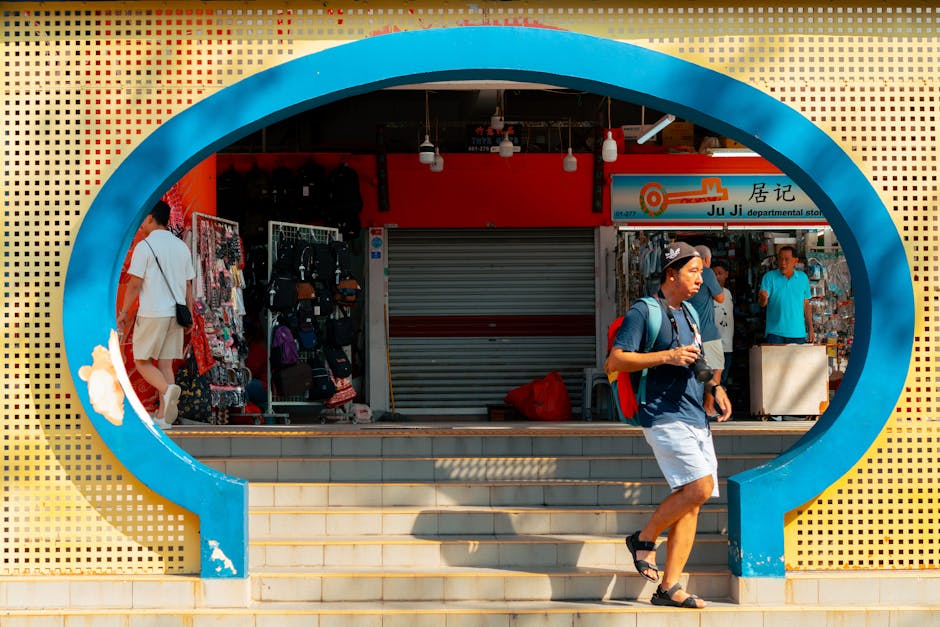
Experience the vibrant colors, spicy aromas, and rich Hindu heritage of Singapore's Little India on this immersive self-guided neighborhood stroll.
 Easy
EasyWarsaw, Poland
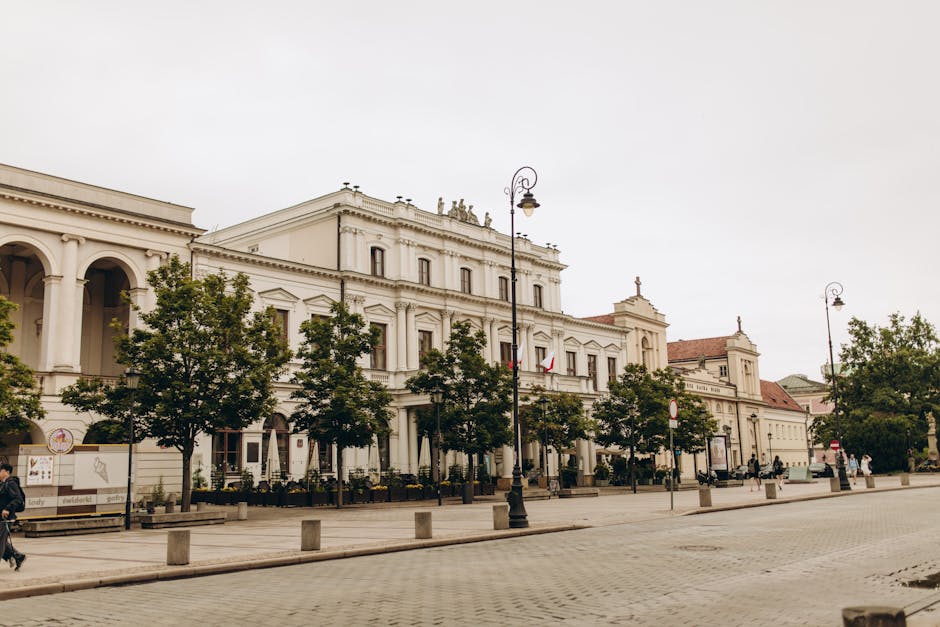
Explore Warsaw's scenic riverfront, rooftop gardens, and industrial-chic architecture on this self-guided stroll through the Powiśle district.
 Easy
EasyInnsbruck, Austria
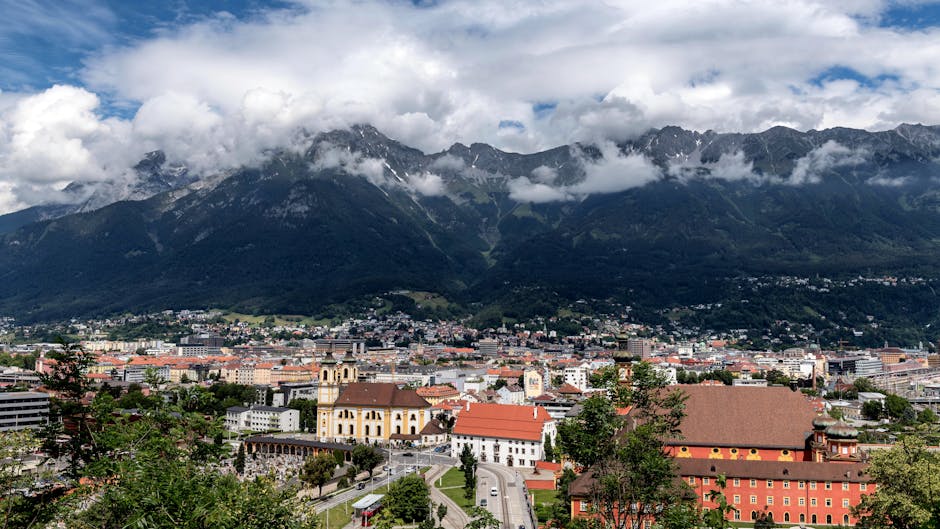
Discover the flavors of Tyrol on this self-guided stroll through Innsbruck’s historic Old Town and vibrant market hall.
 Easy
EasyKrakow, Poland
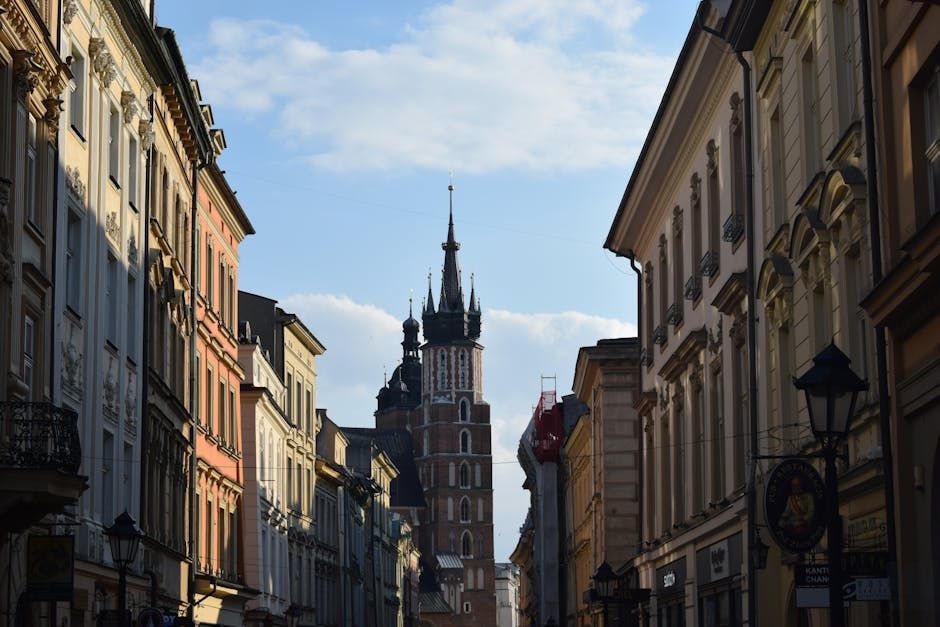
Savor the soul of Krakow on this self-guided walk through historic markets, bohemian cafes, and the city's best pierogi spots.
 Easy
EasyGdansk, Poland
Taste the history of the Baltic. Explore Gdansk's culinary heritage from medieval markets to gold-flecked liqueurs on this self-guided walk.