Self-guided audio tour in Singapore
Start Free on iPhone
Start free on iPhone to unlock this self-guided walking tour in Singapore. Hear all the stories that make it amazing, walk at your own pace, and begin whenever you want.
Your Private Tour Guide
Just a few steps away from the neon lights and relentless bustle of Orchard Road lies a portal to Singapore’s past. This self-guided walk through Emerald Hill and its surroundings reveals a side of the city that many travelers miss. While the world comes to Orchard for high-end shopping, this neighborhood stroll invites you to discover the 'Chinese Baroque' architecture of the Peranakan community and the quiet, leafy streets that once served as nutmeg plantations. This walking route is perfect for those who want to see the architectural evolution of Singapore, moving from 19th-century conservation shophouses to the sleek, futuristic glass of Orchard Gateway and finally to the Art Deco grandeur of The Cathay. Along the way, you will explore the hidden gems of Emerald Hill, a conservation area where every facade tells a story of wealth, tradition, and cultural fusion. Unlike a traditional walking tour Singapore often offers, this audio walk allows you to pause whenever a particular tile pattern or ornate window shutter catches your eye. You will learn about the 'Straits Chinese' identity and how this specific enclave transitioned from a rural estate to one of the most prestigious residential addresses in the city. The journey concludes near Dhoby Ghaut, connecting the dots between colonial-era history and modern urban planning. Whether you are an architecture enthusiast or a photography lover looking for the perfect shot of pastel-colored terrace houses, this self-guided adventure provides a deep dive into the lifestyle and heritage of Singapore's most famous district. Explore at your own pace and see how the old world and the new world exist in a delicate, beautiful balance.

Numbers indicate the order of stops on the tour.
Welcome to Emerald Hill. As you walk up this gentle slope, you are stepping onto land that was once a 19th-century nutmeg plantation owned by William Cuppage. By the early 1900s, it transformed into a fashionable residential area for the wealthy Peranakan community. Look closely at the houses; this style is often called 'Chinese Baroque.' It is characterized by a mix of Chinese motifs, like auspicious animal carvings, and European influences, such as Corinthian pillars and colorful glazed tiles. These conservation shophouses are among the most meticulously preserved in Singapore. Notice the 'pintu pagar'—the ornate swinging half-doors that allowed breezes to flow through the home while maintaining privacy. It is a peaceful sanctuary that feels worlds away from the shopping malls just a block behind you.
Located at the corner of Emerald Hill and Orchard Road, Peranakan Place is a vibrant cluster of six commercial shophouses built in 1902. Originally known as Peranakan Corner, this site has been a focal point for the Straits Chinese community for over a century. The architecture here serves as a colorful introduction to the neighborhood’s heritage, featuring the signature pastel hues and intricate plasterwork typical of the era. Today, it serves as a bridge between the quiet residential hill and the commercial energy of Orchard Road. Take a moment to appreciate the decorative friezes and the traditional five-foot ways—the covered walkways designed to protect pedestrians from the tropical sun and rain.
Transitioning from the old to the ultra-modern, we arrive at Orchard Gateway. This building is a marvel of contemporary design, known for its sleek glass facade and the iconic tubular bridge that spans across Orchard Road. It represents the 'gateway' to the shopping belt. While the interior is filled with modern fashion, the architecture itself is a statement on Singapore's vertical growth. If you head to the upper floors, you can find a glass-walled bridge that offers a fantastic bird's-eye view of the street below, providing a stark contrast to the low-rise, historic shophouses you just visited. This stop highlights how Singapore seamlessly integrates heritage conservation with futuristic urban development.
Across the road from the official residence of the President of Singapore lies Istana Park. The centerpiece here is the 26-meter-long Festival Arch, a stainless steel and glass structure rising from a shallow reflecting pool. The arch's design is inspired by the gateposts and wrought-iron gates of the Istana entrance. This park serves as a formal gateway to the Civic District and offers a moment of tranquility. On the first Sunday of every month (usually), the Istana grounds nearby are open to the public, but even on a typical day, this park provides a grand sense of space and a look at the ceremonial side of Singaporean life.
This open lawn is more than just a patch of grass; it is a place named after history. 'Dhoby' means washerman in Hindi, and 'Ghaut' refers to the steps leading down to a river. In the 19th century, Indian laundry workers would come here to wash clothes in the now-canalized Sungei Brass Bassa and dry them on the surrounding fields. Today, it is an urban relief space used for events and relaxation. As you stand here, you are at a major transit crossroads where three MRT lines meet underground. It is a perfect example of how Singapore repurposes historical industrial sites into community-focused green lungs.
Our final stop is The Cathay, a building that holds a legendary status in Singapore’s cinematic and architectural history. When it opened in 1939, it was the tallest building in Southeast Asia and the first to have an air-conditioned cinema. Its Art Deco facade, with its striking vertical lines and geometric patterns, was preserved even as the rest of the building was modernized. During World War II, it served as a broadcast station for the Japanese and later the British. Today, it remains a hub for film and youth culture. Look up at the distinctive tower section—it remains one of the most recognizable landmarks in the city's skyline, marking the end of our journey through Orchard's hidden history.
Start Free on iPhone
Explore “Hidden Gems of Emerald Hill” with your very own Private Tour Guide with Zigway. Start free on iPhone, skip the large group and the fixed routes, and hear the city come alive as you go.
Your Private Tour Guide
Don't miss the good stuff
Explore Freely
 Easy
EasySingapore, Singapore
Explore Singapore's historic riverfront at your own pace. Discover colorful bridges, colonial landmarks, and the vibrant energy of Clarke Quay.
 Easy
EasySingapore, Singapore
Discover royal history and vibrant street art on this self-guided audio walk through Kampong Glam, Singapore’s most colorful cultural neighborhood.
 Easy
EasySingapore, Singapore
Explore the pastel shophouses and rich Peranakan heritage of Katong on this independent neighborhood stroll through Singapore's most colorful district.
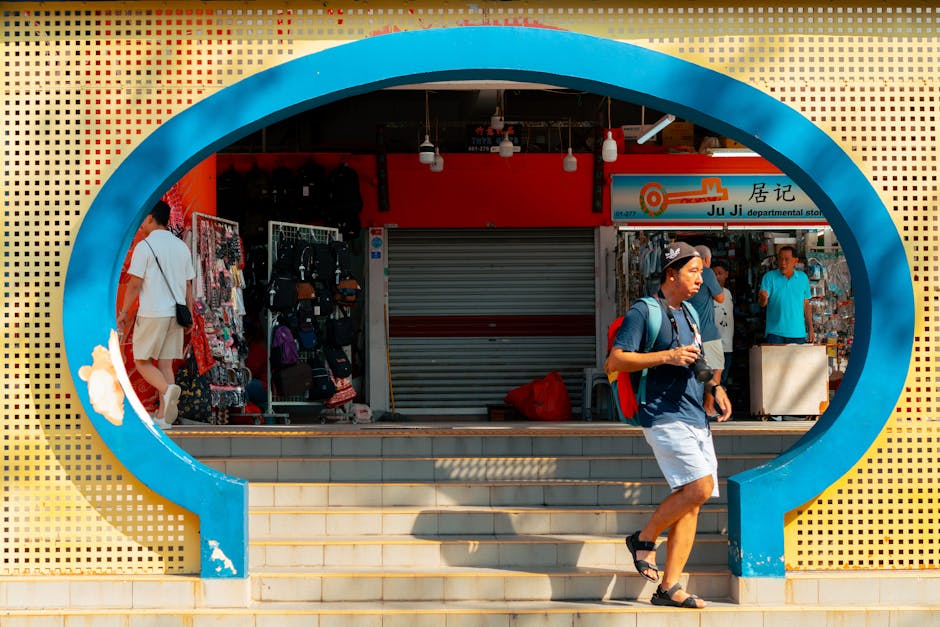 Easy
EasySingapore, Singapore
Experience the vibrant colors, spicy aromas, and rich Hindu heritage of Singapore's Little India on this immersive self-guided neighborhood stroll.
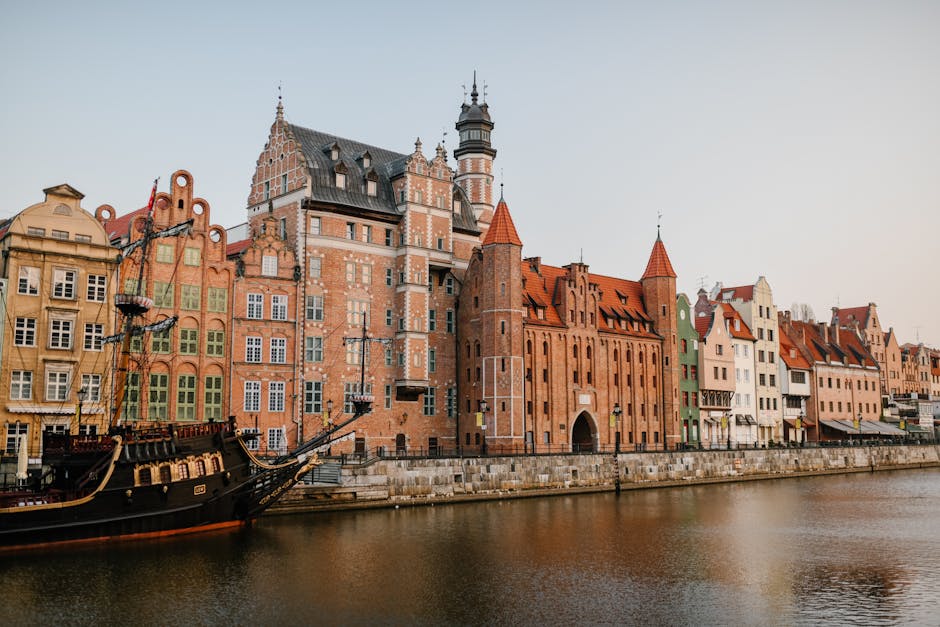 Easy
EasyGdansk, Poland
Discover the 'Baltic Gold' on this self-guided walk through Gdansk's historic mills, massive cathedrals, and the magical Mariacka Street.
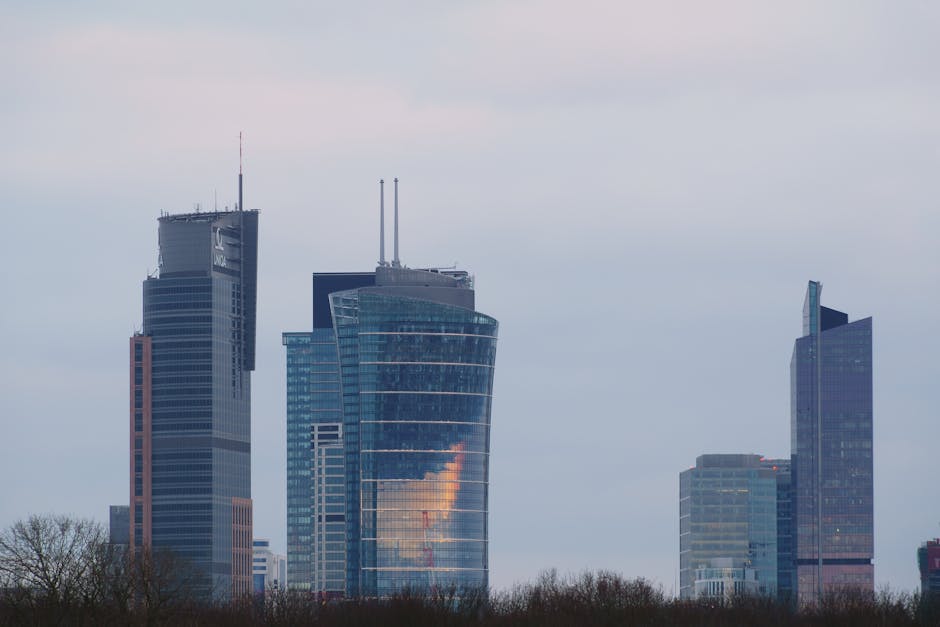 Easy
EasyWarsaw, Poland
Discover the hidden courtyards and grand pre-war architecture of Warsaw's most atmospheric neighborhood on this self-guided stroll.
 Easy
EasyKrakow, Poland
Explore the prestigious Jagiellonian University district, featuring Neo-Gothic architecture, Baroque churches, and Krakow's hidden scholarly gems.
 Easy
EasySalzburg, Austria
Discover Salzburg's oldest medieval alley, the birthplace of the 'Silent Night' author, and breathtaking views on this quiet self-guided walk.