Self-guided audio tour in Singapore
Start Free on iPhone
Start free on iPhone to unlock this self-guided walking tour in Singapore. Hear all the stories that make it amazing, walk at your own pace, and begin whenever you want.
Your Private Tour Guide
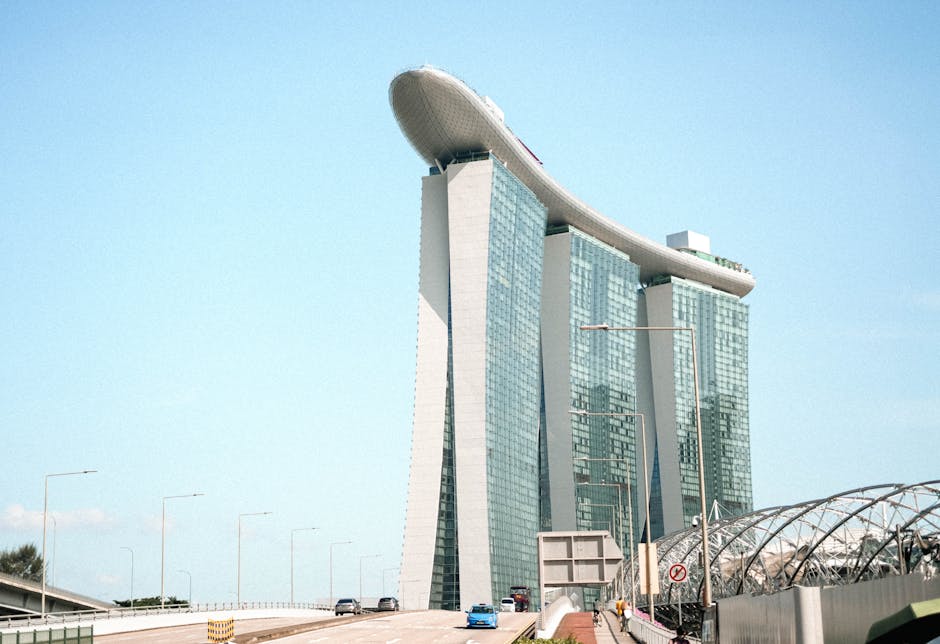
Singapore’s waterfront is a dazzling display of 21st-century urban planning and visionary design. This self-guided walking route through Marina Bay invites you to explore the city’s transition from a colonial trading post to a global metropolis. As you follow the water’s edge, you will encounter some of the world’s most recognizable landmarks, each telling a story of ambition and innovation. This neighborhood stroll is particularly special because it showcases how Singapore blends nature with high-tech infrastructure, creating a 'City in a Garden.' You will see how the historic Singapore River meets the modern bay, providing a perfect backdrop for photography and architectural appreciation. This walking tour Singapore experience allows you to witness the evolution of the skyline at your own pace, moving from the symbolic Merlion to the futuristic Supertrees. Along the way, you will discover the hidden engineering secrets behind the Helix Bridge and the sustainable design of the ArtScience Museum. Whether you are interested in the colonial history that shaped the harbor or the cutting-edge technology that defines its future, this route offers a comprehensive overview of the city's identity. It is perfect for those seeking a walking tour Singapore alternative that avoids the constraints of a rigid schedule. While many travelers look for a traditional guided tour Singapore offers, this self-guided route provides the freedom to linger at the viewpoints that fascinate you most. Unlike a standard guided tour Singapore experience, you can choose to begin your walk as the sun sets, watching the city lights flicker to life across the water. This architectural journey is not just about buildings; it is about the vision of a nation that continues to reinvent itself against a stunning maritime backdrop.

Numbers indicate the order of stops on the tour.
Start your self-guided adventure on the Jubilee Bridge, a sleek pedestrian structure opened in 2015. This bridge was built to commemorate Singapore’s 50th anniversary of independence, replacing a narrower walkway to accommodate the growing number of people enjoying the waterfront. As you walk across, notice the unobstructed views of the entire Marina Bay Sands complex and the Singapore Flyer. The bridge’s curved design is intentional, mimicking the flow of the water below. It serves as a symbolic connection between the historic civic district and the modern bay area. From here, you can see the contrast between the colonial-era buildings behind you and the glass-and-steel towers that define the current financial district. It is a perfect spot to observe the 'bumboats'—traditional wooden boats that once carried cargo and now ferry visitors along the river.
No visit to Singapore is complete without seeing the Merlion, the national icon that stands eight meters tall at the mouth of the Singapore River. This mythical creature, with the head of a lion and the body of a fish, represents Singapore's humble beginnings as a fishing village named Temasek and its original name, Singapura, which means 'Lion City' in Sanskrit. The statue was originally located near the mouth of the river but was moved to this prominent spot in 2002 to ensure it had a clear view of the bay. Look closely at the scales and the water fountain feature; it is one of the most photographed spots in the country. The park also features a smaller 'Merlion cub' nearby. The surrounding pier offers a 360-degree view of the bay, making it the primary hub for anyone exploring the waterfront independently.
Across the bridge lies the Esplanade, Singapore's premier performing arts center. Locals affectionately call these twin domes 'the Durians' because of their resemblance to the spiky tropical fruit. The unique exterior is covered with over 7,000 triangular aluminum sunshades, which were designed to let light in while keeping the tropical heat out. This architectural feat was controversial when it first opened in 2002, but it has since become a beloved part of the skyline. The Esplanade houses a world-class concert hall and theatre, but the public spaces are just as vital. You will often find free outdoor performances at the waterfront theater and art installations in the concourse. It represents Singapore’s commitment to making high-level arts accessible to everyone in a modern, sustainable environment.
As you continue your walking route toward the Marina Bay Sands complex, the ArtScience Museum comes into view. Designed by renowned architect Moshe Safdie, the building is shaped like an opening lotus flower, or perhaps a welcoming hand with ten 'fingers.' Each finger contains a different gallery space. The design is a masterclass in sustainability; the roof collects rainwater, which is then channeled down through the center of the building into a reflecting pond at the base, then recycled for use in the building’s restrooms. The museum sits at the intersection of art, science, culture, and technology, hosting rotating exhibitions that explore how these fields overlap. Its white facade creates a striking reflection on the water, especially during the blue hour just after sunset, making it a favorite for architectural photographers.
Next, step onto the Helix Bridge, a 280-meter pedestrian link that is the first of its kind in the world. Its design is inspired by the double-helix structure of DNA, symbolizing 'life and continuity, renewal and growth.' Look for the pairs of colored letters 'c' and 'g', as well as 'a' and 't' on the bridge floor, which represent the four bases of DNA. The bridge features four strategically placed observation decks that provide unique vantage points of the city skyline and the bay's events. The intricate stainless steel tubes create a canopy that provides shade during the day and is illuminated by thousands of LED lights at night. It is not just a bridge; it is a sophisticated piece of engineering that demonstrates Singapore's penchant for combining functional infrastructure with artistic expression.
Your walk concludes at the Supertree Grove within Gardens by the Bay. These futuristic vertical gardens stand between 25 and 50 meters tall and are covered in over 150,000 plants, including bromeliads, orchids, and ferns. While they look like something out of a science fiction movie, they are highly functional. Some are equipped with photovoltaic cells to harvest solar energy, while others serve as air intake and exhaust towers for the nearby conservatories. If you arrive in the evening, stay for the 'Garden Rhapsody' light and sound show, where the trees pulse with music and color. This site is the ultimate example of Singapore’s 'City in a Garden' vision, proving that urban spaces can be both high-tech and lushly green. It is a peaceful yet spectacular end to your exploration of Marina Bay.
Start Free on iPhone
Explore “Waterfront Wonders of Marina Bay” with your very own Private Tour Guide with Zigway. Start free on iPhone, skip the large group and the fixed routes, and hear the city come alive as you go.
Your Private Tour Guide
Don't miss the good stuff
Explore Freely
 Easy
EasySingapore, Singapore
Explore Singapore's historic riverfront at your own pace. Discover colorful bridges, colonial landmarks, and the vibrant energy of Clarke Quay.
 Easy
EasySingapore, Singapore
Discover the stunning Peranakan shophouses of Emerald Hill and the Art Deco history of Orchard on this self-guided architectural stroll.
 Easy
EasySingapore, Singapore
Discover royal history and vibrant street art on this self-guided audio walk through Kampong Glam, Singapore’s most colorful cultural neighborhood.
 Easy
EasySingapore, Singapore
Explore the pastel shophouses and rich Peranakan heritage of Katong on this independent neighborhood stroll through Singapore's most colorful district.
 Easy
EasyNairobi, Kenya
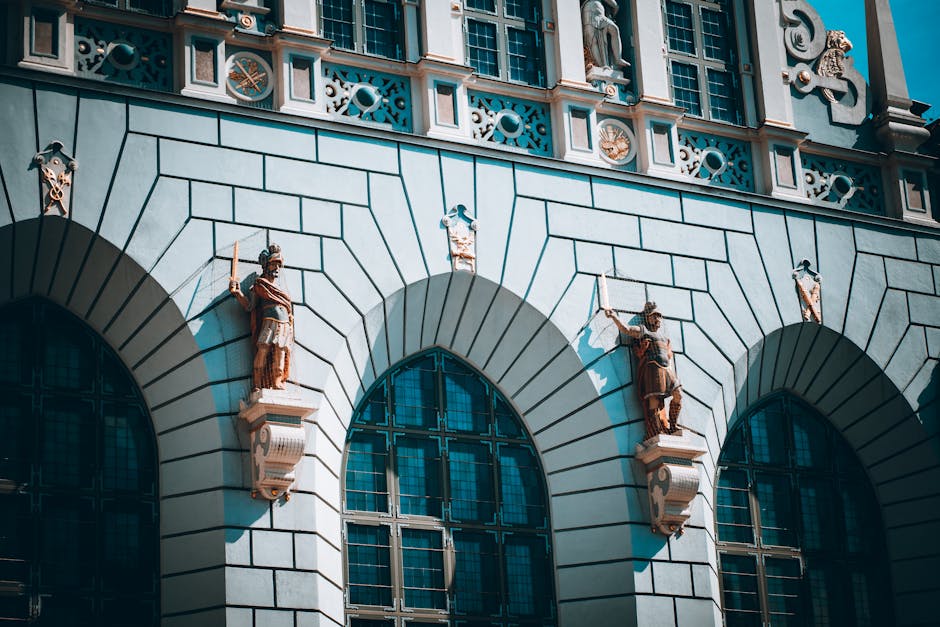
Discover Nairobi's iconic skyline on this self-guided architecture walk through the CBD’s most famous modernist and Brutalist landmarks.
 Easy
EasyGdansk, Poland
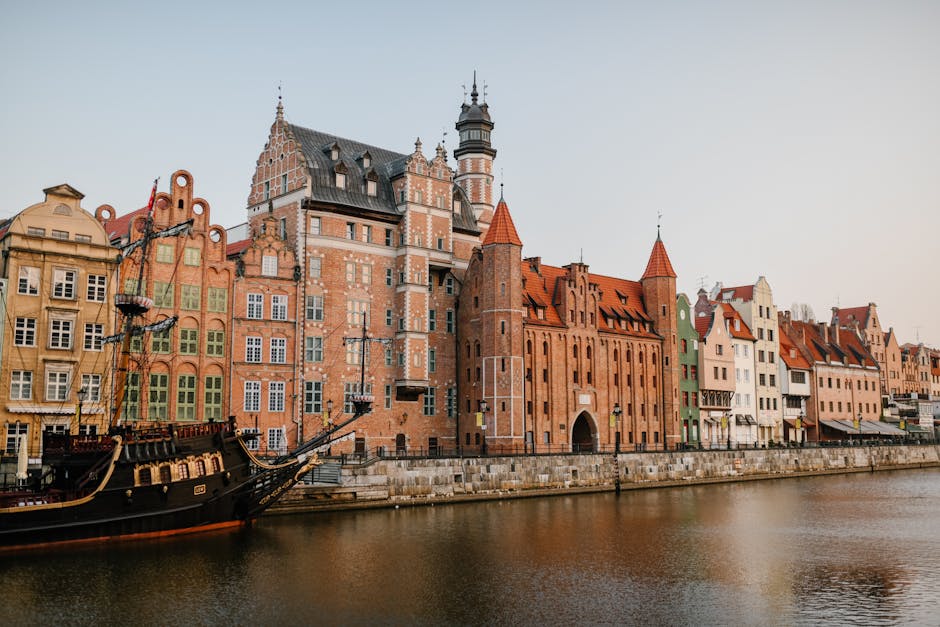
Discover the opulent Royal Way of Gdansk at your own pace. Explore Hanseatic history, gilded architecture, and the iconic Neptune's Fountain.
 Easy
EasyGdansk, Poland
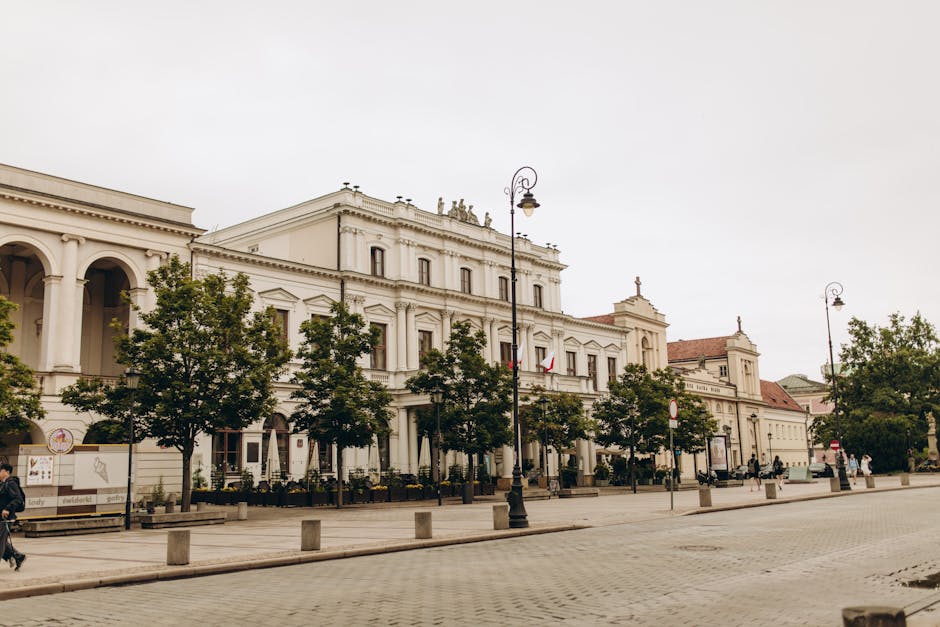
Discover the 'Baltic Gold' on this self-guided walk through Gdansk's historic mills, massive cathedrals, and the magical Mariacka Street.
 Easy
EasyWarsaw, Poland
Explore Warsaw's scenic riverfront, rooftop gardens, and industrial-chic architecture on this self-guided stroll through the Powiśle district.