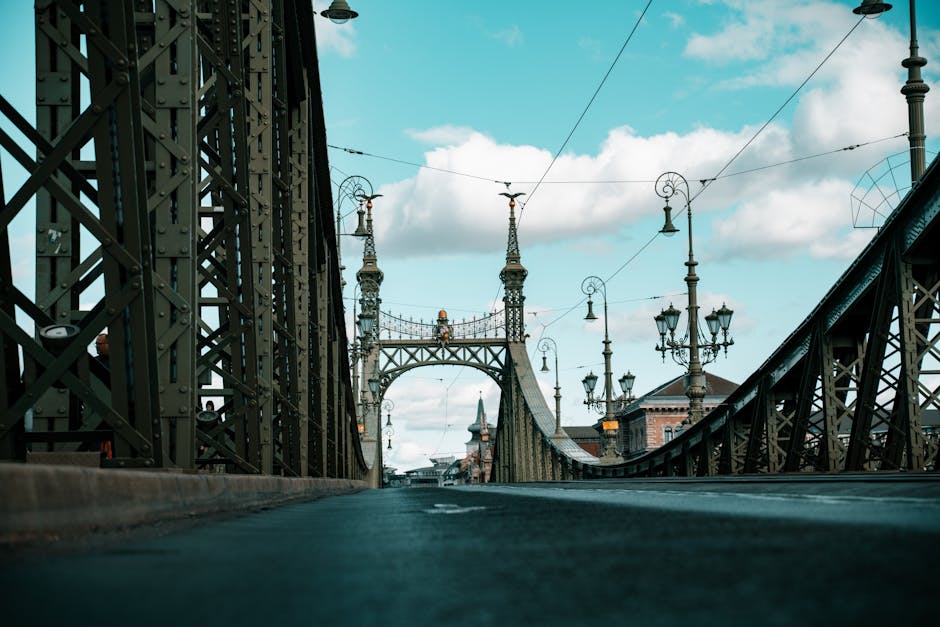
Self-guided audio tour in Budapest
Start Free on iPhone
Start free on iPhone to unlock this self-guided walking tour in Budapest. Hear all the stories that make it amazing, walk at your own pace, and begin whenever you want.
Your Private Tour Guide
Budapest is a city where history isn't just found in textbooks; it is etched into the very stones of its squares and the iron of its monuments. This neighborhood stroll through District V, the political heart of the nation, offers a profound look at the 20th-century forces that shaped modern Hungary. From the chilling days of World War II to the long decades behind the Iron Curtain and the eventual rise of democracy, this walking route connects the dots between revolution and reconciliation. Discover at your own pace how a single square can host both a monument to Soviet liberators and a tribute to an American president, reflecting the complex layers of Hungarian identity. You will encounter the haunting beauty of the Shoes on the Danube Bank, a poignant reminder of the Holocaust, and the architectural majesty of the Hungarian Parliament, a symbol of national sovereignty. This self-guided walk is perfect for those who want to understand the 'why' behind Budapest’s grand facades. Along the way, you'll see where the 1956 Revolution ignited and learn about the figures who stood against oppression. This walking tour Budapest experience allows you to soak in the atmosphere of the Danube bank while reflecting on the heavy price of freedom. Whether you are a history buff or a first-time visitor, this walking route provides the historical context necessary to truly see Budapest. This self-guided adventure is a must-do for anyone looking for a walking tour Budapest can offer that avoids the crowds and focuses on the deep, enduring spirit of the city.
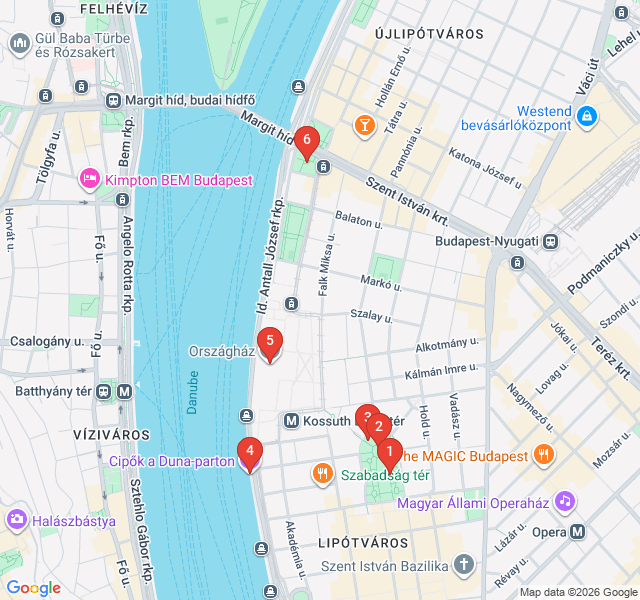
Numbers indicate the order of stops on the tour.
Liberty Square, or Szabadság tér, is perhaps the most politically charged space in Budapest. As you stand here, you are surrounded by architectural beauty and historical tension. The square has seen everything from the execution of Hungary's first Prime Minister in 1849 to the massive protests of the 2000s. Notice the juxtaposition of the US Embassy and the various monuments. One of the most debated is the Memorial to the Victims of the German Occupation, which many locals feel oversimplifies Hungary's role in WWII. This square serves as a living museum of the country's shifting alliances and its long struggle for true independence.
Standing tall in the center of Liberty Square is the Soviet War Memorial. It is the last of its kind remaining in the city center; most other communist-era statues were relocated to Memento Park after 1989. This obelisk honors the Red Army soldiers who died during the liberation of Budapest from Nazi forces in 1945. It remains here due to international treaties, serving as a stark reminder of the four decades of Soviet influence that followed the war. The presence of this monument, guarded by fences and cameras, continues to spark dialogue among Hungarians about their complex relationship with their past occupiers.
Just a short walk from the Soviet obelisk, you will find a bronze statue of Ronald Reagan. He is depicted in mid-stride, seemingly walking toward the Soviet memorial. This statue was erected in 2011 to honor the 40th U.S. President's role in ending the Cold War and helping Hungary regain its sovereignty. The placement is highly intentional; Reagan appears to be overseeing the departure of the Soviet influence he famously challenged. It is a favorite spot for a quick photo and a symbol of Hungary’s pivot toward Western democracy following the fall of the Iron Curtain.
Head toward the river to find one of the world’s most moving memorials. Sixty pairs of iron shoes, rusted and worn, sit fixed to the stone embankment. Created by sculptor Gyula Pauer and film director Can Togay, this work honors the Jews who were killed by the Arrow Cross militia during World War II. Victims were ordered to take off their shoes—valuable commodities at the time—before being shot into the freezing Danube. The varying sizes and styles of shoes represent men, women, and children, making the tragedy deeply personal. It is a place for quiet reflection amidst the beauty of the river.
Dominating the skyline is the Országház, the Hungarian Parliament Building. Completed in 1902, it is a masterpiece of Gothic Revival architecture and the third-largest parliament building in the world. Its symmetrical wings and massive central dome symbolize the bicameral system of the time. While its exterior is stunning, its history is equally dramatic. Kossuth Square, which surrounds it, was a focal point of the 1956 Revolution. Look for the 'Bloody Thursday' memorial nearby, which commemorates the hundreds of unarmed protesters fired upon during the uprising. The building stands today as a proud symbol of Hungarian statehood.
We conclude our walk at the statue of Imre Nagy. Nagy was the Prime Minister during the 1956 Uprising who attempted to lead Hungary out of the Warsaw Pact. After the revolution was crushed by Soviet tanks, he was executed for treason, only to be rehabilitated as a national hero in 1989. The statue depicts him standing on a bronze bridge, caught between the old era of oppression and the new era of freedom. It is a fitting end to our journey, representing the difficult transition Hungary made to cross the bridge into the modern world. From here, you are perfectly placed to explore the nearby Margaret Bridge or catch a tram along the scenic riverbank.
Start Free on iPhone
Explore “Echoes of the Iron Curtain” with your very own Private Tour Guide with Zigway. Start free on iPhone, skip the large group and the fixed routes, and hear the city come alive as you go.
Your Private Tour Guide
Don't miss the good stuff
Explore Freely
 Easy
EasyBudapest, Hungary
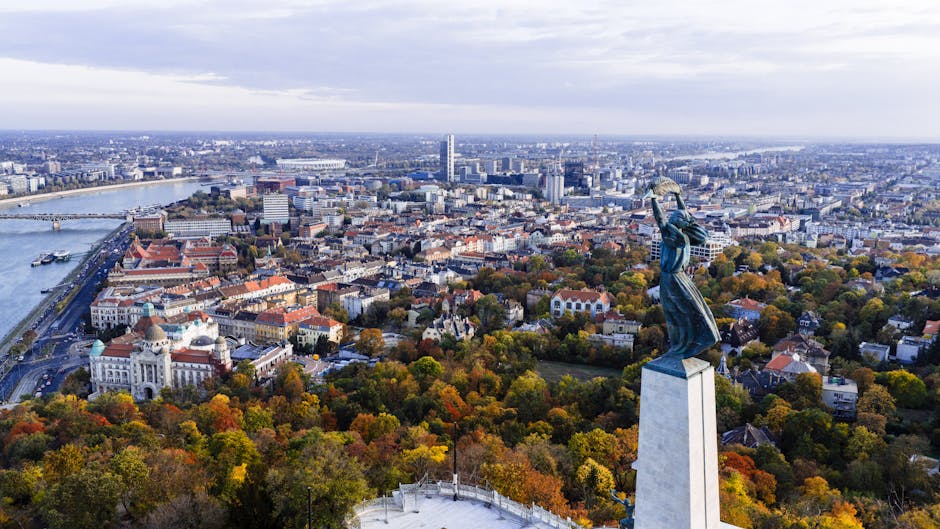
Experience the magic of Budapest at sunset on this self-guided walk along the Danube, featuring iconic bridges, historic halls, and hidden gems.
 Easy
EasyBudapest, Hungary
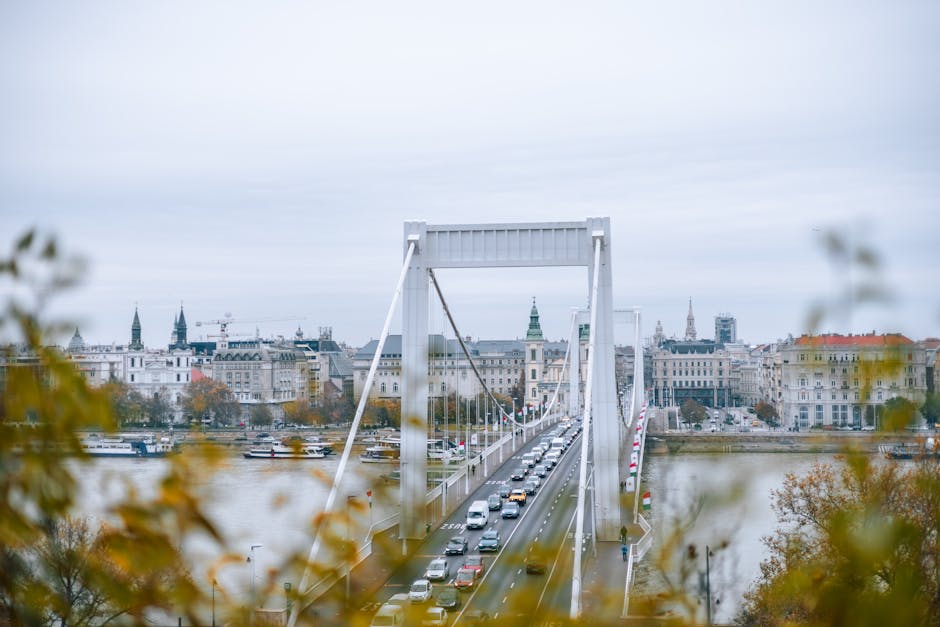
Discover the hidden 'Magnates' Quarter' of Budapest. A self-guided walk through aristocratic history and stunning 19th-century architecture.
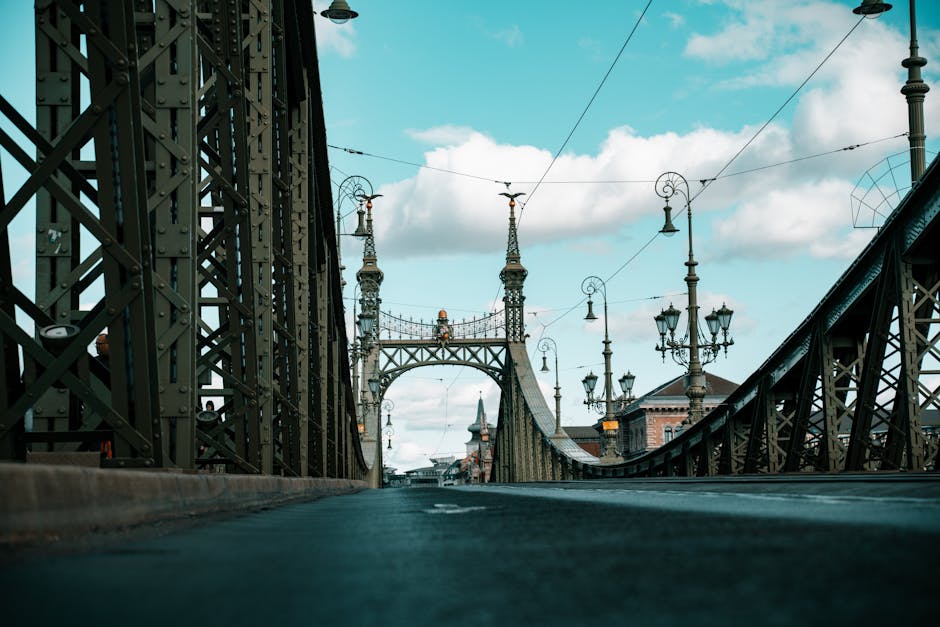 Easy
EasyBudapest, Hungary
Discover the vibrant street art and legendary ruin bars of District VII on this self-guided walk through Budapest’s most eclectic neighborhood.
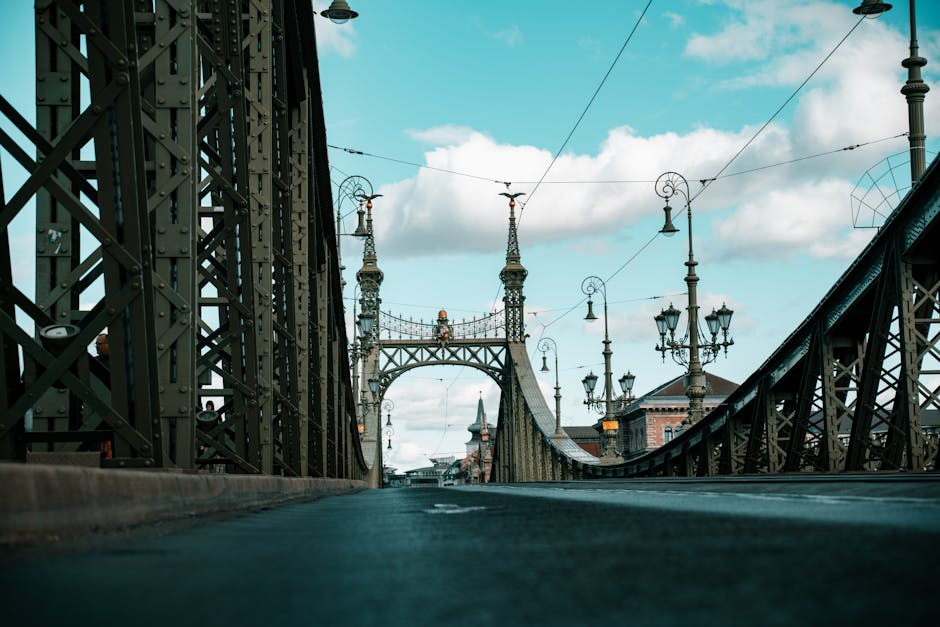 Moderate
Budapest, Hungary
Explore the historic heart of Budapest with this self-guided walk through the Royal Buda Castle district, featuring panoramic views and medieval lore.
 Easy
EasyNairobi, Kenya
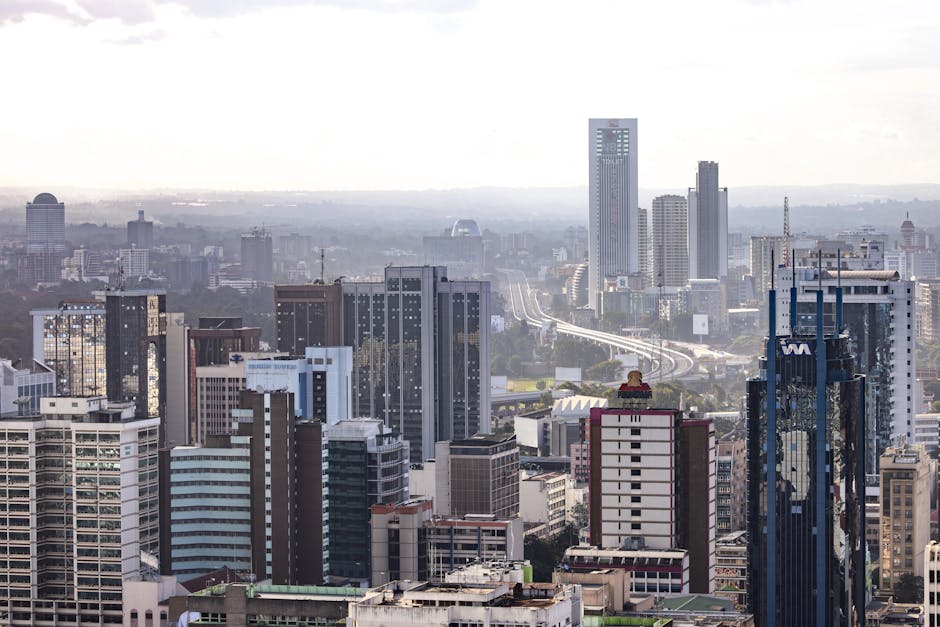
Explore Nairobi's architectural evolution from colonial-era landmarks to iconic Brutalist skyscrapers on this historic self-guided walking route.
 Easy
EasyNairobi, Kenya
Discover Nairobi's iconic skyline on this self-guided architecture walk through the CBD’s most famous modernist and Brutalist landmarks.
 Easy
EasyKrakow, Poland
Explore the prestigious Jagiellonian University district, featuring Neo-Gothic architecture, Baroque churches, and Krakow's hidden scholarly gems.
 Easy
EasyGothenburg, Sweden
Discover Gothenburg’s 17th-century Dutch foundations, historic canals, and military fortifications on this self-guided architectural walk.