Self-guided audio tour in Hiroshima
Start Free on iPhone
Start free on iPhone to unlock this self-guided walking tour in Hiroshima. Hear all the stories that make it amazing, walk at your own pace, and begin whenever you want.
Your Private Tour Guide
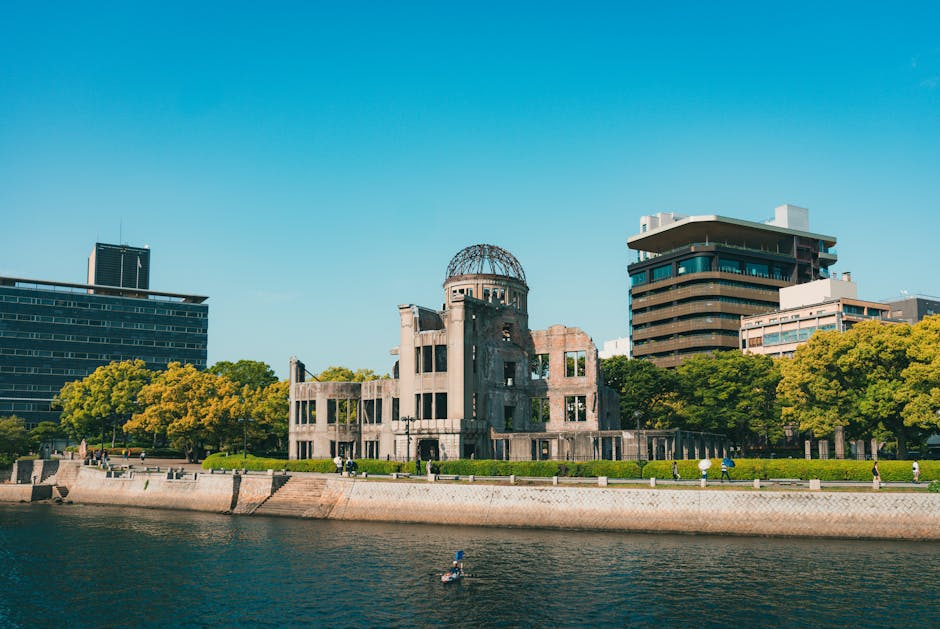
Step into the heart of Hiroshima's culinary identity with this self-guided walk through the vibrant Shintenchi and Hatchobori districts. This route is more than just a food crawl; it is a journey through the city’s resilience, centered around its most beloved soul food: Hiroshima-style okonomiyaki. Unlike the mixed versions found in Osaka, Hiroshima’s savory pancakes are meticulously layered with cabbage, sprouts, pork belly, and yakisoba noodles, a technique born from post-war necessity that evolved into a gourmet art form. This walking route Hiroshima offers invites you to explore the evolution of this dish, from the humble stalls of Okonomimura to the historic kitchens where the style was first perfected. As you begin your neighborhood stroll near the Peace Memorial Park, you will transition from the solemn history of the city into the bustling energy of the Hondori shopping arcade. You will discover how the city rebuilt itself, using food as a catalyst for community. The highlights include the legendary 'Okonomiyaki Village,' where dozens of independent stalls compete for the title of the best grill, and the historic Mitchan Sohonten, credited with inventing the layered style we see today. Along the way, you will experience the neon-lit charm of Alice Garden and the eclectic retail therapy of Don Quijote. This self-guided adventure is designed for those who want to explore at their own pace, allowing you to linger over a sizzling griddle or browse the department stores of Hatchobori. Whether you are a first-time visitor or a returning foodie, this trail provides a deep dive into the flavors and urban culture that make Hiroshima unique. Prepare your appetite for a sensory experience that defines the savory soul of this resilient city. **Note:** This area is known for its ever-changing character. Street art, pop-up venues, and temporary exhibitions may differ from what's described. That's part of the adventure - you might discover something entirely new!
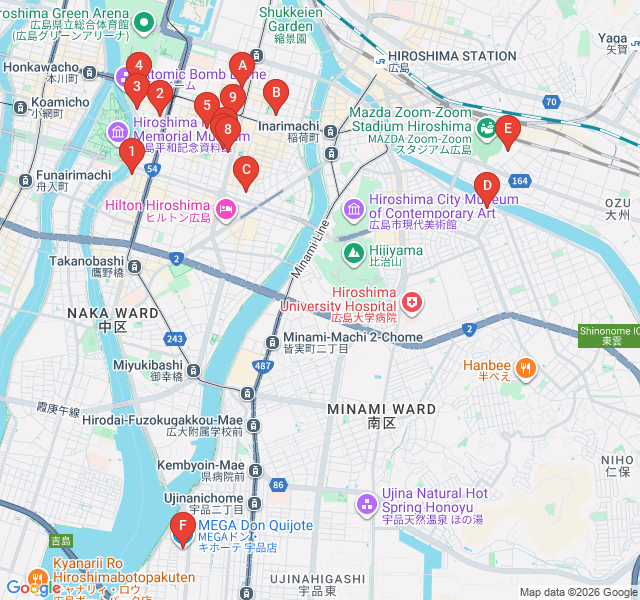
Numbers indicate the order of stops on the tour.
Start your self-guided walk at this landmark location, situated just a stone's throw from the Motoyasu River. This area serves as the gateway between the solemn grounds of the Peace Memorial Park and the revitalized commercial heart of Hiroshima. As you begin, take a moment to notice the contrast between the quiet riverside and the urban energy ahead. This neighborhood was one of the first to be rebuilt after 1945, and the presence of so many eateries nearby is a testament to the city's focus on hospitality and recovery. Follow the route toward the shopping district to see how the city's culinary history began to take shape in the post-war era.
While Hiroshima is famous for its pancakes, it also embraces Japan's wider noodle culture. Ichiran is a staple of the Japanese dining experience, known for its 'flavor concentration booths' where diners eat in individual cubicles to focus entirely on their ramen. Located at the entrance to the Hondori arcade, this spot represents the modern, fast-paced side of the city's food scene. Even if you aren't stopping for a bowl of tonkotsu ramen now, observe the efficient, tech-driven way that Japanese chains operate, which stands in stark contrast to the traditional, social atmosphere of the okonomiyaki stalls you will encounter later.
Nagataya is a local legend, often seen with a line of eager diners stretching down the sidewalk. Situated near the A-Bomb Dome, this restaurant is many visitors' first introduction to Hiroshima-style okonomiyaki. What makes this place special is their dedication to high-quality ingredients, including a specific blend of flour and a custom-made sauce that is slightly sweeter than the standard. The atmosphere here is lively and welcoming, bridging the gap between a tourist destination and a respected local haunt. It is an excellent example of how Hiroshima’s soul food has become a global ambassador for the city's culture.
This striking glass-and-wood tower is a modern addition to the skyline. The name 'Orizuru' refers to the folded paper crane, a symbol of peace and healing in Hiroshima. While the ground floor features a sophisticated cafe and souvenir shop with local crafts, the tower itself represents the city's forward-looking spirit. It was designed to offer a place where people could reflect on the past while looking out over the thriving, modern city. The architecture incorporates natural materials and open-air decks, providing a breath of fresh air amidst the dense urban environment of the Shintenchi district.
You are now walking through Hondori, a covered shopping arcade that stretches for over half a kilometer. This is the central nervous system of Hiroshima’s retail life. Long before the modern mall, arcades like this were the primary social hubs for Japanese cities. As you stroll, look for the 'Hondori' sign and notice the mix of centuries-old pharmacies, trendy fashion boutiques, and local snack shops. This street has been a commercial thoroughfare since the Edo period, and it remains the best place to see the everyday rhythm of the city, from students grabbing 'purikura' photos to salarymen heading to dinner.
Alice Garden is a small but vibrant public square that serves as a popular meeting point and event space in the Shintenchi area. Its name is inspired by the whimsical nature of 'Alice in Wonderland,' and it often hosts street performances, flea markets, or idol group showcases. Surrounded by neon signs and towering department stores, this plaza is a prime spot for people-watching. It represents the youth culture of Hiroshima, where the city’s next generation gathers to socialize. The atmosphere here changes significantly between the afternoon and the evening, as the surrounding nightlife begins to wake up.
Welcome to the 'Mecca' of okonomiyaki. Okonomimura, or Okonomiyaki Village, is a three-story building packed with over 20 independent stalls. This isn't just a food court; it's a historical monument. After the war, food was scarce, and many locals set up small stalls in this area to sell inexpensive pancakes made with wheat flour and cabbage. Over time, these stalls moved into this building to preserve the tradition. Each stall is owned by a different chef with their own 'secret' sauce and technique. The sights, sounds of metal spatulas clacking on grills, and the aroma of dashi and sauce make this the ultimate stop on the trail.
No neighborhood stroll in Japan is complete without a visit to 'Donki.' This discount megastore is a sensory overload of music, bright lights, and thousands of products. For the food-focused traveler, the Hatchobori branch is a goldmine for edible souvenirs. Look for Hiroshima-specific snacks, such as lemon-flavored squid jerky or DIY okonomiyaki kits. The store's chaotic layout is intentional, designed to make every visit feel like a treasure hunt. It reflects the eclectic, high-energy consumer culture that defines modern Japanese city centers.
For a change of pace, look toward the Fukuya department store. This is one of Hiroshima’s most historic retailers, with a flagship building that survived the atomic bombing. While the interior has been modernized into a luxury shopping destination, the building remains a symbol of the city’s endurance. The basement 'depachika' (food hall) is a must-see, offering high-end versions of local delicacies, beautifully packaged sweets, and fresh produce. It offers a more refined look at Hiroshima’s food culture compared to the rustic charm of the okonomiyaki stalls.
You are standing at the site of a culinary revolution. Mitsuo Ise, affectionately known as 'Mitchan,' is widely credited with inventing the modern Hiroshima-style okonomiyaki. In the post-war years, he was the first to add noodles to the pancake to make it more filling and the first to use the thick, sweet sauce that we now consider standard. This restaurant is the flagship of his legacy. Dining here is like visiting a museum where you can eat the exhibits. The chefs here still follow Mitchan’s original philosophy: simple, honest food that brings people together.
If Mitchan is the traditionalist, Hasshou is the local favorite for those who love a bit of texture. This shop is famous for its 'crispy noodle' style. While many places steam the yakisoba on the grill, the chefs at Hasshou fry the noodles until they are golden and crunchy, providing a satisfying contrast to the soft cabbage and egg. It is a favorite among locals who don't mind waiting for a seat at the counter. The atmosphere here is no-frills and focused entirely on the craft of the grill, making it a perfect example of the 'shokunin' (craftsman) spirit in Japanese cooking.
As you move toward the edge of the Shintenchi entertainment district, the Oriental Hotel stands as a landmark of modern hospitality. Its sleek, minimalist design marks the transition from the dense grill-houses of the center to the broader city. This area, known as Nagarekawa, is the city's premier nightlife district. While the hotel offers a quiet retreat, the streets surrounding it are filled with hundreds of small bars, 'izakayas,' and clubs. It is a place where the city’s savory soul meets its vibrant night spirit.
Moving east into the Dambara neighborhood, the pace of the city slows down. This area is more residential and commercial, showing a different side of Hiroshima life away from the main tourist hubs. This Starbucks serves as a modern community gathering spot. In Japan, these international chains often incorporate local design elements or offer seasonal 'only-in-Japan' beverages. It is a good place to pause and reflect on the journey from the historic stalls of Okonomimura to the contemporary urban sprawl of the eastern districts.
It may seem surprising to see a massive Costco in the middle of a Japanese city, but this location is unique. Situated right next to the Mazda Zoom-Zoom Stadium (home of the Hiroshima Toyo Carp baseball team), it is a vital part of the local game-day experience. You will often see fans dressed in bright red 'Carp' jerseys grabbing giant pizzas or hot dogs before heading to a game. This intersection of American-style bulk shopping and Japanese baseball fever is a quirky but essential part of the modern Hiroshima identity.
Your walking route concludes at MEGA Don Quijote in the Ujina district. As the name suggests, this is a massive version of the store you saw earlier, offering everything from fresh groceries to electronics and luxury goods. This location reflects the massive scale of Hiroshima’s port-side development. From here, you are close to the Hiroshima bay area, where the city meets the Seto Inland Sea. It is a fitting place to end your trail, surrounded by the abundance and variety that defines modern Hiroshima life. Whether you are looking for one last snack or a unique gift, you'll find it within these walls.
Start Free on iPhone
Explore “Savory Soul: The Okonomiyaki Trail” with your very own Private Tour Guide with Zigway. Start free on iPhone, skip the large group and the fixed routes, and hear the city come alive as you go.
Your Private Tour Guide
Don't miss the good stuff
Explore Freely
 Moderate
Hiroshima, Japan
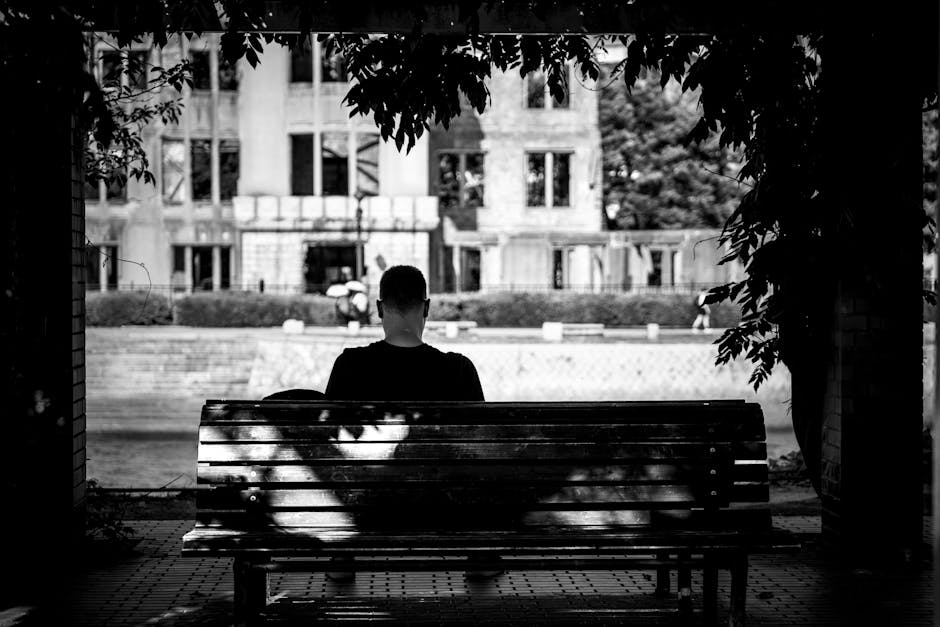
Discover Hiroshima's samurai history on this self-guided walk through Shukkeien Garden, the historic Hiroshima Castle, and serene Moto-machi parks.
 Easy
EasyHiroshima, Japan
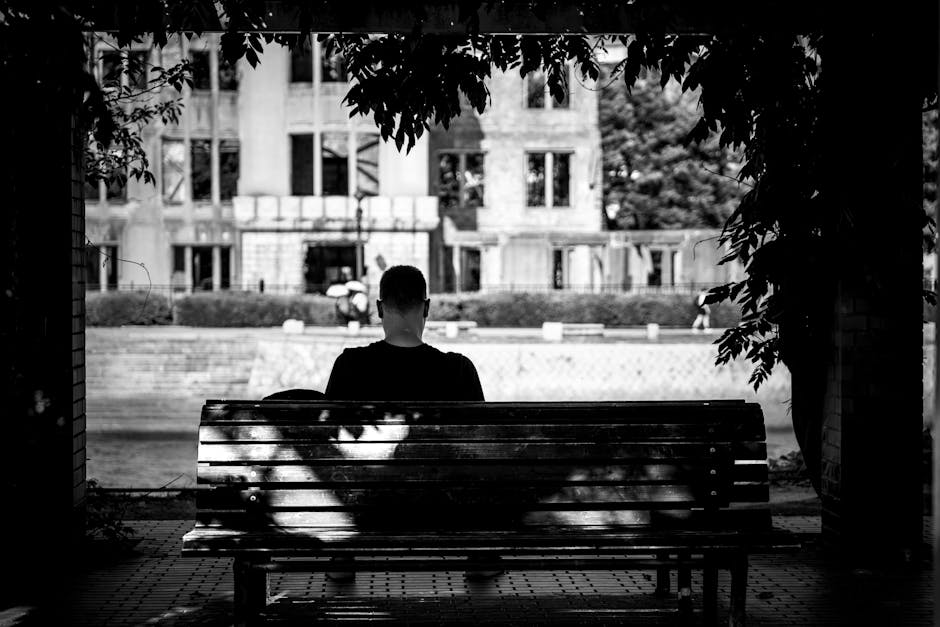
Explore Hiroshima's maritime heritage on this scenic self-guided walk from historic red-brick museums to the peaceful Ujina Lighthouse.
 Easy
EasyHiroshima, Japan
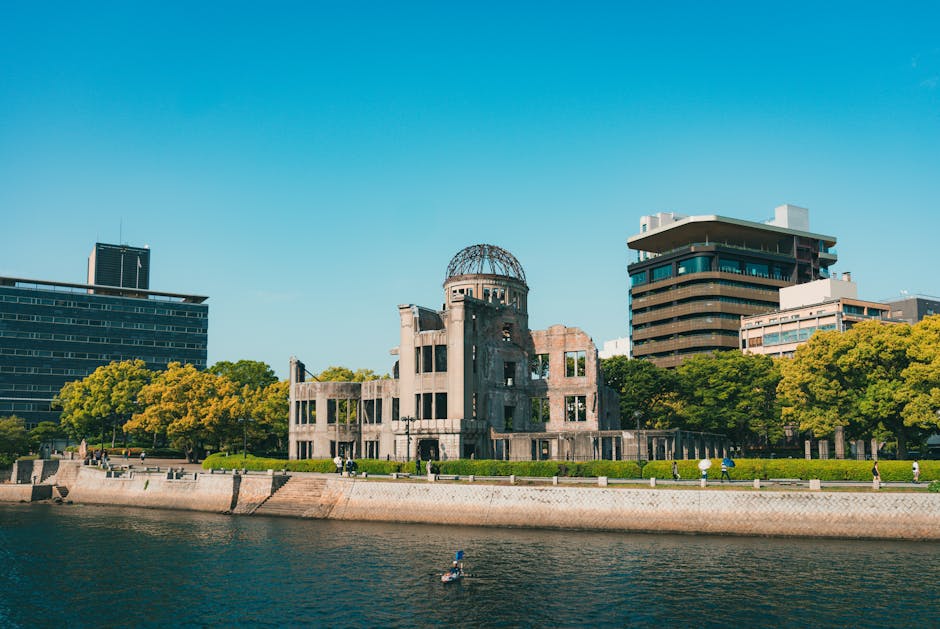
Discover Hiroshima’s architectural evolution from pre-war survivors to visionary modernist masterpieces on this self-guided walking route.
 Easy
EasyHiroshima, Japan
Explore Hiroshima's electric Nagarekawa district. A self-guided walk through neon alleys, savory street food, and hidden local culture.
 Moderate
Helsinki, Finland
Explore Helsinki's bohemian heart. Discover historic saunas, granite churches, and the vibrant local life of the Kallio neighborhood at your own pace.
 Easy
EasyVienna, Austria
Explore Vienna’s vibrant open-air gallery along the Danube Canal on this self-guided street art and nightlife stroll through Leopoldstadt.
 Moderate
Nairobi, Kenya
Taste your way through Nairobi's Westlands on this self-guided walk featuring street snacks, cultural landmarks, and hidden foodie gems.
 Easy
EasyKrakow, Poland
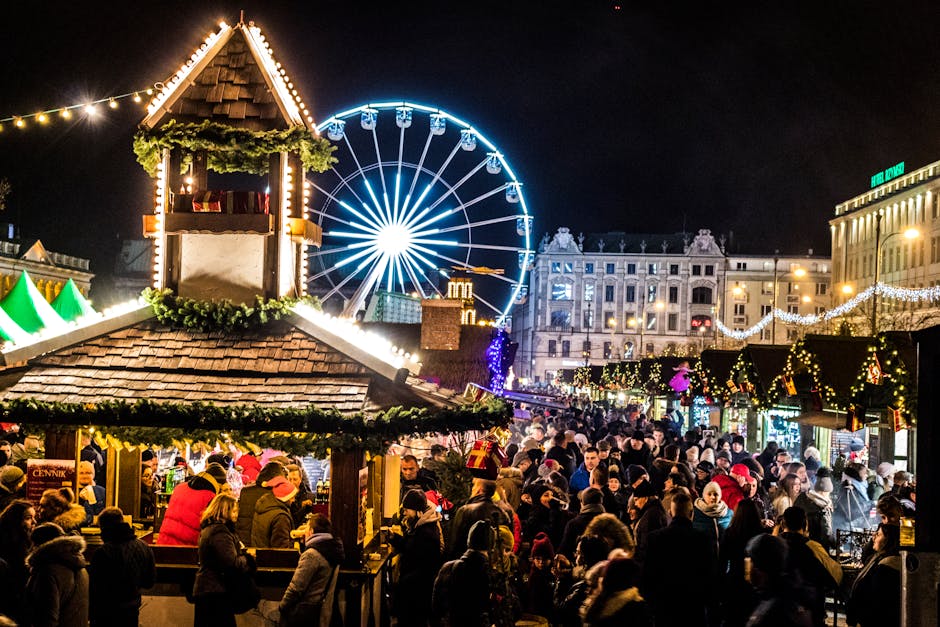
Explore Krakow's hidden nightlife with this self-guided walk through medieval cellars, jazz clubs, and bohemian bars in the Old Town and Kazimierz.
 Moderate
Tokyo, Japan
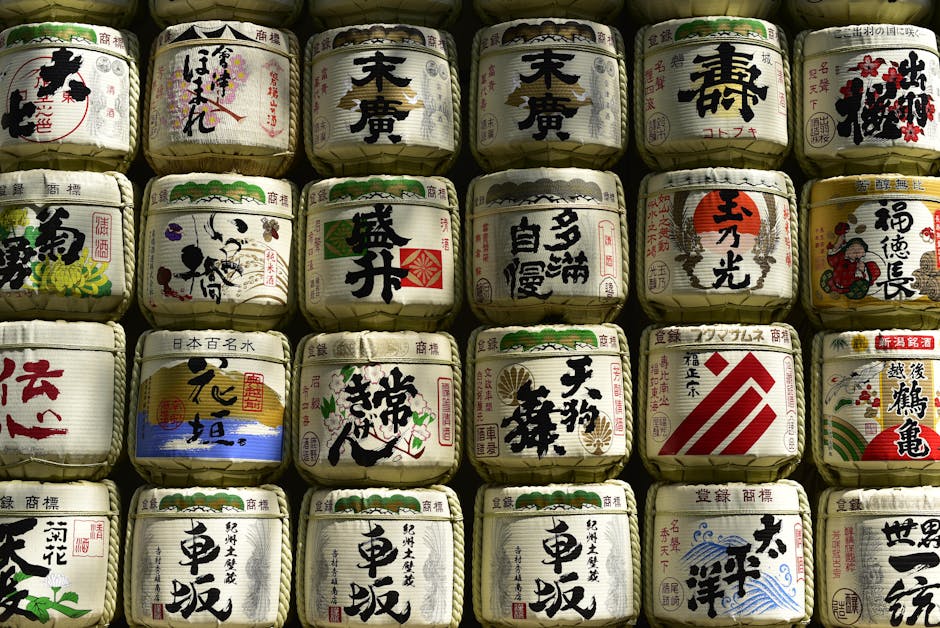
Discover Tokyo's premier creative district on this self-guided walk through Roppongi’s world-class museums and striking modern architecture.
 Easy
EasyTokyo, Japan
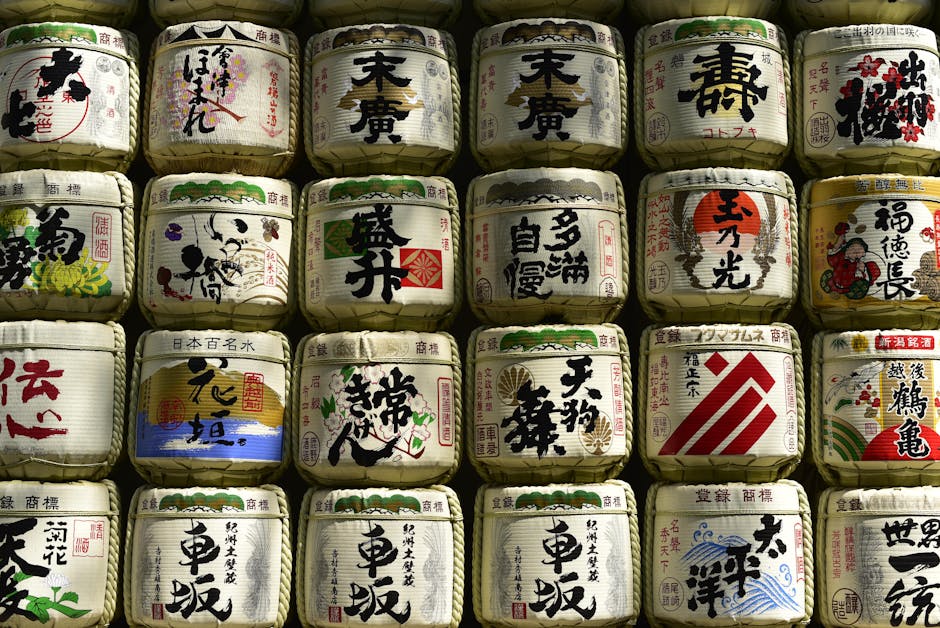
Discover the 'Old Tokyo' charm of Yanaka on this self-guided walk through historic temples, artisan alleys, and a stunning torii gate shrine.
 Easy
EasyTokyo, Japan
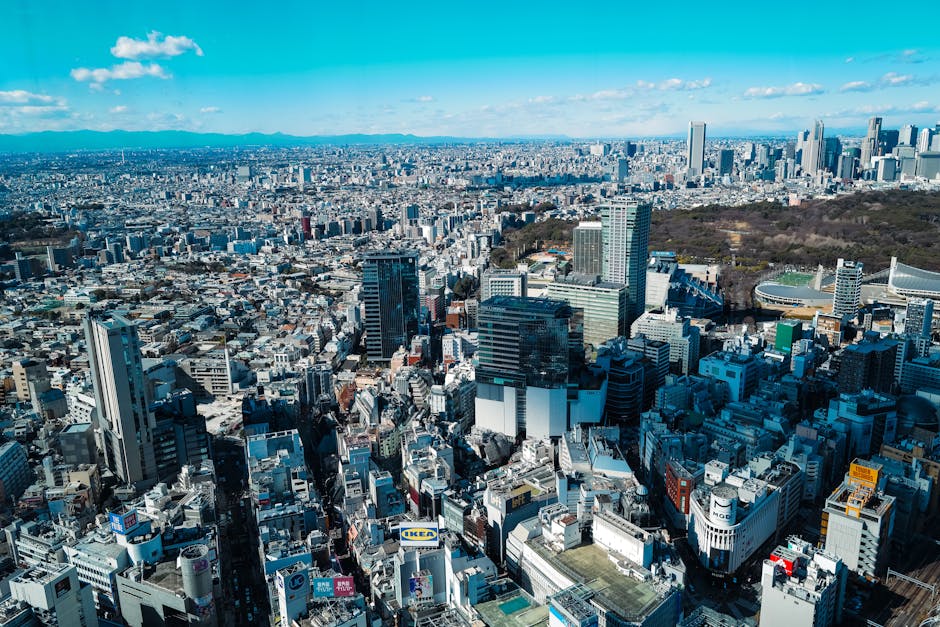
Experience Shibuya's electric energy on this self-guided walk from the iconic Scramble Crossing to the panoramic views of Shibuya Sky.
 Easy
EasyTokyo, Japan
Explore Tokyo's indie heart. From vintage fashion in Shimokitazawa to world-class art in Shinjuku, discover the city's creative soul independently.