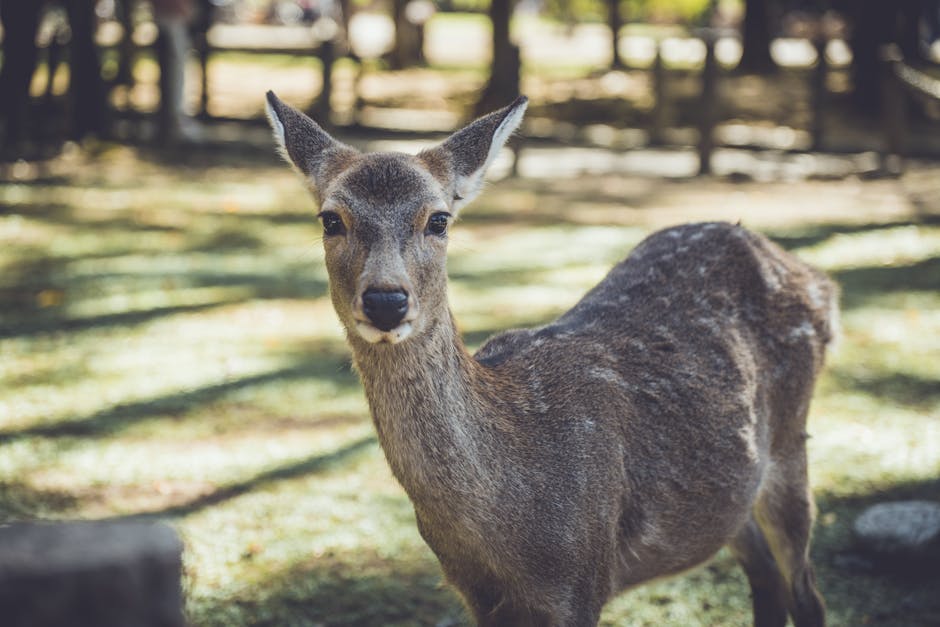
Self-guided audio tour in Nara
Start Free on iPhone
Start free on iPhone to unlock this self-guided walking tour in Nara. Hear all the stories that make it amazing, walk at your own pace, and begin whenever you want.
Your Private Tour Guide
Nara is often celebrated for its friendly deer and ancient temples, but a contemporary movement is quietly reshaping the city’s historic streets. This self-guided walk invites you to explore the intersection of 1,300 years of history and the modern 'Third Wave' coffee and design scene. From digital goldfish installations to award-winning roasteries, this route showcases how Nara honors its past while embracing a sophisticated, modern aesthetic. Your journey begins at the whimsical Nara Kingyo Museum, where traditional art meets modern technology, before moving toward the sprawling Heijō Palace Site, a reminder of Nara's tenure as Japan's first permanent capital. As you transition into the heart of the city, the theme shifts toward artisanal excellence. You will encounter pioneers of the local coffee scene, such as Any B&B+Coffee and Rokumei Coffee, where the focus is on the science of the bean and the art of the pour. These spaces aren't just cafes; they are design-forward hubs where minimalist architecture meets Japanese hospitality. This neighborhood stroll also highlights the Nakagawa Masashichi Shoten Nara Main Store, a flagship for a brand that has championed Japanese crafts for over 300 years, now housed in a stunning modern facility that serves as a beacon for local design. The latter half of the route blends these modern sensibilities with the spiritual grandeur of the Nara Park area. You will pass the iconic Nara Hotel, a Meiji-era architectural masterpiece, and the Nara National Museum, home to world-class Buddhist art. The walk culminates with the towering Todai-ji complex, including the Great Buddha Hall and the scenic balcony of Nigatsu-do. This walking route is perfect for travelers who want to experience the traditional highlights of Nara while discovering the stylish, contemporary pulse that makes the city a living museum of Japanese culture. Whether you are a design enthusiast or a specialty coffee lover, this independent exploration offers a fresh perspective on one of Japan's most storied destinations. **Note:** This area is known for its ever-changing character. Street art, pop-up venues, and temporary exhibitions may differ from what's described. That's part of the adventure - you might discover something entirely new!
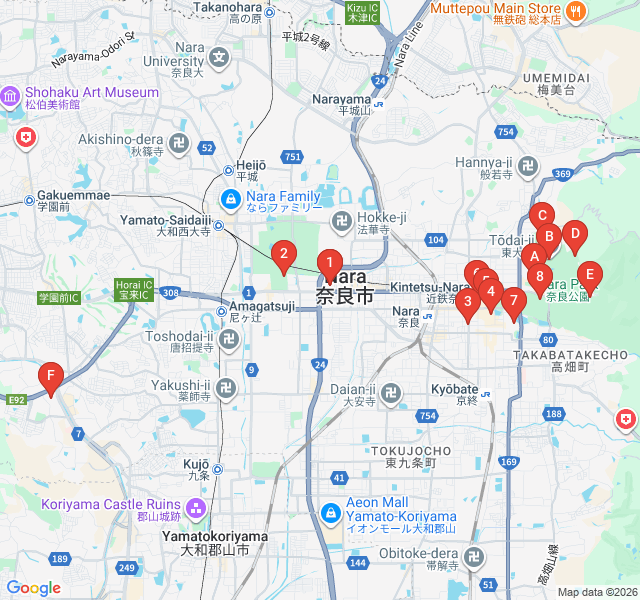
Numbers indicate the order of stops on the tour.
Start your self-guided adventure at one of Nara's most unique modern attractions. Goldfish, or 'kingyo,' have been a symbol of prosperity in Japan for centuries, and Nara Prefecture is a leading producer of these elegant creatures. This museum reimagines the traditional goldfish bowl as a series of immersive, digital art installations. It is a vibrant, Instagram-worthy space where mirror rooms, projection mapping, and colorful lighting create a dreamlike atmosphere. Please note that exhibits here are subject to change, as the museum frequently updates its artistic displays to reflect different themes and seasons.
Step back to the 8th century at the site of Japan's first permanent capital. While much of the original palace was lost to time, this massive open-air park features meticulous reconstructions of the Daigokuden (Great Hall of State) and the Suzaku Gate. The scale of the grounds offers a sense of the grandeur of ancient Nara. As you walk through the wide-open spaces, you can see how the city's layout was originally inspired by the Chinese capital of Chang'an. It is a peaceful contrast to the busier sections of the modern city.
Transitioning into Nara’s modern specialty coffee culture, stop by ANY B&B+COFFEE. This establishment represents the 'Third Wave' movement in Nara, focusing on direct-trade beans and precise roasting techniques. The space is a blend of a minimalist guesthouse and a high-end cafe, reflecting a trend of multifunctional design in urban Japan. It is a great spot to observe the local neighborhood vibe while enjoying a brew that highlights the unique flavor profiles of specific coffee-growing regions.
This flagship store is a pilgrimage site for lovers of Japanese design. Founded in 1716 as a dealer of hand-spun hemp fabric, the brand has transformed into a modern powerhouse of 'Japanese craft revitalization.' The main store, designed by Naito Hiroshi, is a stunning example of contemporary architecture that integrates seamlessly into the historic Naramachi district. Inside, you will find beautifully designed household goods, textiles, and gifts that emphasize the beauty of traditional craftsmanship adapted for modern life.
KURURU is a testament to Nara's focus on holistic wellness and modern lifestyle. This multi-use space functions as a cafe, studio, and salon, emphasizing the 'slow life' philosophy that many local residents embrace. The design is airy and calming, offering a moment of respite from the walk. While the specific classes or services offered may vary, the focus remains on physical and mental well-being, providing a glimpse into the lifestyle-oriented businesses that are popular in contemporary Nara.
Rokumei Coffee is a cornerstone of the Nara coffee scene. The head roaster here is a multi-award winner in Japan’s coffee roasting championships, and the dedication to quality is evident in every cup. The cafe itself maintains a sleek, approachable atmosphere that bridges the gap between traditional Japanese hospitality and modern cafe culture. It is a favorite among locals and a perfect example of how Nara is carving out a reputation as a destination for specialty coffee enthusiasts.
Often referred to as the 'State Guest House of the Kansai Region,' the Nara Hotel was built in 1909 to accommodate high-ranking foreign visitors. The architecture is a fascinating blend of Momoyama-style Japanese aesthetics and Western neoclassicism. Walking through its halls feels like stepping into a different era. Many famous figures, including Albert Einstein and Audrey Hepburn, have stayed here. The hotel’s presence on a hill overlooking the city provides a regal perspective on Nara’s history as it transitioned into the modern age.
This museum is one of Japan's most important cultural institutions, specializing in Buddhist art. The original building, a Western-style brick structure completed in 1894, is a designated Important Cultural Property. The museum houses an incredible collection of statues, scrolls, and archaeological artifacts. It plays a vital role in preserving Nara’s spiritual heritage while making it accessible to a modern global audience. Note that special exhibitions, like the annual Shosoin exhibition in autumn, can be very popular and may require timed entry.
As you enter the Todai-ji complex, you pass through the Nandaimon, a massive wooden gate that dates back to the late 12th century. It is a masterpiece of the 'Daibutsuyo' (Great Buddha) architectural style. Look up to see the two fierce Nio Guardian Kings, carved by the famous sculptors Unkei and Kaikei. These statues are among the most celebrated examples of Japanese realism in sculpture, designed to protect the temple from evil spirits. The gate’s sheer scale is a precursor to the wonders found further inside.
Isuien is a premier example of 'shakkei,' or borrowed scenery, where the hills of Nara and the gates of Todai-ji are integrated into the garden's design. The garden is split into two parts: one from the 17th century and another from the early 20th century. It offers a masterclass in Japanese landscape design, emphasizing harmony with nature. The adjacent Neiraku Museum houses a private collection of ancient Chinese and Japanese ceramics, adding an extra layer of artistic depth to this peaceful stop.
The Daibutsuden is one of the world's largest wooden buildings, though the current structure is actually a 17th-century reconstruction that is only two-thirds the size of the original. Inside sits the Daibutsu, a 15-meter-tall bronze statue of the Vairocana Buddha. The effort to cast this statue in the 8th century nearly bankrupted the Japanese economy. It remains a powerful symbol of the central role Buddhism played in the early Japanese state and continues to be a site of active worship and pilgrimage.
The Shoso-in is the treasure house of Todai-ji, built in the 'azekura' style using triangular logs that allowed the building to breathe and protect the treasures within for over a millennium. While you cannot enter the building itself, its unique architecture is a marvel of ancient engineering. It famously housed thousands of artifacts from the Silk Road, illustrating how Nara was once the eastern terminus of a global trade network. The treasures are now kept in a modern climate-controlled facility nearby and displayed annually at the Nara National Museum.
Climb the covered stone staircase to Nigatsu-do, the 'Hall of the Second Month.' This sub-temple is famous for the Omizutori ceremony, a fire and water ritual held every March to pray for world peace. The wooden balcony offers one of the best views in Nara, overlooking the temple rooftops toward the city and the mountains beyond. It is a place of deep spiritual resonance and, despite the climb, provides a tranquil atmosphere that feels removed from the crowds below.
Nestled in a lush corner of Nara Park near the Kasuga Taisha forest, Mizuya Chaya is a traditional thatched-roof tea house. It looks like it was plucked straight from a Japanese folktale. While the menu offers classic Japanese sweets and noodles, the real draw is the atmosphere, especially when the surrounding maple trees turn red in autumn. It is a perfect spot to reflect on your journey through Nara’s blend of the old and the new before finishing your walk.
Your self-guided walk concludes at this modern rest area. Cross Way Nakamachi represents the city's effort to provide contemporary amenities to visitors and locals alike. It is a functional space that offers information, restrooms, and a place to regroup after exploring the vast temple grounds. From here, you are well-positioned to catch a bus back to the main train stations or continue exploring the deeper reaches of the Nara Park forest.
Start Free on iPhone
Explore “Contemporary Nara: Third Wave Coffee and Design” with your very own Private Tour Guide with Zigway. Start free on iPhone, skip the large group and the fixed routes, and hear the city come alive as you go.
Your Private Tour Guide
Don't miss the good stuff
Explore Freely
 Moderate
Nara, Japan
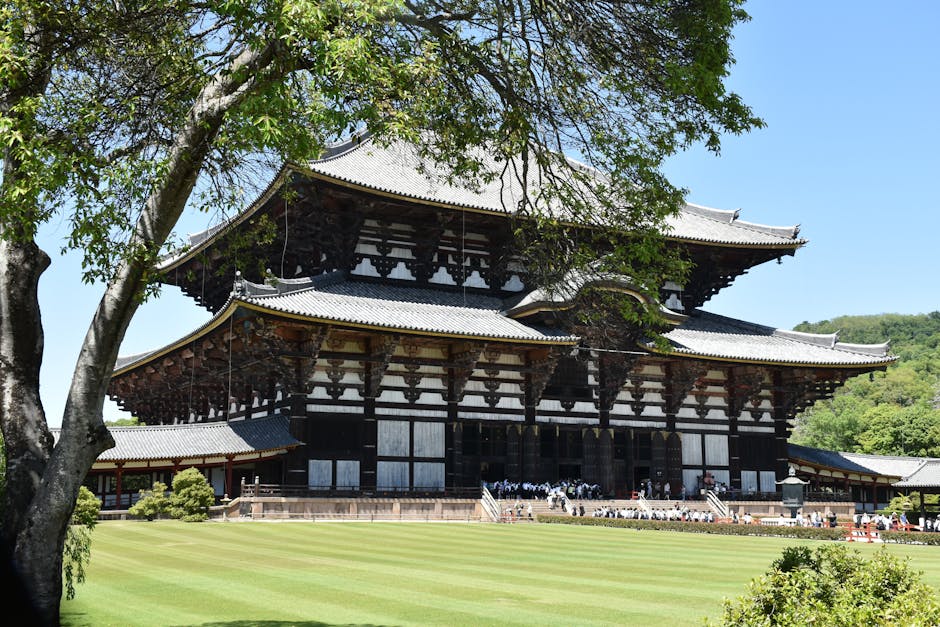
Discover a mystical path through Nara's ancient forest, lined with 3,000 lanterns and sacred deer on this serene self-guided walk.
 Challenging
Nara, Japan
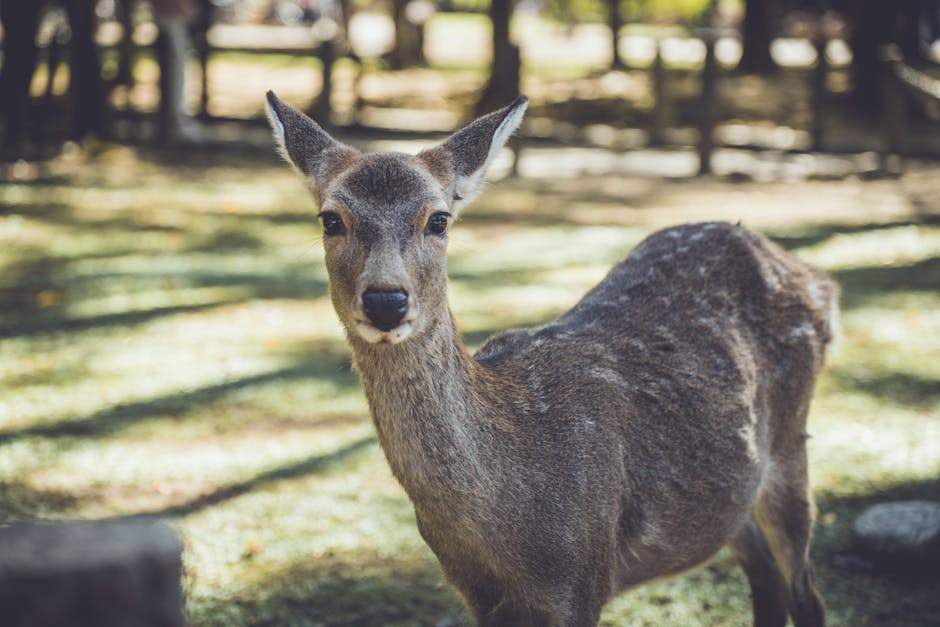
Journey from Nara's imperial ruins and refined gardens into the ancient, sacred silence of the UNESCO-protected Mount Kasuga Primeval Forest.
 Moderate
Nara, Japan
Discover Nara’s literary soul on this self-guided walk through historic Takabatake’s temples, writer residences, and poetic gardens.
 Easy
EasyNara, Japan
Explore Nara's evening charm on this self-guided walk through illuminated pagodas, historic shopping streets, and world-class hidden bars.
 Easy
EasyKrakow, Poland
Savor the soul of Krakow on this self-guided walk through historic markets, bohemian cafes, and the city's best pierogi spots.
 Easy
EasyGdansk, Poland
Taste the history of the Baltic. Explore Gdansk's culinary heritage from medieval markets to gold-flecked liqueurs on this self-guided walk.
 Easy
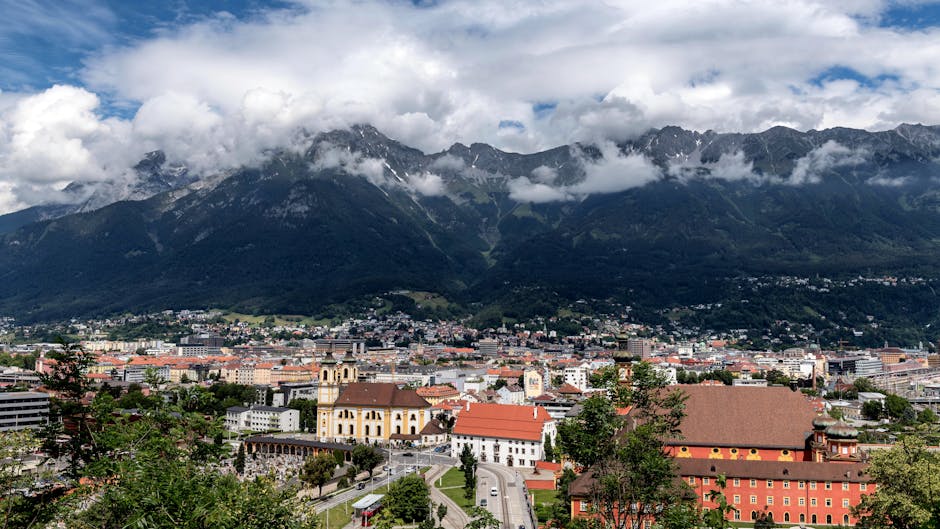
EasyInnsbruck, Austria
Discover the flavors of Tyrol on this self-guided stroll through Innsbruck’s historic Old Town and vibrant market hall.
 Moderate
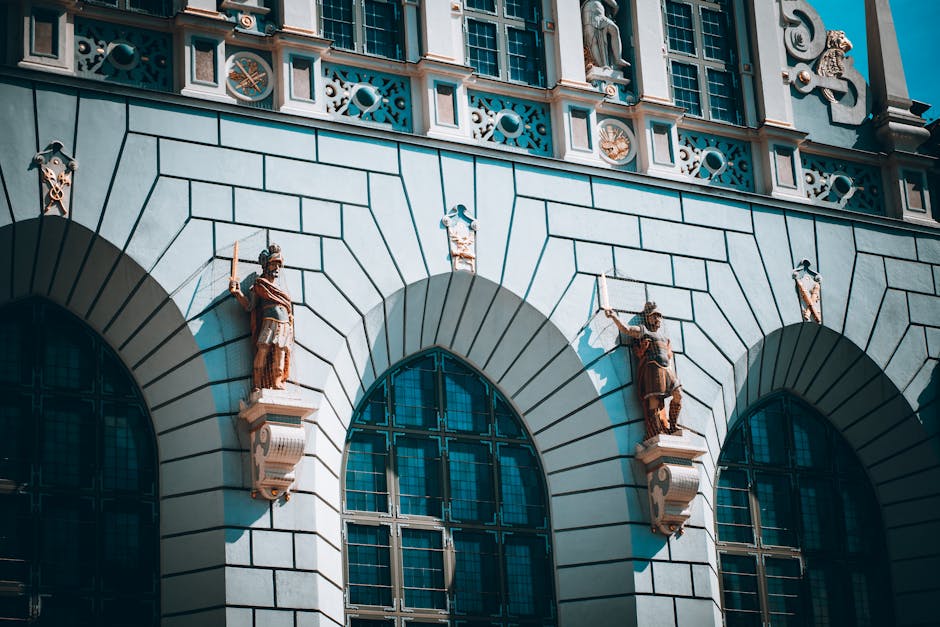
Gdansk, Poland
Discover Zaspa, a massive open-air gallery where grey housing blocks are transformed by over 60 monumental murals. Explore at your own pace.
 Moderate
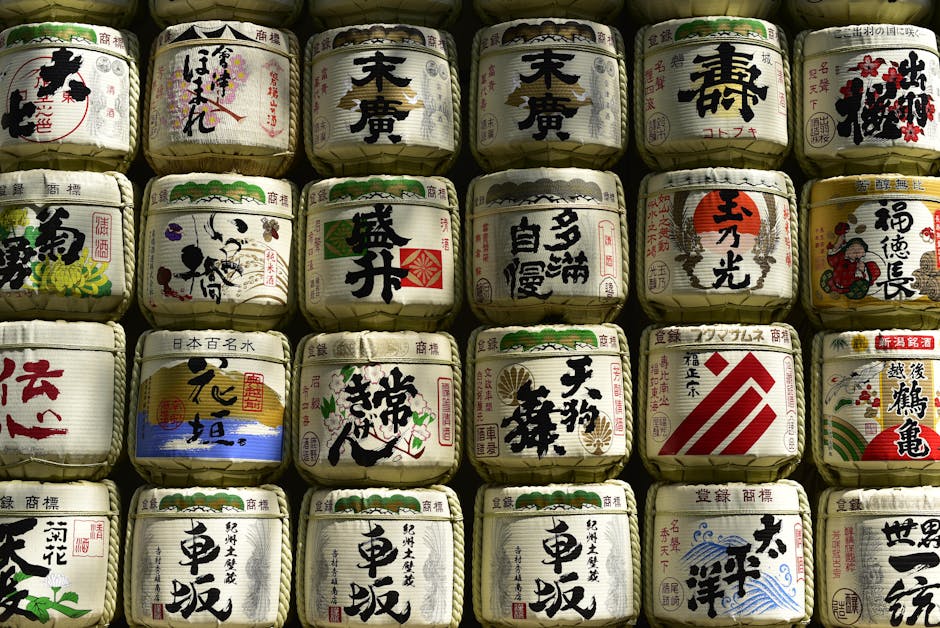
Tokyo, Japan
Discover Tokyo's premier creative district on this self-guided walk through Roppongi’s world-class museums and striking modern architecture.
 Easy
EasyTokyo, Japan
Discover the 'Old Tokyo' charm of Yanaka on this self-guided walk through historic temples, artisan alleys, and a stunning torii gate shrine.
 Easy
EasyTokyo, Japan
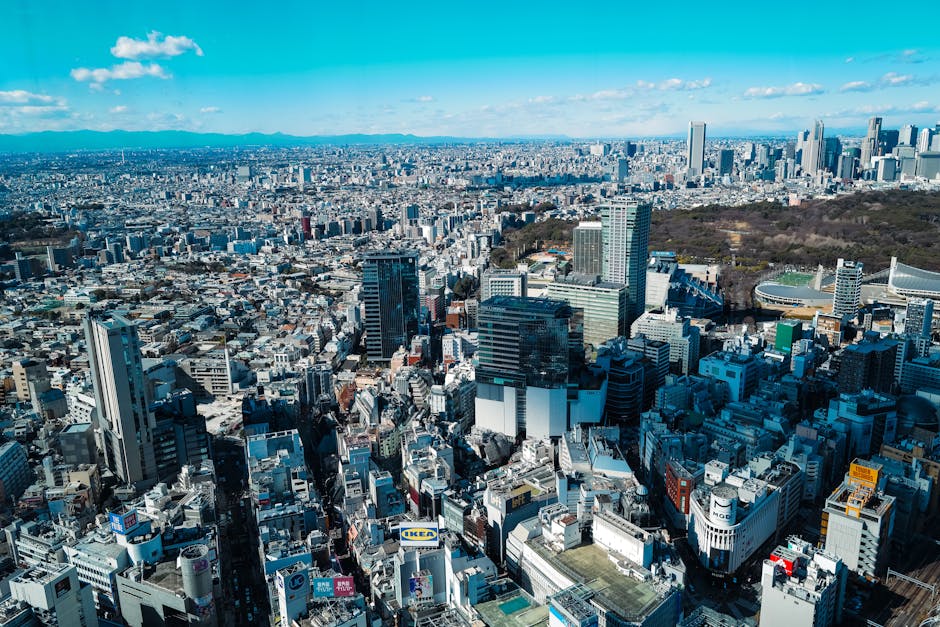
Experience Shibuya's electric energy on this self-guided walk from the iconic Scramble Crossing to the panoramic views of Shibuya Sky.
 Easy
EasyTokyo, Japan
Explore Tokyo's indie heart. From vintage fashion in Shimokitazawa to world-class art in Shinjuku, discover the city's creative soul independently.