Self-guided audio tour in Bern
Start Free on iPhone
Hear the stories behind the streets and sights around you as you walk Bern. Try it free on iPhone.
Your Private Tour Guide
The Aare River loops around Bern's historic Old Town in a turquoise curve, and you follow that curve through the city on a self-guided walk. Riverside Bliss: The Aare River Walk gets you out into nature without leaving the city, from the weirs at Schwellenmätteli down to the famous BearPark. You start with the roar of water pouring over the weirs. That sound has been part of Bern's working life for centuries, back when the river drove the city's industry. From there the route runs through the Matte and Kirchenfeld neighborhoods, where the river is never out of sight or earshot. In the Englische Anlagen, a green, leafy park, you get some of the calmest views of the Bern Minster rising above the cliffs. Then comes Freibad Marzili, the best place to see Bern's river swimming culture up close. Locals treat the Aare as part of daily life, and in summer you'll see why. Most walking tours in Bern stick to the monuments up on the hill. This audio walk goes down into the valley, where the city feels most alive. You'll cross old bridges, including the Untertorbrücke, the oldest stone bridge in Bern, before finishing at the BearPark. Stop for a coffee by the water whenever you like, or sit on the bank and watch the current slide past for a while. Nobody's waiting for you. Along the way you'll hear about the people who lived by the river, the engineering behind the bridges and the scenery that makes Bern one of the prettiest capitals in Europe. The river isn't just water here. It's a landmark in its own right. The route traces how the Lower Town moved from mills and workshops to swimming, picnics and strolling. You'll learn how floods shaped the buildings, and which old traditions are still going. It's part nature walk, part history lesson, and it explains why the Aare is still the favorite playground for locals and visitors. Bring a camera if you have one. You'll get a clear picture of how much the Swiss capital loves its river.
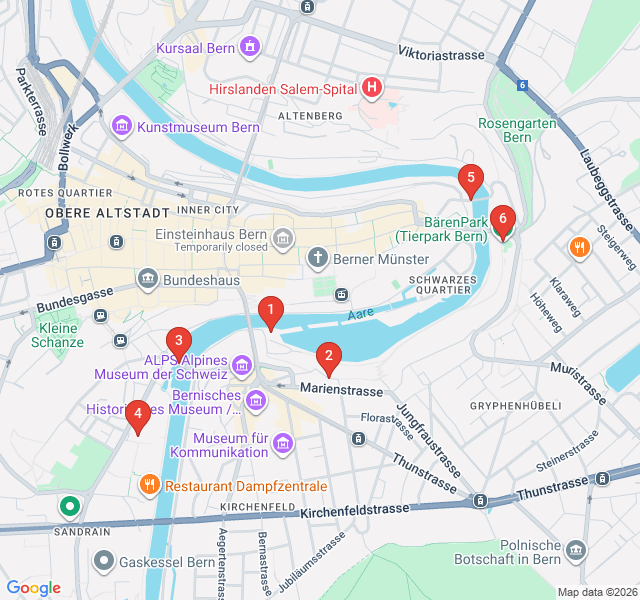
Numbers indicate the order of stops on the tour.
Start at the Schwellenmätteli, where you can see the force of the Aare better than anywhere else in town. The name comes from the Schwellen, the weirs that have controlled the river's flow since the 14th century. For hundreds of years this rushing water drove the mills and workshops of the Matte district, Bern's old industrial heart. These days it's a pleasant place to eat and relax. Stand still for a moment and listen to the water. Then look for the fish ladder, built to help local trout and grayling get past the weir. Bern put the river to work to survive, and yet it still feels wild here.
Next up are the Englische Anlagen, the English Grounds. This parkland was laid out in the mid-19th century in the style of English landscape gardens, which went for natural-looking views over neat, formal symmetry. The angle here is dramatic. Look up and you'll see the city's huge sandstone retaining walls and the spire of the Bern Minster, the tallest in Switzerland. Locals come here to jog or just sit somewhere quiet, away from the noise of the upper city. Photographers, this is your spot. The greenery frames the turquoise river against the medieval stone city beautifully, and it's hard to take a bad shot.
Ahead is the Dalmazibrücke, which links the historic Matte district with Kirchenfeld, the quarter full of museums. It was built in 1871 and later rebuilt, and it's a great place to stand and watch the current. Face the city and you'll spot the Marzili funicular, the shortest funicular railway in Switzerland, crawling up the steep hill toward the Federal Palace. The bridge takes its name from the Dalmazi quarter, once home to craftsmen and laborers. Today it's one of the most wanted places to live in Bern. Being this close to the water, on quiet streets with few cars, will do that.
The Marzili may be the most famous river pool in Europe. It's been the center of summer life in Bern since 1822. The local habit is called Aareschwimmen. You walk upstream, jump into the cold glacial water and let the current carry you back down. It says a lot about how much Bernese people love being outdoors. Even if you stay dry, come on a warm day. The place hums. People of every age spread out across the huge lawns, with the Swiss Parliament building rising behind them. Serious government up the hill, swimmers in the river below. That mix is very Bern.
The Untertorbrücke is the oldest bridge in Bern. Most of the city's bridges are high up, but this one sits low by the water, on the spot where the first wooden bridge went up in the 12th century. The stone bridge in front of you dates from the 15th century. For hundreds of years it was the only way into the city across the Aare from the east, which made it vital for trade and defense. Look at the small chapel-like structures and the heavy stone arches, built to stand up to the river's frequent floods. Cross slowly. Merchants, soldiers and travelers have been walking over these stones for centuries.
Finish at the BearPark. Bern has kept bears since 1513 as a living symbol of the legend of how the city was founded. How they're kept has changed a lot, though. In 2009 the old round Bear Pit was replaced by this 6,000-square-meter park, which runs down to the riverbank. The bears can climb, play and even swim in their own section of the Aare. It's a modern take on animal welfare, and you get to watch them in a far more natural setting. Don't rush off. Follow the winding paths through the park and take in one last view of the Old Town skyline across the river.
Explore Mode
Open Zigway, start Explore Mode and just walk. Your guide notices where you are and tells you the story of what's around you, on this route or any street you turn into.
Start Free on iPhone
Open Zigway as you walk and your private tour guide tells the stories behind what you pass.
Your Private Tour Guide
Don't miss the good stuff
Explore Freely
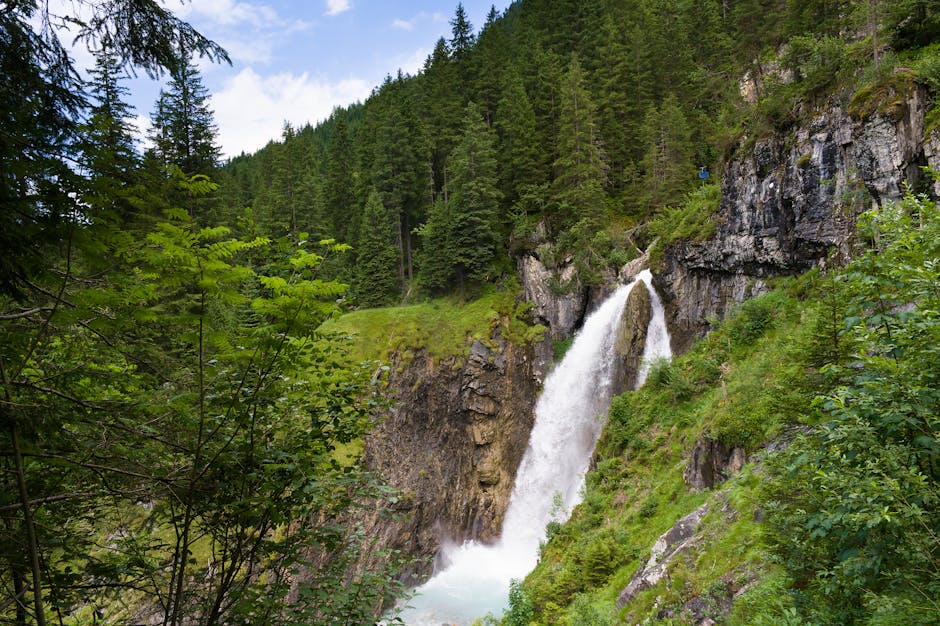 Moderate
Bern, Switzerland
Explore Bern's historic lower city, a riverside district of secret dialects, industrial heritage, and alternative culture on this self-guided walk.
 Easy
Bern, Switzerland
Follow Albert Einstein’s footsteps through Bern’s Old Town on this self-guided walk exploring the birthplace of the Theory of Relativity.
 Easy
Bern, Switzerland
Discover Bern's cultural heart in Kirchenfeld. Explore world-class museums and stunning views on this self-guided walk.
 Easy
Bern, Switzerland
Explore Bern's iconic 16th-century Renaissance fountains and uncover the legends behind the city's most famous statues on this self-guided walk.
 Easy
Gdansk, Poland
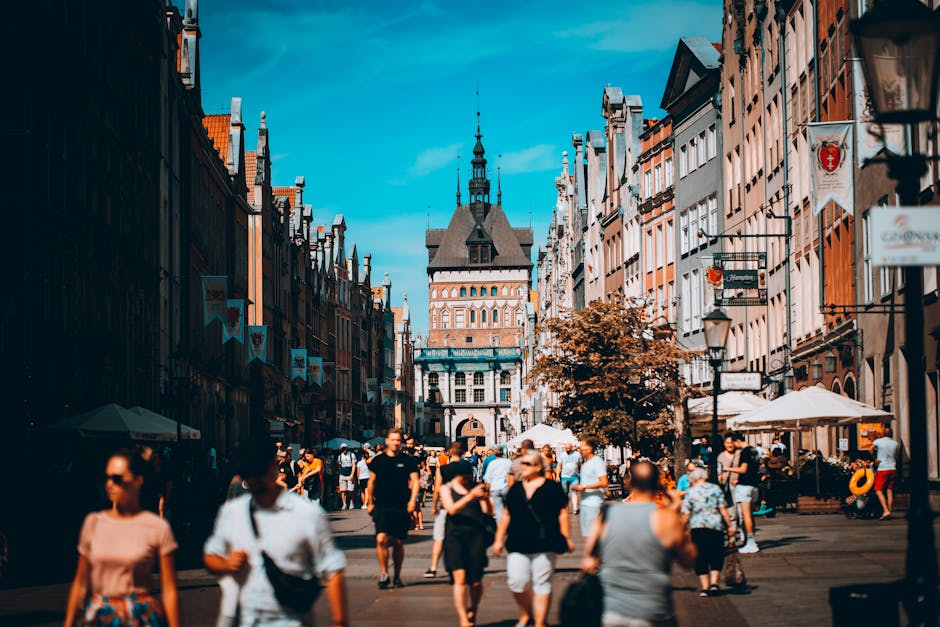
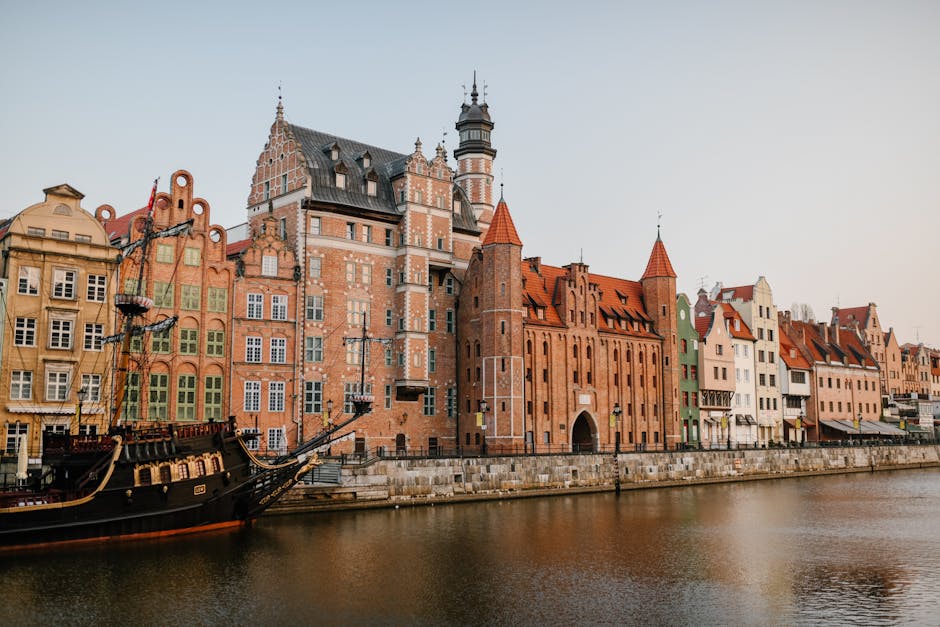
Taste the history of the Baltic. Explore Gdansk's culinary heritage from medieval markets to gold-flecked liqueurs on this self-guided walk.
 Easy
Krakow, Poland
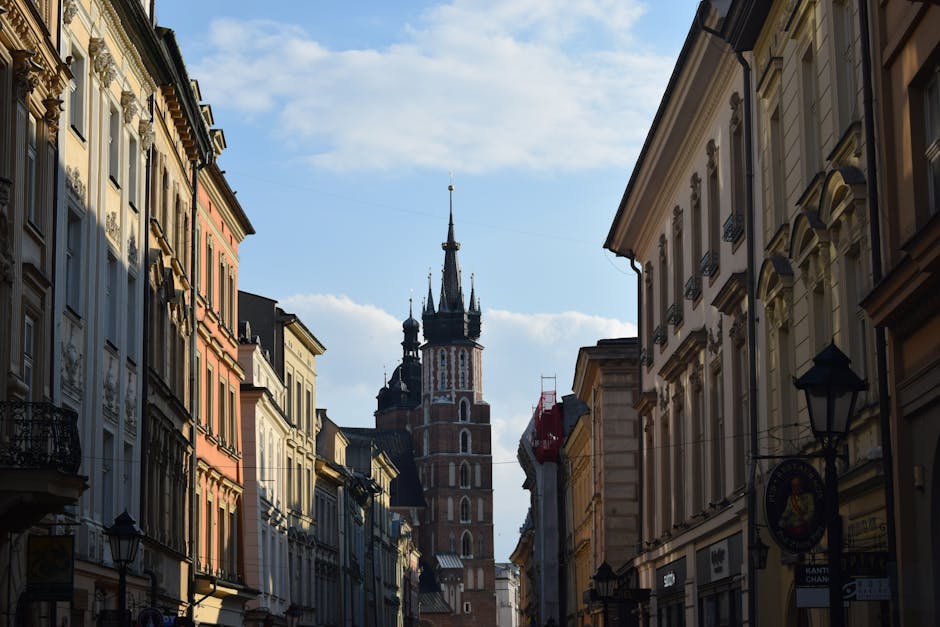
Savor the soul of Krakow on this self-guided walk through historic markets, bohemian cafes, and the city's best pierogi spots.
 Easy
Gdansk, Poland
Discover the monastic heritage, world-famous organs, and lush botanical gardens of Oliwa on this peaceful self-guided neighborhood stroll.
 Easy
Gdansk, Poland
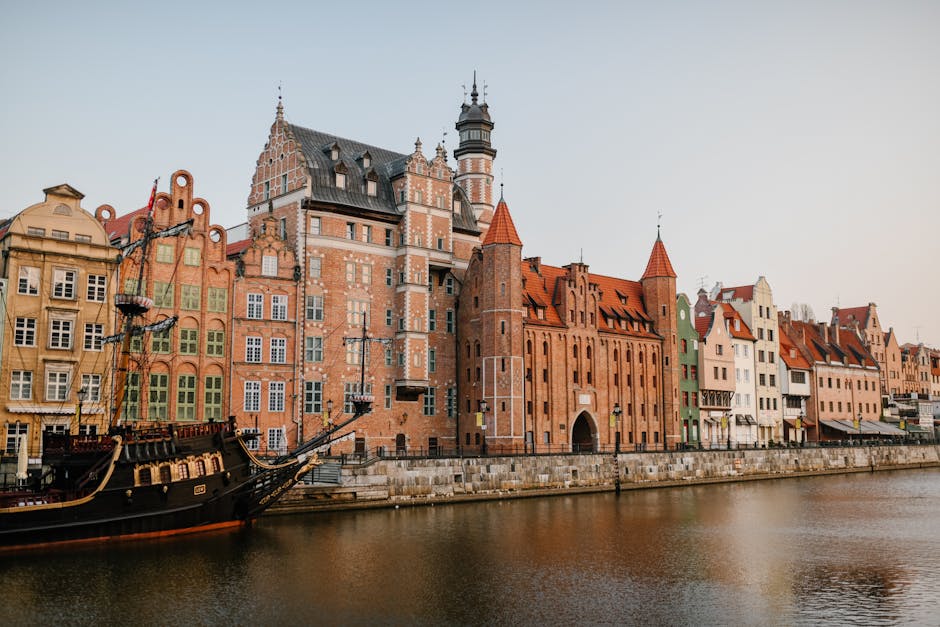
Discover the 'Baltic Gold' on this self-guided walk through Gdansk's historic mills, massive cathedrals, and the magical Mariacka Street.
 Easy
Geneva, Switzerland
Explore Geneva's bohemian heart on this self-guided walk through flea markets, contemporary art galleries, and literary landmarks.
 Easy
Geneva, Switzerland
Discover the lives of Rousseau and Voltaire on this self-guided literary walking route through the historic heart of Enlightenment-era Geneva.
 Moderate
Geneva, Switzerland
Uncover Geneva’s secrets on this self-guided walk through the Old Town’s historic streets, from the Reformation Wall to medieval cathedrals.
 Easy
Geneva, Switzerland
Discover the Mediterranean soul of Geneva. Explore Carouge’s Sardinian architecture, artisan workshops, and hidden gardens on this self-guided walk.