Self-guided audio tour in Cork
Start Free on iPhone
Start free on iPhone to unlock this self-guided walking tour in Cork. Hear all the stories that make it amazing, walk at your own pace, and begin whenever you want.
Your Private Tour Guide
Uncover the defiant spirit of Ireland's southern capital with this self-guided walk through the heart of Cork. Known affectionately as the Rebel City, Cork earned its title through centuries of resistance, from the 15th-century Perkin Warbeck rebellion to the pivotal role it played during the Irish War of Independence. This walking route invites you to explore the layers of history that define the city’s character, taking you from bustling markets to ancient fortifications and resilient civic landmarks. As you navigate the winding streets and riverside quays, you will discover why this city prides itself on an independent identity that often sets it apart from Dublin. Your journey begins at the legendary English Market, a culinary landmark that has survived fires and famines since 1788. From there, the trail leads you to the Triskel Arts Centre, housed in a converted 18th-century church that stands on one of the oldest archaeological sites in the city. You will stand before the National Monument, a tribute to the Irish patriots of the 18th and 19th centuries, and ascend to the ramparts of Elizabeth Fort for a panoramic view of the skyline. The route also explores the social history of the city at the Father Mathew Statue and concludes at the majestic Cork City Hall, a symbol of reconstruction following the devastating 'Burning of Cork' in 1920. This self-guided adventure is perfect for those who want to understand the political and social evolution of Cork at their own pace. Whether you are a first-time visitor or a long-time resident, this walking tour Cork offers a deep dive into the stories of revolutionaries, reformers, and everyday citizens who shaped this resilient urban landscape. This neighborhood stroll provides the flexibility to linger at your favorite spots while soaking in the unique atmosphere of the Lee-side city. Experience the heritage of the Rebel City on a walking tour Cork that brings the past into the present.
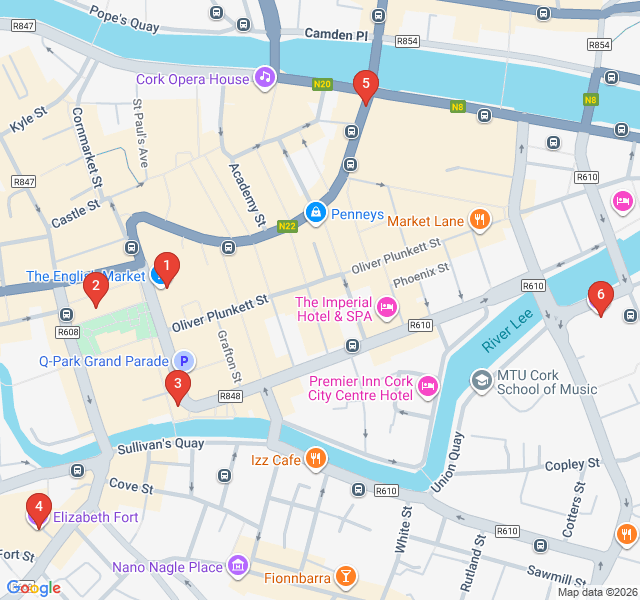
Numbers indicate the order of stops on the tour.
Welcome to the English Market, the beating heart of Cork’s food culture since 1788. This isn't just a place to shop; it is a survivor. Having weathered the Great Famine, multiple fires, and the War of Independence, the market remains a vibrant social hub. As you walk under its ornate vaulted ceilings, notice the blend of traditional stalls selling 'drishheen' and 'packet' alongside modern artisanal vendors. The market gained international fame when Queen Elizabeth II visited in 2011, but for locals, it has always been the city's pantry. Its name distinguishes it from the former 'Irish Market' nearby, a relic of the era's social divisions. Take a moment to enjoy the aromas and the lively 'Corks' banter that fills the air.
You are standing before the Triskel Arts Centre, uniquely housed within the former Christ Church. This site has been a place of worship since the 11th century, with the current structure dating back to 1718. It is a cornerstone of Cork’s heritage, where the city’s medieval past meets contemporary culture. Inside, you can find the 'Modest Man'—a 16th-century tombstone—and layers of archaeological history beneath the floorboards. During the revolutionary period, the bells of this church were a familiar sound in a city often gripped by tension. Today, it serves as a stunning venue for independent cinema and music, preserving the architectural grandeur of the Georgian era while fostering modern creativity.
Located on the Grand Parade, the National Monument is a focal point of Irish patriotism. Unveiled in 1906, it commemorates the various rebellions against British rule between 1798 and 1867. Look closely at the statues at the corners; they represent figures like Wolfe Tone and Lord Edward Fitzgerald. This monument was built during a time of rising Irish nationalism and served as a powerful symbol for the volunteers who would later fight in the War of Independence. It remains a gathering place for political rallies and commemorations today, standing as a permanent reminder of the 'Rebel City's' long memory and its dedication to the cause of self-determination.
Ascend the hill to Elizabeth Fort, a 17th-century star-shaped fortification that has watched over Cork for over 400 years. Originally built to defend the city and reinforce English control, it later served as a military barracks, a prison for female convicts bound for Australia, and even a police station. Walking along its high stone ramparts provides one of the best vantage points in the city, offering a clear view of Saint Fin Barre’s Cathedral and the sprawling urban valley below. During the Irish Civil War, the fort was occupied and eventually burnt by anti-treaty forces, adding another chapter to its long history of conflict and survival.
The statue before you honors Father Theobald Mathew, known as the 'Apostle of Temperance.' In the mid-19th century, Father Mathew led a massive social movement from Cork, encouraging millions of people to take 'the pledge' to abstain from alcohol. His work was not just about sobriety; it was a response to the crushing poverty and social ills of the time. This statue, erected in 1864, sits at the foot of St. Patrick’s Street, the city’s main thoroughfare. It serves as a reminder of the influential social reformers who sought to improve the lives of the Cork working class during some of Ireland's darkest decades, including the Great Famine.
Our final stop is Cork City Hall, a building that embodies the city’s resilience. The original City Hall was destroyed by British forces during the 'Burning of Cork' in December 1920, an act of retaliation that leveled much of the city center. The current limestone structure was completed in 1936, with the foundation stone laid by Éamon de Valera. Notice the classical elegance of the facade, which faces the River Lee. It stands today as a monument to the city’s rebirth and its status as a center of civic pride. This site marks the end of our trail, where the scars of the past have been transformed into a symbol of a modern, thriving Cork.
Start Free on iPhone
Explore “The Rebel City Heritage Trail” with your very own Private Tour Guide with Zigway. Start free on iPhone, skip the large group and the fixed routes, and hear the city come alive as you go.
Your Private Tour Guide
Don't miss the good stuff
Explore Freely
 Easy
EasyCork, Ireland
Explore the architectural evolution of Cork on this self-guided walk across the iconic bridges of the River Lee's North and South channels.
 Easy
EasyCork, Ireland
Discover Cork’s literary heart on this self-guided walk through historic libraries, iconic bookshops, and academic landmarks.
 Easy
EasyCork, Ireland
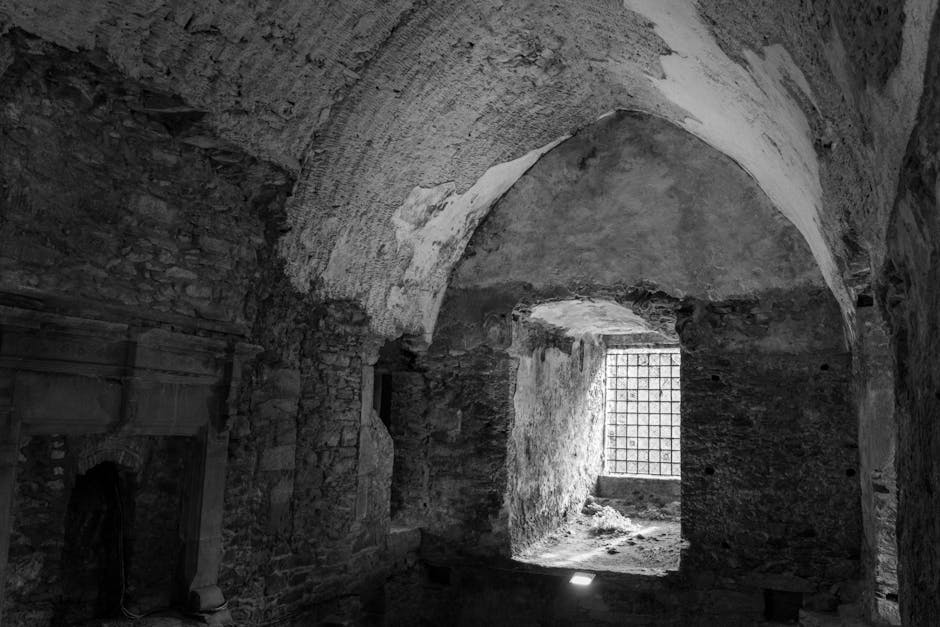
Explore the scenic River Lee, the iconic Shakey Bridge, and the historic Gothic architecture of University College Cork on this peaceful stroll.
 Easy
EasyCork, Ireland
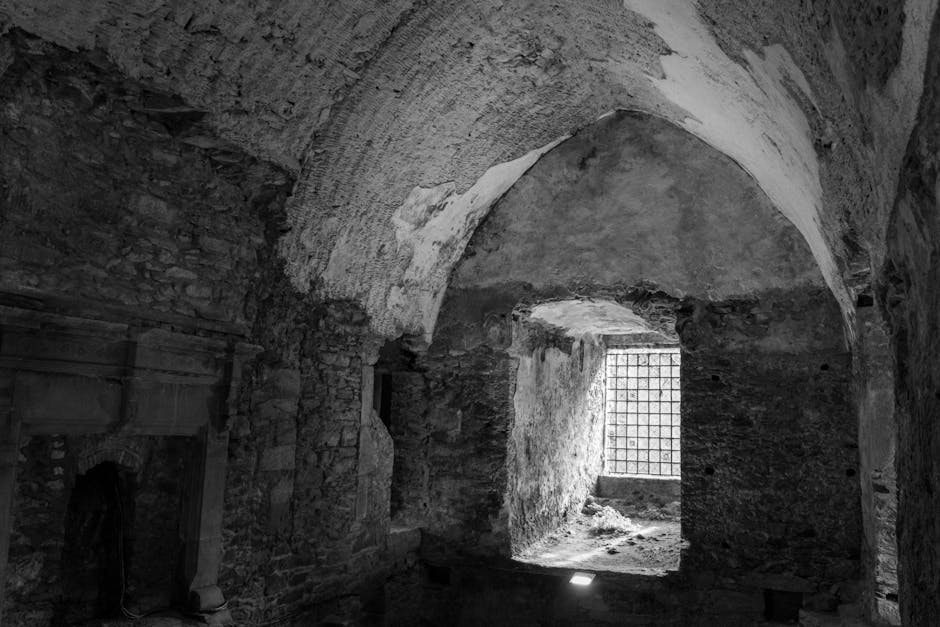
Explore Cork's vibrant urban gallery with this self-guided walk through the Ardú Street Art Trail's massive murals.
 Easy
EasyGothenburg, Sweden
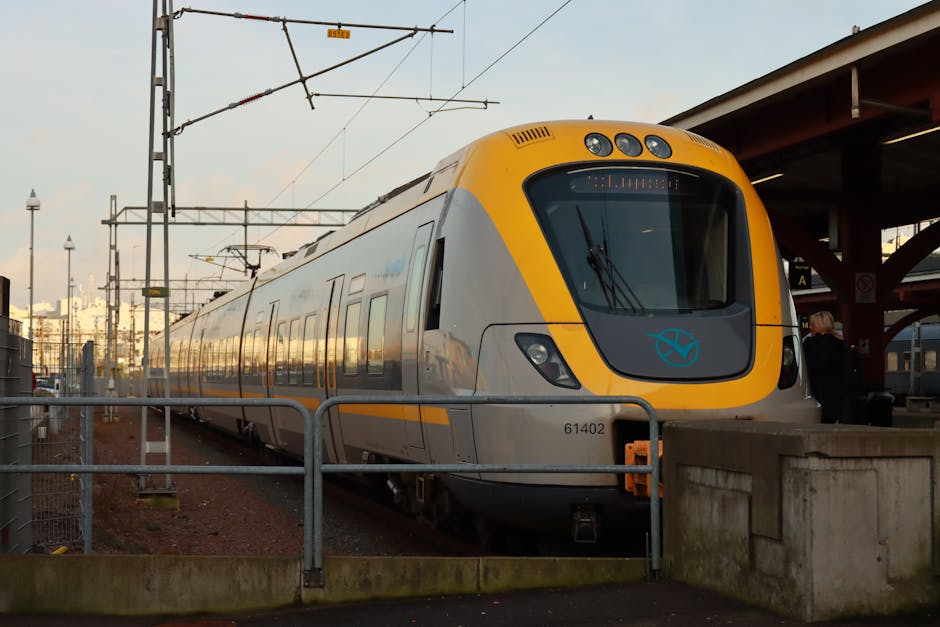
Discover Gothenburg’s 17th-century Dutch foundations, historic canals, and military fortifications on this self-guided architectural walk.
 Easy
EasyNairobi, Kenya
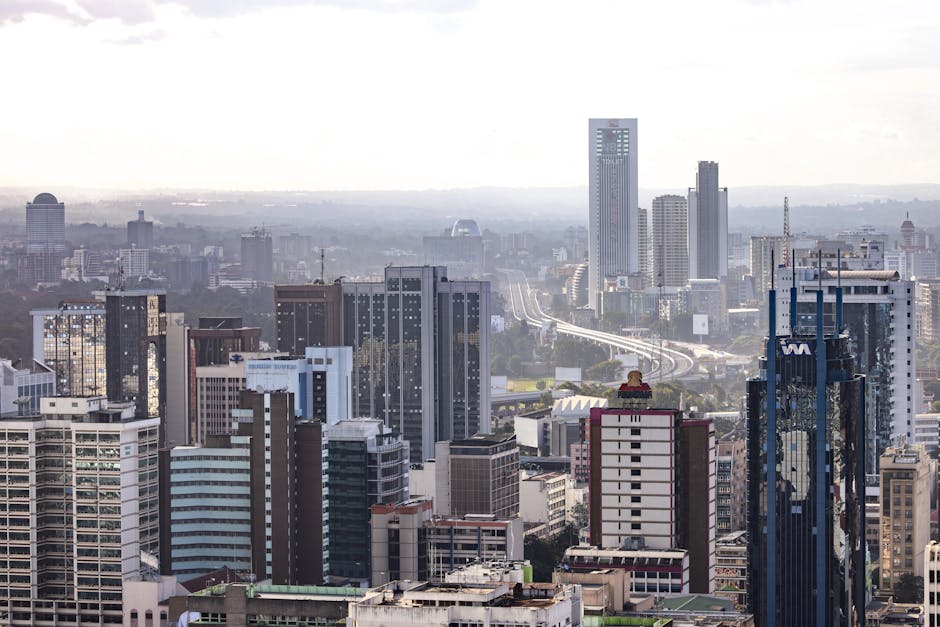
Explore Nairobi's architectural evolution from colonial-era landmarks to iconic Brutalist skyscrapers on this historic self-guided walking route.
 Easy
EasyNairobi, Kenya
Discover Nairobi's iconic skyline on this self-guided architecture walk through the CBD’s most famous modernist and Brutalist landmarks.
 Easy
EasyKrakow, Poland
Explore the historic heart of Kazimierz on this self-guided walk through synagogues, ancient cemeteries, and vibrant squares.
 Easy
EasyDublin, Ireland
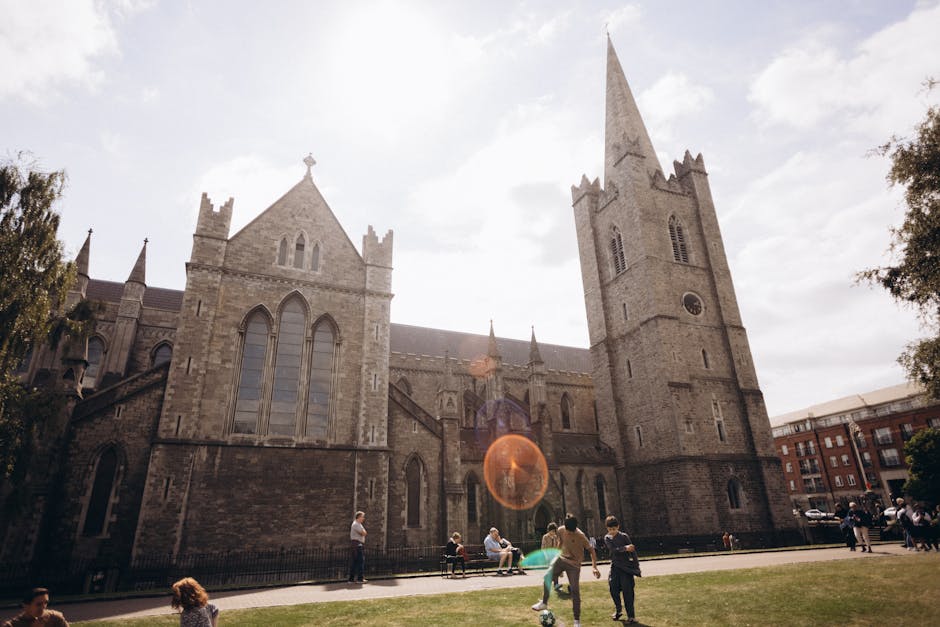
Explore Dublin's 'Silicon Docks' on this self-guided walk featuring futuristic bridges, famine history, and world-class modern architecture.
 Moderate
Dublin, Ireland
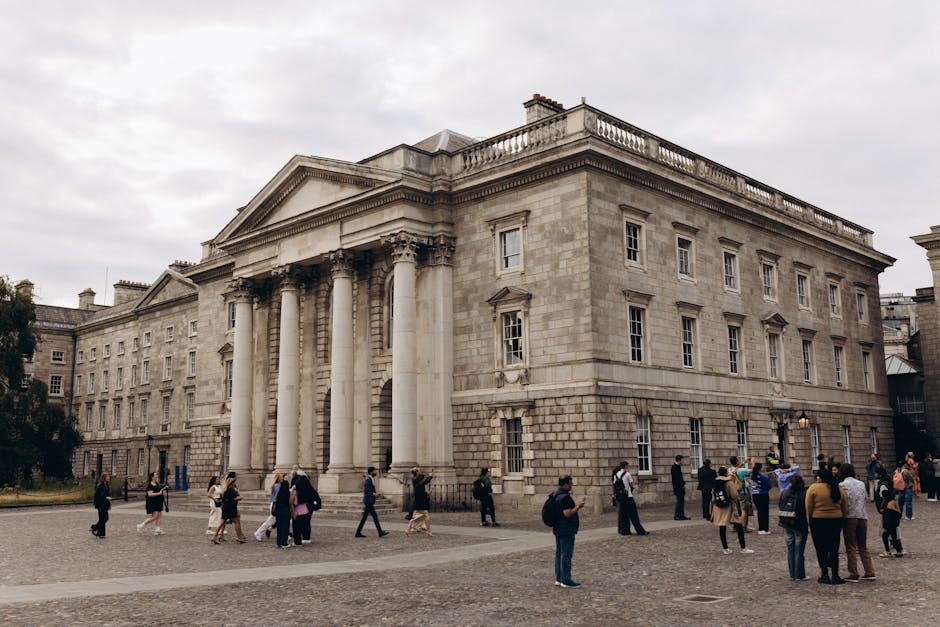
Uncover Dublin’s macabre history on this self-guided walk featuring mummies, medieval rebels, and the city’s most infamous legends.
 Moderate
Dublin, Ireland
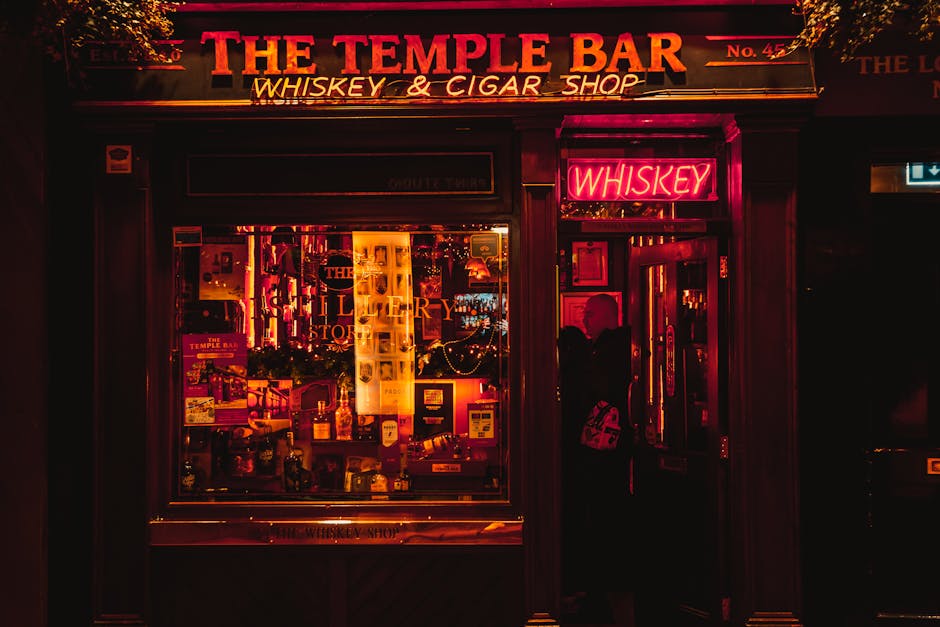
Discover Dublin's poetic waterways and modern docks on this self-guided walk through leafy canals and glass-fronted tech hubs.
 Easy
EasyDublin, Ireland
Explore Dublin's storied streets at your own pace on this self-guided literary walk, from Joyce’s statues to Wilde’s colorful memorial.