Self-guided audio tour in Sintra
Start Free on iPhone
Start free on iPhone to unlock this self-guided walking tour in Sintra. Hear all the stories that make it amazing, walk at your own pace, and begin whenever you want.
Your Private Tour Guide
Step into a landscape where reality dissolves into poetry. This self-guided walking route through Sintra captures the spirit of the Romantic movement, a time when writers and dreamers flocked to these misty hills to find inspiration. Lord Byron, perhaps the most famous of these literary pilgrims, famously described Sintra as a 'glorious Eden' in his work 'Childe Harold's Pilgrimage.' As you navigate this neighborhood stroll, you will see exactly what enchanted him and so many others, from the towering chimneys of the Royal Palace to the neoclassical grandeur of the Seteais Palace. Sintra is not just a collection of monuments; it is a living library where every street corner holds a verse of history. This walking route focuses on the historic center and the elegant road leading toward Seteais, offering a more intimate look at the town than the typical mountain hikes. You will explore the roots of Portuguese identity at the National Palace, delve into the supernatural folklore that defines the 'Mountain of the Moon' at the Myths and Legends center, and stand on the very balconies where 19th-century intellectuals debated art and politics. The path is largely level compared to the steep climbs of the Moorish Castle, making it a perfect walking tour Sintra experience for those who prefer a contemplative pace over a strenuous hike. Along the way, you will visit the Lawrence Hotel, the oldest hotel on the Iberian Peninsula, which served as a sanctuary for Byron and later for the great Portuguese novelist Eça de Queirós. The journey concludes at the triumphal arch of the Seteais Palace, where the views of the Atlantic and the surrounding forests explain why this town has been a UNESCO World Heritage site since 1995. Whether you are a literature enthusiast or simply a traveler looking for the soul of Portugal, this self-guided walk offers a window into the romantic heart of Sintra.
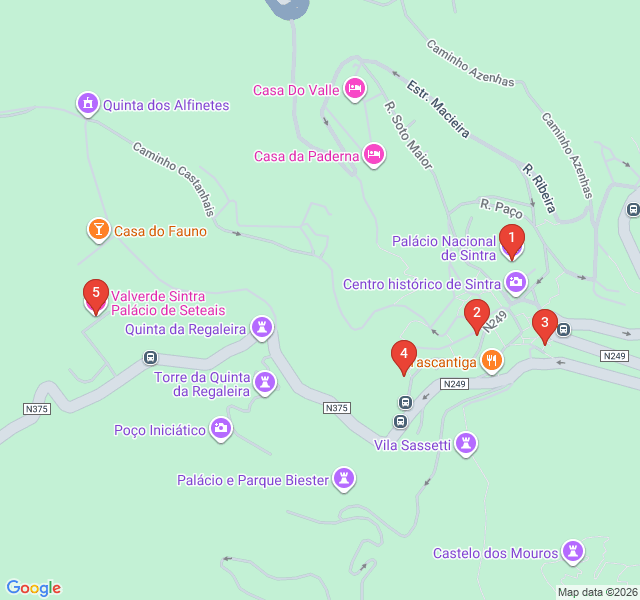
Numbers indicate the order of stops on the tour.
Our self-guided adventure begins at the heart of the village: the Palácio Nacional de Sintra. Known for its two massive conical chimneys, this is the best-preserved medieval royal residence in Portugal. For centuries, it was the summer retreat of the Portuguese monarchy. As you stand in the square, imagine the royal court escaping the heat of Lisbon for these cooler hills. The palace is a unique blend of Gothic, Manueline, and Moorish styles, particularly famous for its 'azulejos' (glazed tiles). Look up at the chimneys; they aren't just for show—they were designed to keep the massive kitchens smoke-free while roasting whole oxen for royal banquets. This building sets the stage for Sintra’s unique architectural identity.
Just a short walk from the palace, we find a place dedicated to the intangible side of this town. Sintra has always been shrouded in mystery, often called the 'Mountain of the Moon' due to its ancient Celtic and Moorish connections. This center explores the folklore that has inspired generations of writers. From the legend of the hidden treasure of the Moors to the supernatural sightings in the surrounding forests, these stories are the reason Sintra feels so otherworldly. Literature is built on myth, and understanding these local tales helps explain why writers like Hans Christian Andersen felt that Sintra was a place where 'nature and art are beautifully combined.'
Take a moment to breathe in the view at this viewpoint. From here, the red-tiled roofs of the village spread out below you, framed by the dense greenery of the Serra de Sintra. This is the perspective that led Lord Byron to write home to his mother, calling Sintra 'perhaps in every respect the most delightful in Europe.' It was here, amidst the ferns and the fog, that the Romantic movement found its visual language. You can see the blend of man-made beauty and wild nature that defined the 'picturesque' ideal. It is a perfect spot to pause and appreciate the landscape that inspired the poem 'Childe Harold's Pilgrimage.'
You are standing before a true literary landmark. Established in 1764, the Lawrence Hotel is the oldest hotel on the Iberian Peninsula. In 1809, a young Lord Byron stayed here, writing portions of his most famous works in his room. Decades later, the great Portuguese realist writer Eça de Queirós used this very hotel as a setting for his masterpiece, 'The Maias.' The hotel represents the cosmopolitan side of 19th-century Sintra, where travelers from across Europe would meet to share ideas. If these walls could talk, they would speak of late-night debates, poetic breakthroughs, and the enduring allure of Sintra as a sanctuary for the creative mind.
Our walking route concludes at the magnificent Seteais Palace. Built in the late 18th century, its most striking feature is the neoclassical triumphal arch that connects its two wings. The name 'Seteais' comes from the legend of the 'Seven Sighs' (Sete Ais), involving a secret passageway and a tragic Moorish princess. The arch was built to commemorate a visit by King João VI, and through its frame, you get a breathtaking view of the Pena Palace on the hill and the Atlantic Ocean in the distance. It is a grand finale to our literary stroll, embodying the elegance and drama that define Lord Byron’s 'Eden.'
Start Free on iPhone
Explore “Lord Byron’s Eden: Literary Sintra” with your very own Private Tour Guide with Zigway. Start free on iPhone, skip the large group and the fixed routes, and hear the city come alive as you go.
Your Private Tour Guide
Don't miss the good stuff
Explore Freely
 Moderate
Sintra, Portugal
Explore an eclectic palace and its lush botanical gardens. Discover 19th-century Romanticism through exotic architecture and hidden chapel ruins.
 Moderate
Sintra, Portugal
Explore Sintra's most opulent 19th-century manors and mystical gardens on this self-guided audio walk through the historic Seteais district.
 Easy
EasySintra, Portugal
Explore Sintra's historic center on this self-guided walk through legendary bakeries, tasting iconic Travesseiros and Queijadas at your own pace.
 Challenging
Sintra, Portugal
A challenging self-guided adventure through Sintra's highest peaks, designed to capture the perfect sunset shots of the Pena Palace and beyond.
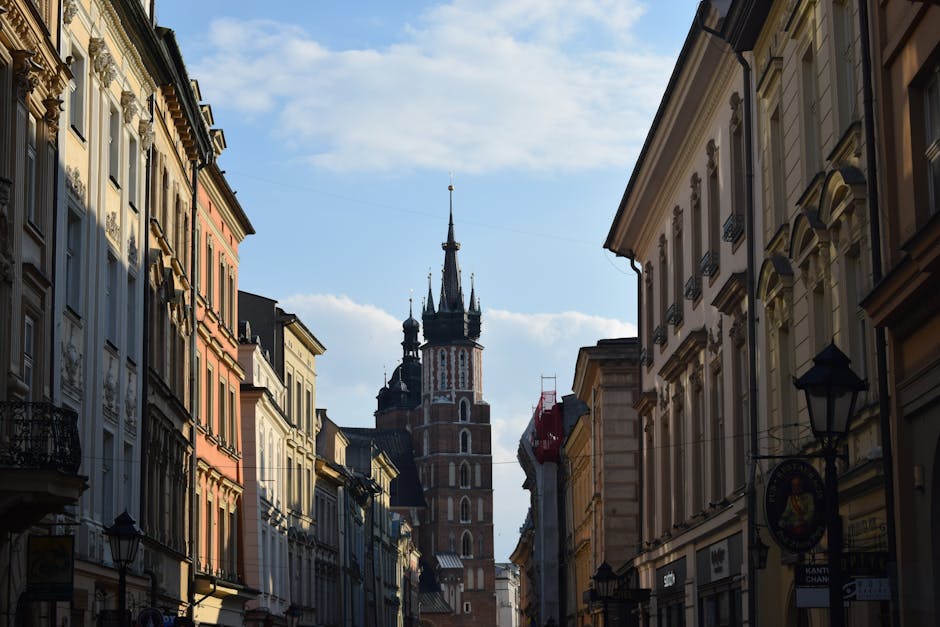 Easy
EasyKrakow, Poland
Uncover Krakow's legendary past on this self-guided walk from literary monuments to the fire-breathing Wawel Dragon.
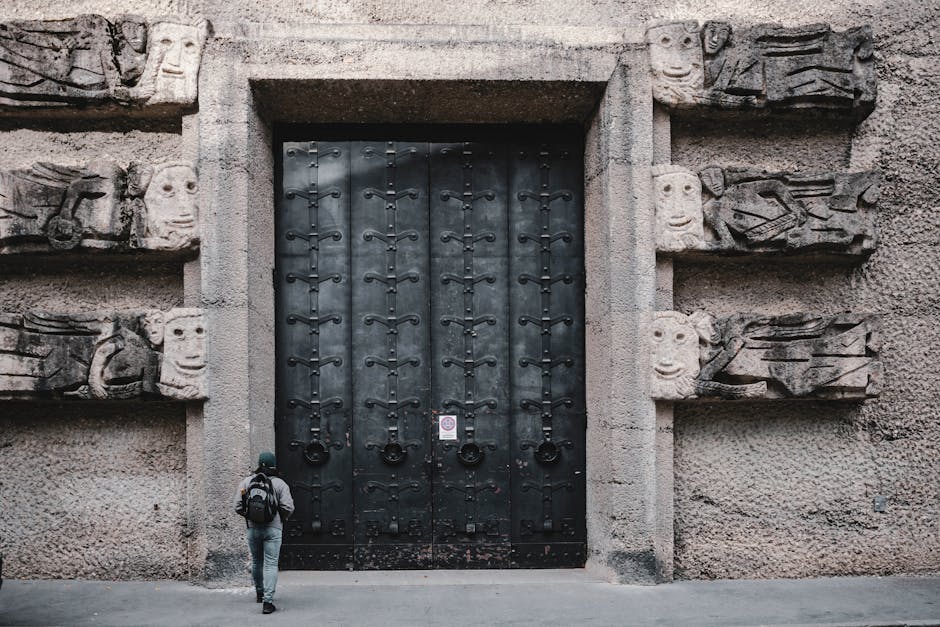 Easy
EasySalzburg, Austria
Discover the 'Rome of the North' on this self-guided walk through the Baroque squares and monumental legacy of Salzburg’s Prince-Archbishops.
 Easy
EasyNairobi, Kenya
Explore Nairobi's architectural evolution from colonial-era landmarks to iconic Brutalist skyscrapers on this historic self-guided walking route.
 Easy
EasyNairobi, Kenya
Discover Nairobi's iconic skyline on this self-guided architecture walk through the CBD’s most famous modernist and Brutalist landmarks.
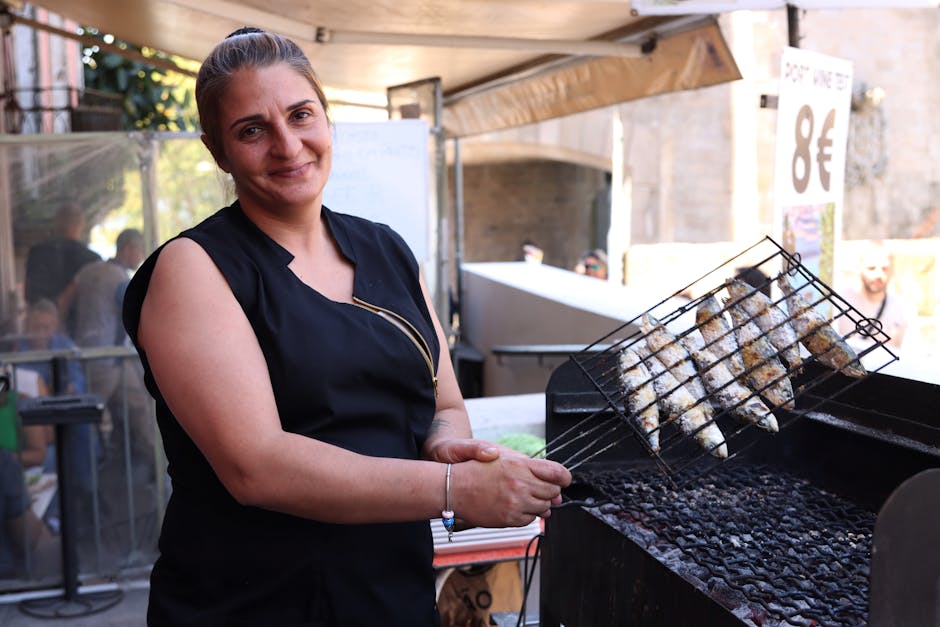 Easy
EasyPorto, Portugal
Taste the soul of Porto on this self-guided stroll through the historic Bolhão Market and its legendary surrounding food shops.
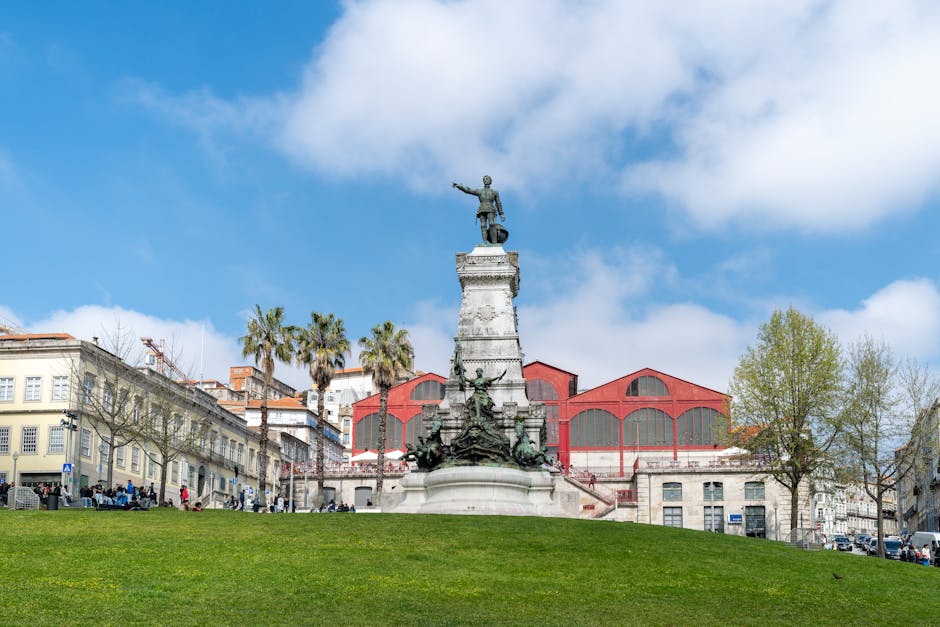 Moderate
Porto, Portugal
Uncover the hidden history of Porto's Jewish community and the secrets of the Inquisition on this self-guided walking route through historic Miragaia.
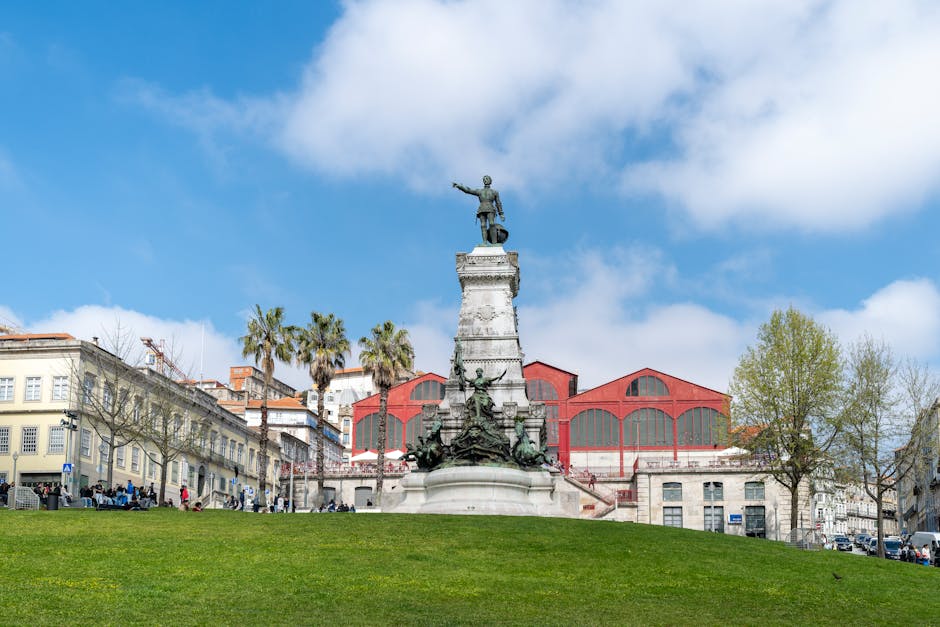 Challenging
Porto, Portugal
Explore Porto's 'High City' on this self-guided walk through Baroque landmarks, medieval cathedrals, and stunning panoramic viewpoints.
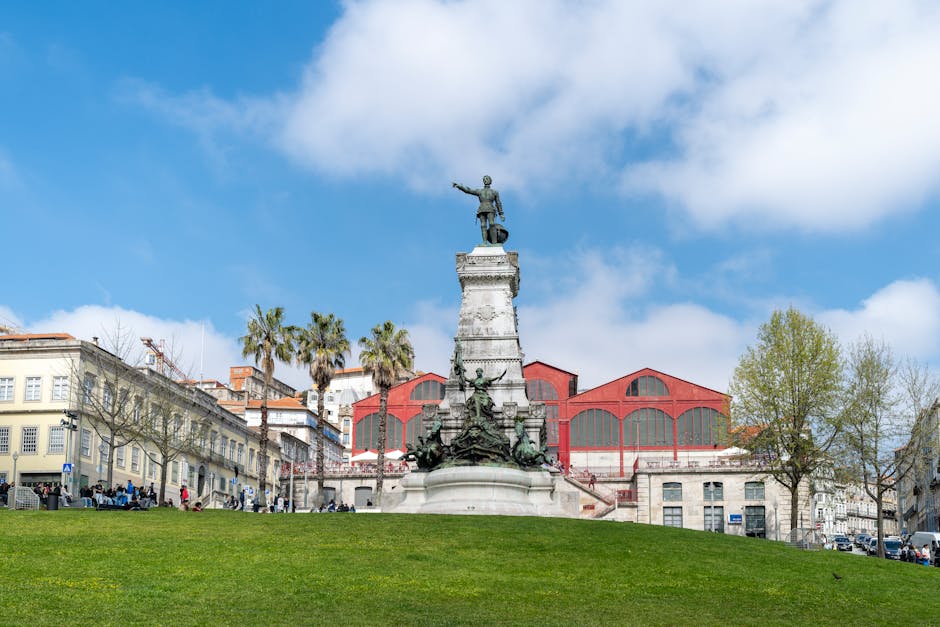 Moderate
Porto, Portugal
Explore Porto's UNESCO-listed riverside district at your own pace through medieval alleys, golden churches, and historic maritime landmarks.