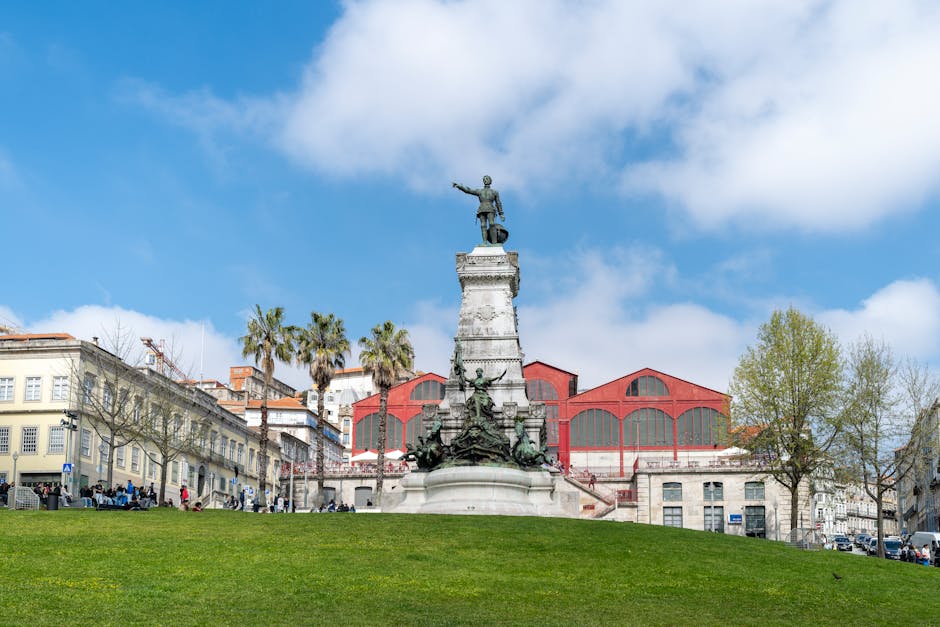
Self-guided audio tour in Porto
Start Free on iPhone
Start free on iPhone to unlock this self-guided walking tour in Porto. Hear all the stories that make it amazing, walk at your own pace, and begin whenever you want.
Your Private Tour Guide
Step back into the 14th century as you explore the tangled alleys of Porto’s most iconic neighborhood on this self-guided walk through Ribeira. This ancient riverside district, recognized as a UNESCO World Heritage site, is a living museum where the city's maritime soul still breathes. On this neighborhood stroll, you will move beyond the typical tourist postcards to discover the grit and grandeur that defined Porto for centuries. The route leads you through a medieval labyrinth of narrow passages, hidden stairways, and granite facades that have witnessed the rise and fall of empires. You will encounter the birthplace of the Age of Discovery at Casa do Infante and trace the remnants of the Fernandine Walls that once protected the city from invaders. This walking route is designed for those who want to experience the atmospheric charm of Porto at their own pace, far from the constraints of a rigid schedule. You will see how the city transitioned from a medieval trading hub to a neoclassical powerhouse, culminating at the magnificent Stock Exchange Palace. Along the way, the route offers breathtaking views of the Douro River and the iconic bridges, providing ample opportunities for photography. Whether you are interested in the opulent gold-leaf interiors of Gothic churches or the humble history of the salt-cod trade, this self-guided adventure captures the multifaceted history of Ribeira. While many people choose a walking tour Porto experience to see the main sights, this specific route focuses on the architectural evolution and the hidden stories tucked away in the shadows of the Ribeira Square. By following this independent path, you gain a deeper understanding of why Porto remains one of Europe’s most enchanting cities. Prepare to navigate steep inclines and uneven cobblestones, as the authentic medieval experience requires a bit of physical effort, but the reward is an intimate connection with the city's oldest bones.
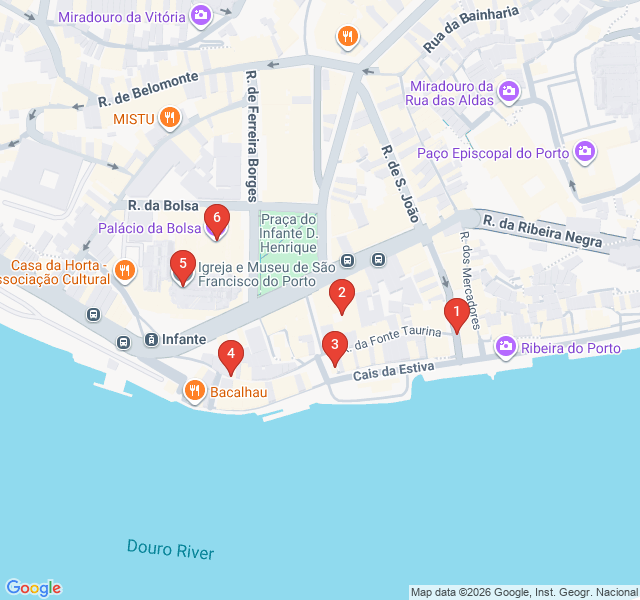
Numbers indicate the order of stops on the tour.
Welcome to Praça da Ribeira, the beating heart of Porto's riverside. This square has served as the city's primary center of commerce since the Middle Ages. Look around at the tall, narrow houses decorated with colorful tiles and laundry hanging from balconies—a classic Porto scene. In the center, notice the modern fountain featuring a cube sculpture, which stands on the site of a 17th-century fountain. For centuries, this was where ships unloaded goods from across the globe, and today, it remains the most atmospheric starting point for exploring the city's medieval roots. The square is the gateway to the Douro, connecting the land to the river that made Porto wealthy.
This imposing granite building is one of the most significant historical sites in the city. It is traditionally believed to be the birthplace of Prince Henry the Navigator in 1394, the man who launched Portugal's Age of Discovery. Originally built in the 1300s as the 'Alfândega' or Royal Custom House, it was the only place where the King's officials could weigh and tax the precious goods coming into the port. Its thick walls and fortress-like appearance reflect its role in protecting the crown's wealth. Today, it stands as a testament to Porto's long-standing status as a vital international trading hub and maritime power.
Walk along this elevated path known as the 'Wall of the Cod Sellers.' This stretch of the old city walls offers some of the most iconic views in Porto, overlooking the Douro River and the Gaia wine cellars on the opposite bank. The name comes from the traditional dried salt-cod trade that was central to the local economy. As you stroll here, you are walking atop the 14th-century Fernandine Walls. Imagine the bustle of centuries past, with merchants shouting and sailors hauling crates of fish and Port wine. It is a perfect spot to appreciate the sheer verticality of Ribeira’s construction, where houses seem to cling to the cliffs.
Rua da Reboleira is one of the oldest and most authentic streets in the Ribeira district. It perfectly captures the medieval urban layout with its narrow, winding path and buildings that span several architectural eras. Look closely at the facades; you will see Romanesque foundations, Gothic arches, and 18th-century tile work all layered on top of each other. This street was once home to wealthy merchants who wanted to be close to the port but protected from the river's floods. It feels like a time capsule, offering a quiet escape from the busier riverfront and a glimpse into the daily life of historic Porto residents.
The Igreja de São Francisco may look like a standard Gothic church from the outside, but the interior is a masterpiece of Baroque excess. It is estimated that over 300 kilograms of gold leaf were used to cover the intricate wood carvings that adorn every inch of the nave and altars. Built in the 14th century, it was originally a more humble Franciscan space, but 18th-century wealth transformed it into a 'golden church.' Don't miss the 'Tree of Jesse,' a complex wood carving depicting the genealogy of Christ. Beneath the floorboards lie the catacombs, where many of Porto’s noble families are buried alongside a common ossuary containing thousands of bones.
Our final stop is the Palácio da Bolsa, or the Stock Exchange Palace. Built in the 19th century on the ruins of a Franciscan cloister, this Neoclassical building was designed to impress foreign investors and showcase Porto’s commercial might. While the exterior is stern and grand, the interior is legendary. The highlight is the Salão Árabe, or Arab Room, inspired by the Alhambra in Granada. It took 18 years to complete and is decorated with intricate Moorish-style patterns and gilded details. It represents the shift in Porto's history from a medieval fortress to a sophisticated European center of trade and finance.
Start Free on iPhone
Explore “Ribeira's Medieval Labyrinth” with your very own Private Tour Guide with Zigway. Start free on iPhone, skip the large group and the fixed routes, and hear the city come alive as you go.
Your Private Tour Guide
Don't miss the good stuff
Explore Freely
 Easy
EasyPorto, Portugal
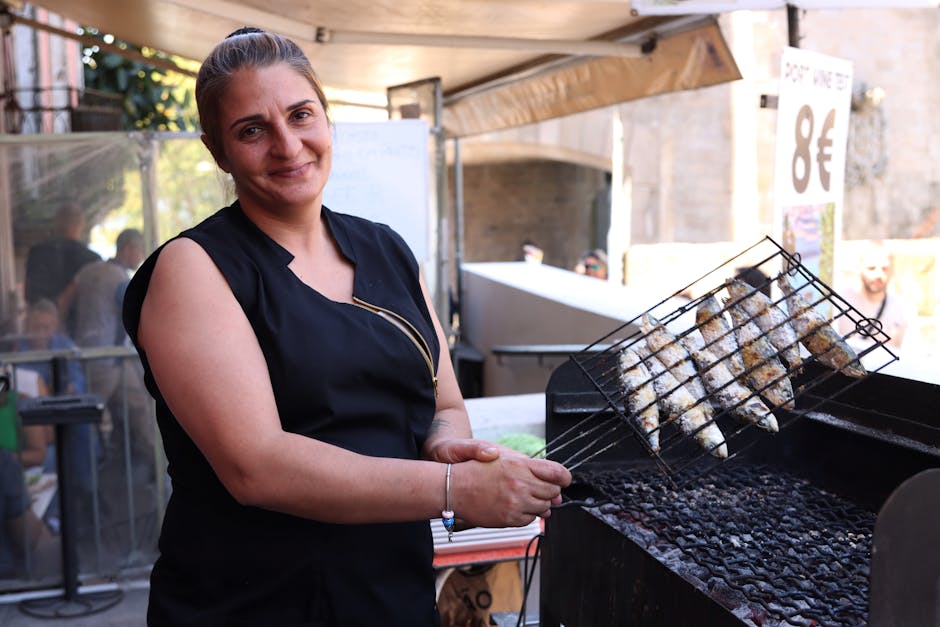
Taste the soul of Porto on this self-guided stroll through the historic Bolhão Market and its legendary surrounding food shops.
 Moderate
Porto, Portugal
Uncover the hidden history of Porto's Jewish community and the secrets of the Inquisition on this self-guided walking route through historic Miragaia.
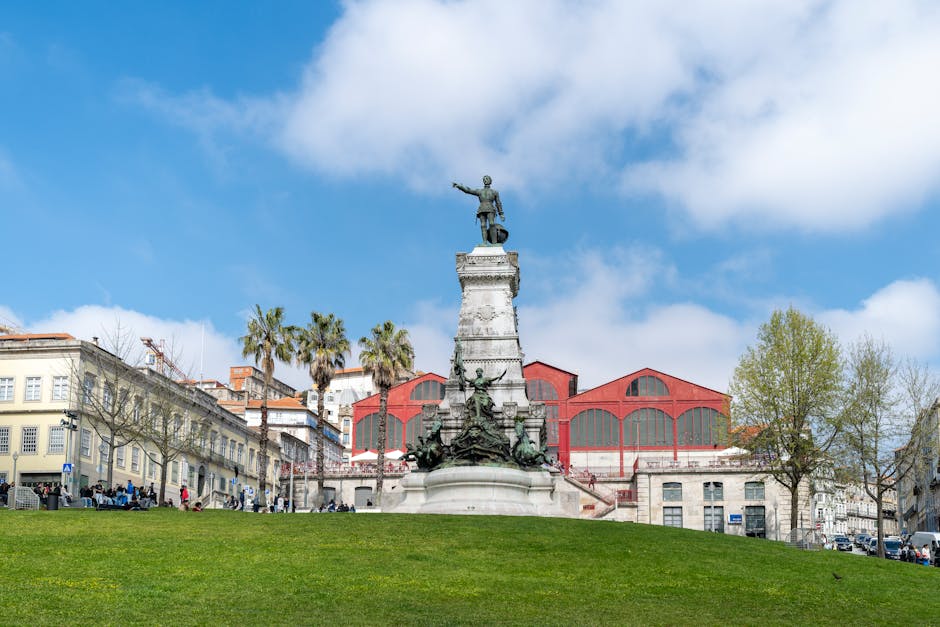 Challenging
Porto, Portugal
Explore Porto's 'High City' on this self-guided walk through Baroque landmarks, medieval cathedrals, and stunning panoramic viewpoints.
 Moderate
Porto, Portugal
Discover the soul of Port wine and stunning river views on this self-guided walking route through the historic lodges of Vila Nova de Gaia.
 Easy
EasyGothenburg, Sweden
Discover Gothenburg’s 17th-century Dutch foundations, historic canals, and military fortifications on this self-guided architectural walk.
 Moderate
Helsinki, Finland
Explore the 'Gibraltar of the North' on this independent walking route through the historic bastions and hidden gardens of Suomenlinna Sea Fortress.
 Moderate
Gothenburg, Sweden
Discover Gothenburg’s maritime soul on this self-guided walk from the historic Central Station to the scenic riverfront at Stenpiren.
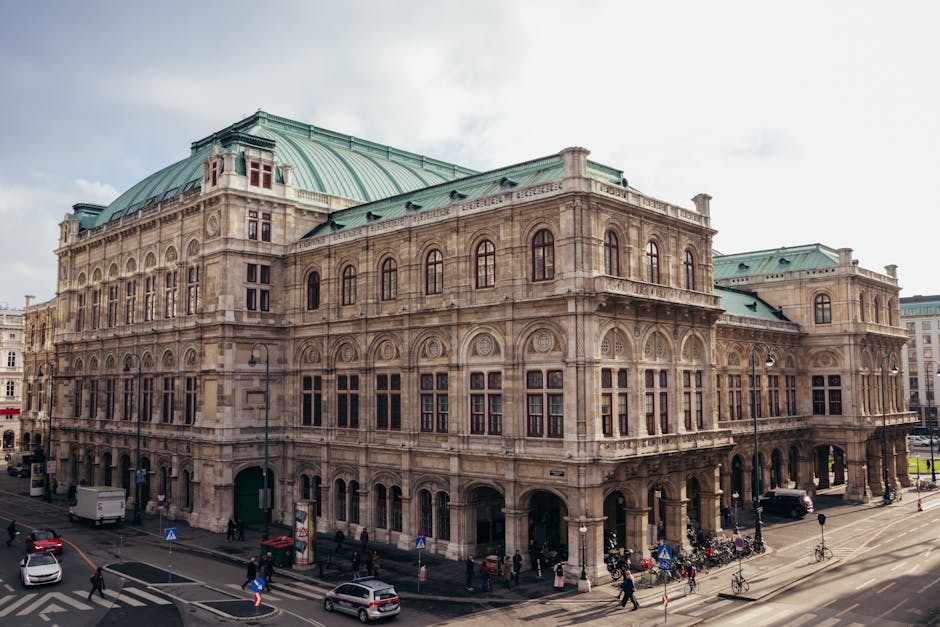 Moderate
Vienna, Austria
Follow the footsteps of Mozart and Strauss through Vienna’s historic center on this self-guided walk through the city's rich musical history.
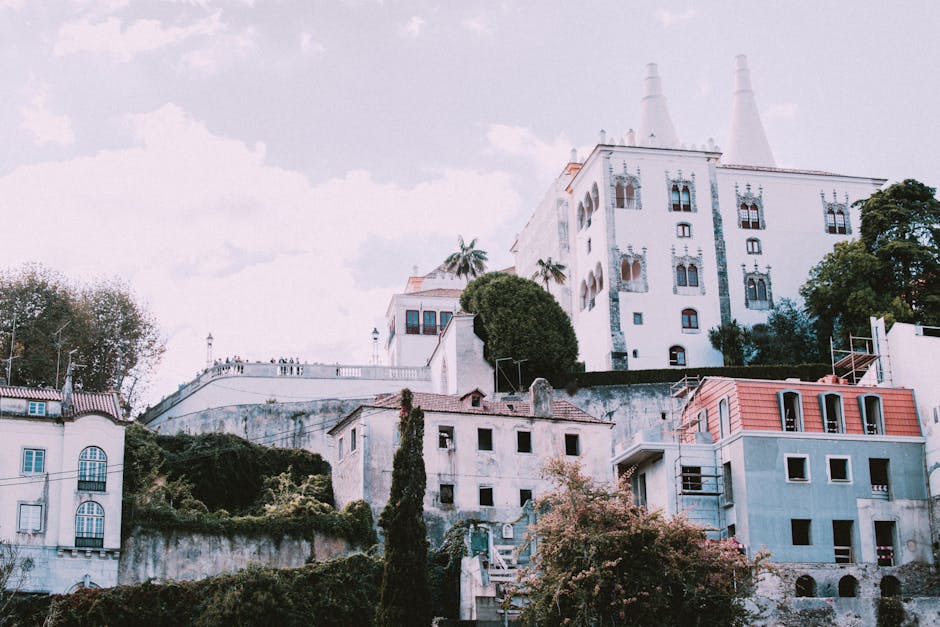 Moderate
Sintra, Portugal
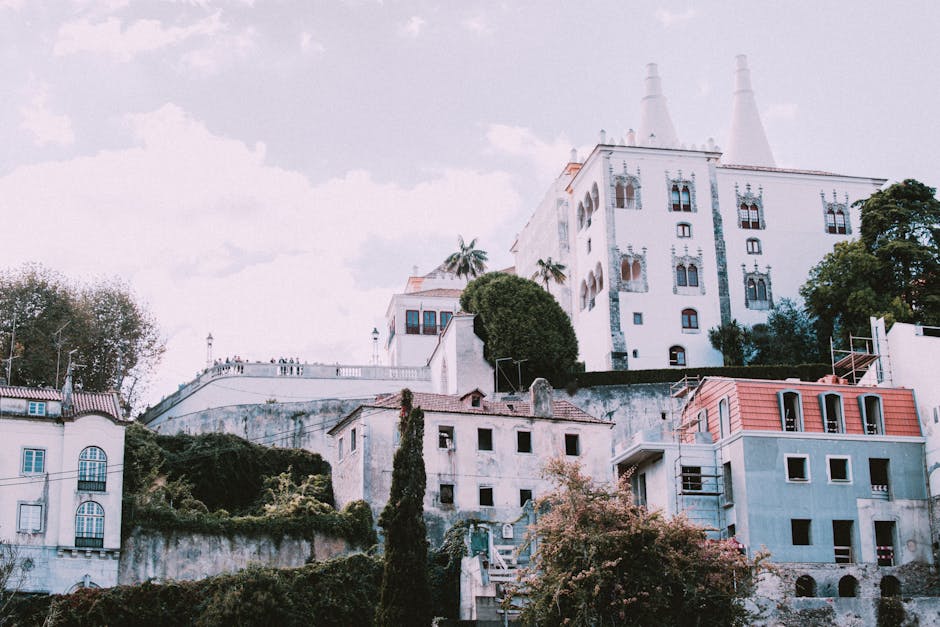
Explore an eclectic palace and its lush botanical gardens. Discover 19th-century Romanticism through exotic architecture and hidden chapel ruins.
 Moderate
Sintra, Portugal
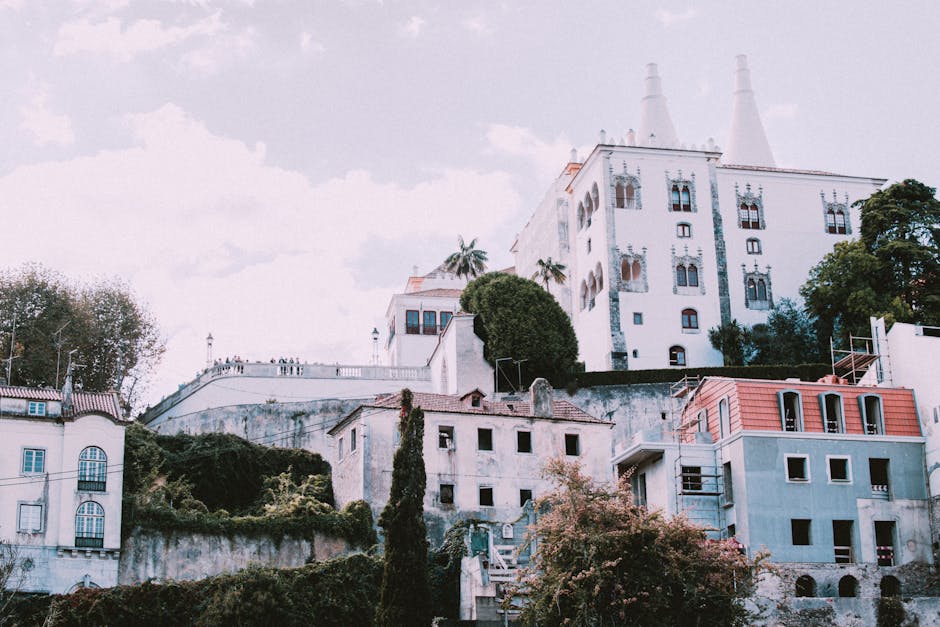
Explore Sintra's most opulent 19th-century manors and mystical gardens on this self-guided audio walk through the historic Seteais district.
 Easy
EasySintra, Portugal
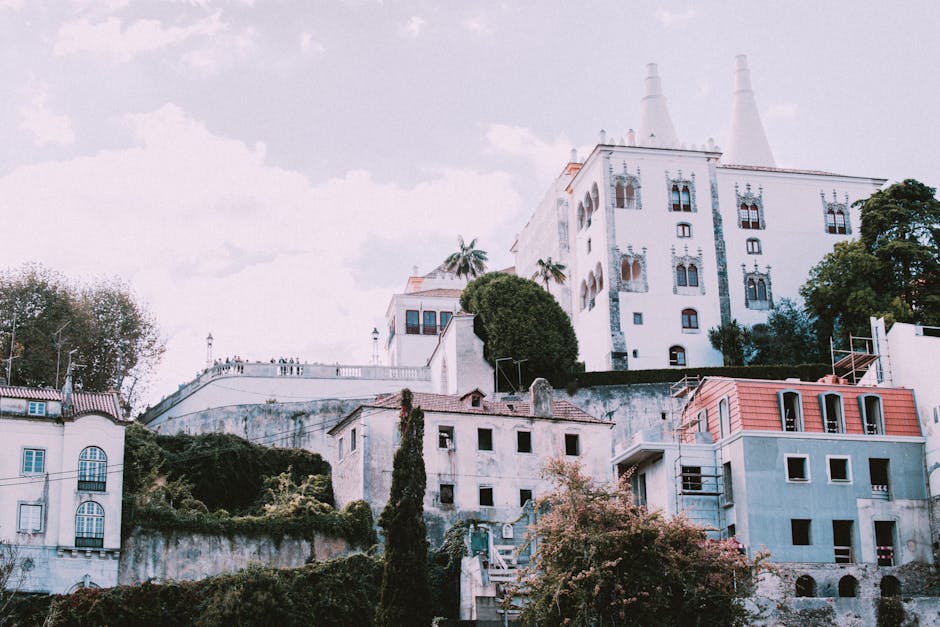
Explore Sintra's historic center on this self-guided walk through legendary bakeries, tasting iconic Travesseiros and Queijadas at your own pace.
 Challenging
Sintra, Portugal
A challenging self-guided adventure through Sintra's highest peaks, designed to capture the perfect sunset shots of the Pena Palace and beyond.