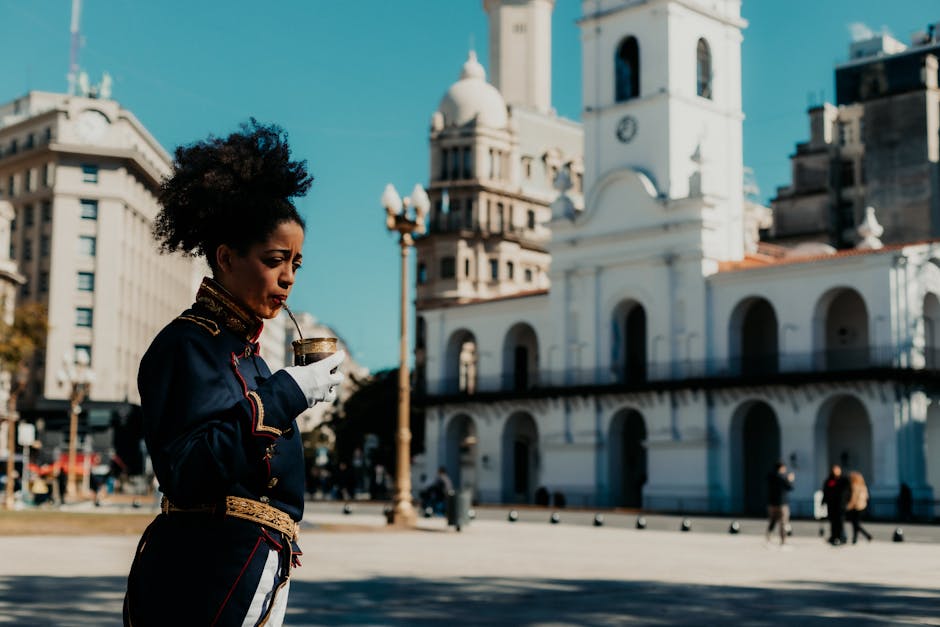
Self-guided audio tour in Buenos Aires
Now a Guided Walk in the Zigway app
Follow Buenos Aires' Belle Époque elite from a steel flower to their marble city of the dead.
2.9 km · 41 min walking · 27 min of stories · 2 languages
The introduction and the first minute at the first stop.
Floralis Genérica
Together they weigh about eighteen tonnes and rise more than twenty metres. No two petals are the same, as the city's own leader has pointed out.
Gomero de la Recoleta
A gomero is a kind of fig, Ficus macrophylla, and the city lists it as a historic tree.
Monument to Bartolomé Mitre
Around the base, figures in Carrara marble act out his virtues. At the front, a winged woman lifts her palms on a ship's prow.
National Museum of Fine Arts
One guide credits its design to the architect Julio Dormal, though other sources don't name him. Decades later, the architect Alejandro Bustillo got the job of turning pumps into paintings.
Palais de Glace
Inside, a circular rink twenty-one metres across filled the central room. Theatre-style boxes ringed the ice, with rooms around them for socialising.
Guided Walk · in the Zigway app
Buy it once in the app and walk it whenever you're in Buenos Aires. GPS plays each story as you arrive, it works offline, and the introduction and first stop are free to try.
Start Free on iPhone
Hear the stories behind the streets and sights around you as you walk Buenos Aires. Try it free on iPhone.
Your Private Tour Guide
Recoleta is often described as the 'Paris of the South,' and this neighborhood stroll reveals exactly why. On this self-guided walk through one of Buenos Aires' most prestigious districts, you will encounter a fascinating juxtaposition of monumental modern art, colonial religious history, and the opulent 'City of the Dead.' The route captures the essence of the Argentine elite's golden age, where European architectural styles were imported to create a landscape of unparalleled elegance. Starting at the National Museum of Fine Arts, you will explore the cultural heartbeat of the city before witnessing the steel-petaled Floralis Generica, a symbol of the city's botanical and technological aspirations. The journey then shifts toward the spiritual and historical core of Recoleta, leading you to the Basílica Nuestra Señora del Pilar. This white-washed colonial gem stands as a quiet sentinel next to the world-famous Recoleta Cemetery. This walking route offers the freedom to linger among the intricate mausoleums, including the final resting place of Eva Perón, without the constraints of a rigid schedule. Beyond the tombs, the walk explores the vibrant Centro Cultural Recoleta and concludes at the Palais de Glace, a building that transitioned from an aristocratic ice rink to a premier art venue. This self-guided adventure is designed for those who appreciate the finer details of urban design and the deep-seated legends that define Argentine identity. Whether you are a fan of Neoclassical architecture or curious about the myths of the 'Aristocratic Afterlife,' this walking tour Buenos Aires provides a comprehensive look at the neighborhood's most iconic landmarks. Discover the stories of the families who built this nation and the artists who continue to shape its visual legacy at your own pace.
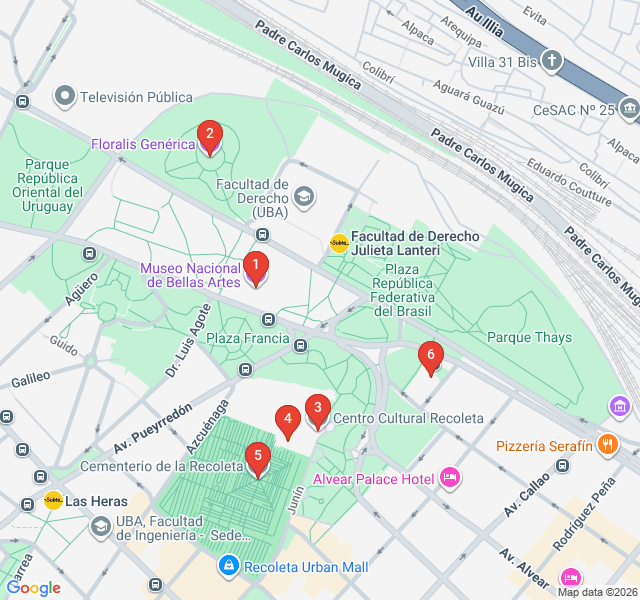
Numbers indicate the order of stops on the tour.
Welcome to the Museo Nacional de Bellas Artes, the most significant art museum in Argentina. The building itself has a curious history; it was originally a drainage pumping station before being transformed into this temple of culture in the 1930s. Inside, the collection spans from the Middle Ages to the modern era, featuring works by European masters like Rembrandt, Goya, and Van Gogh, alongside a formidable collection of Argentine art. As you stand before its salmon-colored facade, consider how this institution represents the 19th-century ambition of Buenos Aires to become a global cultural capital. It serves as the perfect starting point for our exploration of Recoleta's refined atmosphere.
Just a short walk from the museum, you'll find one of the city's most photographed icons. The Floralis Generica is a massive, 23-meter high steel and aluminum flower designed by architect Eduardo Catalano. Gifted to the city in 2002, this sculpture is unique because it is designed to move. Using a hydraulic system and photoelectric cells, the giant petals open in the morning and close at sunset, mimicking the behavior of a real flower. It stands in the center of the Plaza de las Naciones Unidas, surrounded by reflecting pools, symbolizing a city that is constantly blooming and looking toward the future.
This vibrant building, with its brightly painted exterior, has lived many lives. Originally built in 1732 as a convent for the Recoleto friars (who gave the neighborhood its name), it later served as a hospital, a barracks, and an asylum for the elderly. In the 1980s, it was reimagined as a cultural center. Today, it is the heart of youth culture in Buenos Aires, hosting street dance battles, contemporary art exhibitions, and workshops. The blend of historic colonial cloisters with modern, edgy murals makes it one of the most visually stimulating stops on our neighborhood stroll.
Consecrated in 1732, this is the second-oldest church in Buenos Aires and a rare example of colonial architecture that has remained largely unchanged. Its stark white exterior and single bell tower stand in contrast to the ornate mausoleums nearby. Inside, you can see the magnificent silver altar, which was crafted in Upper Peru. The church was the spiritual center for the Recoleto monks, and today it remains one of the most prestigious places for weddings in the city. Take a moment to appreciate the quiet dignity of this space before we transition from the spiritual home of the living to the home of the departed.
Step inside the 'City of the Dead.' This is not just a cemetery; it is an outdoor museum of Neoclassical, Neo-Gothic, and Art Deco architecture. Since 1822, this has been the final resting place for Argentina's presidents, Nobel laureates, and elite families. The most visited site is undoubtedly the Duarte family tomb, where Eva 'Evita' Perón is buried. However, keep an eye out for the tragic statues of Liliana Crociati or the legend of Rufina Cambaceres. The cemetery is a labyrinth of marble and bronze, where the stories of Argentina's past are etched into every stone. It is a place where the pursuit of immortality through architecture is on full display.
Concluding our walk is the Palais de Glace, or the National Pavilion of Arts. When it opened in 1910, it housed an indoor ice skating rink—a massive luxury for the era—where the social elite would gather. Legend has it that the building played a key role in the history of Tango, as it was one of the first high-society venues where the dance was accepted. Later, the ice was covered, and the building became a major venue for art salons and exhibitions. Its circular design and elegant dome remain a testament to the Belle Époque style that defines the sophisticated spirit of Recoleta.
Start Free on iPhone
Open Zigway as you walk and your private tour guide tells the stories behind what you pass.
Your Private Tour Guide
Don't miss the good stuff
Explore Freely
 Easy
Buenos Aires, Argentina
Discover a blend of aristocratic mansions, lush gardens, and vibrant Asian culture on this self-guided walk through Buenos Aires' Belgrano district.
 Moderate
Buenos Aires, Argentina
Follow the footsteps of Borges and Ocampo through the bookstores, libraries, and historic cafes of Buenos Aires' most elegant neighborhoods.
 Moderate
Buenos Aires, Argentina
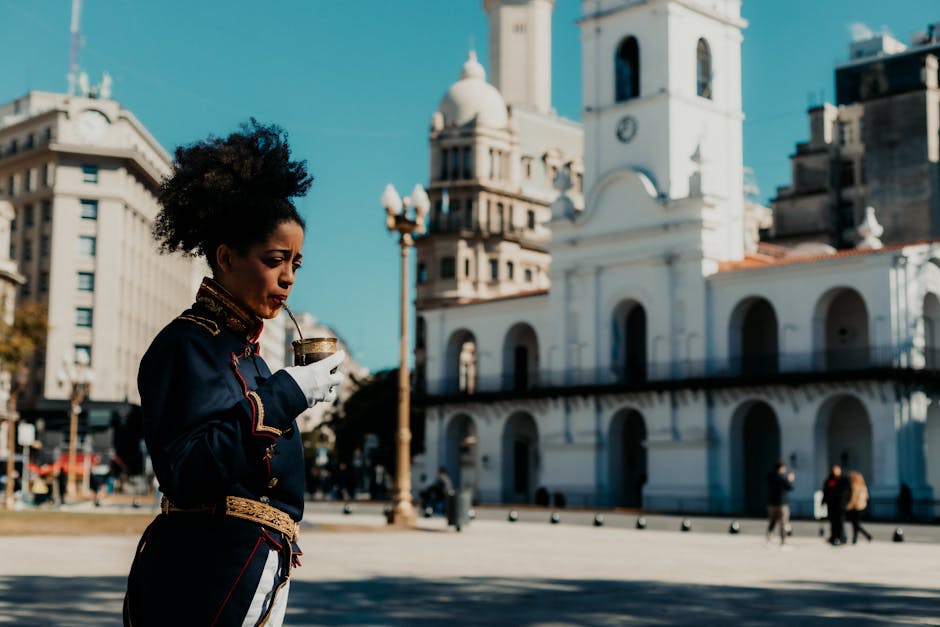
Explore the soulful heart of Buenos Aires on this self-guided walk through San Telmo’s historic markets, hidden tunnels, and antique-filled plazas.
 Easy
Buenos Aires, Argentina
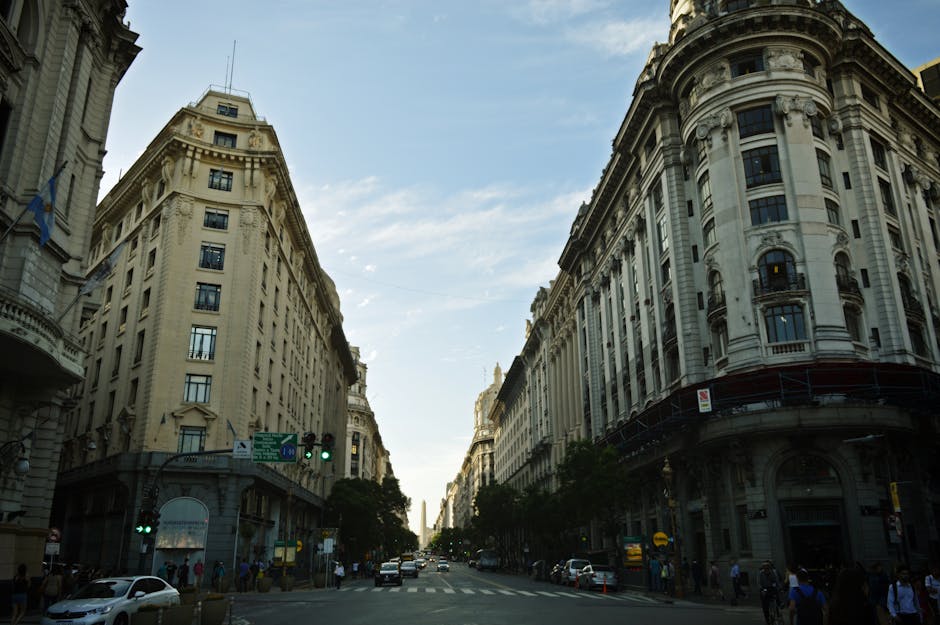
Discover sleek architecture and natural beauty on this self-guided walk through Puerto Madero, Buenos Aires' most modern and sophisticated district.
 Easy
Gothenburg, Sweden
Explore Gothenburg's elegant academic district, featuring grand 19th-century stone architecture and the iconic cultural hub of Götaplatsen.
 Easy
Gothenburg, Sweden
Discover Gothenburg’s 17th-century Dutch foundations, historic canals, and military fortifications on this self-guided architectural walk.
 Easy
Gdansk, Poland
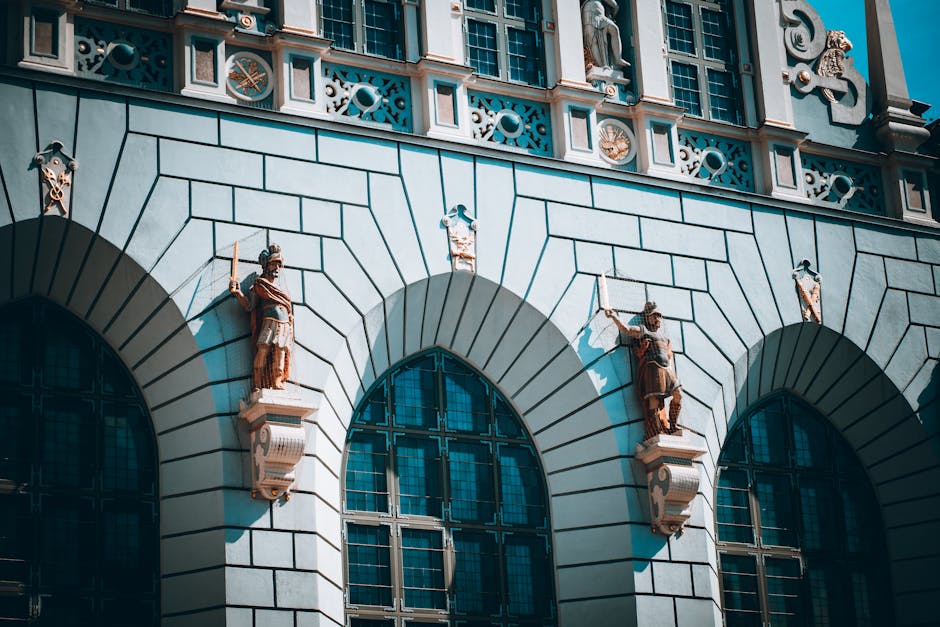
Discover the opulent Royal Way of Gdansk at your own pace. Explore Hanseatic history, gilded architecture, and the iconic Neptune's Fountain.
 Easy
Salzburg, Austria
Discover the 'Rome of the North' on this self-guided walk through the Baroque squares and monumental legacy of Salzburg’s Prince-Archbishops.