Self-guided audio tour in Buenos Aires
Start Free on iPhone
Hear the stories behind the streets and sights around you as you walk Buenos Aires. Try it free on iPhone.
Your Private Tour Guide
Two very different sides of one Buenos Aires neighborhood meet in Belgrano, old hilltop mansions and Argentina's best-known Chinatown, and one self-guided walk is enough to see both. Belgrano: Mansions and Chinatown starts in the leafy terraced gardens of Barrancas de Belgrano and finishes at a round church the locals call La Redonda. In the 19th century this was where the city's elite came for the summer, wealthy families getting away from the heat downtown. Over time it turned into a smart residential district, and you can still read that history in the Spanish-style houses. Then you turn a corner and there's an ornate Chinese gate, and behind it a few blocks of shops, food and trade. That jump is the fun of this walking tour. Two of the stops are museums set in old family homes. Museo Casa Yrurtia belonged to a sculptor, and Museo Larreta to a writer and collector, and both houses are worth seeing even if you skip the art. If Spanish Neo-Renaissance details are your thing, slow down here. If you came to eat, save your appetite for Barrio Chino and its street food. Most visitors to Buenos Aires never make it this far from the center, which is a shame. Locals love Belgrano for its quiet parks and its odd, easy mix of cultures. Because it's an audio walk, nobody's hurrying you along. Sit in a garden for twenty minutes, or get lost in a specialty market and pick the route up again when you're done. It's a relaxed, independent way to get under the skin of the Argentine capital and taste a bit of it too.
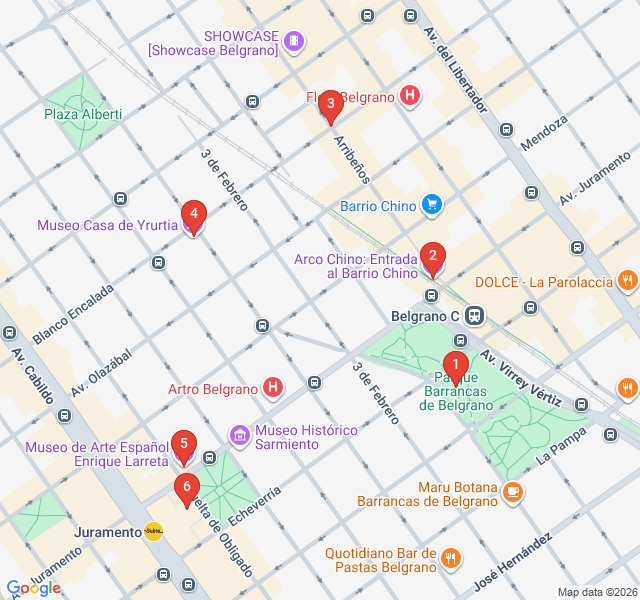
Numbers indicate the order of stops on the tour.
Start at Barrancas de Belgrano, a run of terraced parks laid out in the late 19th century by the landscape architect Carlos Thays. This used to be a steep slope running down to the Río de la Plata. Then land reclamation pushed the riverbank further out, and the slope was left high and dry. Look for the Glorieta, the ornate gazebo built in 1910. On weekend evenings it still hosts outdoor milongas, which are tango dances, and they're a joy to stumble on. The park shows how much Europe shaped Argentine city planning. There are more than 60 species of trees here and several historic sculptures. One is a smaller replica of the Statue of Liberty, made by the same sculptor, Frédéric Auguste Bartholdi. Yes, really.
Leave the park and you'll meet the Arco Chino head on. The gateway stands 11 meters high and was a gift from the Chinese community to the city of Buenos Aires in 2009. It's covered in dragons and traditional carvings, and it marks the way into Barrio Chino. Don't expect a sprawling district. The area covers just a few blocks. Still, it's the heart of the Asian community in Argentina. The gate itself was shipped over from China in pieces and put together on this spot. People read it as a sign of how the community has woven itself into the city, and of the busy commercial streets you're about to walk into.
Arribeños is the main street of Chinatown, and your nose will notice before your eyes do. Spices, fresh seafood, roasted duck. The colonial buildings of the surrounding blocks give way here to specialty supermarkets, tea houses and shops full of trinkets. Go inside the markets. You'll find ingredients that are hard to track down anywhere else in the city, and browsing the shelves is half the point. The street is best known for its food, though. Look out for baozis, which are steamed buns, and grilled skewers. Grab something and eat as you walk. This stretch is a good, loud example of how immigrants have helped shape the mix that is modern Buenos Aires.
After the noise of the markets, the Museo Casa Yrurtia feels very calm. Rogelio Yrurtia, one of Argentina's most important sculptors, lived and worked here. The house is a fine piece of Spanish Colonial Revival architecture, and the artist and his wife donated it to the state. Inside, the rooms have been kept with their original furniture. They're packed with Yrurtia's huge bronze works and his sketches, so you get the art and the life side by side. Don't skip the small garden. It's a quiet place to sit, and it gives you a feel for how the local elite lived in the early 20th century, mixing art, home life and European building fashions.
It's a short walk from here to the Museo de Arte Español Enrique Larreta. The writer Enrique Larreta once lived in this mansion, and today it holds a strong collection of Spanish Renaissance and Baroque art. The real reason to come is the Andalusian garden behind the walls. Gardens like this are rare in South America. It has maze-like boxwood hedges, fountains and citrus trees. The layout follows the Moorish idea of making a paradise on earth, and it works. Stand among the hedges for a minute and the traffic outside seems a long way off. Of all the stops, this one rewards lingering the most.
Your last stop is the Parish of the Immaculate Conception. Locals call it La Redonda, the Round One, and once you see it you'll understand why. It was finished in 1878, and its circular plan and huge dome take their cue from the Pantheon in Rome. The church sits on the corner of Juramento and Vuelta de Obligado streets and is the spiritual heart of Belgrano. Step inside if it's open. The space draws your eye straight up into the dome, and it feels taller than it looks from the street. From here the neighborhood shifts into Belgrano's commercial center, which makes it a natural place to wrap up the walk.

Guided Walk
One straight line from the president to the parliament, cut through a colonial city.
3.2 km · 44 min walking

Guided Walk
Follow Buenos Aires' Belle Époque elite from a steel flower to their marble city of the dead.
2.9 km · 41 min walking

Guided Walk
Scrap metal, shipyard paint and a stadium that beats.
2.8 km · 39 min walking
Explore Mode
Open Zigway, start Explore Mode and just walk. Your guide notices where you are and tells you the story of what's around you, on this route or any street you turn into.
Start Free on iPhone
Open Zigway as you walk and your private tour guide tells the stories behind what you pass.
Your Private Tour Guide
Don't miss the good stuff
Explore Freely
 Easy
Buenos Aires, Argentina
Explore the elegance of Recoleta on this self-guided walk featuring grand museums, colonial churches, and the legendary Recoleta Cemetery.
 Moderate
Buenos Aires, Argentina
Follow the footsteps of Borges and Ocampo through the bookstores, libraries, and historic cafes of Buenos Aires' most elegant neighborhoods.
 Moderate
Buenos Aires, Argentina
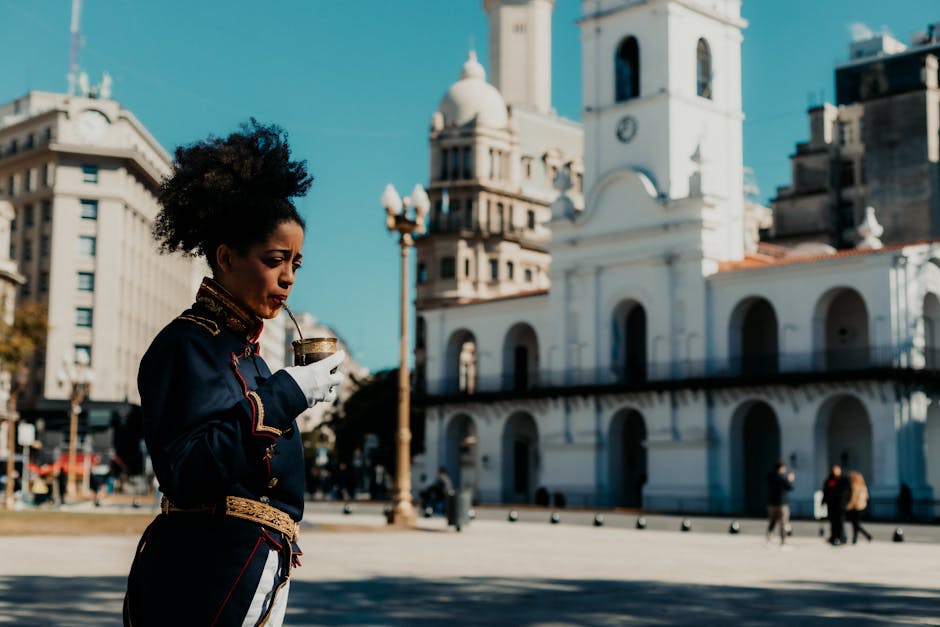
Explore the soulful heart of Buenos Aires on this self-guided walk through San Telmo’s historic markets, hidden tunnels, and antique-filled plazas.
 Easy
Buenos Aires, Argentina
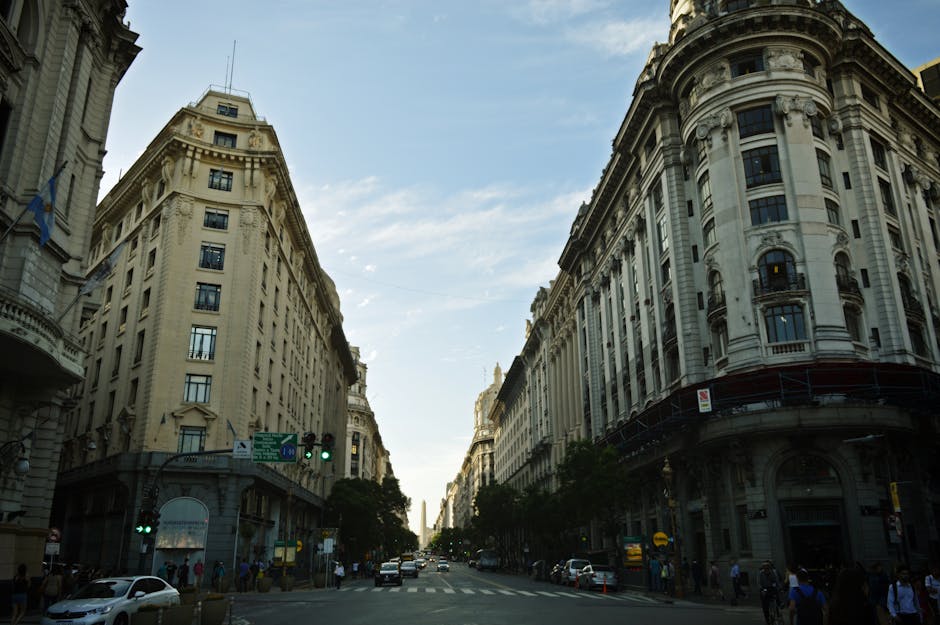
Discover sleek architecture and natural beauty on this self-guided walk through Puerto Madero, Buenos Aires' most modern and sophisticated district.
 Easy
Warsaw, Poland
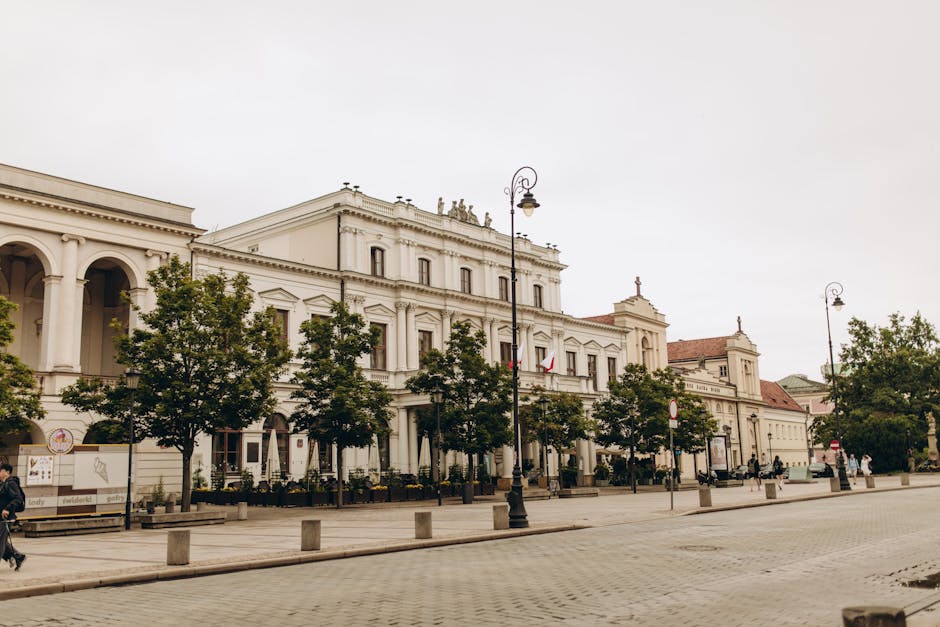
Explore Warsaw's scenic riverfront, rooftop gardens, and industrial-chic architecture on this self-guided stroll through the Powiśle district.
 Easy
Gothenburg, Sweden
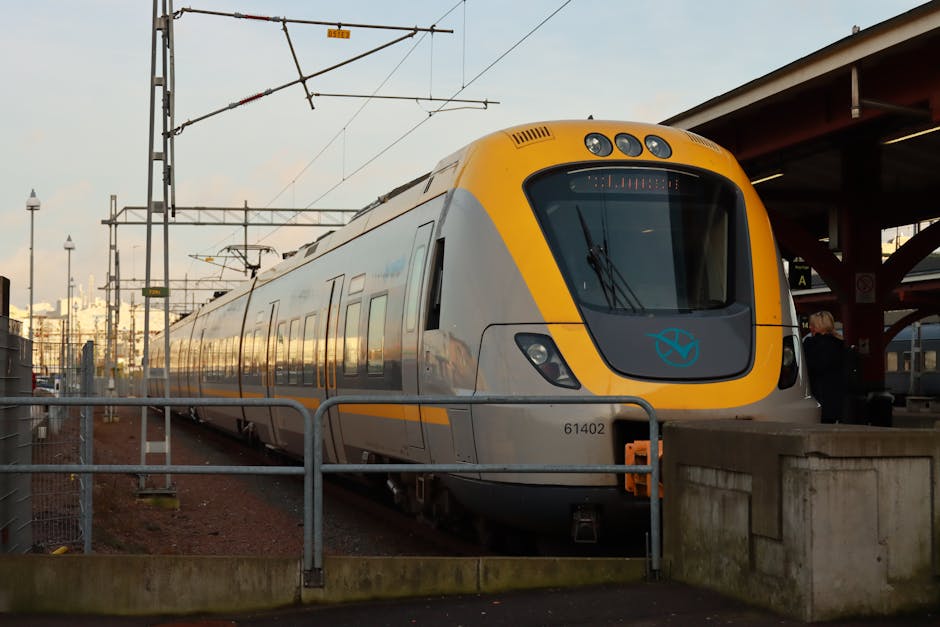
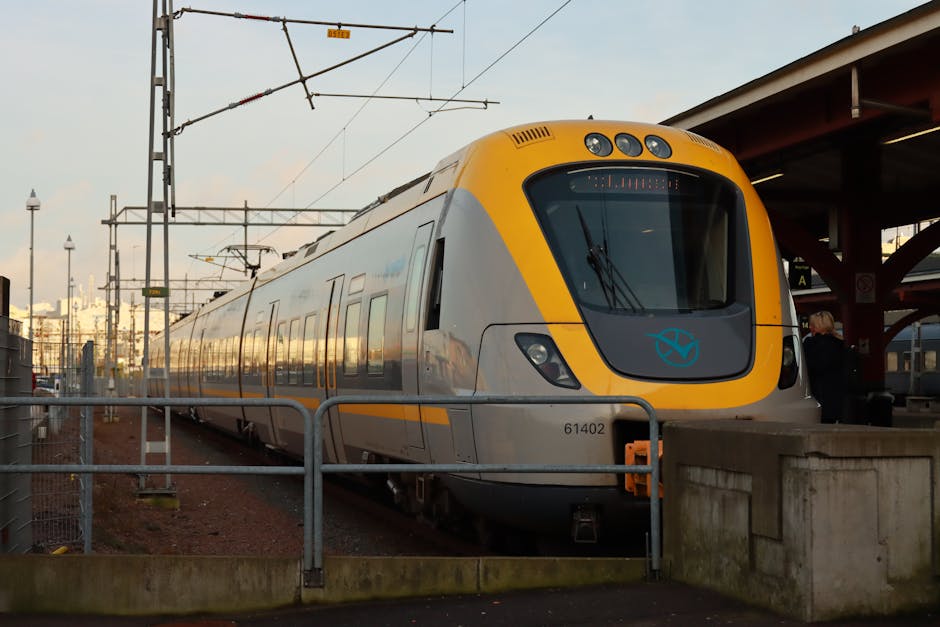
Explore Gothenburg's elegant academic district, featuring grand 19th-century stone architecture and the iconic cultural hub of Götaplatsen.
 Easy
Gothenburg, Sweden
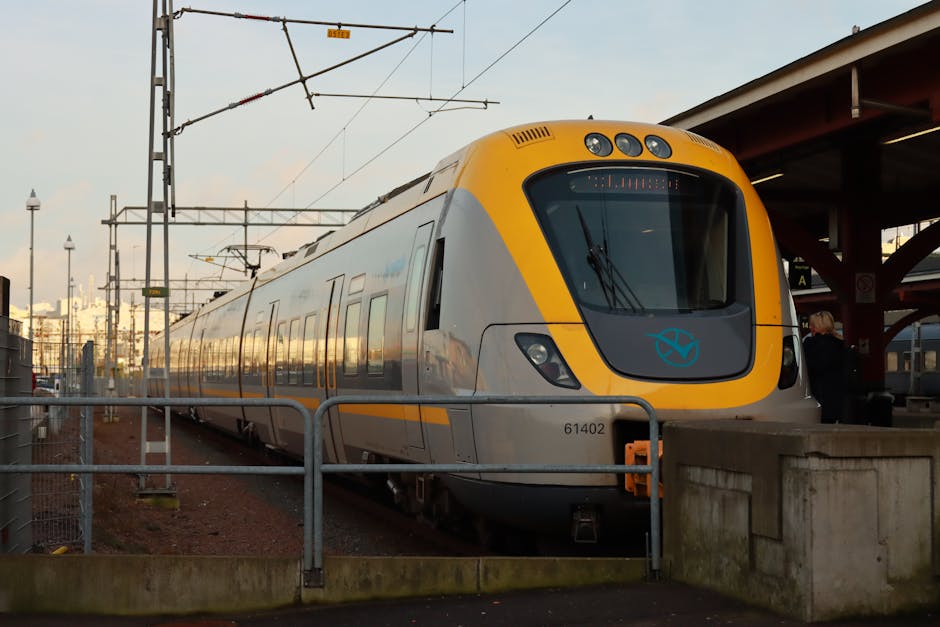
Explore Gothenburg’s historic wooden houses, legendary giant cinnamon buns, and panoramic fortress views on this self-guided neighborhood stroll.
 Easy
Gothenburg, Sweden
Explore Gothenburg's maritime soul on this self-guided walk from historic shipyards to sleek modern piers and iconic industrial landmarks.