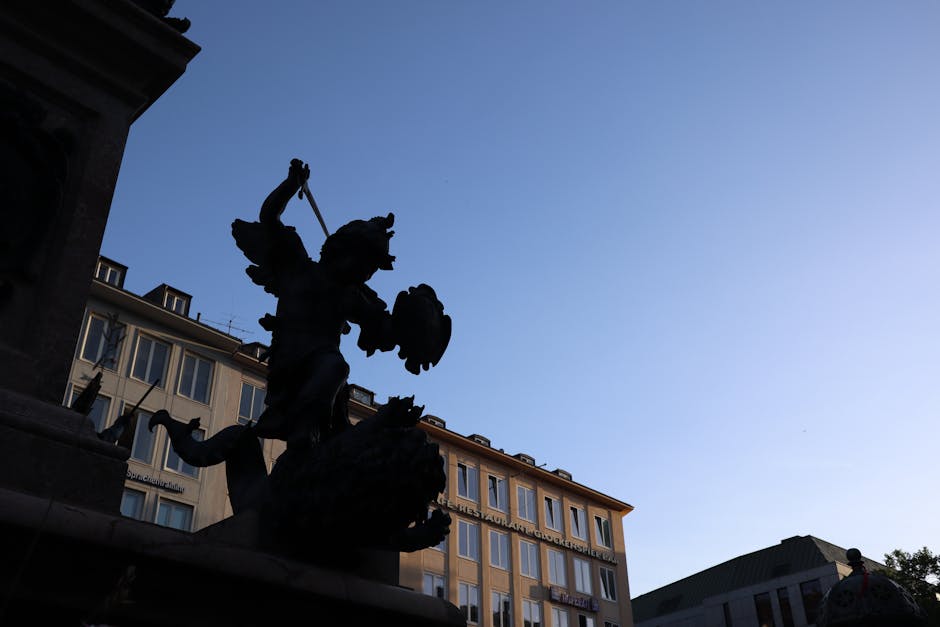
Self-guided audio tour in Munich
Start Free on iPhone
Start free on iPhone to unlock this self-guided walking tour in Munich. Hear all the stories that make it amazing, walk at your own pace, and begin whenever you want.
Your Private Tour Guide
Munich is often celebrated for its beer gardens and Baroque palaces, but beneath the surface of this Bavarian capital lies a complex and sobering history. This self-guided walk explores Maxvorstadt, the district that once served as the administrative heart of the National Socialist movement. By following this walking route, you will uncover how Munich earned the title 'Capital of the Movement' and see the physical remnants of a regime that changed the world forever. The journey begins in the winding alleys behind the city's grandest squares and moves toward the monumental architecture used for mass propaganda. You will visit sites of quiet resistance, like Viscardigasse, where citizens took subtle risks to avoid honoring the regime, and stand in the massive expanse of Konigsplatz, once the stage for torchlight rallies and infamous book burnings. This exploration isn't just about the architecture of power; it is also a tribute to the human spirit. The walk concludes at the Ludwig Maximilian University, where the courageous White Rose resistance movement stood against tyranny. This neighborhood stroll offers a profound educational experience, allowing you to engage with the city’s dark history at your own pace. Whether you are a history enthusiast or a first-time visitor, this walking tour Munich provides a necessary perspective on the events that transpired here between 1923 and 1945. Exploring independently allows you the time to reflect at each memorial and museum, ensuring a deeply personal connection to the narratives of Munich's past.
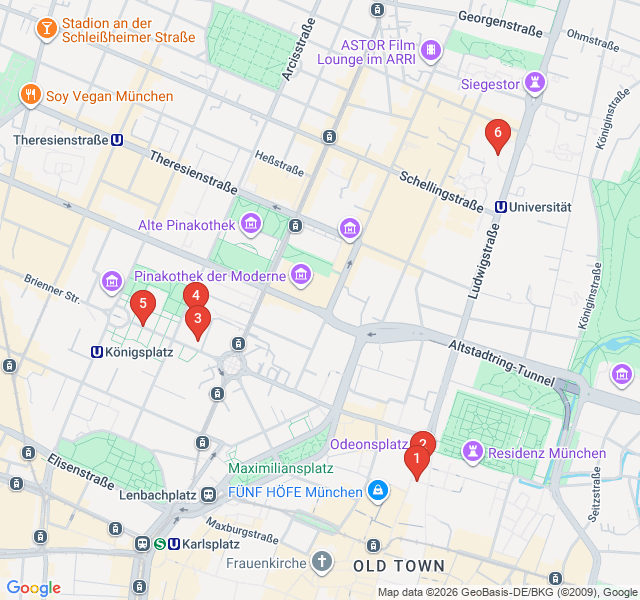
Numbers indicate the order of stops on the tour.
Start your self-guided adventure in this narrow alleyway located behind the Feldherrnhalle. During the Third Reich, a memorial was placed at the Feldherrnhalle to honor those who died during the failed 1923 putsch. Passersby were legally required to give the Nazi salute when walking past it. To avoid this, many Munich citizens took a detour through Viscardigasse. If you look at the ground today, you will see a trail of gold-colored cobblestones snaking through the pavement. These stones serve as a memorial to those 'shirkers' who chose this path as a quiet act of civil disobedience. It is a powerful reminder that even in the face of total control, small gestures of resistance persisted.
Standing at the edge of Odeonsplatz, this monumental loggia was modeled after the Loggia dei Lanzi in Florence. While it was built in the 1840s to honor the Bavarian army, it became a central site for Nazi iconography. It was here that Adolf Hitler’s 1923 Beer Hall Putsch was halted by the Bavarian police in a deadly confrontation. After the Nazis seized power in 1933, they transformed the site into a sacred shrine for their movement. Every year, elaborate ceremonies were held here to commemorate the 'martyrs' of the putsch. Today, the site has been reclaimed as a public space, but the scars of its misuse during the 20th century remain a vital part of the city's historical narrative.
As you walk toward the heart of the former Nazi administrative district, you will encounter a stark, white cube-like building. This is the Documentation Center for the History of National Socialism. It stands on the exact site of the 'Brown House,' which served as the national headquarters of the Nazi Party. Rather than rebuilding what was destroyed, the city chose to create this modern educational space. It focuses on why Munich became the cradle of the movement and how the city has dealt with its legacy since 1945. The surrounding area was once filled with bureaucratic buildings that managed the regime's operations, making this spot the literal 'brain center' of the party's early years.
Located just steps from the Documentation Center, this imposing Neoclassical building survived the war largely intact. Built in the 1930s, it served as the 'Führerbau,' or Hitler's office building. Its most significant historical moment occurred in September 1938, when the leaders of Britain, France, Italy, and Germany met here to sign the Munich Agreement, an act of appeasement that allowed Germany to annex the Sudetenland. Today, the building houses the University of Music and Performing Arts Munich. If you look at the architecture, you can still see the heavy, intimidating style favored by the regime, though the building has now been repurposed for art and education, signaling a shift from destruction to creation.
Konigsplatz was originally designed in the 19th century as a 'European Athens,' intended to showcase Munich’s cultural aspirations. However, the Nazis paved over the green grass with granite slabs to create a massive parade ground for rallies. Two 'Temples of Honor' were built here to house the sarcophagi of those killed in the 1923 putsch; these were later blown up by the US Army after the war. This square was also the site of the 1933 book burning, where students and officials destroyed literature deemed 'un-German.' Today, the grass has been restored, and the square is once again a hub for museums and summer concerts, though the foundations of the demolished Nazi structures are still visible if you look closely.
The final stop on this walking route brings you to the front of the Ludwig Maximilian University. This square is named after Sophie and Hans Scholl, siblings who led the 'White Rose' resistance group. In 1943, they were caught distributing anti-war leaflets from the balconies of the university atrium. Their subsequent execution made them symbols of German resistance. Look closely at the ground in front of the university entrance; you will see ceramic replicas of the leaflets scattered among the cobblestones as if they had just fallen from the sky. This moving memorial honors those who risked everything to speak truth to power, providing a hopeful conclusion to a journey through a dark era.
Start Free on iPhone
Explore “Shadows of the Third Reich: Munich's Dark History” with your very own Private Tour Guide with Zigway. Start free on iPhone, skip the large group and the fixed routes, and hear the city come alive as you go.
Your Private Tour Guide
Don't miss the good stuff
Explore Freely
 Easy
EasyMunich, Germany
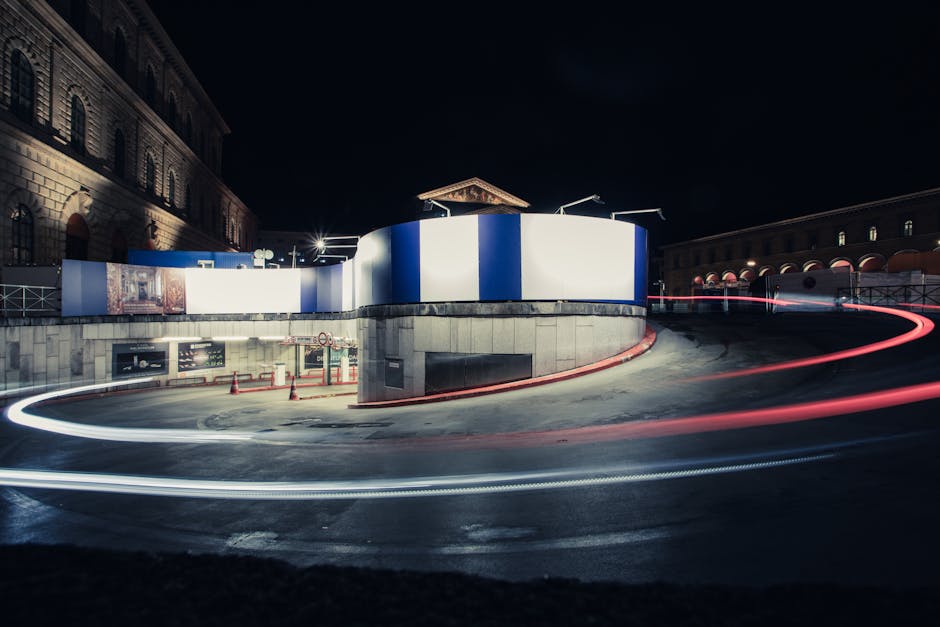
Explore Munich's creative heartbeat in Werksviertel-Mitte. Discover vibrant street art, upcycled containers, and rooftop sheep on this urban stroll.
 Moderate
Munich, Germany
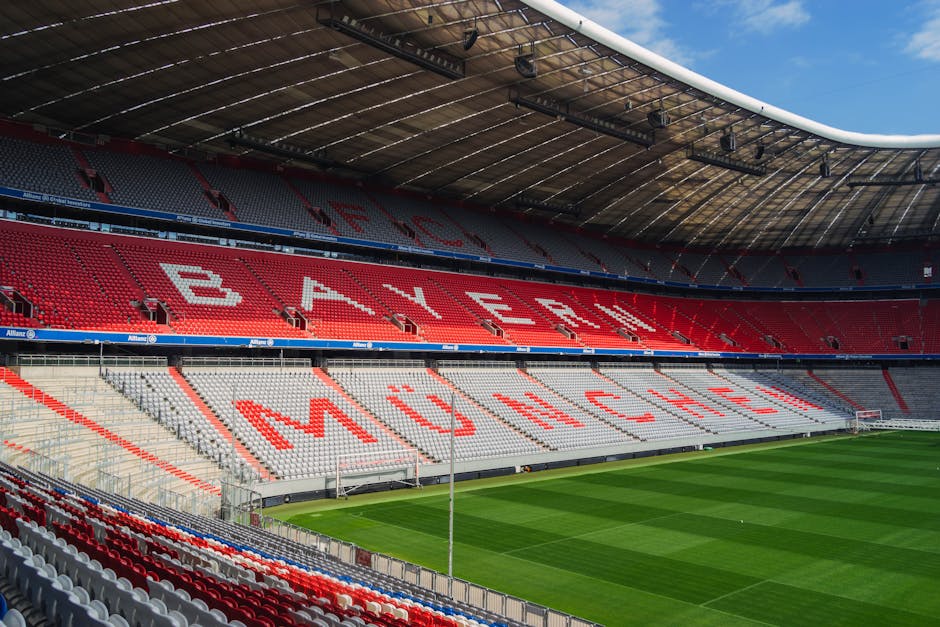
Discover river surfing, iconic Greek temples, and Bavarian beer culture on this scenic self-guided walk through Munich's English Garden.
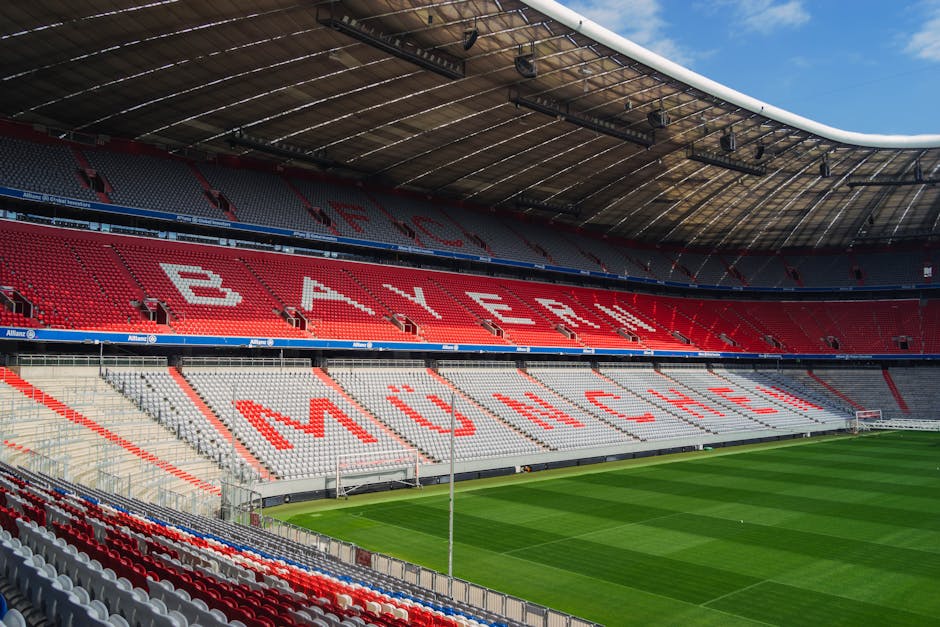 Easy
EasyMunich, Germany
Discover Munich's culinary heart on this self-guided walk through the vibrant Viktualienmarkt and its legendary food stalls.
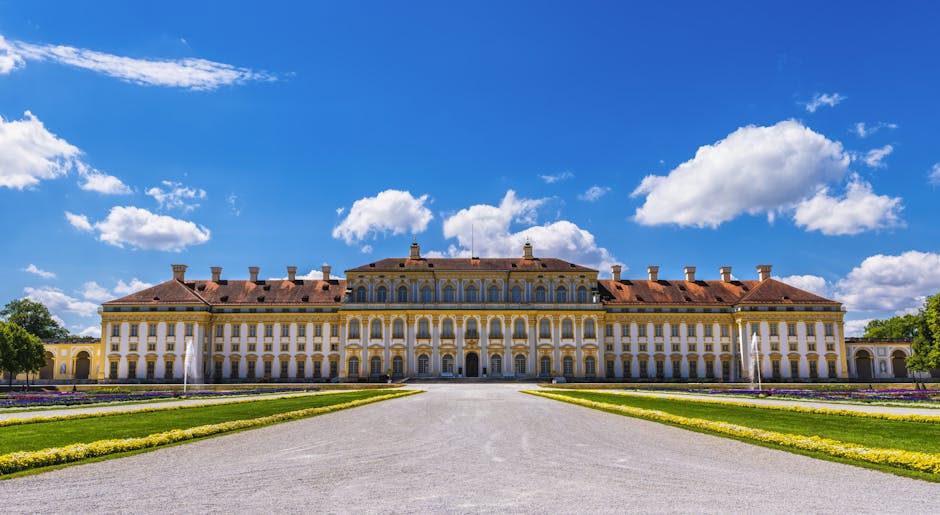 Easy
EasyMunich, Germany
Explore the majestic gardens and hidden pavilions of the Wittelsbach summer residence on this peaceful, self-guided walking route in Munich.
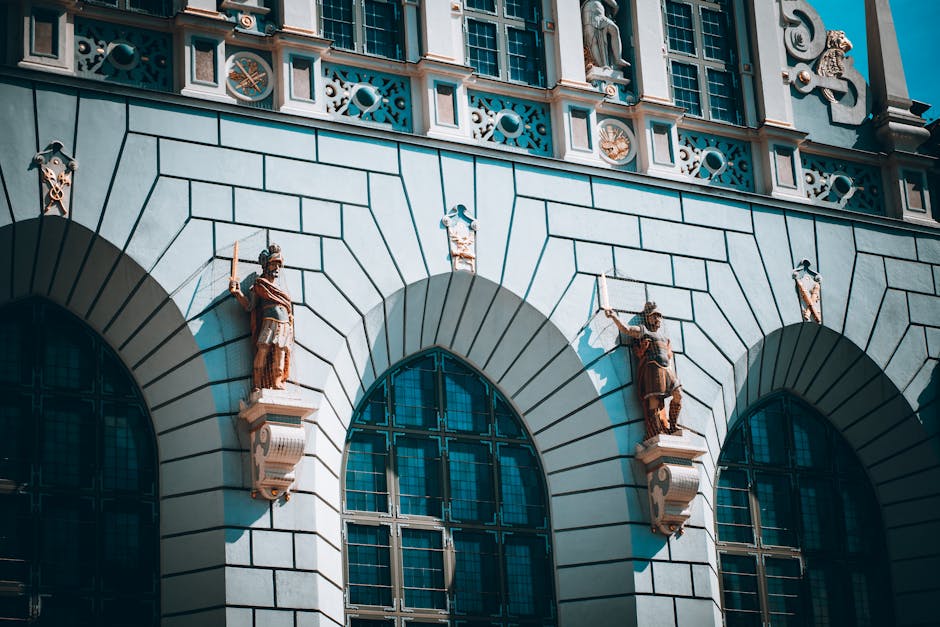 Moderate
Gdansk, Poland
Discover the origins of WWII in Gdansk on this self-guided walk through heroic last stands, massive museums, and strategic hilltop fortifications.
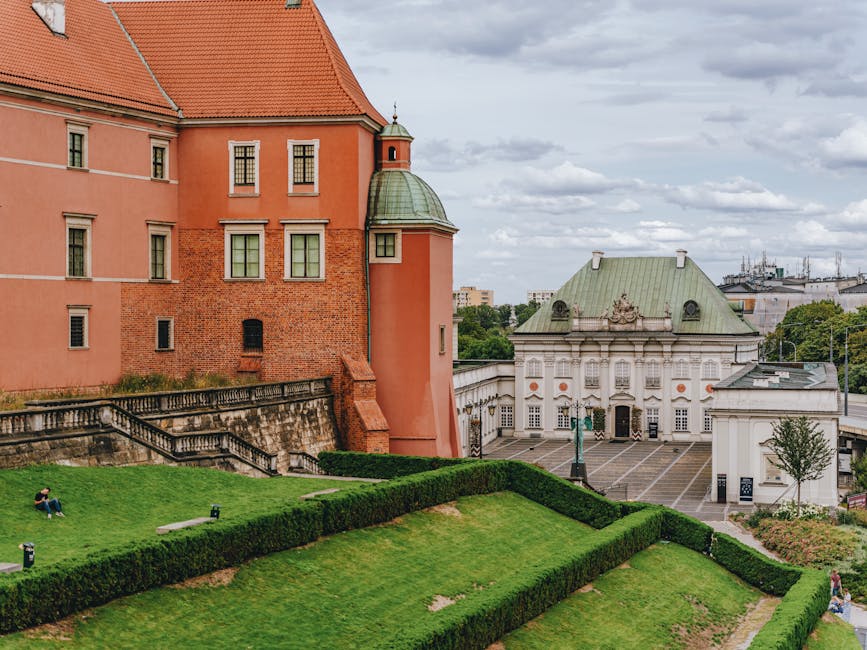 Moderate
Warsaw, Poland
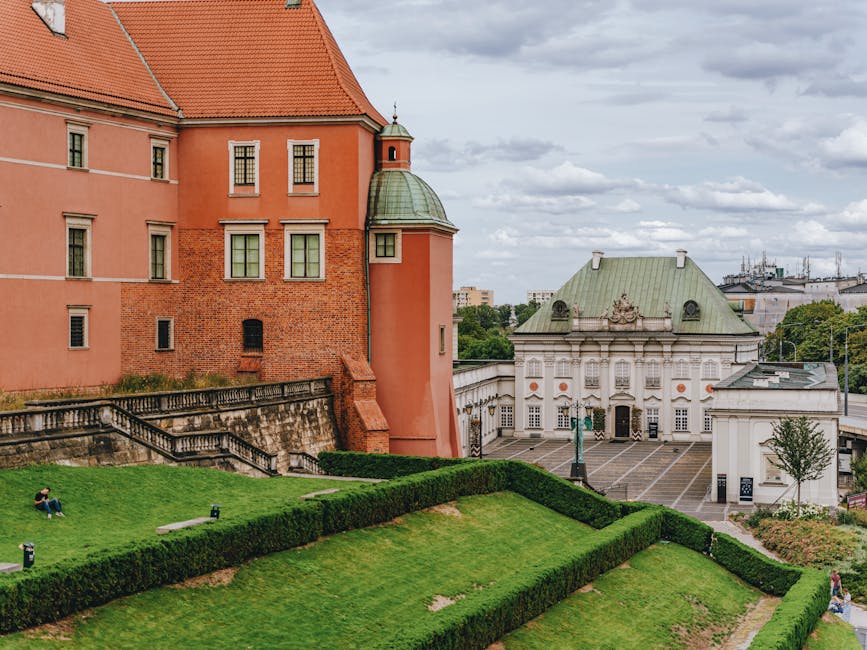
Explore the resilient spirit of Warsaw's Muranów district on this self-guided walk through the history and landmarks of the former Jewish Ghetto.
 Moderate
Warsaw, Poland
A powerful self-guided walk through Warsaw's WWII history, tracking the 1944 Uprising from ruined skyscrapers to solemn memorials.
 Easy
EasyKrakow, Poland
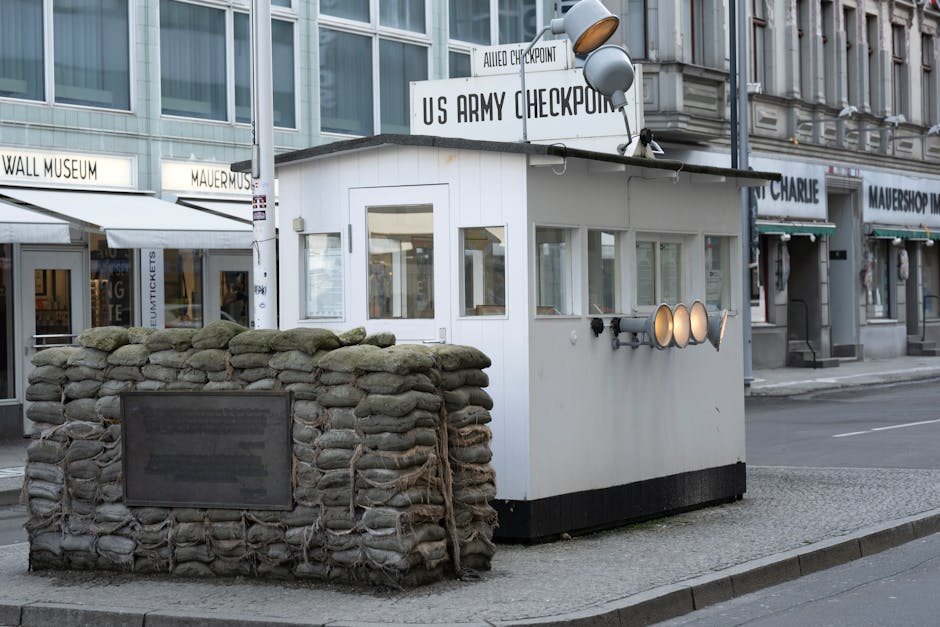
Explore the prestigious Jagiellonian University district, featuring Neo-Gothic architecture, Baroque churches, and Krakow's hidden scholarly gems.
 Easy
EasyBerlin, Germany
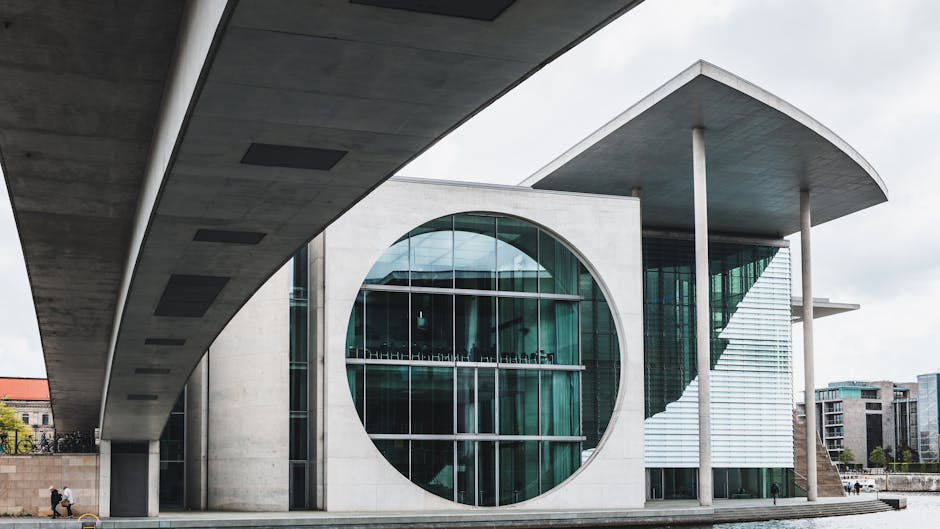
Explore the sites of Nazi power and the memorials that honor its victims on this self-guided walk through Berlin's historic Wilhelmstraße district.
 Moderate
Berlin, Germany
Explore Berlin’s 'Green Heart' on a self-guided walk through royal history, Cold War memorials, and serene lakeside gardens.
 Moderate
Berlin, Germany
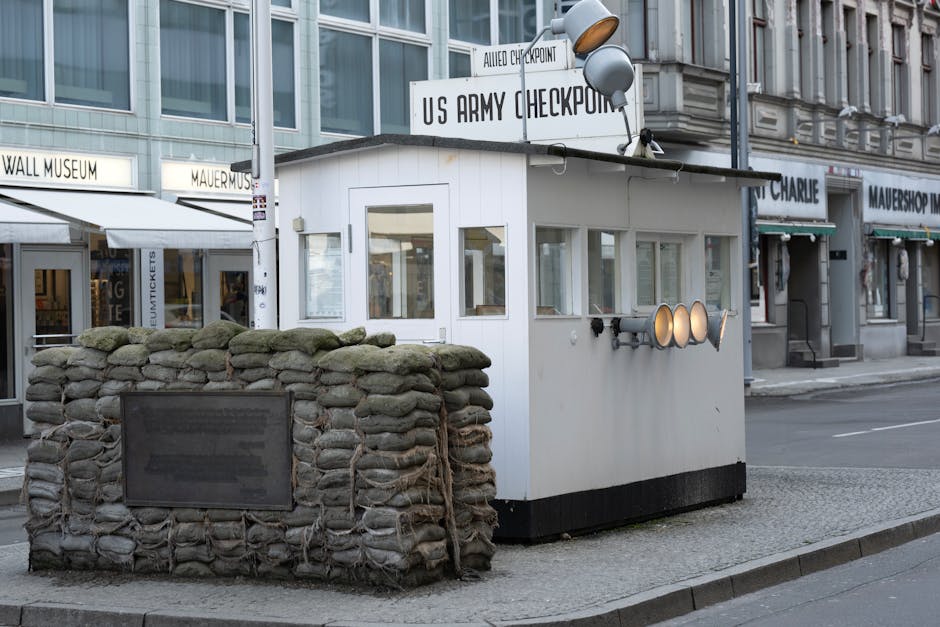
Discover the legacy of the Berlin Wall on this self-guided walk from historic ghost stations to the vibrant street art and cafes of Mauerpark.
 Easy
EasyBerlin, Germany
Discover the soul of 1920s Berlin on a self-guided walk through Charlottenburg’s iconic literary cafes, historic theaters, and artistic landmarks.