Self-guided audio tour in Frankfurt
Start Free on iPhone
Start free on iPhone to unlock this self-guided walking tour in Frankfurt. Hear all the stories that make it amazing, walk at your own pace, and begin whenever you want.
Your Private Tour Guide
Discover a different side of Germany's financial capital on this self-guided audio walk that bridges the gap between medieval history and lush botanical beauty. While many visitors stick to the skyscrapers of the 'Mainhattan' skyline, this walking route invites you to explore the 'Green Lung' of the city. You will start in the historic heart of Frankfurt at the Römerberg, where the city’s imperial past is etched into every half-timbered facade. From there, the route leads you through the meticulously reconstructed New Old Town and across the iconic Eiserner Steg bridge for a panoramic view of the river. As you transition away from the bustling center, the atmosphere shifts into the elegant Westend district, known for its stately villas and academic prestige. The journey highlights the unique intersection of architecture and nature. You will wander through the expansive Campus Westend of Goethe University, widely considered one of Germany's most beautiful university grounds, and stand before the imposing IG Farben Building—a structure with a complex 20th-century history that now serves as a beacon of education. The path then opens up into the tranquil Grüneburgpark and the world-renowned Palmengarten, a botanical paradise that has offered locals a tropical escape since the 19th century. This neighborhood stroll is perfect for those who want to see the city's prestigious academic institutions and its most beloved green spaces. By the time you reach the final stops at the modern university campuses, you will have experienced the true breadth of Frankfurt’s urban character. Whether you are interested in the evolution of German architecture or simply seeking a peaceful escape into nature, this route offers a comprehensive look at the city's cultural and botanical heritage without the rush of a traditional guided tour Frankfurt experience. Explore at your own pace and let the stories of Frankfurt’s Westend unfold around you.
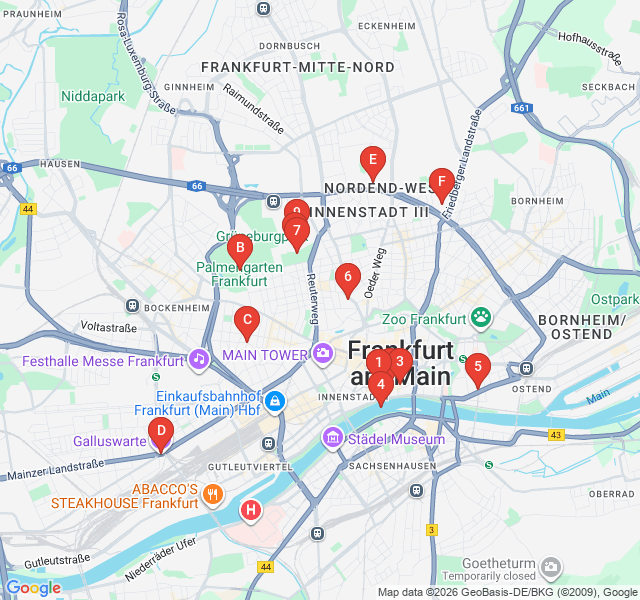
Numbers indicate the order of stops on the tour.
Welcome to the Römerberg, the historic heart of Frankfurt. The Römer itself has served as the city hall for over 600 years. Its distinctive stepped gables have witnessed the coronations of Holy Roman Emperors and the celebrations of modern football stars. While much of the square was destroyed during World War II, it was carefully reconstructed to preserve its medieval character. Take a moment to admire the Justice Fountain in the center, where legend says wine once flowed during imperial festivities. This square represents the starting point of our journey from the city's ancient roots toward its modern green spaces.
Step into the 'Dom-Römer Quarter,' also known as the New Old Town. Completed in 2018, this area is a fascinating urban project that rebuilt 35 houses, 15 of which are exact historical reconstructions. It brings back the small-scale medieval street plan that defined Frankfurt for centuries. Look for the 'Golden Lamb' or the 'Red House'—these buildings use traditional materials like sandstone and slate. This area proves that Frankfurt values its heritage just as much as its modern banking towers, creating a bridge between the distant past and the present day.
Towering above the Old Town is the Imperial Cathedral of Saint Bartholomew. Although called a 'Cathedral,' it was never technically a bishop's seat; its title comes from its role as the site of imperial elections and coronations. The 95-meter-high Gothic tower is a landmark of the Frankfurt skyline. If you feel energetic, the climb up the tower offers one of the best perspectives of the city. Inside, the hushed atmosphere and soaring arches provide a moment of reflection before we head toward the river Main.
Cross the Eiserner Steg, or the Iron Bridge. Built in 1868, this footbridge was a private initiative by citizens who wanted a better connection between the city center and the Sachsenhausen district. Today, it is famous for the thousands of 'love locks' attached to its railings. From the center of the bridge, you get a classic view of the Frankfurt skyline—the 'Mainhattan'—contrasted against the historic spires of the churches we just left. It is one of the most photographed spots in the city and a perfect place to feel the breeze off the river.
As we move away from the river, we pass the Volkshochschule, or the Adult Education Center. This institution is a cornerstone of German civic life, offering thousands of courses to local residents. The building itself reflects the city's commitment to lifelong learning and public service. It marks our transition from the tourist-heavy Altstadt into the more lived-in, intellectual neighborhoods of Frankfurt. The surrounding area begins to show the blend of post-war functionality and historic restoration that defines much of Frankfurt's urban landscape.
You are now near the HfMDK, Frankfurt’s only university for music, theater, and dance. On any given day, the sounds of pianos, violins, or operatic voices might drift from the windows. This institution is prestigious, training artists who perform on the world’s great stages. The presence of the university here adds a vibrant, youthful energy to the neighborhood. It is the first of several academic stops on our route, highlighting Frankfurt’s role as a major European center for the arts and sciences.
Welcome to Campus Westend, often cited as the most beautiful university campus in Germany. Once a parkland and later an industrial site, it has been transformed into a sprawling academic village. The campus is designed around open lawns and water features, creating a serene environment for students and visitors alike. Named after Frankfurt’s most famous son, Johann Wolfgang von Goethe, the university embodies the spirit of Enlightenment and critical thinking. Take a breath and enjoy the wide-open spaces that serve as a transition into the greenery of Westend.
This massive travertine structure is the Poelzig Building, better known as the IG Farben Building. When it was completed in 1930, it was the largest office building in Europe. Its history is heavy; during WWII, it was the headquarters for the chemical giant IG Farben, and after the war, it served as the headquarters for the US Supreme Allied Command. Today, it has been reclaimed by the university. Its curved wings and rhythmic windows are a masterpiece of New Objectivity architecture. It stands as a powerful monument to the complexities of 20th-century history.
Continuing through the university grounds, you can see how the modern additions complement the historic Poelzig building. The campus architecture reflects a desire for transparency and openness. This area is a hub of intellectual life, housing faculties of law, business, and the humanities. The integration of public art and green landscaping makes the campus feel like a public park. It is a place where the city’s past and its future leaders meet in a setting of architectural excellence.
Enter the Grüneburgpark, a 29-hectare green oasis. Its name comes from a 'green castle' that once stood here. In the 19th century, the land belonged to the Rothschild family, who created a landscape park in the English style. It was a frequent meeting place for thinkers like Goethe and Bettina von Arnim. Today, it is a favorite spot for locals to picnic, jog, or simply lie in the grass. The park feels far removed from the banking district, offering a glimpse into the relaxed, nature-loving side of Frankfurt life.
The Palmengarten is one of the most renowned botanical gardens in Europe. Established in 1871, it was funded by the citizens of Frankfurt to house the exotic plant collection of the Duke of Nassau. The centerpiece is the Palm House, a magnificent iron and glass structure that feels like a Victorian time capsule. Inside, you can wander through rainforests, deserts, and sub-antarctic landscapes. It is a true 'Botanical Bliss' and the highlight of Westend’s green lung. Note that while the park views are free, entering the glasshouses requires a ticket.
Walking down Westendstraße, you are in one of Frankfurt’s most exclusive residential areas. This street is lined with elegant Wilhelminian-style villas and high-end apartment buildings. It’s a neighborhood where old wealth meets modern corporate power. Look up and you’ll see the 'Westendstraße 1,' a skyscraper known for its 'crown' top that is illuminated at night. This area perfectly captures the duality of Frankfurt: the quiet, leafy streets of the 19th century standing in the shadow of 21st-century finance.
The Galluswarte is one of the few remaining medieval watchtowers that once guarded the city's outer defenses. Built in the 15th century, it marked the boundary where the city's jurisdiction ended. Today, it stands as a lonely historical sentinel in the middle of a busy traffic junction and modern development. It serves as a reminder of a time when Frankfurt was a walled city, protecting its wealth and independence from the outside world. From here, we turn toward the final academic hubs of our walk.
This striking modern campus is the Frankfurt School of Finance & Management. Its architecture, featuring a central 'mall' that acts as a social spine, is a stark contrast to the historic university buildings we saw earlier. As a leading private business school, it represents Frankfurt’s status as a global financial hub. The building’s design emphasizes transparency and collaboration, mirroring the modern world of international finance. It is a testament to the city’s ongoing evolution as a center for global expertise.
Our journey concludes at the Frankfurt University of Applied Sciences. This institution focuses on practical, real-world education in fields like engineering, social work, and design. The campus is a bustling hive of activity, reflecting the diverse and international population of the city. You have traveled from the medieval Römer, through the aristocratic parks of Westend, to the modern centers of practical learning. This route shows that Frankfurt is not just a city of banks, but a city of deep roots, vast green spaces, and a bright intellectual future.
Start Free on iPhone
Explore “Botanical Bliss: Westend’s Green Lung” with your very own Private Tour Guide with Zigway. Start free on iPhone, skip the large group and the fixed routes, and hear the city come alive as you go.
Your Private Tour Guide
Don't miss the good stuff
Explore Freely
 Easy
EasyFrankfurt, Germany
Walk the path of emperors through Frankfurt's Altstadt on this self-guided history stroll from the Cathedral to the Römerberg.
 Easy
EasyFrankfurt, Germany
Explore Frankfurt’s world-class Museum Embankment at your own pace, from the iconic Städel Museum to the scenic banks of the Main River.
 Moderate
Frankfurt, Germany
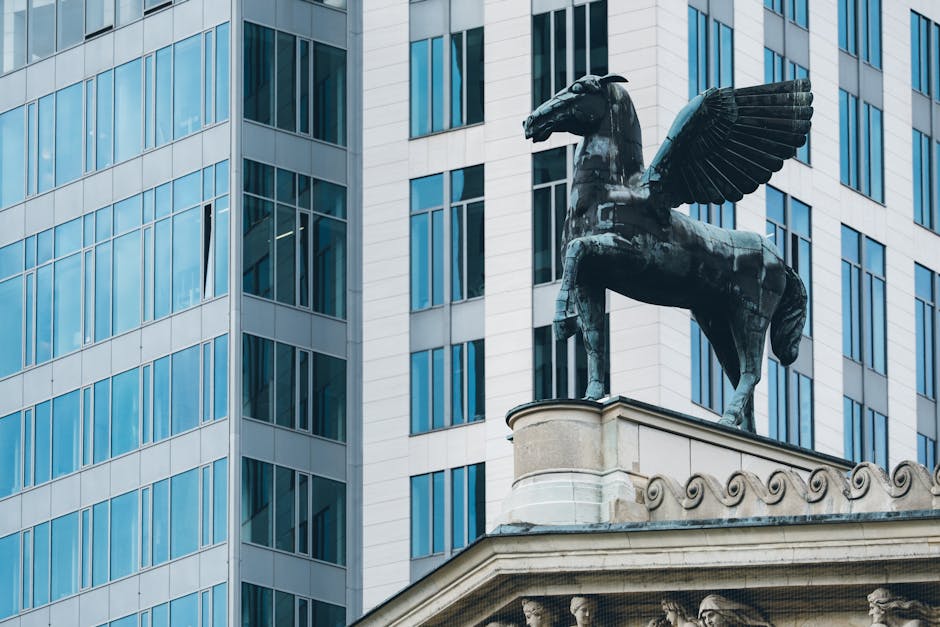
Discover Frankfurt’s Ostend, where industrial heritage meets futuristic architecture and vibrant street art on this self-guided neighborhood stroll.
 Moderate
Frankfurt, Germany
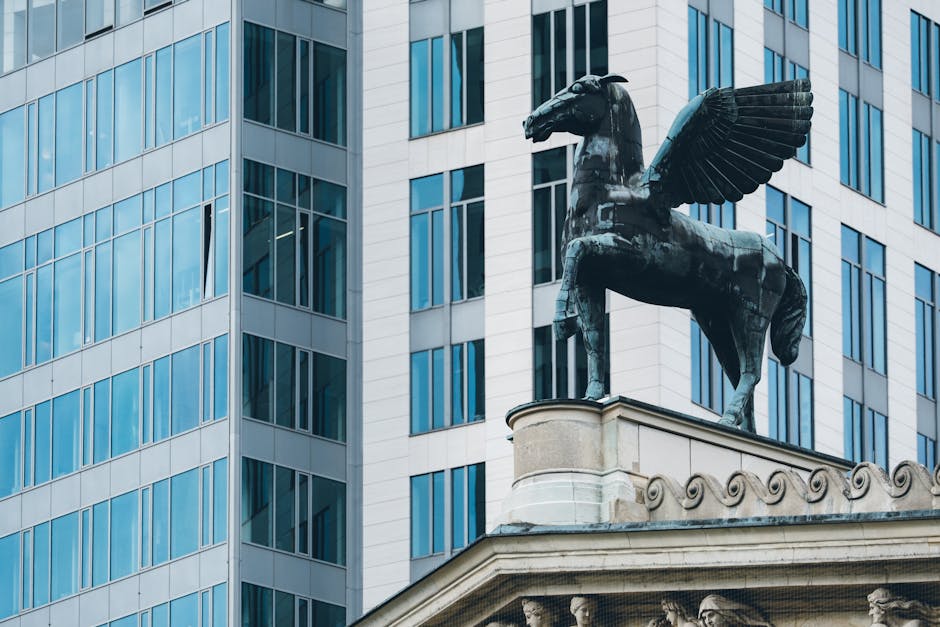
Discover the profound legacy of Jewish Frankfurt, from medieval ghetto ruins to the childhood home of Anne Frank, on this self-guided walking route.
 Easy
EasyWarsaw, Poland
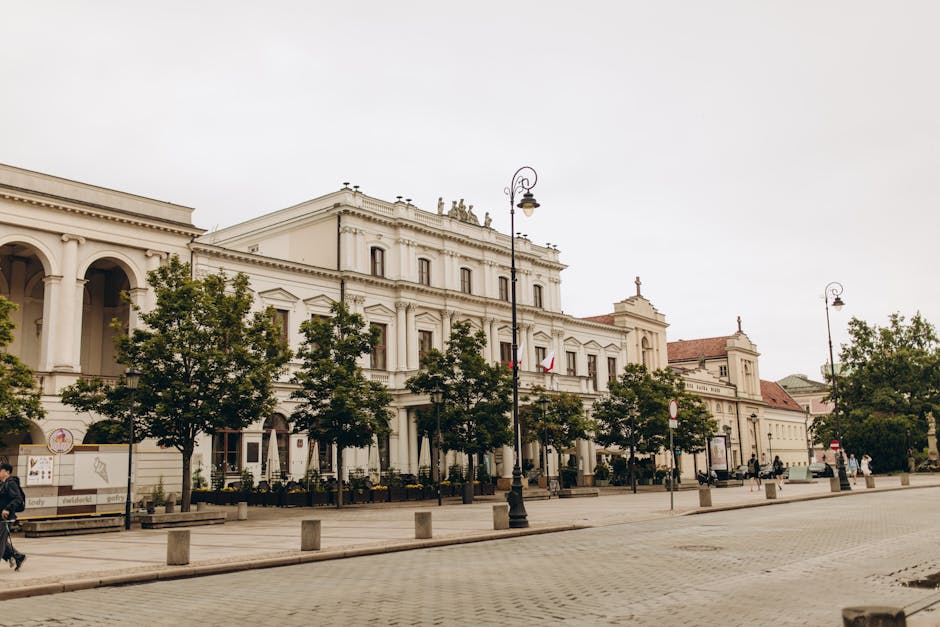
Discover Warsaw's intellectual heart through historic campuses, peaceful parks, and the stunning rooftop gardens of the University Library.
 Easy
EasyNairobi, Kenya
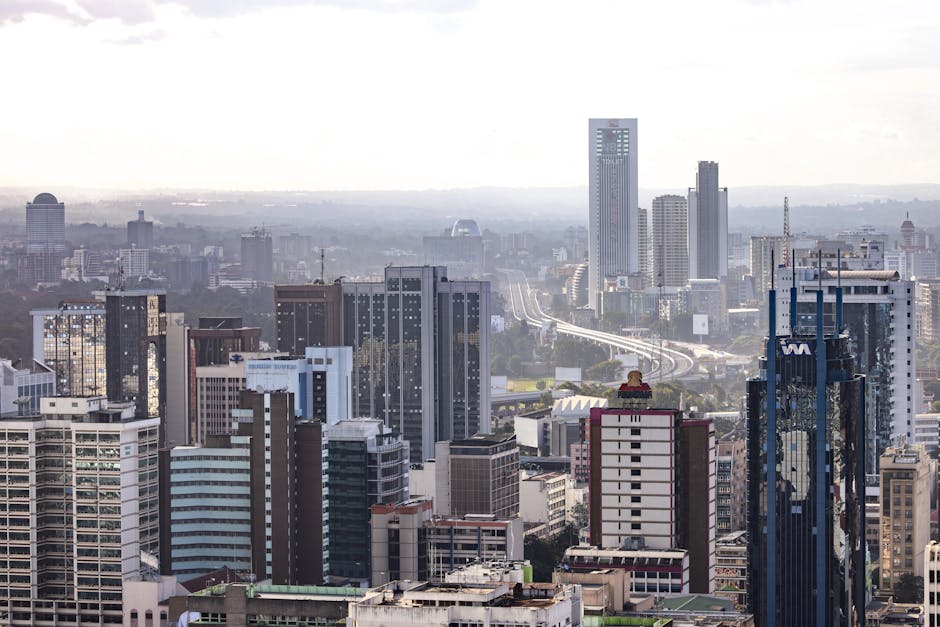
Explore Nairobi's architectural evolution from colonial-era landmarks to iconic Brutalist skyscrapers on this historic self-guided walking route.
 Easy
EasyNairobi, Kenya
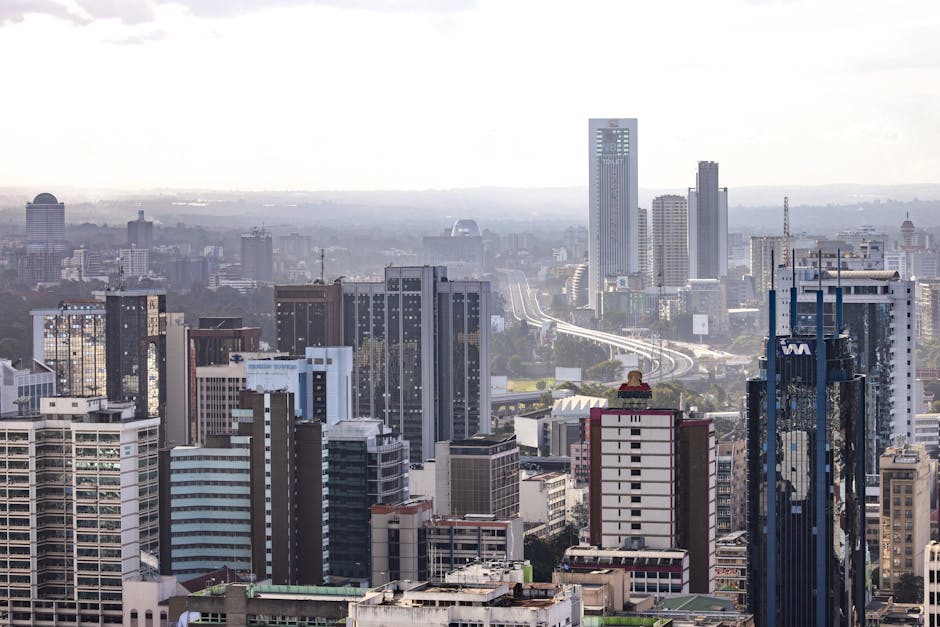
Discover Nairobi's iconic skyline on this self-guided architecture walk through the CBD’s most famous modernist and Brutalist landmarks.
 Moderate
Nairobi, Kenya
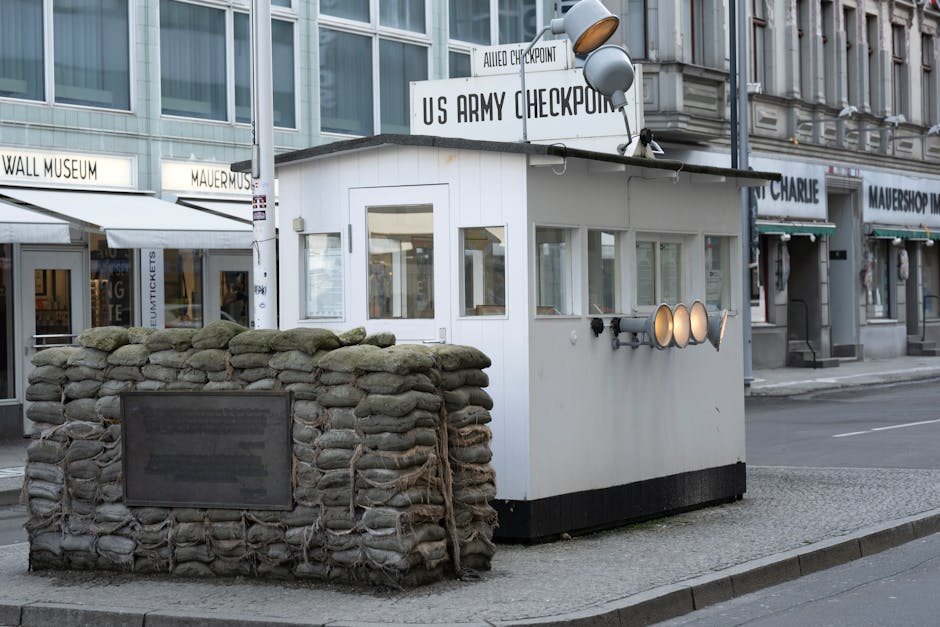
Discover Nairobi's lush side on this self-guided walk through botanical gardens, historic memorials, and vibrant local markets.
 Easy
EasyBerlin, Germany
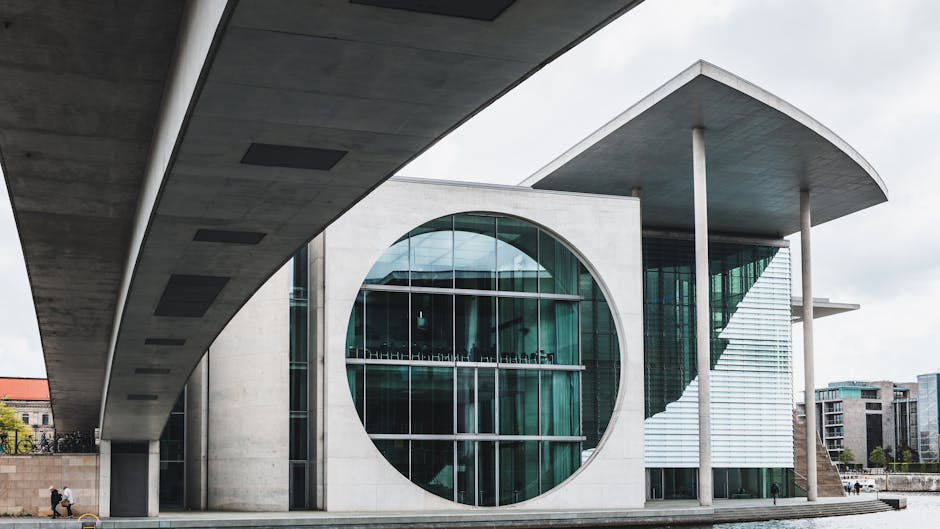
Explore the sites of Nazi power and the memorials that honor its victims on this self-guided walk through Berlin's historic Wilhelmstraße district.
 Moderate
Berlin, Germany
Explore Berlin’s 'Green Heart' on a self-guided walk through royal history, Cold War memorials, and serene lakeside gardens.
 Moderate
Berlin, Germany
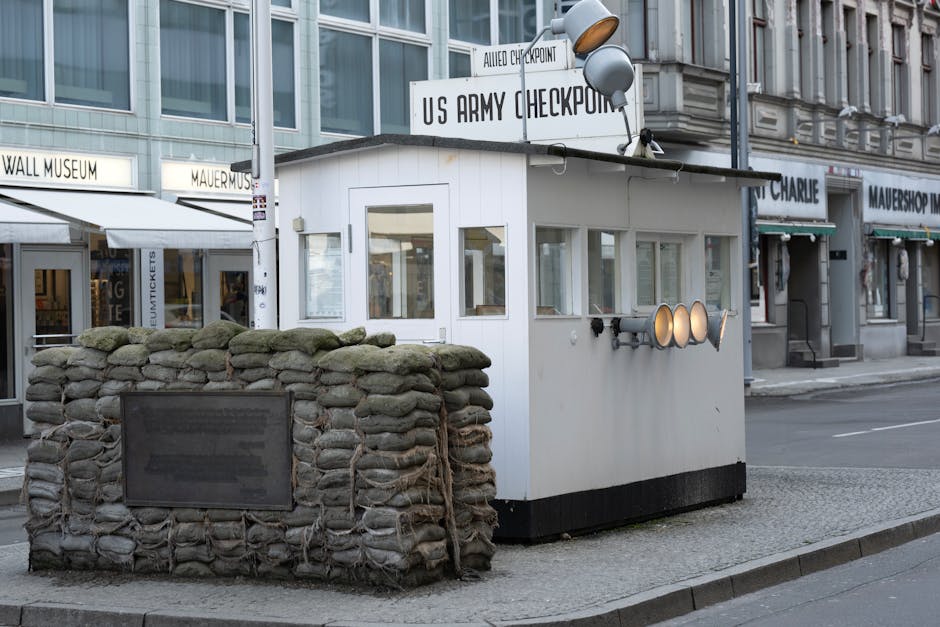
Discover the legacy of the Berlin Wall on this self-guided walk from historic ghost stations to the vibrant street art and cafes of Mauerpark.
 Easy
EasyBerlin, Germany
Discover the soul of 1920s Berlin on a self-guided walk through Charlottenburg’s iconic literary cafes, historic theaters, and artistic landmarks.