Self-guided audio tour in Frankfurt
Start Free on iPhone
Hear the stories behind the streets and sights around you as you walk Frankfurt. Try it free on iPhone.
Your Private Tour Guide
On a self-guided walk through Frankfurt, you can follow the city's Jewish heritage from the medieval Judengasse ghetto and the Old Jewish Cemetery to Holocaust memorials and the Westend Synagogue. Frankfurt is usually known as Germany's sleek financial capital, but a lot of its story sits in the layers of history under the skyscrapers. Its Jewish community was once one of the largest and most influential in Europe, and it has proved remarkably resilient. Traces of the Past: Jewish Heritage in Frankfurt moves from the medieval Judengasse to the painful memorials of the 20th century, and on to the renewed Jewish life of today. You start in the old city, where archaeological remains give you a view into the 15th-century ghetto. You'll stand where a grand synagogue once rose above the rooftops, before the tragedies of the 1930s changed the city for good. The walk isn't only about monuments, though. It's about people, families like the Rothschilds and the Franks, who shaped Frankfurt's culture and economy for centuries. You'll find the small, quietly powerful 'Stolpersteine', or stumbling stones, which put individual names to the scale of the Holocaust. You'll also visit the stunning Westend Synagogue, a rare survivor of the Second World War. The route ends with Frankfurt's most famous daughter, Anne Frank, at an educational center dedicated to her memory. Go at your own pace and take time to reflect at the sacred sites and the quiet cemetery. The walk covers a fair bit of ground, and it gives a full picture of how Frankfurt remembers its past while working toward a more inclusive future. It works for first-time visitors and history buffs alike, and gives you the background to understand Jewish Frankfurt and its lasting spirit.
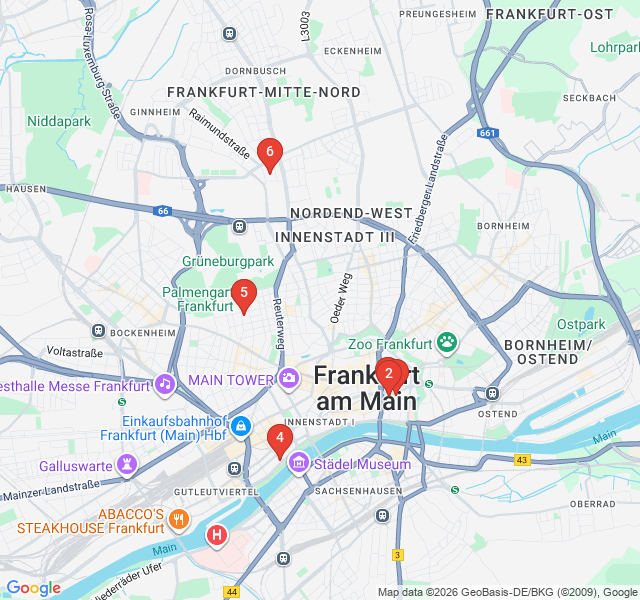
Numbers indicate the order of stops on the tour.
The walk begins at the site of the oldest Jewish ghetto in Europe. The Judengasse was set up in 1460, a narrow, walled-off street where Frankfurt's Jews were forced to live for more than 300 years. In the late 1980s, building work uncovered the foundations of five houses from the ghetto. The museum is now built around those ruins. Look at the stone hearths and the mikvaot, the ritual baths, and think about how crowded life was here. At its peak, thousands of people lived in this tiny space. This site is the foundation of Jewish history in the city, in every sense. It stands for segregation, and for the remarkable cultural resilience of a community that thrived in spite of it.
Just steps from the museum is a place of deep remembrance. This memorial stands where the Börneplatz Synagogue stood until it was destroyed in the November Pogroms of 1938. Its defining feature is a wall of names: 12,000 individual blocks, each carrying the name of a Jewish citizen of Frankfurt who was murdered in the Holocaust. Walk slowly along it. The number of lives lost becomes very real, very quickly. In the center, a 'stone field' includes rubble from the destroyed synagogue, a permanent reminder of the Nazi regime's attempt to wipe out a people and their culture. Give yourself a few minutes here. The memorial's dignity is in how quiet it is.
Right next to the memorial lies one of the most important Jewish burial grounds in Europe. It was first mentioned in 1272 and stayed in use until 1828. The community was confined to the ghetto and couldn't make the cemetery any bigger, so graves ended up stacked or packed very close together. Look for the gravestone of Mayer Amschel Rothschild, founder of the Rothschild banking dynasty. In the Nazi years many headstones were smashed or used as building material, and the city has worked to restore what's left. Ivy-covered stones and old Hebrew inscriptions give the place a calm, timeless feel, in sharp contrast to the glass towers of the financial district nearby.
Heading toward the river, keep your eyes on the pavement. You'll come across 'Stolpersteine', or 'stumbling stones'. These small brass plaques, made by artist Gunter Demnig, are set in front of the last known home of victims of Nazi persecution. The ones here remember the Mainzer family. Big monuments deal in numbers. These stones bring it down to single people, and remind you that the victims were neighbors, shopkeepers and friends. Frankfurt has more than 1,500 of them. Read the names and the dates of birth, deportation and death. It's a small act of remembrance, and it helps make sure these people aren't lost in the rush of modern city life.
Further north stands the Westend Synagogue. It was built in 1910 and is one of the few synagogues in Germany that survived the 1938 pogroms, mostly because it sat in a densely packed residential area where a fire would have spread to 'Aryan' homes. The design mixes Art Nouveau with Assyrian-Egyptian styles, under a huge green dome. After the war it became the center of Frankfurt's re-formed Jewish community. Today it's a symbol of survival and of Jewish life carrying on. The outside is impressive, but the interior is a masterpiece of early 20th-century design, from a time when the community felt fully part of the city and sure of its German-Jewish identity.
For the final stop, head out to the Dornbusch district. Many people link Anne Frank with Amsterdam, but she was born here in Frankfurt in 1929. The Frank family lived in this neighborhood until they fled to the Netherlands in 1933. This educational center, close to her childhood home, is dedicated to her legacy. It's more than a museum about the past. Its focus is teaching young people about the dangers of prejudice and why human rights matter now. That makes it a fitting end, tying the 'traces of the past' to what we owe the present. Anne Frank's spirit is still a beacon of hope, and a reminder of everything history lost.
Explore Mode
Open Zigway, start Explore Mode and just walk. Your guide notices where you are and tells you the story of what's around you, on this route or any street you turn into.
Start Free on iPhone
Open Zigway as you walk and your private tour guide tells the stories behind what you pass.
Your Private Tour Guide
Don't miss the good stuff
Explore Freely
 Easy
Frankfurt, Germany
Walk the path of emperors through Frankfurt's Altstadt on this self-guided history stroll from the Cathedral to the Römerberg.
 Easy
Frankfurt, Germany
Explore Frankfurt’s world-class Museum Embankment at your own pace, from the iconic Städel Museum to the scenic banks of the Main River.
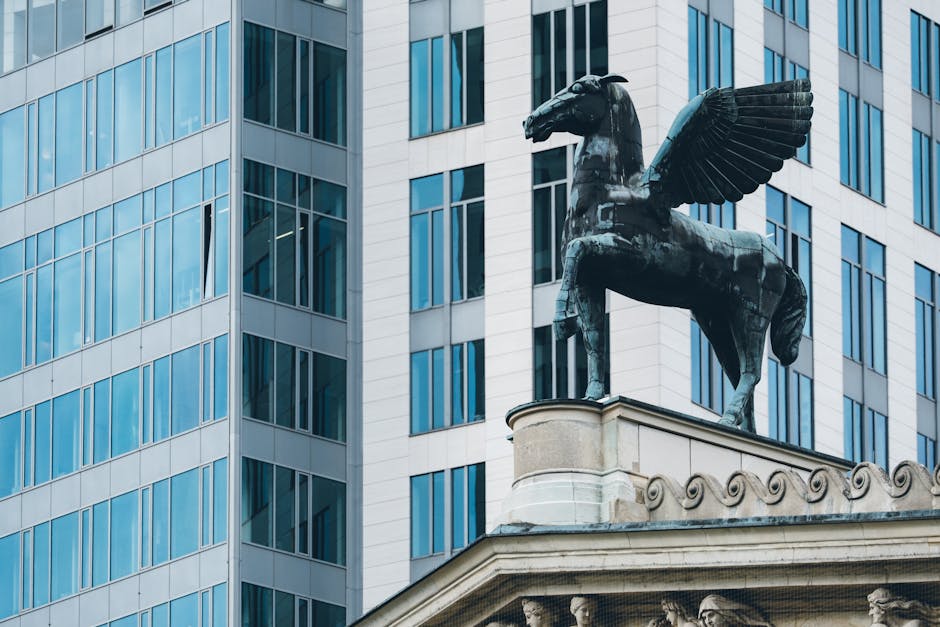 Moderate
Frankfurt, Germany
Discover Frankfurt’s Ostend, where industrial heritage meets futuristic architecture and vibrant street art on this self-guided neighborhood stroll.
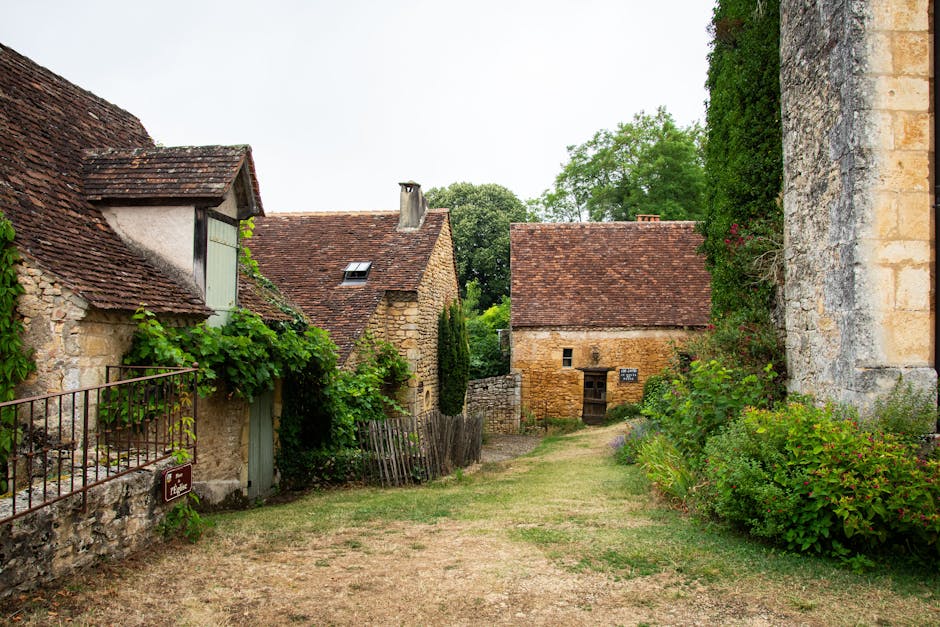 Moderate
Frankfurt, Germany
Step back in time to explore Frankfurt’s best-kept secret: a medieval old town featuring ancient churches, Baroque palaces, and a historic castle.
 Easy
Nairobi, Kenya
Discover Nairobi’s literary soul on this self-guided walk through historic libraries, iconic bookshops, and cultural centers in the heart of the CBD.
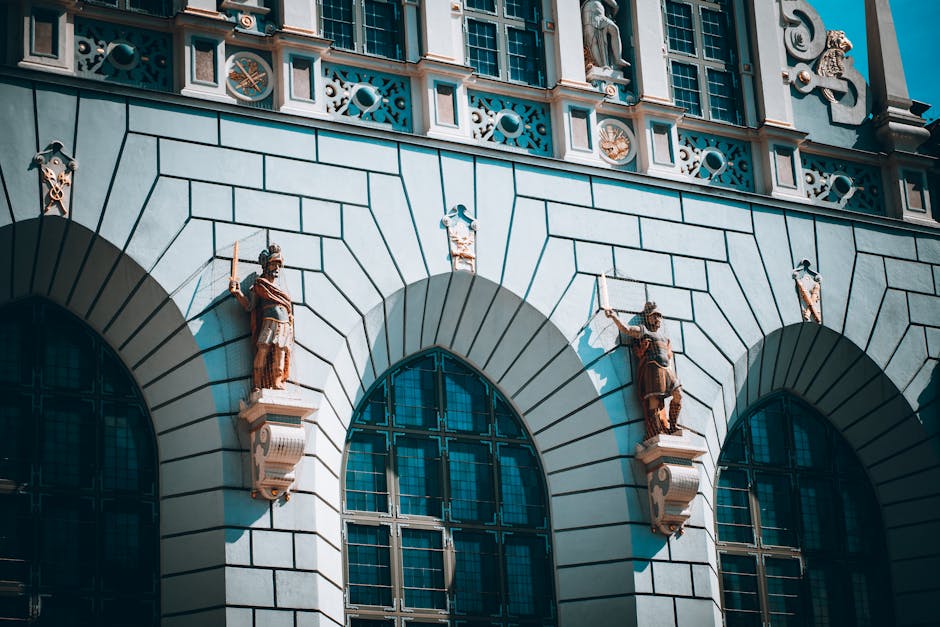 Moderate
Gdansk, Poland
Discover the origins of WWII in Gdansk on this self-guided walk through heroic last stands, massive museums, and strategic hilltop fortifications.
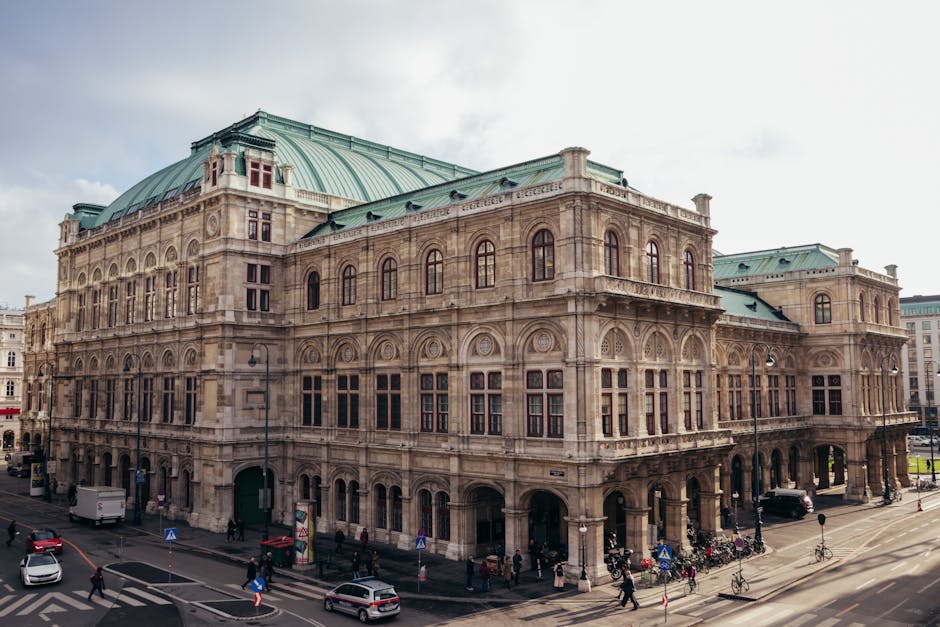 Moderate
Vienna, Austria
Discover the noir world of The Third Man and Cold War Vienna on this atmospheric self-guided audio walk through the historic Innere Stadt.
 Easy
Krakow, Poland
Explore the prestigious Jagiellonian University district, featuring Neo-Gothic architecture, Baroque churches, and Krakow's hidden scholarly gems.
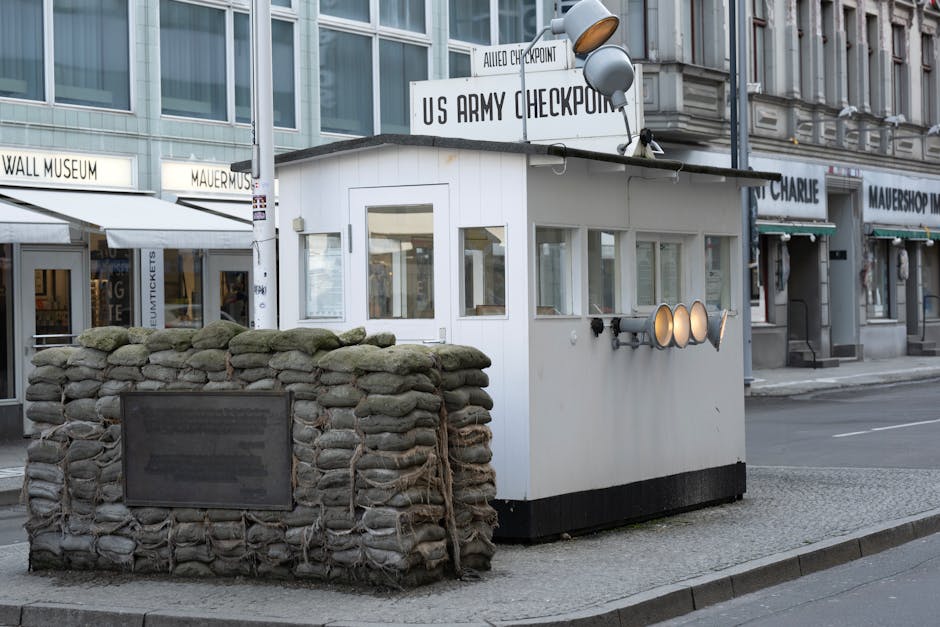 Easy
Berlin, Germany
Explore the sites of Nazi power and the memorials that honor its victims on this self-guided walk through Berlin's historic Wilhelmstraße district.
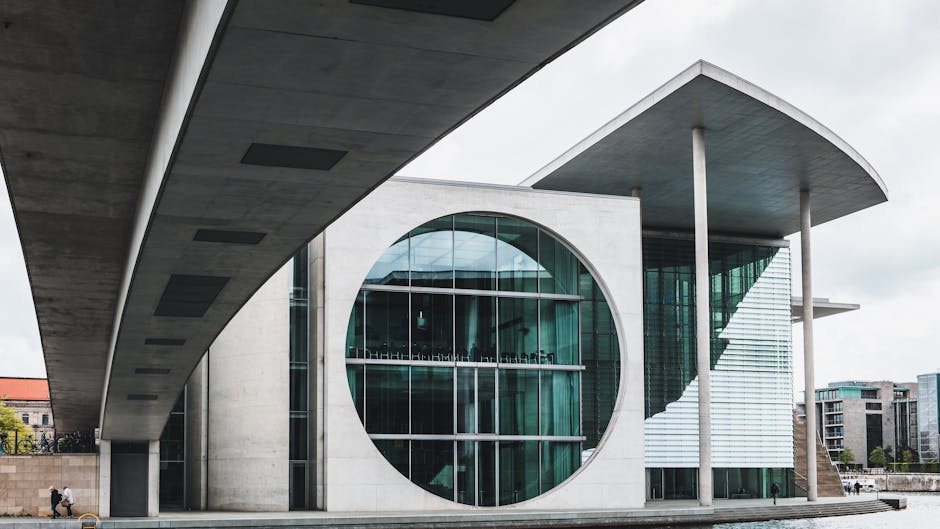 Moderate
Berlin, Germany
Explore Berlin’s 'Green Heart' on a self-guided walk through royal history, Cold War memorials, and serene lakeside gardens.
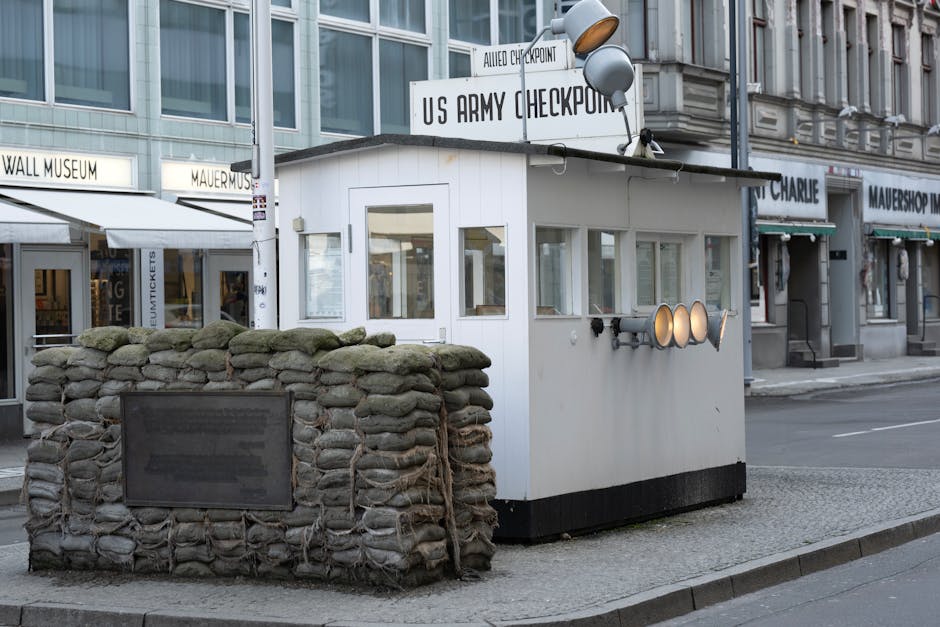 Moderate
Berlin, Germany
Discover the legacy of the Berlin Wall on this self-guided walk from historic ghost stations to the vibrant street art and cafes of Mauerpark.
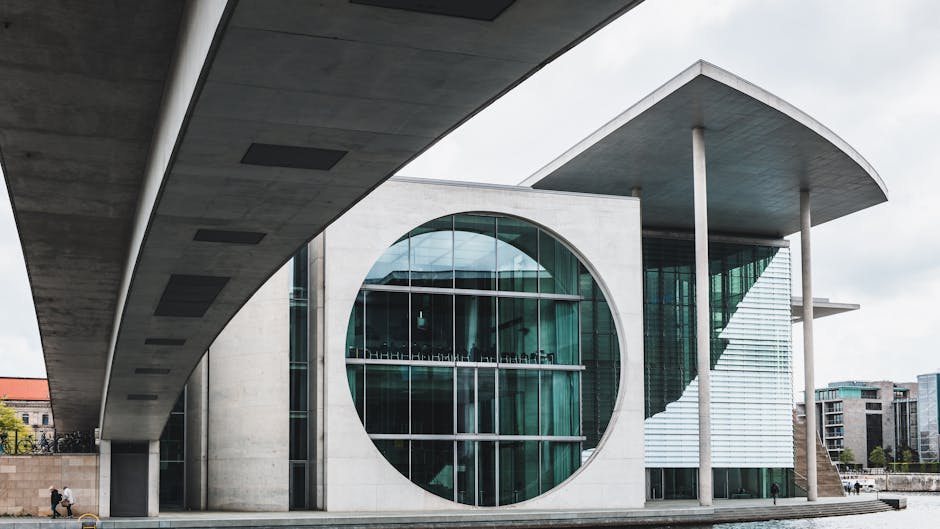 Easy
Berlin, Germany
Discover the soul of 1920s Berlin on a self-guided walk through Charlottenburg’s iconic literary cafes, historic theaters, and artistic landmarks.