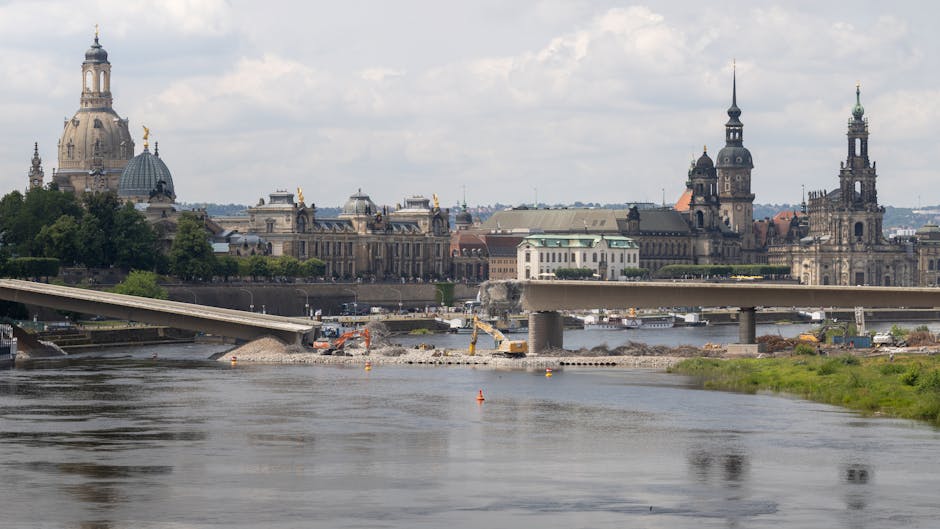
Self-guided audio tour in Dresden
Start Free on iPhone
Start free on iPhone to unlock this self-guided walking tour in Dresden. Hear all the stories that make it amazing, walk at your own pace, and begin whenever you want.
Your Private Tour Guide
Escape the bustling city center and immerse yourself in the soul of Dresden Romanticism with this self-guided walk through the leafy district of Loschwitz. While many visitors stick to the reconstructed Altstadt, this route takes you across the Elbe to where the 18th and 19th-century intellectual elite found their inspiration. This neighborhood stroll captures the essence of a period when Dresden was the epicenter of German literature and art, attracting figures like Friedrich Schiller and the painter Caspar David Friedrich. Your journey begins at the Museum of Dresden Romanticism, housed in the former residence of the painter Gerhard von Kügelgen. Here, you’ll explore the atmosphere of a 19th-century salon before heading toward the river. You will cross the iconic 'Blue Wonder' bridge, an engineering marvel that offers sweeping views of the Elbe palaces. As you wander through Körnerplatz and up the winding hillsides, you will discover the Schillerhäuschen, the smallest museum in Germany, where the 'Ode to Joy' found its early rhythm. This walking route Dresden enthusiasts often overlook is a perfect blend of natural beauty and intellectual history. You’ll see how the 'Florence of the North' earned its nickname, not just through its architecture, but through the spirit of its creative residents. Whether you are an art lover, a history buff, or simply looking for a peaceful escape, this audio walk provides the context needed to appreciate the quiet genius of Loschwitz. The path ends at the atmospheric Loschwitz Cemetery, where the tombstones themselves serve as final monuments to the artists who shaped the city's cultural identity. Explore at your own pace and let the stories of poets and painters guide your steps through this enchanting hillside village.
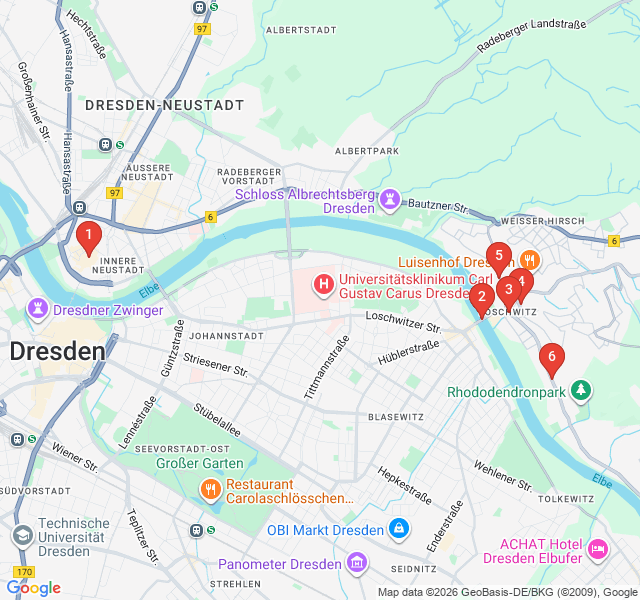
Numbers indicate the order of stops on the tour.
Welcome to the former home of Gerhard von Kügelgen, a prominent portrait and history painter. In the early 1800s, these rooms served as a vital meeting point for the greats of the Romantic era. Imagine the likes of Caspar David Friedrich or Goethe sitting in these very salons. The museum captures the 'Dresden spirit' of the time—a focus on emotion, nature, and the individual soul. As you explore the themed rooms, notice how the interior design reflects the domestic life of a middle-class intellectual family during the Biedermeier period. This stop sets the stage for the rest of your walk, introducing the thinkers who transformed this city into a cultural powerhouse.
Known locally as the 'Blaues Wunder' or Blue Wonder, this cantilever truss bridge was a technical sensation when completed in 1893. Unlike many other bridges in Dresden, it miraculously survived World War II, thanks to the bravery of two local citizens who cut the detonation wires as the SS retreated. Take a moment to appreciate the light blue hue—legend says it was originally painted green and turned blue due to weathering, though records suggest it was always intended to be this color. The bridge connects the posh districts of Blasewitz and Loschwitz, offering one of the most photographed vistas in the city.
Körnerplatz is the bustling heart of Loschwitz. It is named after the Körner family, who were central figures in Dresden's literary life. Christian Gottfried Körner was a close friend and patron of Friedrich Schiller. This square feels like a village within a city, surrounded by historic timber-framed houses and small boutiques. From here, you can see the valley stations for Dresden's famous mountain railways—the Standseilbahn and the Schwebebahn. It’s a place where history meets modern local life, serving as the gateway to the steep, vine-covered hillsides that have drawn artists to this area for centuries.
This striking building was once a mill, but in the late 19th century, it was transformed into a residence and studio by the landscape painter Eduard Leonhardi. Known as the 'Painter of the Moonlight,' Leonhardi used his wealth to create a space that celebrated the Romantic aesthetic. Look at the facade—it’s decorated with intricate murals and quotes that reflect the artistic fervor of the era. Today, the museum continues his legacy by showcasing contemporary art alongside his own Romantic landscapes. It stands as a testament to how the Loschwitz community has fought to preserve its artistic identity against the march of industrialization.
You are standing before the smallest museum in Germany. In the summer of 1785, the great poet Friedrich Schiller stayed here as a guest of the Körner family. At the time, Schiller was in deep financial trouble and struggling with writer's block. The peace of these vineyards saved him. It was here that he worked on his play 'Don Carlos' and wrote early drafts of the 'Ode to Joy,' the poem that would later be immortalized by Beethoven. The tiny cottage remains a pilgrimage site for literature lovers, preserved much as it was when the poet looked out over the Elbe for inspiration.
Our walk concludes at the Loschwitz Cemetery, one of the most beautiful burial grounds in Germany. Established in the late 1800s, it is the final resting place for many of the artists, architects, and scholars you've learned about today. Unlike the grand, monumental cemeteries of the city center, this site is characterized by its integration with nature. The graves are often adorned with sculptures by famous Dresden artists, making it an open-air gallery of funerary art. As you wander the quiet paths, you can feel the lingering spirit of the Romantic era—a deep respect for the cycle of life, art, and the natural world.
Start Free on iPhone
Explore “Romanticism and Literary Legends” with your very own Private Tour Guide with Zigway. Start free on iPhone, skip the large group and the fixed routes, and hear the city come alive as you go.
Your Private Tour Guide
Don't miss the good stuff
Explore Freely
 Easy
EasyDresden, Germany
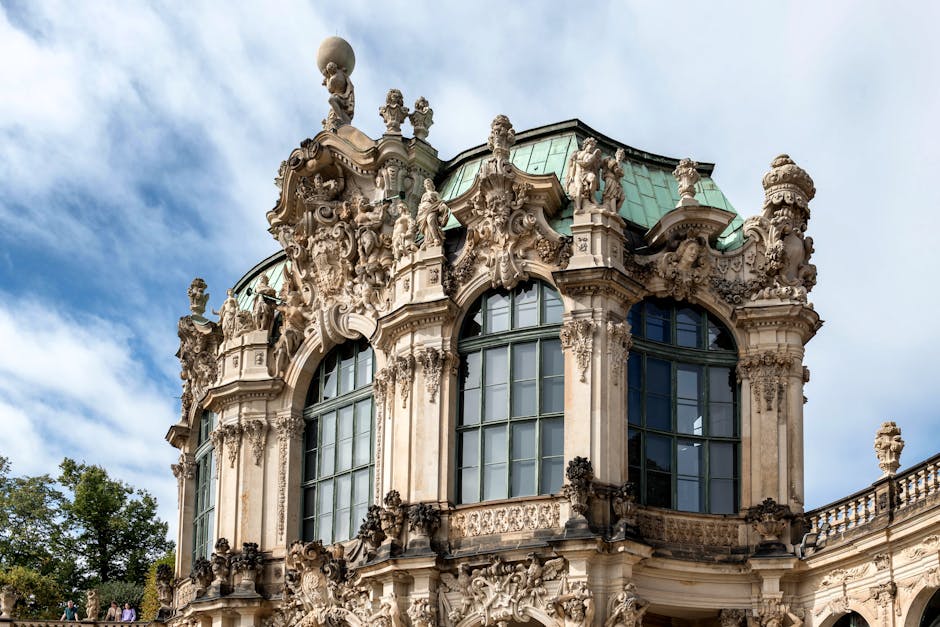
Discover the 'Florence on the Elbe' on this self-guided walk through Dresden’s reconstructed Baroque heart, from royal palaces to iconic domes.
 Moderate
Dresden, Germany
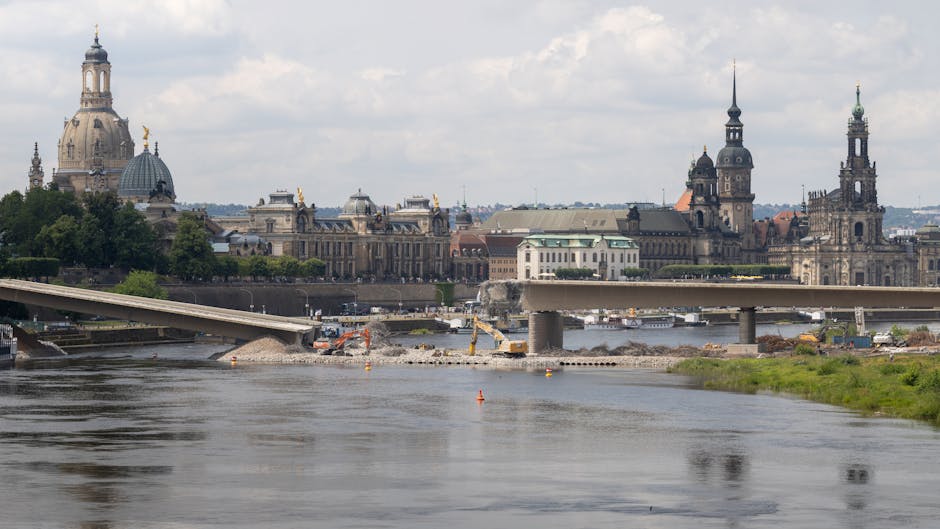
Experience Dresden's most iconic skyline views and Baroque landmarks on this scenic self-guided photography walk along the Elbe River.
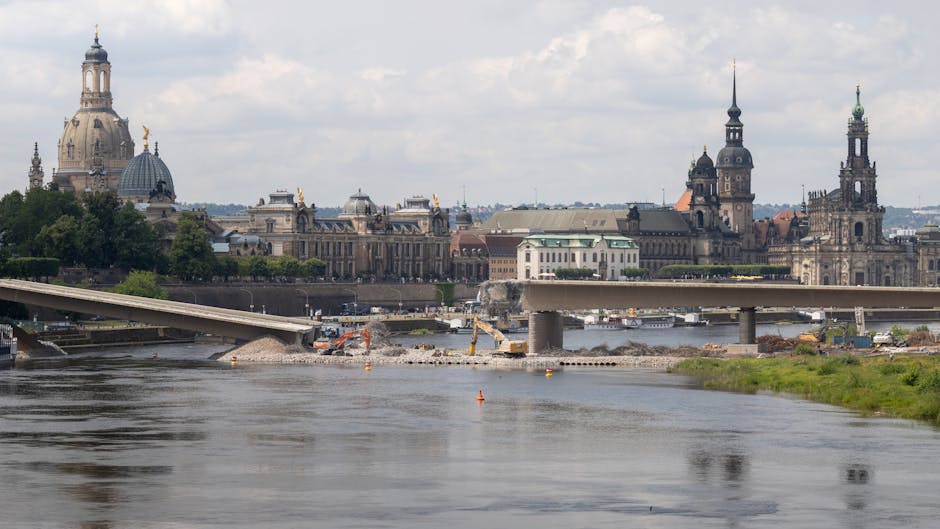 Easy
EasyDresden, Germany
Explore a stunning 19th-century power plant transformed into a vibrant cultural hub of theaters and art in this self-guided walking route.
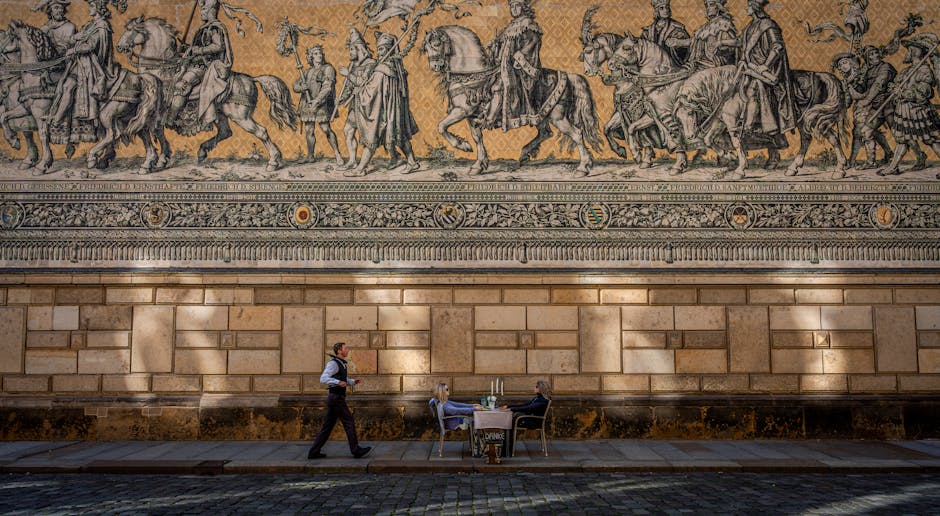 Easy
EasyDresden, Germany
Discover Dresden's vibrant soul on this self-guided walk through the street art, quirky courtyards, and bohemian spirit of the Äußere Neustadt.
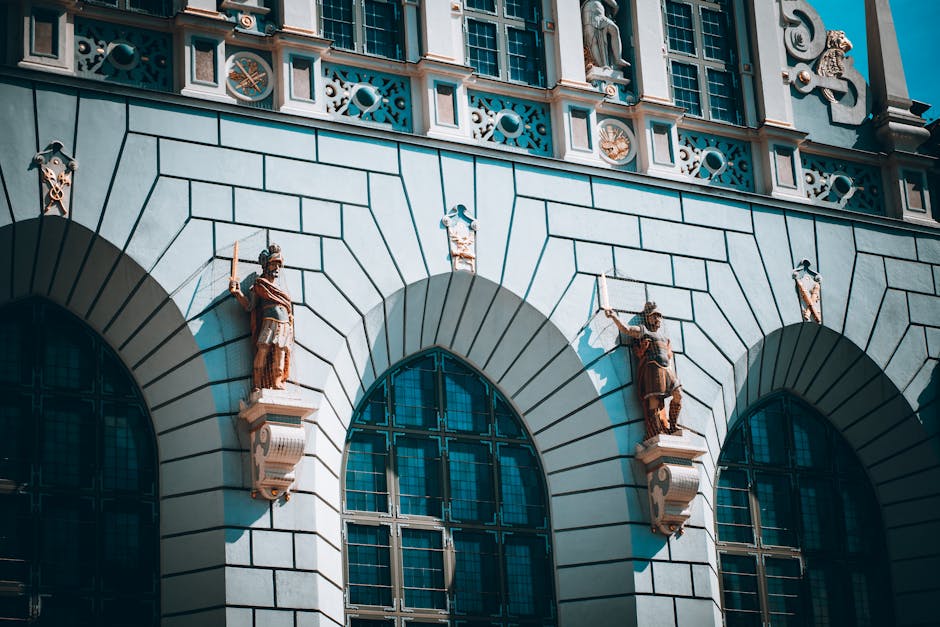 Moderate
Gdansk, Poland
Discover the origins of WWII in Gdansk on this self-guided walk through heroic last stands, massive museums, and strategic hilltop fortifications.
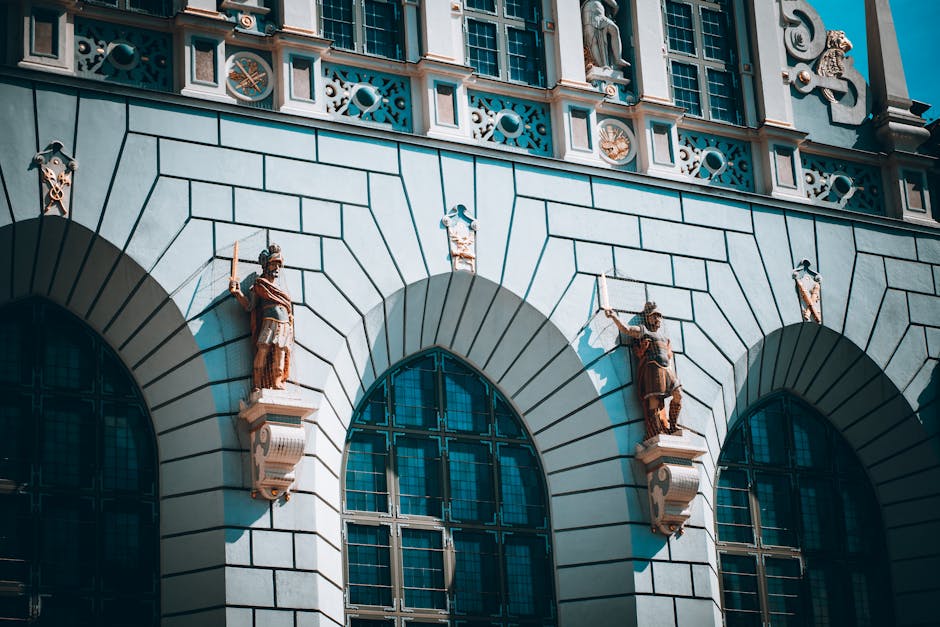 Moderate
Gdansk, Poland
Discover Zaspa, a massive open-air gallery where grey housing blocks are transformed by over 60 monumental murals. Explore at your own pace.
 Moderate
Warsaw, Poland
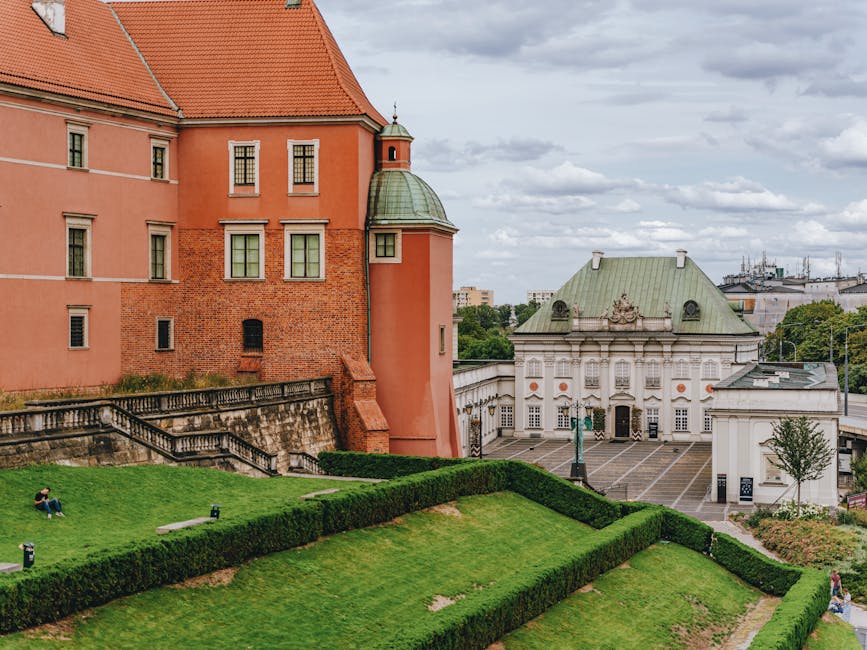
A powerful self-guided walk through Warsaw's WWII history, tracking the 1944 Uprising from ruined skyscrapers to solemn memorials.
 Easy
EasyNairobi, Kenya
Discover Nairobi’s literary soul on this self-guided walk through historic libraries, iconic bookshops, and cultural centers in the heart of the CBD.
 Easy
EasyBerlin, Germany
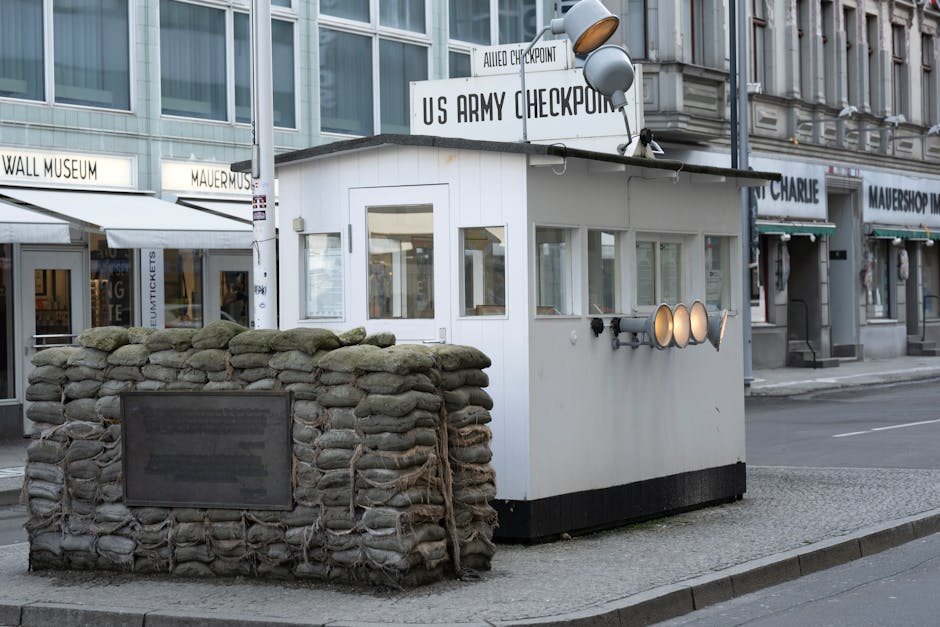
Explore the sites of Nazi power and the memorials that honor its victims on this self-guided walk through Berlin's historic Wilhelmstraße district.
 Moderate
Berlin, Germany
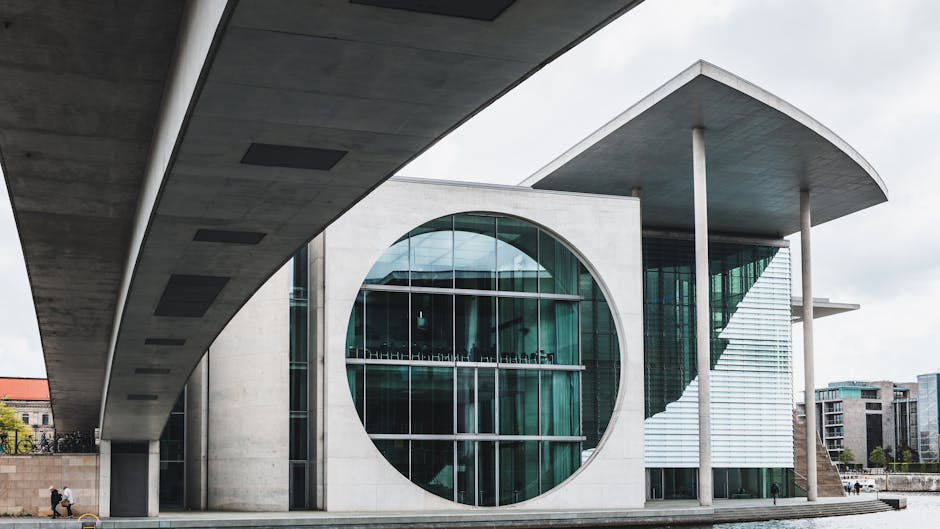
Explore Berlin’s 'Green Heart' on a self-guided walk through royal history, Cold War memorials, and serene lakeside gardens.
 Moderate
Berlin, Germany
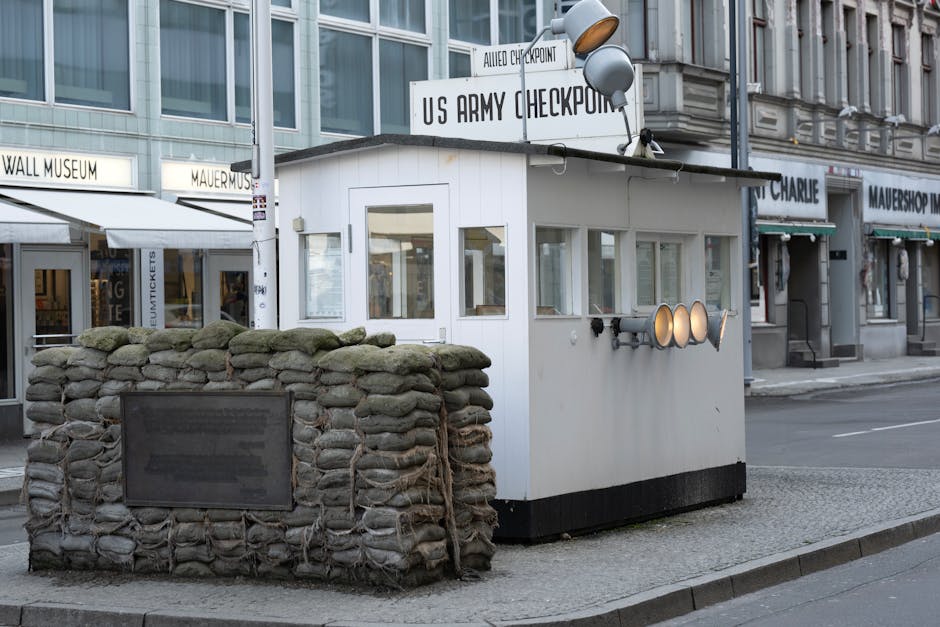
Discover the legacy of the Berlin Wall on this self-guided walk from historic ghost stations to the vibrant street art and cafes of Mauerpark.
 Easy
EasyBerlin, Germany
Discover the soul of 1920s Berlin on a self-guided walk through Charlottenburg’s iconic literary cafes, historic theaters, and artistic landmarks.