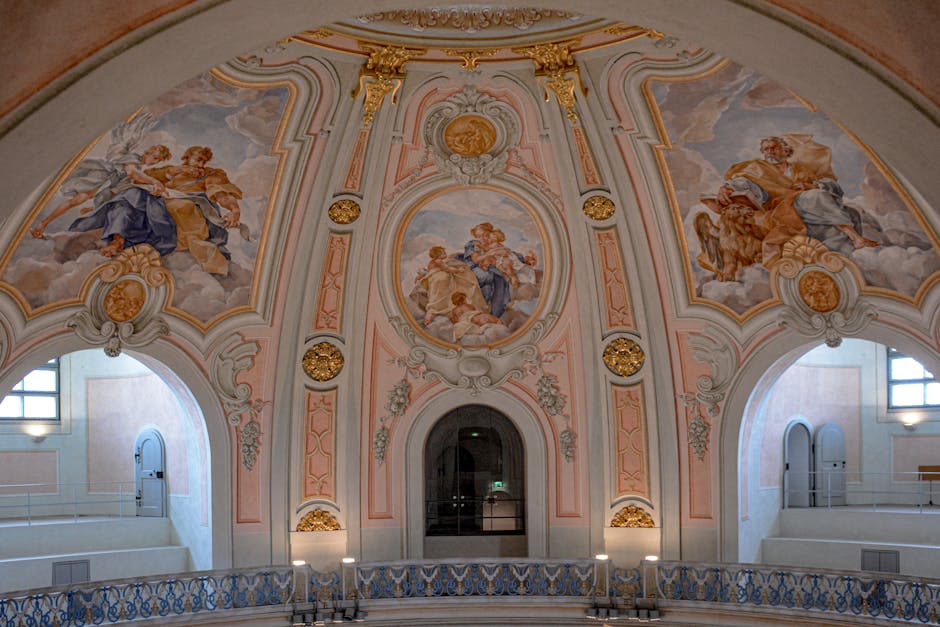
Self-guided audio tour in Dresden
Start Free on iPhone
Start free on iPhone to unlock this self-guided walking tour in Dresden. Hear all the stories that make it amazing, walk at your own pace, and begin whenever you want.
Your Private Tour Guide
Dresden, often hailed as the 'Florence on the Elbe,' is a city where every stone and statue tells a story of resilience, royal ambition, and artistic mastery. This neighborhood stroll through the Altstadt takes you on a visual journey through centuries of Saxon history, from the Gothic revivalism of the mid-19th century to the opulent Baroque symbols of power. As you explore independently, you will notice how the city’s sculptures act as silent witnesses to its transformation, having survived the devastation of 1945 and the meticulous reconstruction that followed. This walking route highlights the intricate details of bronze and stone that often go unnoticed by the casual observer. You will encounter scholarly kings, religious reformers, and allegorical figures that embody the spirit of the region. Whether you are interested in the technical skill of the sculptors or the historical narratives they represent, this self-guided walk offers a profound connection to Dresden's cultural identity. Photography enthusiasts will find endless inspiration in the play of light against the darkened sandstone and the shimmering gold of the city's most famous equestrian monument. By following this audio walk, you can discover the 'Balcony of Europe' and the grand squares of Dresden at your own pace, soaking in the atmosphere of one of Europe’s most beautiful urban landscapes. This is not just a walk; it is an immersion into the art and history that defines the Saxon capital.
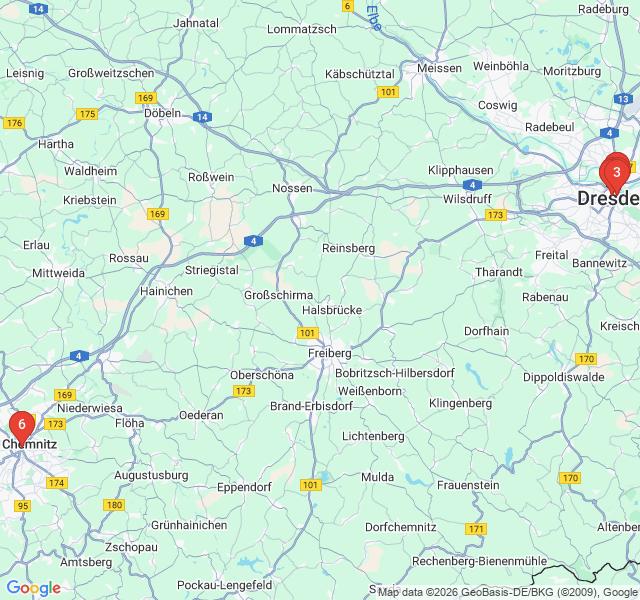
Numbers indicate the order of stops on the tour.
Start your self-guided adventure at the Cholerabrunnen on Postplatz. This striking Neo-Gothic fountain was designed by Gottfried Semper, the same architect behind Dresden's famous opera house. Erected in the 1840s, it serves as a monument of gratitude; the city was largely spared from a devastating cholera epidemic that swept through Europe. Notice the intricate spires and the figures of Saint John the Baptist, Saint Boniface, Saint Elizabeth, and Saint Vitus. The fountain’s delicate sandstone carvings are a testament to the mid-19th-century fascination with medieval aesthetics, standing as a symbol of health and divine protection in the heart of the city.
Walking toward the Elbe, you arrive at Theaterplatz to find King Johann of Saxony mounted on his horse. Unlike many warrior-kings, Johann was known as 'the Scholar.' He was a deeply intellectual man who translated Dante’s 'Divine Comedy' into German under a pseudonym. This bronze equestrian statue, created by Johannes Schilling, portrays the king in a dignified, thoughtful pose. Surrounded by the Semperoper, the Zwinger, and the Cathedral, the statue anchors one of the most beautiful squares in the world. Take a moment to appreciate the base of the monument, which features allegorical figures representing agriculture, trade, and industry, reflecting the king's contribution to Saxony's modernization.
In the center of the Neumarkt stands the formidable Martin Luther. This statue is particularly significant because it survived the 1945 firestorm that leveled the surrounding city. Luther is depicted holding the Bible, symbolizing his translation of the scriptures into the vernacular, which fundamentally changed German culture and religion. The statue stands directly in front of the Frauenkirche, the Church of Our Lady. The contrast between the dark bronze of Luther and the light-colored reconstructed stones of the church creates a powerful visual narrative of Dresden’s destruction and rebirth. It remains one of the most photographed spots in the Altstadt.
Climb the steps to Brühl's Terrace, often called the 'Balcony of Europe.' As you stroll along this former defensive rampart, look for the 'Four Times of Day' sculpture group by Johannes Schilling. These bronze figures represent Morning, Noon, Evening, and Night, greeting visitors at the top of the grand staircase. The terrace offers not just views of the river, but a curated gallery of 19th-century academic art. The sculptures here were designed to inspire contemplation as the elite of Dresden took their evening promenades. The combination of the river breeze and the monumental art makes this one of the most peaceful stretches of the walking route.
Cross the Augustus Bridge to the Neustadt side to see the Goldener Reiter, or Golden Rider. This is Augustus the Strong, Elector of Saxony and King of Poland, depicted as a Roman Caesar. Covered in genuine gold leaf, the statue gleams brilliantly, especially at sunset. It depicts Augustus riding toward the east, toward his Polish kingdom. This monument is the ultimate symbol of the Baroque era in Dresden—extravagant, powerful, and larger-than-life. It represents the 'Augustan Age,' a period when Dresden became a major European center for the arts and sciences. It is arguably the city's most famous landmark and a masterpiece of copper-beating and gilding.
The final stop on this thematic exploration of Saxon identity is the Saxoniabrunnen. While the previous stops focused on the royal and religious heart of Dresden, this fountain—located in nearby Chemnitz but deeply connected to the regional history—celebrates the spirit of the Saxon people themselves. The central figure, Saxonia, is a personification of the region, often depicted with symbols of industry and mining, which were the backbone of the Saxon economy. It serves as a reminder that the grandeur of Dresden’s palaces was built on the hard work and ingenuity of the entire region. This stop concludes our look at how sculpture has been used to define the soul of Saxony.
Start Free on iPhone
Explore “Sculptures and Statues of the Old Town” with your very own Private Tour Guide with Zigway. Start free on iPhone, skip the large group and the fixed routes, and hear the city come alive as you go.
Your Private Tour Guide
Don't miss the good stuff
Explore Freely
 Easy
EasyDresden, Germany
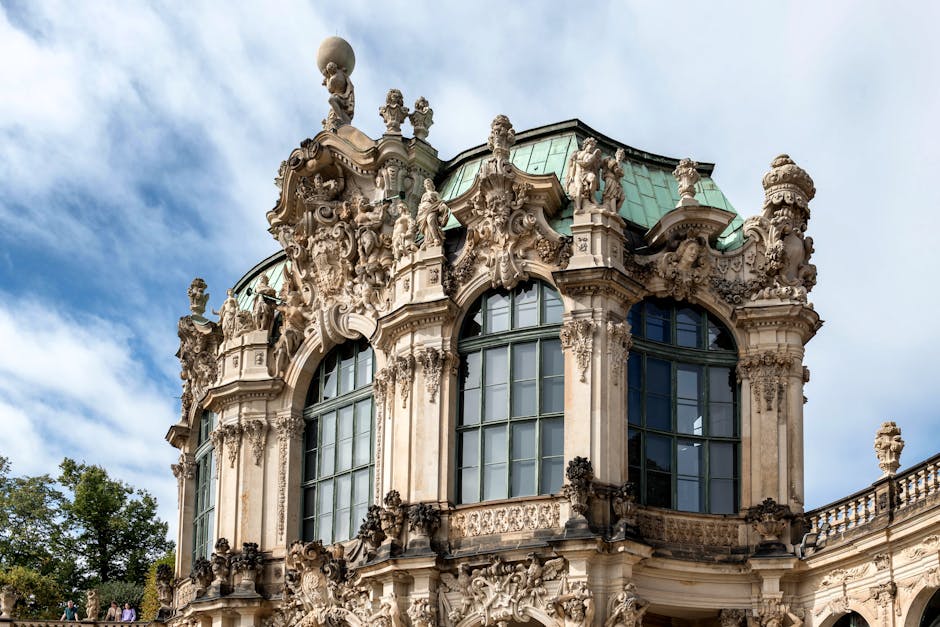
Discover the 'Florence on the Elbe' on this self-guided walk through Dresden’s reconstructed Baroque heart, from royal palaces to iconic domes.
 Moderate
Dresden, Germany
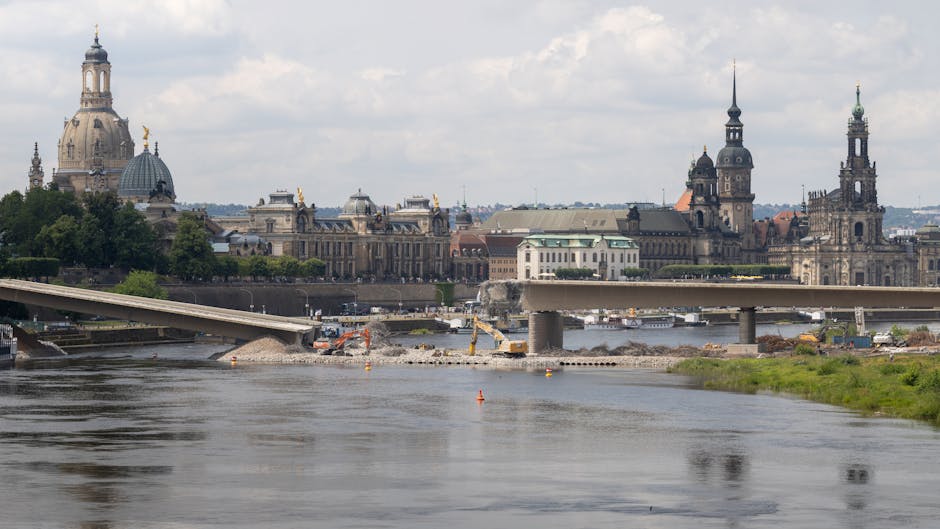
Experience Dresden's most iconic skyline views and Baroque landmarks on this scenic self-guided photography walk along the Elbe River.
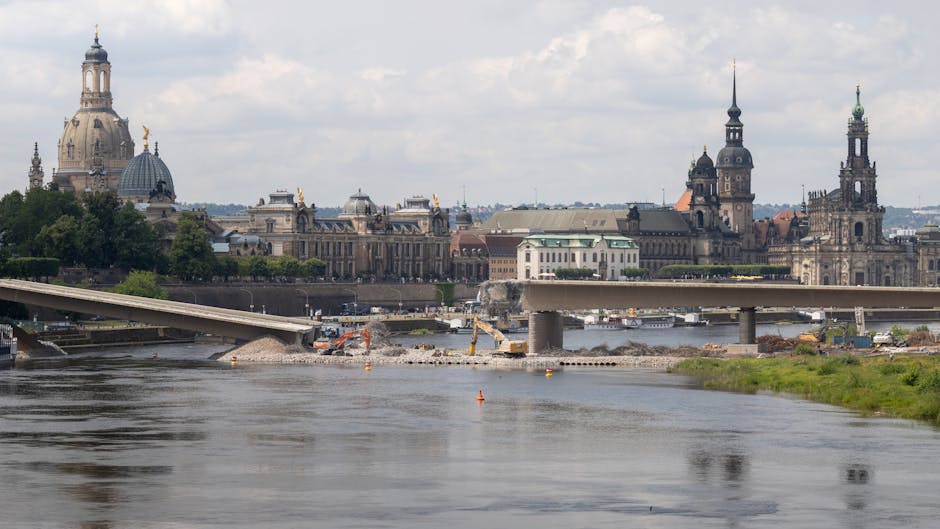 Easy
EasyDresden, Germany
Explore a stunning 19th-century power plant transformed into a vibrant cultural hub of theaters and art in this self-guided walking route.
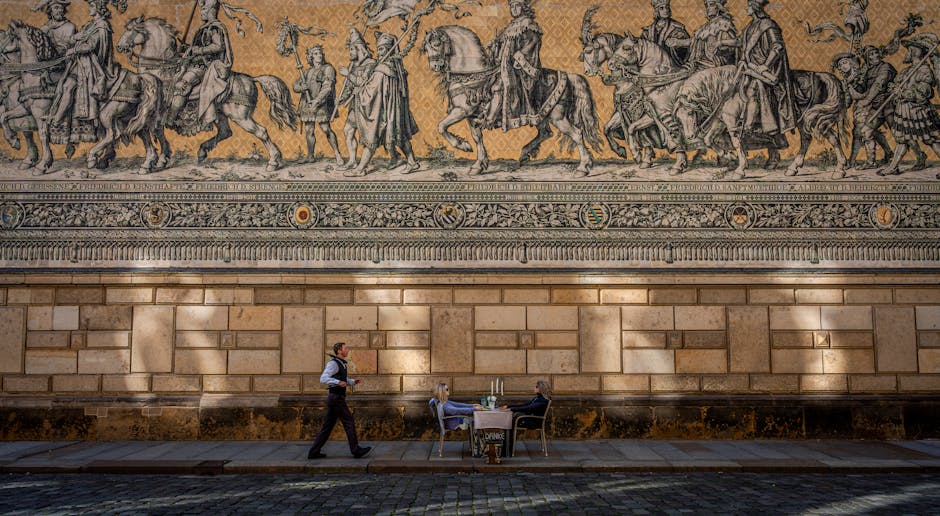 Easy
EasyDresden, Germany
Discover Dresden's vibrant soul on this self-guided walk through the street art, quirky courtyards, and bohemian spirit of the Äußere Neustadt.
 Easy
EasyNairobi, Kenya
Discover Nairobi's iconic skyline on this self-guided architecture walk through the CBD’s most famous modernist and Brutalist landmarks.
 Easy
EasyNairobi, Kenya
Explore Nairobi's architectural evolution from colonial-era landmarks to iconic Brutalist skyscrapers on this historic self-guided walking route.
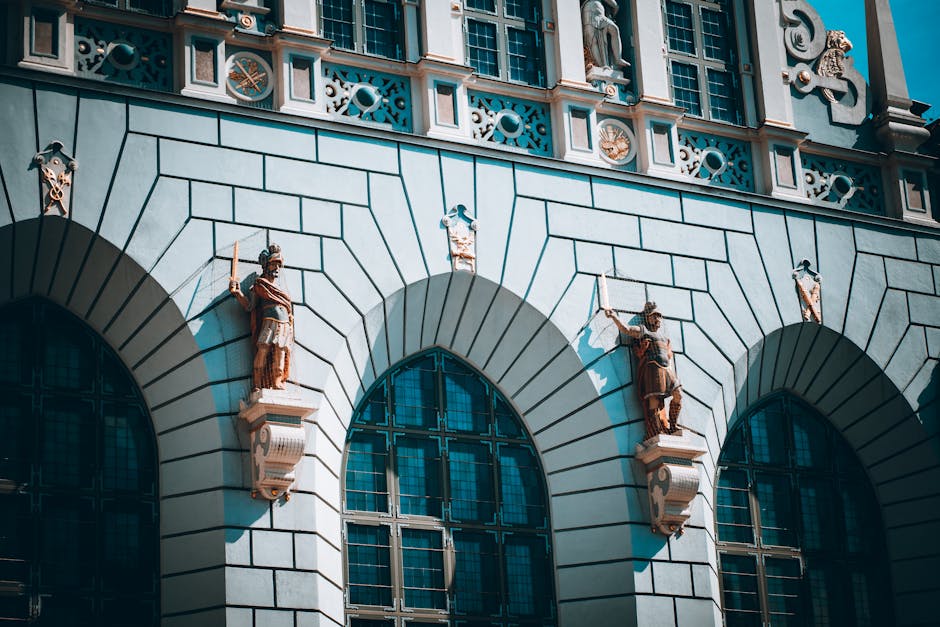 Easy
EasyGdansk, Poland
Discover the opulent Royal Way of Gdansk at your own pace. Explore Hanseatic history, gilded architecture, and the iconic Neptune's Fountain.
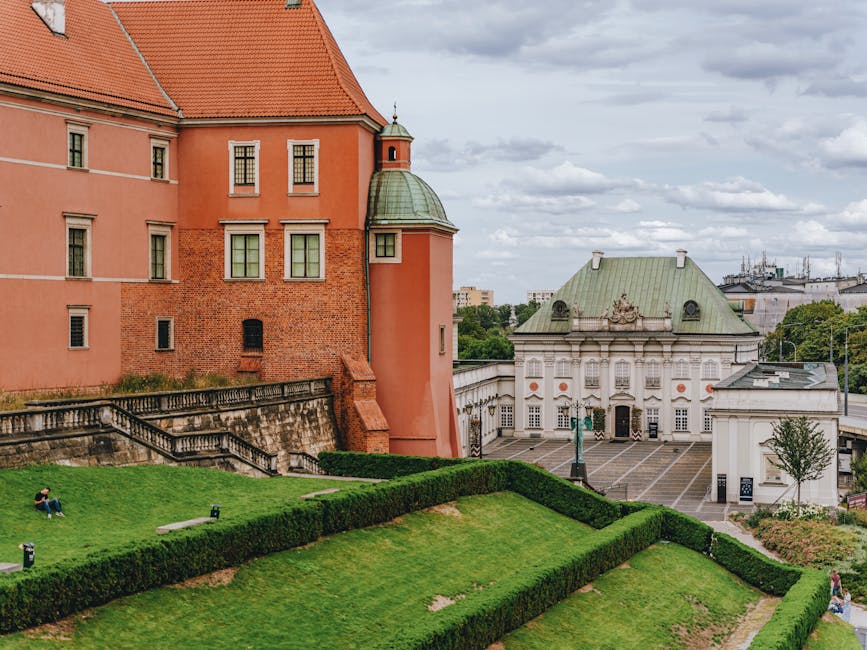 Easy
EasyWarsaw, Poland
Explore the miracle of Warsaw's reconstructed Old Town on this self-guided walk through royal squares, medieval walls, and heroic monuments.
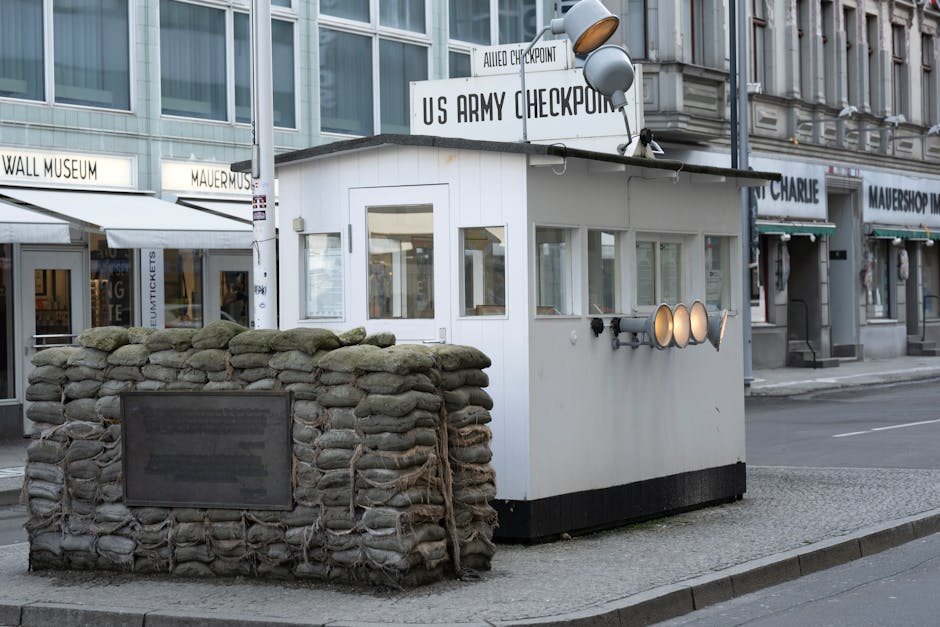 Easy
EasyBerlin, Germany
Explore the sites of Nazi power and the memorials that honor its victims on this self-guided walk through Berlin's historic Wilhelmstraße district.
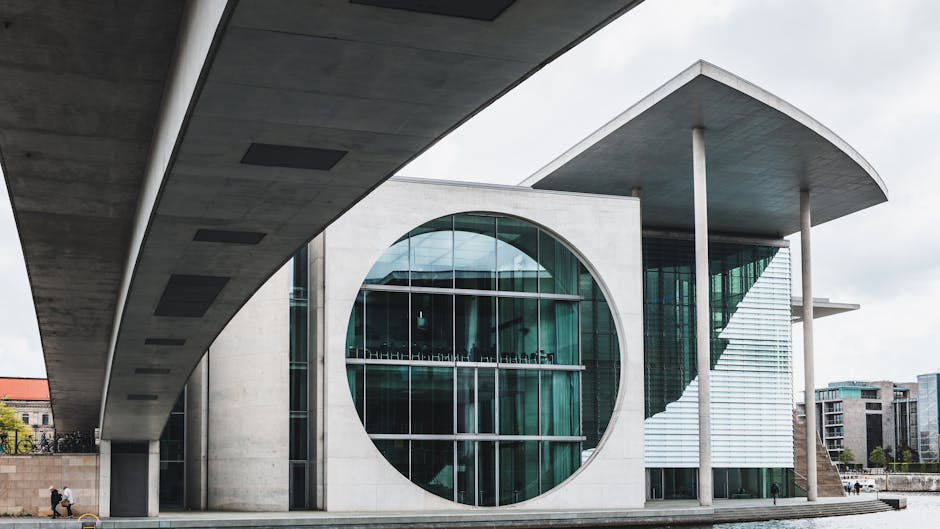 Moderate
Berlin, Germany
Explore Berlin’s 'Green Heart' on a self-guided walk through royal history, Cold War memorials, and serene lakeside gardens.
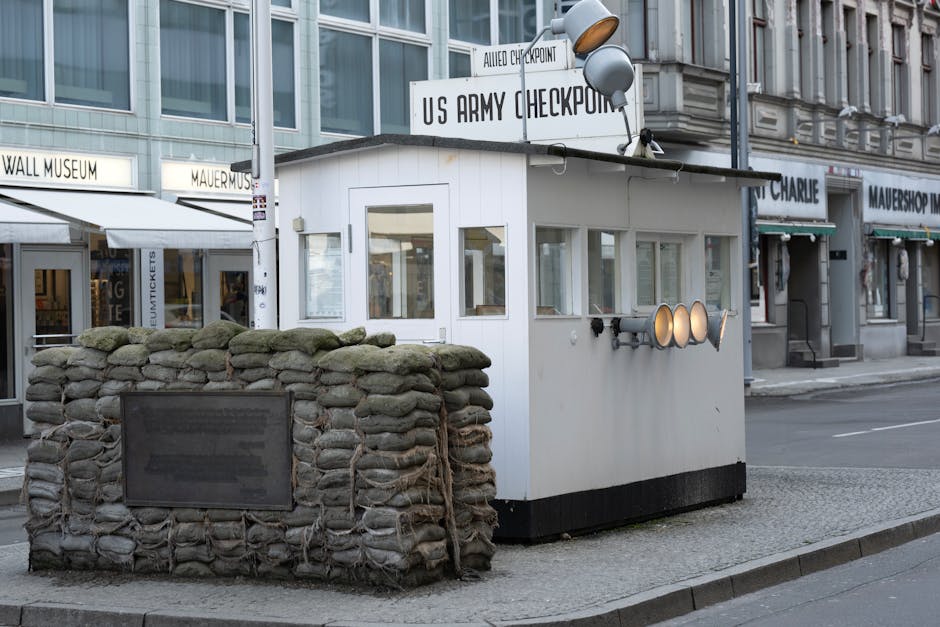 Moderate
Berlin, Germany
Discover the legacy of the Berlin Wall on this self-guided walk from historic ghost stations to the vibrant street art and cafes of Mauerpark.
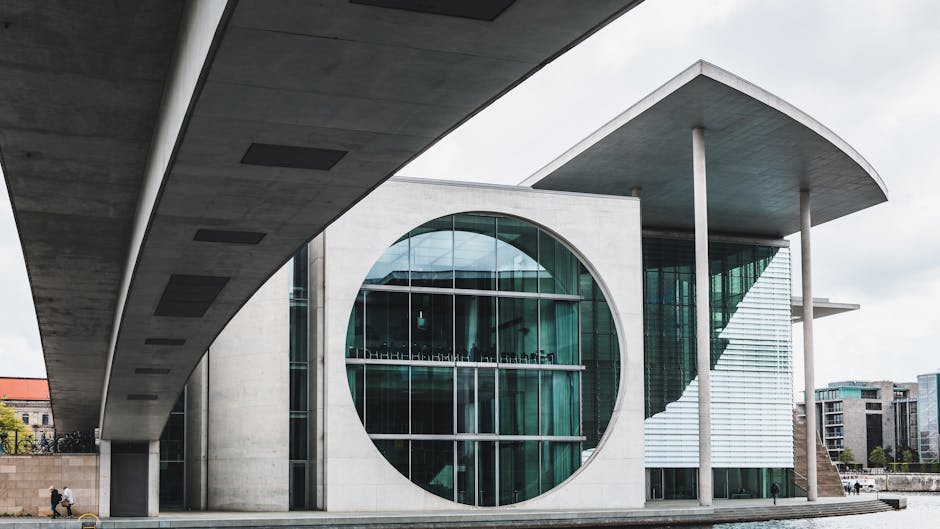 Easy
EasyBerlin, Germany
Discover the soul of 1920s Berlin on a self-guided walk through Charlottenburg’s iconic literary cafes, historic theaters, and artistic landmarks.