Self-guided audio tour in Cologne
Start Free on iPhone
Start free on iPhone to unlock this self-guided walking tour in Cologne. Hear all the stories that make it amazing, walk at your own pace, and begin whenever you want.
Your Private Tour Guide
Step into a world where history and folklore intertwine on this self-guided walk through the heart of Cologne. The Altstadt, or Old Town, is a place where every cobblestone seems to whisper a story from the past. While many visitors flock to the city solely for its famous cathedral, this route reveals the hidden narratives that truly define the local spirit. From the colorful gables of the ancient Fish Market to the whimsical fountains honoring the city's legendary brownies, you will discover that Cologne is a city built on both stone and stories. This neighborhood stroll invites you to explore at your own pace, moving from the banks of the Rhine into the winding alleys where myths come to life. You will encounter tales of unrequited love at the Jan von Werth fountain and learn why the locals have a special relationship with the mischievous Heinzelmännchen. The journey culminates at the awe-inspiring Cologne Cathedral, a Gothic masterpiece that took over six centuries to complete, before heading toward a curious house where two stone horses peer out from an upper window. This walking route is perfect for those who want to see the iconic landmarks while also uncovering the quirky details that most people walk right past. Whether you are interested in Romanesque architecture, medieval legends, or the resilient history of a city that rebuilt itself after the war, this self-guided adventure offers a deep dive into the soul of the Rhineland. Exploring Cologne independently allows you to linger at the sights that intrigue you most, perhaps stopping for a local Kölsch beer along the way. This walking tour Cologne provides a comprehensive look at the city's most enduring legends, making it an essential experience for any first-time visitor or history enthusiast looking to see beyond the surface of the modern city.
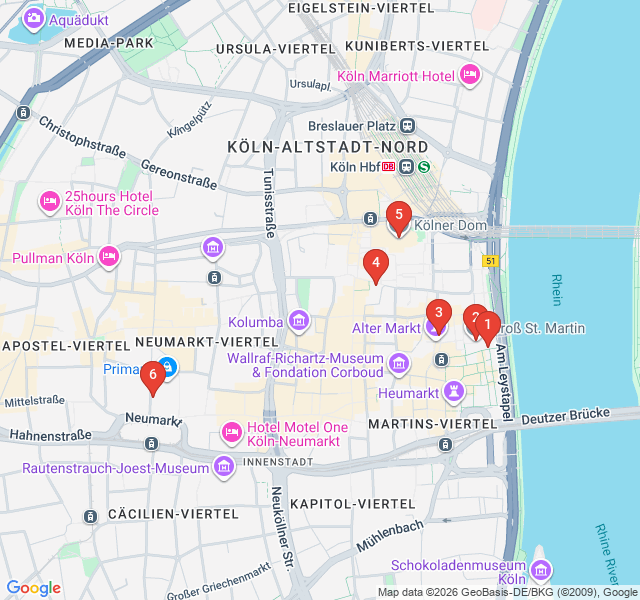
Numbers indicate the order of stops on the tour.
Start your journey at the Fish Market, one of the most photographed spots in Cologne. These narrow, brightly colored houses with their pointed gables represent the classic architectural style of the Old Town. While most of these buildings were reconstructed after World War II, they follow the original medieval footprint. This area was once the bustling heart of Cologne’s trade, where fresh catch from the Rhine was sold daily. Look for the 'Stapelhaus,' which historically held the city's 'staple right,' requiring passing merchants to offer their goods for sale here first. It is a perfect spot to soak in the atmosphere of the riverfront before heading deeper into the city's history.
Towering over the Fish Market is the Great St. Martin Church, a magnificent example of Romanesque architecture. Its massive clover-leaf choir and central tower have defined the city skyline for centuries. The church was built on the remains of a Roman warehouse, and today you can still see archaeological excavations beneath its floors. During the Middle Ages, it served a Benedictine abbey. Though heavily damaged in the 1940s, the restoration was so meticulous that it remains one of the most significant churches in the Rhineland. Step inside to experience the tranquil, minimalist interior that provides a stark contrast to the busy streets outside.
In the center of the Alter Markt stands the Jan von Werth Fountain. This monument tells a bittersweet local legend about a poor farmhand named Jan who fell in love with a girl named Griet. She rejected him because of his low status, leading Jan to join the army and go to war. Years later, he returned as a highly decorated general. Legend has it they met again at the city gates; he looked at her from his horse and said, 'Griet, who would have thought it?' She replied, 'Jan, who could have known it?' The story is a reminder of lost opportunities and the shifting tides of fortune, celebrated every year during the city's carnival festivities.
This charming fountain celebrates Cologne’s most beloved mythical residents: the Heinzelmännchen, or brownies. According to local folklore, these little house gnomes did all the work for the city's craftsmen while they slept—baking bread, tailoring clothes, and cleaning shops. The only condition was that no one could ever look at them. However, a curious tailor's wife scattered peas on the stairs to trip them up so she could see them. The gnomes fell, were insulted, and disappeared forever, leaving the citizens of Cologne to do their own work. The fountain depicts the moment the gnomes were discovered and serves as a whimsical warning against excessive curiosity.
No walking route in Cologne is complete without the Kölner Dom. This UNESCO World Heritage site is a masterpiece of High Gothic architecture. Construction began in 1248 to house the relics of the Three Kings, making Cologne one of the most important pilgrimage sites in Europe. Work stopped in 1473 and didn't resume until the 19th century, finally finishing in 1880 using the original medieval plans. Its twin spires reach 157 meters into the sky. As you walk around the exterior, notice the intricate carvings and the dark patina of the sandstone, a result of reaction with the environment over decades. It is a symbol of the city's endurance and faith.
Our final stop brings us to the Richmodis House near Neumarkt. Look up at the tower to see two white horse heads peering out of the window. These sculptures commemorate a famous 14th-century miracle. Richmodis von Aducht supposedly died of the plague and was buried. However, she was actually in a deep coma and woke up in her tomb. When she returned home and knocked on the door, her husband was so skeptical he claimed he would sooner believe his horses would climb to the attic than that his wife had returned from the dead. Suddenly, the sound of hooves was heard from above, and the horses were found in the attic. Richmodis lived for many more years, and the horses remain there today in stone.
Start Free on iPhone
Explore “Myths and Miracles of the Old Town” with your very own Private Tour Guide with Zigway. Start free on iPhone, skip the large group and the fixed routes, and hear the city come alive as you go.
Your Private Tour Guide
Don't miss the good stuff
Explore Freely
 Easy
EasyCologne, Germany
Explore ancient Colonia. Discover Roman ruins, imperial palaces, and hidden monuments on this self-guided walk through Cologne's historic heart.
 Easy
EasyCologne, Germany
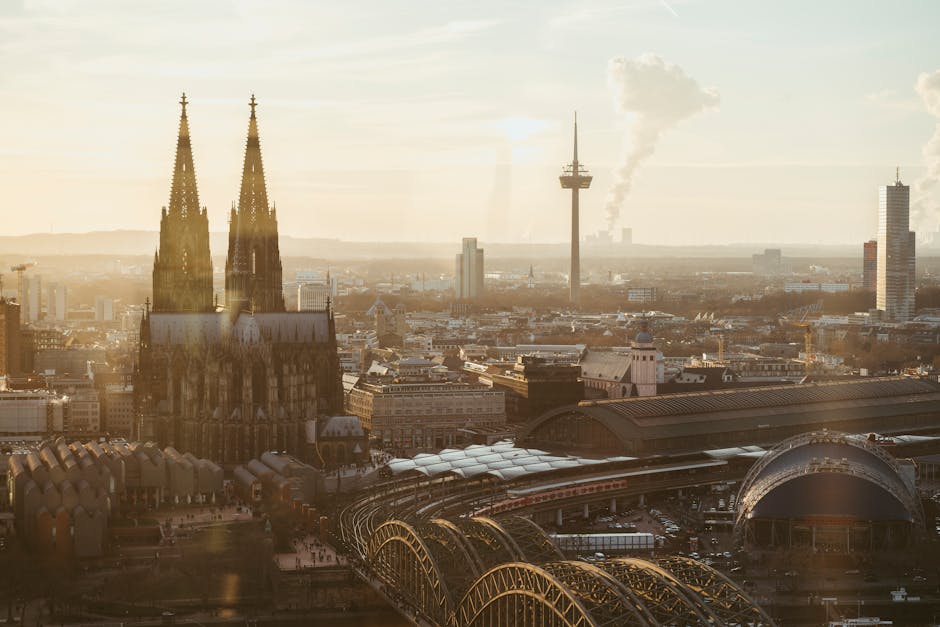
Discover 2,000 years of Jewish history in Cologne, from Roman roots and medieval ritual baths to modern resilience and poignant memorials.
 Easy
EasyCologne, Germany
Discover the legends and liquid gold of Cologne’s Altstadt on this self-guided walking route through historic breweries and ancient squares.
 Moderate
Cologne, Germany
Discover the heart of Cologne's Südstadt. Explore medieval gates, Romanesque churches, and vibrant local life on this self-guided neighborhood walk.
 Easy
EasyGdansk, Poland
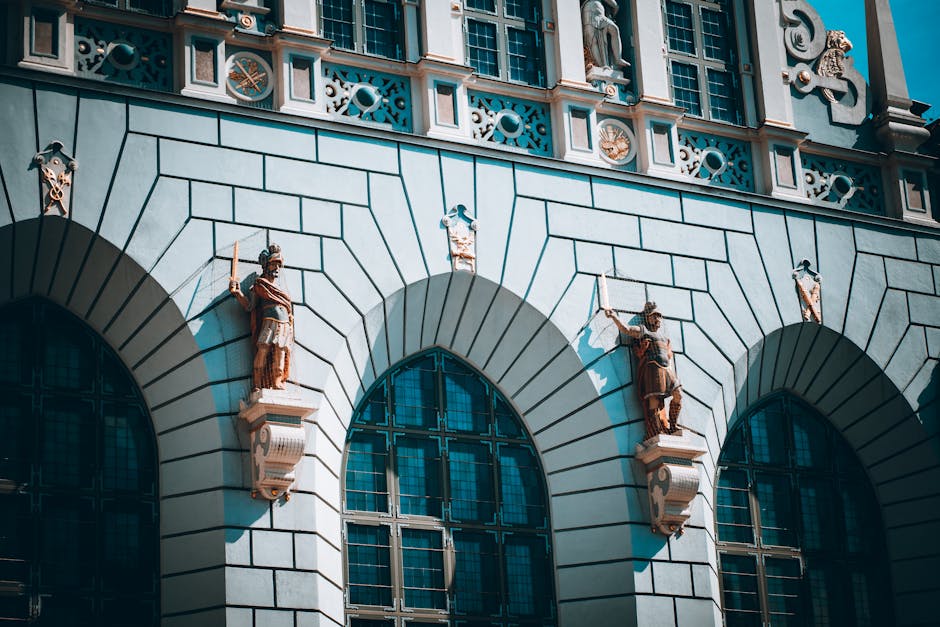
Discover the opulent Royal Way of Gdansk at your own pace. Explore Hanseatic history, gilded architecture, and the iconic Neptune's Fountain.
 Easy
EasyGothenburg, Sweden
Discover Gothenburg’s 17th-century Dutch foundations, historic canals, and military fortifications on this self-guided architectural walk.
 Easy
EasyNairobi, Kenya
Explore Nairobi's architectural evolution from colonial-era landmarks to iconic Brutalist skyscrapers on this historic self-guided walking route.
 Easy
EasyNairobi, Kenya
Discover Nairobi's iconic skyline on this self-guided architecture walk through the CBD’s most famous modernist and Brutalist landmarks.
 Easy
EasyBerlin, Germany
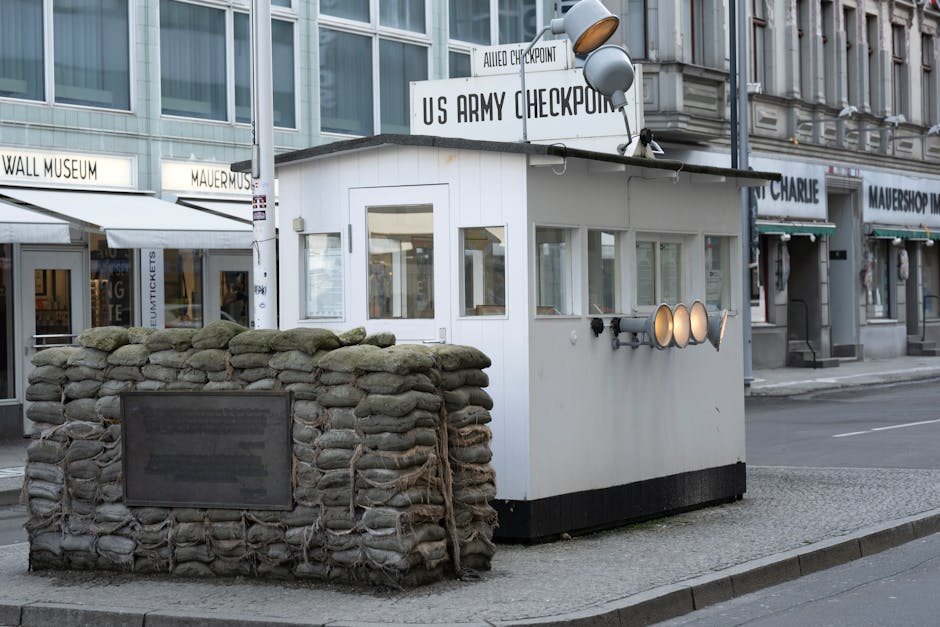
Explore the sites of Nazi power and the memorials that honor its victims on this self-guided walk through Berlin's historic Wilhelmstraße district.
 Moderate
Berlin, Germany
Explore Berlin’s 'Green Heart' on a self-guided walk through royal history, Cold War memorials, and serene lakeside gardens.
 Moderate
Berlin, Germany
Discover the legacy of the Berlin Wall on this self-guided walk from historic ghost stations to the vibrant street art and cafes of Mauerpark.
 Easy
EasyBerlin, Germany
Discover the soul of 1920s Berlin on a self-guided walk through Charlottenburg’s iconic literary cafes, historic theaters, and artistic landmarks.