Self-guided audio tour in Cologne
Start Free on iPhone
Start free on iPhone to unlock this self-guided walking tour in Cologne. Hear all the stories that make it amazing, walk at your own pace, and begin whenever you want.
Your Private Tour Guide
Step back nearly 2,000 years to the era when Cologne was known as Colonia Claudia Ara Agrippinensium, a prestigious provincial capital of the Roman Empire. This self-guided walk invites you to peel back the layers of modern Germany to reveal the ancient foundations of its northernmost outpost. As you navigate the streets of Altstadt-Nord, you will encounter remarkable relics that have survived the passage of centuries, from defensive fortifications to the opulent residences of imperial governors. This neighborhood stroll is more than just a history lesson; it is an immersive exploration of how Roman architecture and urban planning continue to shape the layout of the city today. You will begin near the iconic Cologne Cathedral, where the Roman-Germanic Museum serves as a guardian of the city's ancient treasures. From there, the walking route leads you to the beautifully preserved Römerturm, a testament to Roman engineering and aesthetic detail. You will also have the opportunity to delve beneath the city streets to see the Praetorium, the former seat of Roman power in the Rhineland. Along the way, this audio walk connects the dots between the daily lives of Roman citizens and the grand political ambitions of the Empire. Whether you are an architecture enthusiast or a history buff, this walking tour Cologne offers a unique perspective on the city's heritage. By exploring independently, you can linger at the sites that fascinate you most, such as the intricate mosaics or the massive stone walls that once protected the colony from Germanic tribes. Discover at your own pace why Cologne remains one of the most significant sites for Roman history north of the Alps. This travel experience ensures you see the essential landmarks while enjoying the freedom of a self-guided adventure.
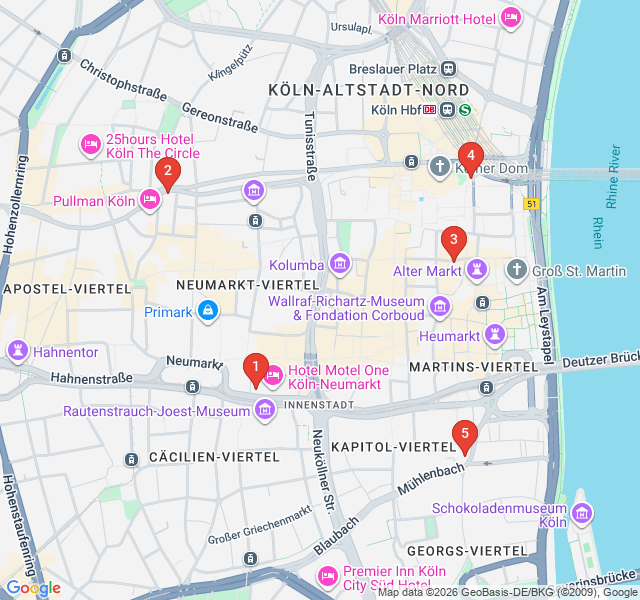
Numbers indicate the order of stops on the tour.
Welcome to the starting point of your exploration into Cologne’s Roman soul. While the original museum building next to the Cathedral is undergoing renovation, its most significant treasures are curated here in the Belgischen Haus. This museum was built directly over the site of a 3rd-century Roman villa, preserving the breathtaking Dionysus mosaic exactly where it was discovered. As you stand here, imagine the luxury of Roman life on the Rhine frontier. The museum also houses the towering 15-meter-high tomb of the legionary Poblicius. These artifacts aren't just displays; they are the literal foundations of the city. The wealth and artistry found here prove that Cologne was not just a military outpost, but a sophisticated center of Roman culture and trade.
As you approach the Römerturm, or Roman Tower, you are looking at the finest surviving example of Cologne's ancient fortifications. Built around 50 AD, this tower marked the northwest corner of the Roman city wall. What makes this structure truly special is its decorative masonry. Unlike the utilitarian walls found in many Roman colonies, the Römerturm features intricate patterns of limestone, sandstone, and trachyte. This suggests that the walls were intended to be a display of Roman prestige and civilization to the Germanic tribes across the river. Look closely at the star and diamond patterns; they have survived nearly two millennia of urban development and the heavy bombing of World War II, standing as a resilient symbol of Roman engineering.
To find the heart of Roman political power, we must go underground. The Praetorium was the palace of the Imperial Governor of Lower Germania, the highest-ranking Roman official in the region. This massive complex served as both a residence and an administrative hub. Walking through the subterranean ruins, you can see the remains of the massive foundation walls and the sophisticated drainage systems that the Romans pioneered. This was the site where emperors were proclaimed and where the fate of the northern frontier was decided. The layers of stone here reveal the transition from a simple wooden headquarters to a grand stone palace, reflecting Cologne’s rise in importance within the Empire.
Located near the cathedral, the Dionysos-Brunnen is a modern tribute to Cologne's ancient heritage. Created by sculptor Karl Burgeff in 1973, the fountain depicts the followers of Dionysus, the god of wine and ecstasy. This choice is no coincidence; it honors the Dionysus mosaic you encountered earlier and acknowledges the long history of viticulture that the Romans brought to the Rhine Valley. Notice the playful, often earthy figures surrounding the basin. It serves as a bridge between the ancient world and the modern city, reminding us that while the Roman Empire fell, the cultural influences—especially the love of wine and social gathering—remain central to the identity of Cologne’s citizens today.
Our final stop is the Ubii Monument, a structure that predates even the formal establishment of the Roman colony. This is the oldest stone monument in Germany, likely built around 4 AD. It was originally a corner tower of the harbor fortifications for the 'Oppidum Ubiorum,' the settlement of the Ubii tribe who were allies of Rome. The massive, precisely cut tufa blocks used here demonstrate the early introduction of Roman construction techniques to the Germanic peoples. It stands as a silent witness to the very beginning of the Romano-Germanic fusion that created the city of Cologne. From here, you are just a short walk from the Rhine river, the lifeline that connected this outpost to the rest of the Roman world.
Start Free on iPhone
Explore “The Roman Empire's Northern Outpost” with your very own Private Tour Guide with Zigway. Start free on iPhone, skip the large group and the fixed routes, and hear the city come alive as you go.
Your Private Tour Guide
Don't miss the good stuff
Explore Freely
 Easy
EasyCologne, Germany
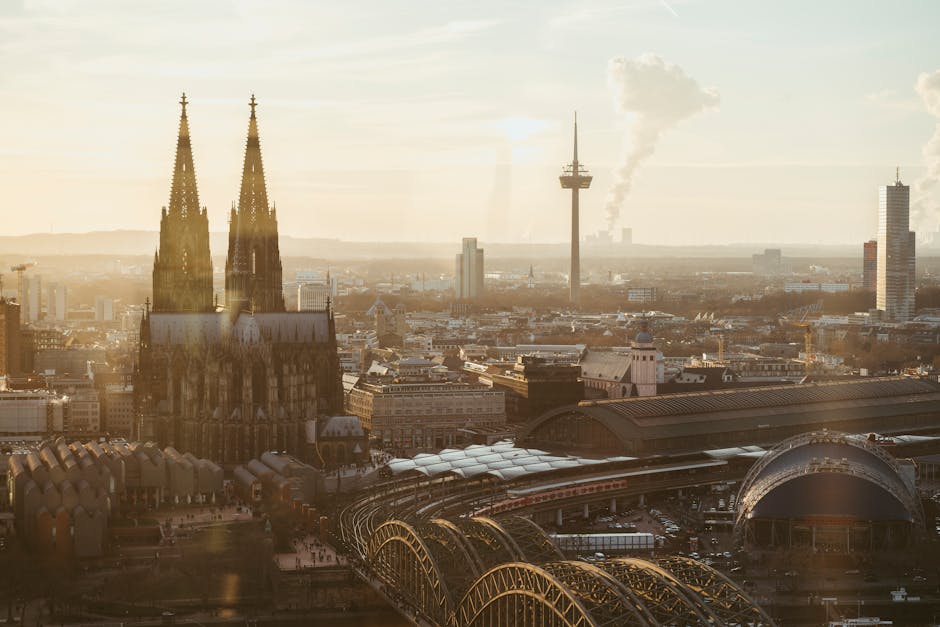
Discover 2,000 years of Jewish history in Cologne, from Roman roots and medieval ritual baths to modern resilience and poignant memorials.
 Easy
EasyCologne, Germany
Discover the legends and liquid gold of Cologne’s Altstadt on this self-guided walking route through historic breweries and ancient squares.
 Moderate
Cologne, Germany
Discover the heart of Cologne's Südstadt. Explore medieval gates, Romanesque churches, and vibrant local life on this self-guided neighborhood walk.
 Easy
EasyCologne, Germany
Discover Cologne's trendiest district at your own pace. Explore chic boutiques, historic facades, and the vibrant social heart of the Belgian Quarter.
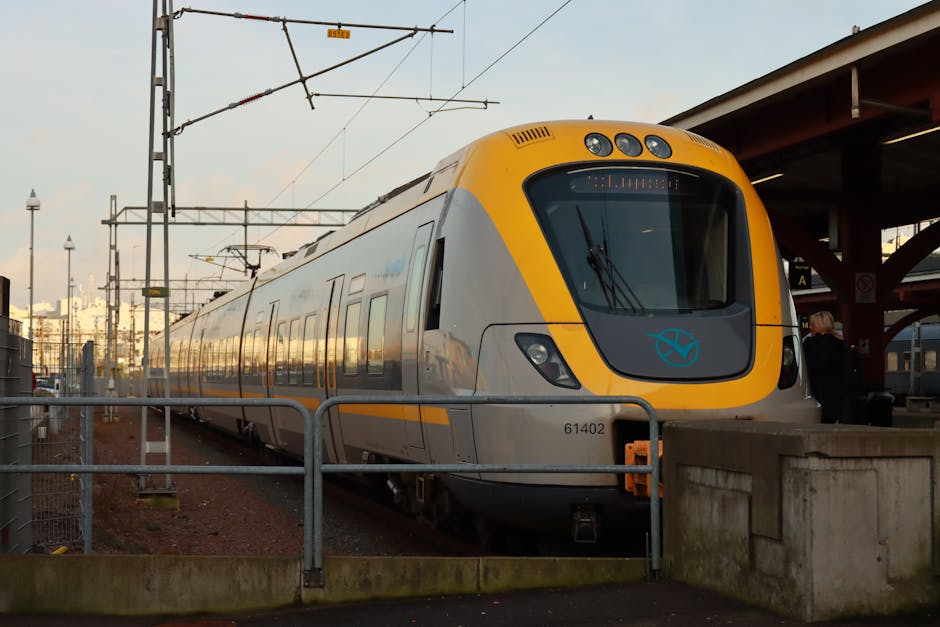 Easy
EasyGothenburg, Sweden
Discover Gothenburg’s 17th-century Dutch foundations, historic canals, and military fortifications on this self-guided architectural walk.
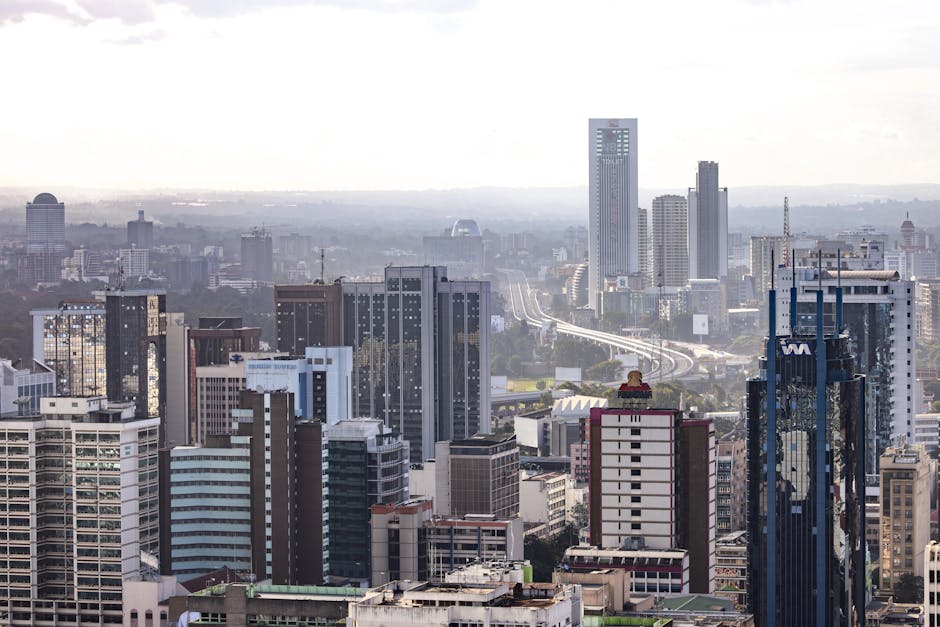 Easy
EasyNairobi, Kenya
Explore Nairobi's architectural evolution from colonial-era landmarks to iconic Brutalist skyscrapers on this historic self-guided walking route.
 Easy
EasyNairobi, Kenya
Discover Nairobi's iconic skyline on this self-guided architecture walk through the CBD’s most famous modernist and Brutalist landmarks.
 Easy
EasyKrakow, Poland
Explore the historic heart of Kazimierz on this self-guided walk through synagogues, ancient cemeteries, and vibrant squares.
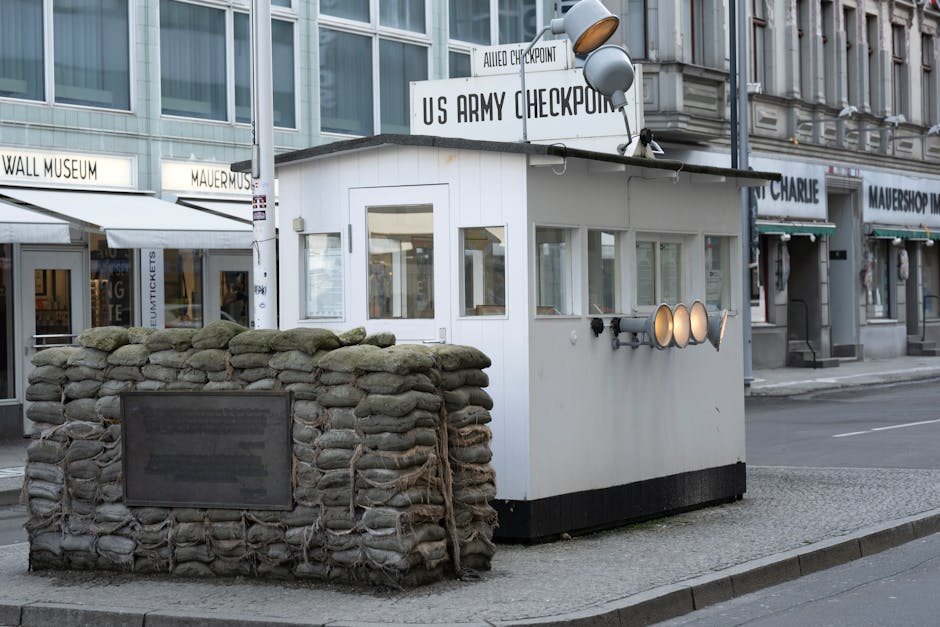 Easy
EasyBerlin, Germany
Explore the sites of Nazi power and the memorials that honor its victims on this self-guided walk through Berlin's historic Wilhelmstraße district.
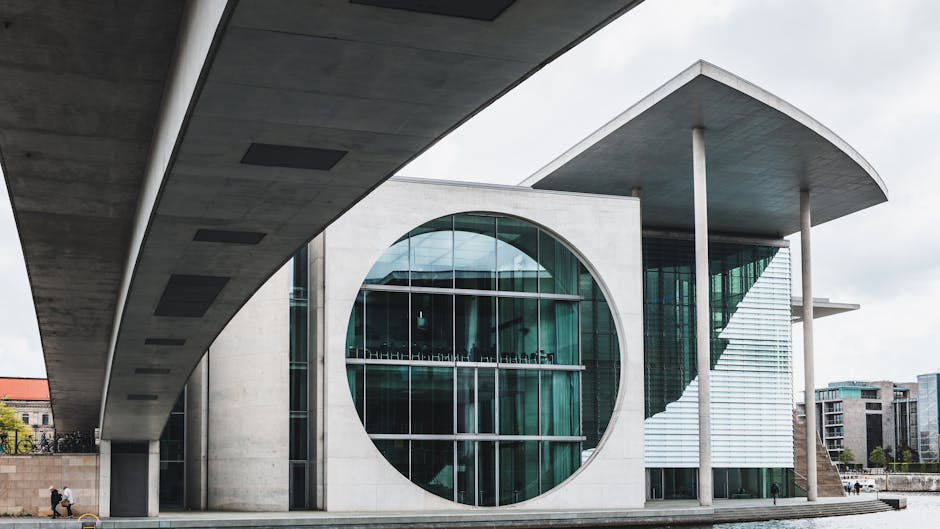 Moderate
Berlin, Germany
Explore Berlin’s 'Green Heart' on a self-guided walk through royal history, Cold War memorials, and serene lakeside gardens.
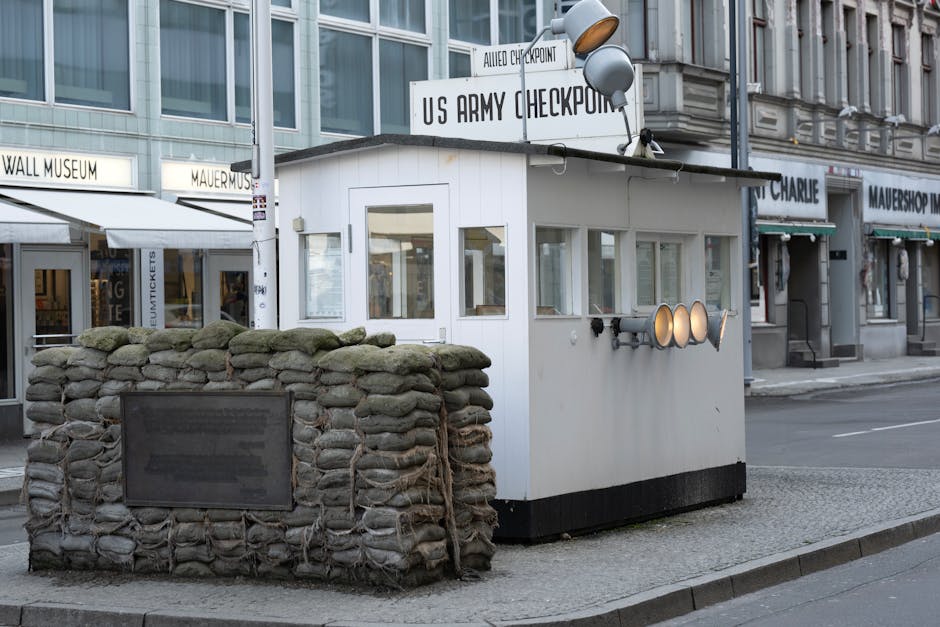 Moderate
Berlin, Germany
Discover the legacy of the Berlin Wall on this self-guided walk from historic ghost stations to the vibrant street art and cafes of Mauerpark.
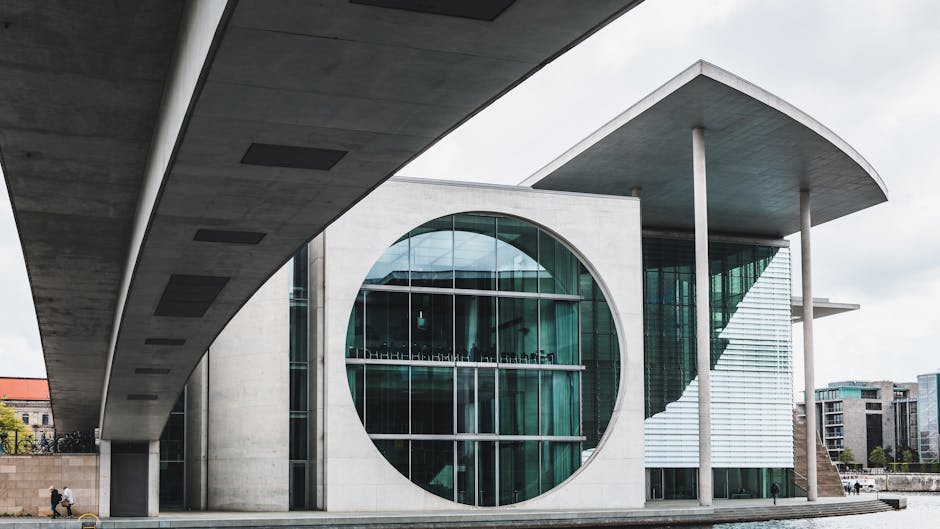 Easy
EasyBerlin, Germany
Discover the soul of 1920s Berlin on a self-guided walk through Charlottenburg’s iconic literary cafes, historic theaters, and artistic landmarks.