Self-guided audio tour in Cologne
Start Free on iPhone
Start free on iPhone to unlock this self-guided walking tour in Cologne. Hear all the stories that make it amazing, walk at your own pace, and begin whenever you want.
Your Private Tour Guide
Step away from the soaring spires of the Cathedral and immerse yourself in the local soul of Cologne. This self-guided walk through the Belgian Quarter (Belgisches Viertel) invites you to discover the city’s most stylish neighborhood, where historic charm meets a fiercely independent creative spirit. Known for its streets named after Belgian and Dutch cities like Brussels, Antwerp, and Maastricht, this district has evolved from a 19th-century residential expansion into a hub for designers, artists, and coffee enthusiasts. On this walking route, you will experience a side of Cologne that many visitors miss. The journey begins at the medieval Hahnentorburg, one of the few remaining gates of the city’s ancient walls, serving as a symbolic portal between the historic center and the trendy west. From here, you will wander through tree-lined streets adorned with meticulously preserved Wilhelminian-style architecture. This neighborhood stroll is as much about the atmosphere as it is about the landmarks. You will explore the heart of the local fashion scene on Maastrichter Straße, where small boutiques showcase homegrown labels rather than international chains. The route leads you to the social epicenter, Brüsseler Platz, a square that transforms from a peaceful church plaza by day into a vibrant, open-air living room by night. Whether you are looking for a unique souvenir in a hidden-gem concept store or simply want to admire the Art Nouveau facades that define the area's aesthetic, this neighborhood offers a refreshing alternative to the typical walking tour Cologne might offer elsewhere. This independent explore allows you to set your own pace, stopping for a specialty brew at a local roastery or lingering in the shadow of the neo-Romanesque Saint Michael's church. By the time you reach the bustling Aachener Straße, you will have experienced the 'Veedel' (neighborhood) culture that Cologners hold so dear—a blend of relaxed lifestyle, architectural beauty, and a modern, cosmopolitan vibe. **Note:** This area is known for its ever-changing character. Street art, pop-up venues, and temporary exhibitions may differ from what's described. That's part of the adventure - you might discover something entirely new!
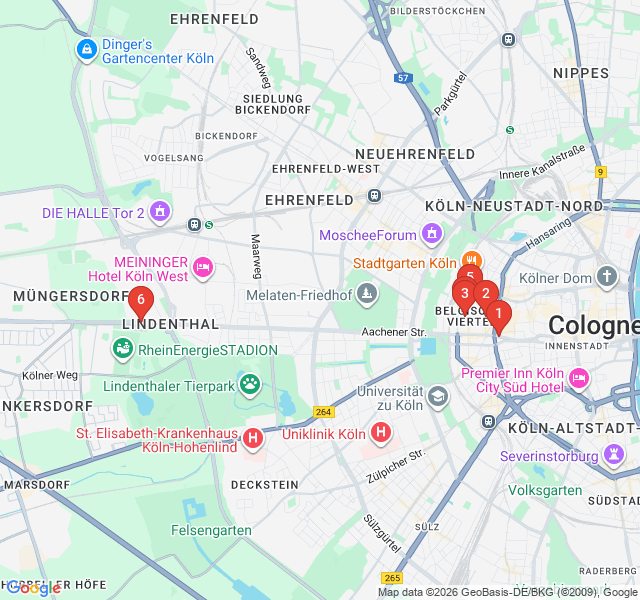
Numbers indicate the order of stops on the tour.
Start your self-guided adventure at Rudolfplatz, dominated by the massive Hahnentorburg. This limestone gate dates back to the early 13th century and was once part of Cologne's formidable medieval city wall, which stretched for nine kilometers. It was historically significant as the gate through which newly crowned Holy Roman Emperors entered the city after their coronation in Aachen to honor the relics of the Three Kings. Today, it serves as a bridge between the old city and the Belgian Quarter. Take a moment to look up at the coat of arms and imagine the knights and merchants who once passed through these arches. From here, the city's modern, creative energy begins to take over.
As you turn into Maastrichter Straße, you enter the shopping heart of the Belgian Quarter. This street is famous for its high density of independent boutiques, local designers, and curated concept stores. Unlike the high-street brands found in the city center, the shops here prioritize craftsmanship and unique aesthetics. While the specific storefronts may change over time, the spirit of the street remains rooted in 'slow fashion' and creative retail. Look for the small galleries and specialized ateliers tucked into the ground floors of the grand 19th-century buildings. It is the perfect place to witness the intersection of Cologne’s historical architecture and its contemporary lifestyle.
The skyline of the Belgian Quarter is defined by the towers of Saint Michael. Built between 1902 and 1906, this is the third-largest church in Cologne and a stunning example of the neo-Romanesque style that was popular during the German Empire. Its heavy stone exterior and massive proportions were designed to complement the upscale residential character of the new district. The church suffered significant damage during World War II but was carefully restored to its former glory. Its presence gives the surrounding square a sense of timelessness, standing as a quiet, spiritual anchor amidst the bustling cafes and trendy bars that define the neighborhood today.
Brüsseler Platz is more than just a square; it is the living room of the Belgian Quarter. On warm evenings, locals gather here with drinks purchased from nearby kiosks, sitting on the church steps or low walls to socialize. This 'Kiosk culture' is a quintessential Cologne experience. The square is surrounded by some of the neighborhood's best-loved cafes and bars. Note that because this is a residential area, there is a long-standing dialogue between the lively nighttime crowds and the neighbors who live here. The square's atmosphere shifts dramatically from a peaceful morning spot for parents and toddlers to a vibrant social hub as the sun sets.
Wander down Antwerpener Straße to see some of the most beautiful residential architecture in the city. This street is lined with 'Gründerzeit' houses—buildings from the late 19th-century economic boom. Look for the ornate stucco work, decorative balconies, and varied window shapes that characterize the Art Nouveau influences. This area was originally built for the wealthy bourgeoisie, and that sense of elegance remains. Many of these buildings now house creative agencies, architectural firms, and boutique apartments. The mix of leafy trees and grand facades makes this one of the most photographed streets in the district, reflecting the 'chic' side of the Belgian Quarter's creative identity.
Your walking route concludes on Aachener Straße, a major boulevard that serves as the southern border of the Belgian Quarter. This street is a cultural powerhouse, home to numerous theaters, art-house cinemas, and a vast array of international restaurants. It marks the transition from the quiet residential streets to a more urban, fast-paced environment. Whether you are looking for a high-end dinner or a quick falafel, the culinary diversity here is unmatched. From here, you are perfectly positioned to dive deeper into Cologne's nightlife or catch a tram back to the city center, having explored the most fashionable 'Veedel' in the city.
Start Free on iPhone
Explore “Chic and Creative: Exploring the Belgian Quarter” with your very own Private Tour Guide with Zigway. Start free on iPhone, skip the large group and the fixed routes, and hear the city come alive as you go.
Your Private Tour Guide
Don't miss the good stuff
Explore Freely
 Easy
EasyCologne, Germany
Explore ancient Colonia. Discover Roman ruins, imperial palaces, and hidden monuments on this self-guided walk through Cologne's historic heart.
 Easy
EasyCologne, Germany
Discover 2,000 years of Jewish history in Cologne, from Roman roots and medieval ritual baths to modern resilience and poignant memorials.
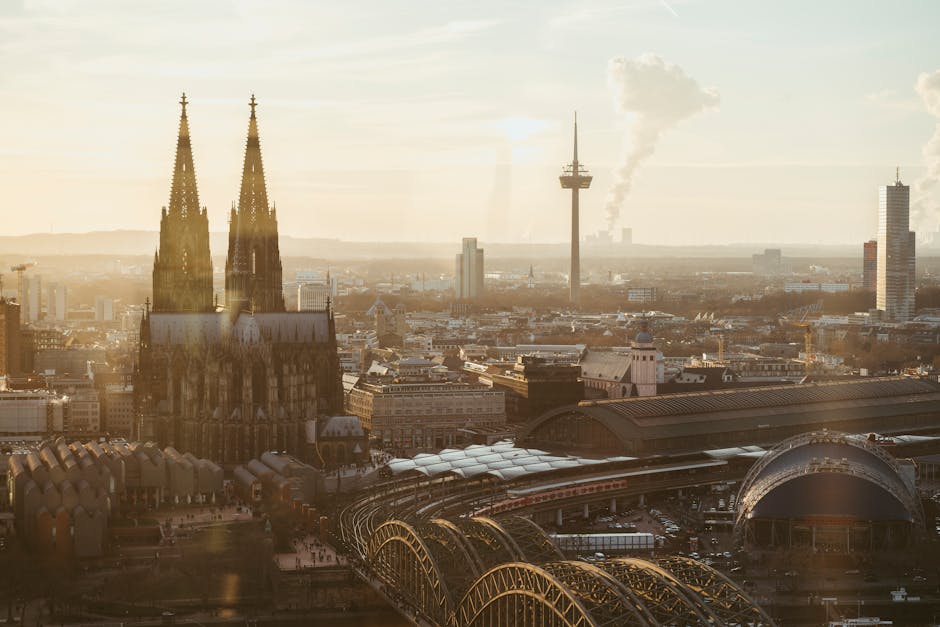 Easy
EasyCologne, Germany
Discover the legends and liquid gold of Cologne’s Altstadt on this self-guided walking route through historic breweries and ancient squares.
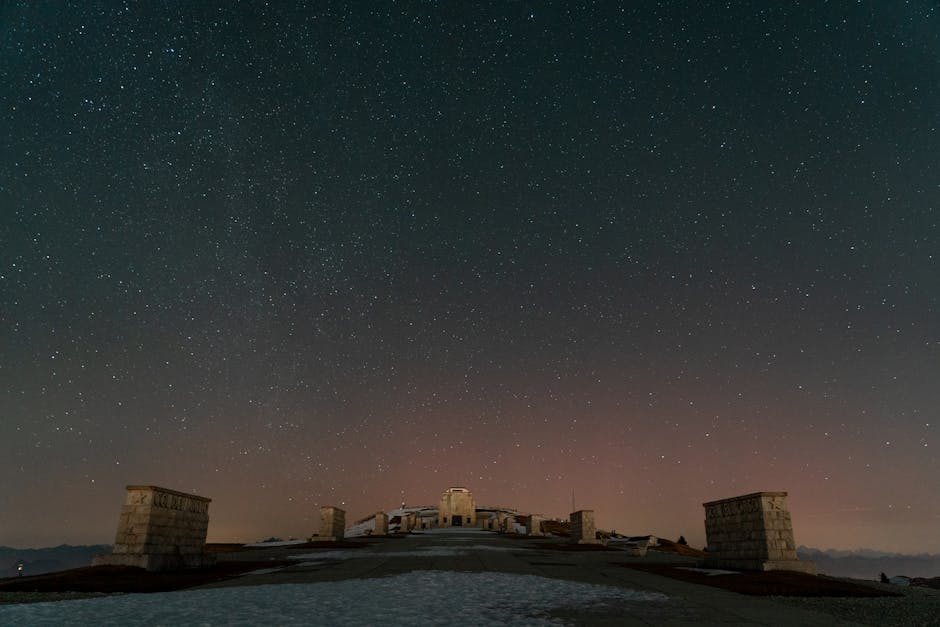 Moderate
Cologne, Germany
Discover the heart of Cologne's Südstadt. Explore medieval gates, Romanesque churches, and vibrant local life on this self-guided neighborhood walk.
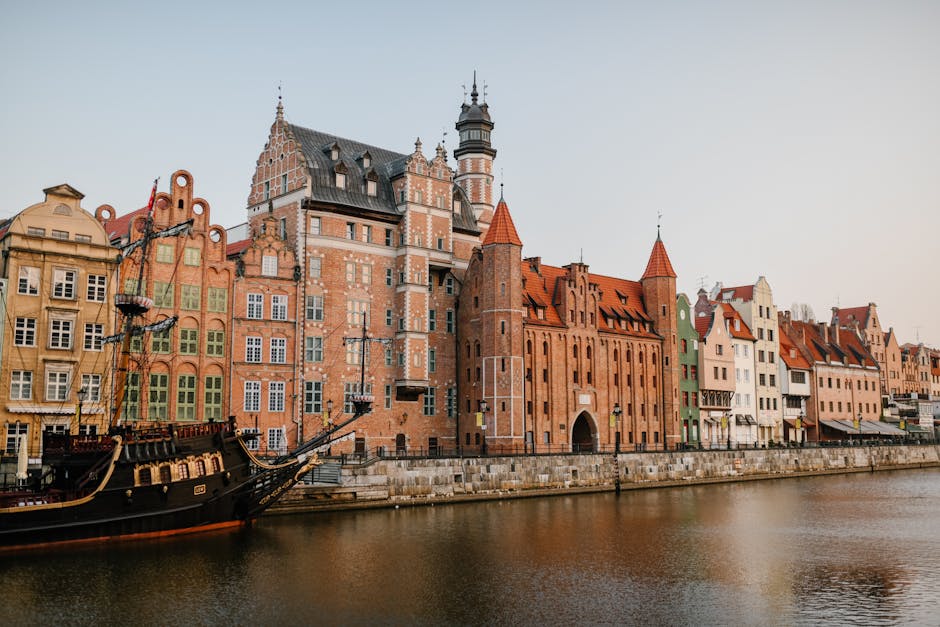 Easy
EasyGdansk, Poland
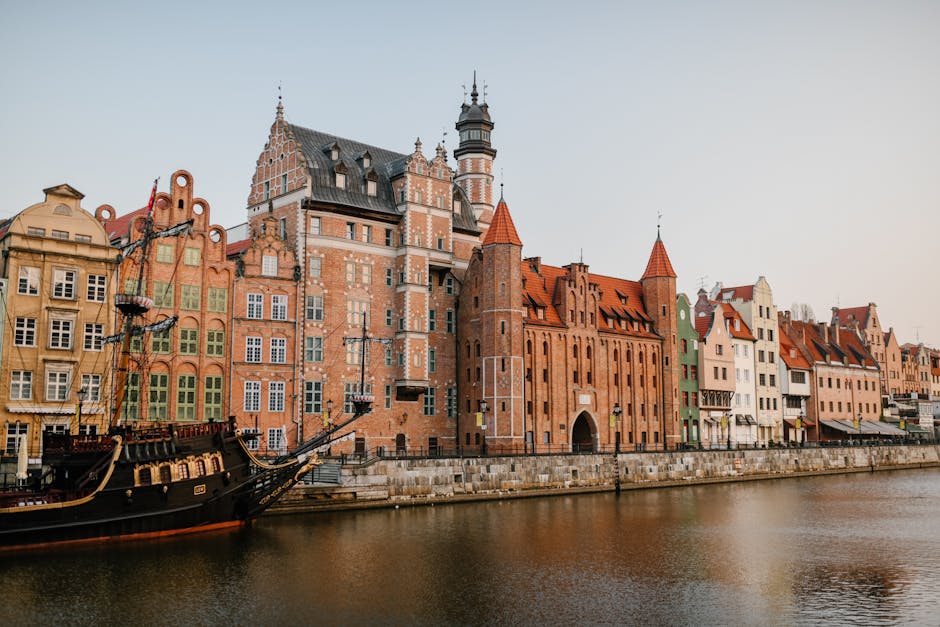
Discover the 'Baltic Gold' on this self-guided walk through Gdansk's historic mills, massive cathedrals, and the magical Mariacka Street.
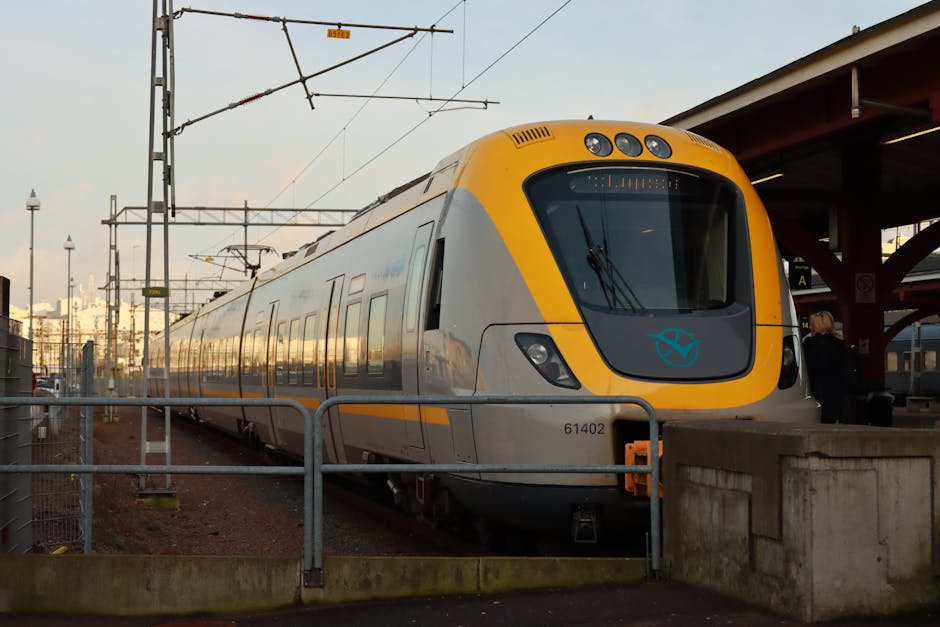 Easy
EasyGothenburg, Sweden
Explore Gothenburg's maritime soul on this self-guided walk from historic shipyards to sleek modern piers and iconic industrial landmarks.
 Easy
EasyKrakow, Poland
Explore the prestigious Jagiellonian University district, featuring Neo-Gothic architecture, Baroque churches, and Krakow's hidden scholarly gems.
 Moderate
Gdansk, Poland
Discover the bohemian soul of Gdańsk. Explore the literary landmarks of Günter Grass, Prussian villas, and the trendy cafes of historic Wrzeszcz.
 Easy
EasyBerlin, Germany
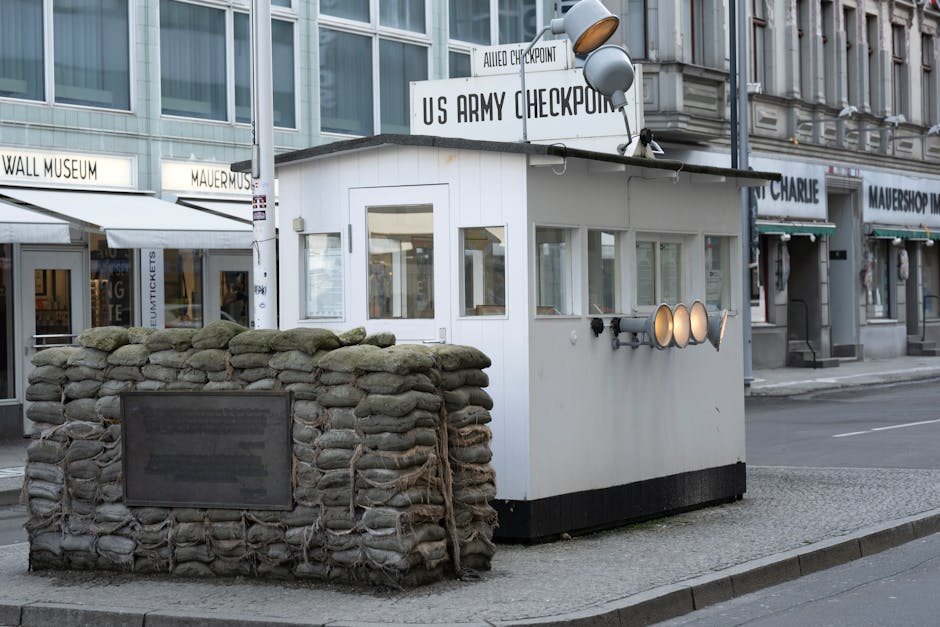
Explore the sites of Nazi power and the memorials that honor its victims on this self-guided walk through Berlin's historic Wilhelmstraße district.
 Moderate
Berlin, Germany
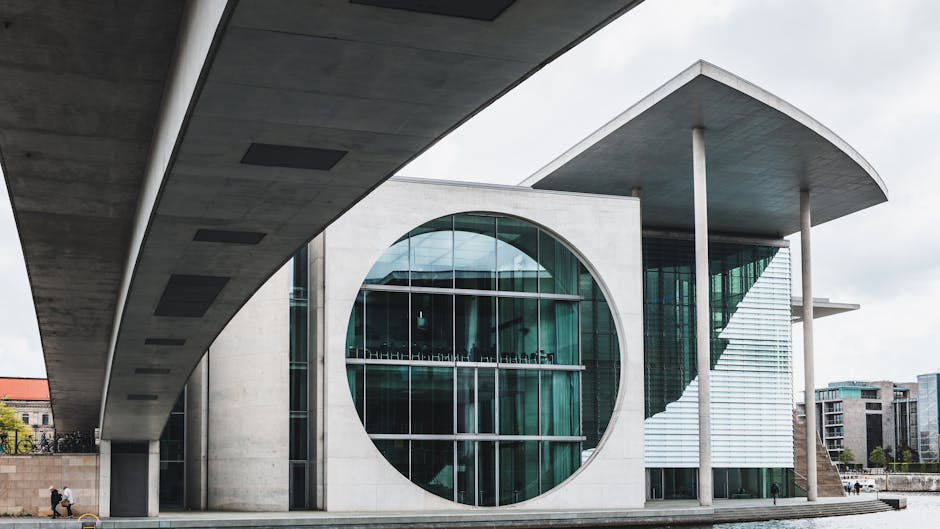
Explore Berlin’s 'Green Heart' on a self-guided walk through royal history, Cold War memorials, and serene lakeside gardens.
 Moderate
Berlin, Germany
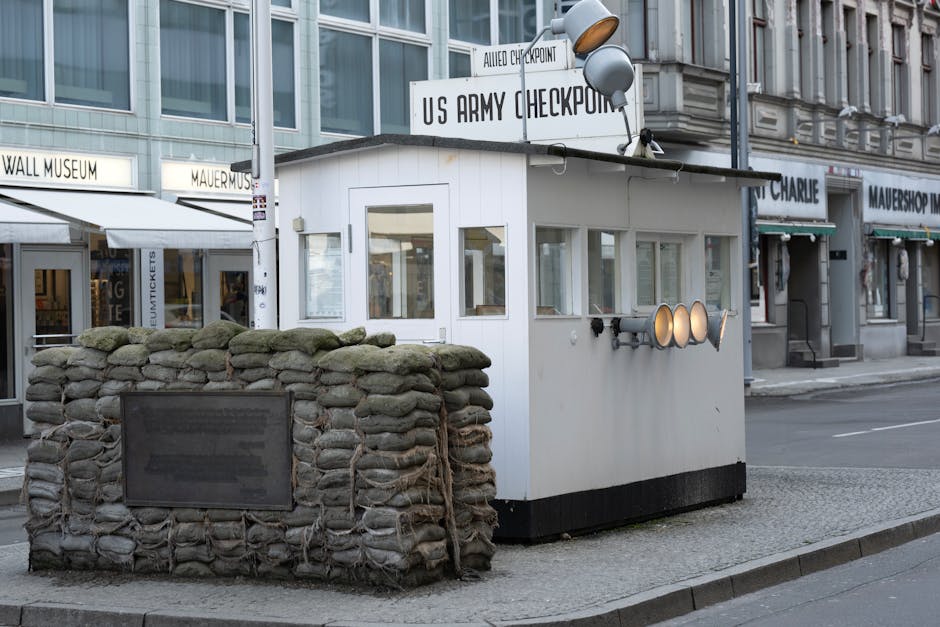
Discover the legacy of the Berlin Wall on this self-guided walk from historic ghost stations to the vibrant street art and cafes of Mauerpark.
 Easy
EasyBerlin, Germany
Discover the soul of 1920s Berlin on a self-guided walk through Charlottenburg’s iconic literary cafes, historic theaters, and artistic landmarks.