Self-guided audio tour in Cologne
Start Free on iPhone
Start free on iPhone to unlock this self-guided walking tour in Cologne. Hear all the stories that make it amazing, walk at your own pace, and begin whenever you want.
Your Private Tour Guide
Cologne is a city of layers, where Roman ruins rest beneath Gothic spires and the scent of history lingers in the air. This self-guided walk explores the aromatic legacy of the world’s most famous fragrance: Eau de Cologne. Beyond the iconic Cathedral, the winding streets of Altstadt-Nord reveal a narrative of innovation, rivalry, and elegance that spans over three centuries. Starting at the historic Farina House, you will discover where Giovanni Maria Farina first captured the essence of an Italian spring morning in a bottle in 1709, forever changing the world of perfumery. This walking route is perfect for those who want to see Cologne through a different lens, focusing on the cultural and sensory milestones that define the city. You will pass by the majestic Historisches Rathaus, Germany’s oldest city hall, and navigate the Hohe Straße, a street that has served as a primary thoroughfare since Roman times. The walk concludes at the ornate Dufthaus 4711, the site of a legendary brand that became a global household name. Along the way, you can admire the architectural evolution of the city, from the medieval Minoritenkirche to the modern museum quarters. This walking tour Cologne offers is designed for independent explorers who prefer to uncover stories at their own pace without the constraints of a group. Whether you are interested in the technical history of scent or the grand architecture of the Rhineland, this neighborhood stroll provides a rich, multi-sensory experience. It is a quintessential experience for anyone looking for a comprehensive guided tour Cologne alternative that prioritizes flexibility and deep historical context. Immerse yourself in the tales of French soldiers, Italian immigrants, and German entrepreneurs who made this city the fragrance capital of the world.
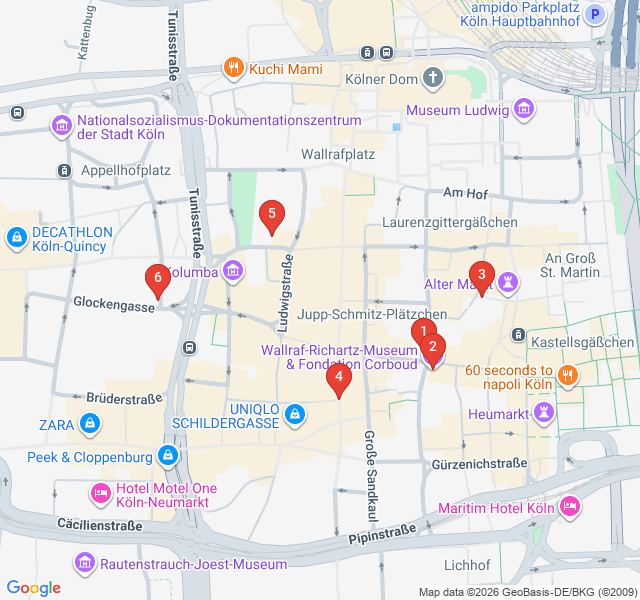
Numbers indicate the order of stops on the tour.
Welcome to the very spot where the story of Eau de Cologne began. In 1709, an Italian immigrant named Giovanni Maria Farina created a fragrance that he described as 'an Italian spring morning after the rain.' At the time, heavy musk scents were common, but Farina’s light, citrusy blend was a revolution. This building is the oldest fragrance factory in the world still standing. As you stand outside this elegant house, imagine the 18th-century nobility who traveled from across Europe just to purchase a single vial of this 'Aqua di Colonia.' Farina’s success was so great that his name became synonymous with the scent itself, laying the foundation for Cologne's identity as a global hub of perfumery.
Just steps away from the perfume museum, you encounter one of Germany’s premier art galleries. While the museum itself houses an incredible collection of medieval, Baroque, and Impressionist art, its location is historically significant to the neighborhood's layout. The building stands near the site of an old Jesuit college, reflecting the deep religious and educational roots of the city. The architecture of the current museum, designed by Oswald Mathias Ungers, is a masterclass in modern geometry, contrasting beautifully with the surrounding historic structures. Even if you don't head inside today, take a moment to appreciate how Cologne integrates its artistic heritage with the daily rhythm of the modern city.
You are now standing before the Historisches Rathaus, the oldest city hall in Germany. Its history dates back over 800 years, though the most striking feature you see is the Renaissance loggia, added in the 1570s. Look closely at the intricate sculptures on the tower; they represent famous figures from Cologne’s history, from Roman emperors to local heroes. This building has survived wars and reconstructions, serving as the seat of local government through centuries of change. It was here that the city's power was solidified, and it remains a symbol of civic pride. The nearby archaeological zone also reveals the ruins of the Roman Praetorium, reminding us that Cologne was a regional capital long before the first bottle of perfume was ever filled.
As you walk onto Hohe Straße, you are literally walking in the footsteps of Roman legionnaires. Known in antiquity as the Cardo Maximus, this was the main north-south axis of the Roman city of Colonia Claudia Ara Agrippinensium. Today, it is one of Germany’s busiest shopping streets, but its narrow width and straight alignment are direct legacies of its ancient past. During the 19th century, this street was the height of fashion, lined with luxury boutiques that catered to the wealthy travelers who came to the city for its famous waters and scents. It serves as a bridge between the city's Roman foundations and its vibrant, commercial present.
Tucked away from the shopping crowds is the Minoritenkirche, a peaceful Gothic church that offers a moment of reflection. Built in the 13th century, it is the final resting place of two significant historical figures: the medieval philosopher John Duns Scotus and the social reformer Adolf Kolping. The church’s architecture is characterized by its simple, elegant lines, typical of the Franciscan order that founded it. In a city often defined by the scale of its Cathedral, the Minoritenkirche represents the quieter, more spiritual side of Cologne’s history. Its survival through the heavy bombings of World War II is a testament to the resilience of the local community and their dedication to preserving their cultural heritage.
The final stop on this self-guided adventure is the world-famous House of 4711. The name '4711' comes from the house number assigned during the French occupation of Cologne in 1794. Legend says a French soldier wrote the number on the door while on horseback. Unlike the exclusive Farina, 4711 brought Eau de Cologne to the masses, becoming a staple in households worldwide. If you are here at the top of the hour, listen for the Glockenspiel, which plays the Marseillaise and other melodies while figures of French soldiers rotate. Inside, the 'fragrance fountain' allows you to experience the scent in its purest form. It is the perfect conclusion to a journey through the scents that made Cologne famous.
Start Free on iPhone
Explore “The Scent of History: Birthplace of Eau de Cologne” with your very own Private Tour Guide with Zigway. Start free on iPhone, skip the large group and the fixed routes, and hear the city come alive as you go.
Your Private Tour Guide
Don't miss the good stuff
Explore Freely
 Easy
EasyCologne, Germany
Explore ancient Colonia. Discover Roman ruins, imperial palaces, and hidden monuments on this self-guided walk through Cologne's historic heart.
 Easy
EasyCologne, Germany
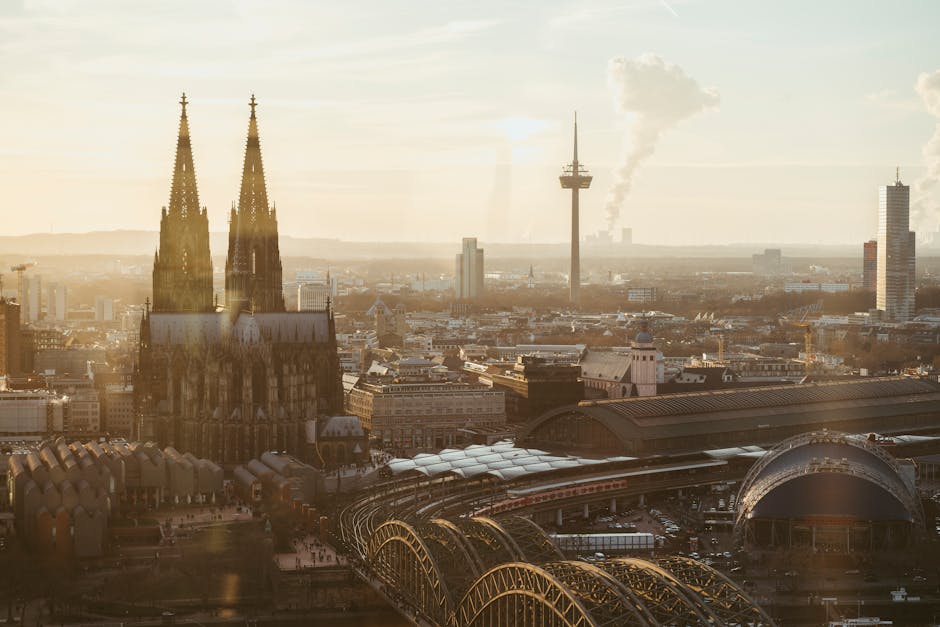
Discover 2,000 years of Jewish history in Cologne, from Roman roots and medieval ritual baths to modern resilience and poignant memorials.
 Easy
EasyCologne, Germany
Discover the legends and liquid gold of Cologne’s Altstadt on this self-guided walking route through historic breweries and ancient squares.
 Moderate
Cologne, Germany
Discover the heart of Cologne's Südstadt. Explore medieval gates, Romanesque churches, and vibrant local life on this self-guided neighborhood walk.
 Easy
EasyGothenburg, Sweden
Discover Gothenburg’s 17th-century Dutch foundations, historic canals, and military fortifications on this self-guided architectural walk.
 Easy
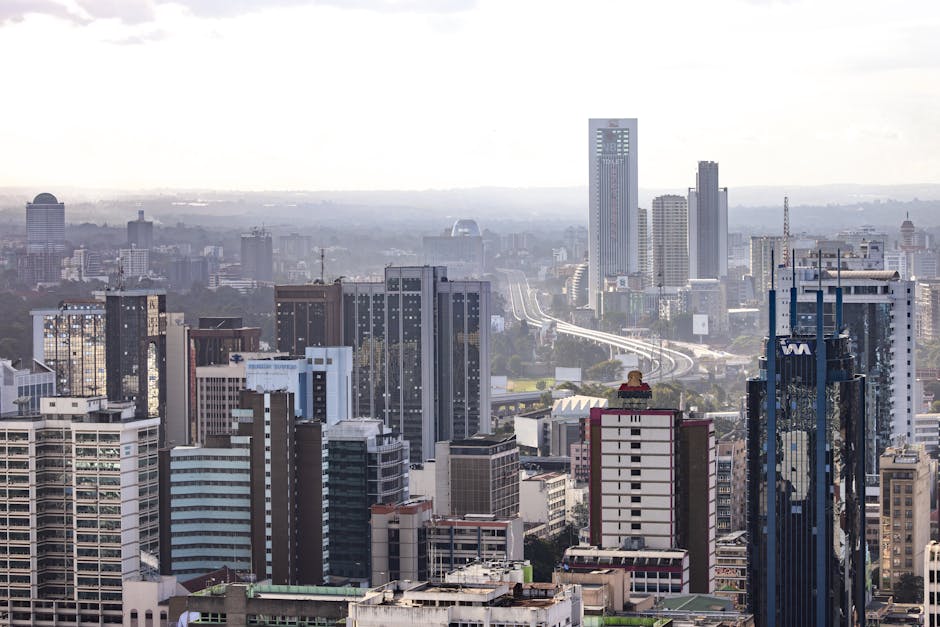
EasyNairobi, Kenya
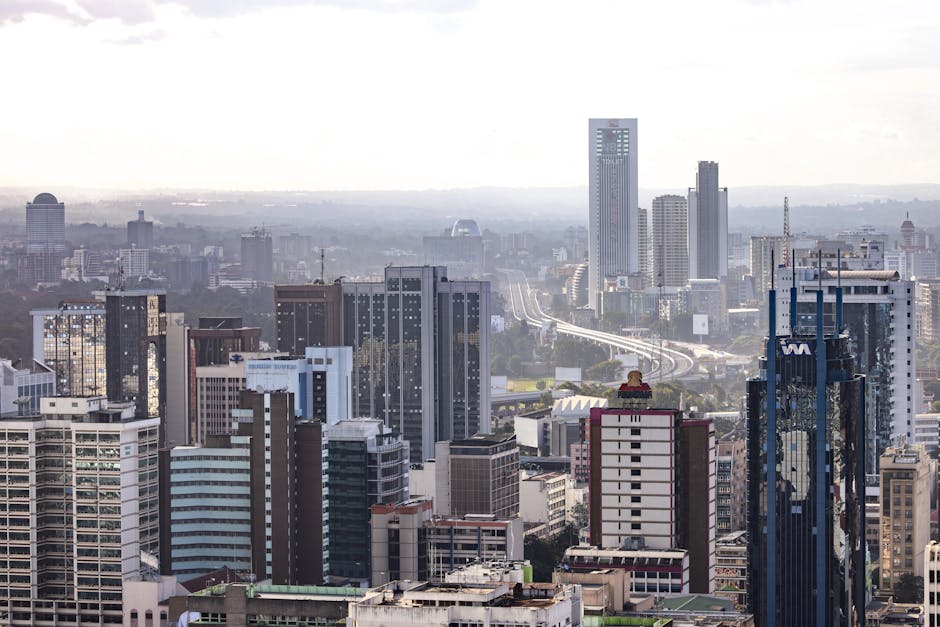
Explore Nairobi's architectural evolution from colonial-era landmarks to iconic Brutalist skyscrapers on this historic self-guided walking route.
 Easy
EasyNairobi, Kenya
Discover Nairobi's iconic skyline on this self-guided architecture walk through the CBD’s most famous modernist and Brutalist landmarks.
 Easy
EasyKrakow, Poland
Explore the historic heart of Kazimierz on this self-guided walk through synagogues, ancient cemeteries, and vibrant squares.
 Easy
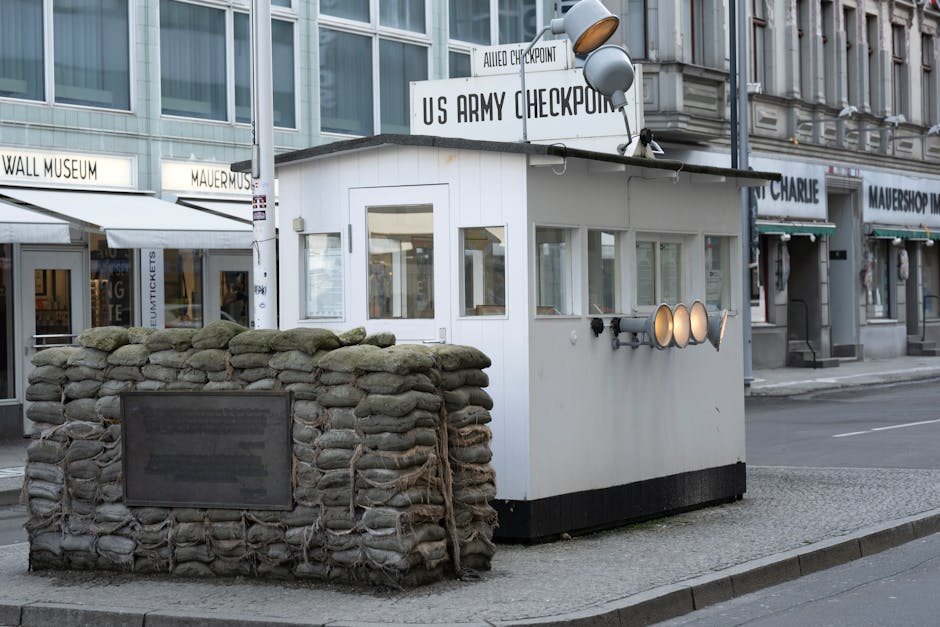
EasyBerlin, Germany
Explore the sites of Nazi power and the memorials that honor its victims on this self-guided walk through Berlin's historic Wilhelmstraße district.
 Moderate
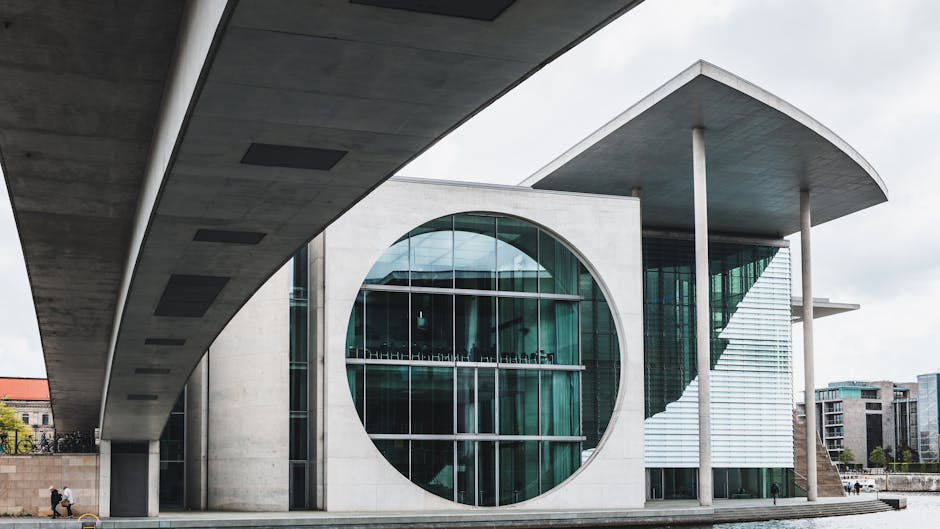
Berlin, Germany
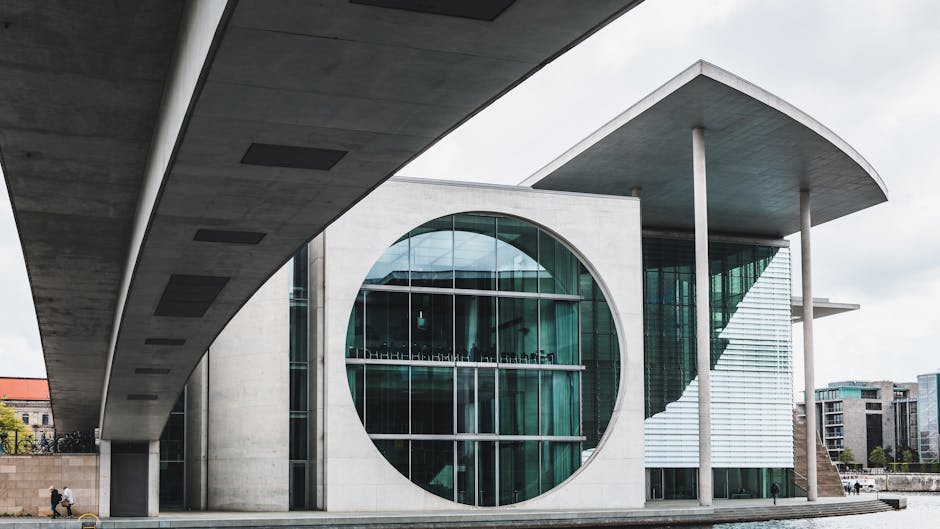
Explore Berlin’s 'Green Heart' on a self-guided walk through royal history, Cold War memorials, and serene lakeside gardens.
 Moderate
Berlin, Germany
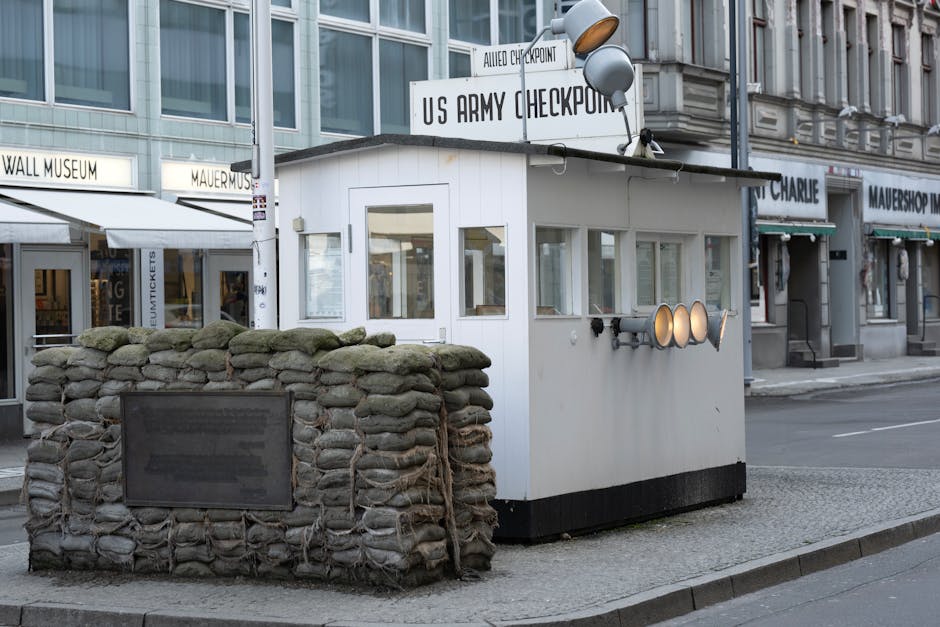
Discover the legacy of the Berlin Wall on this self-guided walk from historic ghost stations to the vibrant street art and cafes of Mauerpark.
 Easy
EasyBerlin, Germany
Discover the soul of 1920s Berlin on a self-guided walk through Charlottenburg’s iconic literary cafes, historic theaters, and artistic landmarks.