Self-guided audio tour in Hamburg
Start Free on iPhone
Start free on iPhone to unlock this self-guided walking tour in Hamburg. Hear all the stories that make it amazing, walk at your own pace, and begin whenever you want.
Your Private Tour Guide
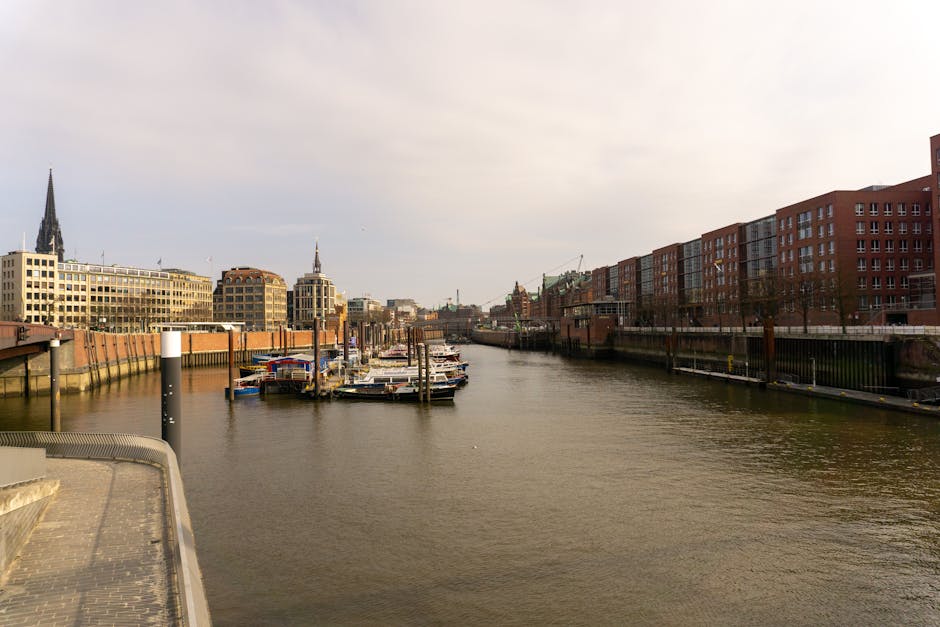
Hamburg is a city defined by its relationship with the water, and there is no better way to experience this connection than by following the Elbe River from the ultramodern HafenCity to the historic floating piers of Landungsbrücken. This self-guided walk offers a masterclass in architectural evolution, contrasting the sleek glass of the 21st century with the weathered steel and brick of Hamburg’s maritime golden age. As you embark on this neighborhood stroll, you will witness how a former industrial port has transformed into a vibrant cultural hub without losing its gritty, seafaring soul. The route begins at Am Kaiserkai, where the innovative design of HafenCity sets a contemporary tone. From here, you will reach the iconic Elbphilharmonie, a landmark that has redefined the city's skyline. This walking route then leads you along the harbor front, known locally as the 'Kulturmeile' or cultural mile, where historic museum ships like the Cap San Diego and Rickmer Rickmers are permanently moored. These vessels serve as steel monuments to a time when Hamburg was the gateway to the world for millions of travelers. Photography enthusiasts will find endless inspiration in the play of light on the water and the dramatic angles of the harbor cranes. Whether you are capturing the shimmering facade of the 'Elphi' or the industrial symmetry of the Alter Elbtunnel, this walk provides the best vantage points in the city. By choosing this self-guided adventure, you can linger at the viewpoints that interest you most, perhaps stopping for a traditional 'Fischbrötchen' (fish roll) while watching the massive container ships navigate the Elbe. This is more than just a walking tour Hamburg offers; it is a deep dive into the maritime identity of Germany’s most famous port city, allowing you to explore at your own pace and discover the stories hidden behind the harbor’s most famous vistas.
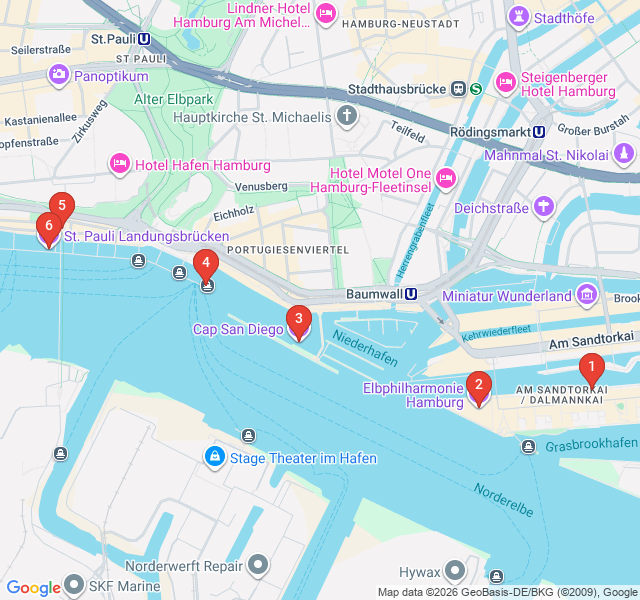
Numbers indicate the order of stops on the tour.
Welcome to HafenCity, Europe's largest inner-city urban development project. Am Kaiserkai represents the modern face of Hamburg, where former harbor basins have been replaced by high-concept residential and office buildings. As you walk along the quay, notice how the architecture mimics the maritime environment—some buildings resemble ship hulls, while others use glass to reflect the shifting colors of the Elbe. This area was once part of the free port, a restricted zone filled with warehouses. Today, it is an open, airy neighborhood that bridges the gap between the historic Speicherstadt and the active industrial harbor you see across the water.
Standing before you is the Elbphilharmonie, affectionately known as the 'Elphi.' Completed in 2016, this concert hall is built atop the Kaispeicher A, a former cocoa and coffee warehouse. The glass structure above resembles a cresting wave or a ship's sails, consisting of over 1,000 curved glass panes. It isn't just a music venue; it is a city within a city, housing a hotel and apartments. The Plaza, the public viewing platform located at the junction between the old brick and the new glass, offers a 360-degree view of the city and the harbor, symbolizing Hamburg's transition from an industrial powerhouse to a cultural capital.
This elegant white vessel is the Cap San Diego, the world's largest seaworthy cargo museum ship. Built in 1961, she was part of a fleet of six ships known as the 'White Swans of the South Atlantic,' which transported manufactured goods to South America and returned with coffee, cotton, and beef. In an era before standardized shipping containers, ships like this required a massive crew and days of manual labor to load and unload. Today, she remains a perfectly preserved example of mid-century maritime engineering, still capable of sailing and serving as a reminder of the human element that once powered this port.
The Rickmer Rickmers is an iconic part of Hamburg's skyline. This three-masted steel barque was launched in 1896 and has lived many lives: a merchant vessel carrying rice from the East Indies, a coal ship for the British Navy, and a training ship for the Portuguese Navy. Her green hull and towering masts represent the pinnacle of the age of sail, just before steam engines took over the oceans. If you look closely at the figurehead, you will see a representation of the Rickmers family's grandson. The ship returned to Hamburg in 1983 and now stands as a monument to the city’s long-distance trade history.
Hidden beneath the green copper dome is the entrance to the Alter Elbtunnel, or Old Elbe Tunnel. Opened in 1911, this was a technical sensation—the first river tunnel on the continent. It was designed to allow dockworkers to reach the shipyards on the south bank of the Elbe without relying on ferries. Instead of ramps, cars and pedestrians are lowered into the depths via massive elevators. Inside, the 426-meter-long tunnels are decorated with charming terra cotta tiles depicting fish, crabs, and harbor life. It remains a functional piece of infrastructure and a nostalgic journey into Hamburg's industrial past.
Our walk concludes at the St. Pauli Landungsbrücken, the floating piers. Because the Elbe is tidal, these piers were built on pontoons that rise and fall with the water, connected to the shore by bridges. Since 1839, this has been a primary terminal for steamships and later, the great Atlantic liners. Today, it is the heart of Hamburg's maritime tourism. You can hear the cry of gulls, the deep horns of departing ships, and the call of vendors selling fish rolls. From here, the city opens up: the Reeperbahn is just up the hill, and the harbor ferries can whisk you away to see the container terminals up close.
Start Free on iPhone
Explore “Harbor Vistas: Landungsbrücken to Elbphilharmonie” with your very own Private Tour Guide with Zigway. Start free on iPhone, skip the large group and the fixed routes, and hear the city come alive as you go.
Your Private Tour Guide
Don't miss the good stuff
Explore Freely
 Easy
EasyHamburg, Germany
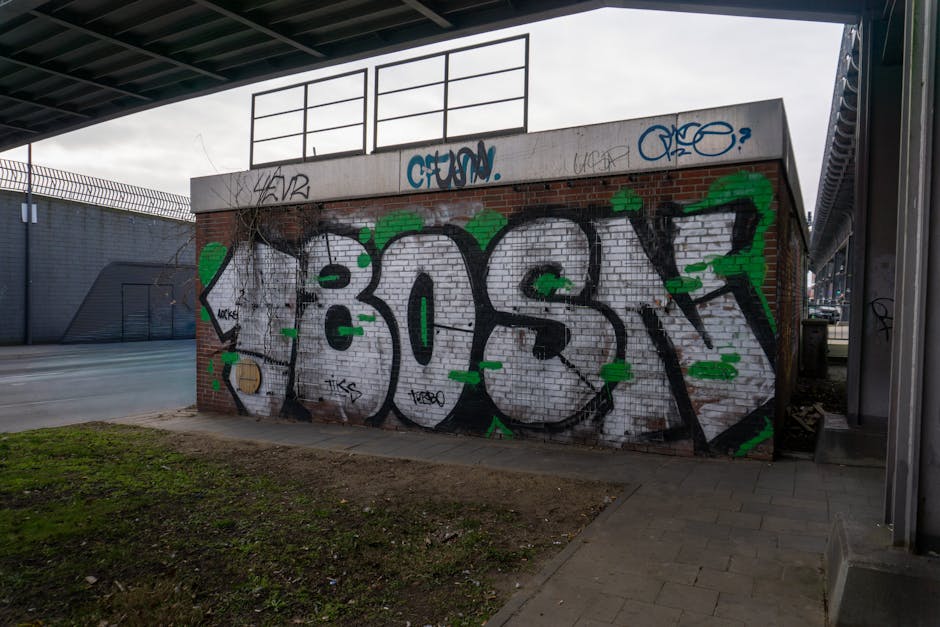
Explore the rebellious heart of Hamburg on a self-guided walk through Sternschanze, featuring iconic murals and radical social history.
 Easy
EasyHamburg, Germany
Discover Hamburg's UNESCO-listed warehouse district and stunning Brick Gothic architecture on this self-guided stroll through the Speicherstadt.
 Easy
EasyHamburg, Germany
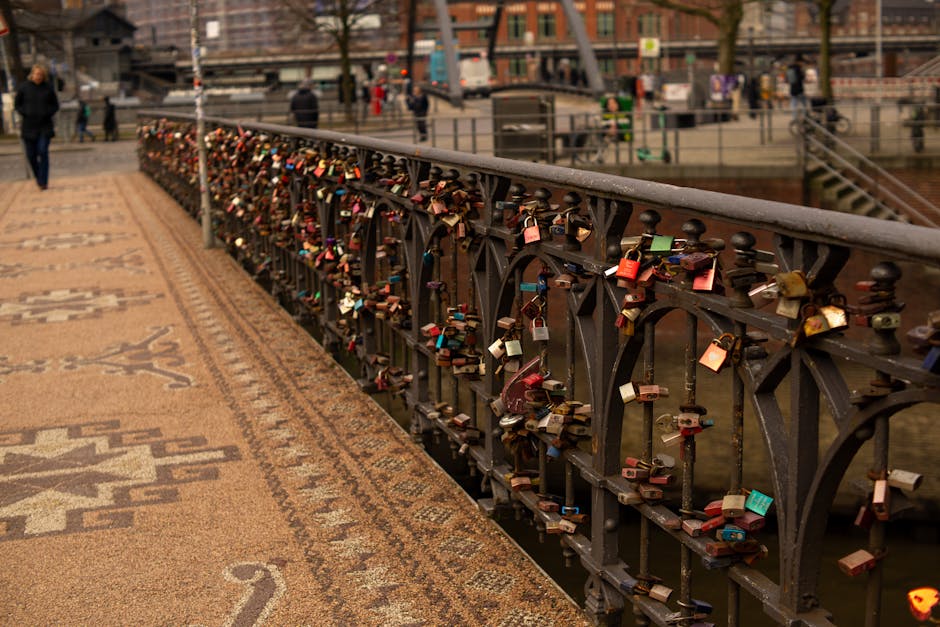
Explore Hamburg's most diverse district, where luxury hotels meet vibrant LGBTQ+ culture and historic art museums on this self-guided audio walk.
 Easy
EasyHamburg, Germany
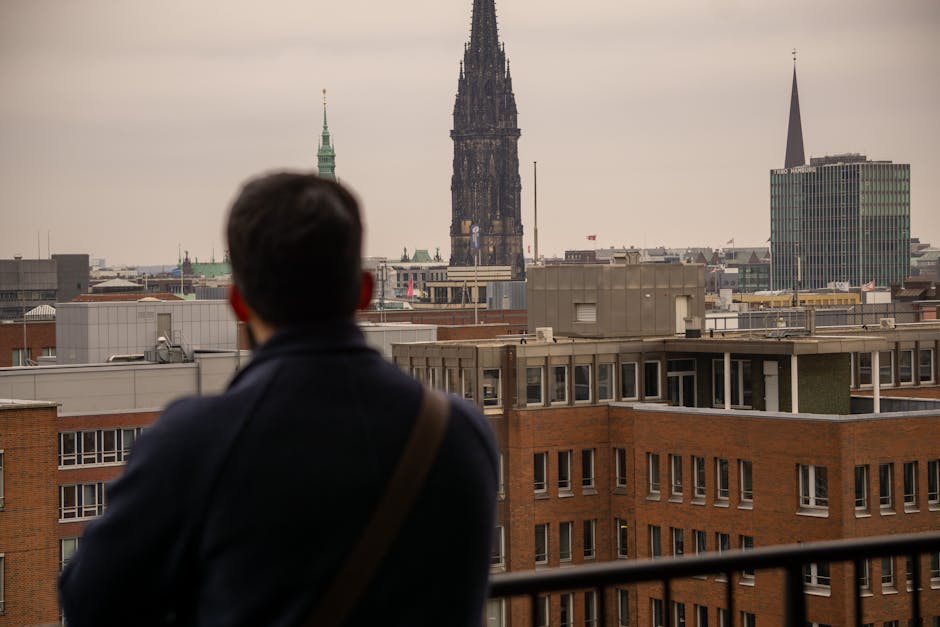
Explore the neon-lit legends of Hamburg's St. Pauli on this self-guided audio walk through the Reeperbahn’s history, music, and nightlife.
 Easy
EasyGdansk, Poland
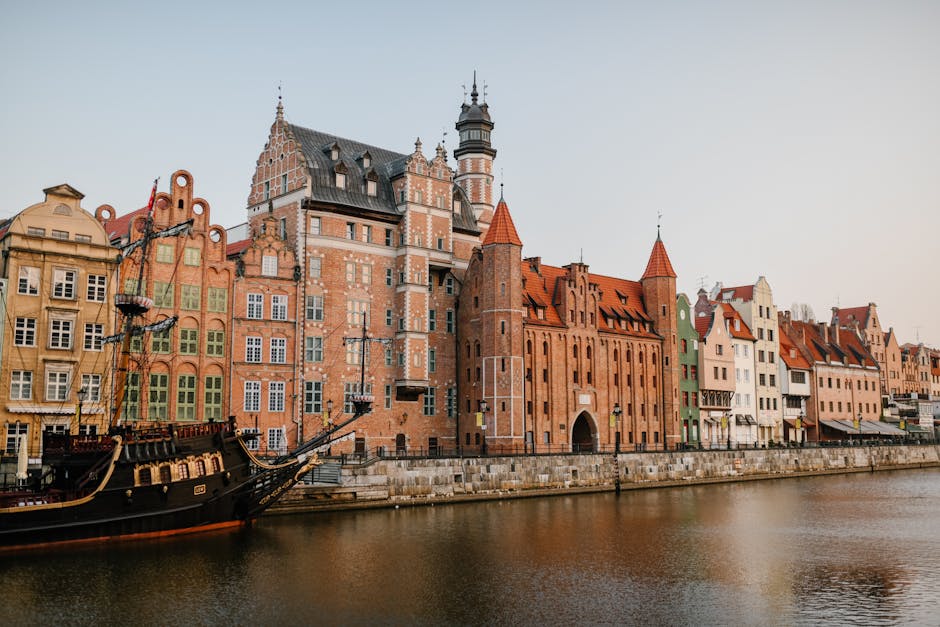
Discover the 'Baltic Gold' on this self-guided walk through Gdansk's historic mills, massive cathedrals, and the magical Mariacka Street.
 Easy
EasyGothenburg, Sweden
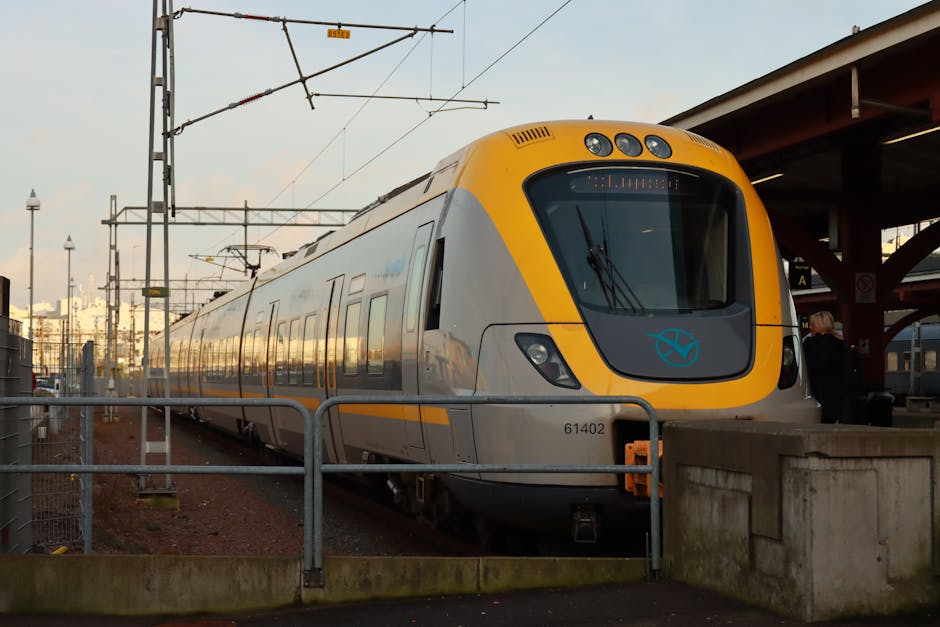
Discover Gothenburg’s 17th-century Dutch foundations, historic canals, and military fortifications on this self-guided architectural walk.
 Easy
EasyGdansk, Poland
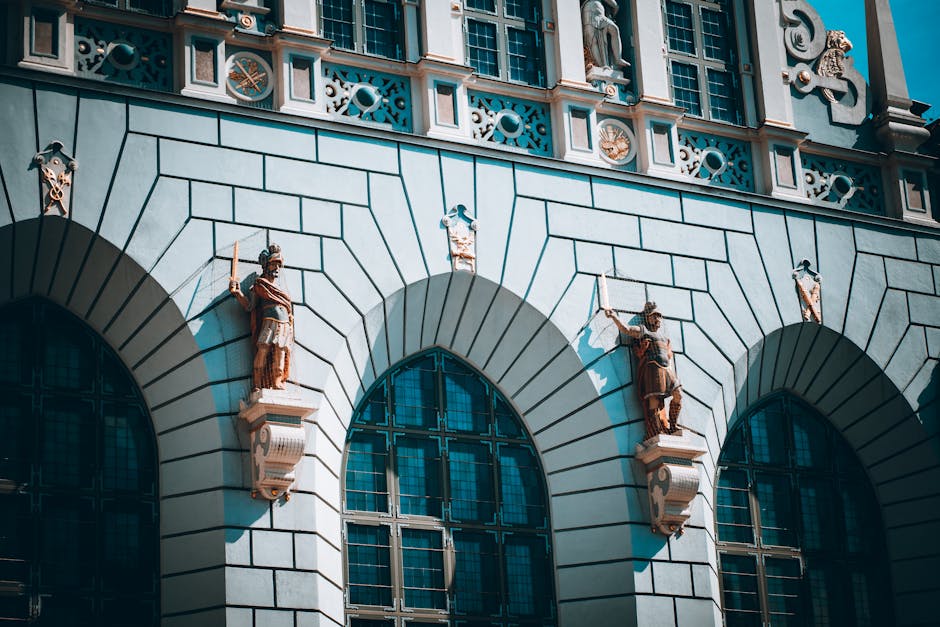
Discover the opulent Royal Way of Gdansk at your own pace. Explore Hanseatic history, gilded architecture, and the iconic Neptune's Fountain.
 Easy
EasyWarsaw, Poland
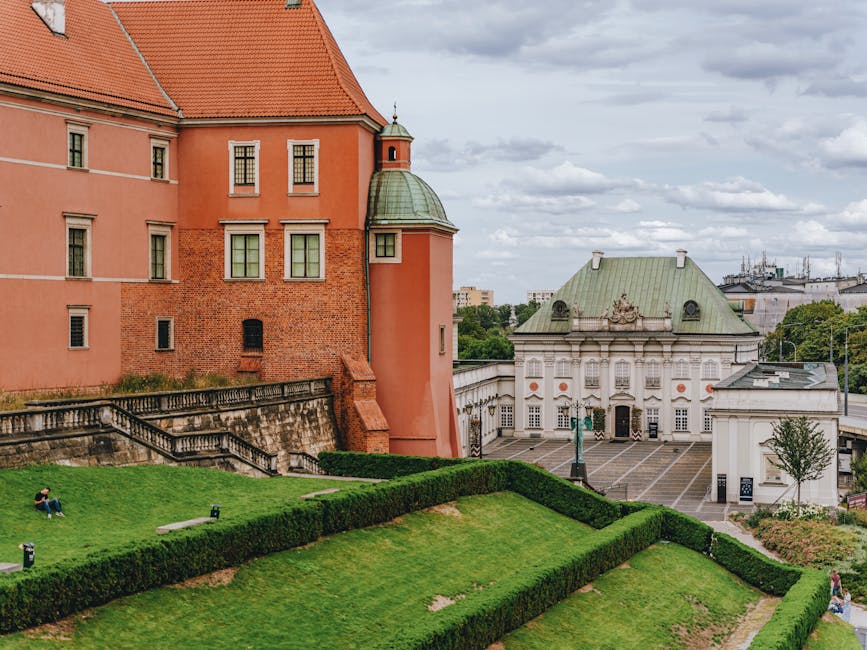
Explore the miracle of Warsaw's reconstructed Old Town on this self-guided walk through royal squares, medieval walls, and heroic monuments.
 Easy
EasyBerlin, Germany
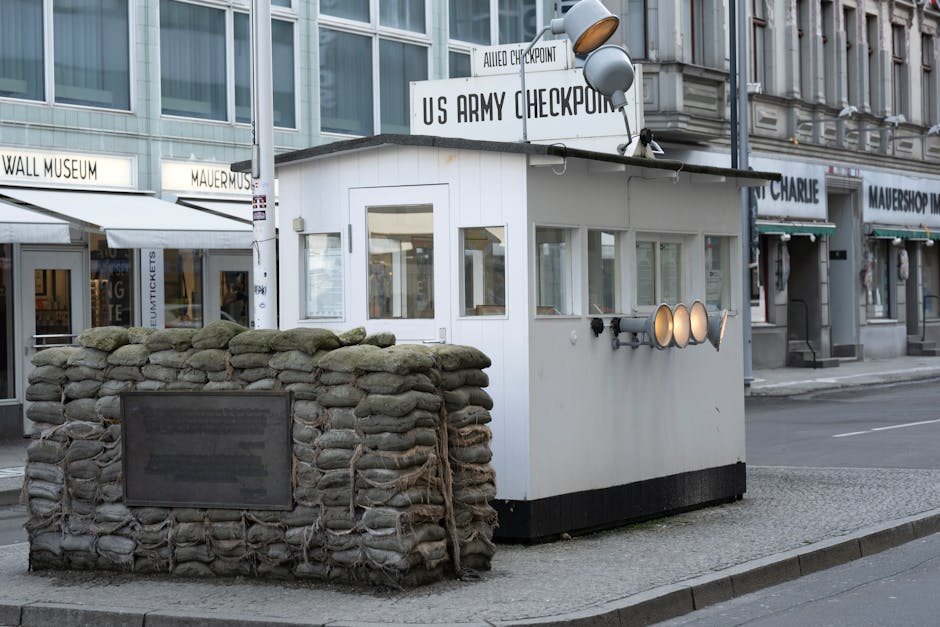
Explore the sites of Nazi power and the memorials that honor its victims on this self-guided walk through Berlin's historic Wilhelmstraße district.
 Moderate
Berlin, Germany
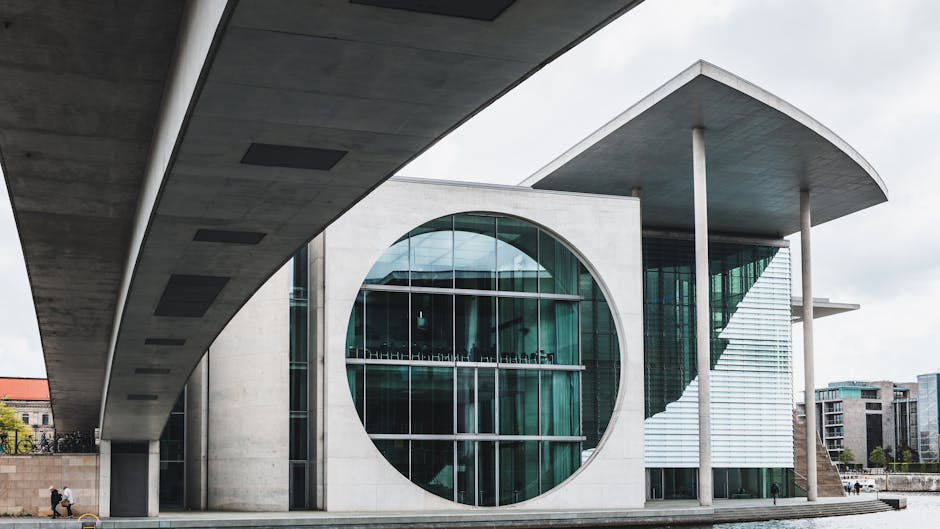
Explore Berlin’s 'Green Heart' on a self-guided walk through royal history, Cold War memorials, and serene lakeside gardens.
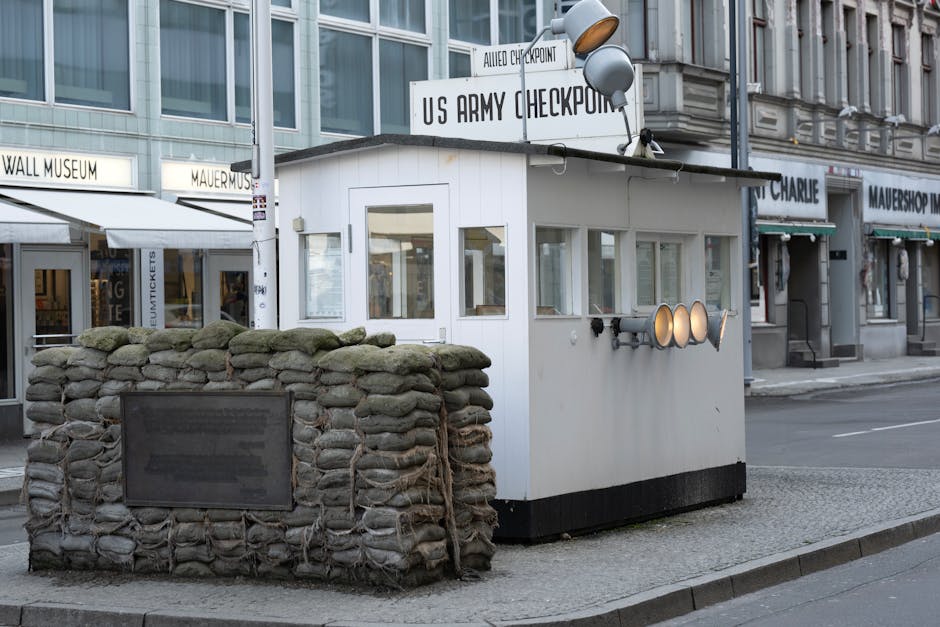 Moderate
Berlin, Germany
Discover the legacy of the Berlin Wall on this self-guided walk from historic ghost stations to the vibrant street art and cafes of Mauerpark.
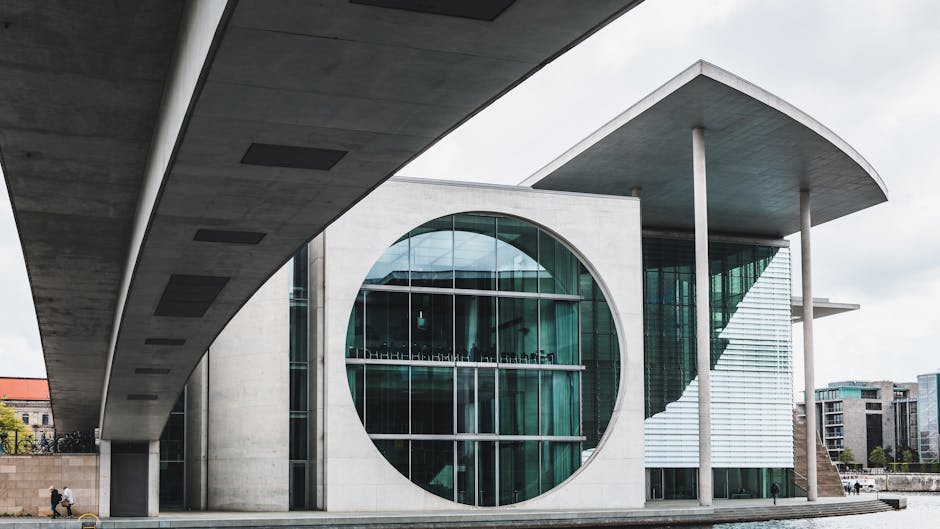 Easy
EasyBerlin, Germany
Discover the soul of 1920s Berlin on a self-guided walk through Charlottenburg’s iconic literary cafes, historic theaters, and artistic landmarks.