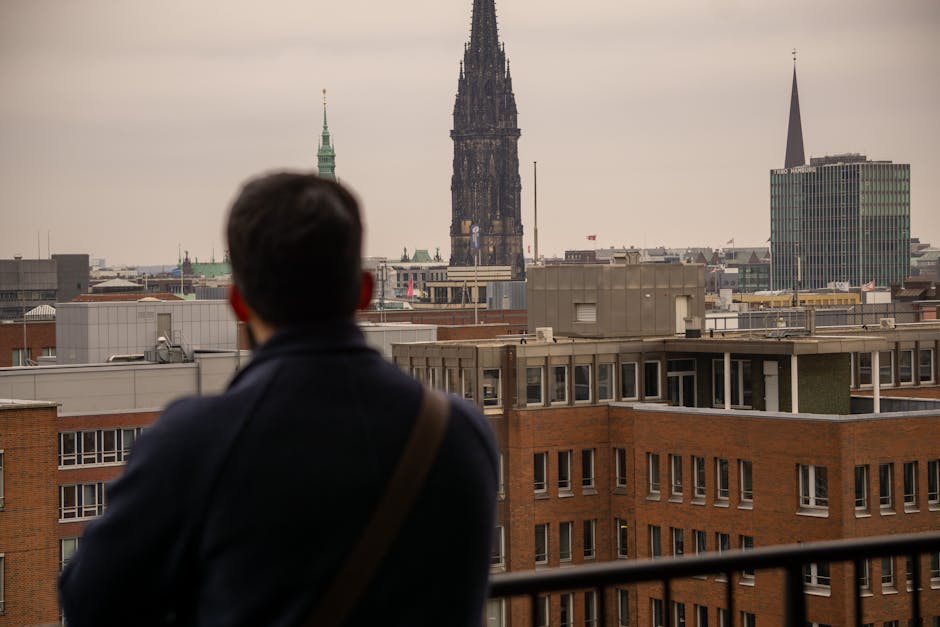
Self-guided audio tour in Hamburg
Start Free on iPhone
Start free on iPhone to unlock this self-guided walking tour in Hamburg. Hear all the stories that make it amazing, walk at your own pace, and begin whenever you want.
Your Private Tour Guide
Step into the neon-lit heart of Hamburg’s most famous district with this self-guided walk through St. Pauli. Known worldwide as the 'Sinful Mile,' the Reeperbahn is a place where maritime history, rebellious subcultures, and musical legends collide. This walking route takes you beyond the surface-level grit to reveal the stories of a neighborhood that never sleeps. You will explore the evolution of St. Pauli from a prohibited settlement outside Hamburg’s city walls to one of the most famous entertainment districts on the planet. Discover the origins of the Beatles at the very clubs where they 'grew up,' stand before the most famous police station in Germany, and learn about the unique social fabric that makes this area a symbol of freedom and tolerance. Whether you are interested in the storied history of sailors looking for a good time or the modern-day vibrant nightlife, this neighborhood stroll offers a comprehensive look at the legends of the Kiez. Along the way, you will see how the area's industrial heritage as a port district shaped its identity, creating a melting pot of cultures and ideas. This is not just a night out; it is a journey through the cultural soul of Hamburg. Start exploring with Zigway and uncover the secrets of the Große Freiheit and the hidden history behind the world's most famous red-light district. For those looking for a walking tour Hamburg experience that offers flexibility and depth, this audio walk provides the perfect balance of historical context and local atmosphere. Explore independently and at your own pace, soaking in the sights and sounds of a district that has inspired artists, musicians, and rebels for decades.
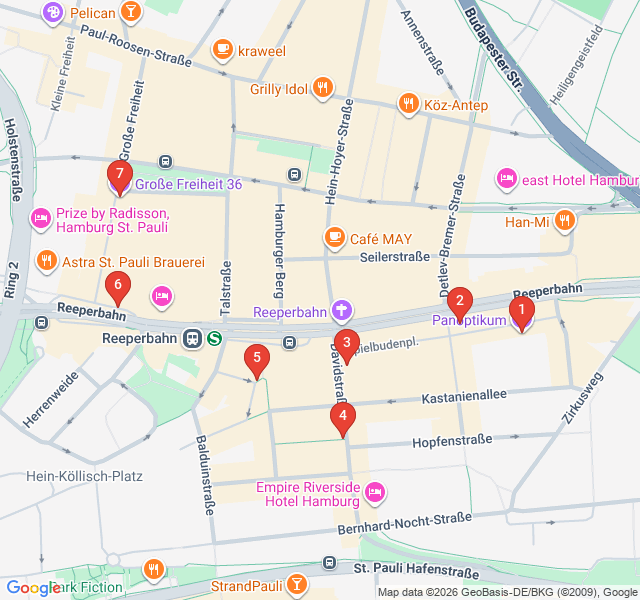
Numbers indicate the order of stops on the tour.
Begin your self-guided adventure at the Panoptikum, Germany's oldest wax museum, founded in 1879. This institution has survived fires, wars, and the changing tastes of the public, remaining a staple of St. Pauli for over 140 years. Unlike the glossy corporate wax museums of today, the Panoptikum retains a unique, slightly eerie charm that reflects the neighborhood's long history of oddities and entertainment. Inside, historical figures like Frederick the Great stand alongside modern German celebrities and international stars. It serves as a reminder that before the Reeperbahn was a center for nightlife, it was a place for 'panoramas' and 'curiosity cabinets' that drew crowds from across the city. The museum's facade itself is a landmark of the Spielbudenplatz area.
Spielbudenplatz is the historic heart of St. Pauli’s entertainment. Its name translates to 'Play Booth Square,' referencing the wooden huts where performers and jugglers once entertained the masses in the 1700s. Today, this long, open plaza serves as a stage for everything from food truck festivals and night markets to the famous 'Santa Pauli' Christmas market. As you walk across the square, look for the 'Dancing Towers' at the eastern end—modern skyscrapers that mimic a couple dancing the tango. This area has always been a space of transition, where the rigid laws of the city met the loose freedoms of the port. It is the perfect spot to observe the local characters that make the Kiez so colorful.
You are now standing before the Davidwache, likely the most famous police station in Germany. This brick building, designed by Fritz Schumacher and completed in 1914, manages the smallest police precinct in Europe by area, but it is certainly one of the busiest. The station has gained legendary status through countless German films and TV series. Interestingly, the Beatles have a personal connection here; Paul McCartney and Pete Best spent a night in the cells in 1960 before being deported. The station stands as a symbol of order in a district known for its chaos, and the officers here are experts at navigating the unique challenges of the Reeperbahn's 'Sinful Mile.'
Herbertstraße is perhaps the most controversial and misunderstood street in Hamburg. Since the 19th century, it has been the center of the city's prohibited trade. The large metal gates at either end were installed by the authorities in 1933 to shield the activity from the main road. It is important to note that access is legally restricted to men over the age of 18; signs at the entrance clearly state that women and minors are not permitted to enter. This tradition, while debated, remains a part of the area's historical regulation. Even from the outside, the street represents the complex relationship between the city of Hamburg and its famous red-light district, highlighting the boundaries—both physical and social—that define St. Pauli.
This lively square is named after Hans Albers, the 'Blonde Hans,' who was Germany's most popular film star and singer in the 1930s and 40s. A statue of Albers, carrying an accordion, stands in the center of the plaza. He became a symbol of the seafaring life, with his songs about the Reeperbahn and the longing for the sea becoming unofficial anthems for the city. Surrounding the square are numerous pubs and bars that maintain an old-school St. Pauli vibe. It is a place where the maritime past feels very present, often echoing with the sounds of traditional sea shanties mixed with modern hits. This square serves as the gateway to the many side streets filled with local secrets.
At the intersection of the Reeperbahn and Große Freiheit, you’ll find Beatles-Platz. This circular plaza is designed to look like a giant vinyl record, featuring stainless steel silhouettes of the band members. It commemorates the crucial years between 1960 and 1962 when the Beatles played hundreds of shows in the nearby clubs. John Lennon famously said, 'I might have been born in Liverpool—but I grew up in Hamburg.' The silhouettes include a drummer who represents both Pete Best and Ringo Starr, acknowledging the transition the band made during their time here. It is a must-visit for any music lover, marking the spot where four young men from Liverpool transformed into global superstars.
The street name 'Große Freiheit' (Great Freedom) actually dates back to the 17th century, referring to the religious and commercial freedom granted to residents here when this area was still part of the Danish town of Altona. Today, it is famous for its music venues. Große Freiheit 36 is an iconic club that has hosted legends from Prince to modern rock bands. Nearby stood the Star-Club and the Indra, where the Beatles played their first-ever Hamburg gig. As you walk down this street, you are walking through the history of rock and roll. The neon signs and historic facades tell a story of a street that has seen every trend come and go while remaining the epicenter of Hamburg's nightlife.
Start Free on iPhone
Explore “The Sinful Mile: St. Pauli & Reeperbahn Legends” with your very own Private Tour Guide with Zigway. Start free on iPhone, skip the large group and the fixed routes, and hear the city come alive as you go.
Your Private Tour Guide
Don't miss the good stuff
Explore Freely
 Easy
EasyHamburg, Germany
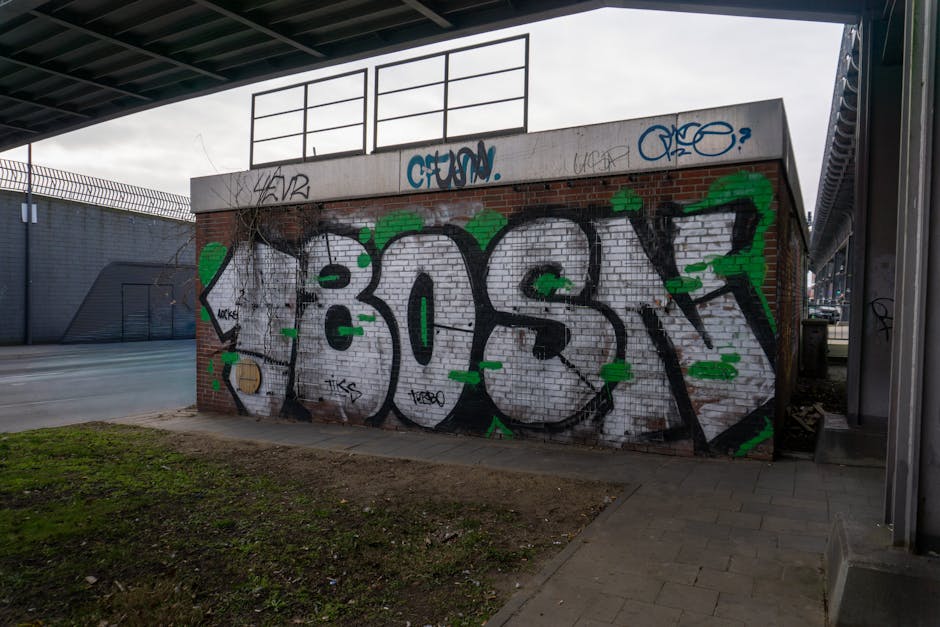
Explore the rebellious heart of Hamburg on a self-guided walk through Sternschanze, featuring iconic murals and radical social history.
 Easy
EasyHamburg, Germany
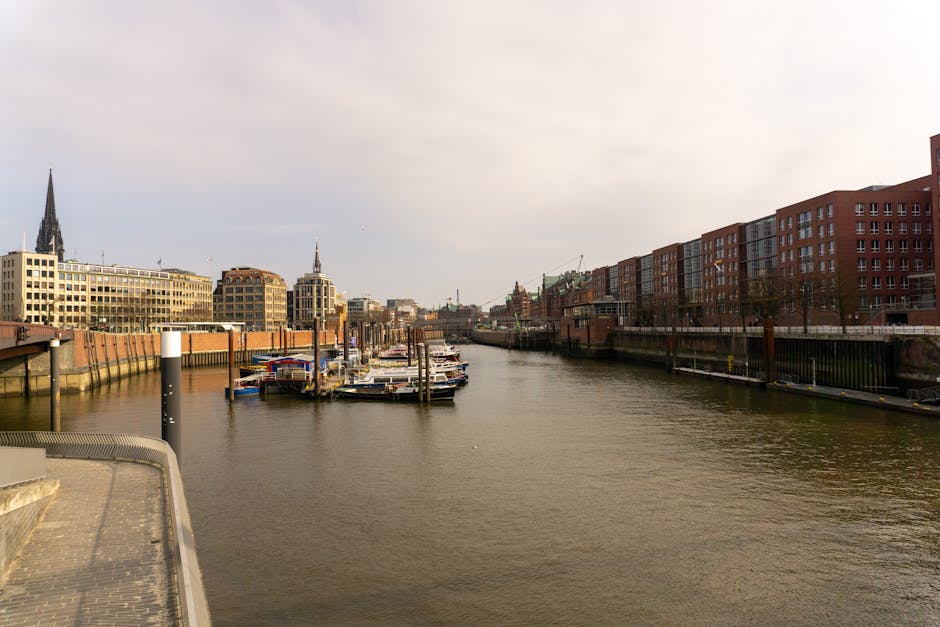
Discover Hamburg's UNESCO-listed warehouse district and stunning Brick Gothic architecture on this self-guided stroll through the Speicherstadt.
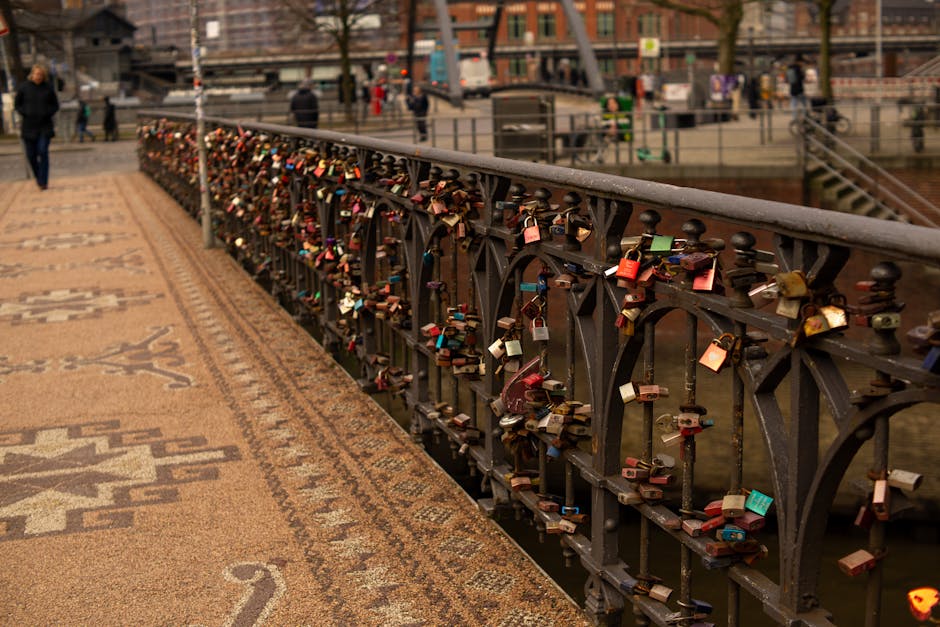 Easy
EasyHamburg, Germany
Explore Hamburg's most diverse district, where luxury hotels meet vibrant LGBTQ+ culture and historic art museums on this self-guided audio walk.
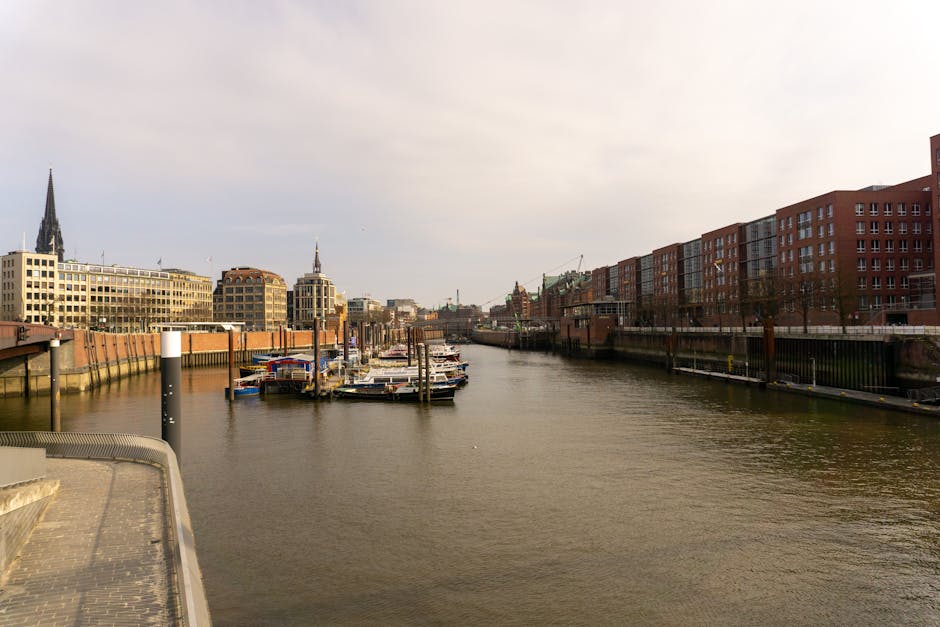 Moderate
Hamburg, Germany
Discover Hamburg’s elegant waterfront on this self-guided walk from the bustling Jungfernstieg to the tranquil gardens of the Alsterpark.
 Easy
EasyNairobi, Kenya
Explore the history of Kenya’s independence through the statues, monuments, and parks that define Nairobi’s political heart on this self-guided walk.
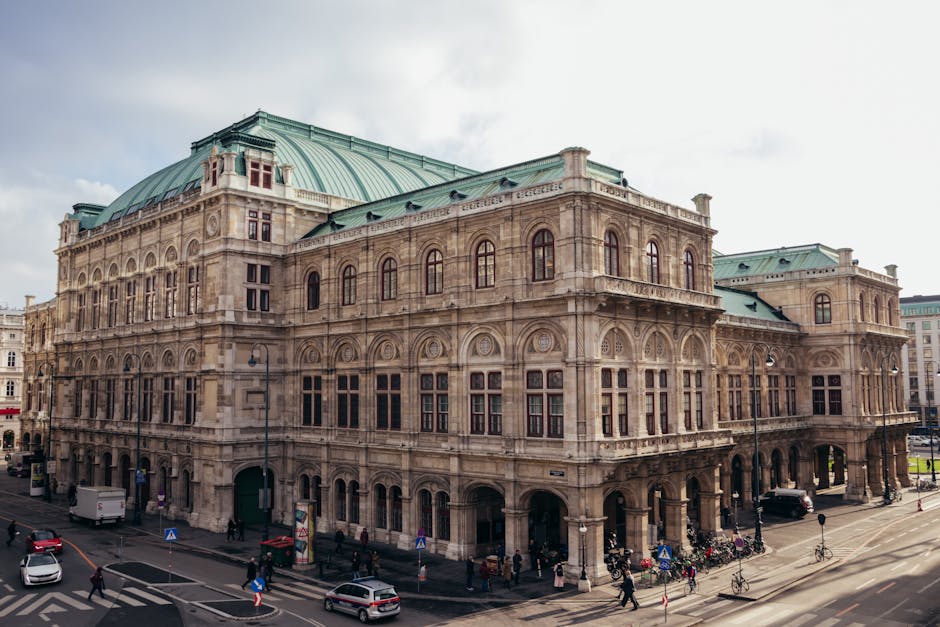 Moderate
Vienna, Austria
Discover the noir world of The Third Man and Cold War Vienna on this atmospheric self-guided audio walk through the historic Innere Stadt.
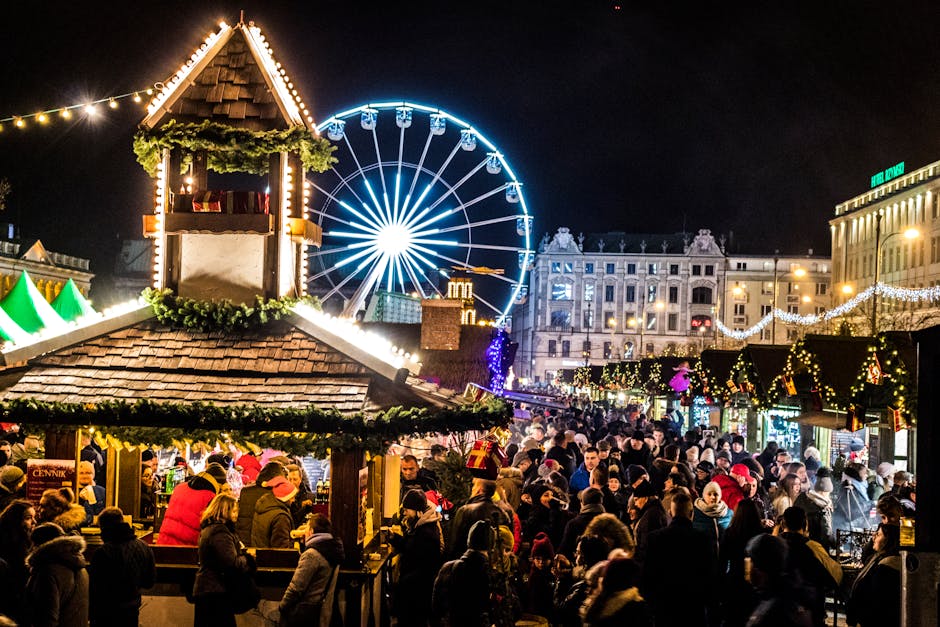 Easy
EasyKrakow, Poland
Explore Krakow's hidden nightlife with this self-guided walk through medieval cellars, jazz clubs, and bohemian bars in the Old Town and Kazimierz.
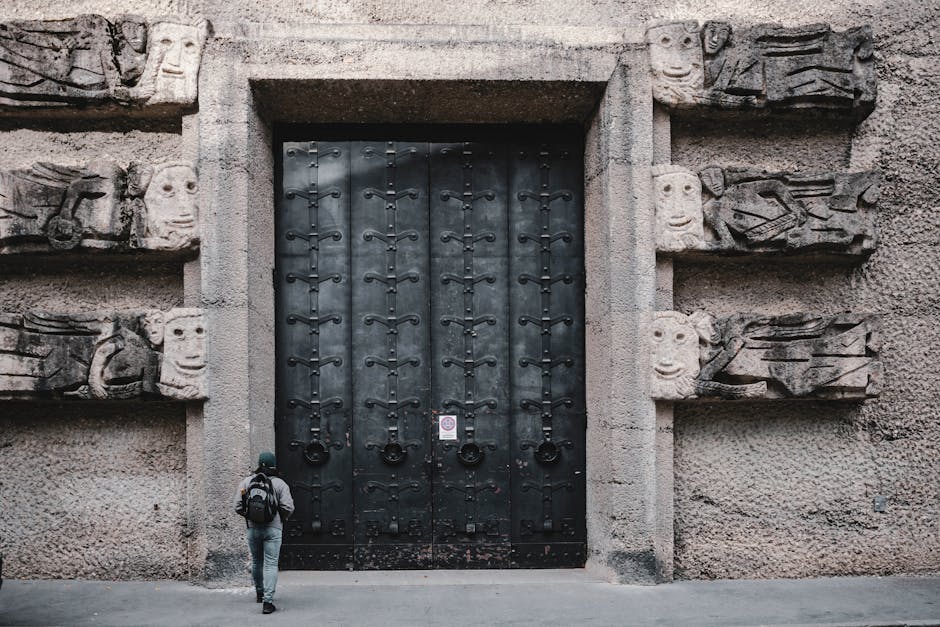 Easy
EasySalzburg, Austria
Discover the 'Rome of the North' on this self-guided walk through the Baroque squares and monumental legacy of Salzburg’s Prince-Archbishops.
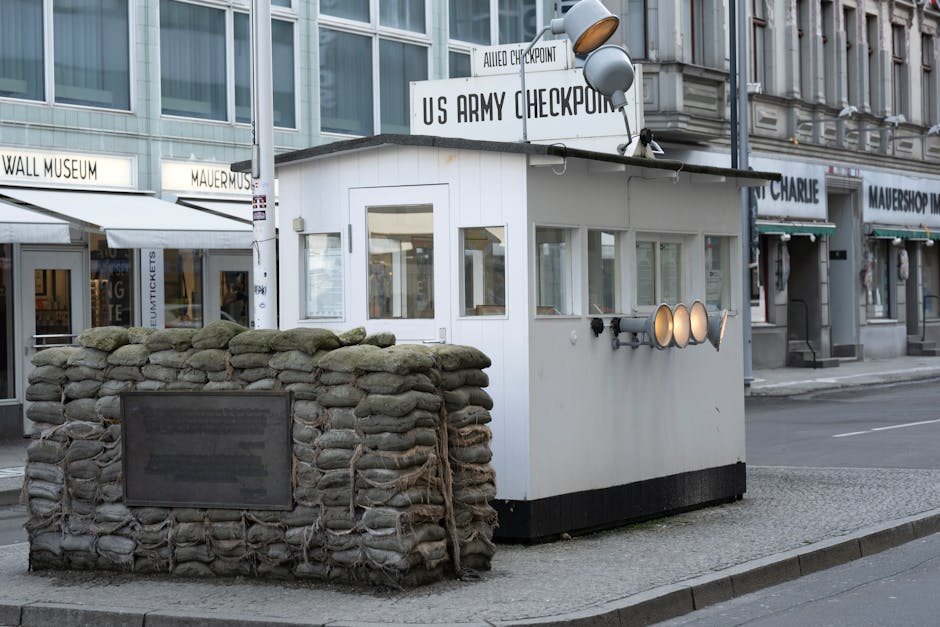 Easy
EasyBerlin, Germany
Explore the sites of Nazi power and the memorials that honor its victims on this self-guided walk through Berlin's historic Wilhelmstraße district.
 Moderate
Berlin, Germany
Explore Berlin’s 'Green Heart' on a self-guided walk through royal history, Cold War memorials, and serene lakeside gardens.
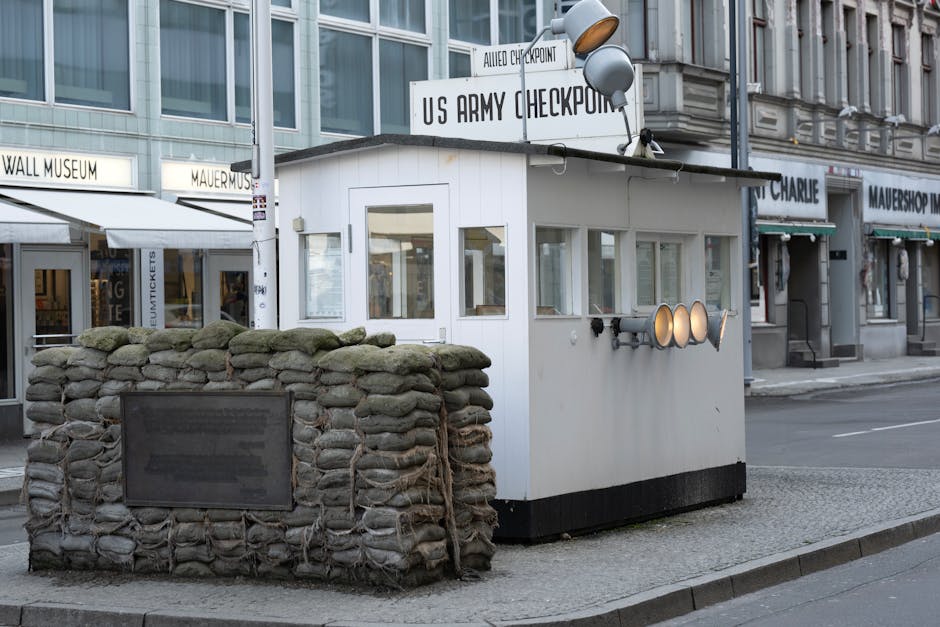 Moderate
Berlin, Germany
Discover the legacy of the Berlin Wall on this self-guided walk from historic ghost stations to the vibrant street art and cafes of Mauerpark.
 Easy
EasyBerlin, Germany
Discover the soul of 1920s Berlin on a self-guided walk through Charlottenburg’s iconic literary cafes, historic theaters, and artistic landmarks.