Self-guided audio tour in Barcelona
Now a Guided Walk in the Zigway app
Lions, dragons, chocolate gables and a banner asking for freedom: walk the street where Barcelona argued itself into a nation.
3.8 km · 53 min walking · 35 min of stories · 8 languages
The introduction and the first minute at the first stop.
Font Monumental del Passeig de Gràcia
There it is: the fountain, a wide stone basin on a traffic island, ringed by a sloping lawn.
Museu Tàpies (Editorial Montaner i Simón)
Picture a young Lluís Domènech i Montaner, decades before Casa Lleó Morera.
Palau Ramon Montaner
Simon built a grand neoclassical palace on this crossing. His architect was the stern Josep Domènech i Estapà, who openly refused to join the Modernista movement.
Palau Robert
After La Pedrera, it feels almost like a protest. That's the point.
Passeig de Gràcia Street Furniture
One whiplash curve rises from the bench and holds two lights: a low spiral arm for walkers, a high arm over the road.
Guided Walk · in the Zigway app
Buy it once in the app and walk it whenever you're in Barcelona. GPS plays each story as you arrive, it works offline, and the introduction and first stop are free to try.
Start Free on iPhone
Hear the stories behind the streets and sights around you as you walk Barcelona. Try it free on iPhone.
Your Private Tour Guide
Step into the heart of Barcelona's Eixample district, a sprawling grid of 19th-century elegance that serves as an open-air museum for the Catalan Modernisme movement. This self-guided walk invites you to explore the architectural revolution that transformed the city's identity, led by visionaries like Antoni Gaudí, Lluís Domènech i Montaner, and Josep Puig i Cadafalch. As you wander up the prestigious Passeig de Gràcia, you will encounter the 'Manzana de la Discòrdia' or Block of Discord, where three rival masterpieces stand side-by-side, each competing for visual supremacy with their kaleidoscopic tiles, undulating stone, and ornate ironwork. This walking route Barcelona is famous for captures the spirit of a burgeoning middle class that used architecture to express its cultural and political aspirations. Beyond the iconic facades of Casa Batlló and La Pedrera, the route delves into the industrial-meets-artistic heritage of the city, highlighting how even a former publishing house could be transformed into a landmark of modern art. Discover the symbolic language of these buildings, from the dragon-back roofs representing the legend of Saint George to the medieval-inspired spires of the 'House of Spikes.' Exploring independently allows you to linger at each detail—the floral carvings, the mosaic 'trencadís,' and the organic forms that seem to breathe life into the stone. This neighborhood stroll is more than just a history lesson; it is an immersion into the creative soul of Catalonia. Whether you are an architecture enthusiast or a first-time visitor, this audio walk provides the context needed to appreciate why these structures earned UNESCO World Heritage status. By choosing a self-guided experience, you can start exploring with Zigway at your own pace, skipping the crowds of a traditional walking tour Barcelona and focusing on the intricate beauty of the Eixample's golden age.
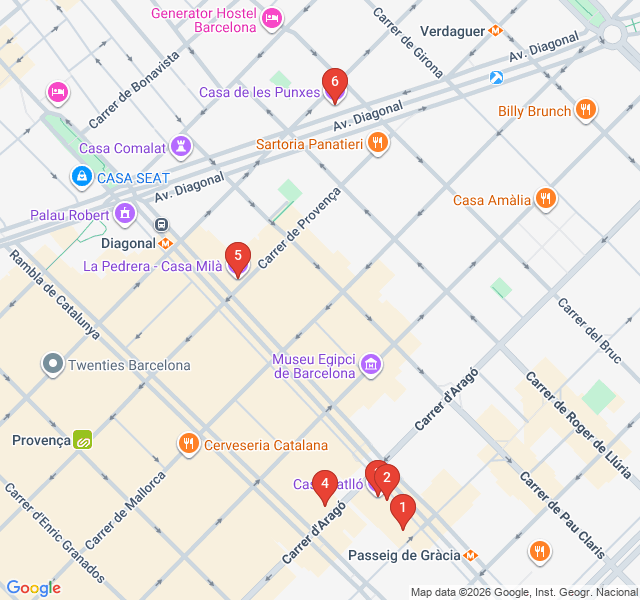
Numbers indicate the order of stops on the tour.
Begin your self-guided adventure at the bottom of the 'Block of Discord.' Designed by Lluís Domènech i Montaner, Casa Lleó Morera is a floral explosion in stone. Unlike its neighbors, this building represents the more delicate, nature-inspired side of Modernisme. Look closely at the facade to see the intricate carvings of mulberry trees and lions—a visual pun on the owner's name, Morera and Lleó. Though the ground floor was sadly altered in the 20th century to accommodate luxury shops, the upper balconies still showcase the exquisite craftsmanship of the era's best artisans. This house was part of a 1905 renovation contest, signaling the fierce competition between the city's elite to have the most beautiful home in Barcelona.
Just steps away stands Casa Amatller, the work of Josep Puig i Cadafalch. This building feels strikingly different, drawing inspiration from Dutch and Flemish townhouses with its distinctive stepped gable. It was commissioned by Antoni Amatller, a wealthy chocolate magnate. The facade is a rich tapestry of sculpture, ceramics, and wrought iron, featuring Saint George slaying the dragon—a recurring theme in Catalan art. Look for the whimsical carvings near the entrance that depict animals making chocolate or blowing glass, reflecting the owner's interests. The building successfully blends Gothic tradition with the colorful, innovative spirit of the early 1900s, providing a perfect contrast to the Gaudí masterpiece next door.
Next, you encounter one of the most famous buildings in the world: Gaudí’s Casa Batlló. Often called the 'House of Bones' due to its skeletal balconies, this structure is a masterclass in organic architecture. Notice how there are almost no straight lines; the facade ripples like a calm sea. The roof is the most iconic feature, covered in iridescent scales that resemble the back of a dragon. Many believe the turret topped with a four-armed cross represents the sword of Saint George plunged into the beast. The shimmering mosaic of broken ceramic tiles, known as trencadís, creates a play of light that changes throughout the day. It is a testament to Gaudí's belief that architecture should reflect the forms found in nature.
Turn off the main thoroughfare to find the Fundació Antoni Tàpies. This building was originally the Editorial Montaner i Simon, a publishing house designed by Domènech i Montaner. It is a landmark of industrial Modernisme, utilizing exposed brick and iron long before they were fashionable. The most striking element today is the massive wire sculpture on the roof, titled 'Núvol i Cadira' (Cloud and Chair), added later by the artist Antoni Tàpies. This site represents the transition of the Eixample from a residential project to a cultural hub. The blend of 19th-century industrialism with 20th-century avant-garde art perfectly encapsulates Barcelona’s constant evolution and its deep respect for creative expression.
Walk back toward Passeig de Gràcia to reach La Pedrera, or 'The Quarry.' This was Gaudí’s last civil work before he dedicated himself entirely to the Sagrada Família. When it was completed in 1912, locals mocked its rough, undulating stone exterior, giving it its famous nickname. The building is revolutionary for its self-supporting stone facade and open-plan floors, which were far ahead of their time. Look up at the roof to see the 'garden of warriors'—fantastical chimneys that look like helmeted knights standing guard. The wrought-iron balconies resemble tangled seaweed, further emphasizing the marine and geological themes that Gaudí loved. It remains one of the most provocative and celebrated examples of modern architecture.
Concluding this walking route is the Casa de les Punxes, or House of Spikes. Designed by Puig i Cadafalch, this massive apartment block occupies an entire triangular city block. Its six pointed towers give it the appearance of a medieval castle dropped into the heart of a modern city. The building was commissioned by the Terradas sisters, who wanted to link three separate properties into one cohesive structure. The brickwork and ceramic panels are filled with patriotic Catalan symbols, including another prominent depiction of Saint George. As you stand before its 'spikes,' you can appreciate how Modernisme looked both to the future and to Catalonia's legendary past to create a unique architectural language.
Start Free on iPhone
Open Zigway as you walk and your private tour guide tells the stories behind what you pass.
Your Private Tour Guide
Don't miss the good stuff
Explore Freely
 Moderate
Barcelona, Spain
Explore the elegant 'village' of Sarrià, where Gothic monasteries and Gaudí's hidden gems meet charming local markets and narrow streets.
 Moderate
Barcelona, Spain
Discover the revolutionary history and haunting scars of the Spanish Civil War on this self-guided walk through Barcelona's historic streets.
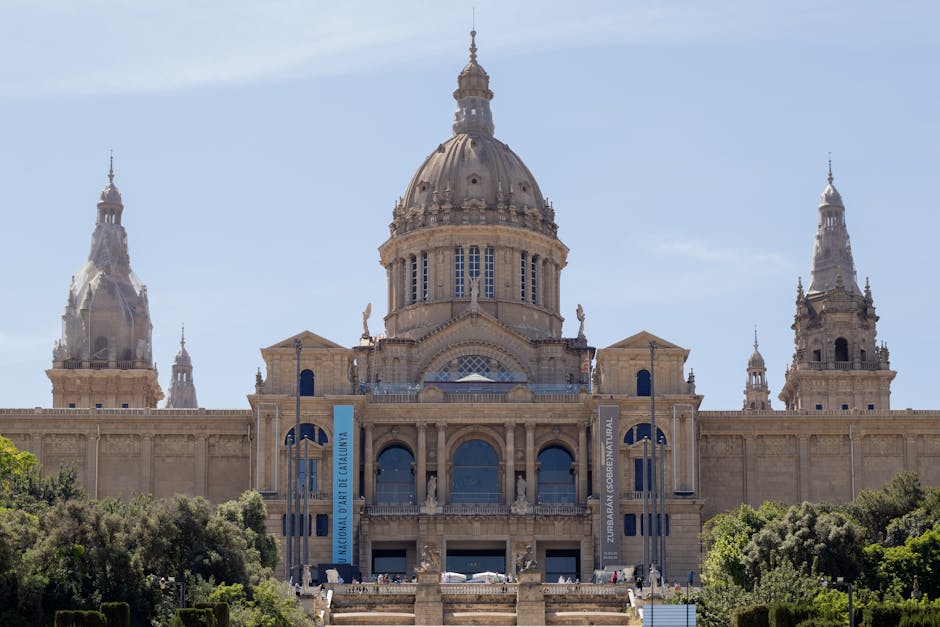 Easy
Barcelona, Spain
Discover the architectural wonders of Barcelona's Golden Square on this self-guided stroll through Eixample's most luxurious Modernista streets.
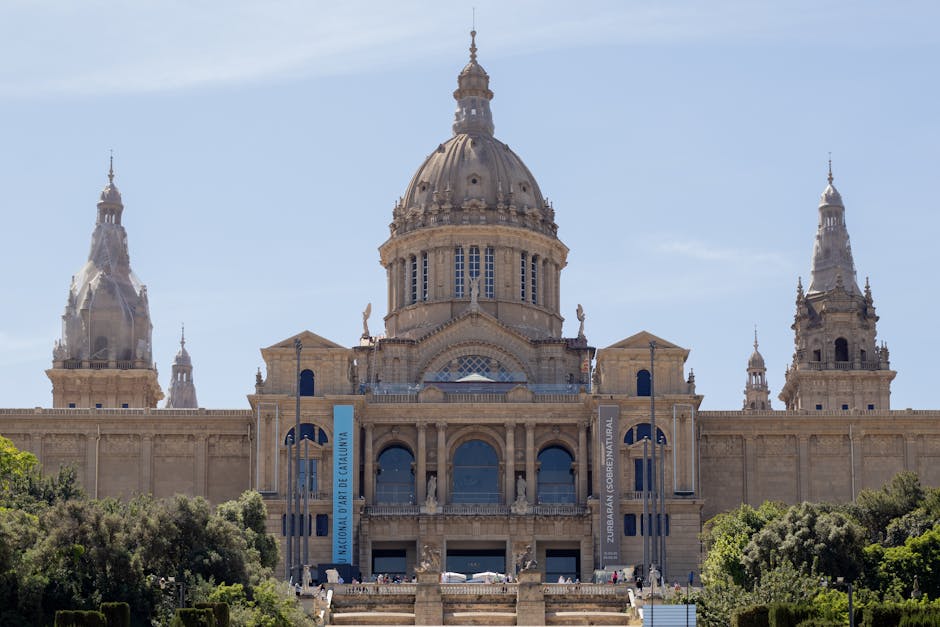 Challenging
Barcelona, Spain
Explore Montjuïc’s lush gardens, historic fortress, and iconic Olympic venues on this scenic self-guided walk with panoramic Mediterranean views.
 Easy
Nairobi, Kenya
Explore Nairobi's architectural evolution from colonial-era landmarks to iconic Brutalist skyscrapers on this historic self-guided walking route.
 Easy
Nairobi, Kenya
Discover Nairobi's iconic skyline on this self-guided architecture walk through the CBD’s most famous modernist and Brutalist landmarks.
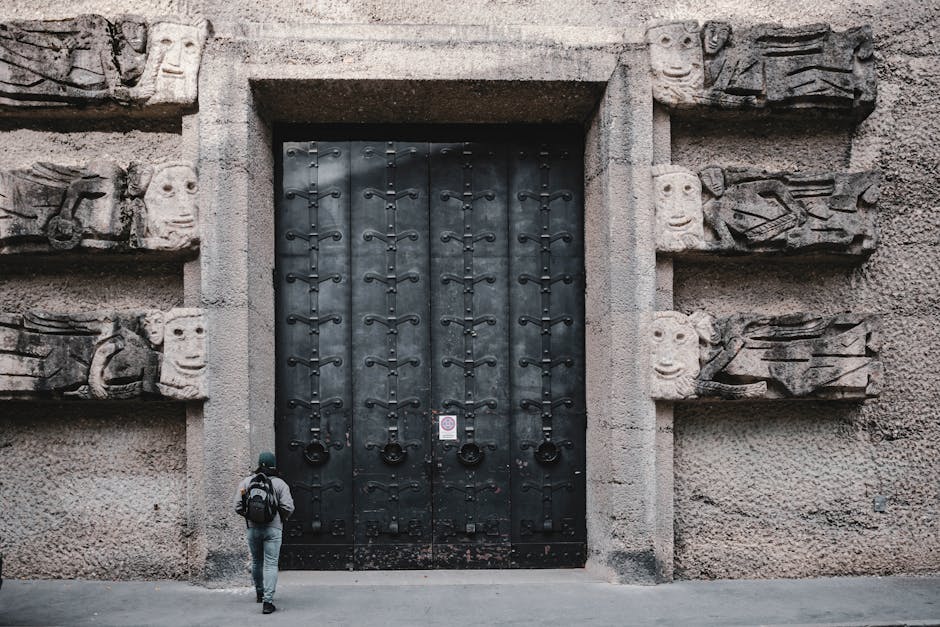 Easy
Salzburg, Austria
Discover the 'Rome of the North' on this self-guided walk through the Baroque squares and monumental legacy of Salzburg’s Prince-Archbishops.
 Easy
Gothenburg, Sweden
Discover Gothenburg’s 17th-century Dutch foundations, historic canals, and military fortifications on this self-guided architectural walk.
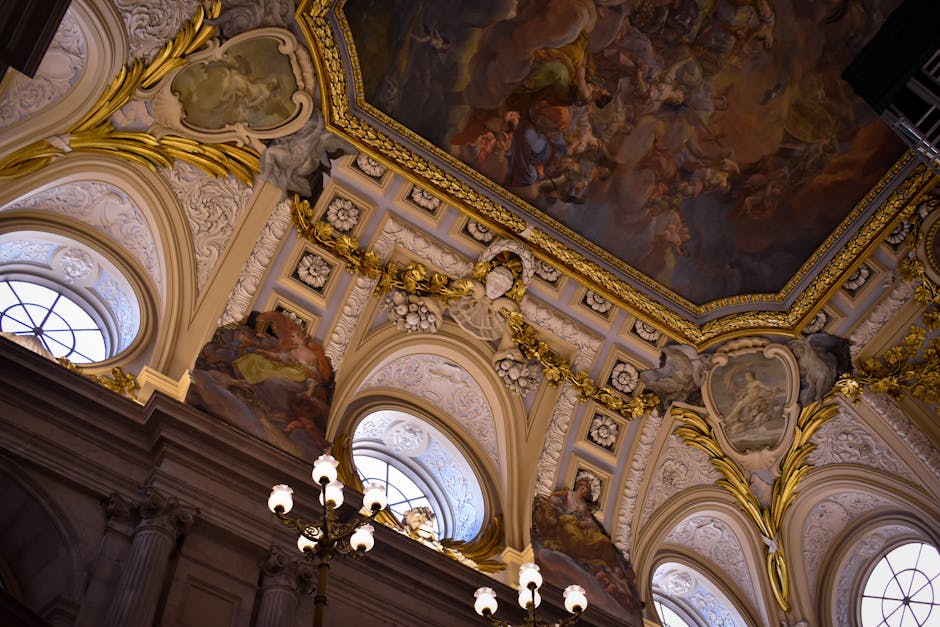 Easy
Madrid, Spain
Explore Madrid's 'Landscape of Light' on this self-guided walk through the world-renowned Golden Triangle of Art, from Cibeles to the Reina Sofía.
 Moderate
Madrid, Spain
Explore Madrid's most diverse neighborhood on this self-guided walk through street art, historic markets, and multicultural squares.
 Easy
Madrid, Spain
Explore the royal legacy and medieval alleys of Madrid's historic Habsburg district on this immersive self-guided walk through the city's heart.
 Easy
Madrid, Spain
Discover the rebellious spirit of Malasaña on this self-guided walk through Madrid's best street art, historic squares, and counter-culture hubs.