Self-guided audio tour in Marrakech
Start Free on iPhone
Start free on iPhone to unlock this self-guided walking tour in Marrakech. Hear all the stories that make it amazing, walk at your own pace, and begin whenever you want.
Your Private Tour Guide
Step away from the bustling main squares and into the historic heart of the Mellah, the traditional Jewish quarter of Marrakech. On this self-guided walk, you will uncover a layer of the city's history that many visitors overlook. Established in the 16th century near the royal palace for protection, the Mellah is a district defined by its unique architecture, specialized markets, and deep spiritual roots. This neighborhood stroll leads you through narrow alleys where the balconies face the street—a distinct contrast to the inward-facing riads found elsewhere in the Medina. Your walking route begins at the Dar Si Said Museum, a masterclass in Moroccan craftsmanship, before tracing the path toward the grand Rue de la Bahia. As you transition into the Mellah, the atmosphere shifts. You will explore the Slat Al Azama Synagogue, the spiritual center for the Sephardic community since 1492, and wander through the sensory-rich spice markets where traditional healers still source their remedies. This experience isn't just about the architecture; it's about the stories of coexistence and the enduring legacy of the Jewish community in Morocco. The journey concludes at the serene Miaara Jewish Cemetery, a vast and striking landscape of white stone tombs that offers a moment of quiet reflection. Whether you are interested in religious history, traditional crafts, or simply finding the city's best spices, this walking tour Marrakech provides the context you need to understand this vibrant neighborhood. By choosing a neighborhood stroll over a crowded group activity, you gain the freedom to linger in the blue-and-white courtyard of the synagogue or haggle for hand-stamped lanterns in Tinsmiths Square at your own pace. Discover the hidden stories carved into the wooden doors and stone walls of the Mellah on this immersive audio walk through the 'Red City'.
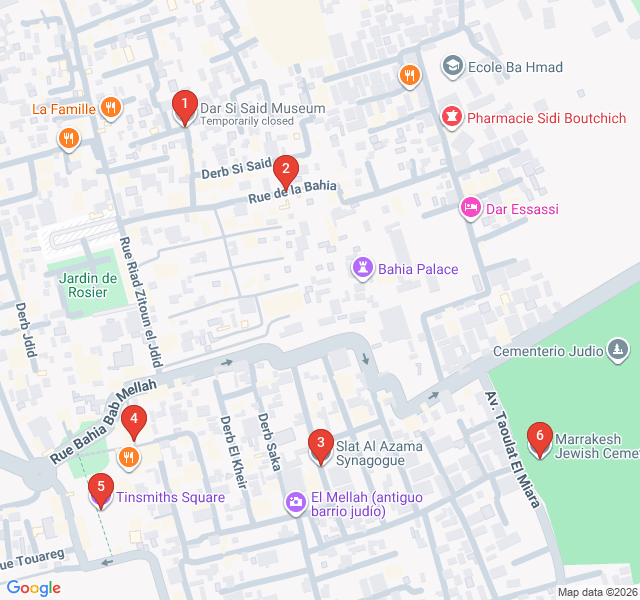
Numbers indicate the order of stops on the tour.
Start your journey at Dar Si Said, officially known as the Museum of Moroccan Arts and Crafts. This 19th-century palace was built by Si Said, the brother of the Grand Vizier who built the nearby Bahia Palace. As you walk through the ornate doorways, notice the transition from the grand architecture to the specialized exhibits of Berber jewelry, intricate carpets, and ancient wedding chests. The highlight is the domed wedding chamber on the upper floor, featuring some of the finest cedar wood carving in the city. This stop sets the stage for the craftsmanship you will encounter throughout the Mellah, showcasing the artistic heritage that both Muslim and Jewish artisans contributed to Marrakech for centuries.
As you exit the museum and walk down Rue de la Bahia, you are traveling along the historic boundary between the royal district and the Jewish Quarter. This street is often bustling with locals and lined with small shops selling everything from leather goods to fresh fruit. Notice the high walls to your right, which hide the sprawling gardens of the Bahia Palace. This street serves as the gateway to the Mellah. Unlike the winding, maze-like streets of the northern Medina, the streets here were designed with more regularity. Look up as you walk; the balconies you see overhanging the street are a classic Jewish architectural feature, designed so residents could observe street life while maintaining their privacy.
Tucked away in a quiet alley is Slat Al Azama, the 'Synagogue of the Expelled.' Founded in 1492 by Jews fleeing the Spanish Inquisition, this is the most significant Jewish site in Marrakech. Step into the central courtyard, decorated with striking blue and white zellige tiles. This space once served as a school and a community hub for the many families who lived within the synagogue complex. Inside, you can find a small museum detailing the history of the Moroccan Jewish diaspora and the 'Mellah' lifestyle. The atmosphere here is one of profound peace, offering a stark contrast to the busy markets just a few streets away. It remains an active place of worship and a testament to the city's diverse religious history.
Continue your route to the Mellah spice market, or Souk el Mellah. This market is famous for being less touristy and more specialized than the main spice markets near Jemaa el-Fnaa. You will encounter mounds of vibrant turmeric, cumin, and saffron, but look closer for the medicinal stalls. The Jewish community was historically renowned for their knowledge of herbalism and pharmacology. Here, you can find traditional 'Berber lipstick' (Aker Fassi), natural teeth whiteners, and various resins used in Moroccan incense. The scents here are intense and earthy. Take a moment to watch the vendors weigh out powders on old-fashioned scales; it is a scene that has changed little over the generations.
You have arrived at Place des Ferblantiers, the lively square of the metalworkers. This open space was recently renovated and serves as a bridge between the Mellah and the Badi Palace. The air is often filled with the rhythmic 'tap-tap-tap' of hammers hitting metal. Artisans here specialize in creating the iconic Moroccan lanterns, mirrors, and trays from tin and copper. You can see the raw sheets of metal being transformed into intricate, light-filtering masterpieces right before your eyes. This is an excellent spot to appreciate the industrial heritage of the neighborhood. The square is also a great place to stop for a coffee or fresh orange juice at one of the rooftop cafes overlooking the storks' nests on the nearby palace walls.
The final stop on your self-guided walk is the Miaara Jewish Cemetery, the largest of its kind in Morocco. Spanning over 500 years of history, this vast site is characterized by its sea of whitewashed, rounded tombs. The cemetery is divided into sections for men, women, and children, and it holds the remains of several famous rabbis who are still venerated today. The simplicity of the graves, mostly devoid of names or elaborate decoration, creates a powerful visual impact of equality in death. Walking through the quiet paths, you can feel the weight of history and the enduring presence of the Jewish community in Marrakech. Please remember to dress respectfully and note that the cemetery is closed on Saturdays for the Sabbath.
Start Free on iPhone
Explore “The Mellah's Hidden Stories: Jewish Quarter Heritage” with your very own Private Tour Guide with Zigway. Start free on iPhone, skip the large group and the fixed routes, and hear the city come alive as you go.
Your Private Tour Guide
Don't miss the good stuff
Explore Freely
 Challenging
Marrakech, Morocco
Discover the 'Sabatu Rijal' on this self-guided spiritual walk through the Medina's historic shrines and hidden Sufi landmarks.
 Easy
EasyMarrakech, Morocco
Follow the footsteps of Yves Saint Laurent through Marrakech's iconic gardens and colonial landmarks on this elegant self-guided fashion walk.
 Easy
EasyMarrakech, Morocco
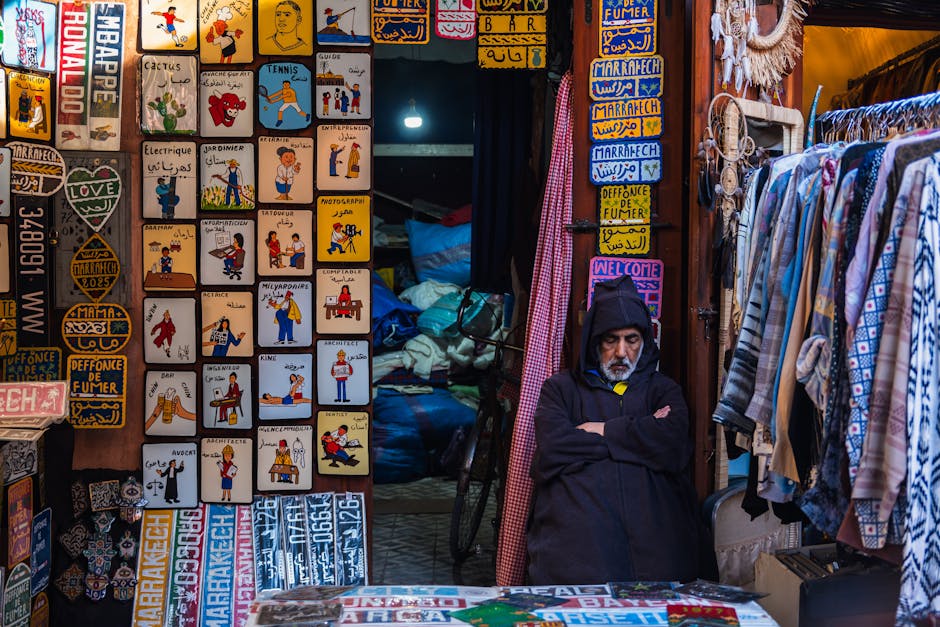
Discover the stylish side of the Red City on this self-guided walk through Marrakech's premier design concept stores and contemporary art galleries.
 Easy
EasyMarrakech, Morocco
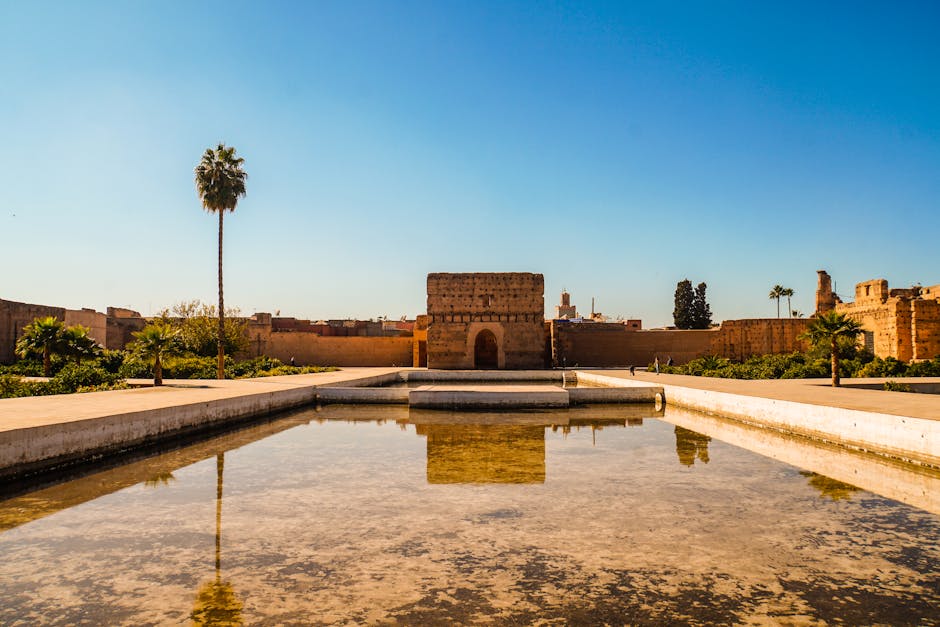
Discover the intricate art and hidden history of Marrakech's historic doors and riads on this self-guided architectural walk through Mouassine.
 Easy
EasySalzburg, Austria
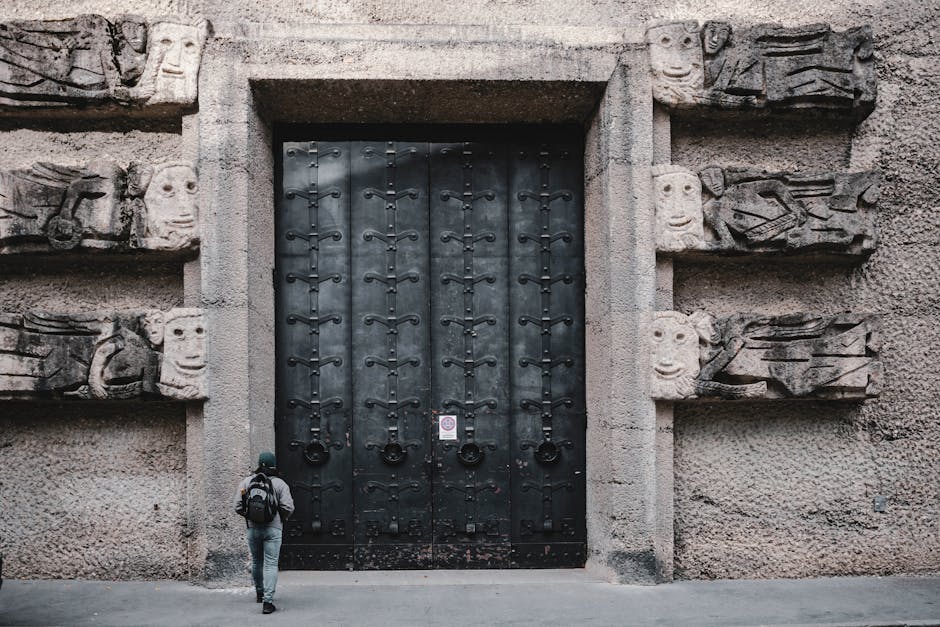
Discover the 'Rome of the North' on this self-guided walk through the Baroque squares and monumental legacy of Salzburg’s Prince-Archbishops.
 Easy
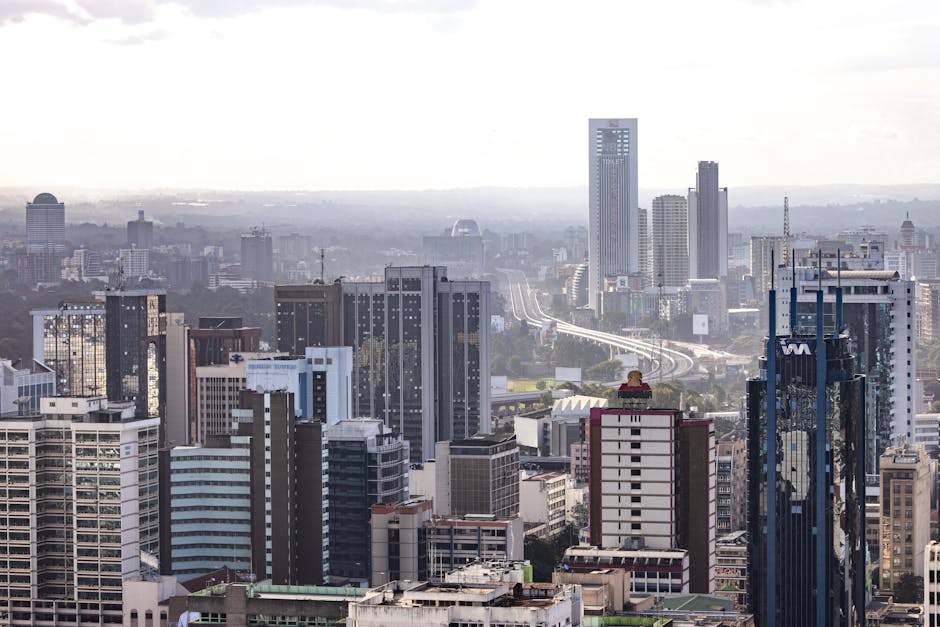
EasyNairobi, Kenya
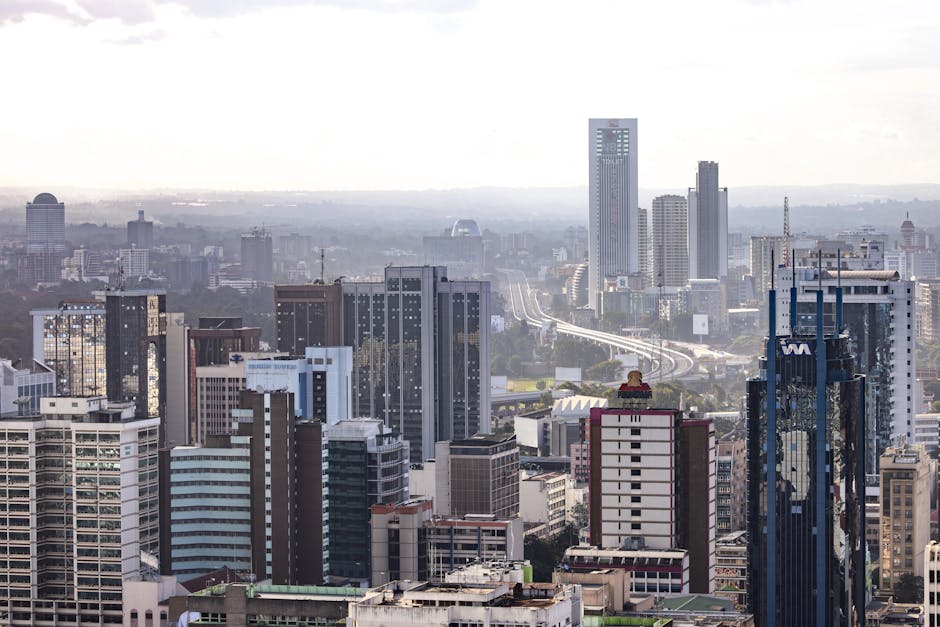
Explore Nairobi's architectural evolution from colonial-era landmarks to iconic Brutalist skyscrapers on this historic self-guided walking route.
 Easy
EasyNairobi, Kenya
Explore the history of Kenya’s independence through the statues, monuments, and parks that define Nairobi’s political heart on this self-guided walk.
 Easy
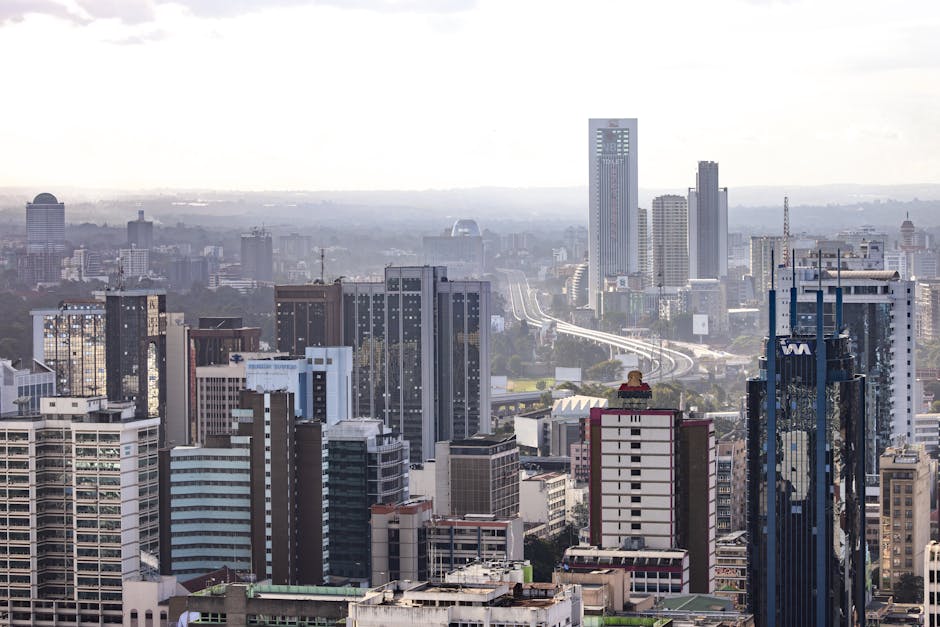
EasyNairobi, Kenya
Discover Nairobi's iconic skyline on this self-guided architecture walk through the CBD’s most famous modernist and Brutalist landmarks.
 Moderate
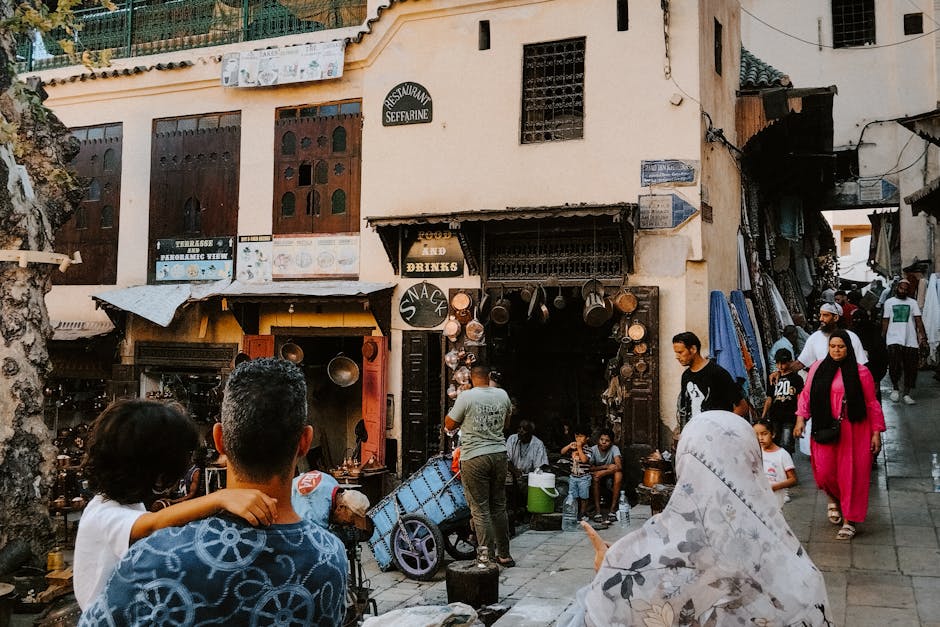
Fes, Morocco
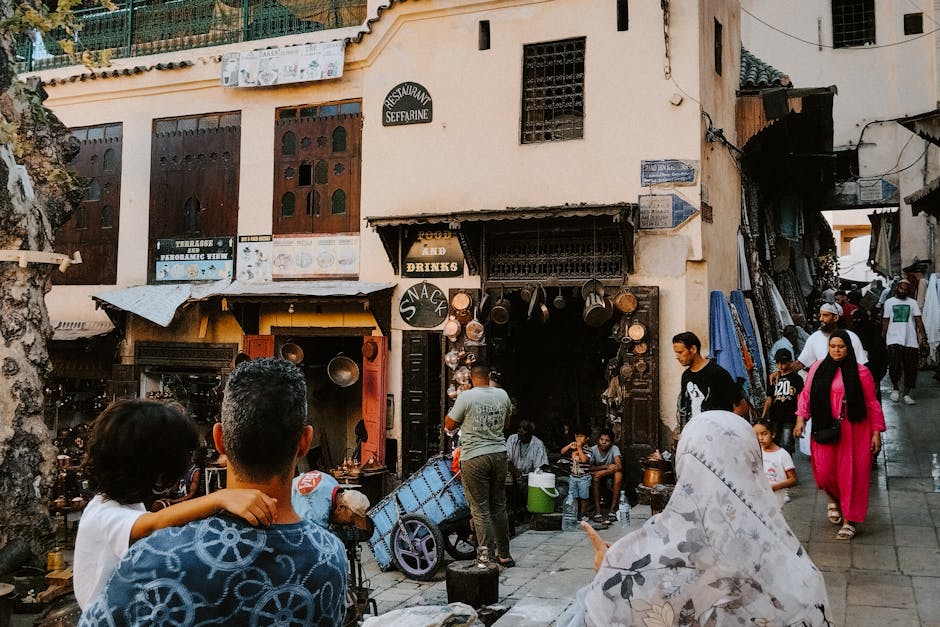
Taste your way through the medieval medina of Fes. Discover ancient spice markets, hidden street eats, and the evolution of Moroccan flavors.
 Easy
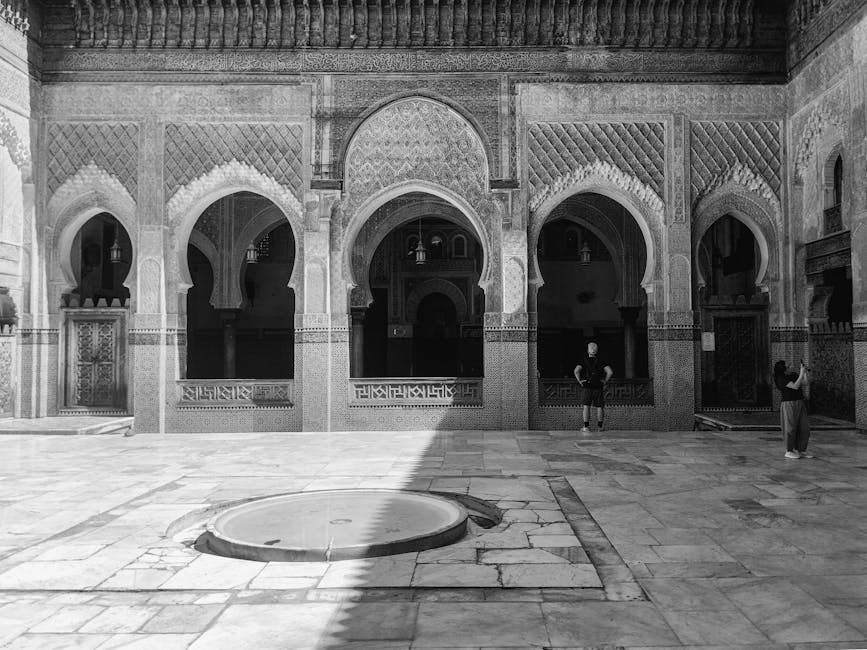
EasyFes, Morocco
Explore the French-era boulevards and Art Deco gems of Fes on this self-guided walk through the vibrant Ville Nouvelle neighborhood.
 Challenging
Fes, Morocco
Ascend the northern hills of Fes for a breathtaking sunset walk overlooking the world's largest car-free urban space and ancient royal ruins.
 Easy
EasyFes, Morocco
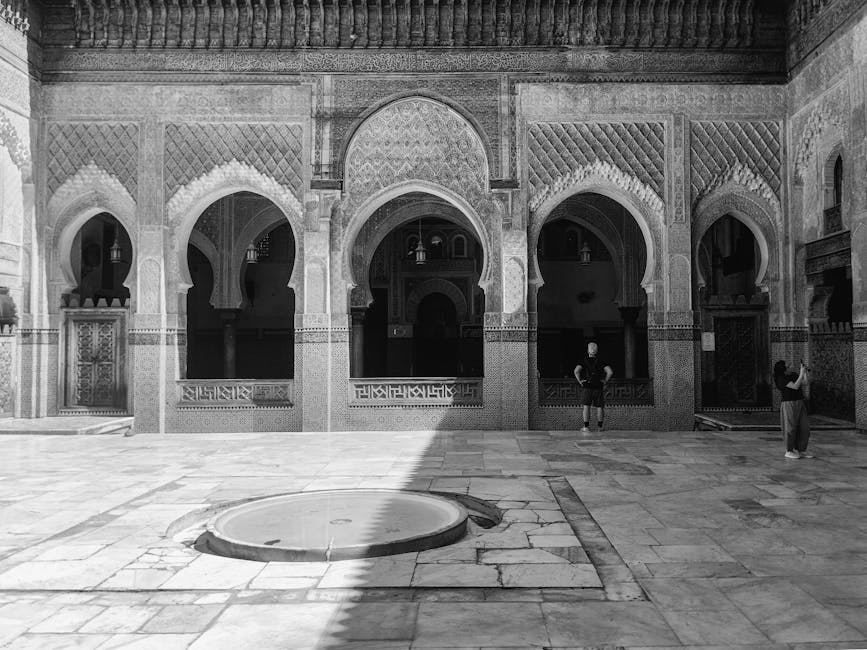
Discover the architectural wonders of Fes. Explore medieval madrasas and sacred sites on this self-guided walk through the ancient medina.