Self-guided audio tour in Rotterdam
Start Free on iPhone
Start free on iPhone to unlock this self-guided walking tour in Rotterdam. Hear all the stories that make it amazing, walk at your own pace, and begin whenever you want.
Your Private Tour Guide
Rotterdam is a city that refused to stay in the shadows of its past. Following the devastating bombardment of May 1940, which flattened the historic core, the city made a radical choice: rather than rebuilding what was lost, it would invent the future. This self-guided walk through the 'Cool' neighborhood invites you to witness the 'Phoenix of the North' and its revolutionary approach to urban planning. On this neighborhood stroll, you will trace the timeline of reconstruction, from the rare survivors of the Blitz to the modernist icons that redefined how we live in cities. This walking route highlights the transition from traditional European architecture to the bold, functionalist style that makes Rotterdam a global capital of design. You will encounter the City Hall, a resilient monument that withstood the flames, and move toward the Lijnbaan, the world's first pedestrian-only shopping street. Along the way, you can admire the 'honeycomb' design of the Bijenkorf and the industrial aesthetic of Schouwburgplein. This is more than just a walking tour Rotterdam enthusiasts recommend; it is a journey through the resilience of the Dutch spirit. Whether you are an architecture buff or a history seeker, exploring independently allows you to notice the subtle details—the choice of materials, the open spaces, and the integration of art into the urban fabric—that make this city a living museum of 20th-century progress. Discover at your own pace how Rotterdam transformed a tragedy into a blueprint for the modern world.
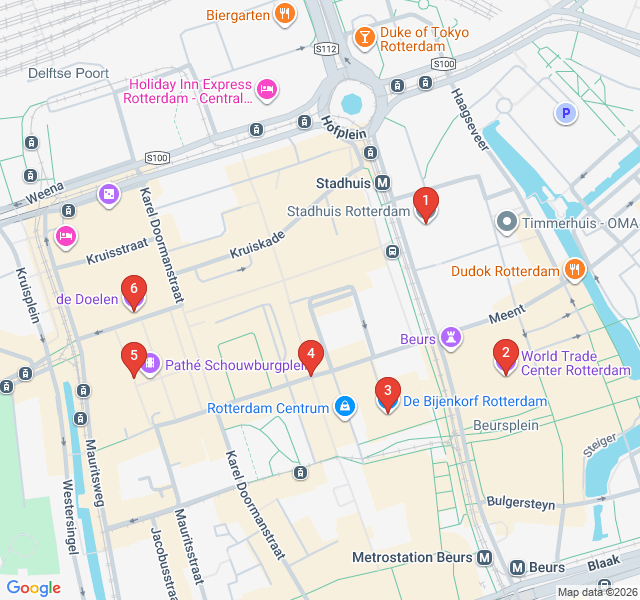
Numbers indicate the order of stops on the tour.
Begin your self-guided adventure at the Stadhuis, or City Hall. Completed in 1920, this is one of the very few buildings in the city center that survived the 1940 bombardment. As you look at its ornate facade and clock tower, imagine the surrounding landscape in ruins while this structure stood alone. It serves as a bridge between the 'Old Rotterdam' and the modern metropolis you see today. The architecture is a mix of Neo-Renaissance and Neo-Baroque styles, featuring a wealth of sculptures and a peaceful inner courtyard. It remains a powerful symbol of the city's continuity and its refusal to be erased from history.
A short walk brings you to the World Trade Center, formerly known as the Beurs. This building is a fascinating example of reconstruction history because its construction actually began just before the war and continued during the occupation. Notice the distinctive green copper roof and the clock tower. After the war, it was expanded to meet the needs of a global port city. The WTC represents the economic engine of Rotterdam; it was designed to facilitate trade and commerce, proving that the city's recovery was built on a foundation of international business and pragmatic design.
As you reach the Coolsingel, look for the striking 'honeycomb' facade of De Bijenkorf. Designed by the famous Bauhaus architect Marcel Breuer and opened in 1957, this building is a masterpiece of the reconstruction era. Unlike traditional department stores with large windows, Breuer used a travertine exterior with narrow slits to protect the merchandise while creating a sculpture-like presence. Don't miss the massive abstract sculpture out front, known as 'The Flower' by Naum Gabo. It was commissioned specifically to complement the building, signaling Rotterdam's commitment to integrating high art into public commercial spaces.
Step onto the Lijnbaan, a location that changed urban planning forever. Opened in 1953, this was the first purpose-built pedestrian shopping street in the world. At a time when cars were becoming the kings of the road, Rotterdam’s planners made the radical decision to ban vehicles here entirely. Notice the low-rise buildings, the covered walkways, and the integrated flower beds and seating. The goal was to create a 'living room' for the city—a place where residents could socialize and shop in a human-scaled environment. It became a model for shopping centers across the globe from Coventry to the United States.
Continue to the Schouwburgplein, or Theater Square. This is a prime example of late-20th-century urban renewal. Redesigned in the 1990s by the architectural firm West 8, the square is raised above ground level and built using industrial materials like epoxy, wood, and metal. The most striking features are the four giant red lighting masts that resemble the cranes found in Rotterdam's harbor. These lights are interactive and can be adjusted by the public. The square is designed as a stage for the city, reflecting Rotterdam's identity as a hard-working port city that also values creative expression.
Your walking route concludes at De Doelen, a massive concert hall and convention center. The original De Doelen was destroyed in 1940, and this replacement, opened in 1966, became the cultural heart of the new Rotterdam. Its architecture is a blend of brutalism and functionalism, featuring a distinctive white stone facade and vast glass windows that invite the city inside. It is world-renowned for its acoustics and serves as the home of the Rotterdam Philharmonic Orchestra. Stand here and look back toward the skyline to see how the city has grown from the ashes of 1940 into a world-class architectural destination.
Start Free on iPhone
Explore “Post-War Reconstruction Trail” with your very own Private Tour Guide with Zigway. Start free on iPhone, skip the large group and the fixed routes, and hear the city come alive as you go.
Your Private Tour Guide
Don't miss the good stuff
Explore Freely
 Easy
EasyRotterdam, Netherlands
Explore Rotterdam’s cultural heart on this self-guided walk through world-class museums, modernist villas, and futuristic architectural landmarks.
 Easy
EasyRotterdam, Netherlands
Capture Rotterdam's iconic skyline and historic bridges on this scenic self-guided photography walk along the Maas River and Noordereiland.
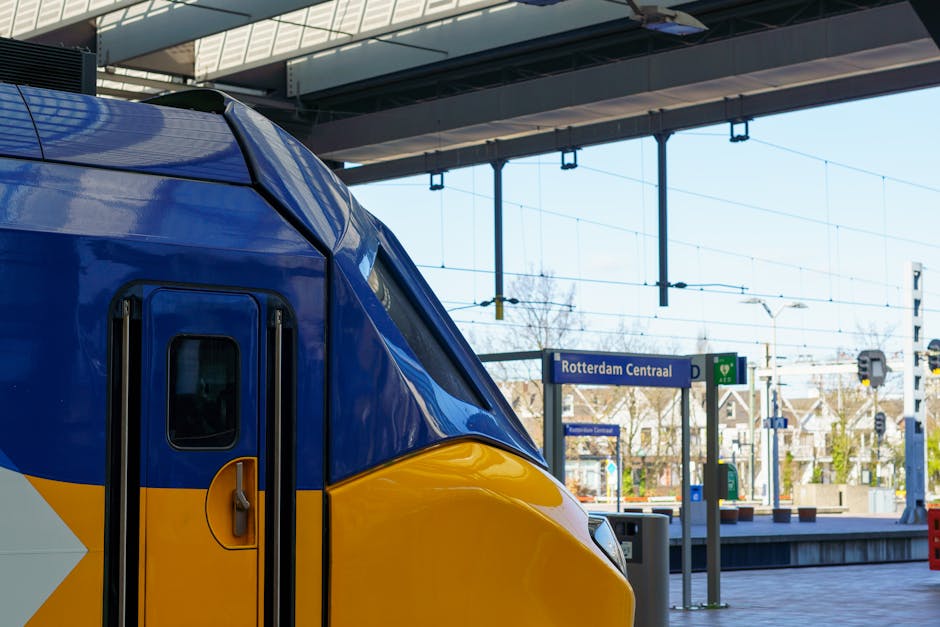 Moderate
Rotterdam, Netherlands
Explore Rotterdam’s lush side through secret gardens, historic harbors, and the elegant 19th-century Shipping Quarter on this self-guided walk.
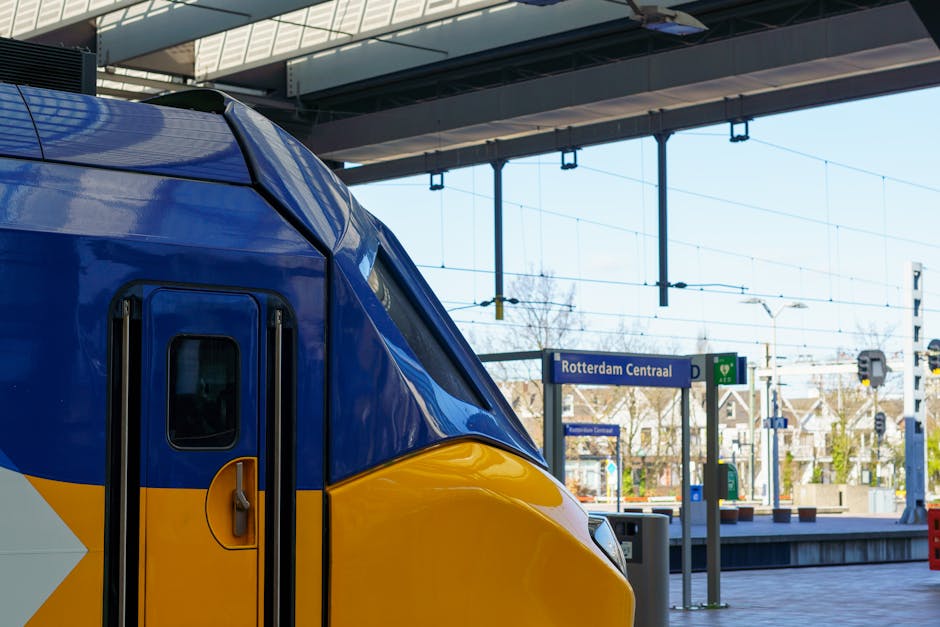 Easy
EasyRotterdam, Netherlands
Explore Rotterdam's neon-lit streets and vibrant nightlife at your own pace with this independent audio walk through the city's coolest districts.
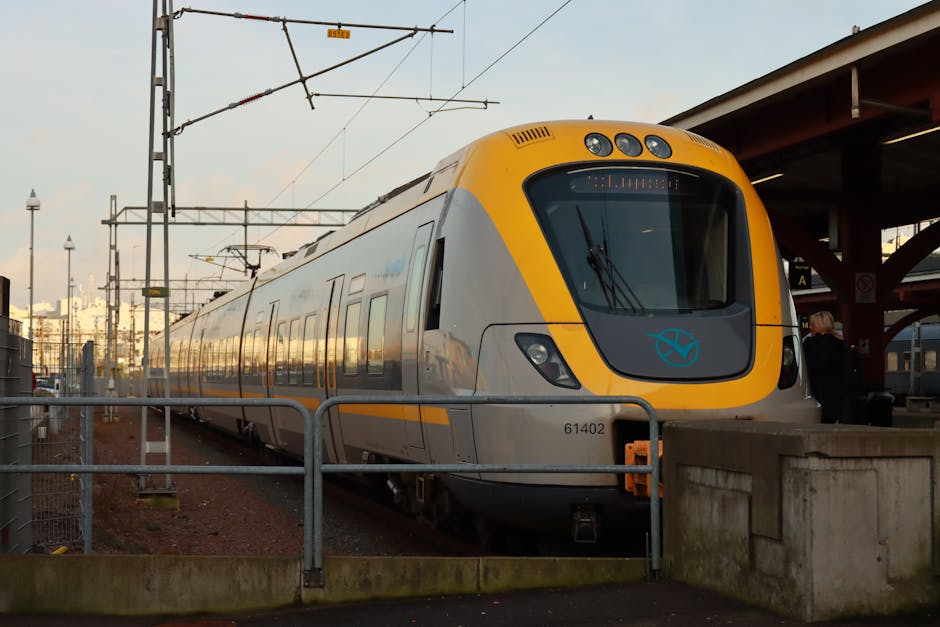 Easy
EasyGothenburg, Sweden
Discover Gothenburg’s 17th-century Dutch foundations, historic canals, and military fortifications on this self-guided architectural walk.
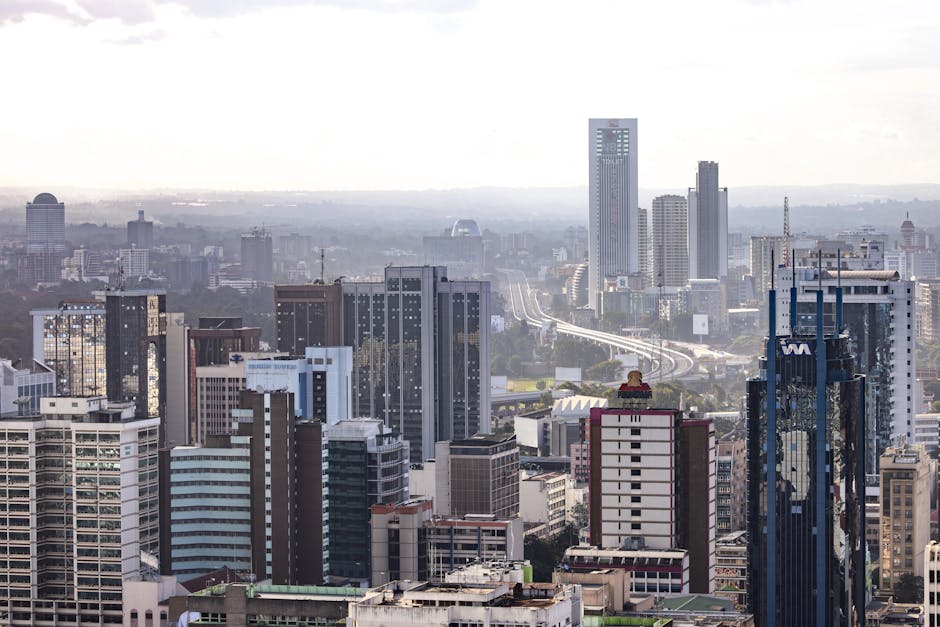 Easy
EasyNairobi, Kenya
Explore Nairobi's architectural evolution from colonial-era landmarks to iconic Brutalist skyscrapers on this historic self-guided walking route.
 Easy
EasyNairobi, Kenya
Discover Nairobi's iconic skyline on this self-guided architecture walk through the CBD’s most famous modernist and Brutalist landmarks.
 Easy
EasyKrakow, Poland
Explore the historic heart of Kazimierz on this self-guided walk through synagogues, ancient cemeteries, and vibrant squares.
 Easy
EasyAmsterdam, Netherlands
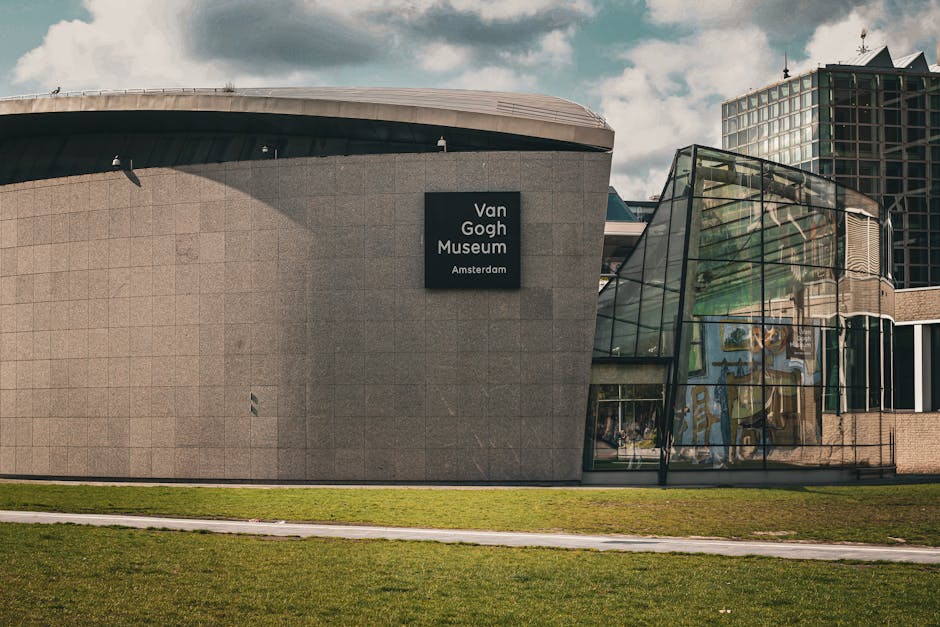
Discover Amsterdam's cultural heart on this self-guided walk from the iconic Museumplein to the serene blooming gardens of Vondelpark.
 Easy
EasyAmsterdam, Netherlands
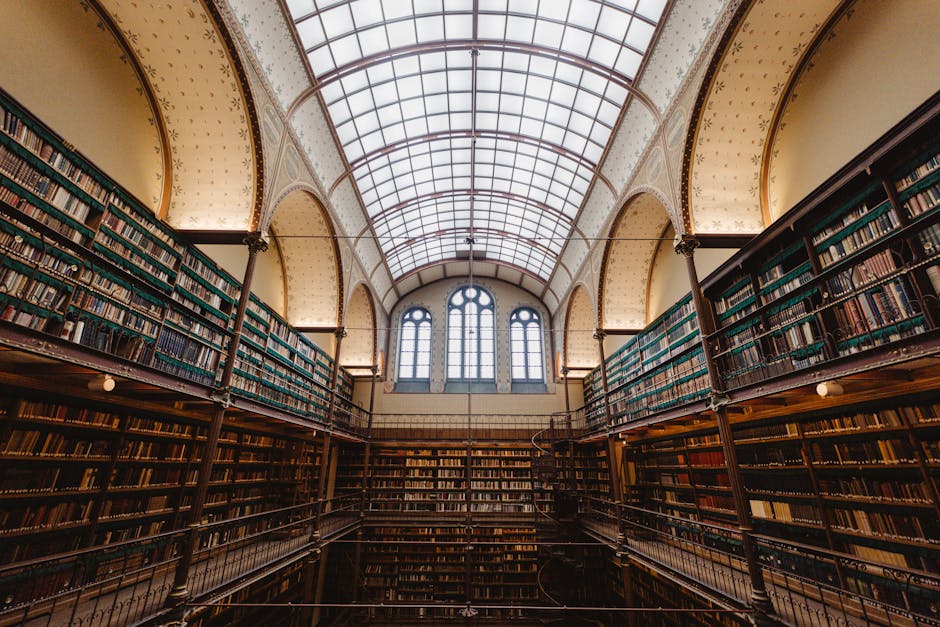
Discover Amsterdam's literary heart on this self-guided walk through historic bookshops, writers' haunts, and the homes of revolutionary thinkers.
 Easy
EasyAmsterdam, Netherlands
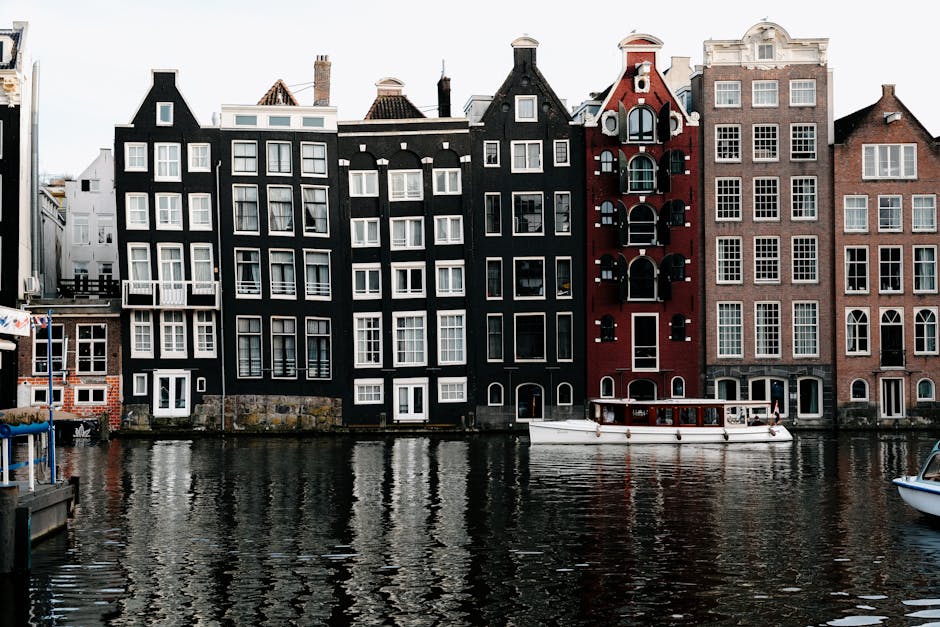
Capture the magic of Amsterdam with this self-guided photography walk across the iconic bridges and scenic banks of the Amstel River.
 Easy
EasyAmsterdam, Netherlands
Discover the opulent 17th-century mansions and rich history of Amsterdam's famous Canal Belt on this self-guided architectural walking route.