Self-guided audio tour in Brussels
Start Free on iPhone
Start free on iPhone to unlock this self-guided walking tour in Brussels. Hear all the stories that make it amazing, walk at your own pace, and begin whenever you want.
Your Private Tour Guide
Embark on a self-guided walk through the soul of Brussels, where the city’s maritime past meets its vibrant culinary present. This neighborhood stroll focuses on Sainte-Catherine, an area once defined by bustling docks and the smell of salt air, now transformed into a haven for foodies and history buffs alike. As you explore independently, you will trace the invisible lines of the old Zenne river and the fortifications that once protected this medieval powerhouse. The route begins near the iconic Bourse, the former Stock Exchange, before diving into the winding alleys that lead to the legendary Grand Place. From there, the trail shifts toward the 'Vieux Port' or Old Port area. You will encounter the Black Tower, a surprising 13th-century relic standing defiantly against modern architecture, and the majestic Saint Catherine Church, which remains the heart of the district. The quays, once filled with merchant ships, are now lined with some of the city's finest seafood restaurants and trendy boutiques. This walking route doesn't just stick to the classics; it invites you to discover the birthplace of Brussels at Halles Saint-Géry and the eclectic energy of the Marolles flea market. Whether you are admiring the neoclassical facades or sampling a traditional speculoos biscuit, this experience captures the multifaceted personality of the Belgian capital. This self-guided adventure allows you to set the pace, whether you want to linger over a craft beer at the Delirium Café or browse the vintage treasures at Place du Jeu de Balle. It is a perfect introduction for those who want to see the transition from the historic center to the local favorites that define modern Brussels life. By following this audio walk, you will understand how a city built on water evolved into the international crossroads it is today, all while enjoying the freedom of an independent journey.
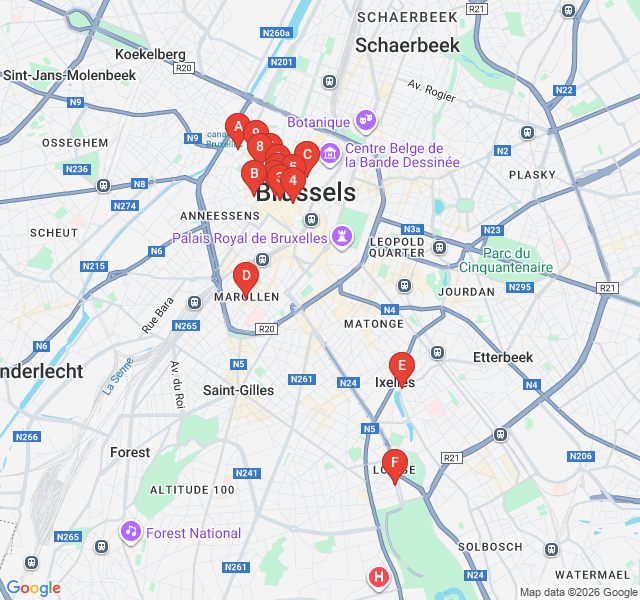
Numbers indicate the order of stops on the tour.
Start your self-guided adventure here in the heart of the city. While it looks like a modern marketplace today, this area sits on the edge of the historic 'Ilot Sacré.' This spot serves as a perfect gateway between the commercial center and the historic docks. As you begin your neighborhood stroll, take a moment to notice the blend of architecture surrounding you. Brussels is a city of layers, and here, the 19th-century grand boulevards meet the older, narrower medieval street patterns. This intersection was once a hive of activity for local merchants supplying the nearby markets with fresh goods from the surrounding countryside.
The Bourse, or Stock Exchange, is a masterpiece of neoclassical design completed in 1873. It stands on the site of a former Franciscan convent, reflecting the city's shift from religious to commercial dominance in the 19th century. Look up at the ornate sculptures; many were crafted by famous artists, including a young Auguste Rodin. Today, the building has been reimagined as 'Belgian World,' a temple to Belgian beer culture. This landmark serves as a central meeting point for locals and marks the boundary where the old river Zenne used to flow before it was covered up to create these grand boulevards.
Follow the scent of cinnamon and caramelized sugar to Maison Dandoy. This is a true Brussels institution, family-run since 1829. They are famous for Speculoos, a spiced shortcrust biscuit traditionally baked for St. Nicholas Day. The wooden molds used to shape these biscuits are works of art themselves, often depicting historical figures or local folklore. Sampling a biscuit here is a rite of passage for any visitor. It represents the Belgian dedication to artisanal craft and culinary tradition that has remained unchanged for nearly two centuries, even as the city modernized around it.
Just steps from the world-famous Grand Place, this spot highlights the contemporary coffee culture that thrives alongside Brussels' historic tea rooms. The Grand Place itself, a UNESCO World Heritage site, was once the city's main market square. While the guilds of bakers, brewers, and tailors once dominated these gold-leafed facades, today's cafes like Lloyd offer a modern space to observe the international crowd. Notice how the architecture transitions from the gothic heights of the Town Hall to the opulence of the guild houses, each vying for prestige in the city's economic heart.
Tucked away in a small alley, the Delirium Café is legendary among beer lovers, once holding the Guinness World Record for the number of beers offered—over 2,000! The pink elephant logo is a nod to the 'Delirium Tremens' beer. This stop is essential for understanding the sheer scale of Belgian beer heritage. The alley itself, Impasse de la Fidélité, also houses the Jeanneke Pis, the female counterpart to the famous Manneken Pis statue. It is a quirky, vibrant corner of the city that perfectly captures the Belgian sense of humor and love for a good brew.
Located in a former gallery, the VIAGE represents the modern entertainment face of Brussels. However, the building's history is tied to the 19th-century 'Anspach' urban renewal project. This area was once the site of a massive covered market. As you pass by, consider how Brussels has constantly repurposed its grand spaces. What was once a place for trading meat and vegetables became a theater, and eventually, a modern leisure complex. It sits on the edge of the pedestrian zone, one of the largest in Europe, which has returned the streets to walkers and explorers.
One of the most striking sights on this walking route is the Black Tower. This 13th-century stone structure is a rare remnant of the first city walls of Brussels. It is almost surreal to see this medieval fortification standing directly behind the modern Novotel hotel. It survived the centuries because it was integrated into other buildings, only to be rediscovered and restored in the 19th century. It serves as a silent witness to the era when Brussels was a fortified town, protecting its wealth and its people from the turbulent politics of the Middle Ages.
Saint Catherine is the patron saint of sailors, which is why this church is the centerpiece of the old port district. The current building, completed in the 1850s, replaced an older medieval church that stood when the docks were still active. Its architecture is an eclectic mix of Romanesque, Gothic, and Renaissance styles. Inside, you can find a statue of the 'Black Madonna,' which according to legend, was thrown into the river but miraculously floated. The church stands as a bridge between the city's religious devotion and its maritime commercial history.
You are now standing where the water once flowed. The 'Quai aux Briques' (Brick Quay) and the parallel 'Quai au Bois à Brûler' (Firewood Quay) were the main basins of the Port of Brussels. Merchant ships from the North Sea would sail right into the city center to unload their cargo. Although the basins were filled in at the end of the 19th century, the wide open space and the name of the streets preserve the memory of the docks. Today, this is the premier spot for seafood, with restaurants displaying their fresh catches of the day on ice outside.
The Rue de Flandre is one of the oldest and most atmospheric streets in the Sainte-Catherine neighborhood. Historically, this was the main road leading towards the County of Flanders. Today, it is a hub for independent designers, cozy bistros, and local boutiques. As you stroll, look for the 'Vismet,' the old fish market. The street perfectly blends the old Brussels—with its traditional 'estaminet' pubs—and the new, creative energy of the city's Flemish-influenced design scene. It is the best place to feel the local, authentic pulse of the neighborhood away from the main tourist trail.
This is where it all began. The Halles Saint-Géry is built on the site of an island in the Zenne river where the first settlement of Brussels was established in the 10th century. The current building is a beautiful former covered meat market from 1881. Today, it serves as an exhibition space and a popular bar. Look for the glass floor sections inside that reveal the foundations of the original city and a symbolic representation of the lost Zenne river. It remains the beating heart of the city's nightlife and a symbol of Brussels' urban resilience.
Wolf is a modern take on the traditional market hall, located in the former headquarters of the CGER bank. This food hall brings together some of the city's best independent chefs under one roof, featuring a microbrewery and diverse global cuisines. The architecture preserves the grand marble and brass of the original bank, creating a unique atmosphere that blends corporate history with street food culture. It reflects the 21st-century Brussels: international, diverse, and always focused on high-quality gastronomy. It’s a great place to see how the city continues to reinvent its historic spaces.
To reach this stop, you've crossed into the Marolles, the most 'Brusselse' of all neighborhoods. Since 1873, the Place du Jeu de Balle has hosted a daily flea market. This is the place to find everything from antique silverware to quirky mid-century furniture. The name 'Jeu de Balle' refers to a traditional ball game once played here. The Marolles was historically the working-class district, and that gritty, authentic spirit remains. Whether you buy anything or not, the experience of watching the stallholders and hearing the local 'Brusseleer' dialect is a highlight of any neighborhood stroll.
Moving south toward the Flagey area, you encounter Café Belga, located in the iconic Flagey Building. This Art Deco masterpiece, shaped like a ship, was the former headquarters of the National Institute of Radio Broadcasting. Café Belga is more than just a coffee shop; it is a cultural crossroads where students, artists, and expats meet. The nearby Ixelles Ponds offer a peaceful escape, but the energy of Belga remains the main draw. It represents the shift of Brussels' social life toward the vibrant, diverse communes outside the immediate historic center.
Your journey concludes on the Avenue Louise, near the beautiful Bois de la Cambre. Cafe de la Presse is a favorite for locals seeking a relaxed atmosphere amidst the high-end fashion boutiques of the Louise district. This area developed in the late 19th century as a prestigious residential boulevard. As you finish your walk, notice the contrast between the working-class Marolles and the leafy, affluent Louise neighborhood. It’s a fitting end to a route that has taken you from the medieval docks to the modern, cosmopolitan capital of Europe.
Start Free on iPhone
Explore “Sainte-Catherine: The Old Port Trail” with your very own Private Tour Guide with Zigway. Start free on iPhone, skip the large group and the fixed routes, and hear the city come alive as you go.
Your Private Tour Guide
Don't miss the good stuff
Explore Freely
 Easy
EasyBrussels, Belgium
Discover the colorful world of Belgian comics on this independent walking route through the creative streets and murals of central Brussels.
 Moderate
Brussels, Belgium
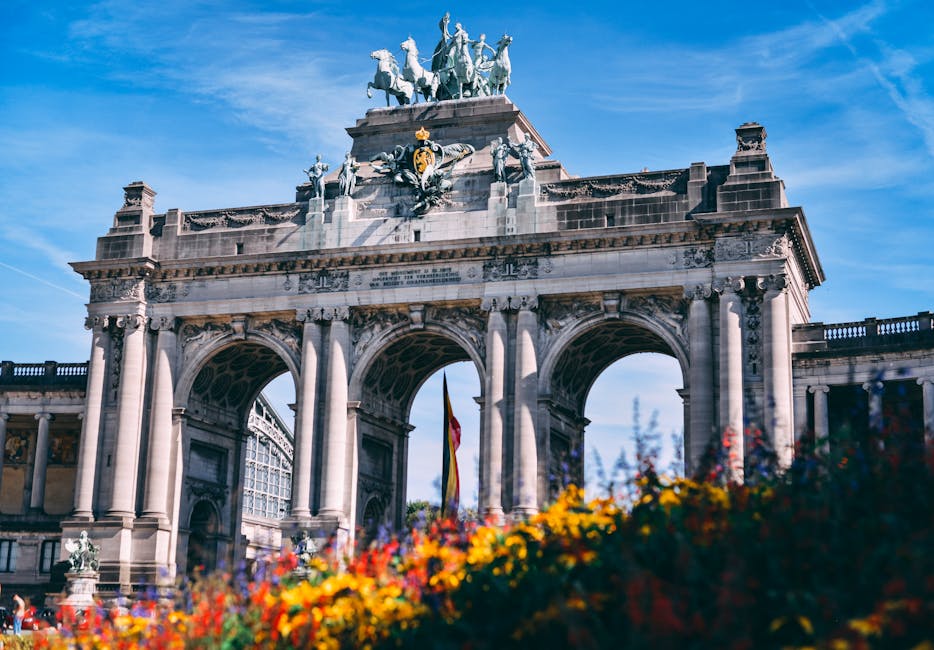
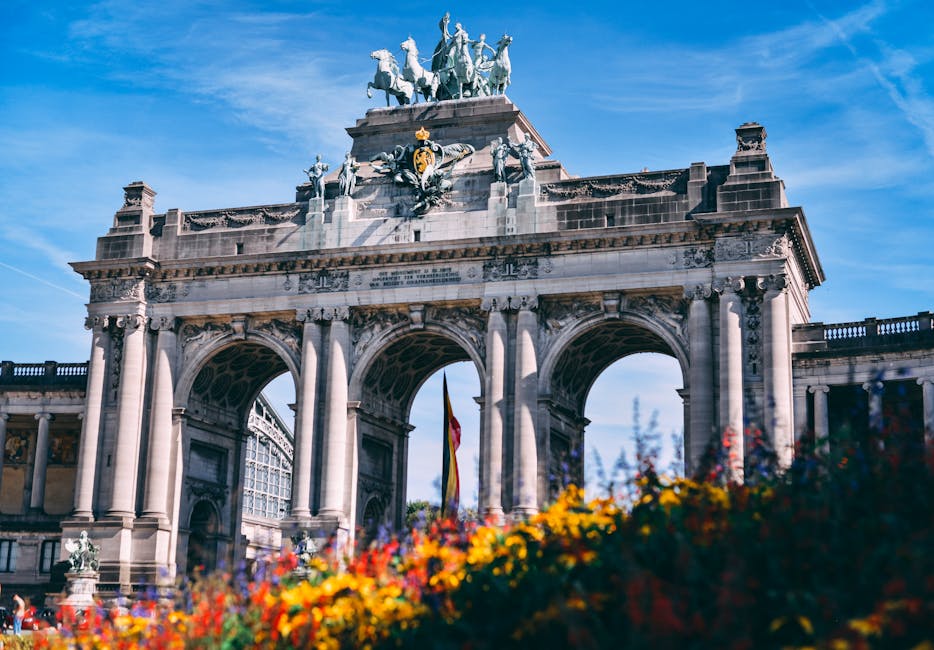
Explore the majestic Royal Quarter, from Art Nouveau gems to the King's Palace and the iconic views of Mont des Arts on this self-guided walk.
 Moderate
Brussels, Belgium
Explore Brussels' industrial heart and artistic rebirth on this self-guided walk through Molenbeek and the Canal district's iconic landmarks.
 Moderate
Brussels, Belgium
Discover Brussels' Art Nouveau masterpieces at your own pace, from Victor Horta's UNESCO sites to the flamboyant Maison Saint-Cyr.
 Easy
EasyGothenburg, Sweden
Discover Gothenburg’s maritime flavors on this self-guided walk through historic market halls and iconic seafood landmarks.
 Easy
EasyGothenburg, Sweden
Explore Gothenburg's maritime soul on this self-guided walk from historic shipyards to sleek modern piers and iconic industrial landmarks.
 Easy
EasyGothenburg, Sweden
Discover Gothenburg’s 17th-century Dutch foundations, historic canals, and military fortifications on this self-guided architectural walk.
 Easy
EasyInnsbruck, Austria
Discover the flavors of Tyrol on this self-guided stroll through Innsbruck’s historic Old Town and vibrant market hall.
 Easy
EasyBruges, Belgium
Discover the most iconic canal views in Bruges on this scenic self-guided audio walk through the historic "Venice of the North".
 Easy
EasyBruges, Belgium
Discover the tranquil almshouses and hidden courtyards of Bruges on this peaceful self-guided audio walk through the historic St. Anna district.
 Moderate
Bruges, Belgium
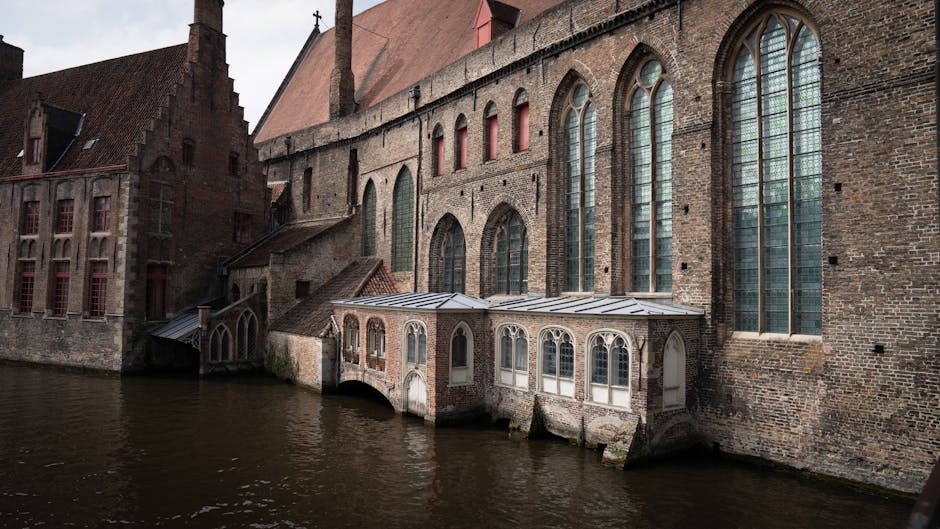
Discover the artistic soul of Bruges, from world-class Flemish Primitive paintings to the delicate traditions of handmade lace in the St. Anna district.
 Easy
EasyBruges, Belgium
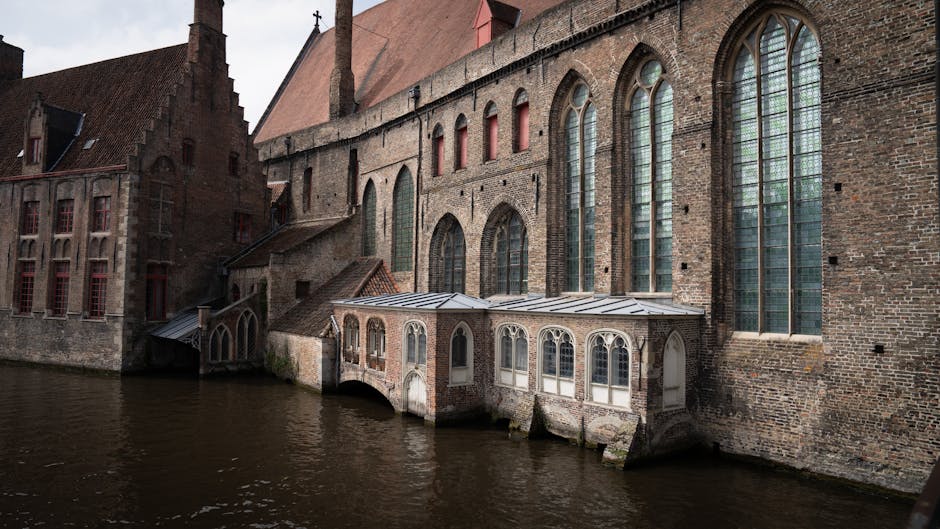
Discover the artisanal secrets of Bruges' world-class chocolatiers on this delicious self-guided walking route through the medieval center.