Self-guided audio tour in Brussels
Start Free on iPhone
Start free on iPhone to unlock this self-guided walking tour in Brussels. Hear all the stories that make it amazing, walk at your own pace, and begin whenever you want.
Your Private Tour Guide
Discover a side of Brussels where industrial grit meets avant-garde creativity. This self-guided walk takes you through the Canal District and Molenbeek, a neighborhood that has transformed from the 'Manchester of the North' into one of Europe's most exciting hubs for contemporary art and sustainable architecture. As you explore independently, you will witness how the 19th-century industrial artery of the city has been reclaimed by cultural centers, innovative housing, and massive urban renovation projects. This neighborhood stroll is perfect for those who want to see Brussels beyond the Grand Place, focusing instead on the raw beauty of red-brick warehouses and modern glass facades. You will encounter the striking Klein Kasteeltje, a former barracks with a complex history, before crossing the water to explore the Millennium Iconoclast Museum of Art (MIMA). The route highlights the dramatic scale of the KANAL–Centre Pompidou, housed in a former 1930s Citroën garage, and concludes at the breathtaking Tour & Taxis site. This walking tour Brussels route offers a deep dive into the city's architectural evolution and its social fabric. Whether you are interested in the heritage of the postal service at Tour & Taxis or the cutting-edge timber construction of the Gare Maritime, this self-guided adventure provides a comprehensive look at the city's industrial revival. For travelers seeking an authentic walking tour Brussels experience, this path offers a narrative of resilience and creative rebirth along the water's edge. **Note:** This area is known for its ever-changing character. Street art, pop-up venues, and temporary exhibitions may differ from what's described. That's part of the adventure - you might discover something entirely new!
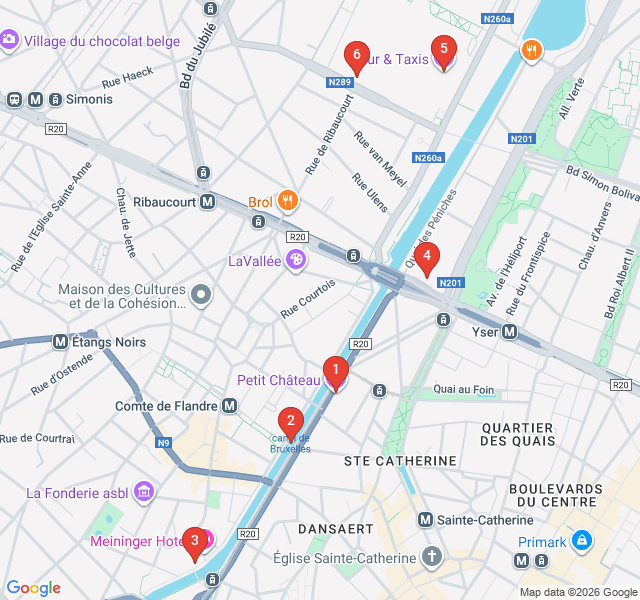
Numbers indicate the order of stops on the tour.
Begin your exploration at the Klein Kasteeltje, or 'Little Castle.' This imposing neo-Tudor structure was built in the mid-19th century to serve as a military barracks. Its crenelated towers and red-brick facade give it a fortress-like appearance that dominates the start of the canal district. Over the decades, its purpose has shifted significantly; today, it is well-known as the oldest reception center for asylum seekers in Belgium. It stands as a powerful symbol of Brussels’ role as an international crossroads and a sanctuary. As you observe the building from the street, consider how this former site of military defense has become a gateway for people from all over the world seeking a new life in Europe.
Step toward the water of the Brussels-Charleroi Canal. Completed in 1832, this waterway was the lifeblood of the city's industrial revolution, transporting coal and raw materials to the heart of the capital. Today, the canal serves as a symbolic border between the city center and the district of Molenbeek. As you walk along the banks, notice the contrast between the old industrial cranes and the new residential developments. The area is a living gallery of urban change. Keep an eye out for various street art pieces on the opposite banks; these murals are part of the city's effort to brighten the concrete landscape, though they frequently change as new artists leave their mark on the district.
You are now at the MIMA, situated inside the former Belle-Vue brewery. This museum is a testament to the neighborhood's creative revival. It focuses on 'Culture 2.0,' featuring street art, graphic design, and subculture-inspired works that often challenge traditional museum norms. The brick architecture of the brewery has been meticulously preserved, providing a rugged, industrial backdrop for vibrant, contemporary installations. Since the museum hosts rotating temporary exhibitions, the interior experience is always evolving. Even from the outside, the building represents the successful repurposing of industrial heritage into a cultural landmark that bridges the gap between the canal's gritty past and its artistic future.
Standing before you is one of the most ambitious cultural projects in Europe. This massive complex was once a flagship Citroën garage, built in the 1930s. Its vast glass curtains and steel frame are masterpieces of functionalist architecture. It is currently being transformed into the KANAL–Centre Pompidou, a museum of modern and contemporary art. Even during its renovation phases, the building’s sheer scale is breathtaking. It was designed to be a 'city within a city,' where cars were once displayed in light-filled showrooms. Note that access to the interior may vary depending on the current stage of construction and temporary programming, but the exterior remains a landmark of 20th-century industrial design.
Welcome to Tour & Taxis, a site that once served as one of the world's largest customs and storage hubs. Named after the Thurn und Taxis family—the pioneers of the European postal system—this area was the center of Belgian logistics in the early 1900s. The Royal Depot, with its ornate stone and brickwork, highlights the wealth and importance of trade in that era. Today, the entire site has been reimagined as a sustainable urban district. It is a fantastic place to observe how historic preservation can coexist with modern ecological standards. The vast open spaces and architectural grandeur make it a favorite for photographers and history enthusiasts alike.
Your journey concludes at the Gare Maritime, formerly Europe's largest railway station for goods. This space has been transformed into a stunning 'covered city' using Cross Laminated Timber (CLT), making it one of the largest and most sustainable timber projects in the world. Walk through the central nave to experience the massive wooden 'gardens' and the light-filled boulevards that house offices, shops, and food halls. The design maintains the original 12-meter high steel pillars while adding a warm, modern aesthetic. It is a pinnacle of urban revival, proving that industrial relics can be adapted into beautiful, carbon-neutral spaces for the community. Take a moment to enjoy a break in the food hall before heading back.
Start Free on iPhone
Explore “Canal District and Industrial Revival” with your very own Private Tour Guide with Zigway. Start free on iPhone, skip the large group and the fixed routes, and hear the city come alive as you go.
Your Private Tour Guide
Don't miss the good stuff
Explore Freely
 Easy
EasyBrussels, Belgium
Discover the colorful world of Belgian comics on this independent walking route through the creative streets and murals of central Brussels.
 Moderate
Brussels, Belgium
Explore the majestic Royal Quarter, from Art Nouveau gems to the King's Palace and the iconic views of Mont des Arts on this self-guided walk.
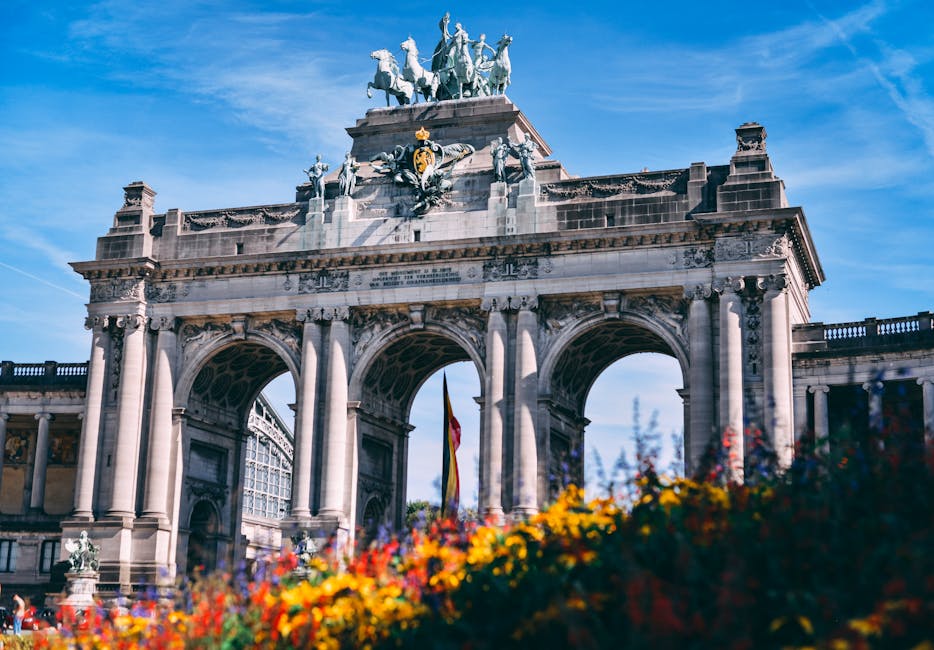 Moderate
Brussels, Belgium
Discover Brussels' Art Nouveau masterpieces at your own pace, from Victor Horta's UNESCO sites to the flamboyant Maison Saint-Cyr.
 Easy
EasyBrussels, Belgium
Discover Brussels' maritime history and culinary gems on this self-guided walk from the historic Bourse to the trendy quays of Sainte-Catherine.
 Moderate
Gdansk, Poland
Discover Zaspa, a massive open-air gallery where grey housing blocks are transformed by over 60 monumental murals. Explore at your own pace.
 Moderate
Nairobi, Kenya
Discover the creative soul of Nairobi on this self-guided walk through the city's premier art galleries, markets, and artisan workshops.
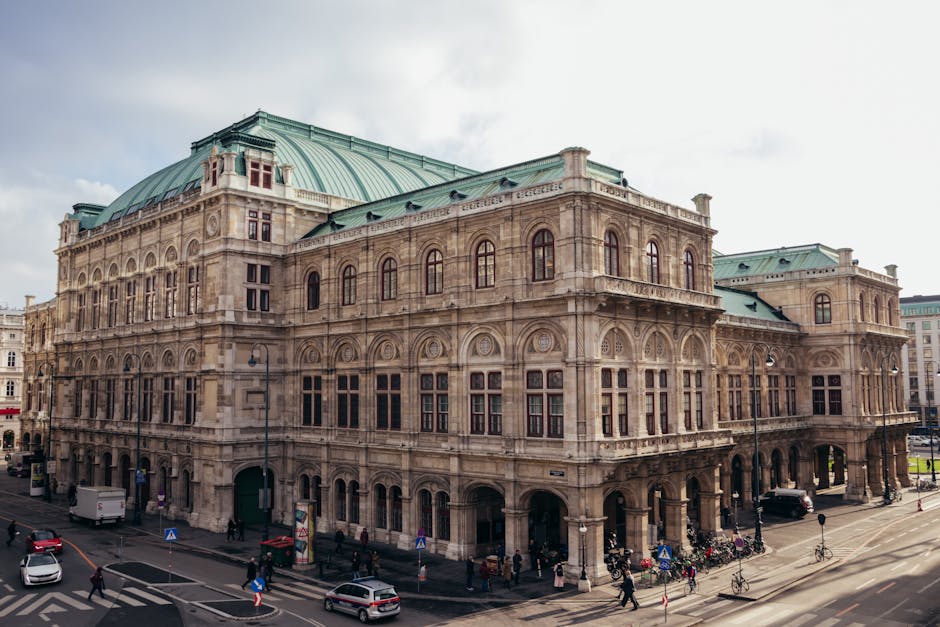 Moderate
Vienna, Austria
Discover the noir world of The Third Man and Cold War Vienna on this atmospheric self-guided audio walk through the historic Innere Stadt.
 Moderate
Nairobi, Kenya
Discover the pulse of Nairobi's contemporary art scene on this self-guided walk through the galleries and creative spaces of Kilimani.
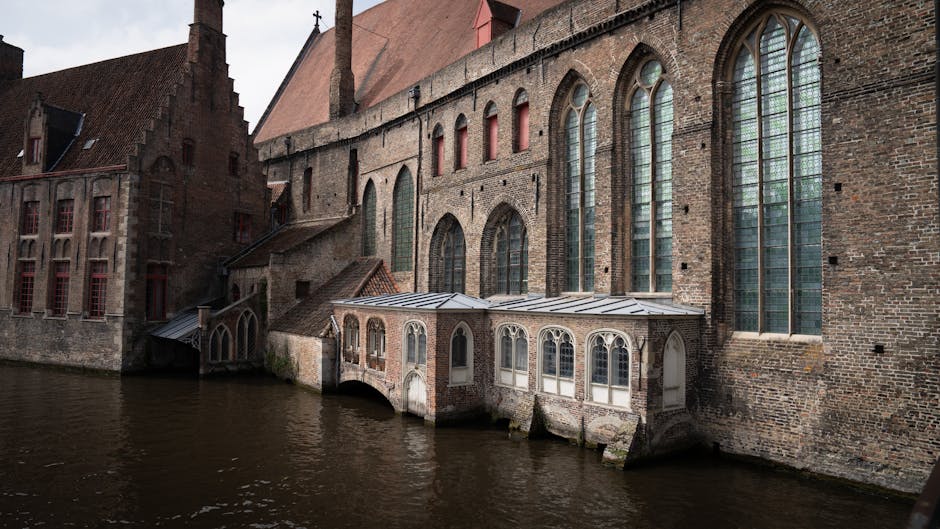 Easy
EasyBruges, Belgium
Discover the most iconic canal views in Bruges on this scenic self-guided audio walk through the historic "Venice of the North".
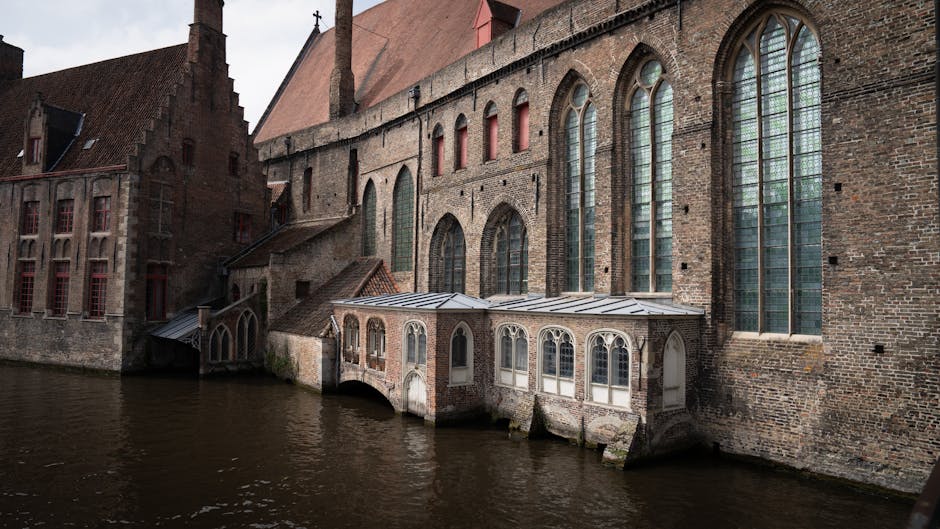 Easy
EasyBruges, Belgium
Discover the tranquil almshouses and hidden courtyards of Bruges on this peaceful self-guided audio walk through the historic St. Anna district.
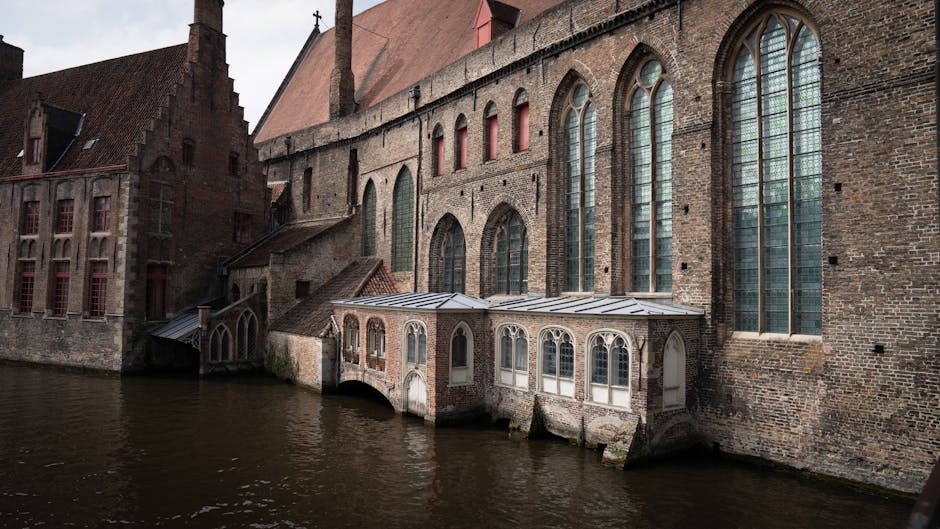 Moderate
Bruges, Belgium
Discover the artistic soul of Bruges, from world-class Flemish Primitive paintings to the delicate traditions of handmade lace in the St. Anna district.
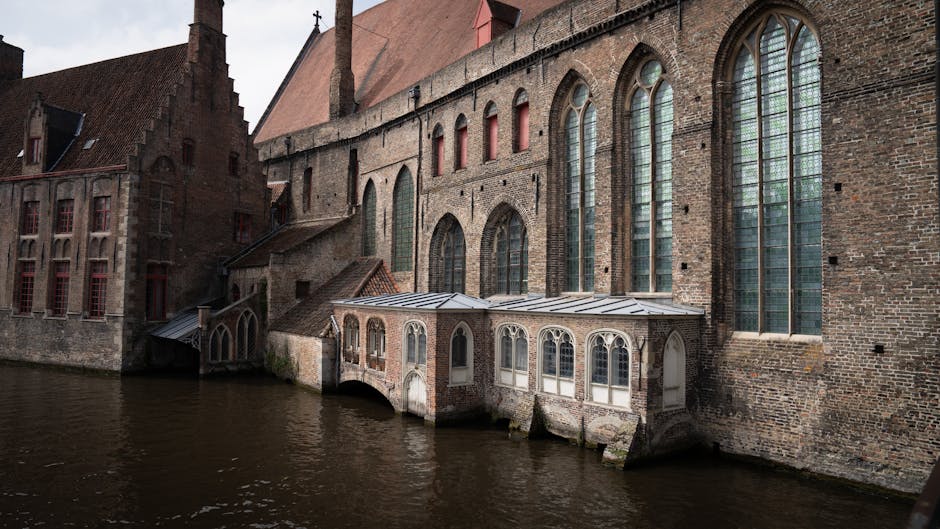 Easy
EasyBruges, Belgium
Discover the artisanal secrets of Bruges' world-class chocolatiers on this delicious self-guided walking route through the medieval center.