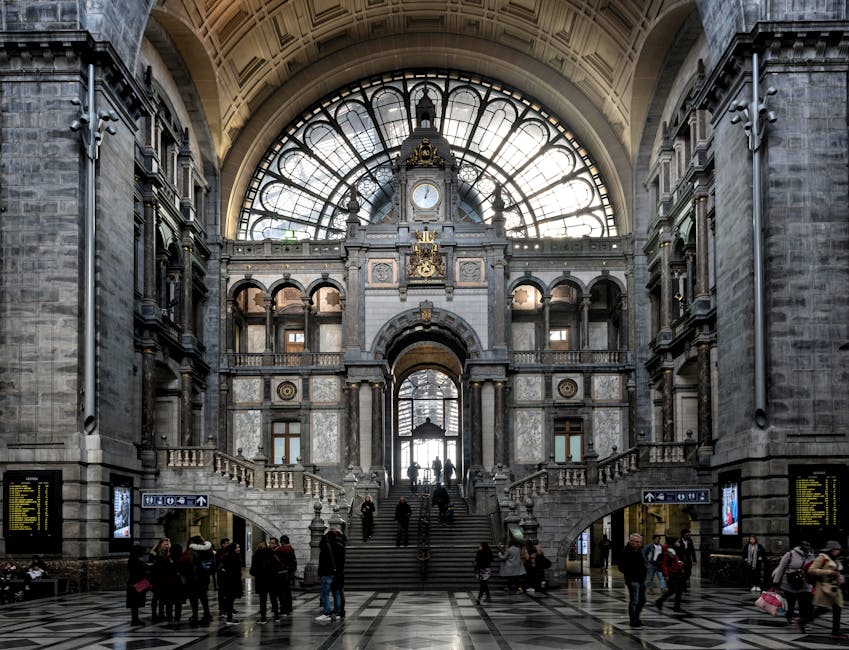
Self-guided audio tour in Antwerp
Start Free on iPhone
Start free on iPhone to unlock this self-guided walking tour in Antwerp. Hear all the stories that make it amazing, walk at your own pace, and begin whenever you want.
Your Private Tour Guide
Step away from the bustling shopping streets and into the quiet, cobblestone heart of Antwerp. This self-guided walk invites you to uncover the layers of a city that was once the most important trading hub in the world. As you navigate the winding paths of the Historic Center, you will encounter the stark contrast between the monumental grandeur of the Golden Age and the humble, hidden corners where ordinary citizens lived and worked centuries ago. The route begins at the imposing Museum Vleeshuis, a masterpiece of late-Gothic architecture that once served as the city’s meat market. From there, you will transition to the iconic Grote Markt, where the opulent guildhalls tell stories of wealth and power, before slipping into the secret passages that many visitors miss. One of the true highlights of this neighborhood stroll is the Vlaaikensgang, a 16th-century alleyway that feels frozen in time. Once home to the city’s poorest residents, it is now an oasis of peace, ivy-clad walls, and historic charm. As you continue your journey, you will explore the Vrijdagmarkt, a square steeped in the tradition of the printing press and the weekly auctions that have taken place here for hundreds of years. The experience concludes with a descent into the Sint-Annatunnel, a 1930s engineering marvel that takes you deep beneath the Scheldt river. This walking route is designed for those who love to discover history independently, allowing you to pause at a local café or linger in a courtyard whenever you choose. Whether you are a photography enthusiast looking for the perfect shot of medieval brickwork or a history buff eager to learn about Antwerp’s maritime heritage, this audio walk provides the context and stories to bring the stones to life. Discover Antwerp at your own pace and find the hidden gems that define the soul of this Flemish city.
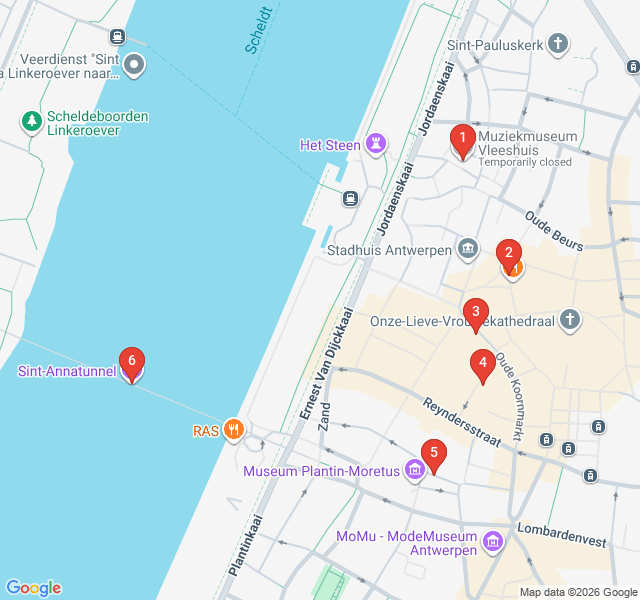
Numbers indicate the order of stops on the tour.
Welcome to the start of your self-guided walk. You are standing before the Vleeshuis, or Butcher’s Hall. Built in the early 16th century, its distinctive layers of red brick and white stone were designed to resemble 'speklagen' or layers of bacon—a nod to its original purpose. Inside, butchers once processed and sold meat under strict city regulations. Today, this Gothic monument houses a museum dedicated to 600 years of music and dance in Antwerp. Notice the soaring towers and the intricate masonry; this was a building designed to show off the wealth of the Butchers' Guild. It survived fires and wars, standing as one of the oldest remaining secular buildings in the city.
As you enter the Grote Markt, you are standing in the ceremonial heart of Antwerp. Look up at the Guildhalls—these narrow, ornate buildings were the headquarters for the city’s various trades, from archers to tanners. The tallest is the House of the Crossbowmen. In the center stands the Brabo Fountain, depicting the legendary Roman soldier Silvius Brabo throwing the severed hand of a giant into the river Scheldt. This legend explains the city's name: 'Antwerpen' comes from 'hand werpen' or 'hand throwing.' The Renaissance-style City Hall on the western side is a UNESCO World Heritage site, representing the city’s peak during the 16th century.
Step through the small door at Oude Koornmarkt 16 and you will find yourself in another world. The Vlaaikensgang dates back to 1591. While it is now an upscale and tranquil spot, it was originally a 'gang' or alley where the city’s poorest lived, including shoemakers and the person responsible for ringing the cathedral bells. This is the most famous hidden gem in Antwerp, preserved to look exactly as it did centuries ago. Listen to the silence here; it is a rare escape from the modern city noise. The white-washed walls and uneven stones evoke the medieval atmosphere of a neighborhood that once hummed with the sounds of manual labor.
Nearby, you will find the entrance to Pelgrom. This location is famous for its subterranean vaulted ceilings. Antwerp is built on a network of 'ruien' or former canals and sewers, and buildings like this offer a glimpse into the underground history of the city. While today it serves as a cellar for dining and drinks, the architecture reflects the medieval storage systems used by merchants. The thick brick arches were essential for supporting the heavy houses above while providing a cool environment for goods brought in from the nearby docks. It serves as a reminder that Antwerp’s history is just as fascinating below ground as it is above.
The Vrijdagmarkt, or Friday Market, has been the site of weekly auctions since the 16th century. Even today, every Friday morning, old furniture and household goods are auctioned off in the open air. The square is also home to the Plantin-Moretus Museum, once the most important printing house in Europe. The atmosphere here is quintessentially Antwerp—local, slightly weathered, and full of character. It was the center of the city’s intellectual life during the Renaissance. Take a moment to appreciate the statue of Saint Catherine, the patron saint of the old clothes buyers, standing atop the pump in the center of the square.
Your journey ends at the Sint-Annatunnel, also known as the Underpass. Built between 1931 and 1933, this pedestrian tunnel connects the city center to the Left Bank. What makes it special are the original wooden escalators, which are rare and still fully functional. Descending into the tunnel feels like entering a vintage film set. It was built deep enough to allow ships to pass overhead without the need for a bridge that would block maritime traffic. Once you reach the bottom, the tunnel stretches for 572 meters under the river. It is a favorite spot for locals and offers a unique perspective on Antwerp’s 20th-century industrial heritage.
Start Free on iPhone
Explore “Secret Alleys and Medieval Courtyards” with your very own Private Tour Guide with Zigway. Start free on iPhone, skip the large group and the fixed routes, and hear the city come alive as you go.
Your Private Tour Guide
Don't miss the good stuff
Explore Freely
 Easy
EasyAntwerp, Belgium
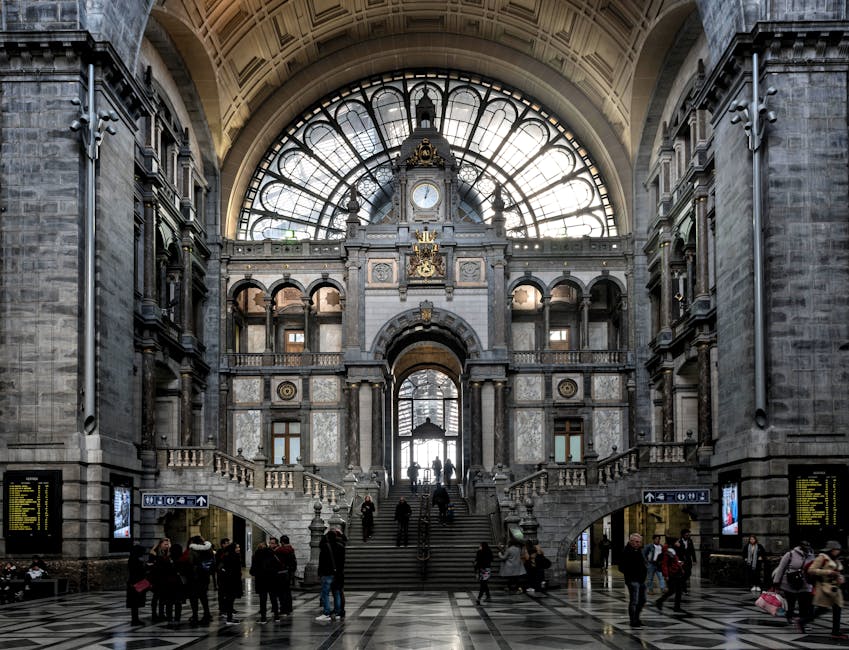
Taste your way through Antwerp's history on this self-guided walk featuring world-class beer, fries, and chocolate in the historic center.
 Moderate
Antwerp, Belgium
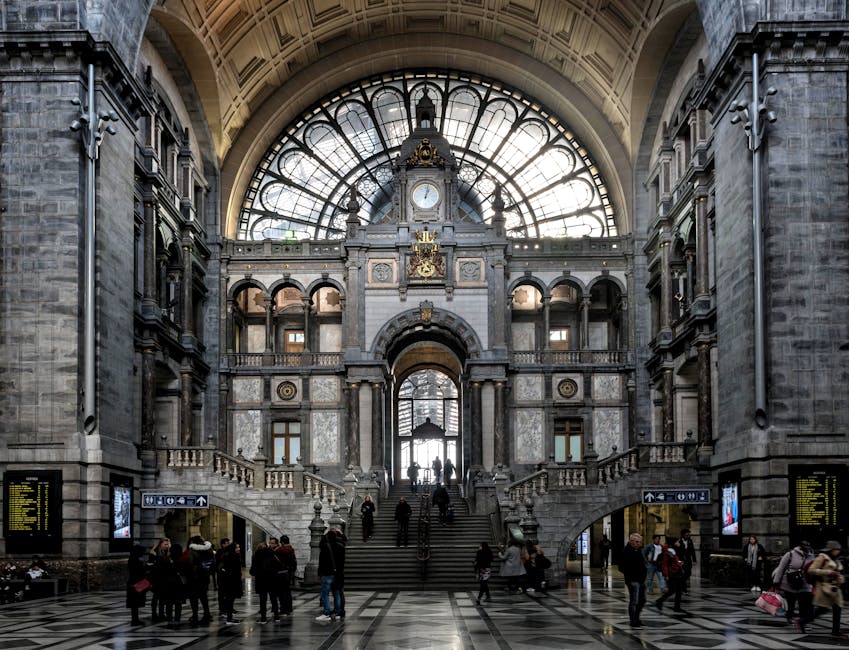
Explore Antwerp's Eilandje district on this self-guided walk, where historic docks meet futuristic architecture and maritime legends.
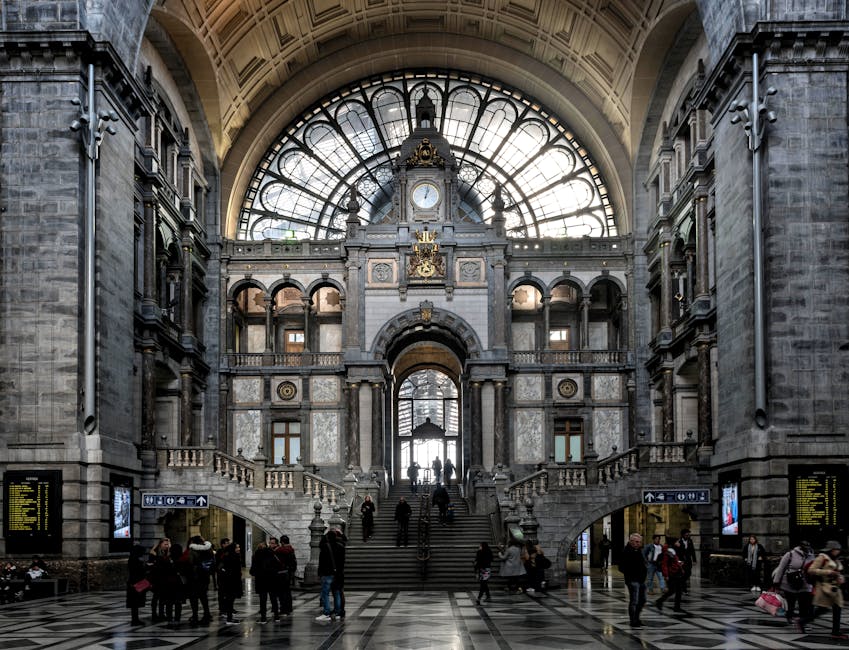 Easy
EasyAntwerp, Belgium
Discover Antwerp’s printing revolution and literary heritage on this self-guided walk through the city's historic center and UNESCO sites.
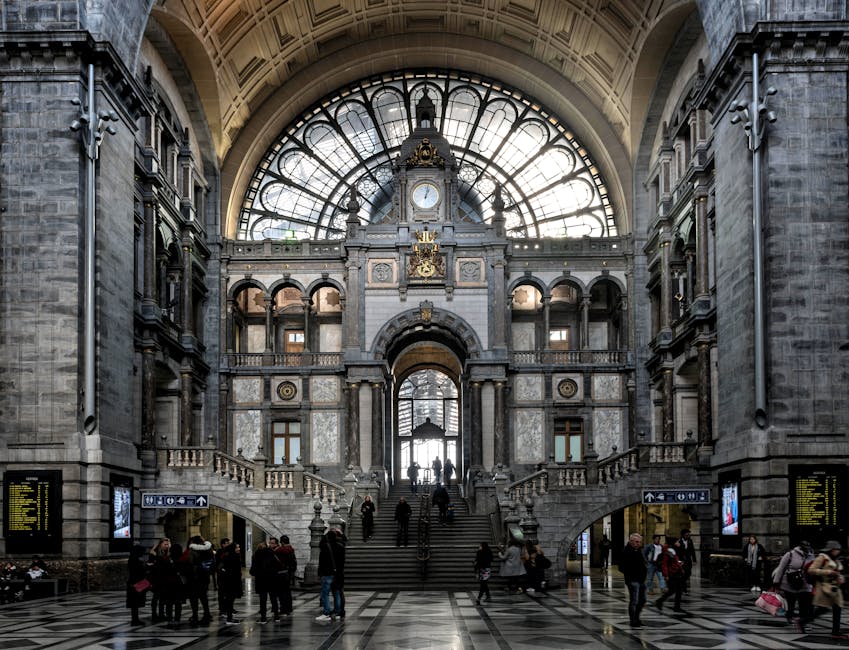 Easy
EasyAntwerp, Belgium
Discover how a gritty railway yard became Antwerp's most vibrant green space on this self-guided industrial heritage walk.
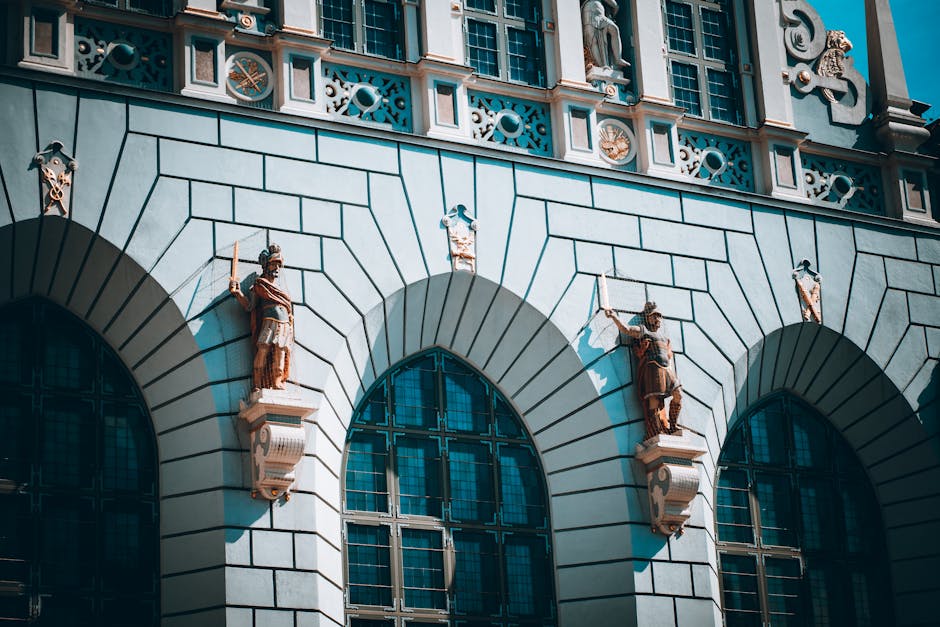 Easy
EasyGdansk, Poland
Discover the opulent Royal Way of Gdansk at your own pace. Explore Hanseatic history, gilded architecture, and the iconic Neptune's Fountain.
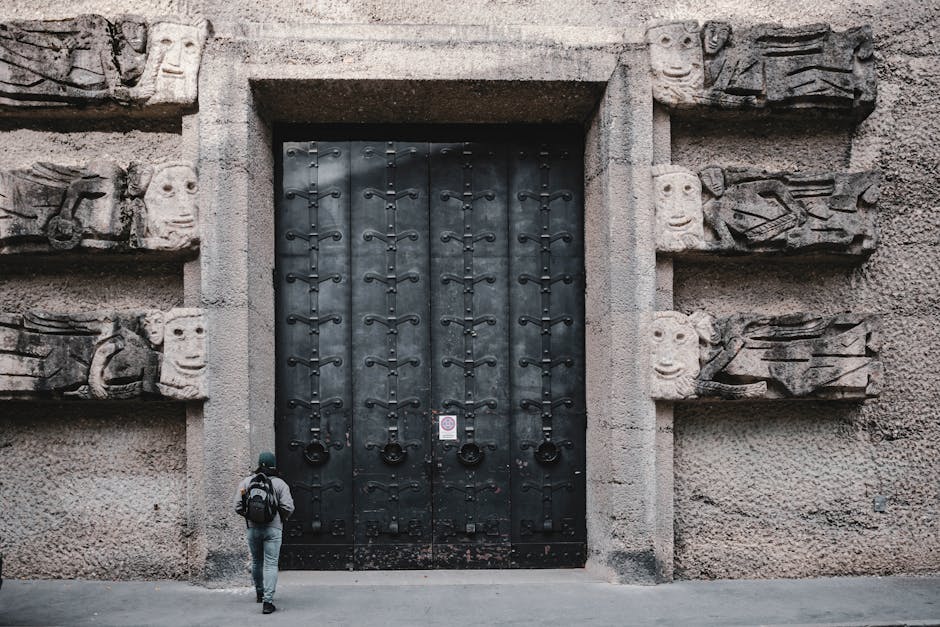 Easy
EasySalzburg, Austria
Discover Salzburg's oldest medieval alley, the birthplace of the 'Silent Night' author, and breathtaking views on this quiet self-guided walk.
 Easy
EasyHelsinki, Finland
Discover Helsinki's oldest neighborhood on this self-guided audio walk through Kruununhaka’s historic streets, hidden courtyards, and scenic shores.
 Easy
EasyGothenburg, Sweden
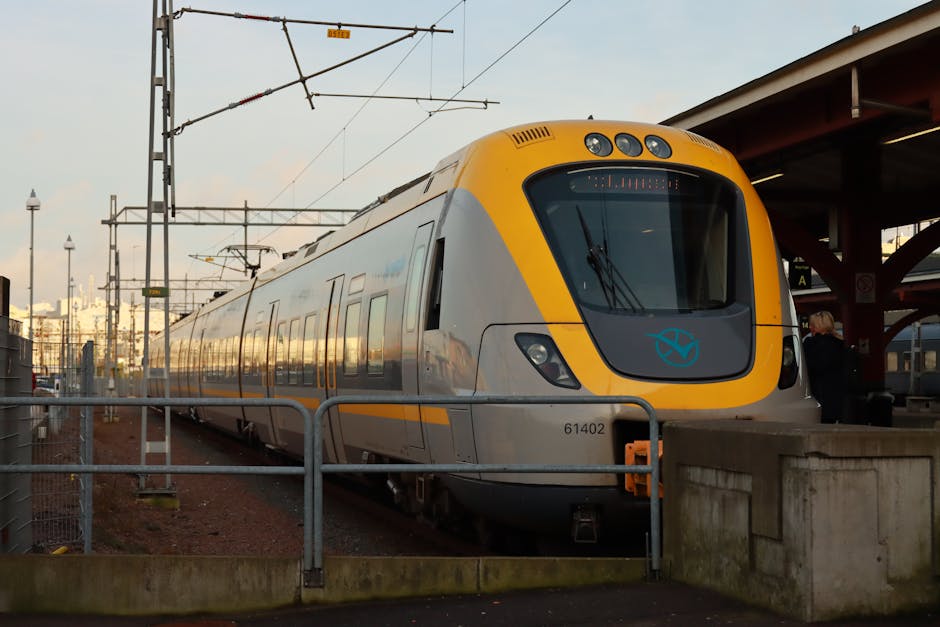
Explore Gothenburg's elegant academic district, featuring grand 19th-century stone architecture and the iconic cultural hub of Götaplatsen.
 Easy
EasyBrussels, Belgium
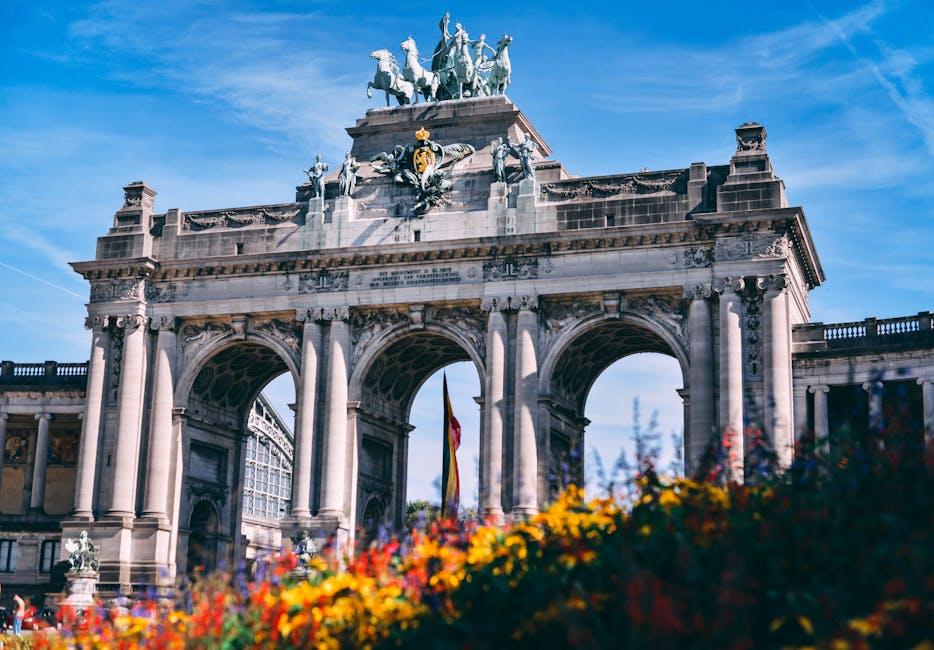
Discover the colorful world of Belgian comics on this independent walking route through the creative streets and murals of central Brussels.
 Moderate
Brussels, Belgium
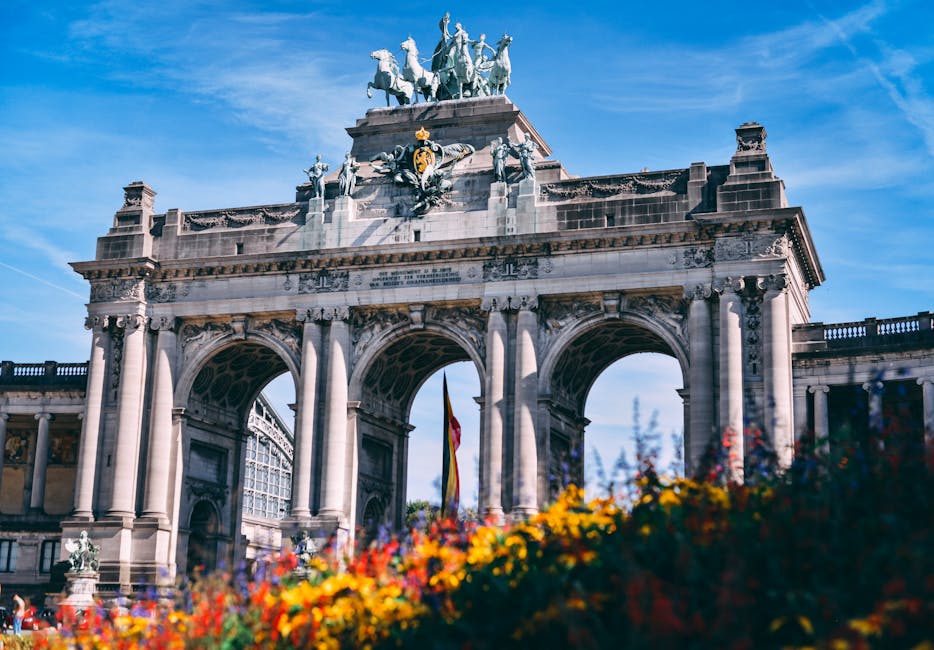
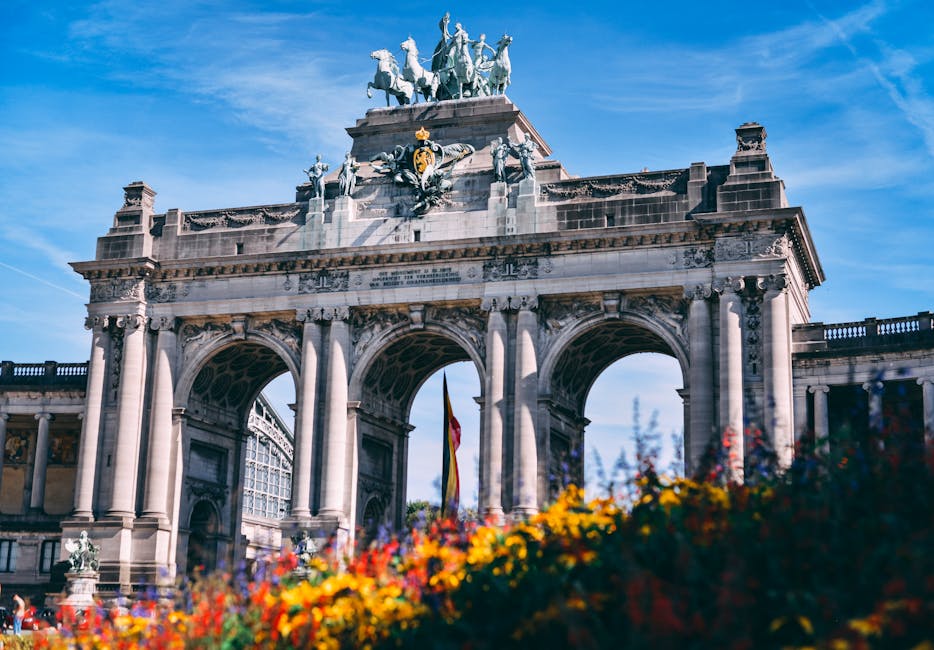
Explore the majestic Royal Quarter, from Art Nouveau gems to the King's Palace and the iconic views of Mont des Arts on this self-guided walk.
 Moderate
Brussels, Belgium
Explore Brussels' industrial heart and artistic rebirth on this self-guided walk through Molenbeek and the Canal district's iconic landmarks.
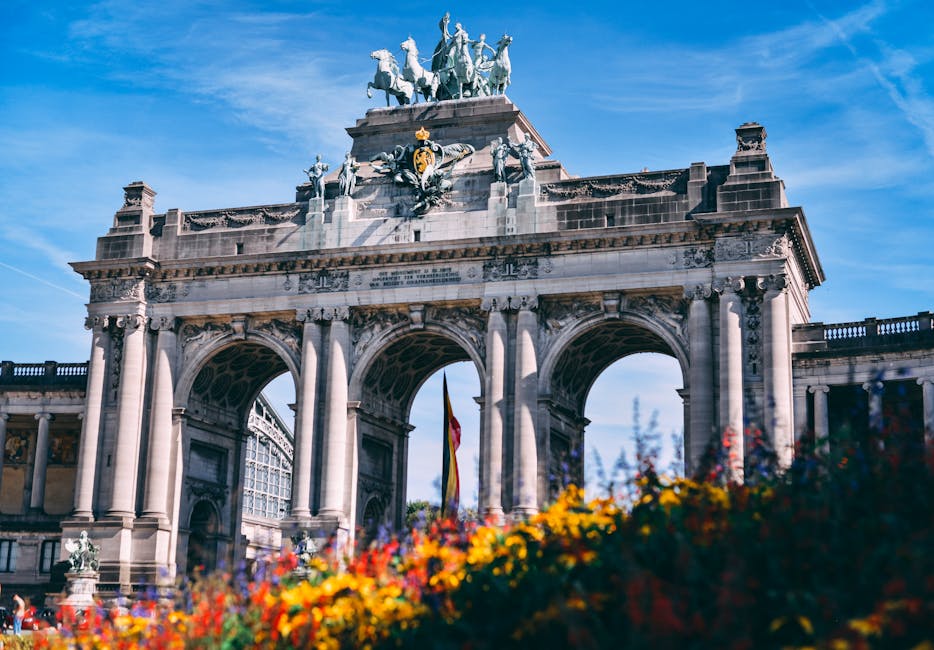 Moderate
Brussels, Belgium
Discover Brussels' Art Nouveau masterpieces at your own pace, from Victor Horta's UNESCO sites to the flamboyant Maison Saint-Cyr.