Self-guided audio tour in Antwerp
Start Free on iPhone
Start free on iPhone to unlock this self-guided walking tour in Antwerp. Hear all the stories that make it amazing, walk at your own pace, and begin whenever you want.
Your Private Tour Guide
Step back into the Golden Age of Antwerp, a time when the city was the printing capital of the world. This self-guided walk explores the indelible mark left by the Plantin-Moretus family, whose legacy is preserved in the only museum in the world to be designated a UNESCO World Heritage site. As you wander through the cobblestone streets of the historic center, you will discover how the invention of the printing press transformed human knowledge and fueled the Renaissance. This walking route is not just about books; it is about the power of ideas and the individuals who risked everything to spread them. Your journey begins at the legendary Plantin-Moretus Museum, where the world’s oldest printing presses still stand. From there, you will stroll through the Vrijdagmarkt, a square that has witnessed centuries of trade and public auctions. As you move toward the Sint-Andries district, once known as the 'Parish of Misery,' the narrative shifts to the social fabric of the city and the lives of the workers who kept the presses running. The route also introduces you to the Maagdenhuis, a former orphanage that highlights the city's long-standing commitment to social welfare and education. To conclude this literary exploration, you will visit the Heritage Library Hendrik Conscience. Named after the man who 'taught his people to read,' this library is a treasure trove of Flemish history and culture. This neighborhood stroll offers a profound look at how Antwerp became a beacon of intellectual freedom. Whether you are a bibliophile, a history enthusiast, or simply a curious traveler, this experience allows you to explore at your own pace, uncovering the hidden stories etched into the city's walls and courtyards. Experience a walking tour Antwerp enthusiasts recommend for its deep dive into the city's intellectual soul.
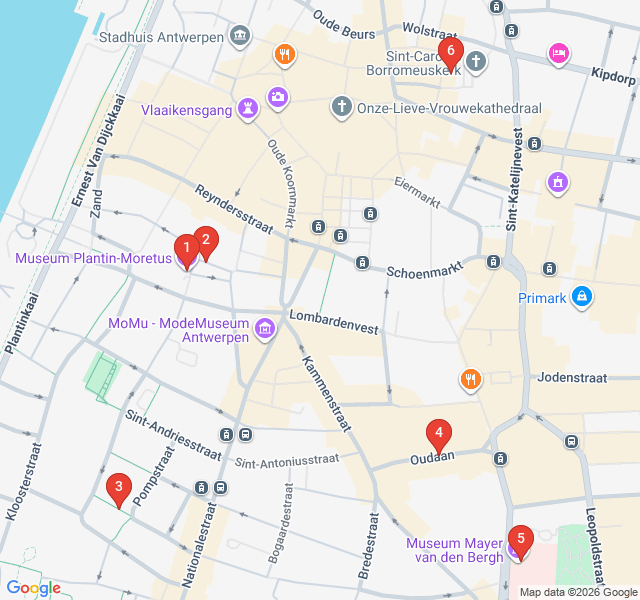
Numbers indicate the order of stops on the tour.
Begin your self-guided adventure at the doorstep of the Plantin-Moretus Museum. This isn't just a museum; it was the home and workshop of Christophe Plantin and Jan Moretus, the most influential printers of the 16th century. In an era when books were hand-copied or rare, this family established a printing empire that produced Bibles, maps, and scientific texts for all of Europe. Inside these walls sit the two oldest printing presses in existence. The building itself, with its stunning Renaissance courtyard and leather-clad rooms, feels as though the printers have just stepped out for a break. It is the only museum in the world recognized as a UNESCO World Heritage site, symbolizing the global impact of the printed word.
Step into the Vrijdagmarkt, or 'Friday Market.' For over 400 years, this square has been the site of a weekly market where second-hand goods and furniture are auctioned off. Look for the statue in the center—it depicts Catherine of Alexandria, the patron saint of the cloth dyers. During the time of Plantin, this square was a bustling hub of commerce and social interaction. Imagine the noise of auctioneers calling out prices as residents bid on household items. Today, it remains one of Antwerp's most atmospheric squares, surrounded by charming cafes and traditional facades, serving as a perfect example of how the city blends its medieval past with modern life.
As you walk toward Sint-Andriesplaats, you enter the heart of the Sint-Andries district. Historically known as the 'Parish of Misery,' this neighborhood was home to the city's working class and dockworkers. While the Plantin-Moretus family lived in luxury, the people here faced harsh conditions. However, this area also fostered a strong sense of community and rebellion. Today, the square is a vibrant community hub, but if you look closely at the architecture and the nearby church, you can still feel the grit and resilience of Antwerp’s history. It’s a stark contrast to the intellectual wealth of the printing houses, reminding us of the diverse social layers that built this city.
The Oudaan street serves as a bridge between the old city and the developing 19th-century districts. Here, the historic fabric of Antwerp meets modern civic life. You'll notice the striking contrast between the traditional brick buildings and the 1950s police tower that looms nearby. Historically, this area was a transition zone for trade and administration. As you walk along, consider how the city has expanded and modernized while keeping its medieval core intact. This street highlights the evolution of Antwerp from a walled fortress town to a sprawling European port, where the legacy of the Golden Age still influences urban planning and cultural identity.
The Maagdenhuis, or 'Maidens' House,' is a hidden gem on the Oudaan. Founded in the 16th century, this building served as an orphanage for young girls, teaching them skills like lace-making and sewing to ensure they could support themselves. The courtyard is a peaceful sanctuary, and the museum inside houses a remarkable collection of art and historical artifacts donated by wealthy patrons over the centuries. It reflects the philanthropic spirit of Antwerp’s elite during the Renaissance. The wooden 'foundling drawer' near the entrance is a poignant reminder of the social challenges of the past and the city's efforts to care for its most vulnerable citizens.
Your walking route concludes at the Heritage Library Hendrik Conscience, located on one of the most beautiful squares in Antwerp. Named after the famous Flemish novelist, this library has been collecting books since 1481. The highlight is the Nottebohm Room, a breathtaking 19th-century library hall filled with old globes and thousands of leather-bound volumes. The building originally served as a Jesuit sodality, and the adjacent Carolus Borromeus Church is a masterpiece of Baroque architecture. This site represents the culmination of Antwerp’s literary journey—from the first printed pages of Plantin to the preservation of Flemish identity through literature. It is a fitting end to a walk dedicated to the power of the written word.
Start Free on iPhone
Explore “Ink and Ideas: The Plantin-Moretus Legacy” with your very own Private Tour Guide with Zigway. Start free on iPhone, skip the large group and the fixed routes, and hear the city come alive as you go.
Your Private Tour Guide
Don't miss the good stuff
Explore Freely
 Easy
EasyAntwerp, Belgium
Taste your way through Antwerp's history on this self-guided walk featuring world-class beer, fries, and chocolate in the historic center.
 Moderate
Antwerp, Belgium
Explore Antwerp's Eilandje district on this self-guided walk, where historic docks meet futuristic architecture and maritime legends.
 Easy
EasyAntwerp, Belgium
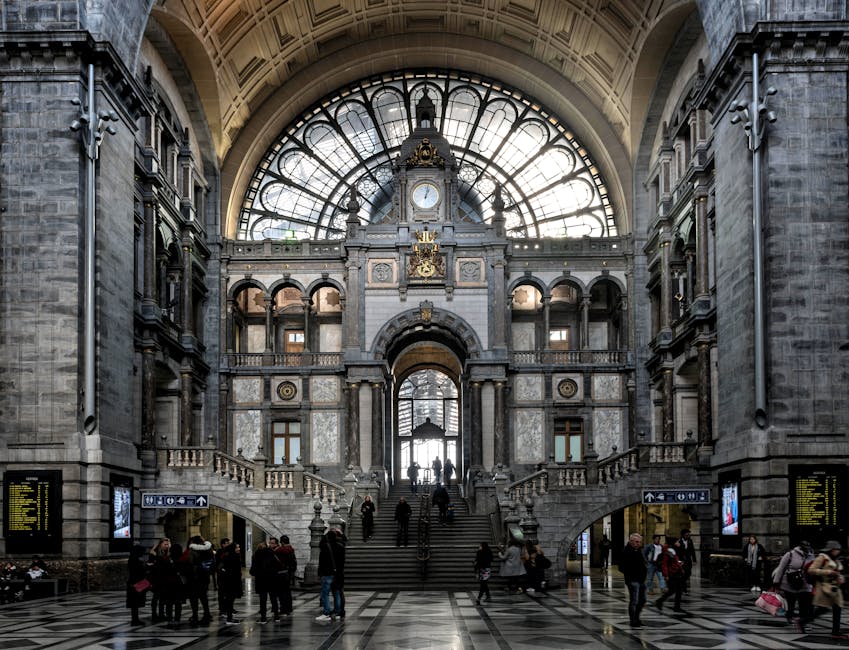
Discover how a gritty railway yard became Antwerp's most vibrant green space on this self-guided industrial heritage walk.
 Moderate
Antwerp, Belgium
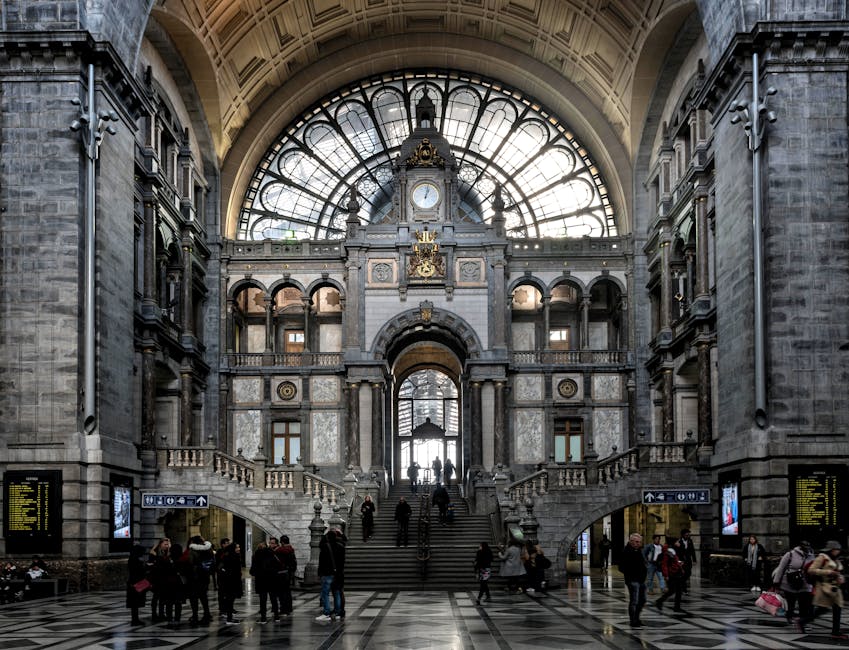
Discover the Baroque masterpieces and Gothic heights of Antwerp’s historic churches on this immersive self-guided audio walk through the city center.
 Easy
EasyKrakow, Poland
Explore the prestigious Jagiellonian University district, featuring Neo-Gothic architecture, Baroque churches, and Krakow's hidden scholarly gems.
 Easy
EasyNairobi, Kenya
Explore Nairobi's architectural evolution from colonial-era landmarks to iconic Brutalist skyscrapers on this historic self-guided walking route.
 Easy
EasyNairobi, Kenya
Discover Nairobi's iconic skyline on this self-guided architecture walk through the CBD’s most famous modernist and Brutalist landmarks.
 Easy
EasyNairobi, Kenya
Discover Nairobi’s literary soul on this self-guided walk through historic libraries, iconic bookshops, and cultural centers in the heart of the CBD.
 Easy
EasyBrussels, Belgium
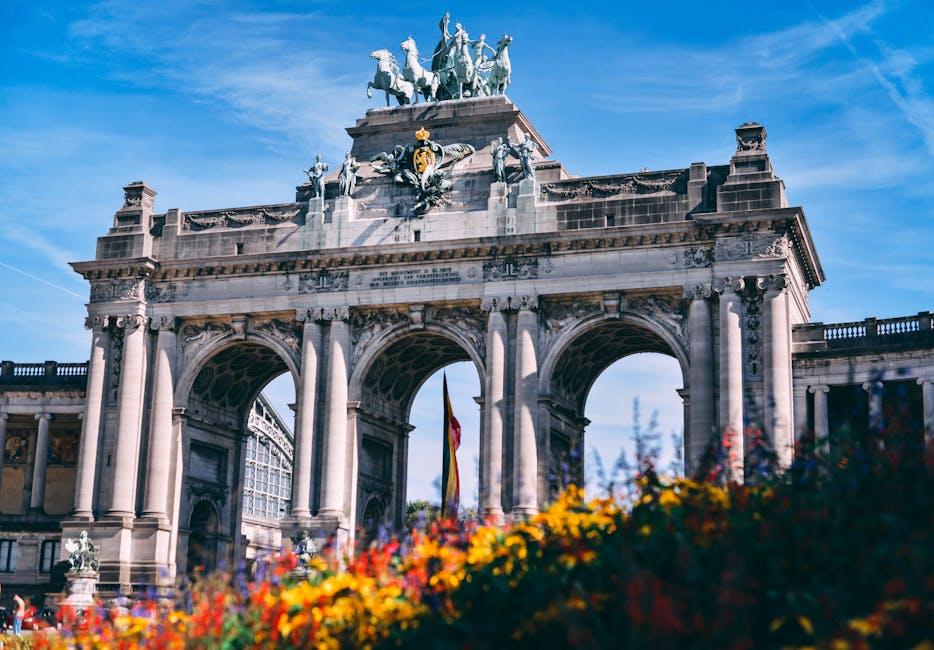
Discover the colorful world of Belgian comics on this independent walking route through the creative streets and murals of central Brussels.
 Moderate
Brussels, Belgium
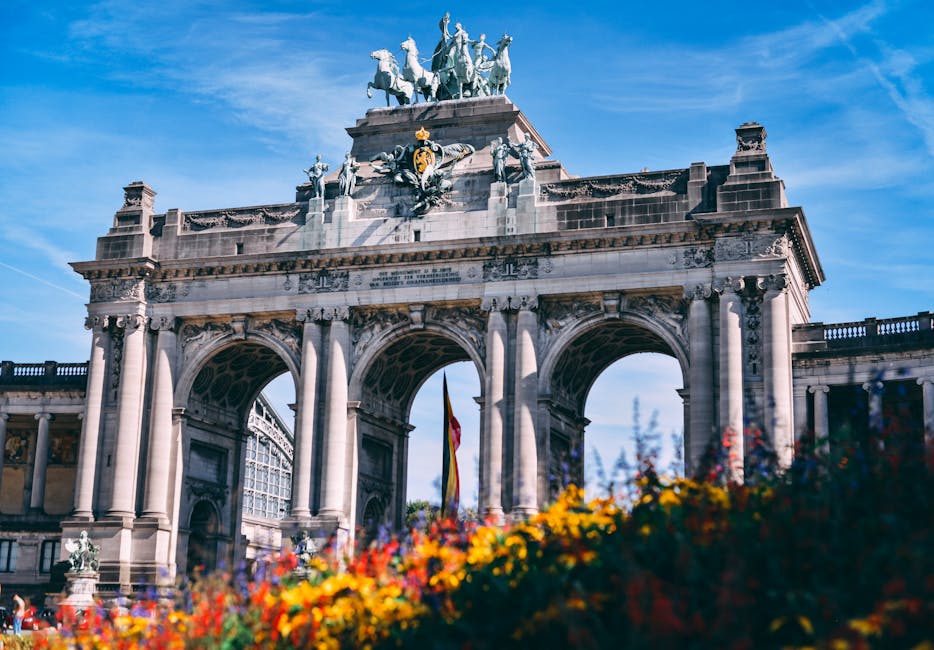
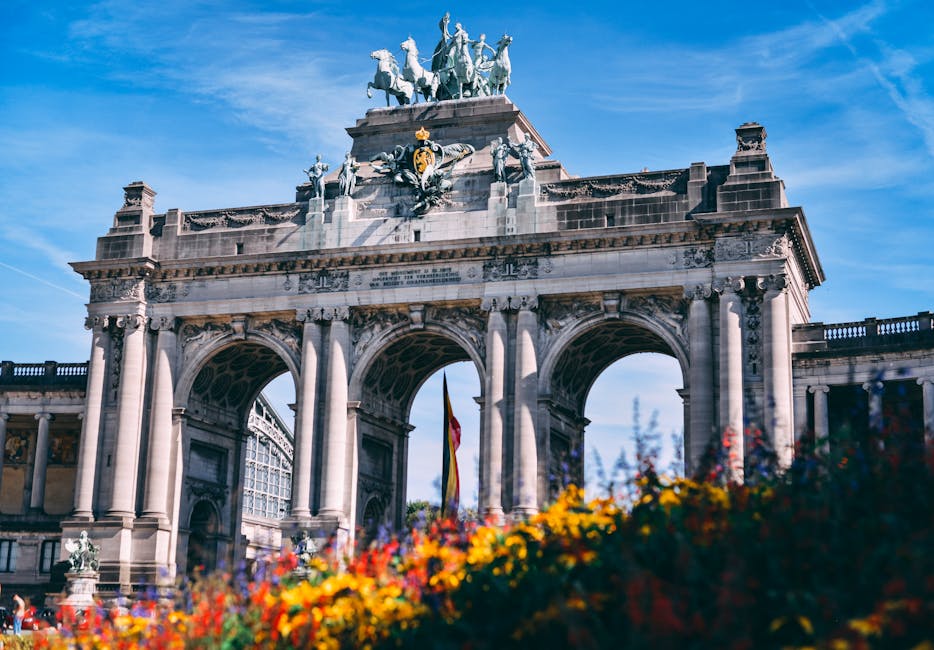
Explore the majestic Royal Quarter, from Art Nouveau gems to the King's Palace and the iconic views of Mont des Arts on this self-guided walk.
 Moderate
Brussels, Belgium
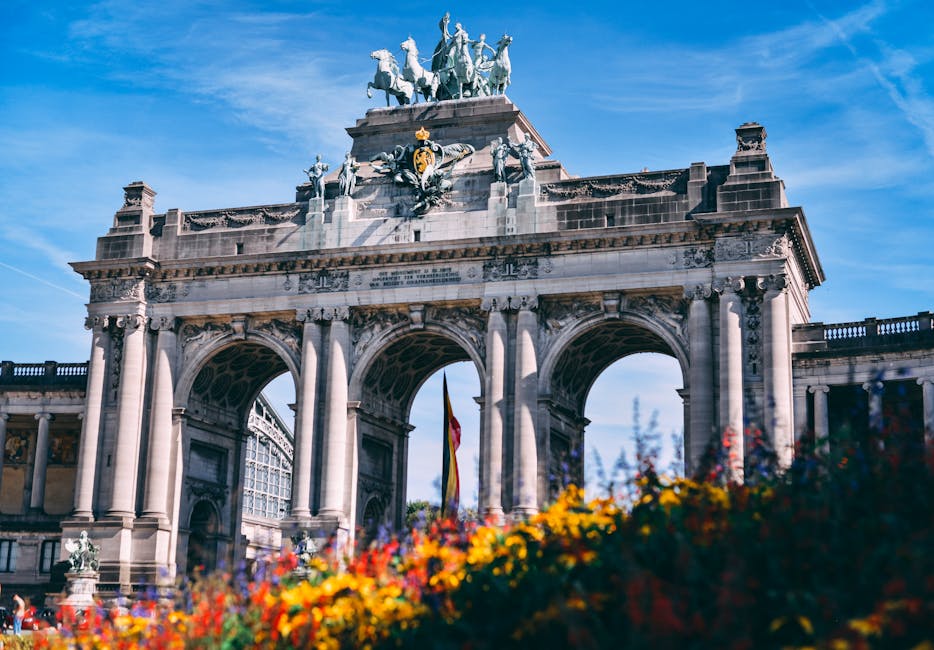
Explore Brussels' industrial heart and artistic rebirth on this self-guided walk through Molenbeek and the Canal district's iconic landmarks.
 Moderate
Brussels, Belgium
Discover Brussels' Art Nouveau masterpieces at your own pace, from Victor Horta's UNESCO sites to the flamboyant Maison Saint-Cyr.