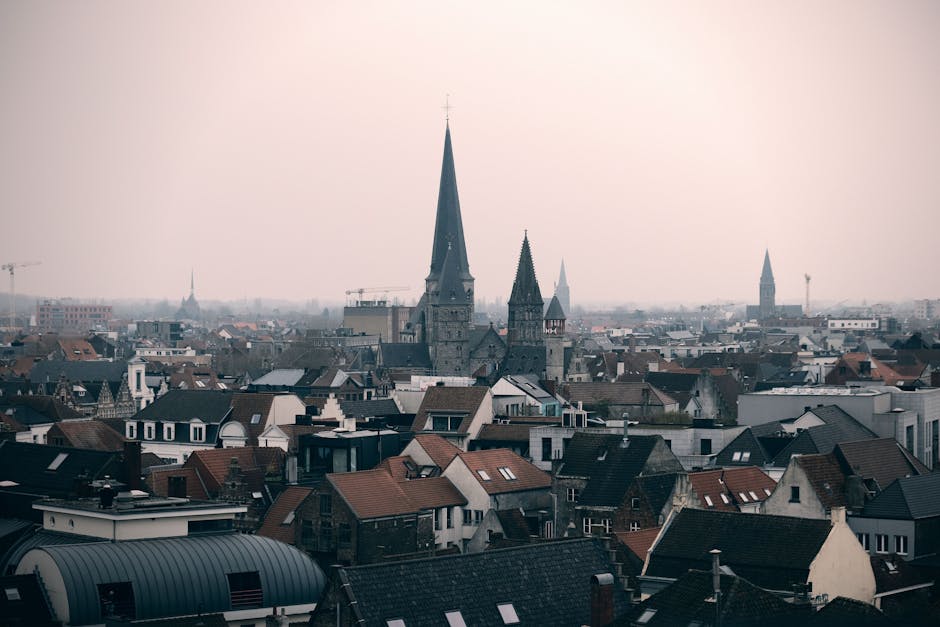
Self-guided audio tour in Ghent
Start Free on iPhone
Start free on iPhone to unlock this self-guided walking tour in Ghent. Hear all the stories that make it amazing, walk at your own pace, and begin whenever you want.
Your Private Tour Guide
Ghent is a city defined by its relationship with water, and there is no better way to experience its soul than by following the banks of the Lys river. This self-guided walk invites you to explore the transition from the monumental stone heart of the medieval city to the quiet, leafy canals that whisper stories of trade and defense. Starting at the most famous vantage point in the city, you will trace the path of the water that brought wealth to the cloth merchants and life to the busy markets. The Lys—or Leie in Dutch—is not just a river; it is a mirror reflecting centuries of architectural evolution. As you embark on this neighborhood stroll, you will witness the architectural splendor of the Graslei, where guild houses stand as a testament to the city's Golden Age. The route then leads you away from the bustling center toward the Lievekaai, a hidden gem where weeping willows dip into the water and the pace of life slows significantly. This walking route is a dream for those interested in photography, offering endless opportunities to capture the play of light on historic brickwork and the perfect symmetry of stone bridges. Beyond the aesthetics, this walking tour Ghent offers a deep dive into the city's resilience. You will encounter the Old Fish Market and conclude at the Rabot, a formidable 15th-century fortification that once stood guard against invading armies. By exploring independently, you can linger at the spots that speak to you most, whether that is a quiet bench under a willow tree or the top of a bridge overlooking the Three Towers. This self-guided adventure provides the historical context you need to understand how Ghent transformed from a medieval powerhouse into the vibrant, atmospheric city it is today.
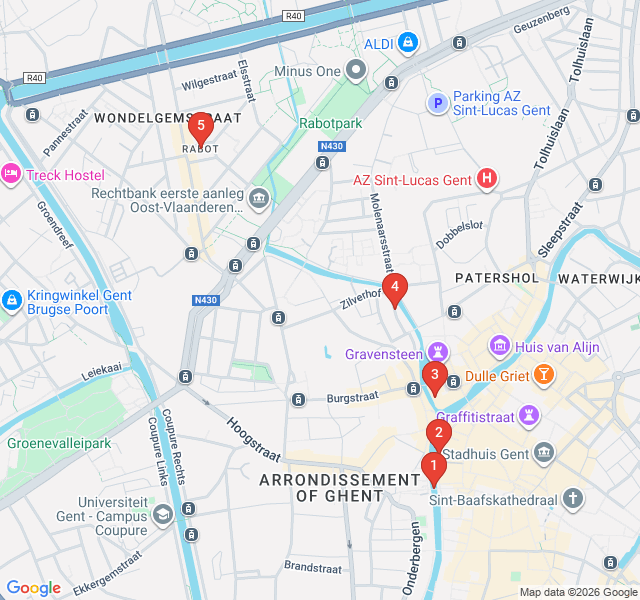
Numbers indicate the order of stops on the tour.
Begin your self-guided adventure on Saint Michael's Bridge, the only place in Ghent where you can capture the city's three famous towers—St. Nicholas' Church, the Belfry, and St. Bavo's Cathedral—in a single perfect line. While the bridge looks medieval, it was actually built in the early 20th century to create a grand entrance to the city for the 1913 World Exhibition. Look around and you will see the river Lys flowing beneath you, flanked by the Graslei and Korenlei. The bronze statue of Saint Michael on the central lamp post serves as a silent guardian of this iconic vista.
Step down to the Graslei, once the beating heart of Ghent's medieval harbor. This quay was the center of the grain trade, and the magnificent buildings you see were the headquarters of various guilds. Notice the 'Spijker' or Grain Warehouse, dating back to 1200, featuring the oldest stepped gable in the world. Each facade tells a story of wealth and competition; the more ornate the building, the more powerful the guild. Today, this is the city's living room, where locals gather to enjoy the sun and the view of the water.
As you walk toward the Oude Vismijn, or Old Fish Market, look up at the impressive gateway. At the top sits a statue of Neptune, the Roman god of the sea, flanked by the personifications of the city's two rivers: the Lys and the Scheldt. This site has been a market since the 14th century, though the current facade was rebuilt after a fire in the 19th century. It marks the transition into the Patershol neighborhood, the culinary heart of Ghent, and serves as a reminder of the city's historic dependence on the bounty of the water.
Leaving the crowds behind, you enter the Lievekaai. This is one of the most romantic spots in Ghent. The Lieve was the city's first man-made canal, dug in the 13th century to connect Ghent to the North Sea. While its commercial importance has long faded, its aesthetic value remains unmatched. The weeping willows reflecting in the still water and the historic houses lining the quay make this a favorite for photography enthusiasts. It is a place to breathe and appreciate the quieter side of Flemish life.
Your walk concludes at the Rabot, a unique piece of military architecture. These two massive towers were built between 1489 and 1491 on the spot where the Lieve canal entered the city. They weren't just for defense; they also functioned as a lock system to control the water level. The Rabot stands as a monument to Ghent's defiance; it was built after the city successfully repelled the troops of Emperor Maximilian of Austria. Today, it marks the boundary between the historic center and the industrial neighborhoods that fueled Ghent's later growth.
Start Free on iPhone
Explore “Life Along the Lys: A Riverside Stroll” with your very own Private Tour Guide with Zigway. Start free on iPhone, skip the large group and the fixed routes, and hear the city come alive as you go.
Your Private Tour Guide
Don't miss the good stuff
Explore Freely
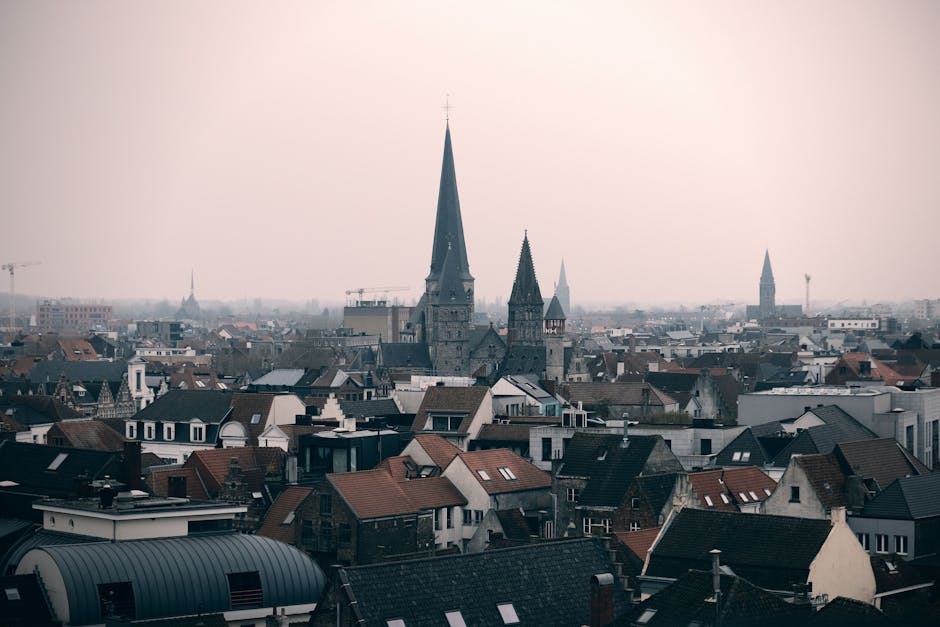 Challenging
Ghent, Belgium
Explore Ghent's gritty past and modern rebirth on this self-guided walking route through the historic Northern Docks and industrial heritage sites.
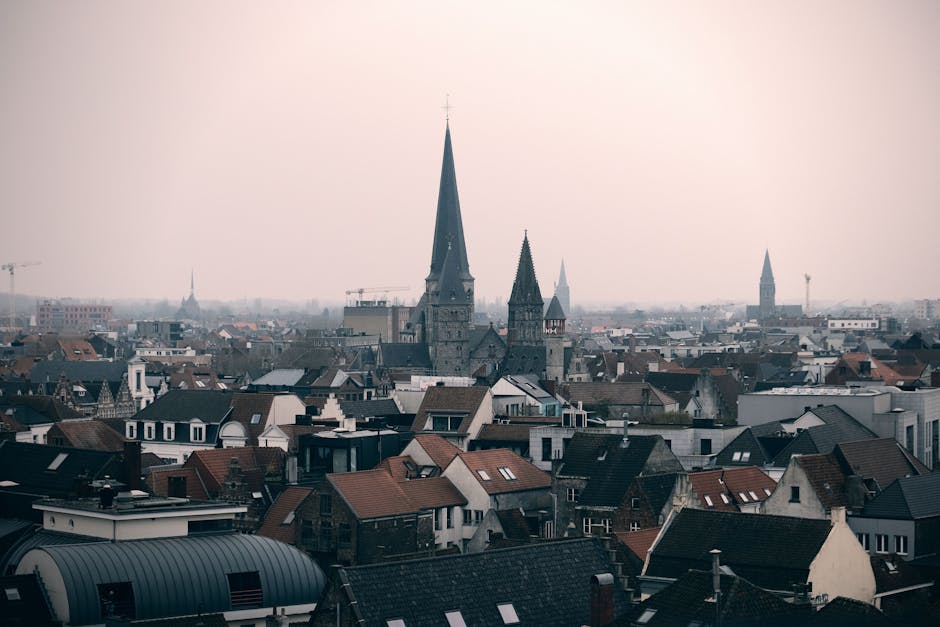 Easy
EasyGhent, Belgium
Explore Ghent’s bold architectural evolution from medieval markets to modernist icons on this self-guided walking route through the city center.
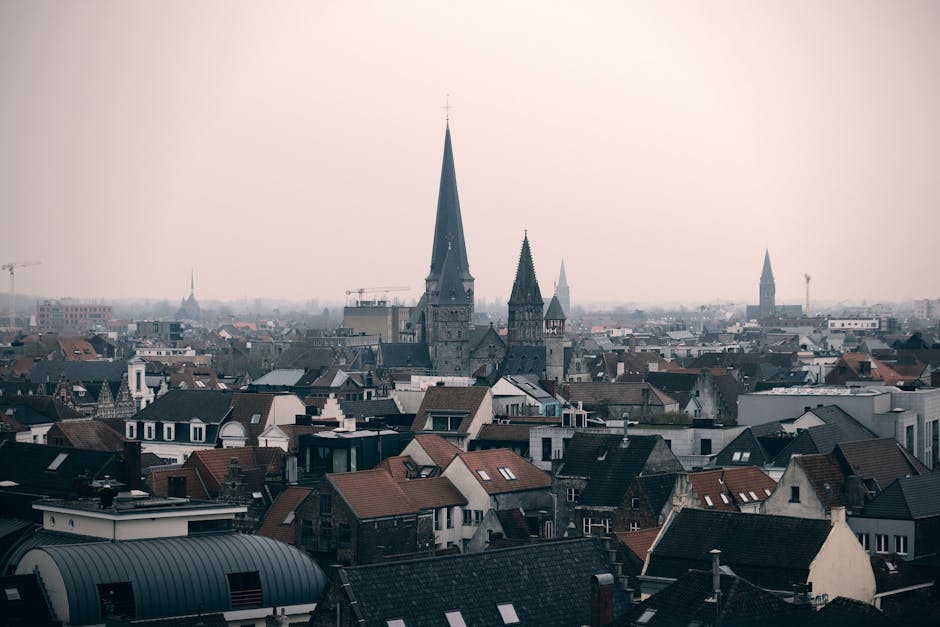 Easy
EasyGhent, Belgium
Discover the sugary secrets of Ghent on this self-guided stroll through historic bakeries, candy shops, and artisanal chocolatiers.
 Easy
EasyGhent, Belgium
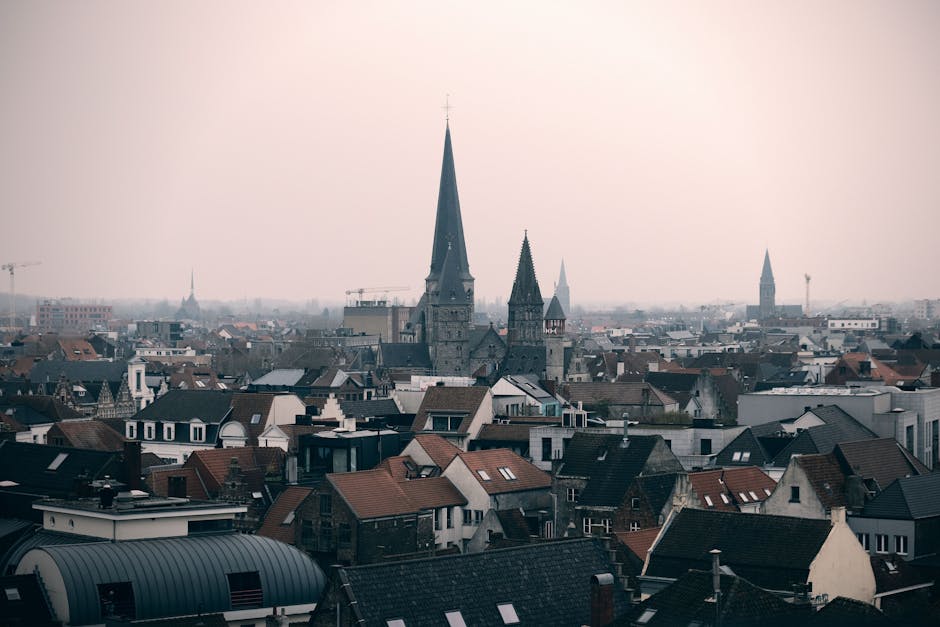
Explore Ghent's historic Patershol district, a medieval maze of narrow alleys, legendary Jenever bars, and the city's finest culinary hidden gems.
 Easy
EasyNairobi, Kenya
Discover Nairobi's iconic skyline on this self-guided architecture walk through the CBD’s most famous modernist and Brutalist landmarks.
 Easy
EasyGdansk, Poland
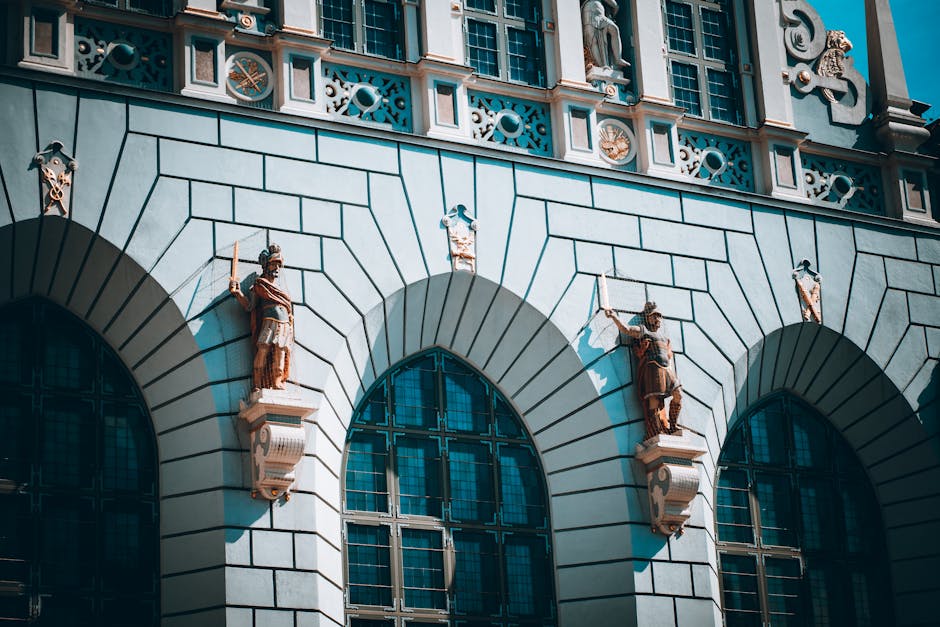
Discover the opulent Royal Way of Gdansk at your own pace. Explore Hanseatic history, gilded architecture, and the iconic Neptune's Fountain.
 Easy
EasyGdansk, Poland
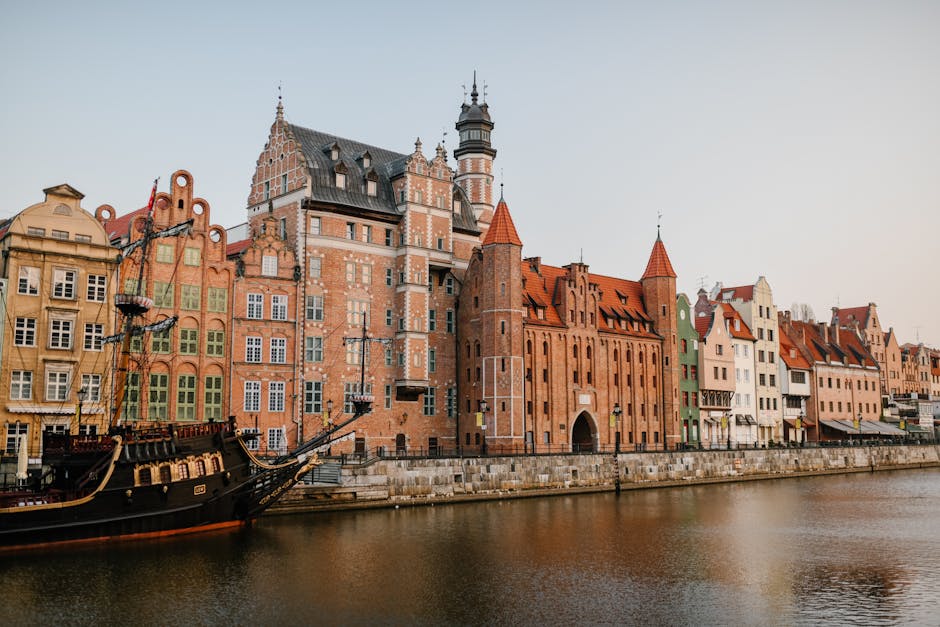
Discover the 'Baltic Gold' on this self-guided walk through Gdansk's historic mills, massive cathedrals, and the magical Mariacka Street.
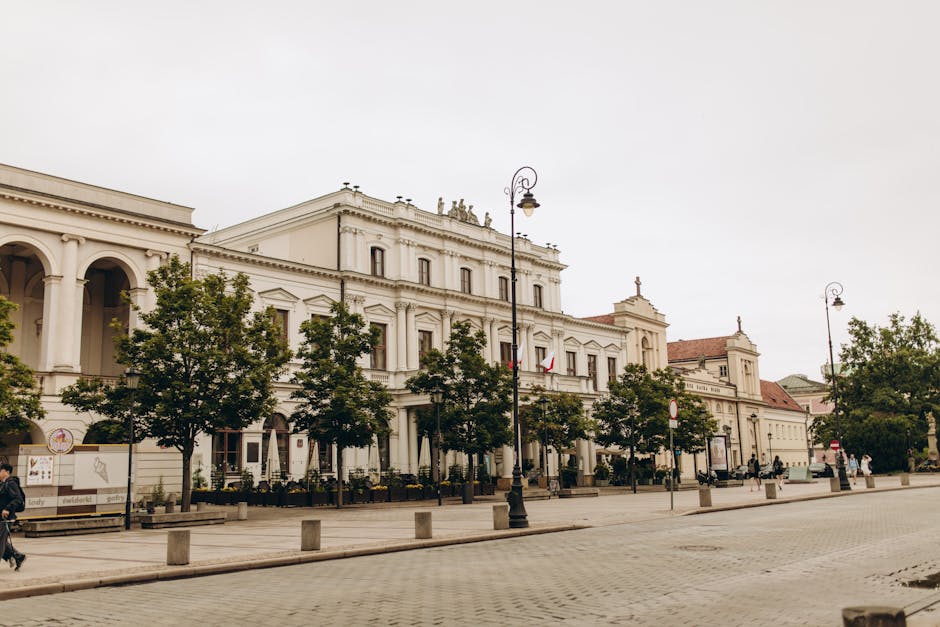 Easy
EasyWarsaw, Poland
Explore Warsaw's scenic riverfront, rooftop gardens, and industrial-chic architecture on this self-guided stroll through the Powiśle district.
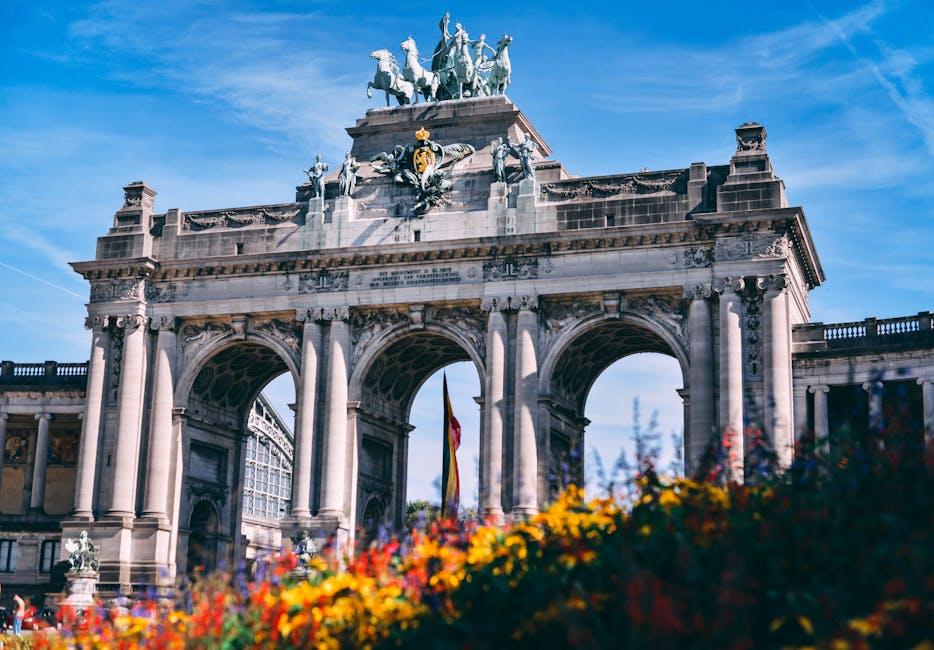 Easy
EasyBrussels, Belgium
Discover the colorful world of Belgian comics on this independent walking route through the creative streets and murals of central Brussels.
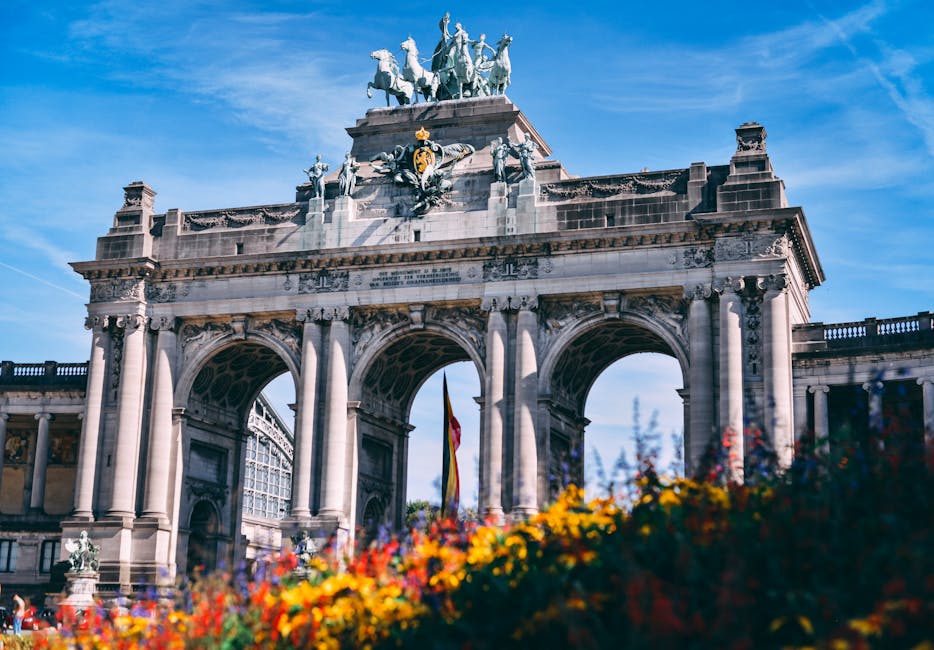 Moderate
Brussels, Belgium
Explore the majestic Royal Quarter, from Art Nouveau gems to the King's Palace and the iconic views of Mont des Arts on this self-guided walk.
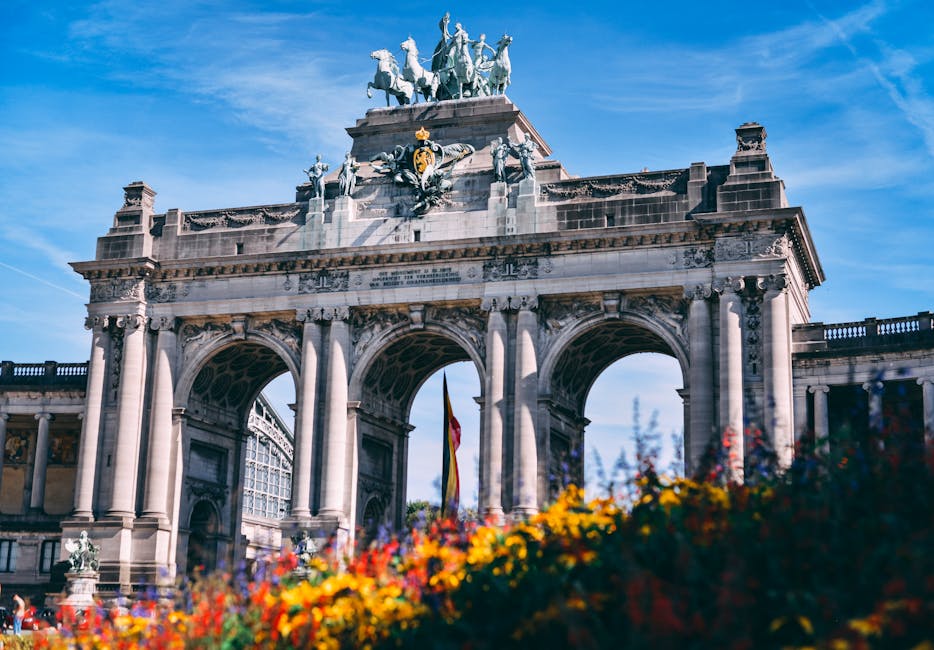 Moderate
Brussels, Belgium
Explore Brussels' industrial heart and artistic rebirth on this self-guided walk through Molenbeek and the Canal district's iconic landmarks.
 Moderate
Brussels, Belgium
Discover Brussels' Art Nouveau masterpieces at your own pace, from Victor Horta's UNESCO sites to the flamboyant Maison Saint-Cyr.