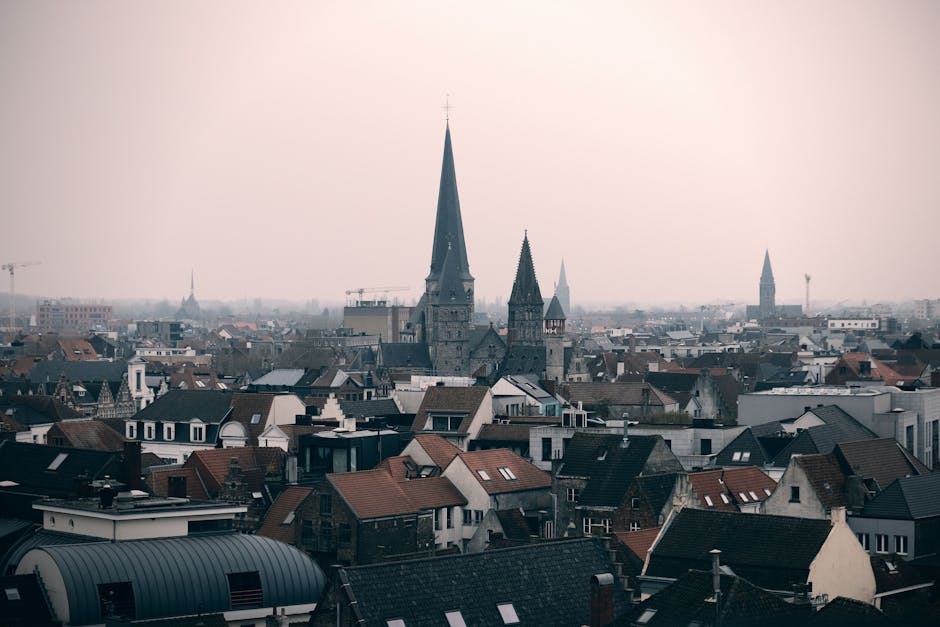
Self-guided audio tour in Ghent
Start Free on iPhone
Start free on iPhone to unlock this self-guided walking tour in Ghent. Hear all the stories that make it amazing, walk at your own pace, and begin whenever you want.
Your Private Tour Guide
Long before the boutique shops and picturesque canals of the medieval center took center stage, Ghent was a city defined by smoke, steam, and steel. Known as the 'Manchester of the Continent,' this Flemish powerhouse was the first on the European mainland to embrace the Industrial Revolution. This walking route invites you to step away from the traditional tourist path and venture into the Northern Docks, a neighborhood where the echoes of textile looms have been replaced by the hum of creative studios and bold urban renewal. This is not your typical walking tour Ghent experience; it is a deep dive into the grit and innovation that built the modern city. Starting at the Museum of Industry, housed in a magnificent former cotton mill, you will discover how Ghent’s industrial-heritage shaped its modern identity. The journey takes you through Baudelopark, a green lung with a complex history, and out toward the Gand-Dampoort station, a transportation gateway that once fueled the city’s explosive growth. As you explore the Oude Dokken, the old docks, you will see how massive harbor cranes now stand as silent sentinels over new residential developments and public beaches. This area represents the cutting edge of Ghent’s urban planning, where industrial decay has been transformed into vibrant community spaces. This self-guided walk is perfect for those who love industrial architecture and stories of social transformation. You will witness the rebirth of the Dok-Noord site, once a sprawling factory complex and now a vibrant hub for shopping and local culture. The route concludes at the Rabot, a medieval fortress that found new life during the industrial era as a vital water-control point for the city’s canal network. This neighborhood stroll offers a unique perspective on the city’s resilience, blending the rough edges of the past with the innovative spirit of the present. Whether you are interested in the engineering marvels of the 19th century or the sustainable living of the 21st, this route provides a complete picture of Ghent beyond the postcards.
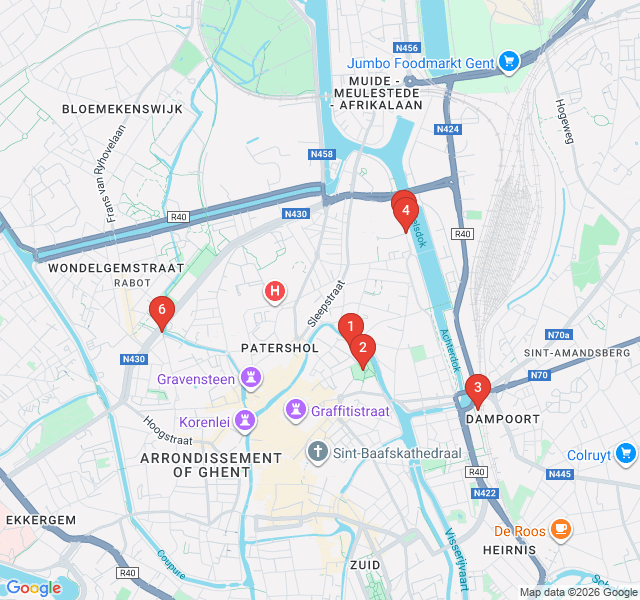
Numbers indicate the order of stops on the tour.
Welcome to the heart of Ghent's industrial soul. This museum is housed in a former cotton mill that dates back to 1905. It stands as a monument to the era when Ghent was the 'Manchester of the Continent.' The textile industry here was kickstarted by industrial espionage; a local named Lieven Bauwens famously smuggled the 'Mule Jenny' spinning machine out of England in the late 18th century. As you stand before this massive brick structure, imagine the thousands of workers who once streamed through these doors. Today, the building preserves the machines and stories of the people who powered the city's economic rise.
Baudelopark is a perfect example of Ghent's layers of history. Originally the site of a 13th-century abbey, the area was repurposed during the industrial era to serve the needs of the surrounding factories and their workers. By the 19th century, the quiet monastic gardens had been replaced by industrial activity and dense housing. Today, it has been reclaimed as a green sanctuary for the neighborhood. It serves as a bridge between the old city center and the industrial belt, reflecting Ghent’s modern commitment to turning former industrial zones into livable, public green spaces for its citizens.
The arrival of the railway at Dampoort in the mid-1800s was the spark that ignited the expansion of the northern docks. This station served as the vital link between the factories of Ghent and the rest of Europe, allowing for the rapid export of textiles and the import of raw materials. The architecture around the station reflects the transition from the medieval walled city to a modern, sprawling industrial hub. Take a moment to observe the flow of the city here; even today, it remains one of Ghent's most important transit nodes, connecting the historic core with the industrial north.
You are now entering the Oude Dokken, or Old Docks. In the late 19th and early 20th centuries, this was a forest of masts and steam funnels. As ships grew larger, the port moved further north toward the sea, leaving these docks largely abandoned. However, in recent years, this area has become the site of one of Ghent's most ambitious urban renewal projects. The massive old cranes have been preserved as historical landmarks, standing over new sustainable housing, floating gardens, and public recreational areas. It is a stunning example of how a city can honor its maritime past while building a future.
This impressive complex was once the home of ACEC (Ateliers de Constructions Électriques de Charleroi), a massive factory specialized in electrical engineering. For decades, it was a centerpiece of Ghent's industrial landscape. Today, it has been brilliantly repurposed into a multifunctional 'city within a city.' The rugged industrial aesthetic has been kept intact, but inside you will find a mix of shops, fitness centers, offices, and creative spaces. It represents the shift from heavy manufacturing to the service and creative economy that now drives Ghent, proving that old industrial bones can support vibrant new life.
The Rabot is one of Ghent's most iconic landmarks, consisting of two massive towers built in the late 15th century. While it looks like a purely medieval fortification, it played a crucial role in the industrial era. These towers were built on a site where the Lieve canal entered the city, and in the 19th century, this area became a bottleneck for water management and transport. Surrounded by some of the most densely populated workers' quarters in the city, the Rabot stood as a witness to the social struggles and the eventual rise of the labor movement in Ghent. It is the perfect place to conclude our journey through time.
Start Free on iPhone
Explore “From Cotton to Culture: Industrial Ghent” with your very own Private Tour Guide with Zigway. Start free on iPhone, skip the large group and the fixed routes, and hear the city come alive as you go.
Your Private Tour Guide
Don't miss the good stuff
Explore Freely
 Easy
EasyGhent, Belgium
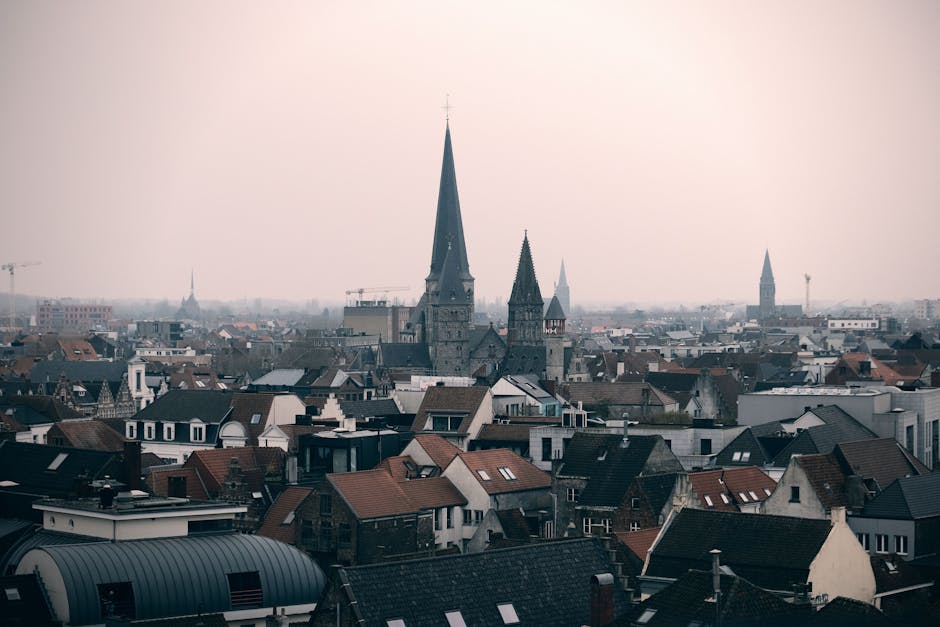
Explore Ghent’s bold architectural evolution from medieval markets to modernist icons on this self-guided walking route through the city center.
 Easy
EasyGhent, Belgium
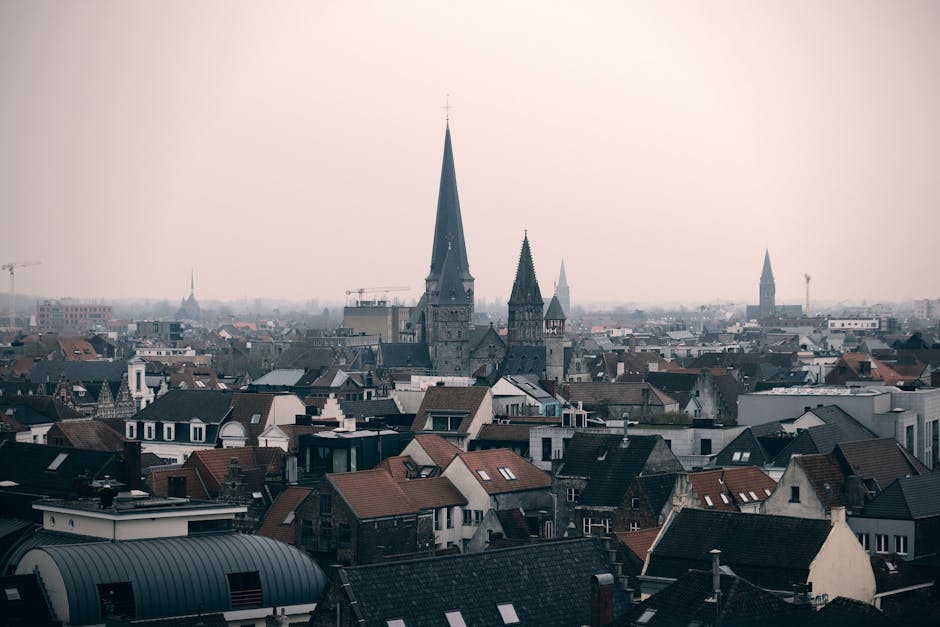
Discover the sugary secrets of Ghent on this self-guided stroll through historic bakeries, candy shops, and artisanal chocolatiers.
 Easy
EasyGhent, Belgium
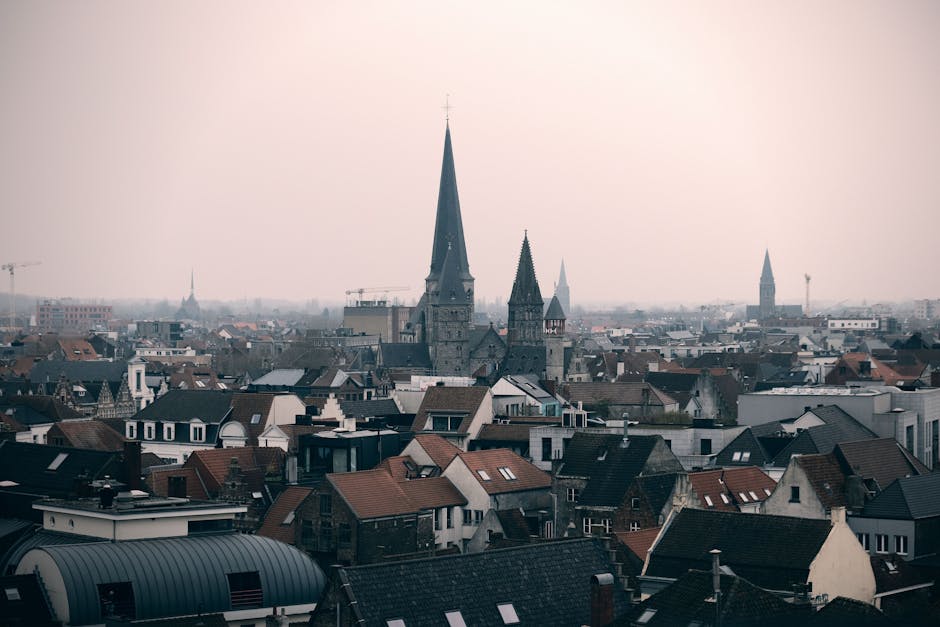
Explore Ghent's historic Patershol district, a medieval maze of narrow alleys, legendary Jenever bars, and the city's finest culinary hidden gems.
 Easy
EasyGhent, Belgium
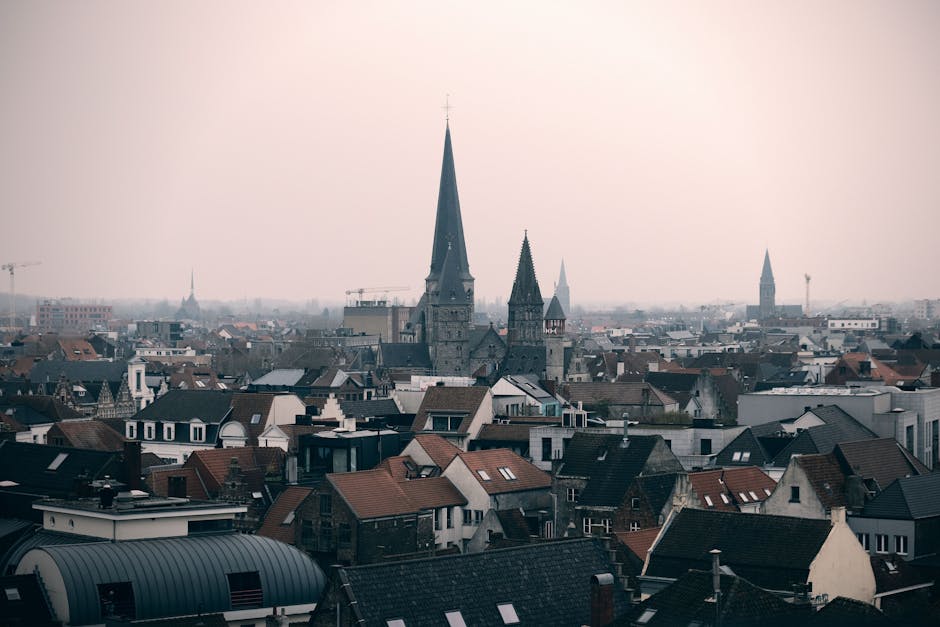
Discover the scenic riverside of Ghent, from the iconic Graslei to the historic Rabot towers, on this atmospheric self-guided walk.
 Moderate
Gdansk, Poland
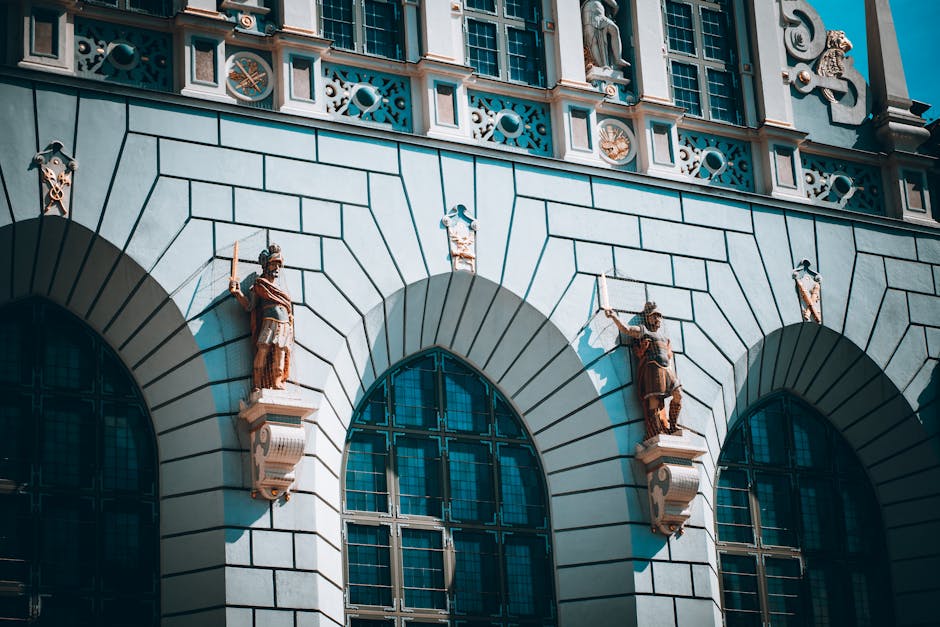
Discover Zaspa, a massive open-air gallery where grey housing blocks are transformed by over 60 monumental murals. Explore at your own pace.
 Moderate
Vienna, Austria
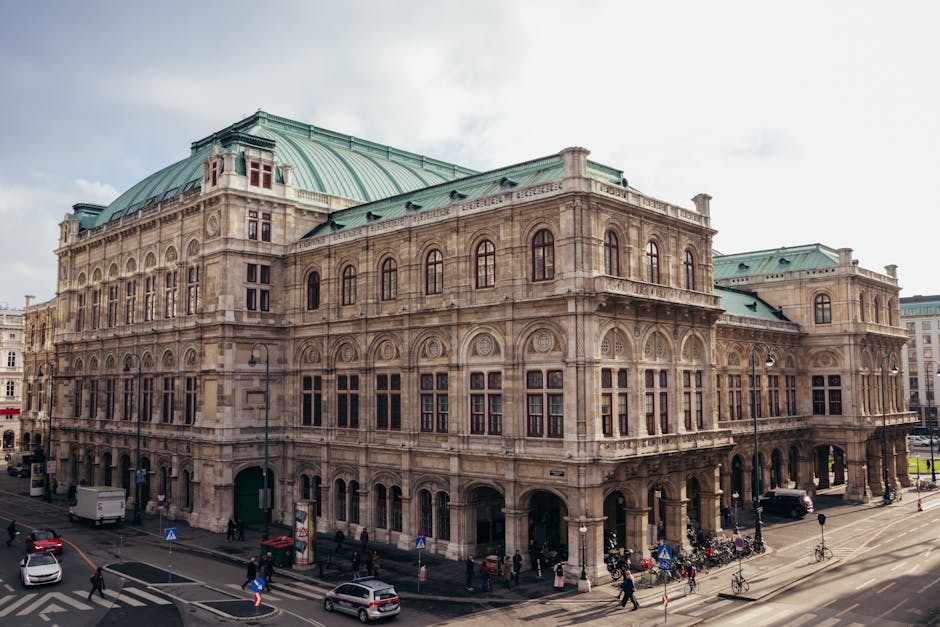
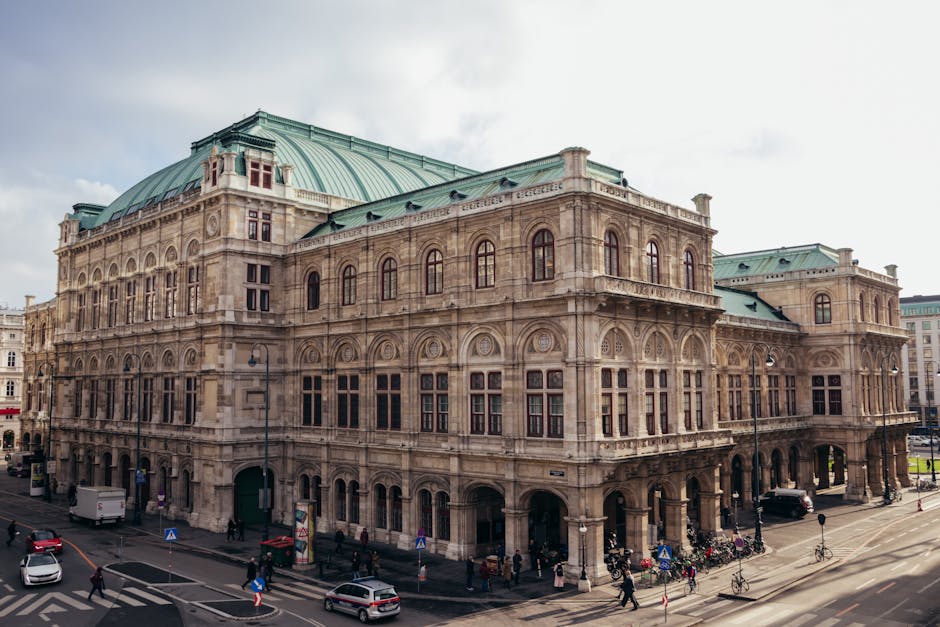
Follow the footsteps of Mozart and Strauss through Vienna’s historic center on this self-guided walk through the city's rich musical history.
 Moderate
Vienna, Austria
Discover the noir world of The Third Man and Cold War Vienna on this atmospheric self-guided audio walk through the historic Innere Stadt.
 Easy
EasyKrakow, Poland
Explore the prestigious Jagiellonian University district, featuring Neo-Gothic architecture, Baroque churches, and Krakow's hidden scholarly gems.
 Easy
EasyBrussels, Belgium
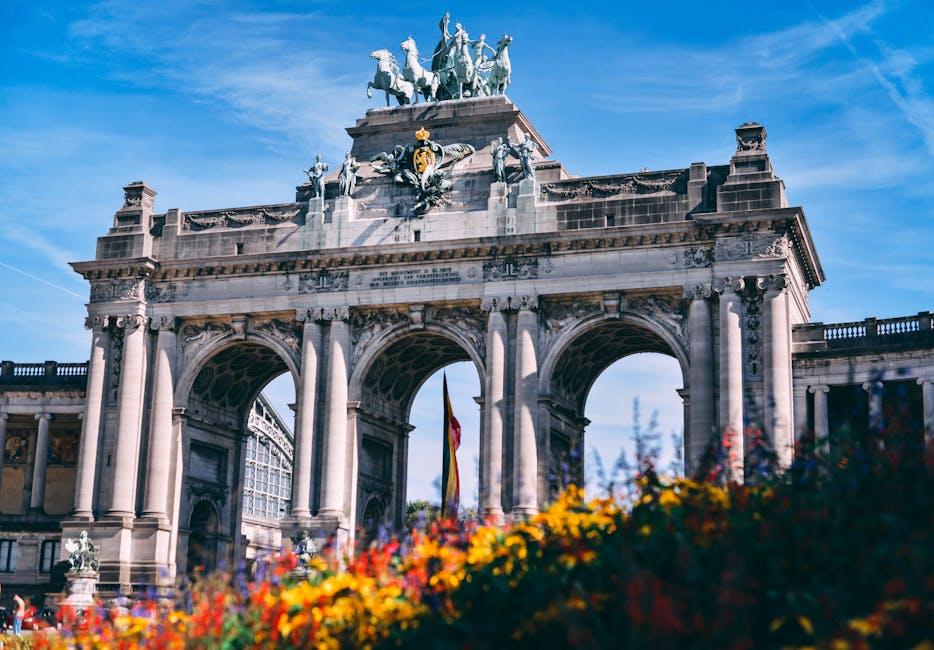
Discover the colorful world of Belgian comics on this independent walking route through the creative streets and murals of central Brussels.
 Moderate
Brussels, Belgium
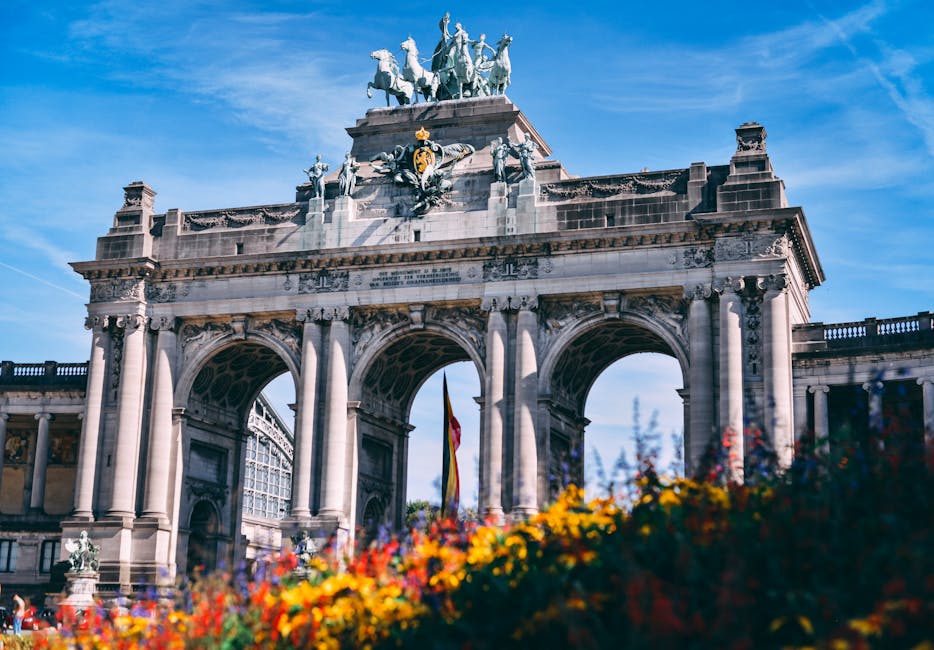
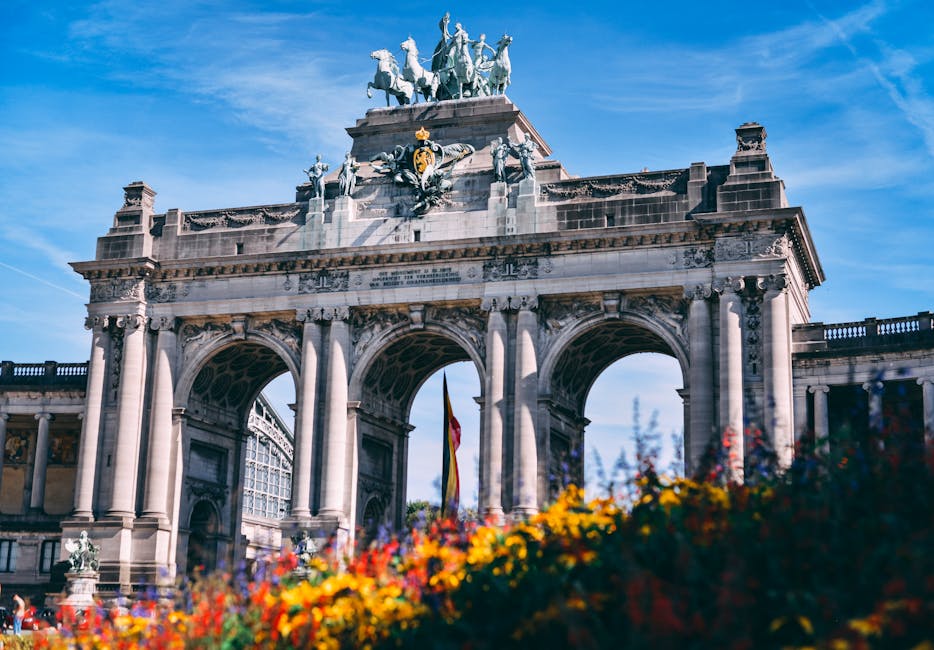
Explore the majestic Royal Quarter, from Art Nouveau gems to the King's Palace and the iconic views of Mont des Arts on this self-guided walk.
 Moderate
Brussels, Belgium
Explore Brussels' industrial heart and artistic rebirth on this self-guided walk through Molenbeek and the Canal district's iconic landmarks.
 Moderate
Brussels, Belgium
Discover Brussels' Art Nouveau masterpieces at your own pace, from Victor Horta's UNESCO sites to the flamboyant Maison Saint-Cyr.