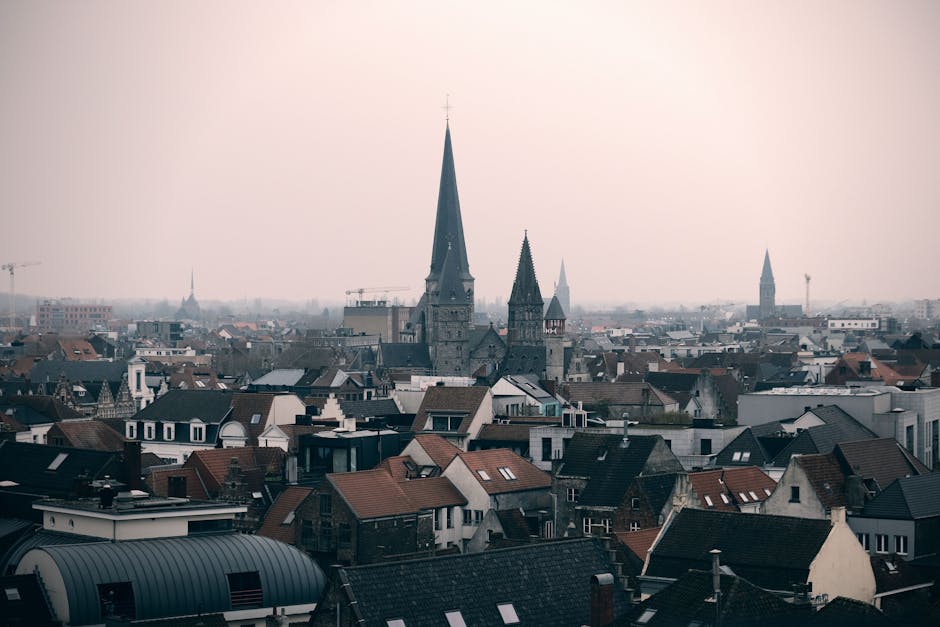
Self-guided audio tour in Ghent
Start Free on iPhone
Start free on iPhone to unlock this self-guided walking tour in Ghent. Hear all the stories that make it amazing, walk at your own pace, and begin whenever you want.
Your Private Tour Guide
Discover the intellectual pulse of Ghent with this self-guided walk through the University Quarter, a neighborhood where centuries of history meet the vibrant energy of student life. This walking route highlights the fascinating contrast between the city's monumental academic architecture and its legendary social hubs. You will begin at the iconic Boekentoren, the 'Book Tower,' which stands as a modernist sentinel over the city. This 64-meter tower, designed by Henry van de Velde, is not just a library but a symbol of the city's enlightenment, housing millions of volumes within its concrete walls. As you explore independently, you will transition from the rigid lines of Modernism to the sprawling grandeur of Sint-Pietersplein, a square that has witnessed everything from Napoleonic parades to contemporary music festivals. The journey continues into the spiritual and agricultural past at Sint-Pietersabdij. Here, the history of Ghent’s development is etched into the stone of the old Benedictine abbey, complete with its own hidden vineyard that feels worlds away from the urban bustle. To understand the 'beer' side of this 'Books and Beer' route, the path leads you through the Overpoortstraat. This street is the epicenter of Belgian student culture, lined with countless bars where the academic elite and the party-goers have mingled for decades. The stroll then softens as you enter the Muinkpark, a charming green space with a whimsical history as a former zoo, before concluding at the University’s Botanical Garden. This walking route offers a comprehensive look at how Ghent balances its role as a historic powerhouse and a forward-thinking university town. Whether you are interested in the stark beauty of 20th-century architecture or the tranquil beauty of a 19th-century garden, this neighborhood stroll provides a deep dive into the local character that many visitors miss. This is one of the most enriching ways to experience a walking tour Ghent offers, allowing you to absorb the atmosphere at your own pace without the constraints of a group.
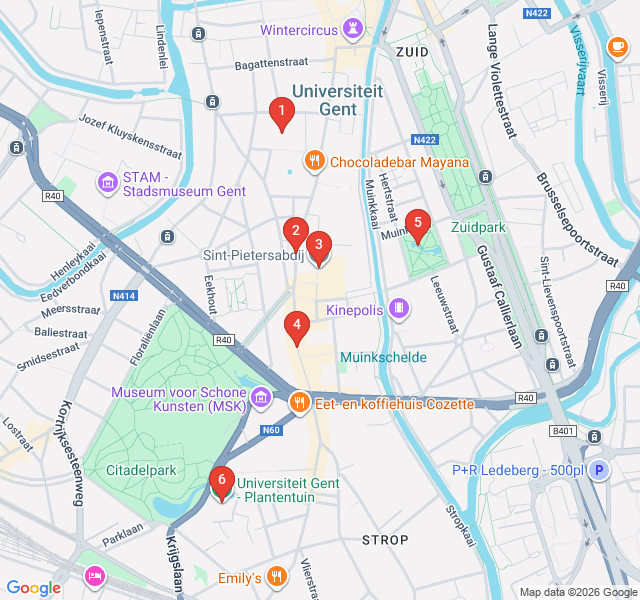
Numbers indicate the order of stops on the tour.
Welcome to the Boekentoren, the 'Book Tower.' Designed in the 1930s by the renowned Belgian architect Henry van de Velde, this 64-meter concrete structure is Ghent’s fourth tower, joining the medieval trio in the city center. It was intended to be a 'Tower of Wisdom,' and it remains one of the most important examples of Modernist architecture in Belgium. Inside, over 3 million books are stored on kilometers of shelving. Notice the Belvédère at the top; while it's not always open to the public, it offers a 360-degree view of the city. The tower represents the university’s commitment to knowledge and stands as a beacon of the 'Blandijn' campus, the heart of the Faculty of Arts and Philosophy.
As you step onto the vast expanse of Sint-Pietersplein, you are standing in one of Ghent's largest public spaces. This square has a long history as a gathering place, from military drills to the annual Mid-Lent fair. The scale of the square is meant to impress, anchored by the imposing Church of Our Lady of St. Peter. This Baroque masterpiece, with its massive dome, was inspired by St. Peter's Basilica in Rome. Look around and you'll see a mix of grand 18th-century houses and modern university buildings. Today, it’s a favorite spot for students to congregate between lectures, and it serves as the stage for many of Ghent's most popular outdoor events.
Just off the square lies the Sint-Pietersabdij, or St. Peter’s Abbey. Founded in the 7th century, this Benedictine abbey was once the most powerful in the region, owning vast tracts of land. While much of the current structure dates from the 17th and 18th centuries, the atmosphere remains deeply historical. One of the best-kept secrets here is the abbey garden. It features a working vineyard on the south-facing slope leading down to the river Scheldt—a rare sight in a Belgian city center. The abbey refectory and cloisters are remarkably well-preserved, offering a glimpse into the quiet, contemplative life of the monks who once shaped the destiny of Ghent.
Prepare for a change of pace as you enter Overpoortstraat. If the Boekentoren represents the 'Books' of our walk, this street represents the 'Beer.' This is the undisputed center of student nightlife in Ghent. With dozens of bars, cafes, and late-night snack shops packed into a few hundred meters, it becomes a sea of neon and music after dark. During the day, it’s a bustling corridor where students grab coffee or lunch between classes. The culture here is a rite of passage for almost every Ghent university student. It’s a place of tradition, from student 'cantus' singing sessions to the lively celebrations that follow exams, embodying the youthful spirit that keeps this ancient city feeling modern.
A short walk from the student hub brings you to the peaceful Muinkpark. This is the only remnant of the 19th-century Ghent Zoo, which operated here from 1851 to 1903. After the zoo closed, the land was transformed into this English-style landscape park. As you wander the winding paths, look for the century-old trees and the central pond. The surrounding neighborhood is filled with beautiful late 19th-century houses, built for the city's bourgeoisie after the zoo's animals were sold off. It’s a favorite local spot for a quiet break, offering a stark but welcome contrast to the energetic Overpoortstraat you just left behind.
Our walk concludes at the Ghent University Botanical Garden, or Plantentuin. Established in its current location in the early 20th century, this 2.7-hectare site is a living laboratory. It houses more than 4,000 species of plants from around the world, arranged in both outdoor gardens and impressive glasshouses. The garden serves a dual purpose: it is a site for scientific research and a public haven for nature lovers. Explore the rock garden, the Mediterranean section, or the Victoria greenhouse with its giant water lilies. It is the perfect place to reflect on the academic and natural heritage of Ghent before heading toward the nearby Museum of Fine Arts or the SMAK.
Start Free on iPhone
Explore “Academic Ghent: Books and Beer” with your very own Private Tour Guide with Zigway. Start free on iPhone, skip the large group and the fixed routes, and hear the city come alive as you go.
Your Private Tour Guide
Don't miss the good stuff
Explore Freely
 Challenging
Ghent, Belgium
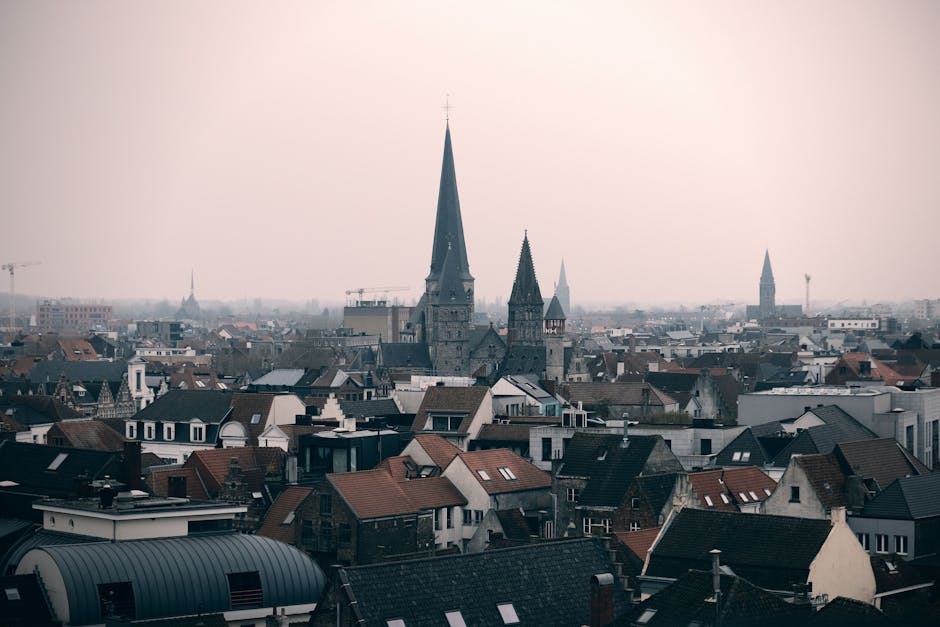
Explore Ghent's gritty past and modern rebirth on this self-guided walking route through the historic Northern Docks and industrial heritage sites.
 Easy
EasyGhent, Belgium
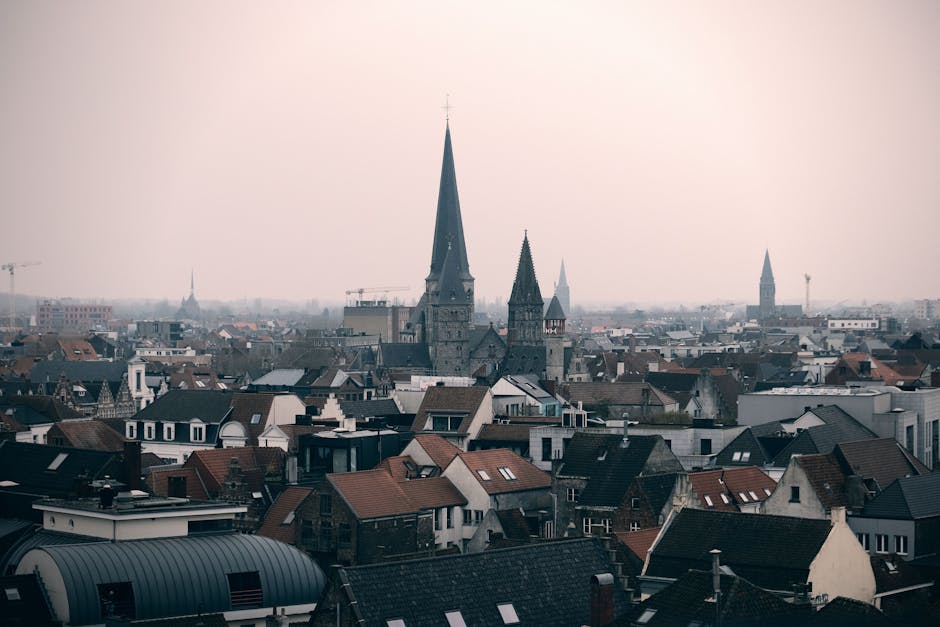
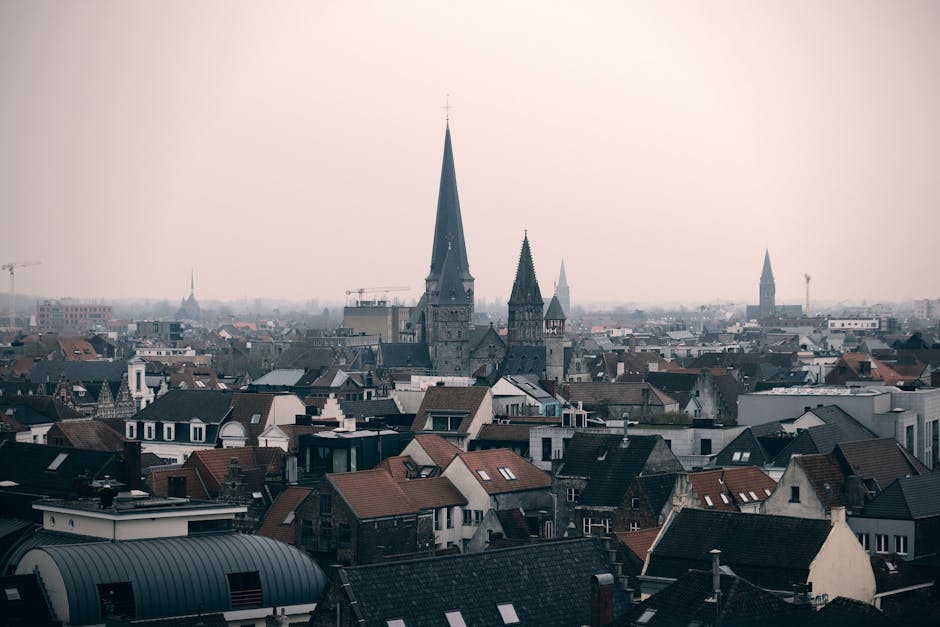
Explore Ghent’s bold architectural evolution from medieval markets to modernist icons on this self-guided walking route through the city center.
 Easy
EasyGhent, Belgium
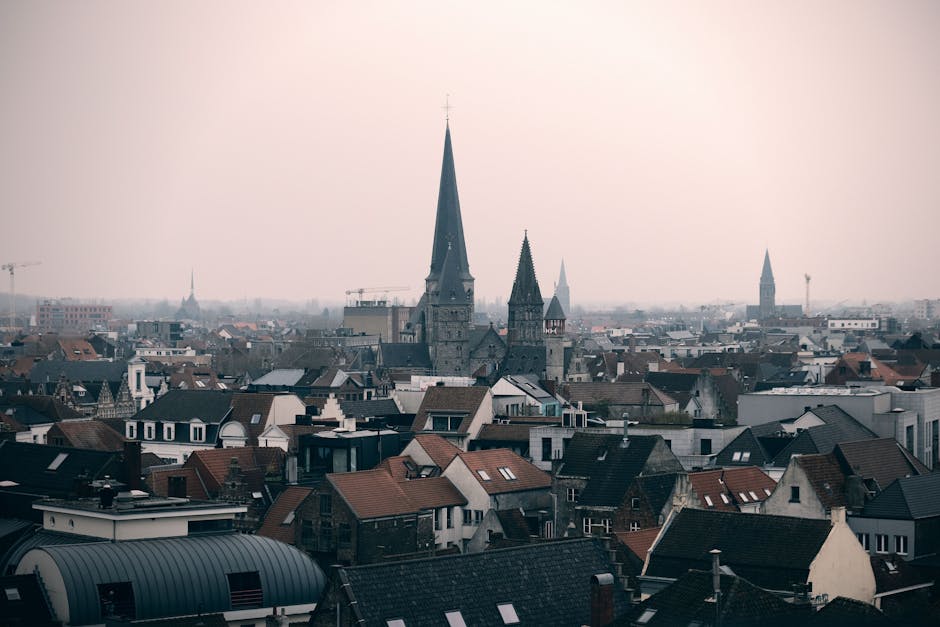
Discover the sugary secrets of Ghent on this self-guided stroll through historic bakeries, candy shops, and artisanal chocolatiers.
 Easy
EasyGhent, Belgium
Explore Ghent's historic Patershol district, a medieval maze of narrow alleys, legendary Jenever bars, and the city's finest culinary hidden gems.
 Easy
EasyKrakow, Poland
Explore the prestigious Jagiellonian University district, featuring Neo-Gothic architecture, Baroque churches, and Krakow's hidden scholarly gems.
 Moderate
Gdansk, Poland
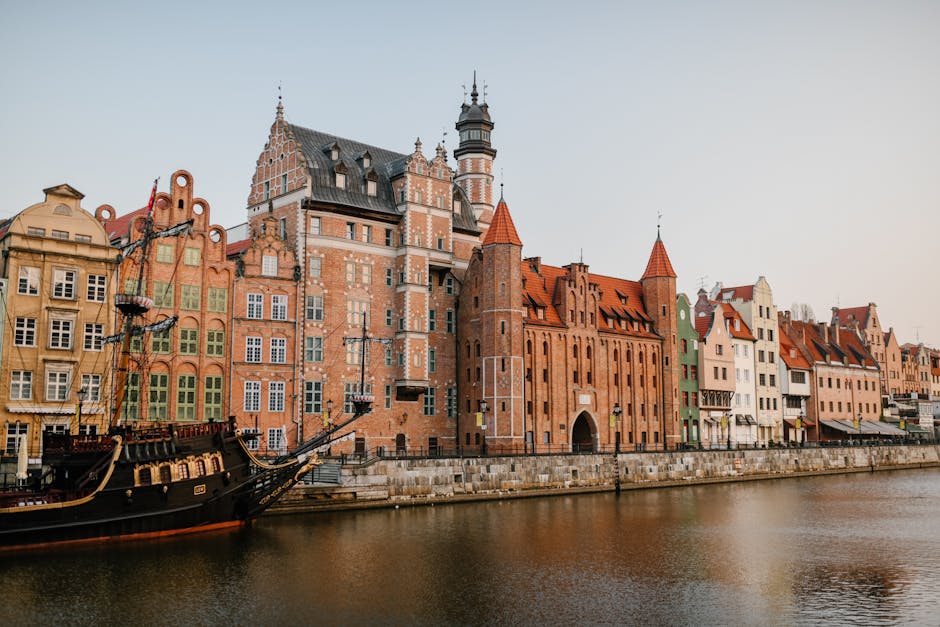
Discover the bohemian soul of Gdańsk. Explore the literary landmarks of Günter Grass, Prussian villas, and the trendy cafes of historic Wrzeszcz.
 Easy
EasyGothenburg, Sweden
Explore Gothenburg's elegant academic district, featuring grand 19th-century stone architecture and the iconic cultural hub of Götaplatsen.
 Easy
EasyGothenburg, Sweden
Explore Gothenburg’s historic wooden houses, legendary giant cinnamon buns, and panoramic fortress views on this self-guided neighborhood stroll.
 Easy
EasyBrussels, Belgium
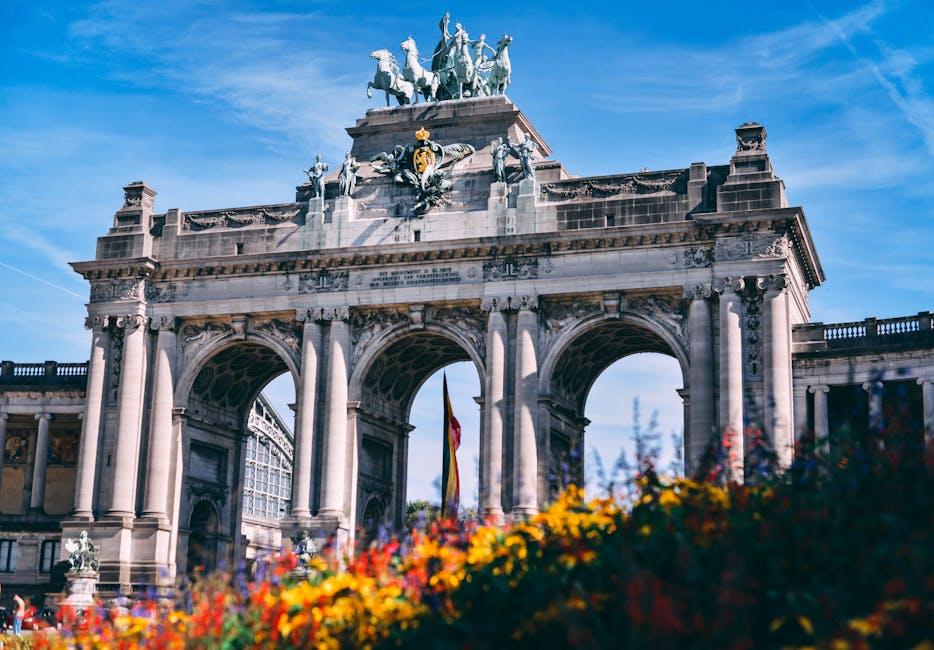
Discover the colorful world of Belgian comics on this independent walking route through the creative streets and murals of central Brussels.
 Moderate
Brussels, Belgium
Explore the majestic Royal Quarter, from Art Nouveau gems to the King's Palace and the iconic views of Mont des Arts on this self-guided walk.
 Moderate
Brussels, Belgium
Explore Brussels' industrial heart and artistic rebirth on this self-guided walk through Molenbeek and the Canal district's iconic landmarks.
 Moderate
Brussels, Belgium
Discover Brussels' Art Nouveau masterpieces at your own pace, from Victor Horta's UNESCO sites to the flamboyant Maison Saint-Cyr.