Self-guided audio tour in Bordeaux
Start Free on iPhone
Start free on iPhone to unlock this self-guided walking tour in Bordeaux. Hear all the stories that make it amazing, walk at your own pace, and begin whenever you want.
Your Private Tour Guide
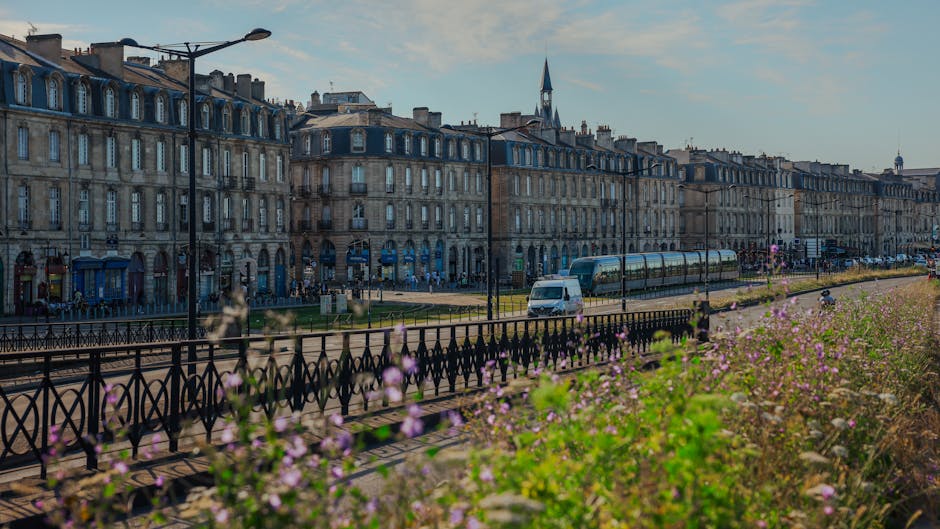
Step into the aristocratic heart of the global wine trade with this self-guided walk through the Chartrons district. Long before Bordeaux became the polished city it is today, this neighborhood was a separate entity—a bustling, cosmopolitan enclave where foreign merchants, known as 'negociants,' built their fortunes and their grand residences. As you explore this walking route, you will discover how the marshy outskirts of the city transformed into a sophisticated 'village within a city,' defined by its unique blend of 18th-century architecture and bohemian spirit. This stroll begins at the towering spires of the Église Saint-Louis-des-Chartrons and winds through the narrow, antique-lined Rue Notre Dame, where the echoes of rolling wine barrels once filled the air. You will learn the secrets of the wine trade at the Musée du Vin et du Négoce, housed in historic cellars that once stored the region's liquid gold. The route then leads you toward the Garonne River, following the Quai des Chartrons where ships from around the world once docked to load Bordeaux’s finest vintages. This walking tour Bordeaux experience culminates at the futuristic Cité du Vin, a striking architectural marvel that bridges the gap between the neighborhood's industrial past and its modern role as a global wine capital. Whether you are interested in the history of the Anglo-Gascon merchants or simply want to soak in the atmosphere of the city's most stylish district, this neighborhood stroll offers a deep dive into the soul of the wine trade. Discover at your own pace the hidden courtyards, historic market halls, and riverfront vistas that make Chartrons an essential part of any visit to the region. This self-guided adventure provides the flexibility to linger in a boutique shop or enjoy a glass of local Merlot while surrounded by centuries of history.
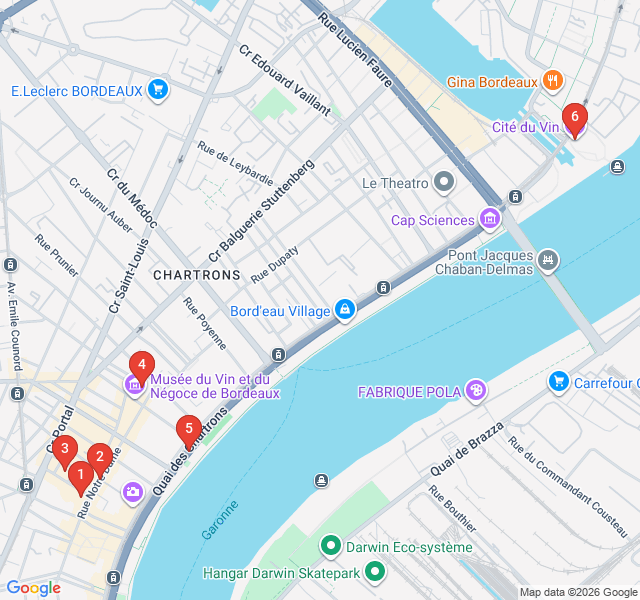
Numbers indicate the order of stops on the tour.
Welcome to the starting point of your neighborhood stroll. This Neo-Gothic masterpiece, completed in 1880, was built to serve the wealthy merchant families of the Chartrons. Notice its twin spires that dominate the skyline; they were a statement of the neighborhood's growing prosperity during the 19th century. Inside, the church is famous for its magnificent Cavaillé-Coll organ, one of the finest in France. The church is dedicated to Saint Louis, but its location in the heart of the 'foreigners' quarter' meant it was the spiritual home for the English, Irish, and German wine merchants who shaped the city’s economy. Take a moment to admire the intricate stained glass before we head into the village-like streets nearby.
This is arguably the most atmospheric street in Bordeaux. Rue Notre Dame was once the main artery of the wine trade, where merchants lived above their warehouses. Today, it has transformed into a hub for antique dealers, art galleries, and independent boutiques. As you walk, look for the 'porte-cochères'—large wooden carriage doors designed to allow horse-drawn wagons filled with wine barrels to enter the interior courtyards. The street maintains a distinct 'village' feel, separate from the grander, more formal boulevards of the city center. It’s the perfect place to see how the neighborhood's commercial heritage has evolved into a center for local craftsmanship and style.
Standing in this circular plaza, you are looking at the Halle des Chartrons, a beautiful iron and glass structure built in 1869. It was originally designed as a covered market to serve the local population, replacing a former Carmelite convent. Its elegant architecture, featuring 18 arched windows, reflects the industrial aesthetic of the era. While it no longer functions as a daily food market, it remains a vibrant cultural center used for art exhibitions, concerts, and community events. The square surrounding the hall is a favorite local spot for an 'apéro,' surrounded by cafes that perfectly capture the relaxed, bohemian vibe of the modern Chartrons district.
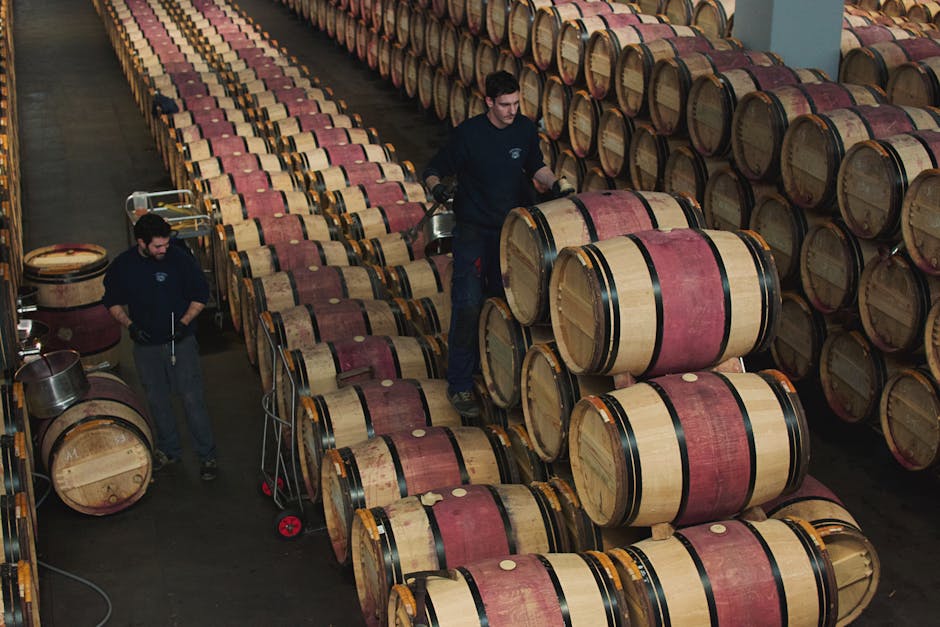
To truly understand the history of this area, you must look below the surface. This museum is located in the historic cellars of the house of the King’s broker, dating back to 1720. It chronicles the three centuries of the wine trade in Bordeaux, from the rise of the merchant families to the evolution of the port. Inside, you can see how wine was aged, bottled, and shipped across the globe. The museum highlights the role of the 'negociants' who acted as the essential link between the chateaus of the countryside and the international markets. The vaulted stone cellars provide a cool, atmospheric look at the labor and expertise that built the city's reputation.
Exit the narrow streets and breathe in the river air at the Quai des Chartrons. For centuries, this waterfront was a forest of masts. Ships from Northern Europe and the Americas would dock here to unload wood, coal, and salt, and reload with thousands of barrels of wine. The grand buildings facing the river were the headquarters of the great wine houses. Notice the lack of balconies on some of the older buildings; this was to allow cranes to hoist goods directly from the street into the upper floors. Today, the warehouses have been converted into shops, outlets, and restaurants, creating a lively promenade that connects the historic port to the modern city.
Our walking route concludes at this spectacular landmark. Opened in 2016, the Cité du Vin is more than just a museum; it is a global cultural center dedicated to the heritage of wine. The building’s architecture, designed by Anouk Legendre and Nicholas Desmazières, is intended to evoke the swirl of wine in a glass and the flow of the Garonne River. Its shimmering gold and silver panels reflect the changing light of the Bordeaux sky. While the interior offers an immersive journey through world wine cultures, the exterior itself has become a symbol of the city's 21th-century renaissance. From here, you can see the Chaban-Delmas bridge and the revitalized Bacalan district, marking the end of our journey through the spirit of the wine trade.
Start Free on iPhone
Explore “Chartrons: The Spirit of the Wine Trade” with your very own Private Tour Guide with Zigway. Start free on iPhone, skip the large group and the fixed routes, and hear the city come alive as you go.
Your Private Tour Guide
Don't miss the good stuff
Explore Freely
 Easy
EasyBordeaux, France
Explore the vibrant Saint-Michel district and the legendary Marché des Capucins on this self-guided food and culture walk through Bordeaux.
 Easy
EasyBordeaux, France
Discover the intellectual soul of Bordeaux on this self-guided walk through the haunts of legendary philosophers and writers.
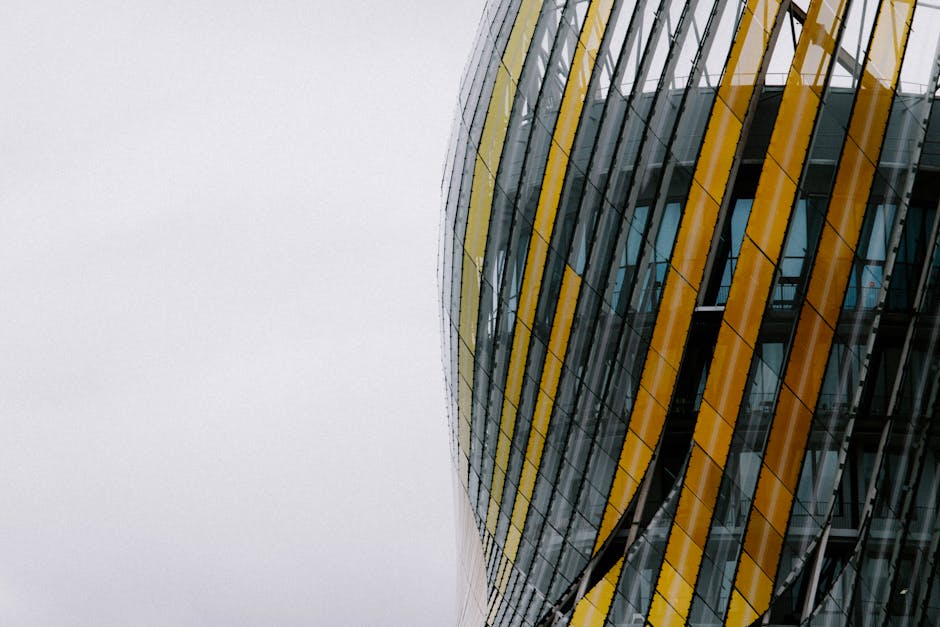 Moderate
Bordeaux, France
Explore the bold Brutalist architecture of Bordeaux's Mériadeck district on this self-guided walk through 1970s urban design and hanging gardens.
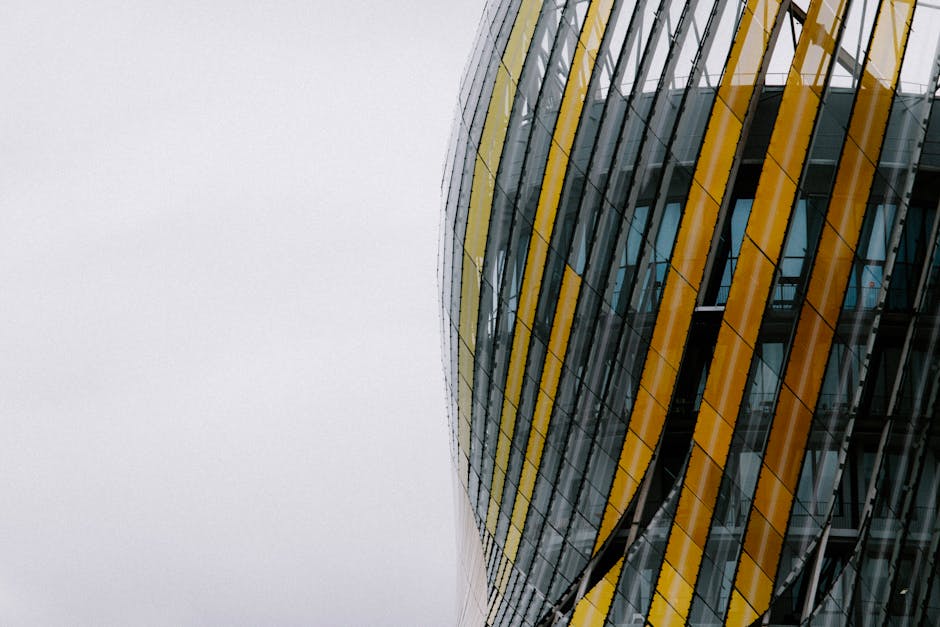 Moderate
Bordeaux, France
Explore Bordeaux's creative edge on this self-guided walk from classic museums to the vibrant Darwin Ecosystem and industrial ruins.
 Easy
EasyGothenburg, Sweden
Explore Gothenburg's maritime soul on this self-guided walk from historic shipyards to sleek modern piers and iconic industrial landmarks.
 Easy
EasyHelsinki, Finland
Discover Helsinki's oldest neighborhood on this self-guided audio walk through Kruununhaka’s historic streets, hidden courtyards, and scenic shores.
 Easy
EasyGothenburg, Sweden
Explore Gothenburg's elegant academic district, featuring grand 19th-century stone architecture and the iconic cultural hub of Götaplatsen.
 Easy
EasyGothenburg, Sweden
Explore Gothenburg’s historic wooden houses, legendary giant cinnamon buns, and panoramic fortress views on this self-guided neighborhood stroll.
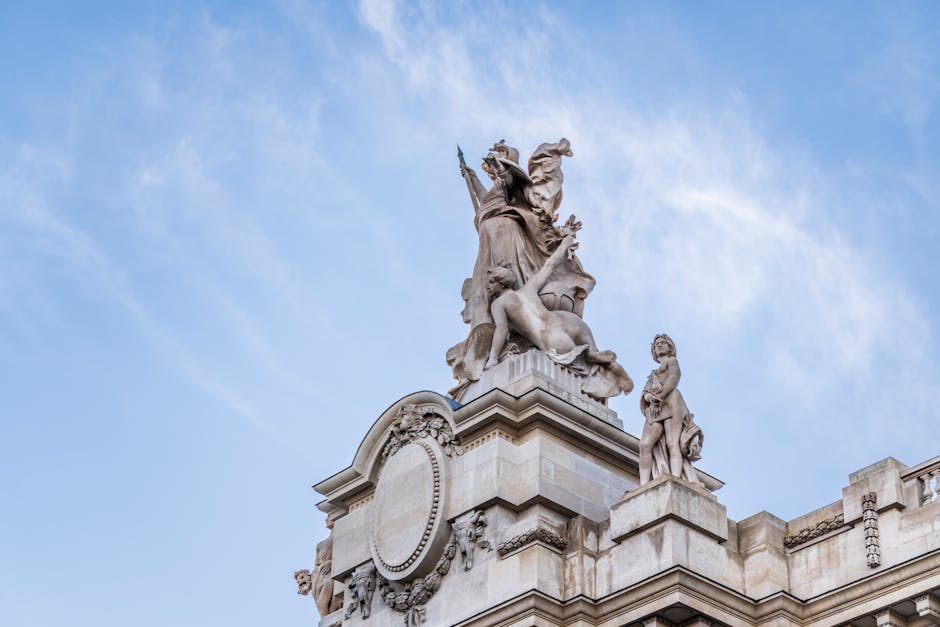 Challenging
Paris, France
Explore the secret vineyards, legendary artist studios, and hidden squares of Paris's iconic hilltop on this self-guided bohemian walking route.
 Easy
EasyParis, France
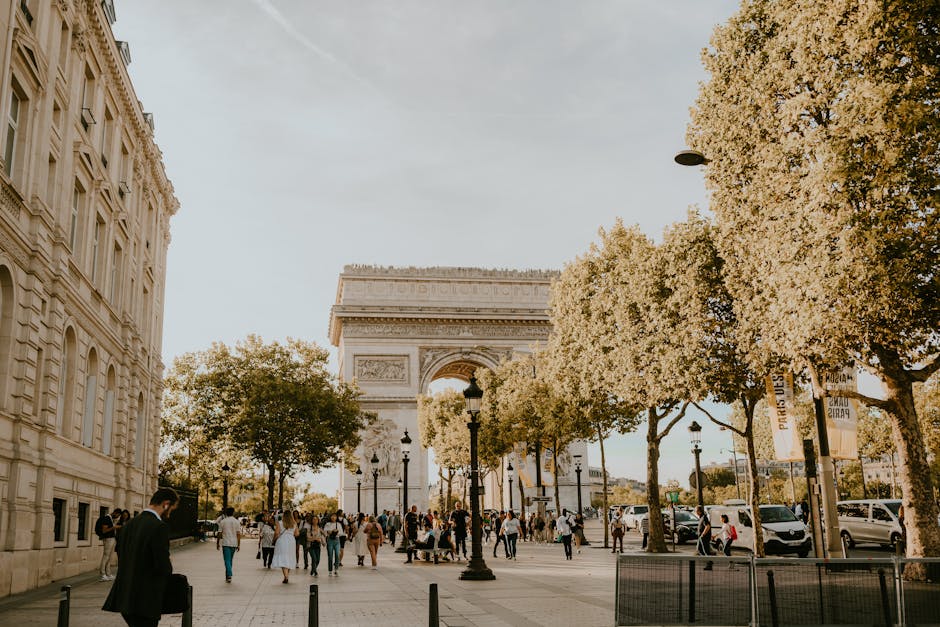
Explore the evolution of Parisian design from Art Nouveau whimsy to Le Corbusier's Modernist masterpieces on this self-guided architectural walk.
 Easy
EasyParis, France
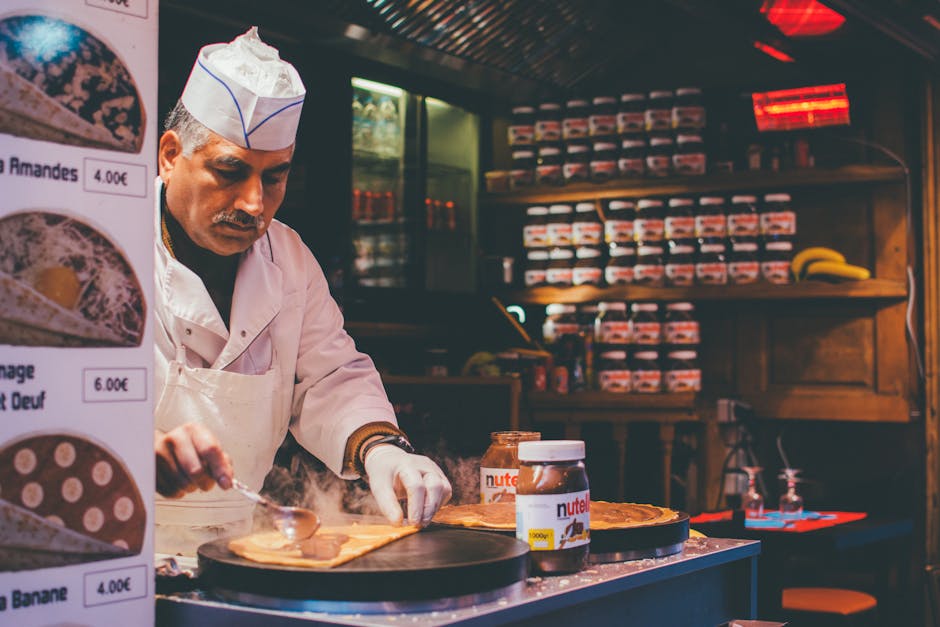
Explore the flavors and history of Bastille on this self-guided walk through the legendary Aligre Market and the scenic Coulée Verte.
 Easy
EasyParis, France
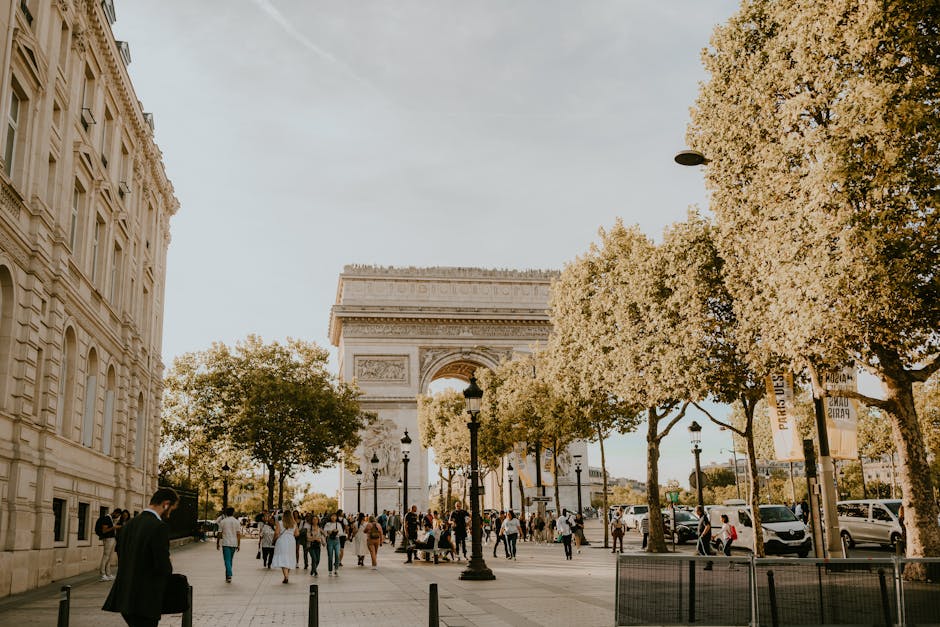
Discover aristocratic mansions, secret medieval courtyards, and royal history on this self-guided walk through the enchanting Marais district.