Self-guided audio tour in Nice
Start Free on iPhone
Start free on iPhone to unlock this self-guided walking tour in Nice. Hear all the stories that make it amazing, walk at your own pace, and begin whenever you want.
Your Private Tour Guide
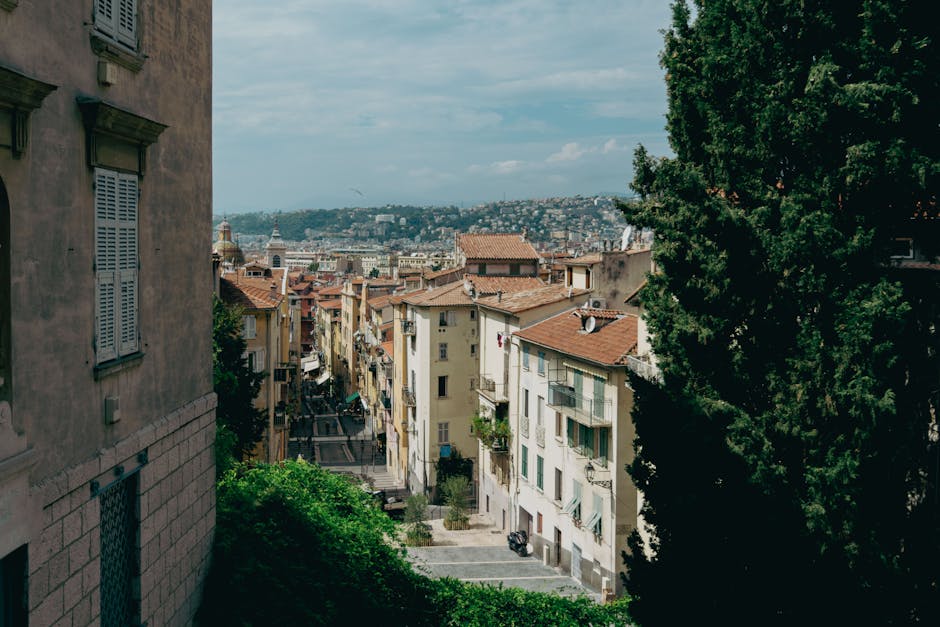
Discover the soul of the French Riviera on this self-guided walk through Nice’s maritime history. This neighborhood stroll takes you along the iconic waterfront, where the city meets the turquoise expanse of the Mediterranean. Starting at the base of the Old Town, you will trace the evolution of Nice from a strategic military outpost to a world-renowned coastal retreat. The route focuses on the dramatic Quai Rauba-Capeù, a name in the local Nissart dialect meaning 'where the hat flies away,' famous for the gusty winds that sweep around the bend of the Castle Hill. This area is more than just a scenic viewpoint; it is a place where the geological power of the cliffs meets the engineering feats of the city’s harbor. As you explore independently, you will encounter landmarks that tell stories of defense, art, and remembrance. From the historic Rue des Ponchettes, once the heart of the local fishing industry, to the towering Bellanda Tower where Hector Berlioz found inspiration, the maritime influence is everywhere. You will also experience the modern side of Nice at the vibrant #ILoveNICE sign and pay respects at the Monument aux Morts, a somber and magnificent structure carved directly into the limestone rock. This walking route Nice enthusiasts adore concludes at the entrance of Port Lympia, the city’s historic harbor, where the Phare de Nice stands guard over the luxury yachts and traditional 'pointu' fishing boats. This self-guided walking route Nice offers is perfect for those who want to combine fresh sea air with a deep dive into the legends of the Baie des Anges. Whether you are a photography enthusiast looking for the perfect sunset shot or a history buff interested in Mediterranean naval heritage, this route provides a comprehensive look at how the sea has shaped the identity of this vibrant city.
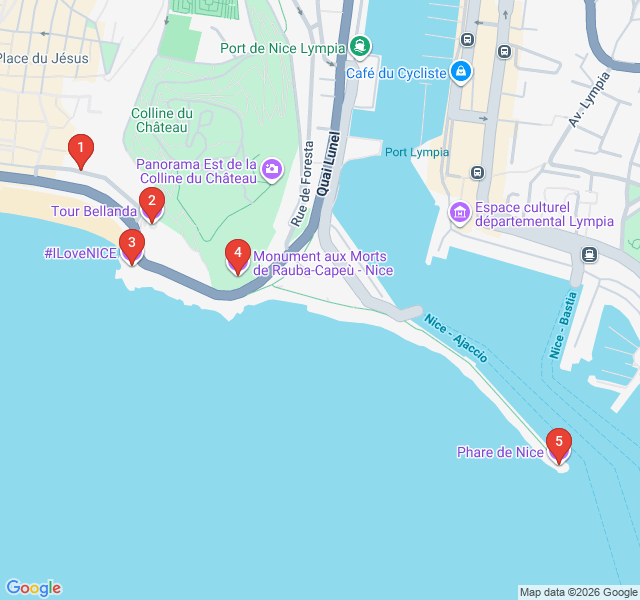
Numbers indicate the order of stops on the tour.
Start your self-guided adventure at Rue des Ponchettes. These low, flat-roofed buildings were originally constructed in the 18th century as stores for local fishermen. The roofs were designed to be flat so that the elite of Nice could use them as a promenade to walk and enjoy the sea air without getting their feet dirty in the fish market below. Today, they house galleries and shops, but the architecture remains a testament to the city's early maritime commercial life and the strict social hierarchies of the time. Look up at the terraces and imagine the 19th-century aristocracy strolling above the busy market stalls.
Rising above the coastline is the Bellanda Tower, a remnant of the massive fortifications that once protected the Castle Hill. Though the castle itself was destroyed by Louis XIV in 1706, this circular tower was rebuilt in the 19th century. It famously served as a residence for the composer Hector Berlioz, who wrote his 'King Lear' overture here. The tower offers some of the most famous views in the world, looking out over the sweep of the Promenade des Anglais. It symbolizes the transition of Nice from a fortress to a place of artistic inspiration and leisure.
While much of this route is steeped in history, the #ILoveNICE sign is a modern landmark that has quickly become an essential stop. Located at the point where the Quai des États-Unis turns into the Quai Rauba-Capeù, it offers a perfect vantage point of the azure waters. Beyond the photo opportunity, this spot marks the threshold of the 'Rauba-Capeù' bend, where the wind accelerates around the cliffside. It is a favorite local gathering spot to watch the waves crash against the rocks during a storm, illustrating the raw power of the Mediterranean sea.
Carved directly into the side of the Castle Hill cliff, this massive war memorial is one of the largest in France. It honors the citizens of Nice who lost their lives in World War I and World War II. The location is deeply symbolic; the monument is literally part of the city's bedrock, facing the sea that has brought both prosperity and conflict to these shores. The architectural style is austere and powerful, using the natural limestone to create a sense of eternal permanence. Take a moment to appreciate the intricate carvings that depict the departure for the front and the return of peace.
The Phare de Nice, or the Nice Lighthouse, stands at the end of the jetty protecting Port Lympia. Built in the mid-20th century to replace an earlier structure destroyed during the war, it remains a vital navigational aid for ships entering the harbor. The lighthouse marks the beginning of the port area, which was excavated in the 18th century to provide a safe haven for the Sardinian fleet. From here, you can see the contrast between the traditional wooden 'pointu' boats used by local fishermen and the massive ferries and yachts that now dominate the Mediterranean maritime routes.
To conclude this thematic exploration, we look toward the hills. While located in Vence, 'Les Cadrans Solaires' (The Sundials) represents a historical connection between timekeeping and the maritime world. Historically, accurate time was essential for maritime navigation and determining longitude at sea. This site is famous for its collection of sundials, which serve as a reminder of the ancient science of Gnomonics. In a world before GPS and digital clocks, these instruments were the high-tech tools of their day, linking the movement of the celestial bodies to the safe passage of sailors across the Mediterranean.
Start Free on iPhone
Explore “Maritime History and the Quai Rauba Capeu” with your very own Private Tour Guide with Zigway. Start free on iPhone, skip the large group and the fixed routes, and hear the city come alive as you go.
Your Private Tour Guide
Don't miss the good stuff
Explore Freely
 Easy
EasyNice, France
Discover the imperial legacy of the Romanovs in Nice on this self-guided audio walk through stunning cathedrals and historic villas.
 Moderate
Nice, France
Ascend Nice's historic 'Castle Hill' for stunning Mediterranean views, hidden ruins, and a cooling waterfall on this scenic self-guided walk.
 Easy
EasyNice, France
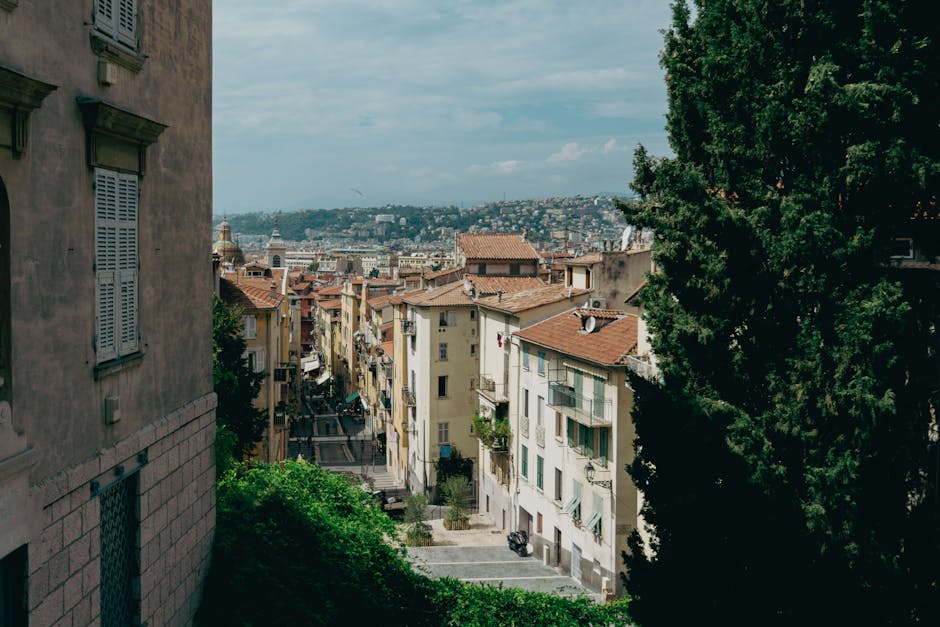
Discover the medieval heart of Nice. Explore Baroque palaces, hidden squares, and vibrant alleys at your own pace on this self-guided walk.
 Easy
EasyNice, France
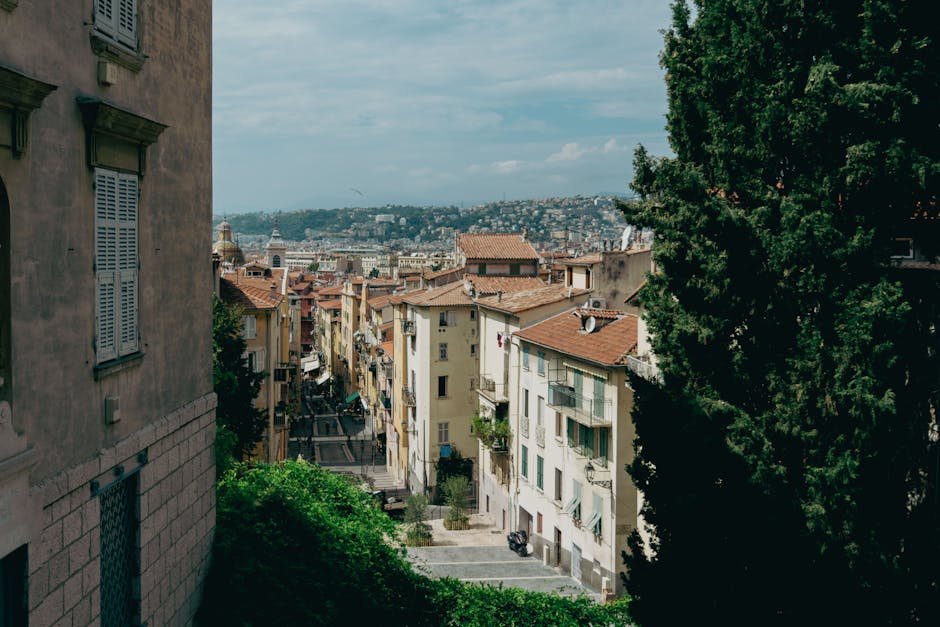
Discover the vibrant soul of Nice! Explore the Libération market, modern street art, and the stunning 'meringue' church on this self-guided walk.
 Easy
EasyNairobi, Kenya
Explore the history of Kenya’s independence through the statues, monuments, and parks that define Nairobi’s political heart on this self-guided walk.
 Easy
EasyNairobi, Kenya
Discover Nairobi's iconic skyline on this self-guided architecture walk through the CBD’s most famous modernist and Brutalist landmarks.
 Easy
EasyGdansk, Poland
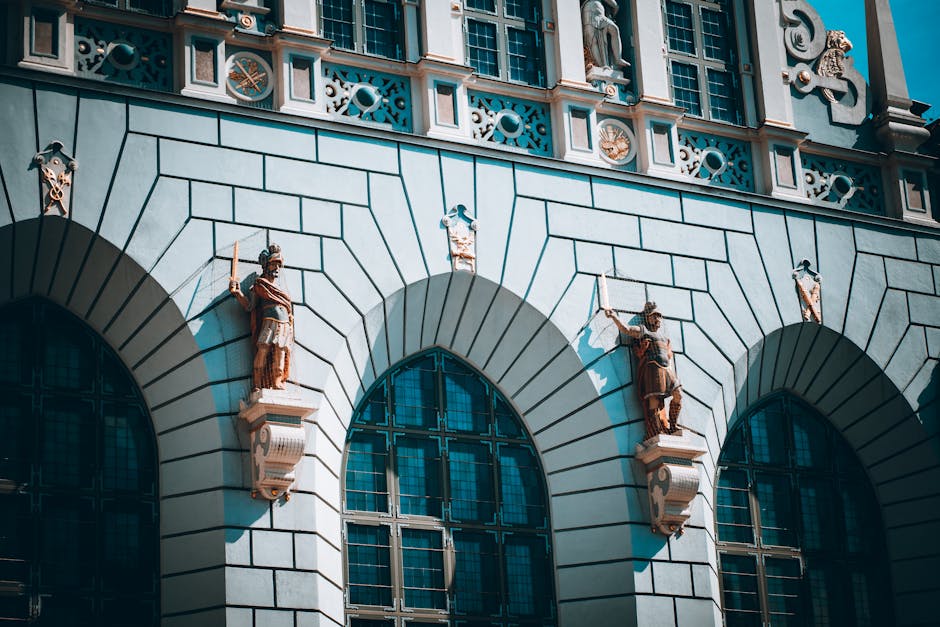
Discover the opulent Royal Way of Gdansk at your own pace. Explore Hanseatic history, gilded architecture, and the iconic Neptune's Fountain.
 Easy
EasyGdansk, Poland
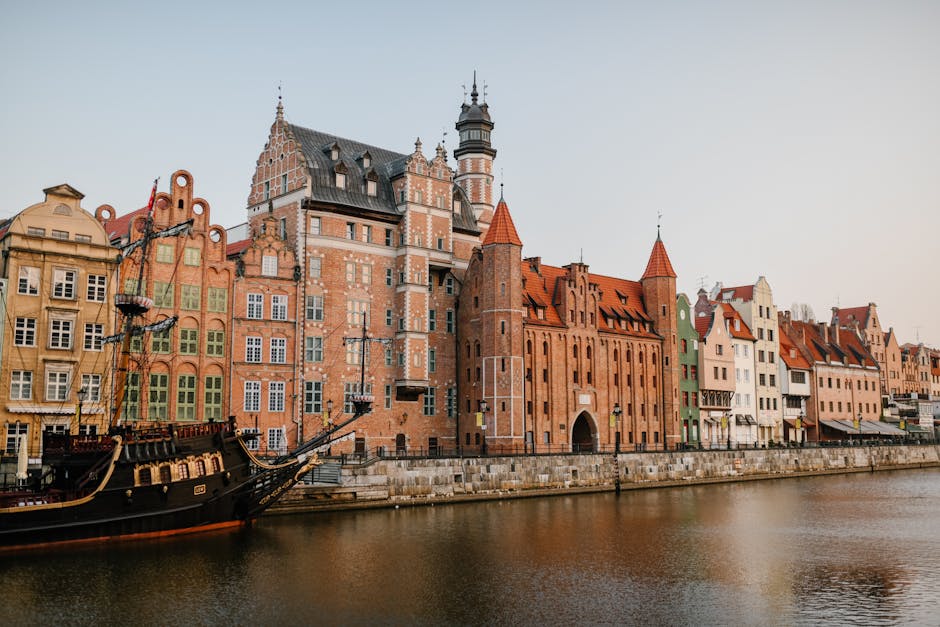
Discover the 'Baltic Gold' on this self-guided walk through Gdansk's historic mills, massive cathedrals, and the magical Mariacka Street.
 Challenging
Paris, France
Explore the secret vineyards, legendary artist studios, and hidden squares of Paris's iconic hilltop on this self-guided bohemian walking route.
 Easy
EasyParis, France
Explore the evolution of Parisian design from Art Nouveau whimsy to Le Corbusier's Modernist masterpieces on this self-guided architectural walk.
 Easy
EasyParis, France
Explore the flavors and history of Bastille on this self-guided walk through the legendary Aligre Market and the scenic Coulée Verte.
 Easy
EasyParis, France
Discover aristocratic mansions, secret medieval courtyards, and royal history on this self-guided walk through the enchanting Marais district.