Self-guided audio tour in Paris
Start Free on iPhone
Start free on iPhone to unlock this self-guided walking tour in Paris. Hear all the stories that make it amazing, walk at your own pace, and begin whenever you want.
Your Private Tour Guide
Step back into the most turbulent era of French history with this self-guided walking route through the heart of the capital. This independent exploration traces the rise and fall of the French Revolution, taking you from the halls of power to the sites of public execution. Unlike a standard guided tour Paris offers, this audio walk allows you to linger at the landmarks that witnessed the end of the monarchy and the birth of a republic. Your journey begins at the Hôtel de Ville, the historic seat of Paris’s municipal power and a focal point for revolutionary fervor. From here, you will cross onto the Île de la Cité to stand before the Conciergerie. Once a royal palace, it became the 'Antichamber to the Guillotine' during the Reign of Terror, holding famous prisoners like Marie Antoinette. As you continue your walking tour Paris adventure, you’ll traverse the Pont Neuf and enter the Tuileries Garden, where the royal family was once held under house arrest before the palace was stormed by the people. The narrative reaches a dramatic peak at the Place de la Concorde. Once known as the Place de la Révolution, this vast square hosted the guillotine that claimed the lives of King Louis XVI and thousands of others. Finally, the route leads you toward the Place de la Bastille. Although the fortress itself is long gone, the spirit of the 1789 uprising remains palpable in the vibrant atmosphere of the modern square. This neighborhood stroll is perfect for history buffs and curious travelers alike, providing a deep dive into the political intrigue and social upheaval that reshaped the Western world. Explore at your own pace, stop for a coffee in the Marais along the way, and witness the enduring legacy of 'Liberté, Égalité, Fraternité' in the streets of the city today.
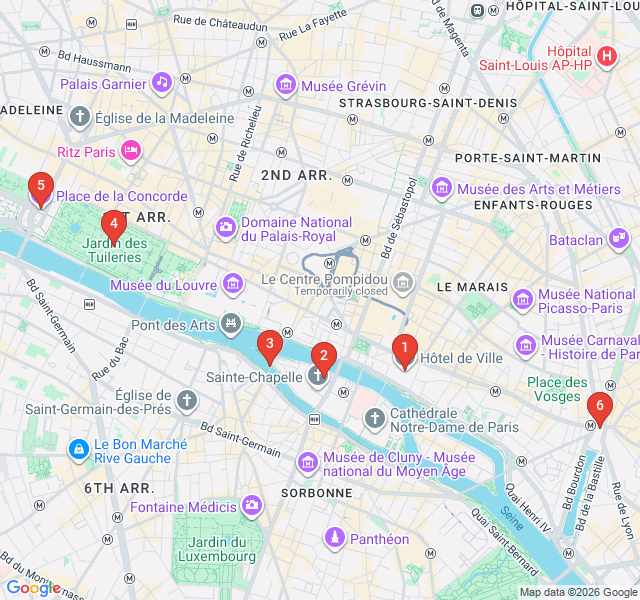
Numbers indicate the order of stops on the tour.
Welcome to the heart of Parisian civic life. The Hôtel de Ville has stood as the city's administrative center since 1357, but its revolutionary history is what truly defines it. During the French Revolution, this building was the headquarters of the Paris Commune, the radical insurrectionary government. It was here that Robespierre was captured after his fall from power, and it was from these windows that the Republic was proclaimed several times in French history. Notice the intricate Renaissance-style architecture; though much of it was rebuilt after being burned during the Paris Commune of 1871, it remains a symbol of the city's defiant spirit. Imagine the crowds gathered in the square below, demanding bread and justice as the old world crumbled around them.
Gaze upon the medieval spires of the Conciergerie, a structure that transitioned from a magnificent royal palace to one of the most feared prisons in history. During the Reign of Terror, it earned the nickname 'the Antichamber to the Guillotine.' Over 2,700 people were held here before being sent to their deaths, including the most famous prisoner of all: Queen Marie Antoinette. Inside these walls, the social distinctions of the Ancien Régime vanished as aristocrats and commoners alike awaited their fate. The stark contrast between the building’s Gothic beauty and its grim history serves as a powerful reminder of the Revolution's darker side, where the quest for liberty often led to the shadow of the scaffold.
Despite its name meaning 'New Bridge,' Pont Neuf is actually the oldest standing bridge in Paris. Completed in 1607, it was revolutionary for its time because it was the first bridge in the city built without houses on it and the first to feature sidewalks for pedestrians. During the Revolution, the bridge was a vital artery for the city, a place where news, rumors, and political pamphlets spread like wildfire. Stand by the equestrian statue of Henri IV; during the uprising, the original statue was torn down and melted to create cannons. The bridge has watched the Seine flow through centuries of change, acting as a stage for both the pageantry of kings and the fury of the people.
As you stroll through these manicured paths, you are walking on the site of a vanished palace. The Tuileries Palace once stood here, closing off the courtyard of the Louvre. In 1789, King Louis XVI and his family were forced to move here from Versailles to be under the watchful eye of the revolutionary people. For three years, the palace was a gilded cage until August 10, 1792, when a mob of 20,000 people stormed the building, effectively ending the French monarchy. Today, only the gardens remain, offering a peaceful retreat that belies the violent struggle for power that once saturated this ground. It is a place where the grandeur of royal design meets the public accessibility of the modern Republic.
You are now standing in one of the most significant squares in world history. Originally named Place Louis XV, it was renamed Place de la Révolution during the height of the upheaval. This is where the guillotine was erected, and where, on January 21, 1793, King Louis XVI was executed before a cheering crowd. Marie Antoinette, Danton, and even the revolutionary leader Robespierre met their ends here. Today, the square is anchored by the 3,300-year-old Luxor Obelisk, a gift from Egypt intended to move the site away from its bloody past. The name 'Concorde' was chosen to signal a new era of national reconciliation and peace after the trauma of the Terror.
Our final stop brings us to the symbolic birthplace of the Revolution. On July 14, 1789, a mob of Parisians stormed the Bastille, a medieval fortress and prison that represented royal tyranny. While only seven prisoners were inside at the time, the event became the spark that ignited a global movement. Today, not a stone of the fortress remains visible above ground, but its outline is marked in the paving stones of the square. In the center stands the July Column, which actually commemorates a later revolution in 1830. Below the square lies the Opera Bastille, a modern landmark that continues the tradition of the area as a place for the people. This square remains the traditional starting point for political demonstrations in Paris, proving that the revolutionary spirit is still very much alive.
Start Free on iPhone
Explore “Revolutionary Paris: From Bastille to Concorde” with your very own Private Tour Guide with Zigway. Start free on iPhone, skip the large group and the fixed routes, and hear the city come alive as you go.
Your Private Tour Guide
Don't miss the good stuff
Explore Freely
 Challenging
Paris, France
Explore the secret vineyards, legendary artist studios, and hidden squares of Paris's iconic hilltop on this self-guided bohemian walking route.
 Easy
EasyParis, France
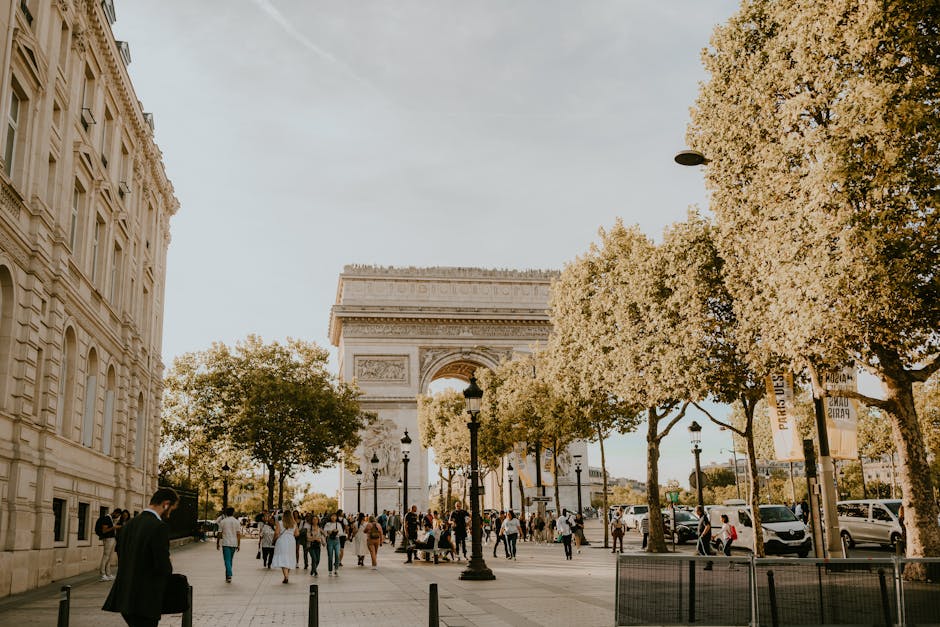
Explore the evolution of Parisian design from Art Nouveau whimsy to Le Corbusier's Modernist masterpieces on this self-guided architectural walk.
 Easy
EasyParis, France
Explore the flavors and history of Bastille on this self-guided walk through the legendary Aligre Market and the scenic Coulée Verte.
 Easy
EasyParis, France
Discover aristocratic mansions, secret medieval courtyards, and royal history on this self-guided walk through the enchanting Marais district.
 Moderate
Vienna, Austria
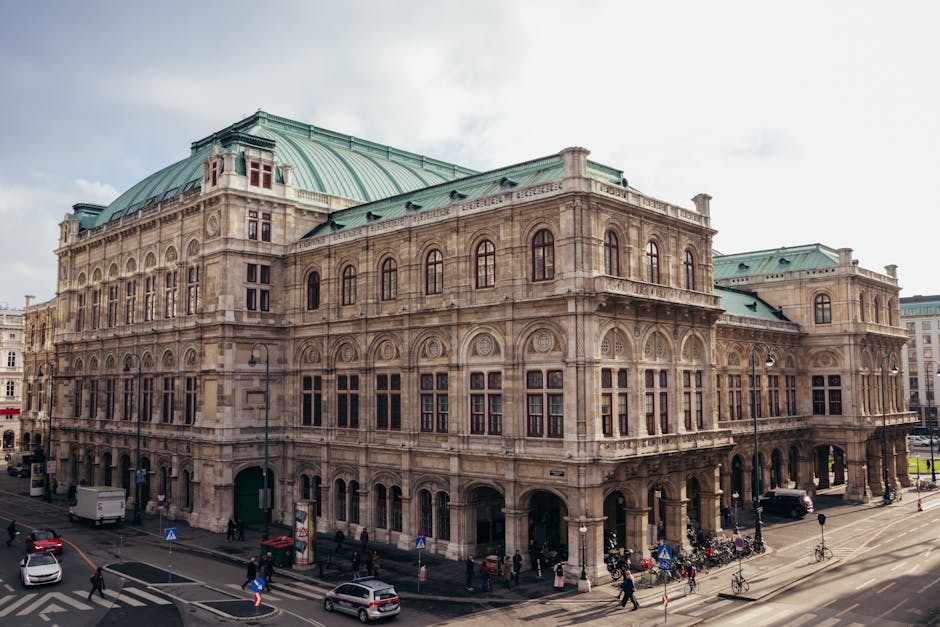
Follow the footsteps of Mozart and Strauss through Vienna’s historic center on this self-guided walk through the city's rich musical history.
 Moderate
Warsaw, Poland
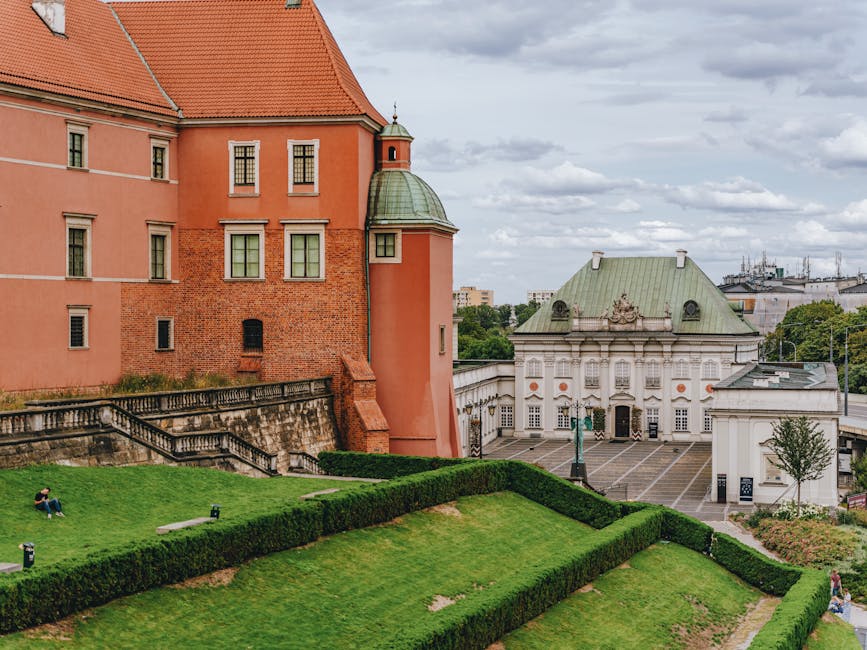
Explore the resilient spirit of Warsaw's Muranów district on this self-guided walk through the history and landmarks of the former Jewish Ghetto.
 Moderate
Warsaw, Poland
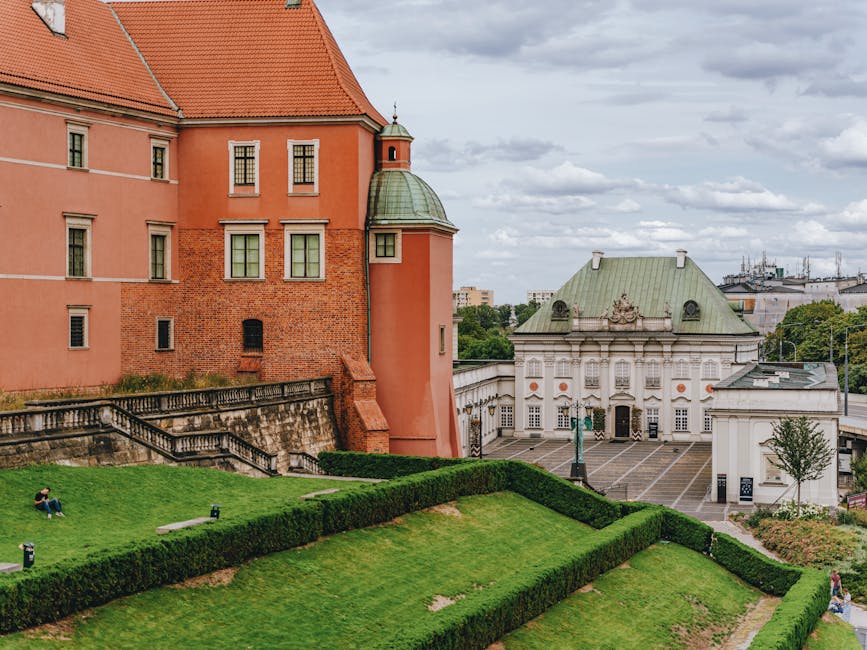
A powerful self-guided walk through Warsaw's WWII history, tracking the 1944 Uprising from ruined skyscrapers to solemn memorials.
 Moderate
Gothenburg, Sweden
Discover Gothenburg’s maritime soul on this self-guided walk from the historic Central Station to the scenic riverfront at Stenpiren.
 Easy
EasyLyon, France
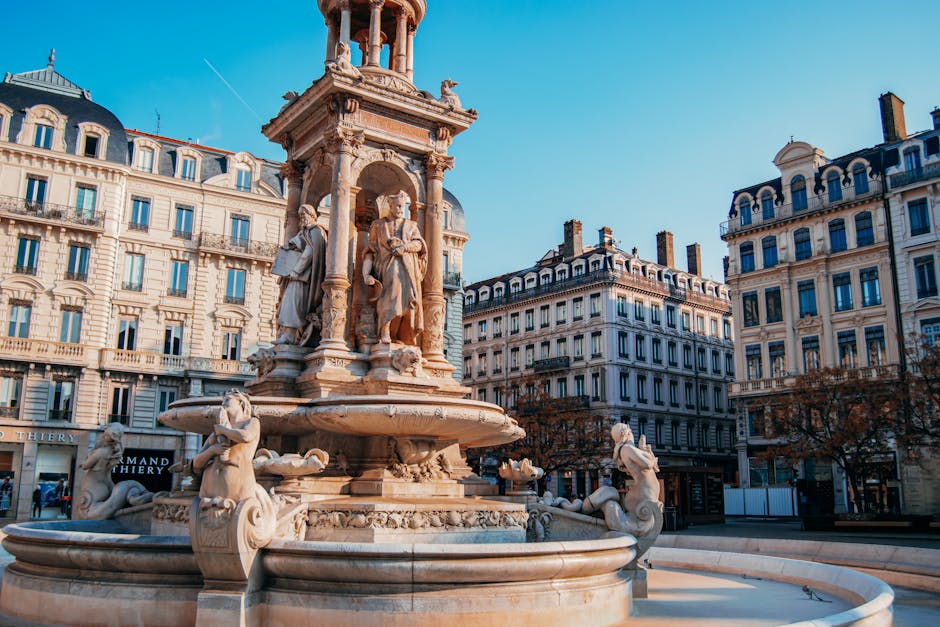
Discover Lyon's culinary soul on this self-guided walk from historic Presqu'île to the legendary Halles Paul Bocuse food market.
 Easy
EasyLyon, France
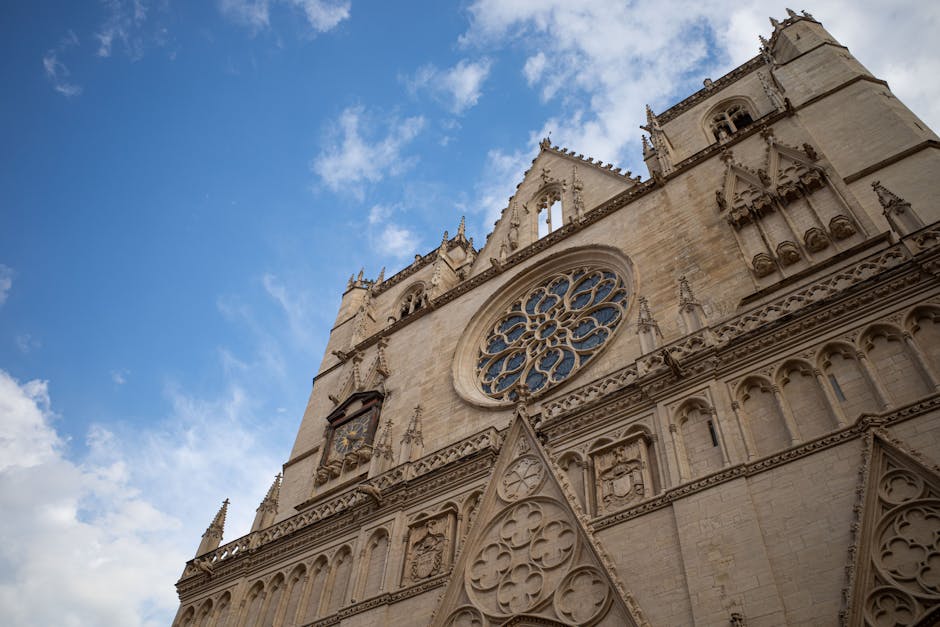
Explore Lyon’s futuristic waterfront! A self-guided walk through Confluence’s bold architecture and reclaimed industrial docks.
 Easy
EasyLyon, France
Discover the multicultural soul and industrial heritage of Lyon's 7th arrondissement on this vibrant self-guided walking route.
 Moderate
Lyon, France
Ascend the 'Hill that Prays' to explore Roman ruins, a shimmering basilica, and secret panoramic gardens on this historic self-guided walk in Lyon.