Self-guided audio tour in Paris
Start Free on iPhone
Start free on iPhone to unlock this self-guided walking tour in Paris. Hear all the stories that make it amazing, walk at your own pace, and begin whenever you want.
Your Private Tour Guide
Step back into a world where scholars debated in Latin and narrow alleys whispered secrets of alchemy. This self-guided walk through Paris's legendary Latin Quarter reveals a side of the city often missed by those rushing toward more modern landmarks. While many visitors stick to the broad boulevards of the Right Bank, this walking route invites you to explore the Left Bank’s tangled web of medieval history and Roman foundations. You will traverse the very streets where the University of Paris was born in the 12th century, shaping the intellectual landscape of Europe for centuries to come. The neighborhood’s name itself is a nod to its scholarly roots, as Latin was the lingua franca of the students and professors who once called these streets home. This neighborhood stroll captures the transition from the ancient Roman city of Lutetia to the fortified medieval capital. You will encounter the oldest tree in Paris, standing guard near the banks of the Seine, and navigate the Rue du Chat-qui-Pêche, widely considered the narrowest street in the city. The architecture on this route is a masterclass in French heritage, ranging from the Flamboyant Gothic style of Saint-Séverin to the Gallo-Roman ruins hidden within the Musée de Cluny. As you continue, the presence of the Sorbonne University serves as a reminder of the area’s enduring academic prestige. The journey culminates at the Arènes de Lutèce, a 1st-century Roman amphitheater that remains one of the city's best-kept secrets. This self-guided adventure is perfect for those who want to experience a walking tour Paris style—at your own pace, focused on the authentic textures of the past. Whether you are a history buff or an architecture enthusiast, the Latin Quarter offers a glimpse into the resilient heart of Paris that has survived revolutions and urban renewals.
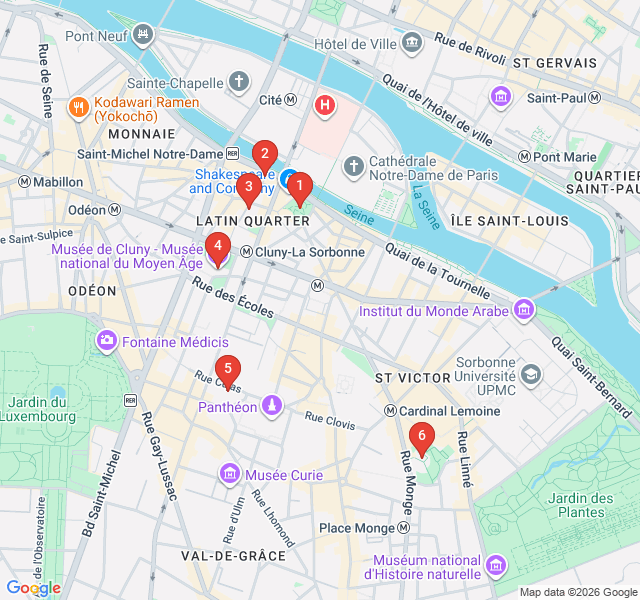
Numbers indicate the order of stops on the tour.
Begin your self-guided adventure at Square René Viviani, a quiet park offering one of the most iconic views of Notre-Dame Cathedral across the river. However, the real star here is the Robinia tree, also known as a black locust. Planted in 1601 by Jean Robin, the gardener to Henry IV, it is officially recognized as the oldest tree in Paris. Supported by concrete pillars today, it has survived four centuries of Parisian history. The park also contains remnants of architectural fragments from Notre-Dame and a 12th-century well, grounding you immediately in the medieval theme of this walking route.
Step into the Rue du Chat-qui-Pêche, which translates to 'The Street of the Fishing Cat.' Measuring only 1.8 meters wide, it is famously known as the narrowest street in Paris. This alleyway dates back to 1540 and leads directly toward the Seine. Its name comes from a local legend involving a 15th-century priest and his black cat, who supposedly caught fish from the river with a single swipe of its paw. Local students, suspicious of alchemy, believed the cat and the priest were one and the same. Today, it serves as a perfectly preserved slice of the city's medieval urban layout.
The Church of Saint-Séverin is a masterpiece of the Flamboyant Gothic style. Built on the site of an 11th-century oratory, the current structure dates largely from the 15th century. As you enter, look for the 'twisted pillar' in the center of the apse, which resembles a stone palm tree spiraling toward the ceiling. The church also features some of the oldest bells in Paris and a set of modern stained-glass windows by Jean René Bazaine, which depict the seven sacraments. The surrounding cloister, once a medieval cemetery, adds to the solemn, historic atmosphere of this stop.
The Musée de Cluny, or the National Museum of the Middle Ages, is unique for its architectural layers. The site contains the ruins of 2nd-century Roman baths—the Thermes de Cluny—which are among the best-preserved Roman remains in Northern Europe. Above these ruins sits a late 15th-century Gothic mansion, formerly the townhouse of the Abbots of Cluny. This building is a rare example of medieval domestic architecture in Paris. While the museum is famous for the 'Lady and the Unicorn' tapestries, the exterior courtyard and visible Roman stonework offer a free and fascinating look at the city's ancient roots.
The Sorbonne is the intellectual heart of the Latin Quarter. Founded in 1257 by Robert de Sorbon as a college for impoverished theology students, it grew into one of the most prestigious universities in the world. The building you see today is largely a 19th-century reconstruction, but it maintains the grand, scholarly aesthetic that has defined this district for nearly 800 years. The neighborhood around it is still filled with academic bookshops and student cafes, preserving the atmosphere that gave the Latin Quarter its name when students spoke Latin to communicate across different European nationalities.
The final stop on this neighborhood stroll is the Arènes de Lutèce, a hidden gem tucked away behind residential buildings. This Roman amphitheater dates back to the 1st century AD and could once hold 15,000 spectators for gladiatorial combat and theatrical performances. It was rediscovered in the 1860s during the construction of the Rue Monge. Today, it functions as a public park where locals play pétanque and children run on the same grounds where ancient Romans once gathered. It is a powerful reminder that beneath the modern streets of Paris lies the ancient city of Lutetia.
Start Free on iPhone
Explore “Medieval Latin Quarter Secrets” with your very own Private Tour Guide with Zigway. Start free on iPhone, skip the large group and the fixed routes, and hear the city come alive as you go.
Your Private Tour Guide
Don't miss the good stuff
Explore Freely
 Challenging
Paris, France
Explore the secret vineyards, legendary artist studios, and hidden squares of Paris's iconic hilltop on this self-guided bohemian walking route.
 Easy
EasyParis, France
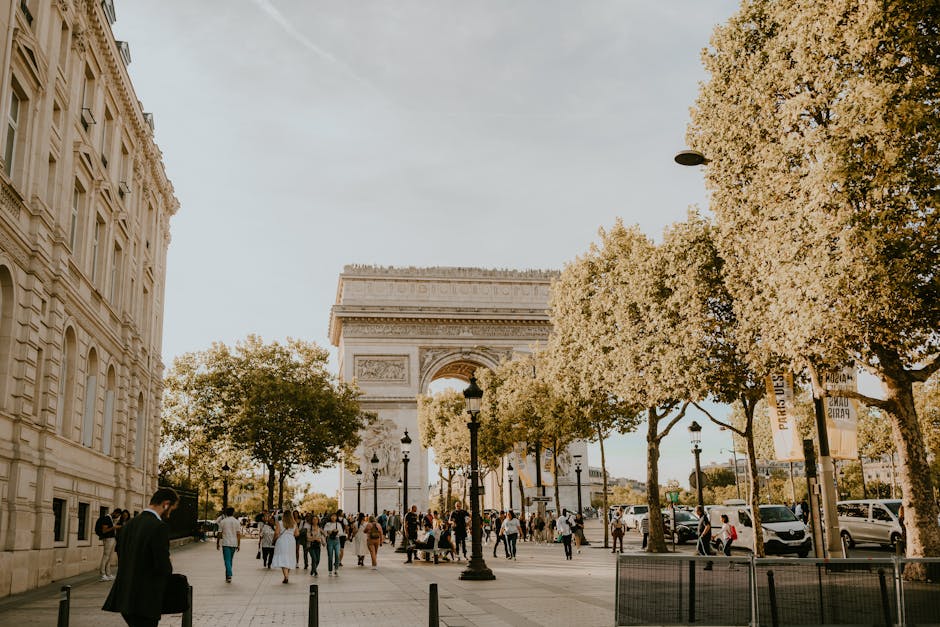
Explore the evolution of Parisian design from Art Nouveau whimsy to Le Corbusier's Modernist masterpieces on this self-guided architectural walk.
 Easy
EasyParis, France
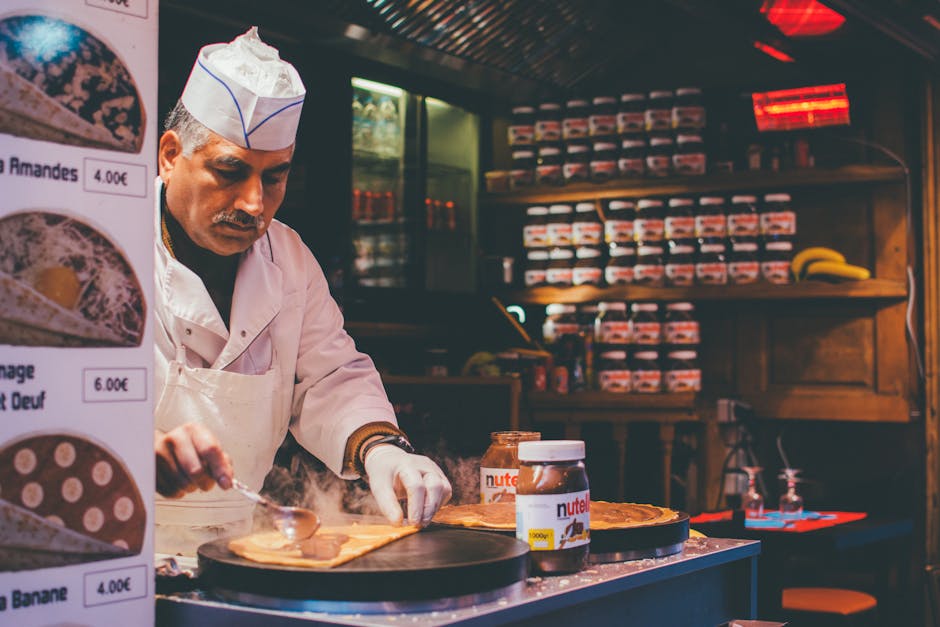
Explore the flavors and history of Bastille on this self-guided walk through the legendary Aligre Market and the scenic Coulée Verte.
 Easy
EasyParis, France
Discover aristocratic mansions, secret medieval courtyards, and royal history on this self-guided walk through the enchanting Marais district.
 Easy
EasyWarsaw, Poland
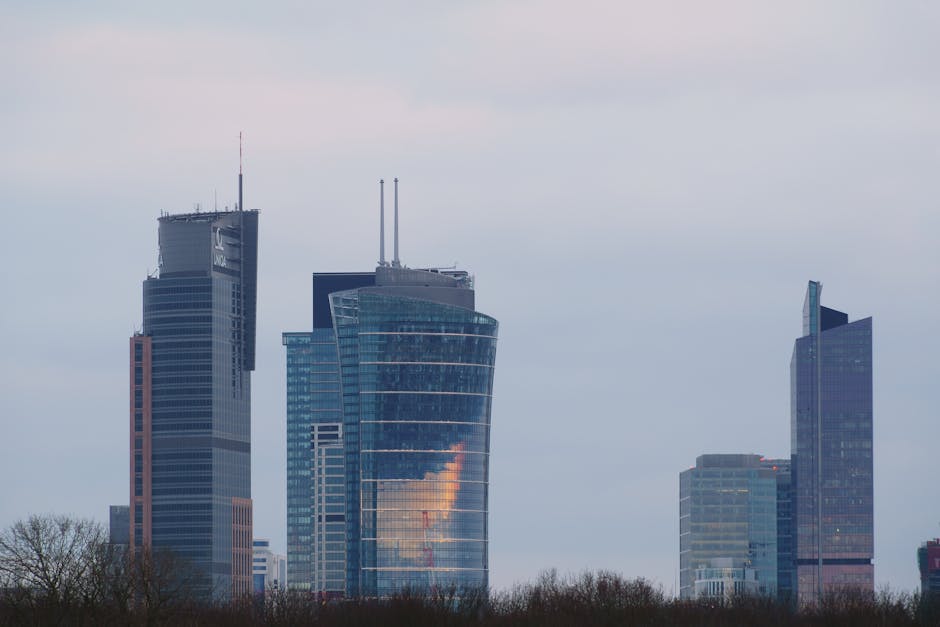
Discover the hidden courtyards and grand pre-war architecture of Warsaw's most atmospheric neighborhood on this self-guided stroll.
 Easy
EasyGothenburg, Sweden
Discover Gothenburg’s 17th-century Dutch foundations, historic canals, and military fortifications on this self-guided architectural walk.
 Easy
EasyNairobi, Kenya
Explore Nairobi's architectural evolution from colonial-era landmarks to iconic Brutalist skyscrapers on this historic self-guided walking route.
 Easy
EasyNairobi, Kenya
Discover Nairobi's iconic skyline on this self-guided architecture walk through the CBD’s most famous modernist and Brutalist landmarks.
 Easy
EasyLyon, France
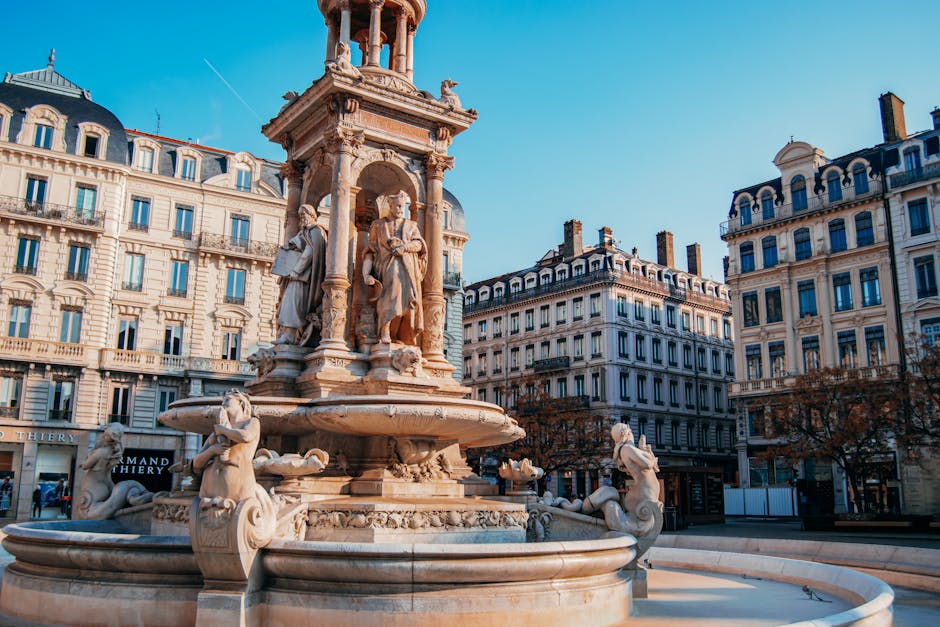
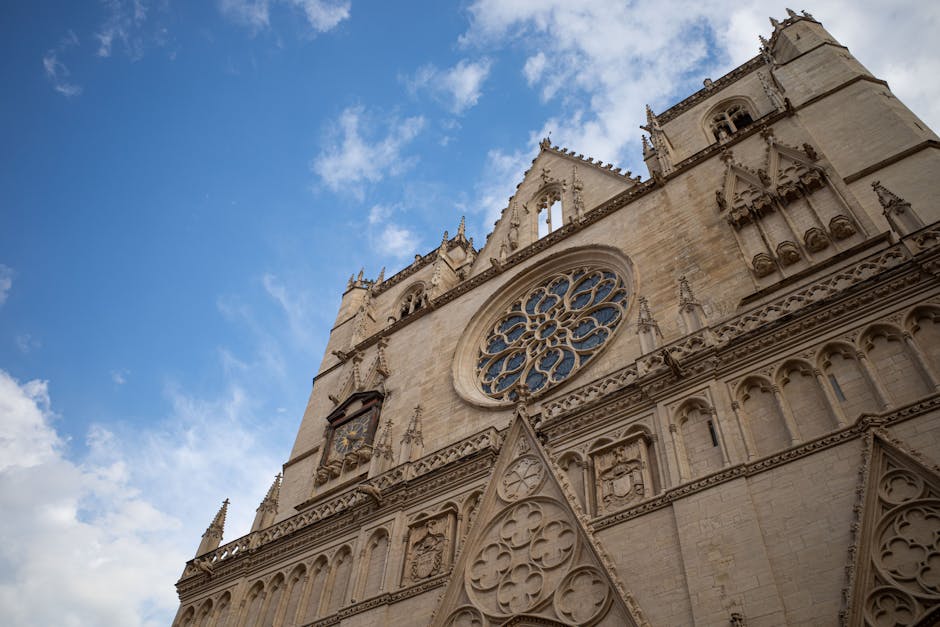
Discover Lyon's culinary soul on this self-guided walk from historic Presqu'île to the legendary Halles Paul Bocuse food market.
 Easy
EasyLyon, France
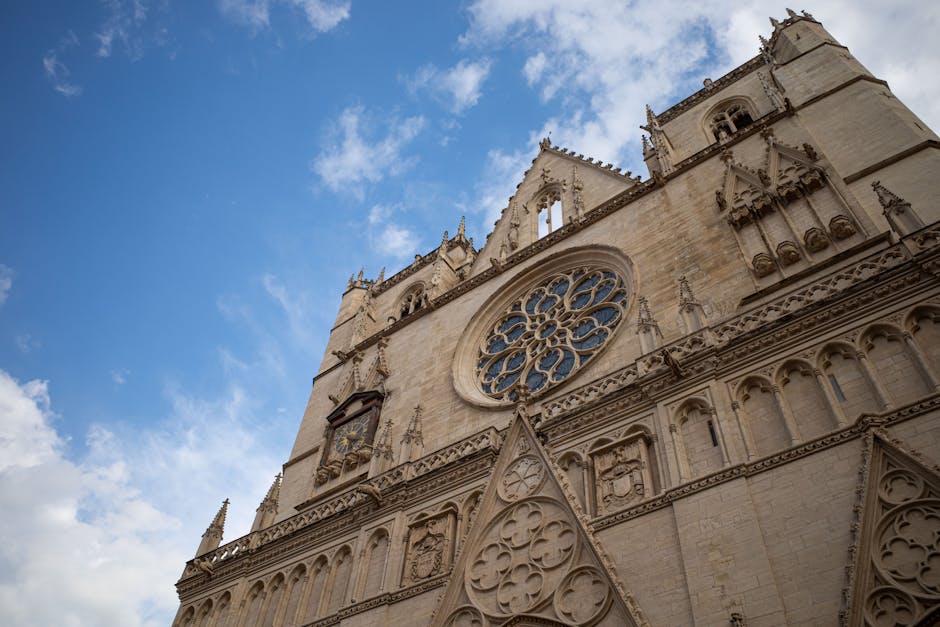
Explore Lyon’s futuristic waterfront! A self-guided walk through Confluence’s bold architecture and reclaimed industrial docks.
 Easy
EasyLyon, France
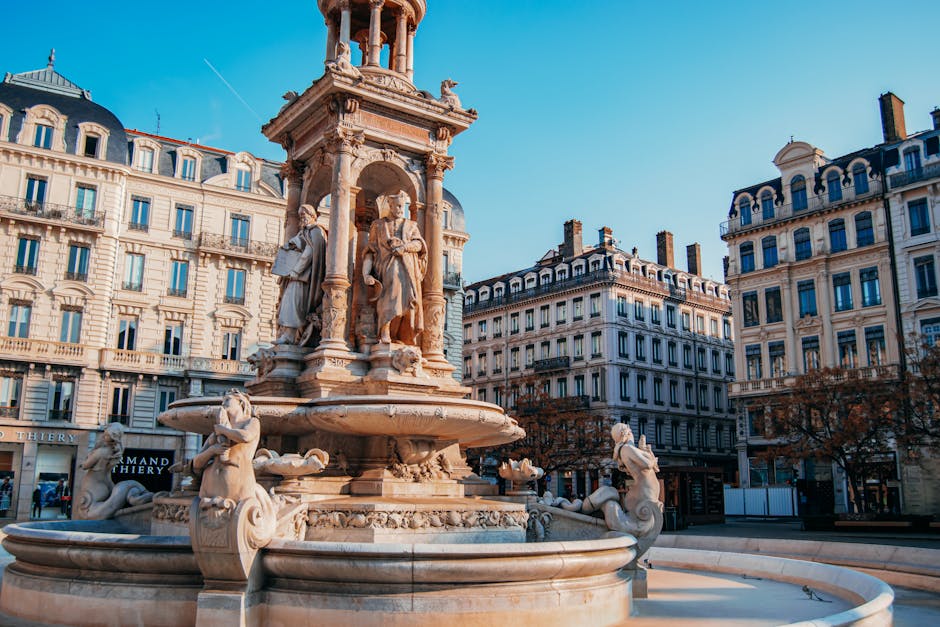
Discover the multicultural soul and industrial heritage of Lyon's 7th arrondissement on this vibrant self-guided walking route.
 Moderate
Lyon, France
Ascend the 'Hill that Prays' to explore Roman ruins, a shimmering basilica, and secret panoramic gardens on this historic self-guided walk in Lyon.