Self-guided audio tour in Cape Town
Start Free on iPhone
Start free on iPhone to unlock this self-guided walking tour in Cape Town. Hear all the stories that make it amazing, walk at your own pace, and begin whenever you want.
Your Private Tour Guide
Step into a world of vibrant color and deep-rooted history with this self-guided walk through Bo-Kaap, Cape Town’s most iconic and culturally significant neighborhood. Nestled on the slopes of Signal Hill, this area is a living monument to the Cape Malay community. As you explore independently, you will find yourself surrounded by the famous candy-colored houses that have made this neighborhood a favorite for photography and travel enthusiasts alike. This walking route is designed to take you beyond the aesthetics, offering a window into the resilient spirit of the descendants of enslaved people and political exiles from Southeast Asia and Africa. Your neighborhood stroll begins at the Iziko Bo-Kaap Museum, housed in one of the oldest buildings in the area, dating back to the 1760s. From there, you will immerse your senses in the aromatic world of the Atlas Trading Company, where the scent of turmeric and leaf masala has defined the air for decades. As you continue your journey, you will encounter the architectural beauty of the Auwal Masjid, the first mosque established in South Africa, and the steep, cobblestoned stretches of Chiappini Street, which offer some of the most striking visual perspectives in the city. This self-guided adventure allows you to uncover the stories of Tuan Guru, the evolution of Cape Malay cuisine, and the symbolic meaning behind the brightly painted facades that emerged as a celebration of freedom. Whether you are interested in the historical complexities of the Cape or simply looking for the best photography spots in the city, this walking route provides the flexibility to discover Bo-Kaap at your own pace. While a walking tour Cape Town might often feel rushed, this audio-guided experience ensures you have the time to stop for a traditional samosa or chat with local residents who keep the heritage of this unique enclave alive.
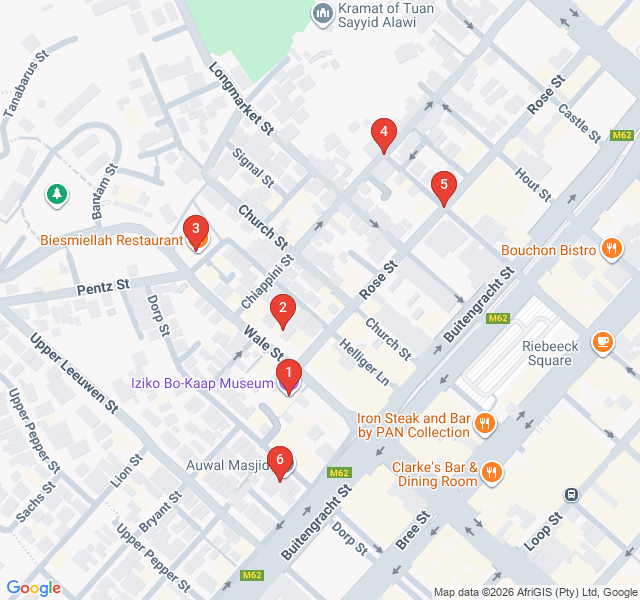
Numbers indicate the order of stops on the tour.
Begin your exploration at the Iziko Bo-Kaap Museum, located in a building that dates back to the 1760s. This is one of the oldest original structures in the area, characterized by its traditional 'voorstoep' or front porch. The museum serves as a vital introduction to the Cape Malay culture. Inside, you can learn about the history of the local community, many of whom were brought to the Cape as enslaved people or political dissidents from the Dutch East Indies. The exhibits reflect the Islamic traditions and the daily life of the residents across centuries, providing essential context for the colorful streets you are about to navigate.
Follow the scent of cloves and coriander to the Atlas Trading Company. Established in 1946, this family-owned spice shop is a cornerstone of the Bo-Kaap community. As you step inside, you'll see floor-to-ceiling shelves filled with exotic spices, beans, and rices. This isn't just a shop; it’s the heart of Cape Malay cuisine. The unique 'leaf masala' blends found here are the secret behind the neighborhood's famous curries and boboties. Take a moment to observe the local residents buying their daily supplies, a tradition that has remained unchanged for generations despite the city's modernization.
Located on the corner of Wale and Rose Streets, Biesmiellah is a legendary name in Cape Town’s culinary scene. While the neighborhood is known for its colors, its flavor is just as distinct. Cape Malay food is a fusion of Dutch, French, and Southeast Asian influences, resulting in dishes that are aromatic and sweet-spicy rather than purely hot. From here, you can see the hustle and bustle of the neighborhood. While you don't need a reservation to admire the building, it's a perfect spot to consider trying a 'half-moon' pastry or a spicy chili bite later in your walk.
You are now standing in one of the most photographed streets in South Africa. The rows of homes in vivid shades of turquoise, fuchsia, and lime green are more than just a visual treat. Historically, while the houses were leased, they had to be painted white. When the residents were finally allowed to own their homes after the end of the colonial and apartheid eras, they painted them in bright colors as an expression of their freedom and individual identity. The steep incline of Chiappini Street also offers a fantastic vantage point where the colorful facades contrast beautifully against the backdrop of Table Mountain.
As you transition to Rose Street, notice the subtle changes in architecture and the community atmosphere. This street is home to several local artisans and small businesses. Look for the intricate woodwork on the doors and the traditional lanterns. Rose Street captures the everyday rhythm of Bo-Kaap—children playing in the lanes and neighbors chatting across balconies. It’s a place where the residential heritage of the area is most palpable. The mix of 19th-century Georgian and Dutch styles creates a unique streetscape that tells the story of Cape Town’s evolving urban design.
Your journey concludes at the Auwal Masjid on Dorp Street, the first mosque established in South Africa, dating back to 1794. Its history is tied to Tuan Guru, a prince from the Ternate Islands who was imprisoned on Robben Island. While in captivity, he wrote the entire Quran from memory, a copy of which is still kept here. The mosque was a symbol of resistance and religious freedom for the Cape Muslim community during a time when public Islamic worship was restricted. Today, it remains an active place of worship and a powerful reminder of the spiritual foundations of Bo-Kaap.
Start Free on iPhone
Explore “Vibrant Bo-Kaap: Colors, Spices, and Cape Malay Heritage” with your very own Private Tour Guide with Zigway. Start free on iPhone, skip the large group and the fixed routes, and hear the city come alive as you go.
Your Private Tour Guide
Don't miss the good stuff
Explore Freely
 Moderate
Cape Town, South Africa
Explore the vibrant murals and creative hubs of Woodstock on this self-guided neighborhood stroll through Cape Town's artistic heart.
 Easy
EasyCape Town, South Africa
Explore the evolution of Cape Town’s harbor from its 18th-century roots to a modern cultural hub on this self-guided maritime history walk.
 Easy
EasyCape Town, South Africa
Discover the heritage of Cape Town on this self-guided audio walk through the historic Company’s Garden and its surrounding landmarks.
 Easy
EasyCape Town, South Africa
Explore Cape Town's bohemian heart and scientific heritage on this self-guided walk through the eclectic and historic Observatory neighborhood.
 Easy
EasyGothenburg, Sweden
Explore Gothenburg’s historic wooden houses, legendary giant cinnamon buns, and panoramic fortress views on this self-guided neighborhood stroll.
 Moderate
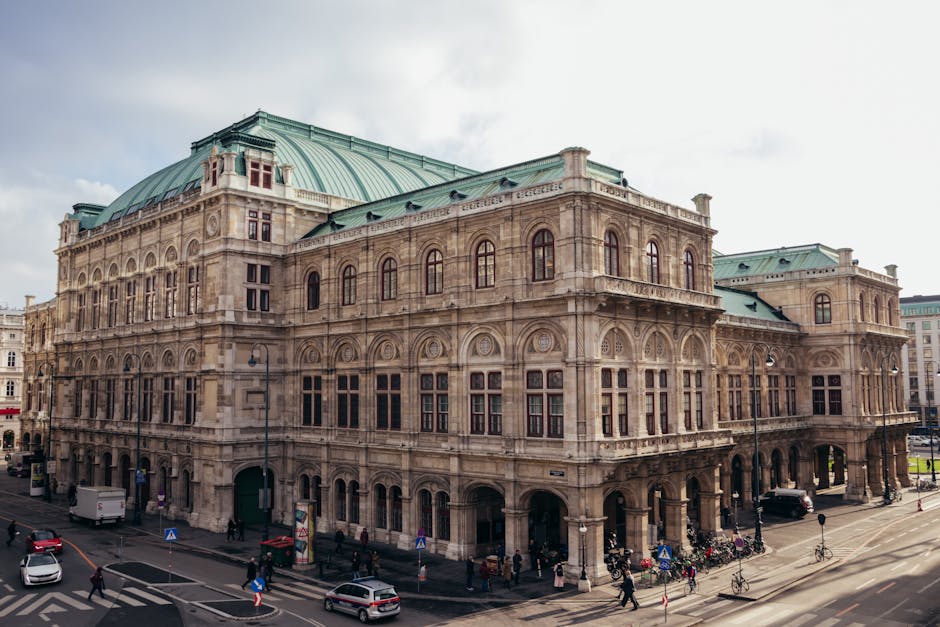
Vienna, Austria
Discover the noir world of The Third Man and Cold War Vienna on this atmospheric self-guided audio walk through the historic Innere Stadt.
 Moderate
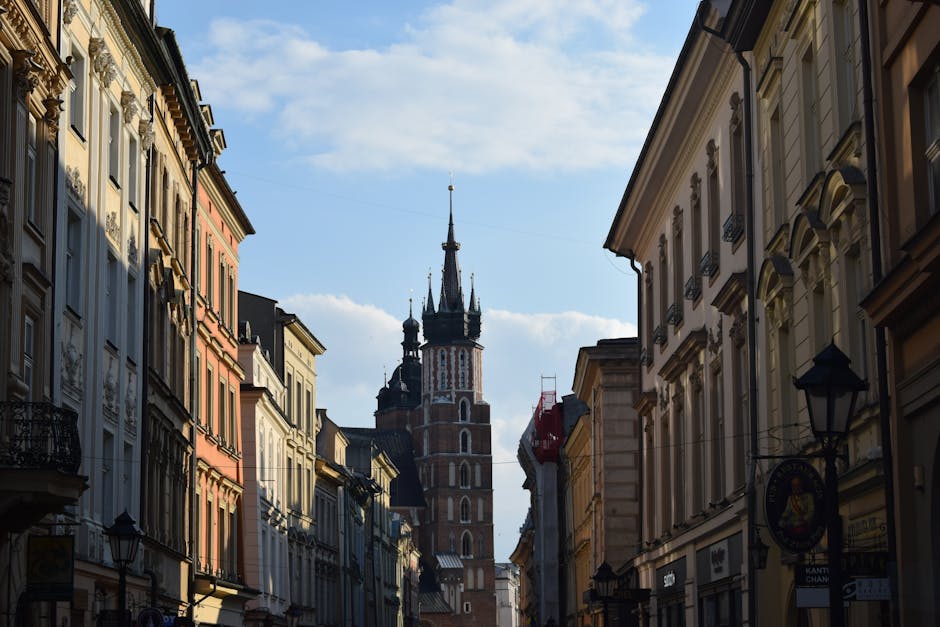
Krakow, Poland
Discover Krakow’s stunning skyline and riverside charm on this self-guided audio walk through scenic viewpoints and historic mounds.
 Easy
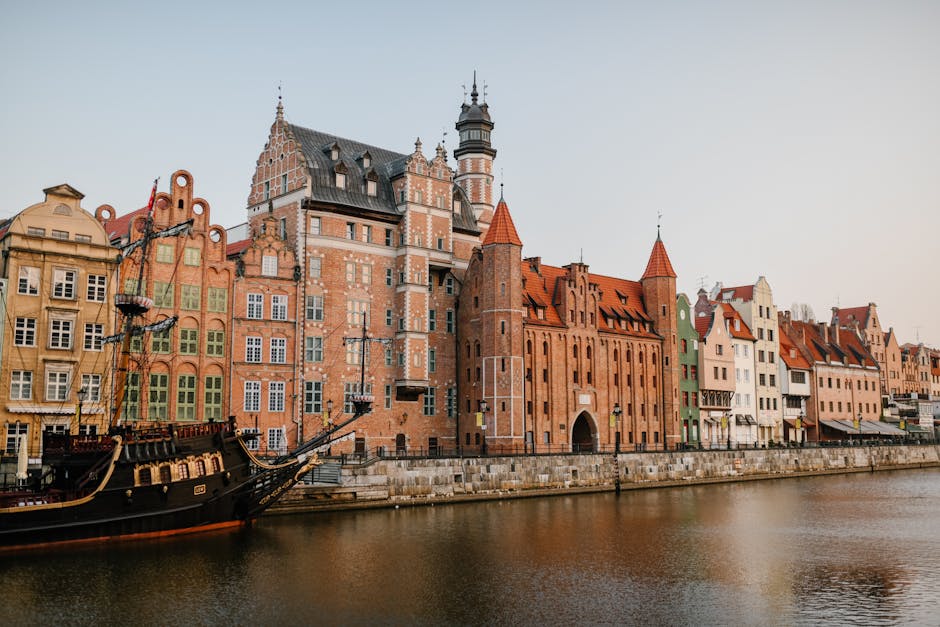
EasyGdansk, Poland
Discover the 'Baltic Gold' on this self-guided walk through Gdansk's historic mills, massive cathedrals, and the magical Mariacka Street.
 Easy
EasyJohannesburg, South Africa
Explore Johannesburg's cultural soul on this self-guided walk through Newtown’s historic theaters, jazz venues, and powerful migrant labor museums.
 Easy
EasyJohannesburg, South Africa
Discover the 'City of Gold' on this self-guided walk through Johannesburg’s historic mining district, from Gandhi Square to Mandela’s law office.
 Moderate
Johannesburg, South Africa
Explore the creative soul of Johannesburg on this self-guided walk through Melville’s iconic bookstores, cafes, and ancient ridges.
 Easy
EasyJohannesburg, South Africa
A sensory self-guided walk through Johannesburg's Indian district, featuring aromatic spices, legendary street food, and rich anti-apartheid history.