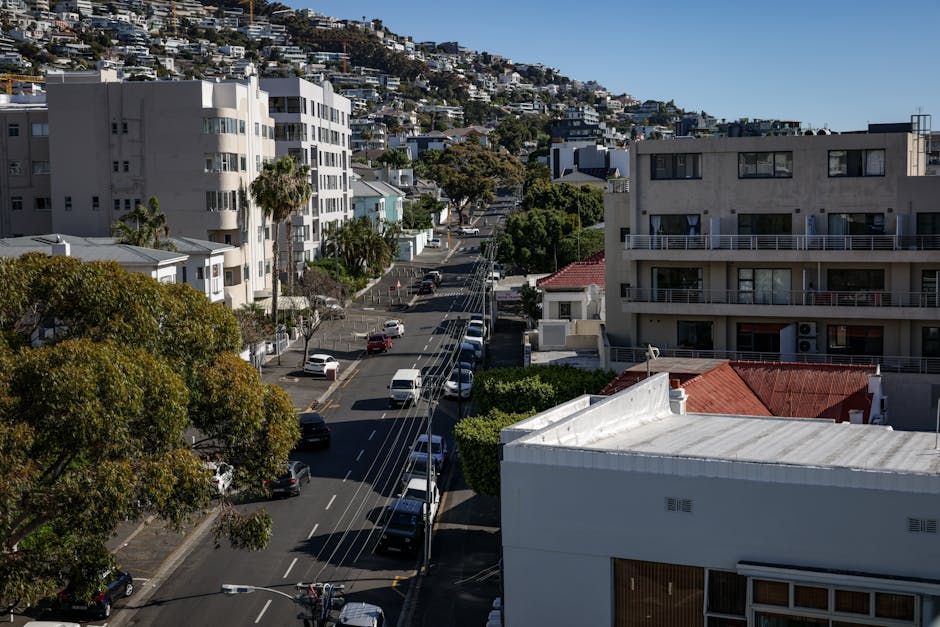
Self-guided audio tour in Cape Town
Start Free on iPhone
Start free on iPhone to unlock this self-guided walking tour in Cape Town. Hear all the stories that make it amazing, walk at your own pace, and begin whenever you want.
Your Private Tour Guide
The Foreshore of Cape Town is a unique landscape, a "new" part of the city built entirely on land reclaimed from the Atlantic Ocean in the mid-20th century. This self-guided walk explores a district defined by grand modernist visions, towering skyscrapers, and public monuments that tell the story of South Africa’s complex 20th-century history. Unlike the winding, narrow streets of the older City Bowl, the Foreshore offers wide boulevards and a grid-like layout, designed to be the "Gateway to Africa." On this walking route, you will encounter the Cape Town Civic Centre, a Brutalist masterpiece that physically bridges one of the city's main thoroughfares. You will also explore the Artscape Theatre Centre, a cultural hub that has evolved from a controversial past into a symbol of creative inclusion. Architecture enthusiasts will appreciate the Naspers Centre, a landmark of 1960s engineering, and the sleek, contemporary design of the Netcare Christiaan Barnard Memorial Hospital. Beyond the steel and glass, this neighborhood stroll highlights the statues that anchor the city's identity. From the bronze likeness of Portuguese explorer Bartolomeu Dias to the contemporary sculptures at Pier Place, the route connects the age of discovery with the modern urban experience. This walking tour Cape Town experience is perfect for those who want to see a different side of the city—where the mountain meets the sea through the lens of 20th-century progress and modern design. Whether you are interested in the evolution of the skyline or the quiet stories hidden in public squares, this independent exploration provides a fascinating look at Cape Town's architectural soul. Discover the Foreshore at your own pace, taking in the scale and ambition of this reclaimed district.
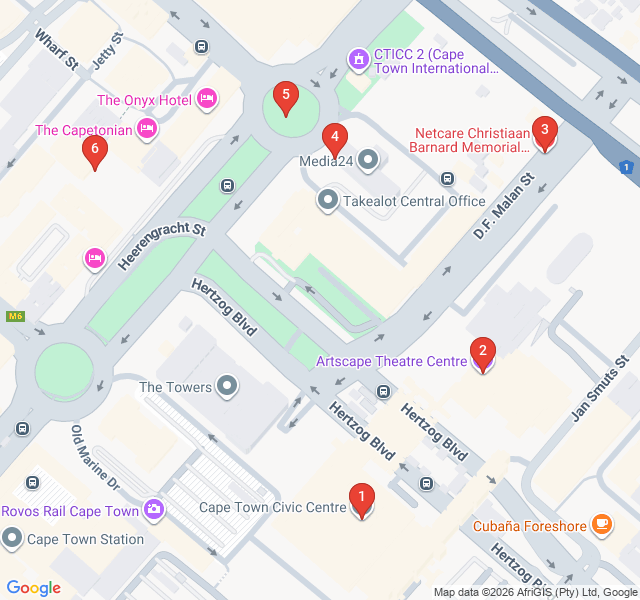
Numbers indicate the order of stops on the tour.
Begin your self-guided adventure at the Cape Town Civic Centre, a massive example of Brutalist architecture completed in 1978. This building is unique because it consists of two main blocks: the low-rise Podium block and the 26-story Tower block, which are connected by a bridge structure that spans directly over Hertzog Boulevard. This design was intentional, symbolizing a gateway between the historic city and the newly reclaimed Foreshore. As you look up at the textured concrete and geometric lines, consider how this building represented the bureaucratic heart of the city during a period of intense transition. Today, it remains the headquarters of the City of Cape Town municipality, serving as a functional monument to civic administration and late-modernist design principles.
Just a short walk away is the Artscape Theatre Centre, the premier performing arts venue in the Western Cape. Opened in 1971 as the Nico Malan Theatre Centre, it was originally a controversial space due to apartheid-era segregation laws. However, in the post-apartheid era, it was renamed and transformed into a vibrant, inclusive hub for opera, ballet, and drama. The building's architecture is typical of the early 70s, featuring expansive glass foyers and a grand scale designed to host world-class productions. It stands as a testament to the power of cultural evolution, moving from a symbol of exclusion to a celebrated home for South Africa's diverse artistic voices.
As you continue, notice the sleek, modern facade of the Netcare Christiaan Barnard Memorial Hospital. While the hospital itself moved to this state-of-the-art building recently, its name carries immense historical weight. It honors Dr. Christiaan Barnard, the South African cardiac surgeon who performed the world's first successful human-to-human heart transplant in Cape Town in 1967. This facility represents the cutting edge of medical architecture in the city, integrating high-tech healthcare needs with the urban fabric of the Foreshore. Its clean lines and vertical glass panels contrast sharply with the older concrete structures nearby, showcasing the 21st-century evolution of this district.
Towering over the Heerengracht is the Naspers Centre, an iconic landmark of the Cape Town skyline. When it was completed in 1962, it was the tallest building in Cape Town and one of the tallest in Africa. Its stark, repetitive concrete window modules are a classic example of the International Style applied to a corporate headquarters. For decades, this building has been the nerve center for one of Africa’s largest media conglomerates. Its presence on the Foreshore was a bold statement of economic power and modernity at a time when the reclaimed land was still being developed into a commercial district. Look for the large digital screens that now modernize its exterior, bridging its mid-century roots with the digital age.
In the center of the boulevard stands the statue of Bartolomeu Dias, the Portuguese explorer who was the first European to sail around the southern tip of Africa in 1488. This bronze monument was a gift from the Portuguese government to South Africa in 1952 to commemorate the 300th anniversary of the arrival of Jan van Riebeeck. Dias originally named this area the 'Cape of Storms,' a name later changed by King John II of Portugal to the 'Cape of Good Hope.' The statue serves as a historical anchor on the Foreshore, reminding us of the maritime history that necessitated the land reclamation you are standing on today.
Conclude your neighborhood stroll at Pier Place, a public square that exemplifies modern urban renewal. This area was once the site of the old city pier before the land was reclaimed. Today, it is famous for its collection of public art, most notably the 'Earth, Wind, Fire' sculptures—three tall, slender figures that sway slightly in the Cape’s famous wind. These bronze statues have become a favorite for photographers and locals alike. Pier Place represents the successful integration of corporate office space with public-friendly pedestrian zones, offering a peaceful spot to reflect on the architectural and historical journey from the Civic Centre to the edge of the harbor.
Start Free on iPhone
Explore “Foreshore Modernism: Skyscrapers and Statues” with your very own Private Tour Guide with Zigway. Start free on iPhone, skip the large group and the fixed routes, and hear the city come alive as you go.
Your Private Tour Guide
Don't miss the good stuff
Explore Freely
 Moderate
Cape Town, South Africa
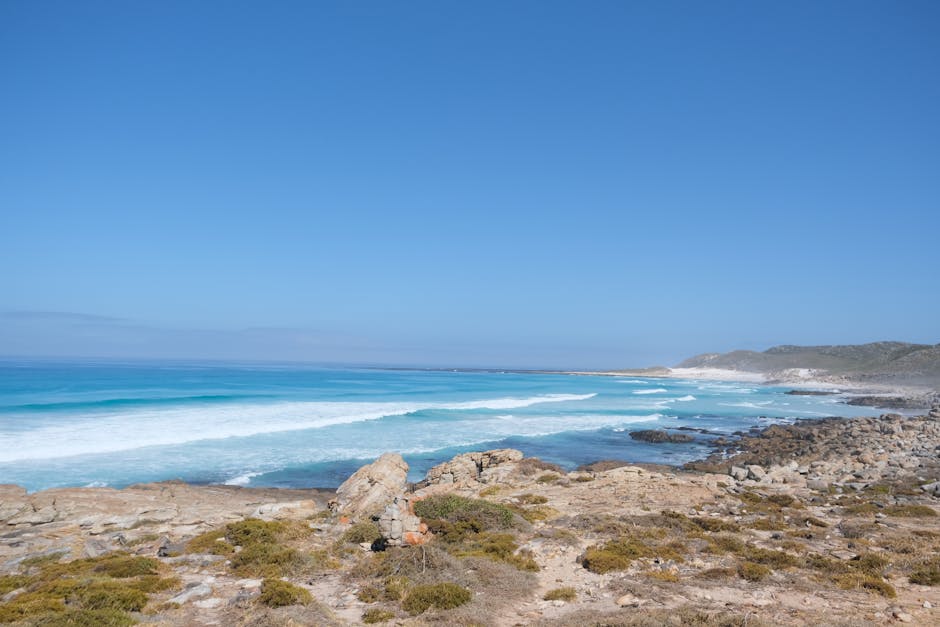
Explore the vibrant murals and creative hubs of Woodstock on this self-guided neighborhood stroll through Cape Town's artistic heart.
 Easy
EasyCape Town, South Africa
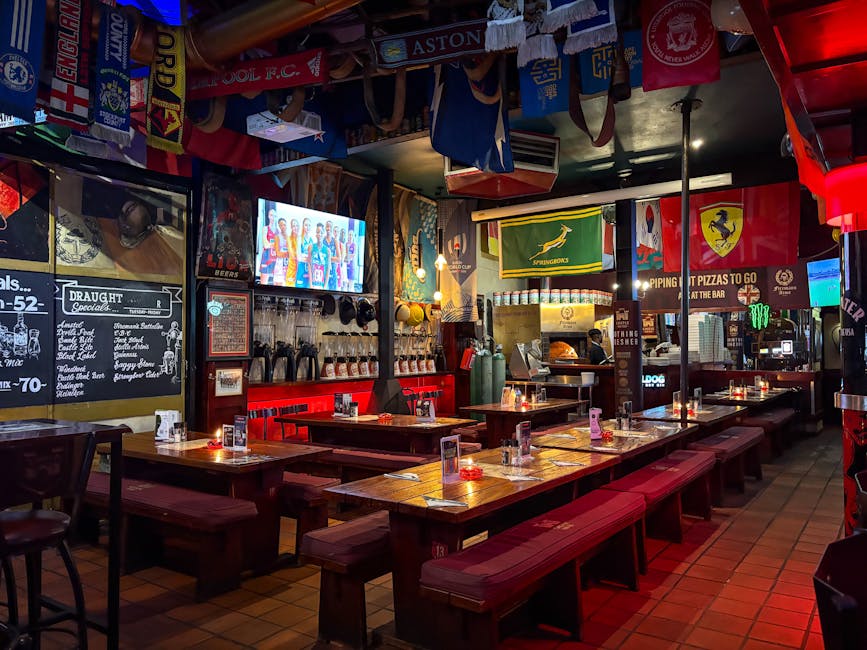
Explore the evolution of Cape Town’s harbor from its 18th-century roots to a modern cultural hub on this self-guided maritime history walk.
 Easy
EasyCape Town, South Africa
Discover the heritage of Cape Town on this self-guided audio walk through the historic Company’s Garden and its surrounding landmarks.
 Easy
EasyCape Town, South Africa
Explore Cape Town's bohemian heart and scientific heritage on this self-guided walk through the eclectic and historic Observatory neighborhood.
 Easy
EasyNairobi, Kenya
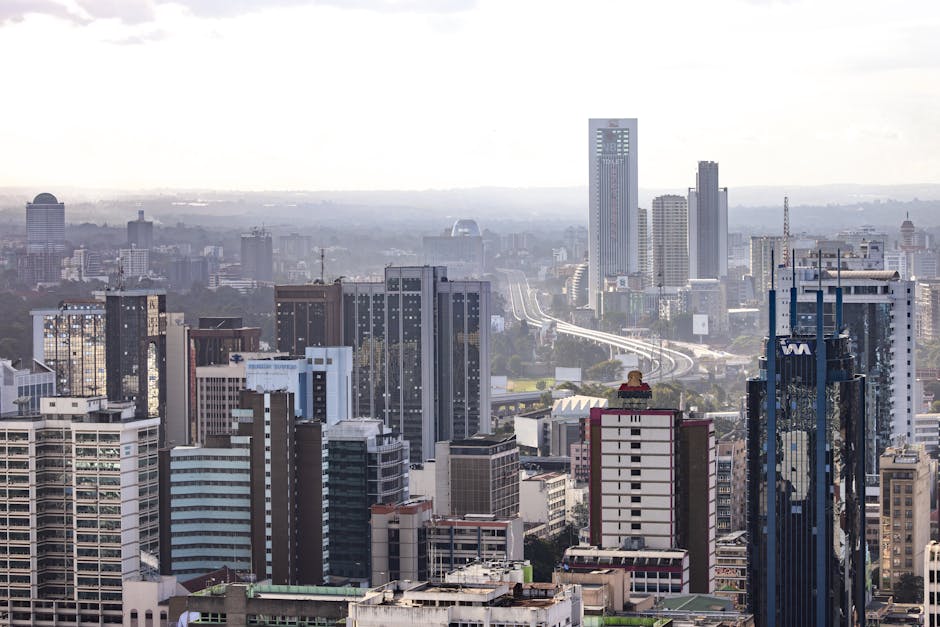
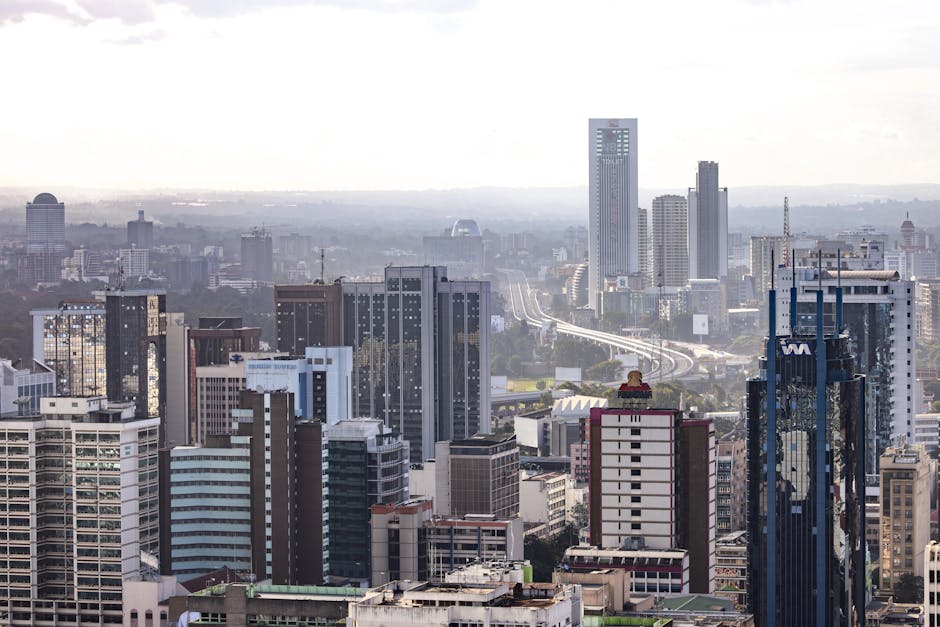
Discover Nairobi's iconic skyline on this self-guided architecture walk through the CBD’s most famous modernist and Brutalist landmarks.
 Easy
EasyNairobi, Kenya
Explore Nairobi's architectural evolution from colonial-era landmarks to iconic Brutalist skyscrapers on this historic self-guided walking route.
 Easy
EasyGdansk, Poland
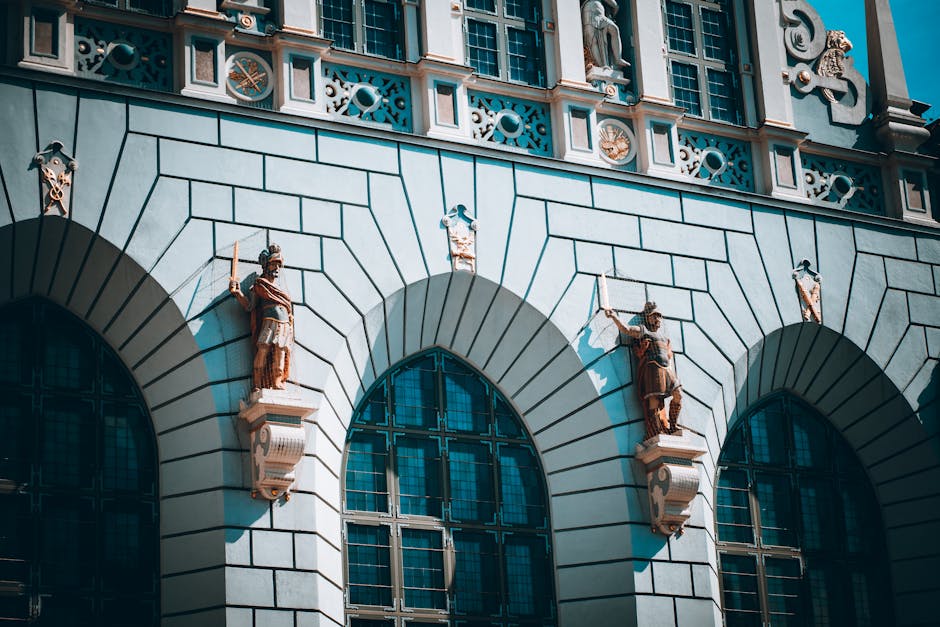
Discover the opulent Royal Way of Gdansk at your own pace. Explore Hanseatic history, gilded architecture, and the iconic Neptune's Fountain.
 Easy
EasySalzburg, Austria
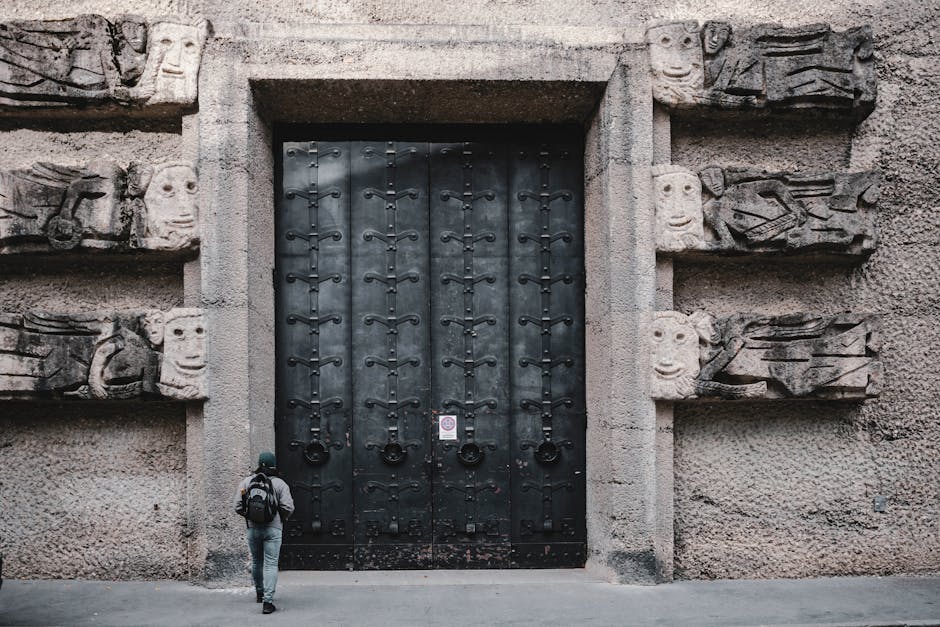
Discover the 'Rome of the North' on this self-guided walk through the Baroque squares and monumental legacy of Salzburg’s Prince-Archbishops.
 Easy
EasyJohannesburg, South Africa
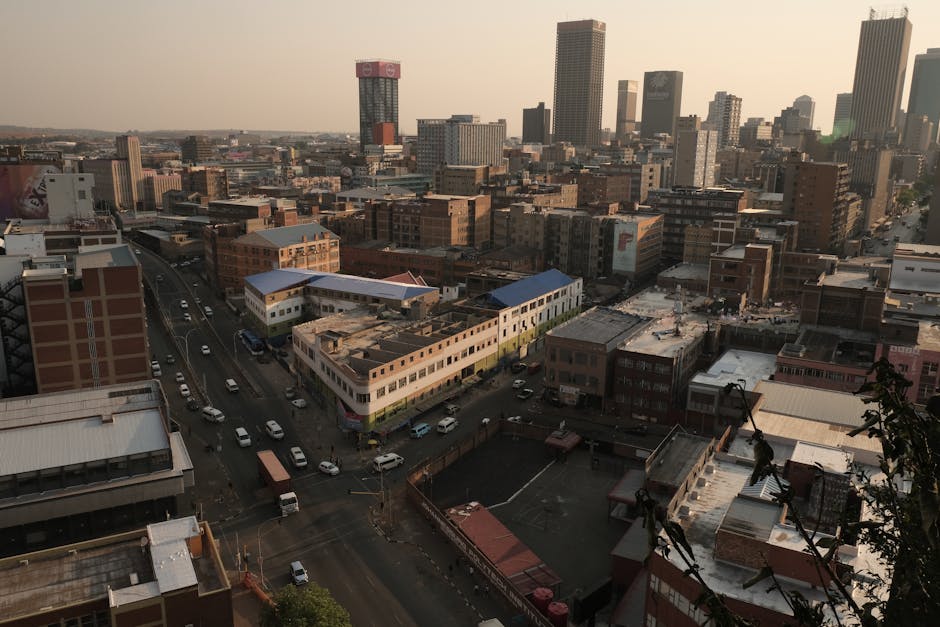
Explore Johannesburg's cultural soul on this self-guided walk through Newtown’s historic theaters, jazz venues, and powerful migrant labor museums.
 Easy
EasyJohannesburg, South Africa
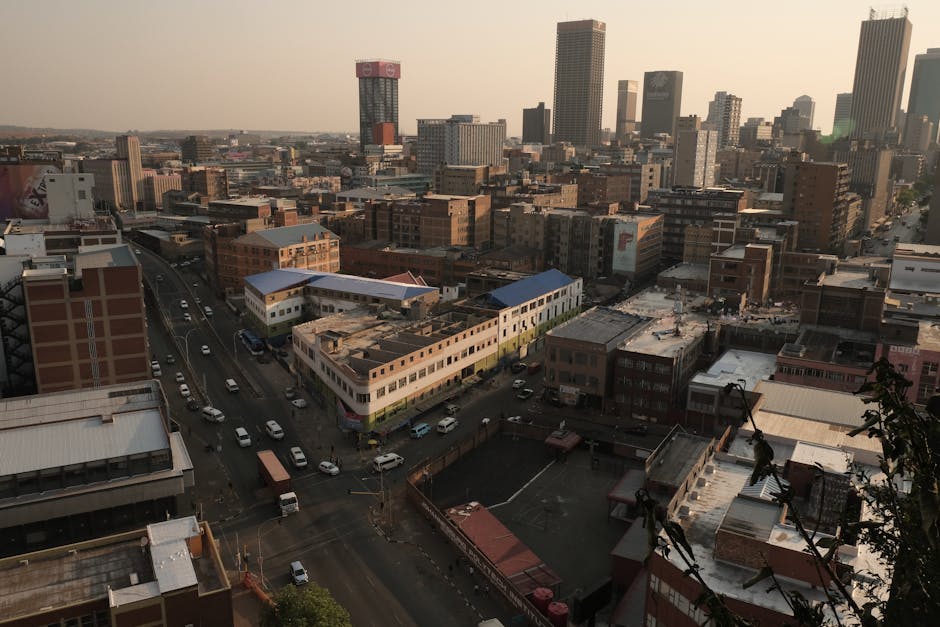
Discover the 'City of Gold' on this self-guided walk through Johannesburg’s historic mining district, from Gandhi Square to Mandela’s law office.
 Moderate
Johannesburg, South Africa
Explore the creative soul of Johannesburg on this self-guided walk through Melville’s iconic bookstores, cafes, and ancient ridges.
 Easy
EasyJohannesburg, South Africa
A sensory self-guided walk through Johannesburg's Indian district, featuring aromatic spices, legendary street food, and rich anti-apartheid history.