Self-guided audio tour in Gothenburg
Start Free on iPhone
Start free on iPhone to unlock this self-guided walking tour in Gothenburg. Hear all the stories that make it amazing, walk at your own pace, and begin whenever you want.
Your Private Tour Guide
Gothenburg is often called the 'Little London' of Sweden, but its soul is best captured through the bronze and stone figures that populate its public squares and parks. This self-guided walk invites you to explore the city's identity, from its 17th-century foundations to its modern role as a global advocate for peace. As you Begin your self-guided adventure at Kungsportsplatsen, you will quickly realize that the city center functions as an open-air gallery, where every sculpture tells a story of maritime triumph, industrial labor, or artistic rebellion. This neighborhood stroll through the Centrum district connects the dots between Gothenburg's royal past and its vibrant cultural present. One of the most iconic experiences on this walking route is standing before the monumental Poseidon at Götaplatsen, a symbol of the city's deep-rooted connection to the sea. But the journey also reveals smaller, more poignant details, such as the internationally recognized Non-Violence sculpture (The Knotted Gun), which stands as a silent plea for global harmony. You will navigate through Bältespännarparken, where the dramatic 'Belt Wrestlers' capture the intensity of Nordic folklore, and conclude your exploration at the Sjömanstornet, a solemn memorial overlooking the harbor. This walking route is designed for those who want to Discover at your own pace, allowing time to admire the craftsmanship of renowned artists like Carl Milles and Per Hasselberg. Whether you are a photography enthusiast or a history buff, this self-guided walk provides a unique lens through which to view the city. There is no need for a fixed schedule; simply follow the path and let the sculptures act as your markers through the winding streets and grand avenues of Gothenburg. While some might look for a traditional walking tour Gothenburg experience, this audio-enhanced route offers the freedom to linger at a favorite statue or detour into a nearby cafe without missing a beat of the story.
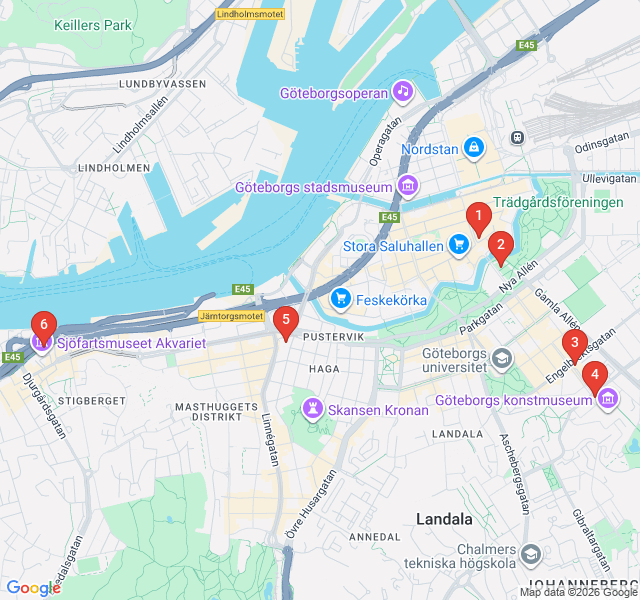
Numbers indicate the order of stops on the tour.
Start exploring with Zigway at Kungsportsplatsen, where King Karl IX sits atop his copper steed. Known locally as 'Kopparmärra,' this statue was unveiled in 1904 to honor the man who founded the first version of Gothenburg across the river. While that city was later destroyed, Karl IX is credited with recognizing the strategic importance of this coastal location. Look closely at the King’s resolute gaze; he faces toward the old city center, symbolizing his protection of the realm. The statue has become a popular meeting point for locals, serving as a landmark where the historic fortifications once met the expanding 19th-century city.
Continue your neighborhood stroll to Bältespännarparken, home to the dramatic 'Belt Wrestlers' (Bältespännarna) sculpture by Johan Peter Molin. Created in the mid-19th century, this bronze masterpiece depicts a deadly old Nordic duel where two men were strapped together by their belts, fighting with knives until one succumbed. The pedestal features scenes from the Poetic Edda, grounding the work in Viking-age mythology. Originally a sensation in London and Paris, this statue helped put Swedish art on the international map. The surrounding park offers a peaceful green space in the heart of the city, perfectly framing this intense display of physical struggle.
Located near the Kungsportsavenyn, the 'Non-Violence' sculpture, widely known as The Knotted Gun, is one of the most recognizable works of art in the world. Created by Swedish artist Carl Fredrik Reuterswärd following the tragic shooting of his friend John Lennon, the sculpture features a Colt Python .357 Magnum with its barrel tied in a knot. While versions of this statue stand at the United Nations in New York and in cities across the globe, this specific installation serves as a powerful reminder of Gothenburg’s commitment to peace and social justice. It is a quiet but firm statement against violence, positioned where thousands of residents and visitors pass daily.
Reach the pinnacle of Götaplatsen to meet Poseidon, the undisputed symbol of Gothenburg. Sculpted by the world-renowned Carl Milles and unveiled in 1931, this bronze sea god stands over seven meters tall. When it was first revealed, the statue caused quite a stir due to its somewhat unusual anatomical proportions, which Milles defended as necessary for the perspective of the large square. Poseidon holds a fish and a shell, representing the city's maritime heritage and its reliance on the North Sea. Standing here, you are surrounded by the city's cultural heavyweights: the Concert Hall, the City Theatre, and the Museum of Art, all framing this magnificent fountain.
Walk toward the historic Järntorget to find the Järntorgsbrunnen, also known as 'The Five Continents.' Designed by Tore Strindberg and inaugurated in 1927, this fountain features five bronze female figures, each representing a different continent. They surround a central pillar topped by a ship, symbolizing Gothenburg's role as a global trading hub. Järntorget itself was historically the site where iron (järn) was weighed before export. The sculpture reflects the era's fascination with internationalism and the city’s identity as 'Sweden's gateway to the west.' It remains a vital pulse point for the city’s labor movement and alternative culture.
Conclude your walking route at the Sjömanstornet (The Sailors' Tower), located near the Maritime Museum. This 44-meter tall brick tower was completed in 1933 as a memorial to the Swedish merchant sailors who lost their lives during World War I. At the very top stands the 'Woman by the Sea' (Sjömanshustrun), a bronze figure gazing out over the harbor, waiting for sailors who will never return. The names of the fallen and their ships are inscribed at the base. From this vantage point, you can feel the weight of Gothenburg’s naval history and the sacrifices made by those who navigated the treacherous waters of the Atlantic. It is a place of reflection and a fitting end to your artistic journey.
Start Free on iPhone
Explore “Sculptures and Public Art of the City Center” with your very own Private Tour Guide with Zigway. Start free on iPhone, skip the large group and the fixed routes, and hear the city come alive as you go.
Your Private Tour Guide
Don't miss the good stuff
Explore Freely
 Easy
EasyGothenburg, Sweden
Discover Gothenburg’s maritime flavors on this self-guided walk through historic market halls and iconic seafood landmarks.
 Moderate
Gothenburg, Sweden
Discover Gothenburg’s maritime soul on this self-guided walk from the historic Central Station to the scenic riverfront at Stenpiren.
 Easy
EasyGothenburg, Sweden
Explore Gothenburg's elegant academic district, featuring grand 19th-century stone architecture and the iconic cultural hub of Götaplatsen.
 Easy
EasyGothenburg, Sweden
Explore Gothenburg’s historic wooden houses, legendary giant cinnamon buns, and panoramic fortress views on this self-guided neighborhood stroll.
 Easy
EasyGdansk, Poland
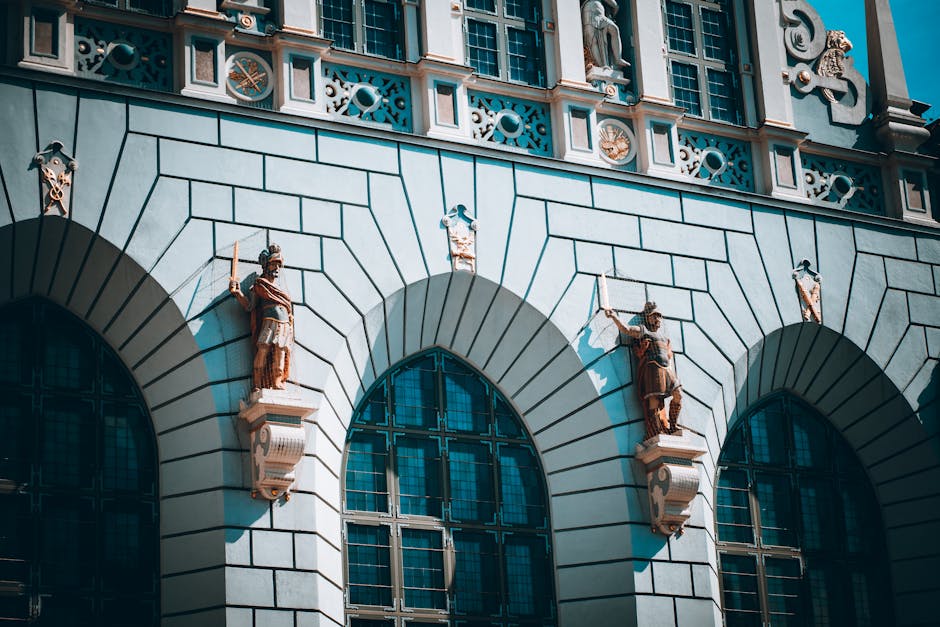
Discover the opulent Royal Way of Gdansk at your own pace. Explore Hanseatic history, gilded architecture, and the iconic Neptune's Fountain.
 Easy
EasyNairobi, Kenya
Discover Nairobi's iconic skyline on this self-guided architecture walk through the CBD’s most famous modernist and Brutalist landmarks.
 Easy
EasyGdansk, Poland
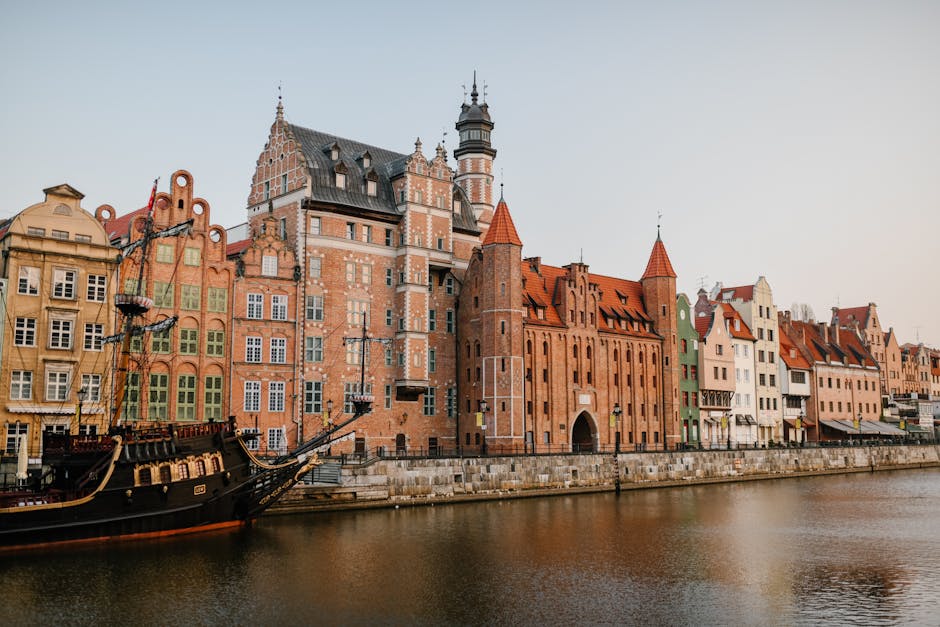
Discover the 'Baltic Gold' on this self-guided walk through Gdansk's historic mills, massive cathedrals, and the magical Mariacka Street.
 Easy
EasyWarsaw, Poland
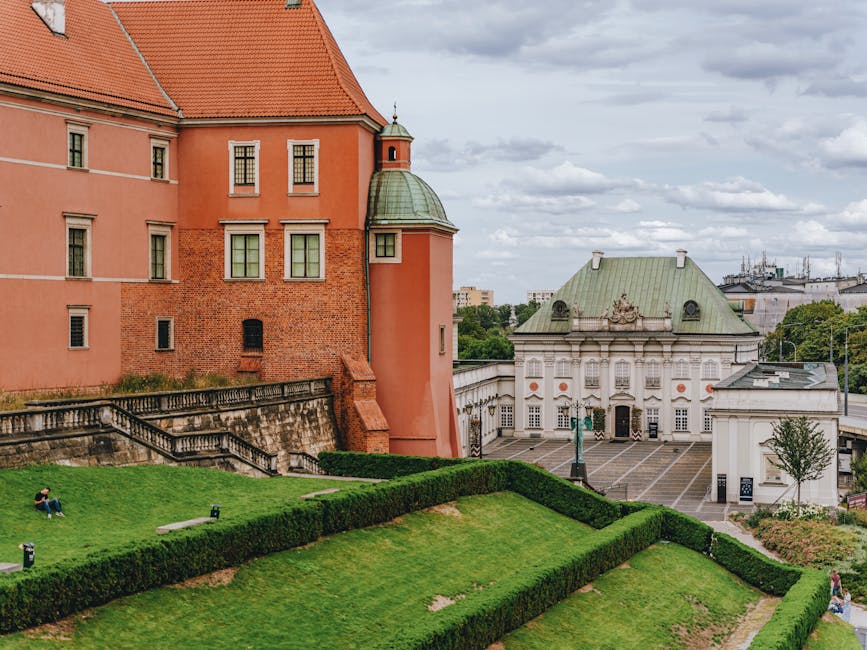
Explore the miracle of Warsaw's reconstructed Old Town on this self-guided walk through royal squares, medieval walls, and heroic monuments.
 Easy
EasyStockholm, Sweden
Taste your way through Stockholm's premier food halls and historic cafes on this flavor-focused self-guided walk through the city's heart.
 Easy
EasyStockholm, Sweden
Discover Stockholm's naval legacy on this peaceful self-guided walk through historic barracks, grand admiralty houses, and scenic island fortresses.
 Moderate
Stockholm, Sweden
Walk the gritty, atmospheric streets of Södermalm and discover the real-life locations of Stieg Larsson's Millennium trilogy.
 Easy
EasyStockholm, Sweden
Explore the world's longest art gallery on this self-guided walk through Stockholm’s most stunning cavernous subway stations.