Self-guided audio tour in Paris
Now a Guided Walk in the Zigway app
A hollow hill, a fake mountain and a village Paris couldn't build tall.
2.2 km · 31 min walking · 22 min of stories
The introduction and the first minute at the first stop.
Grande Cascade des Buttes-Chaumont and Passerelle Suspendue by Gustave Eiffel
Jean Darcel took a thirty-metre wall of old quarry and stabilised it. Into it he set a grotto, so a cascade could tumble out into a lake.
Parc des Buttes-Chaumont
The town hall is beside you, and the park lies ahead, its trees rising in the distance.
Temple de la Sibylle
On top of the island's cliff stands a small round temple with columns. Locals simply call it le kiosque, the kiosk.
Villa des Lilas
There's a ground floor, one floor above, and then the roof. That's not just taste.
Église Saint-Serge-de-Radonège
About forty metres up sits a small church with a painted wooden porch and outside stairs. It looks like a log church from the Russian countryside.
Guided Walk · in the Zigway app
Buy it once in the app and walk it whenever you're in Paris. GPS plays each story as you arrive, it works offline, and the introduction and first stop are free to try.
Start Free on iPhone
Hear the stories behind the streets and sights around you as you walk Paris. Try it free on iPhone.
Your Private Tour Guide
Escape the crowded boulevards of central Paris and ascend into the hills of the 19th Arrondissement. This self-guided walk explores the Parc des Buttes-Chaumont and the surrounding 'villas'—charming, leafy micro-neighborhoods that feel more like a French village than a global metropolis. The 19th was once an industrial powerhouse, home to gypsum quarries and slaughterhouses, but today it offers some of the most dramatic landscapes and authentic local atmospheres in the city. On this walking route, you will discover how a former wasteland was transformed into a Romantic-style park featuring a 30-meter high waterfall, a suspended bridge designed by Gustave Eiffel, and a Grecian-style temple perched precariously on a rocky cliff. Beyond the park gates, the journey continues into the hidden corners of the Quartier d'Amérique. You will find a secluded Russian Orthodox church tucked away behind an ordinary gate, revealing stunning hand-painted woodwork and a quiet courtyard that feels frozen in time. The route then leads you through the narrow, flower-lined pedestrian alleys known as 'villas.' These streets were originally built for the workers of the nearby quarries; because the ground beneath was honeycombed with tunnels, heavy stone buildings could not be constructed, resulting in the rows of delightful two-story cottages and private gardens seen today. This neighborhood stroll is perfect for those who have already seen the Eiffel Tower and the Louvre and are looking for a more peaceful, elevated perspective of Paris. Whether you are a photography enthusiast looking for the perfect shot of the Temple de la Sibylle or a traveler seeking a quiet escape, this route provides a deep dive into the historical and architectural layers of one of the city's most vibrant districts. Prepare for a workout, as the steep inclines and stairs are what give this walk its name, but the reward is some of the most breathtaking and least-crowded viewpoints in the French capital.
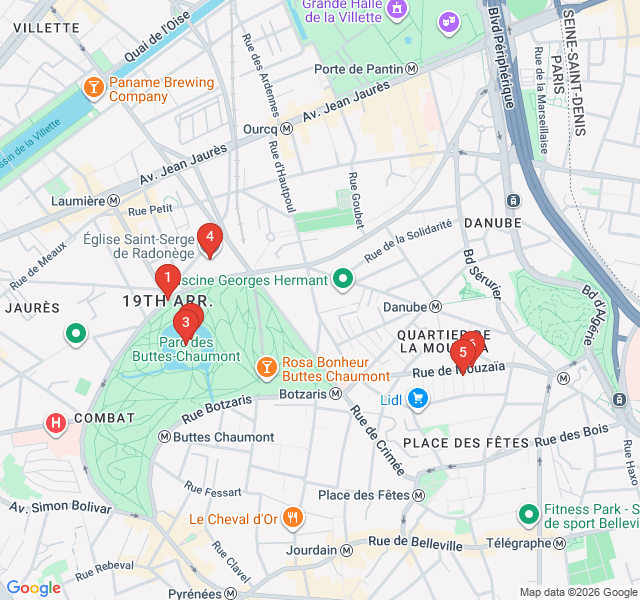
Numbers indicate the order of stops on the tour.
Begin your exploration at one of the park's most engineering marvels: the Suspension Bridge. While many associate Gustave Eiffel only with his famous iron tower, he also designed this 65-meter-long bridge in 1867. Suspended 22 meters above the lake, it connects the main park to the central island. As you walk across, you might feel a slight sway—a testament to its flexible design. This bridge was a cutting-edge feat of 19th-century engineering, allowing visitors to navigate the dramatic, man-made topography of the park. From here, look down at the lake below, which was once the floor of a treacherous gypsum quarry. The transformation from an industrial scar to this lush, Romantic landscape was a signature project of Baron Haussmann’s renovation of Paris.
Perched atop the Île de la Belvédère is the Temple de la Sibylle, perhaps the most photographed spot in the 19th Arrondissement. Built in 1869 by architect Gabriel Davioud, this miniature temple is modeled after the Temple of Vesta in Tivoli, Italy. To reach it, you will climb the winding paths of the 30-meter-high cliff. The temple serves no religious purpose; it is a 'folly,' a decorative building designed to enhance the natural beauty of the landscape. From this vantage point, you can enjoy a stunning view across the park and toward the white domes of the Sacré-Cœur on the hill of Montmartre. It is a perfect example of the 19th-century fascination with merging classical architecture with wild, untamed nature.
Take a moment to soak in the atmosphere of the Parc des Buttes-Chaumont itself. Before it was a public park, this site had a dark history as the Montfaucon gallows and later a dumping ground and gypsum quarry. It was Napoleon III who commissioned its transformation into a public green space for the working-class residents of the district. The park is a masterpiece of artifice: the cliffs are reinforced with concrete, the waterfall is fed by a hydraulic system, and the 'rocks' are often sculpted cement. Despite its artificial origins, it is one of the most beloved and lively parks in Paris, where locals come to picnic, practice tai chi, or enjoy a drink at the nearby Pavillon Puebla.
Leaving the park, you will find a true hidden gem: the Église Saint-Serge-de-Radonège. Tucked away down a narrow driveway, this Russian Orthodox church is housed in a former German Protestant church that was confiscated during World War I. In 1924, it was purchased at auction and transformed into a center for the Russian community in Paris. The exterior is modest, but the wooden porch and the interior are breathtaking. The walls are covered in vibrant murals painted by the artist Dimitri Stelletsky, and the iconostasis is a masterpiece of traditional Russian art. It remains an active place of worship and a quiet sanctuary that feels miles away from the busy Parisian streets just outside the gate.
As you move toward the Mouzaïa district, you will encounter the 'villas' of Paris. These are not grand mansions, but rather narrow, private pedestrian streets lined with small houses and lush gardens. The Villa des Lilas is a prime example. In the late 1800s, this area was unstable due to the network of tunnels from the old gypsum quarries. Because the ground could not support the weight of the massive six-story Haussmann apartment blocks seen elsewhere in Paris, developers built these charming, lightweight two-story cottages instead. Today, these villas are some of the most sought-after residences in the city, offering a quiet, village-like lifestyle filled with climbing roses, wisteria, and the sound of birdsong.
Your walk concludes on the Rue de Mouzaïa, the central artery of the 'Quartier d'Amérique.' The name of the neighborhood stems from a local legend that the gypsum quarried here was exported to the United States, though it more likely refers to the fact that the quarry owners hoped to find gold here, similar to the American Gold Rush. This street serves as the gateway to dozens of tiny 'villas' branching off in both directions. It is a place where the scale of Paris becomes intimate and human. As you wander, notice the diverse architectural styles, from brick worker cottages to more eclectic, colorful residences. This area remains a bastion of local Parisian life, far removed from the typical tourist trail.
Start Free on iPhone
Open Zigway as you walk and your private tour guide tells the stories behind what you pass.
Your Private Tour Guide
Don't miss the good stuff
Explore Freely
 Challenging
Paris, France
Explore the secret vineyards, legendary artist studios, and hidden squares of Paris's iconic hilltop on this self-guided bohemian walking route.
 Easy
Paris, France
Explore the evolution of Parisian design from Art Nouveau whimsy to Le Corbusier's Modernist masterpieces on this self-guided architectural walk.
 Easy
Paris, France
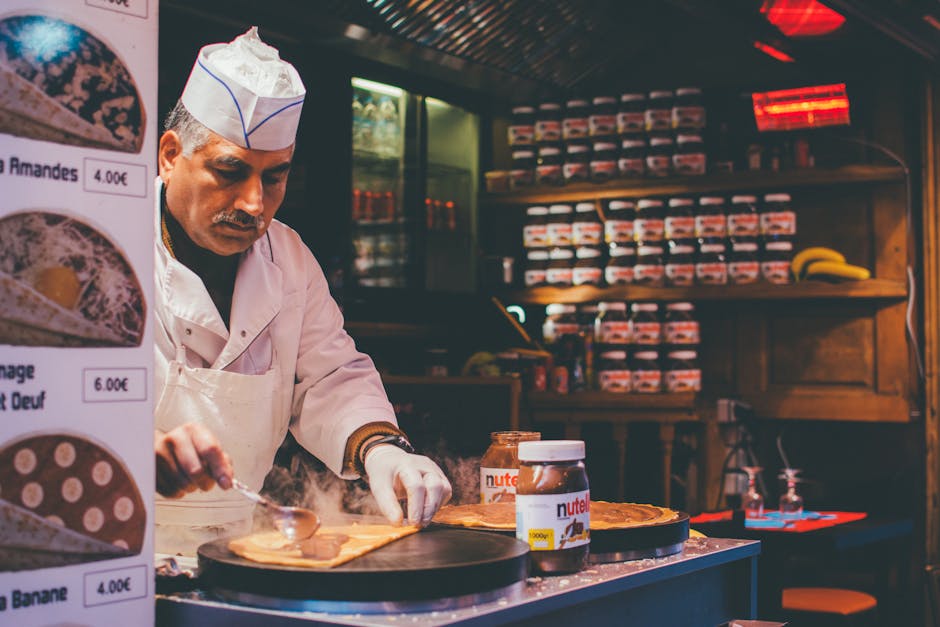
Explore the flavors and history of Bastille on this self-guided walk through the legendary Aligre Market and the scenic Coulée Verte.
 Easy
Paris, France
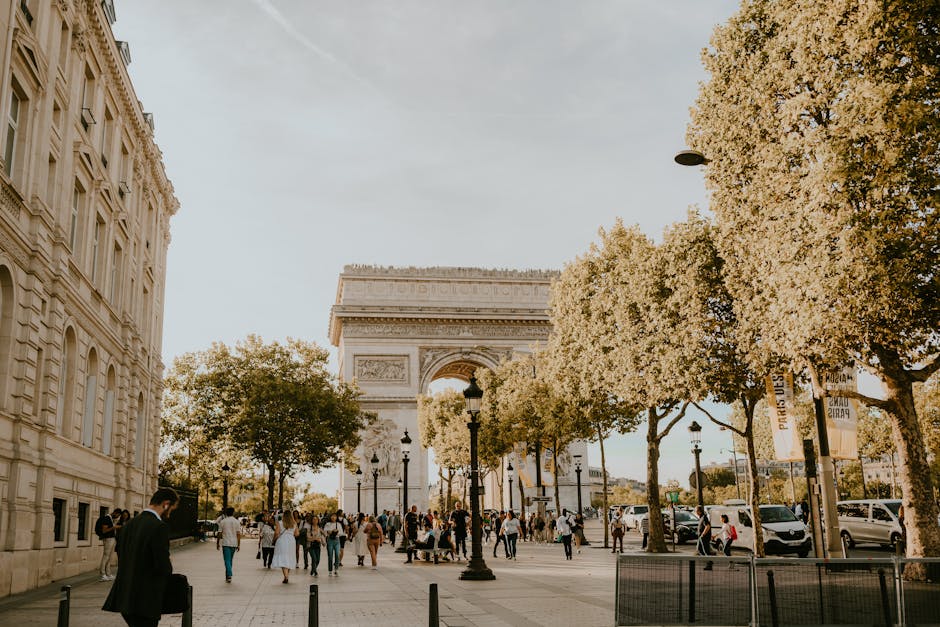
Discover aristocratic mansions, secret medieval courtyards, and royal history on this self-guided walk through the enchanting Marais district.
 Moderate
Nairobi, Kenya
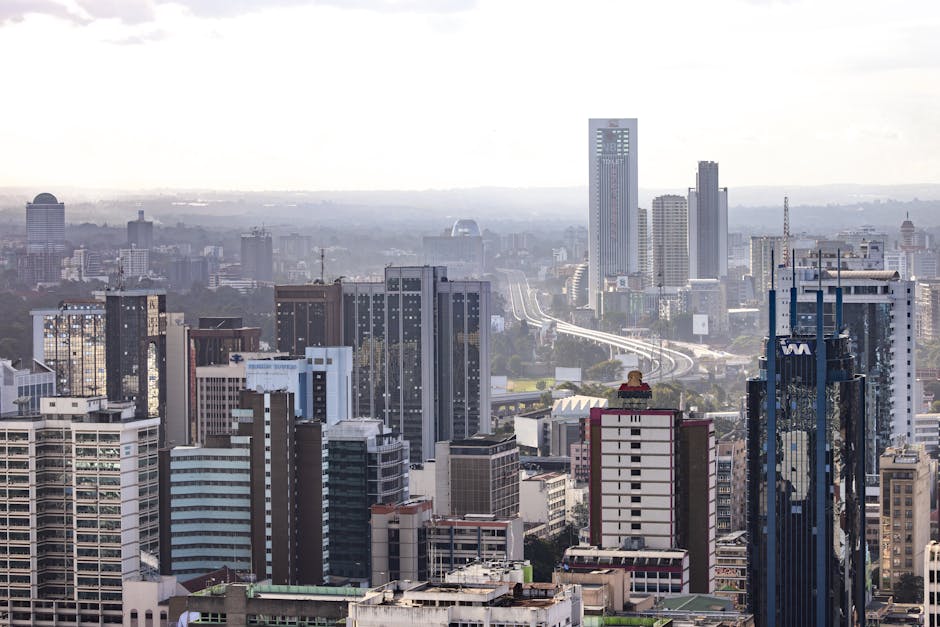
Discover Nairobi's lush side on this self-guided walk through botanical gardens, historic memorials, and vibrant local markets.
 Moderate
Gdansk, Poland
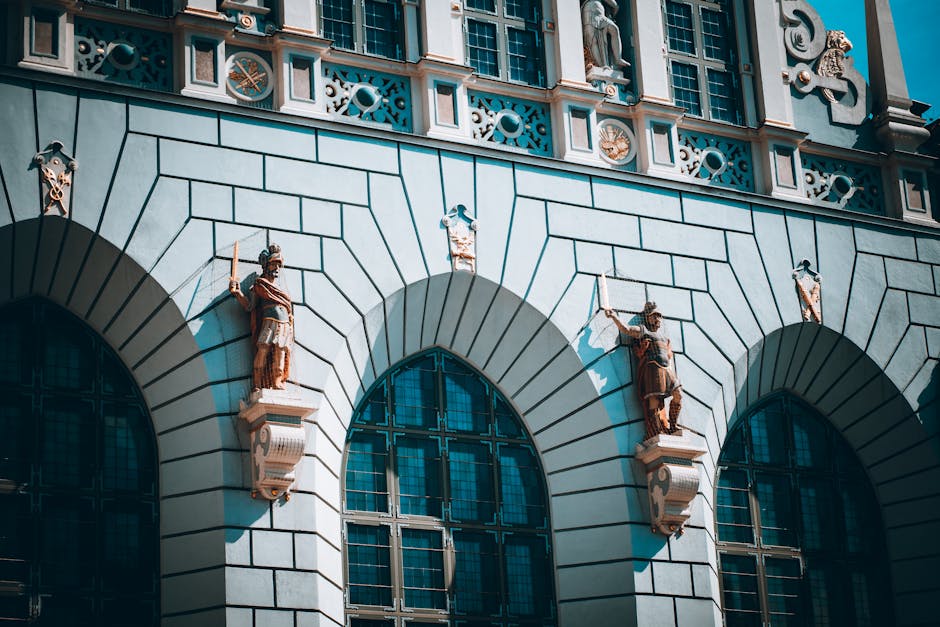
Discover Zaspa, a massive open-air gallery where grey housing blocks are transformed by over 60 monumental murals. Explore at your own pace.
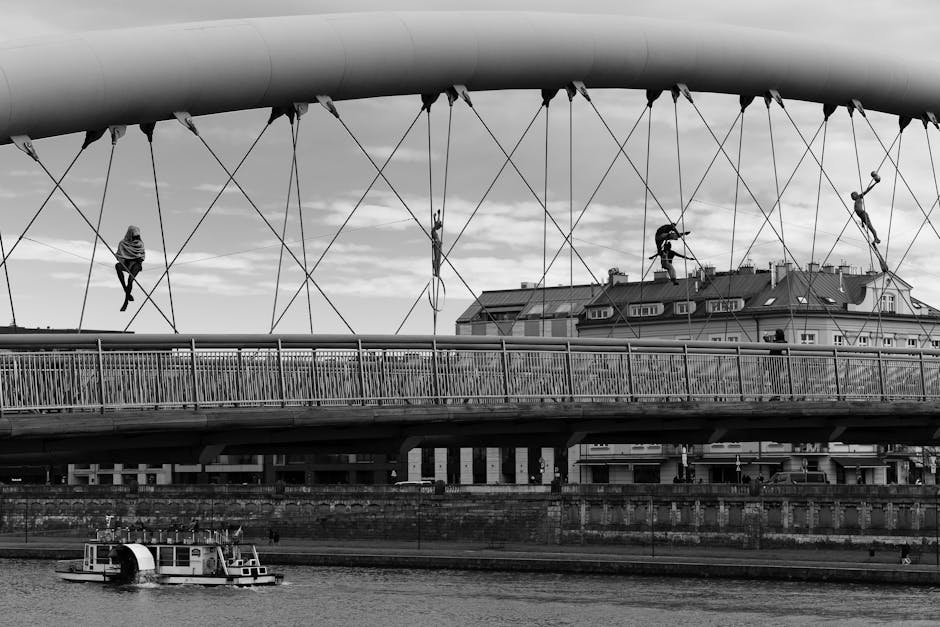 Easy
Krakow, Poland
Discover Krakow’s creative soul in Zabłocie, exploring industrial heritage, contemporary art museums, and avant-garde architecture at your own pace.
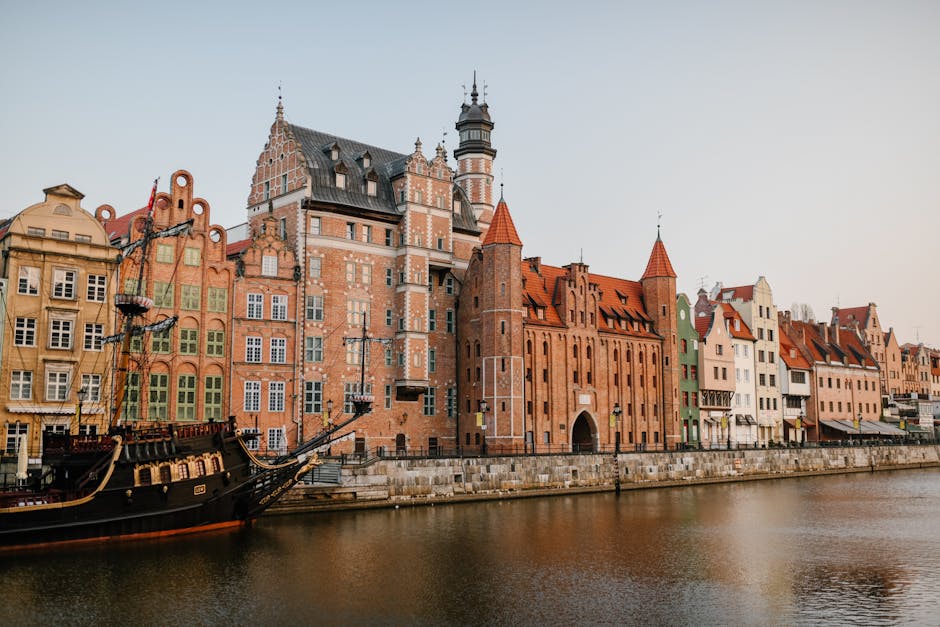 Easy
Gdansk, Poland
Discover the monastic heritage, world-famous organs, and lush botanical gardens of Oliwa on this peaceful self-guided neighborhood stroll.
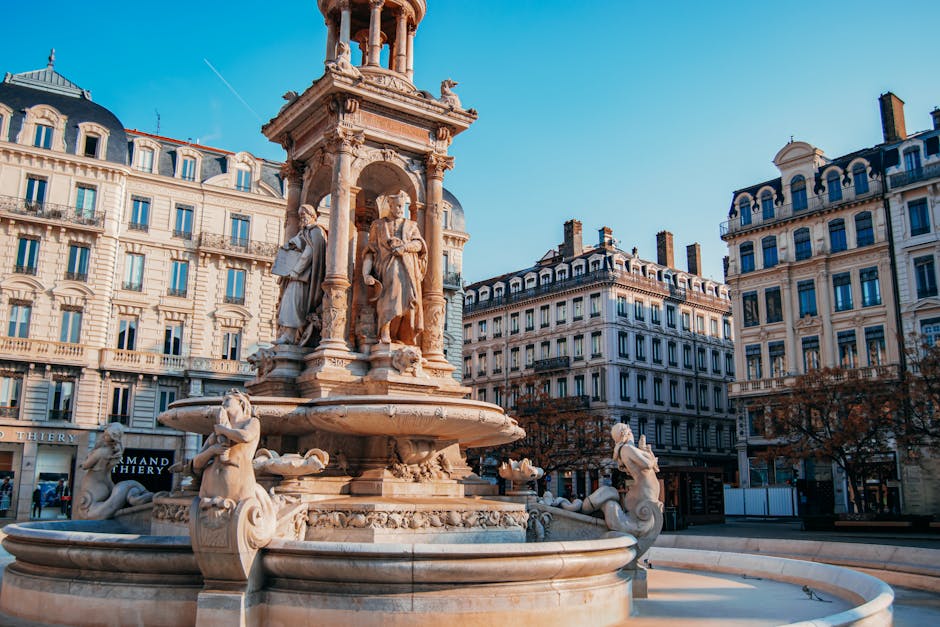 Easy
Lyon, France
Discover Lyon's culinary soul on this self-guided walk from historic Presqu'île to the legendary Halles Paul Bocuse food market.
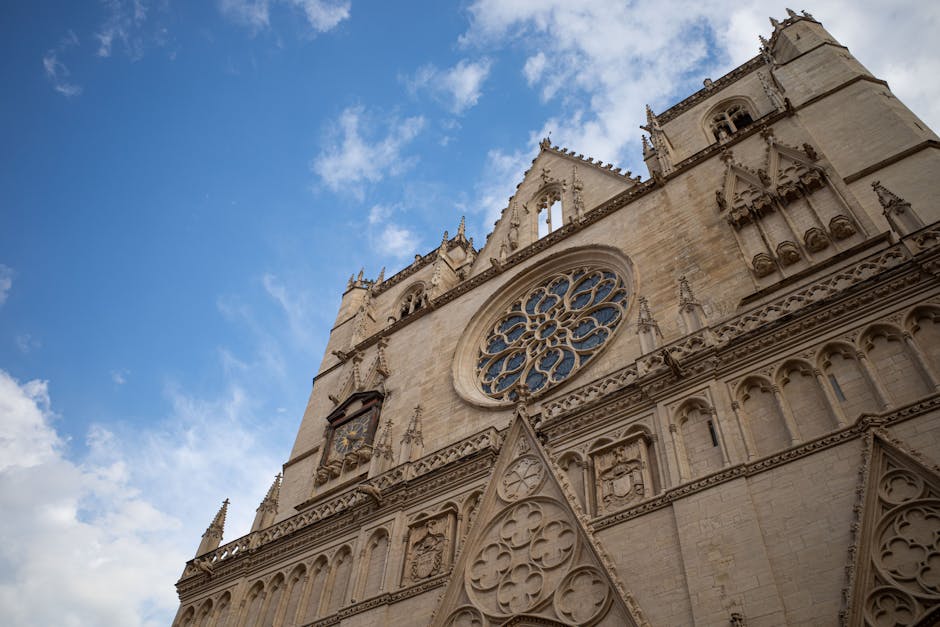 Easy
Lyon, France
Explore Lyon’s futuristic waterfront! A self-guided walk through Confluence’s bold architecture and reclaimed industrial docks.
 Easy
Lyon, France
Discover the multicultural soul and industrial heritage of Lyon's 7th arrondissement on this vibrant self-guided walking route.
 Moderate
Lyon, France
Ascend the 'Hill that Prays' to explore Roman ruins, a shimmering basilica, and secret panoramic gardens on this historic self-guided walk in Lyon.