Self-guided audio tour in York
Start Free on iPhone
Start free on iPhone to unlock this self-guided walking tour in York. Hear all the stories that make it amazing, walk at your own pace, and begin whenever you want.
Your Private Tour Guide
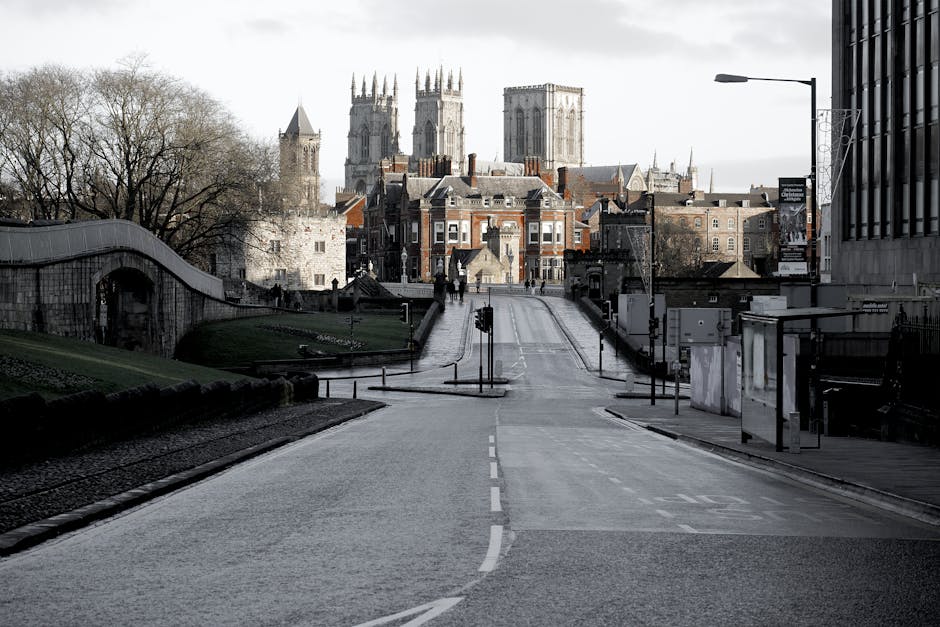
York is a city defined by its relationship with water, and there is no better way to experience its soul than by following the gentle curve of the River Ouse. This self-guided walk invites you to step away from the crowded Shambles and discover a more tranquil side of the city. As you traverse the riverbanks, you will witness the seamless blend of York’s medieval power and its Victorian industrial ambition. This walking route offers a unique perspective on the city's skyline, where ancient stone towers and elegant iron bridges reflect in the water’s surface. Starting at the ornate Lendal Bridge, the path takes you past the historic Guildhall, a silent witness to centuries of civic governance and the scars of wartime history. You will explore the significance of the Ouse Bridge, which for centuries was the only crossing in the city, and stand in the shadow of Clifford’s Tower, a stark reminder of York's turbulent medieval past. The journey continues toward Skeldergate Bridge before looping back to the serene Dame Judi Dench Walk, named after one of York’s most famous daughters. This neighborhood stroll is perfect for those who enjoy photography, as the river provides a stunning backdrop for the city’s most famous landmarks. Unlike a traditional walking tour York often presents in its busy center, this riverside path offers a peaceful escape where you can explore at your own pace. Whether you are interested in the engineering marvels of the 19th century or the natural beauty of the riverbank, this audio walk provides the historical context needed to appreciate York beyond its castle walls. It is a route that celebrates both the history and the nature of this northern capital, making it a must-do for any visitor looking to understand how the Ouse shaped the destiny of York.
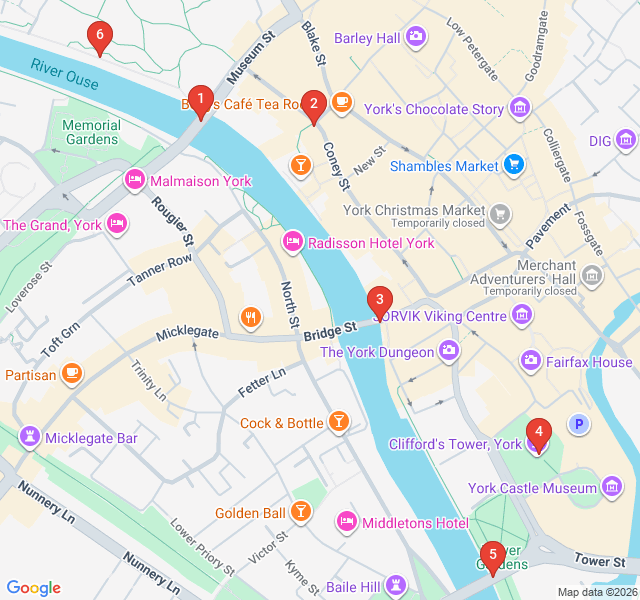
Numbers indicate the order of stops on the tour.
Begin your journey at Lendal Bridge, one of York's most beautiful Victorian structures. Opened in 1863, it was designed by Thomas Page, the same architect responsible for London’s Westminster Bridge. Look closely at the intricate ironwork; you’ll see the white rose of York, the crossed swords of the See of York, and the lions of the city’s coat of arms. Before this bridge was built, a ferryman crossed the river here, and two medieval towers—Lendal Tower and Barker Tower—stood guard, once connected by a massive iron chain used to stop ships and collect tolls. Today, the bridge serves as a gateway between the railway station and the historic heart of the city, offering some of the best views of the river and the Museum Gardens.
As you continue along the riverbank, you will see the imposing rear of the Guildhall. This site has been the center of York’s civic life since the 15th century. Originally built in the 1440s for the Guild of St Christopher and St George, it was where the city’s business was conducted and justice was administered. The building you see today is a testament to resilience; it was almost completely destroyed by incendiary bombs during the 'Baedeker Raid' of April 1942. After the war, it was meticulously rebuilt, reusing original materials where possible. From the river, you can appreciate the scale of this medieval hall and imagine the barges that once docked here to deliver goods directly to the city’s leaders.
Now, stand upon the Ouse Bridge. While the current stone structure dates to 1821, there has been a bridge on this spot since the Roman era. For hundreds of years, this was the only bridge in York, and it was much more than just a crossing. In the medieval period, it was crowded with houses, shops, a chapel, and even a jail. In 1564, a massive flood swept away several of the bridge's arches and the buildings upon them. The bridge has always been the commercial heart of the river, where traders from the North Sea would navigate their vessels to unload cloth, grain, and wine. Take a moment to look downstream toward the city's old industrial wharves.
A short walk from the river brings you to Clifford’s Tower, perched high on its grassy mound. This is the largest remaining part of York Castle, originally built by William the Conqueror. The stone tower you see today dates from the 13th century, but the site is most famously associated with the tragic massacre of York’s Jewish community in 1190, who sought refuge in the wooden keep that preceded this one. The tower’s name comes from Roger de Clifford, who was executed here in 1322. From the base, you can feel the defensive power of the castle, which once dominated the confluence of the Ouse and Foss rivers, protecting the city from northern invaders.
Head back toward the water to Skeldergate Bridge. Completed in 1881, this bridge was designed to accommodate the tall masts of sailing ships that still frequented the city's docks. One of its spans was originally a 'bascule' or lifting section, allowing vessels to pass through to the wharves further upstream. Notice the small, ornate toll house on the north side; until 1914, pedestrians and vehicles had to pay a fee to cross. The bridge marks the transition from the busy commercial center to the more residential and scenic stretches of the Ouse, leading toward the beautiful Rowntree Park further south.
Conclude your stroll along the Dame Judi Dench Walk. This peaceful path on the north bank of the Ouse is named in honor of the legendary actress who was born in York. It offers a gentle, tree-lined route that passes the ruins of St Mary's Abbey in the Museum Gardens. This area highlights the natural beauty of the river, providing a habitat for swans, geese, and rowers from the local clubs. It is the perfect place to reflect on the layers of history you have encountered, from Roman crossings to Victorian engineering, all held together by the constant flow of the Ouse. From here, you are just a few steps away from the tranquility of the Museum Gardens.
Start Free on iPhone
Explore “Riverside Reflections along the Ouse” with your very own Private Tour Guide with Zigway. Start free on iPhone, skip the large group and the fixed routes, and hear the city come alive as you go.
Your Private Tour Guide
Don't miss the good stuff
Explore Freely
 Easy
EasyYork, United Kingdom
Discover York's industrial soul on this self-guided walk through grand Victorian stations and world-class railway history.
 Easy
EasyYork, United Kingdom
Uncover the secrets of Roman Eboracum on this self-guided walk through York’s ancient fortress walls, hidden towers, and legendary haunted basements.
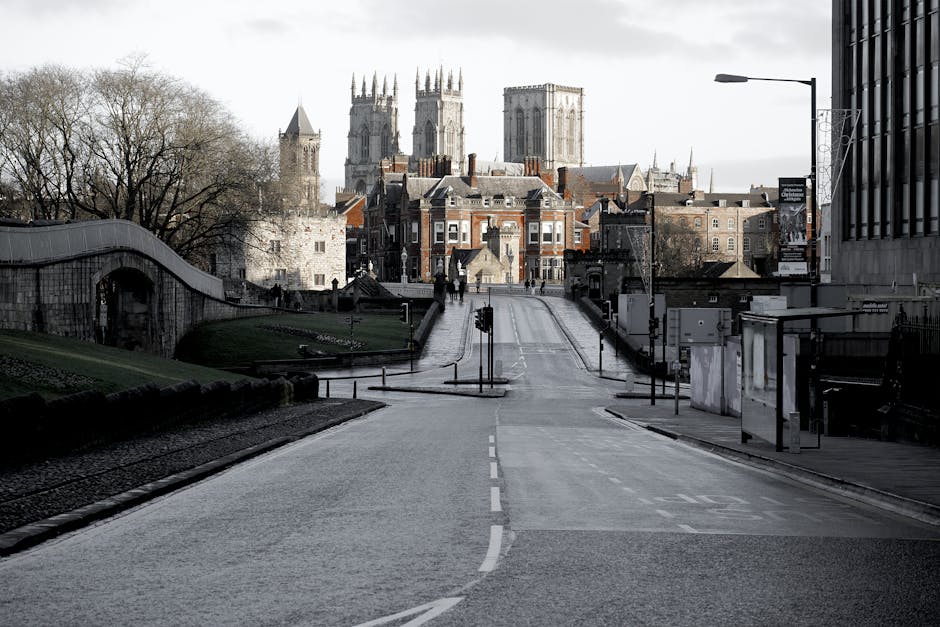 Easy
EasyYork, United Kingdom
Explore the architectural wonders of York’s Minster Quarter at your own pace with this independent audio walk through Gothic history.
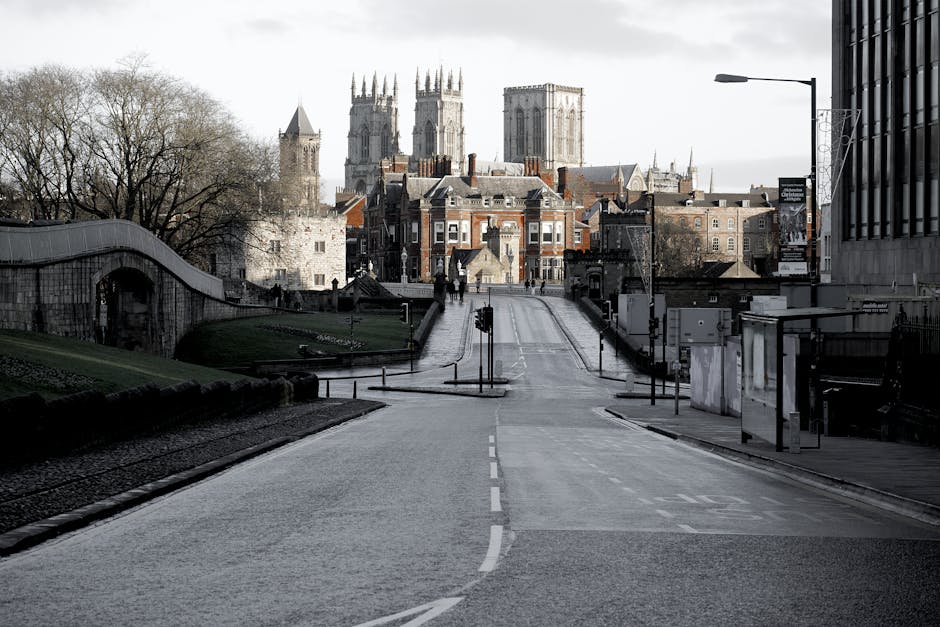 Easy
EasyYork, United Kingdom
Explore York's delicious artisan food scene on this self-guided walking route through medieval streets and modern creative hubs.
 Easy
EasyNairobi, Kenya
Discover Nairobi's iconic skyline on this self-guided architecture walk through the CBD’s most famous modernist and Brutalist landmarks.
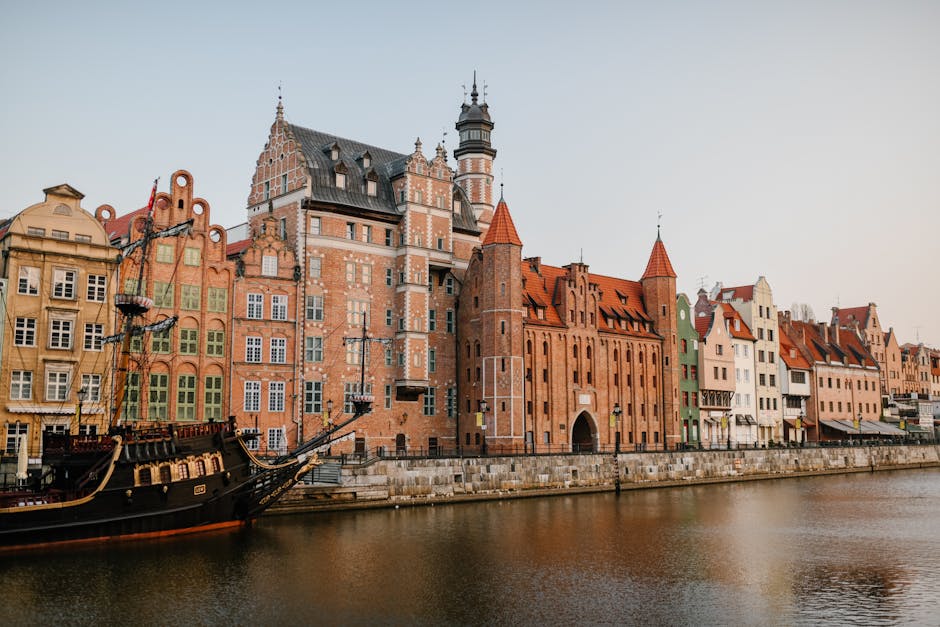 Easy
EasyGdansk, Poland
Discover the monastic heritage, world-famous organs, and lush botanical gardens of Oliwa on this peaceful self-guided neighborhood stroll.
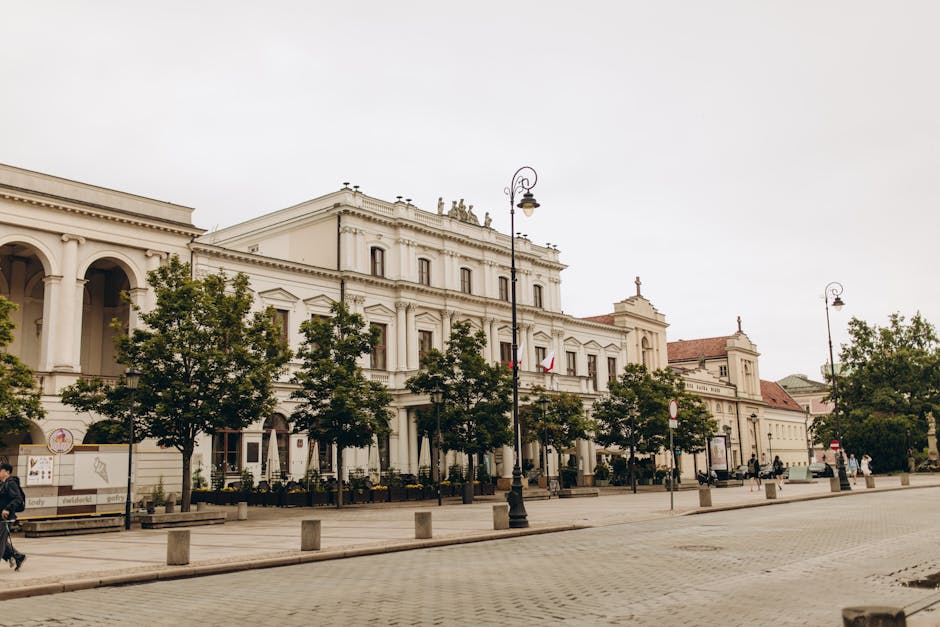 Easy
EasyWarsaw, Poland
Discover Warsaw's intellectual heart through historic campuses, peaceful parks, and the stunning rooftop gardens of the University Library.
 Easy
EasyNairobi, Kenya
Explore Nairobi's architectural evolution from colonial-era landmarks to iconic Brutalist skyscrapers on this historic self-guided walking route.
 Easy
EasyEdinburgh, United Kingdom
Explore Edinburgh's historic Royal Mile at your own pace, from the heights of the Castle to the royal Palace of Holyroodhouse.
 Easy
EasyEdinburgh, United Kingdom
Capture the magic of Edinburgh on this self-guided stroll through the fairy-tale Dean Village, floral Circus Lane, and the scenic Water of Leith.
 Easy
EasyEdinburgh, United Kingdom
Explore Edinburgh's creative soul on this self-guided walk from historic museums to the stylish galleries and boutiques of the West End.
 Challenging
Edinburgh, United Kingdom
Ascend an ancient volcano and discover royal history on this challenging self-guided walk through Edinburgh's iconic Holyrood Park.