Self-guided audio tour in Quebec City
Start Free on iPhone
Start free on iPhone to unlock this self-guided walking tour in Quebec City. Hear all the stories that make it amazing, walk at your own pace, and begin whenever you want.
Your Private Tour Guide
Step away from the cobblestones of Old Quebec and discover the local soul of the city with this self-guided walking route through Limoilou. Once a rugged industrial hub defined by shipyards and factories, Limoilou has transformed into Quebec City’s most vibrant 'indie' neighborhood. This stroll invites you to explore a grid of leafy streets where historic brick architecture meets a flourishing creative scene. You will encounter the neighborhood’s most iconic feature: the elegant external spiral staircases that wind up the faces of traditional triplexes, a design unique to this corner of the world. The journey begins at the towering Church of St-Charles of Limoilou, a monument to the area's deep-rooted history, before moving into the heart of the modern revitalization. As you wander down 3e Avenue, the neighborhood's main artery, you will experience the blend of old-world charm and contemporary energy, passing by artisan bakeries, locally-owned boutiques, and craft breweries like La Souche. The route also takes you toward the banks of the Saint-Charles River and through green spaces that offer a peaceful respite from the urban buzz. You will conclude your exploration at Le Grand Marché, the city’s premier gourmet destination, where the region’s agricultural heritage is celebrated in a stunningly repurposed industrial space. Whether you are an architecture enthusiast or a foodie looking for authentic flavors, this walking tour Quebec City alternative offers a glimpse into the real life of the Capitale-Nationale. This neighborhood stroll is perfect for those who want to see where the locals live, eat, and play, far from the typical tourist paths.
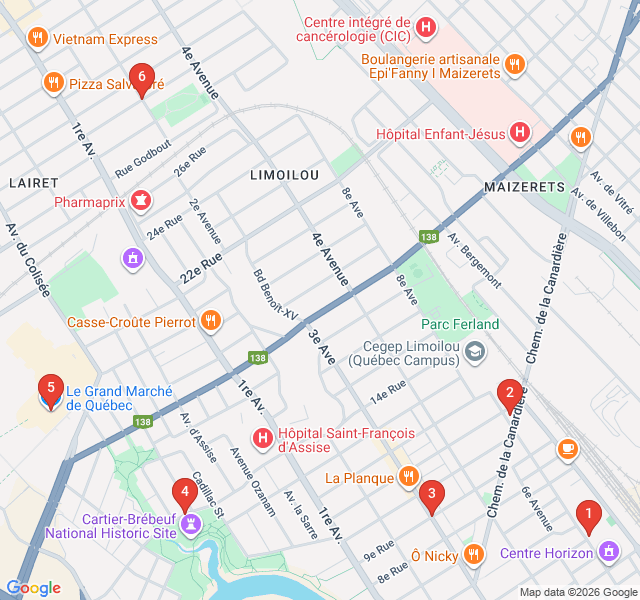
Numbers indicate the order of stops on the tour.
Standing at the gateway to the neighborhood, the Church of St-Charles of Limoilou is an architectural anchor for the community. Completed in 1920, this imposing stone structure reflects the era when the parish was the center of social life. Its twin towers and high vaults are a testament to the growth of the working-class population in the early 20th century. While many churches in Quebec have been repurposed, St-Charles remains a symbol of the neighborhood's resilience. Notice the intricate masonry and the way the church dominates the surrounding low-rise buildings, marking the transition from the industrial valley into the residential heart of Limoilou.
Limoilou has become a hub for Quebec’s world-class craft beer scene, and La Souche is a local institution. This microbrewery captures the spirit of the 'new' Limoilou—creative, communal, and deeply connected to the land. The name 'La Souche' refers to a tree stump, nodding to the forest heritage of the province. Here, the flavors are inspired by local ingredients and the industrial roots of the neighborhood. As you pass by, you can feel the neighborhood's energy; it's a popular gathering spot for residents who helped transform this former working-class district into the trendy, indie destination it is today.
Welcome to the heartbeat of the neighborhood. 3e Avenue (Third Avenue) is where the famous Limoilou staircases are most prominent. These exterior spirals were designed to save interior space and heat, but they have since become an artistic hallmark of the city. As you walk, look up at the intricate ironwork and the colorful doors of the triplexes. This street is a perfect example of urban planning from the early 1900s, modeled after New York's grid system but with a distinctly French-Canadian twist. Today, it is lined with independent bookstores, cafes, and specialized grocers that serve the local 'Limoilousiens'.
Take a moment to enjoy the greenery at this peaceful junction near the Saint-Charles River. This area was once heavily industrial, but a massive restoration project in the late 20th century returned the riverbanks to the people. The park connects to a vast network of trails that run through the city. Historically, this river was essential for the shipyards that once defined Limoilou's economy. Today, it serves as a natural corridor for cyclists and walkers. The contrast between the dense residential grid you just left and this open natural space is a key part of the neighborhood's charm.
Inspired by the great markets of Europe, Le Grand Marché is Quebec City’s gourmet crown jewel. It is housed in a beautifully restored building on the site of the old agricultural exhibition grounds. Inside, the architecture mimics a bright, airy village square. This is the best place to witness the diversity of Quebec’s regional products, from maple syrup and ice cider to artisan cheeses and fresh berries from the nearby Île d'Orléans. The market represents the culmination of the neighborhood’s journey: taking industrial-scale spaces and repurposing them for community and culinary excellence.
To finish your stroll, wander down 2e Avenue (Second Avenue). This street offers a quieter, more intimate look at Limoilou life compared to the bustling 3e Avenue. Here, the residential character of the neighborhood shines. You will see more of the classic 'shoebox' houses and the multi-story brick homes that housed generations of shipyard workers. The tree canopy here is particularly lush, making it one of the most pleasant residential walks in the city. It’s a place where the history of the working class and the modern desire for a walkable, green urban lifestyle meet perfectly.
Start Free on iPhone
Explore “Industrial to Indie: The Limoilou Stroll” with your very own Private Tour Guide with Zigway. Start free on iPhone, skip the large group and the fixed routes, and hear the city come alive as you go.
Your Private Tour Guide
Don't miss the good stuff
Explore Freely
 Easy
EasyQuebec City, Canada
Explore the artistic soul of Quebec City. Discover Gilded Age architecture, iconic murals, and open-air art in the elegant Montcalm neighborhood.
 Moderate
Quebec City, Canada
Explore North America's only remaining fortified city walls on this self-guided walk through Quebec City's iconic military history and stone gates.
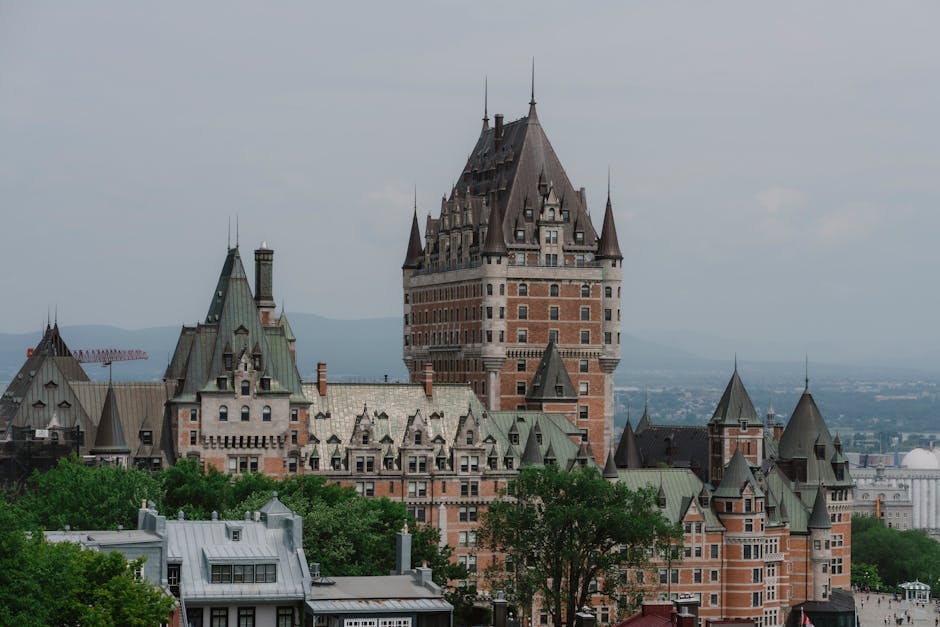 Easy
EasyQuebec City, Canada
Explore the creative soul of Saint-Roch on this self-guided walk featuring street art, craft breweries, and secret gardens.
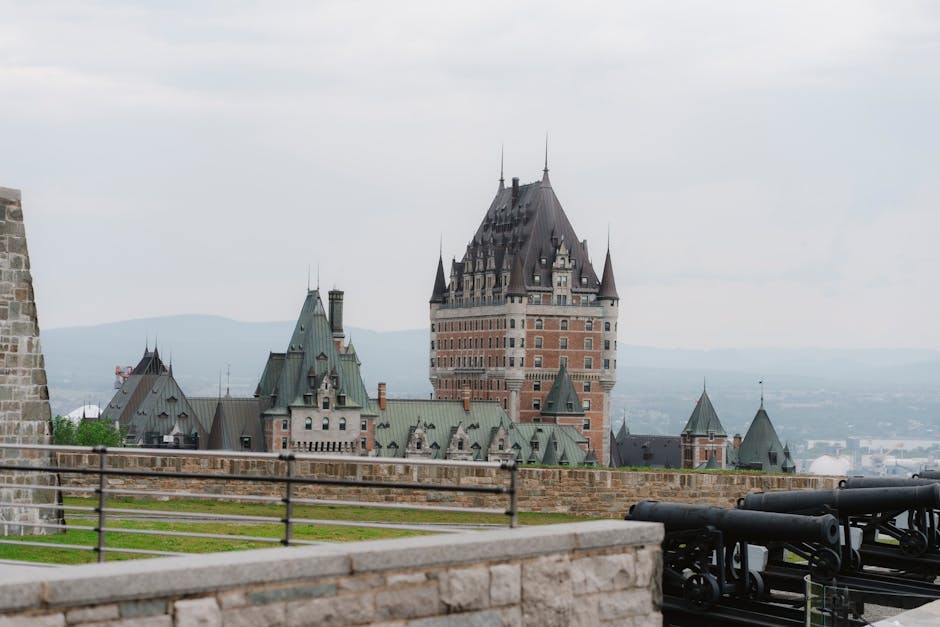 Easy
EasyQuebec City, Canada
Uncover haunted legends and dark history in Old Quebec on this atmospheric self-guided audio walk through the Upper Town's spooky corners.
 Easy
EasyGothenburg, Sweden
Explore Gothenburg's maritime soul on this self-guided walk from historic shipyards to sleek modern piers and iconic industrial landmarks.
 Easy
EasyKrakow, Poland
Discover Krakow’s creative soul in Zabłocie, exploring industrial heritage, contemporary art museums, and avant-garde architecture at your own pace.
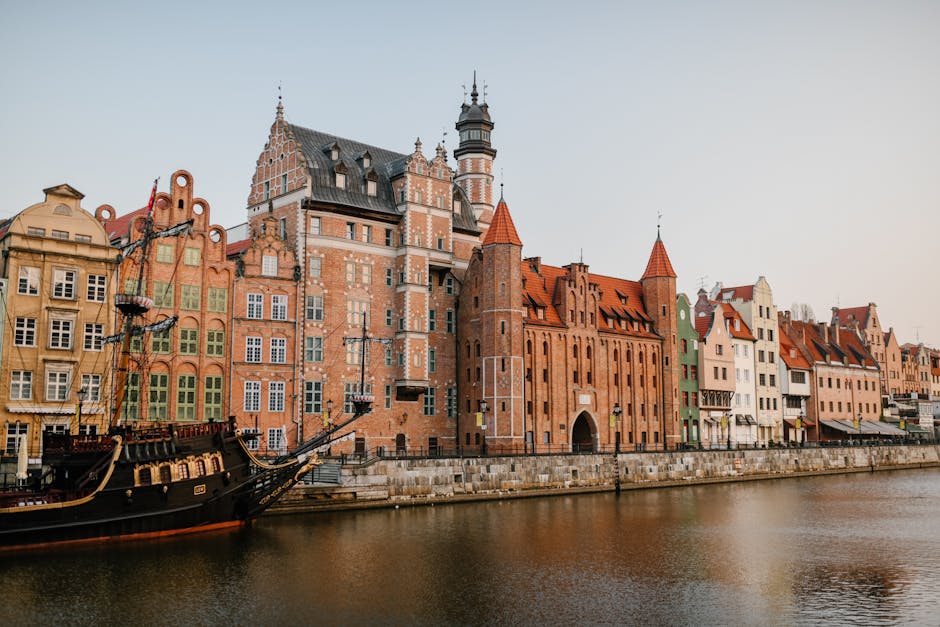 Moderate
Gdansk, Poland
Discover the bohemian soul of Gdańsk. Explore the literary landmarks of Günter Grass, Prussian villas, and the trendy cafes of historic Wrzeszcz.
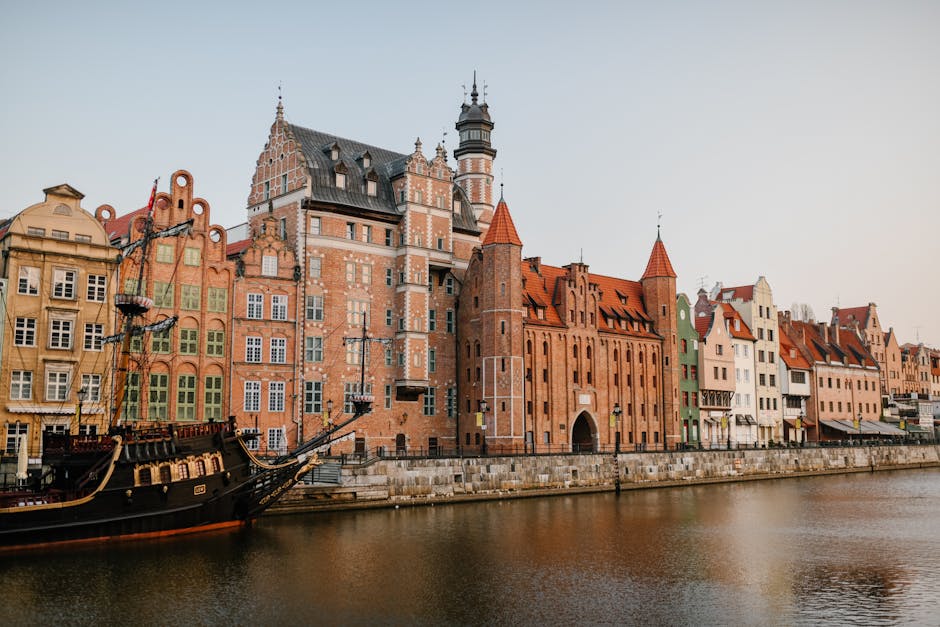 Easy
EasyGdansk, Poland
Discover the neon-lit rebirth of Gdansk's shipyards on this self-guided walk through industrial food halls, container bars, and legendary clubs.
 Challenging
Toronto, Canada
Explore Toronto's crown jewel with this self-guided walk through High Park’s hidden gardens, historic lodges, and scenic waterfront trails.
 Easy
EasyToronto, Canada
Explore Toronto's iconic skyline on this self-guided walk through the Financial District's historic stone halls and golden glass towers.
 Easy
EasyToronto, Canada
Explore North America's largest collection of Victorian homes and peaceful green spaces on this self-guided stroll through Toronto's Cabbagetown.
 Easy
EasyToronto, Canada
Explore Yorkville’s transformation from 1960s hippie haven to Toronto’s premier luxury district on this self-guided audio walk.