Self-guided audio tour in Toronto
Start Free on iPhone
Start free on iPhone to unlock this self-guided walking tour in Toronto. Hear all the stories that make it amazing, walk at your own pace, and begin whenever you want.
Your Private Tour Guide
Welcome to Cabbagetown, a neighborhood that feels like a living museum tucked away in the heart of Toronto. This self-guided walking route invites you to explore the largest continuous area of preserved Victorian housing in North America. As you wander through these tree-lined streets, you will discover why this area is celebrated by historians and architects alike for its unique character and charm. The name "Cabbagetown" itself carries a rich history. Originally settled by Irish immigrants in the late 19th century, the neighborhood earned its moniker from the vegetable gardens planted in front yards to feed families during lean times. Today, those modest beginnings have transformed into one of the city’s most sought-after enclaves. This walking route highlights the evolution of the area, from its industrial roots to its current status as a heritage treasure. Along the way, you will encounter the striking "Bay-and-Gable" style homes that are uniquely Ontarian. These tall, narrow brick houses with their intricate wooden gingerbread trim were designed to fit the thin city lots of the 1800s while maximizing natural light. You will also visit Spruce Court, one of Canada’s first social housing projects, which remains a charming example of the garden suburb movement. The journey isn't just about bricks and mortar. Nature plays a central role in this experience. You will explore Riverdale Farm, a slice of rural life in the urban center, and the Toronto Necropolis, one of the city’s oldest and most beautiful cemeteries. The route concludes at the Chapel of St. James-the-Less, a National Historic Site that stands as a masterpiece of Gothic Revival architecture. Whether you are a fan of history, a photography enthusiast, or simply looking for a peaceful afternoon, this walking tour Toronto offers a unique perspective on the city's past. This neighborhood stroll is perfect for anyone wanting to escape the high-rises and immerse themselves in a more elegant era of Toronto's development.
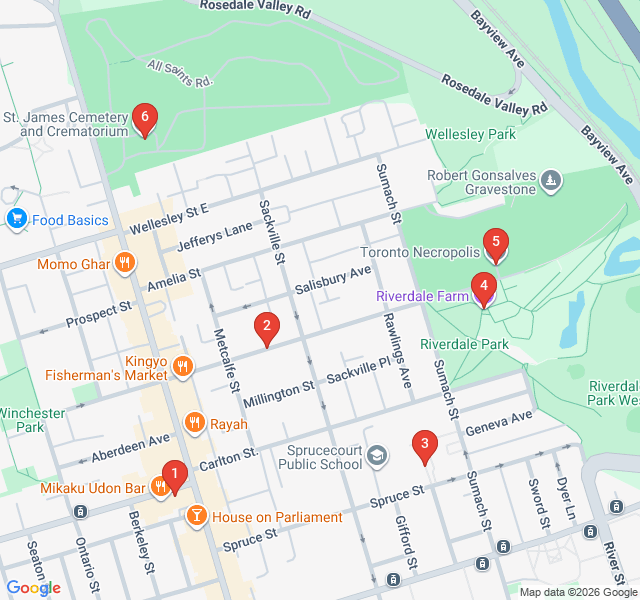
Numbers indicate the order of stops on the tour.
Start your journey at the corner of Parliament and Carlton Streets, the gateway to Cabbagetown. This area was once home to working-class Irish immigrants who fled the potato famine in the 1840s. The name 'Cabbagetown' was originally a derogatory term used by affluent neighbors because the residents grew cabbages in their front yards to survive. Far from being an insult today, the name is worn with pride as a symbol of the neighborhood's resilient roots. As you look down Parliament Street, you'll see a mix of local shops and cafes that maintain the village-like atmosphere that makes this neighborhood so distinct from Toronto's glass-and-steel downtown core.
Walk down Winchester Street to see some of the finest examples of Victorian residential architecture in Canada. Look for the 'Bay-and-Gable' style, a uniquely Toronto design. Because property taxes were often based on street frontage, houses were built tall and narrow. To make them feel grander, builders added high gables and large bay windows. Notice the 'gingerbread' woodwork—the intricate wooden trim on the eaves and porches. These decorative elements were mass-produced in the late 1800s, allowing even modest homeowners to add a touch of elegance to their brick residences. Many of these homes have been meticulously restored by residents who value the area's heritage status.
Tucked away off the main street is Spruce Court, a remarkable example of early 20th-century social housing. Built between 1913 and 1926, it was designed by architect Eden Smith, who was influenced by the English 'Garden City' movement. Unlike the crowded tenements common in other cities at the time, Spruce Court was designed to provide working-class families with fresh air, green space, and a sense of community. The cottages are arranged around internal courtyards, creating a peaceful oasis that feels worlds away from the city. Today, it remains a highly desirable co-operative housing community, proving that thoughtful, human-centric design is truly timeless.
Welcome to Riverdale Farm, a 7.5-acre working farm located right in the middle of the city. This site has a fascinating history; from 1894 to 1974, it was the original location of the Toronto Zoo. When the zoo moved to its current suburban location, the community fought to keep this land as a public space. Today, you can see heritage breeds of cows, horses, sheep, and goats. The farm represents the rural heritage of Ontario and provides a quiet escape with its wooded pathways and ponds. It is a perfect spot to observe the changing seasons and enjoy a slower pace of life, just as the early residents of Cabbagetown might have done.
Just north of the farm lies the Toronto Necropolis, one of the city's oldest and most historic cemeteries. Opened in 1850, it is a stunning example of High Victorian Gothic architecture. The cemetery is the final resting place of many notable figures, including Toronto's first mayor, William Lyon Mackenzie, and world-champion rower Ned Hanlan. More recently, it became the site of the memorial for federal politician Jack Layton. As you walk the winding paths, notice the diverse range of monuments and the historic porte-cochère at the entrance. It is a non-denominational space that serves as both a place of mourning and a beautiful public arboretum.
Your walk concludes at the Chapel of St. James-the-Less, a National Historic Site of Canada. Built in 1861, this is widely considered one of the finest examples of small-scale Gothic Revival architecture in North America. Its soaring spire, slate roof, and rugged limestone walls were designed to evoke the feeling of a medieval English parish church. The chapel was built to serve the adjacent St. James Cemetery, the oldest cemetery in Toronto still in use. Take a moment to admire the harmony of the building's proportions and its integration into the surrounding landscape. From here, you are a short walk from the subway, ending your journey through Toronto's Victorian heart.
Start Free on iPhone
Explore “Victorian Elegance: The Cabbagetown Heritage Walk” with your very own Private Tour Guide with Zigway. Start free on iPhone, skip the large group and the fixed routes, and hear the city come alive as you go.
Your Private Tour Guide
Don't miss the good stuff
Explore Freely
 Challenging
Toronto, Canada
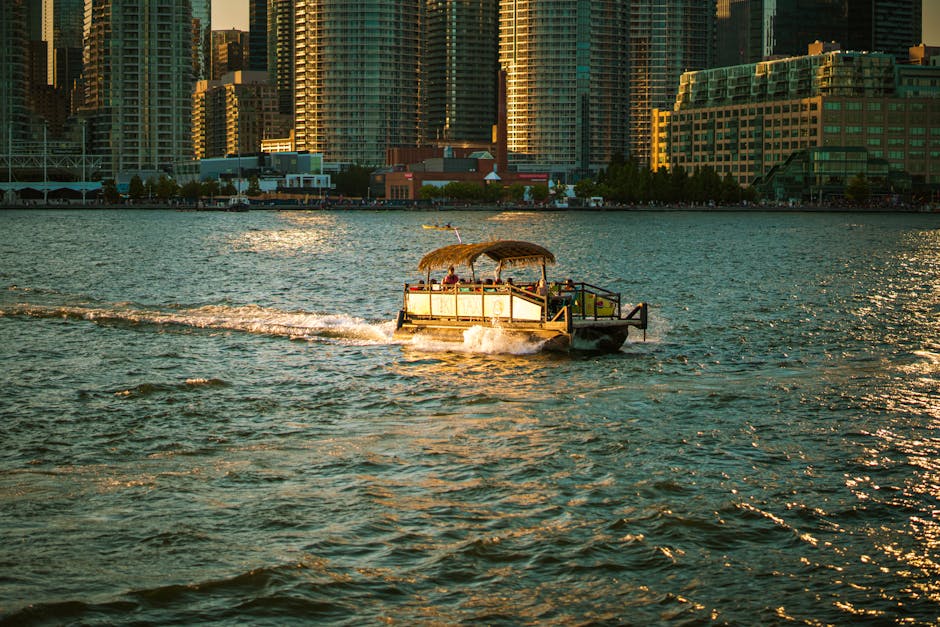
Explore Toronto's crown jewel with this self-guided walk through High Park’s hidden gardens, historic lodges, and scenic waterfront trails.
 Easy
EasyToronto, Canada
Explore Toronto's iconic skyline on this self-guided walk through the Financial District's historic stone halls and golden glass towers.
 Easy
EasyToronto, Canada
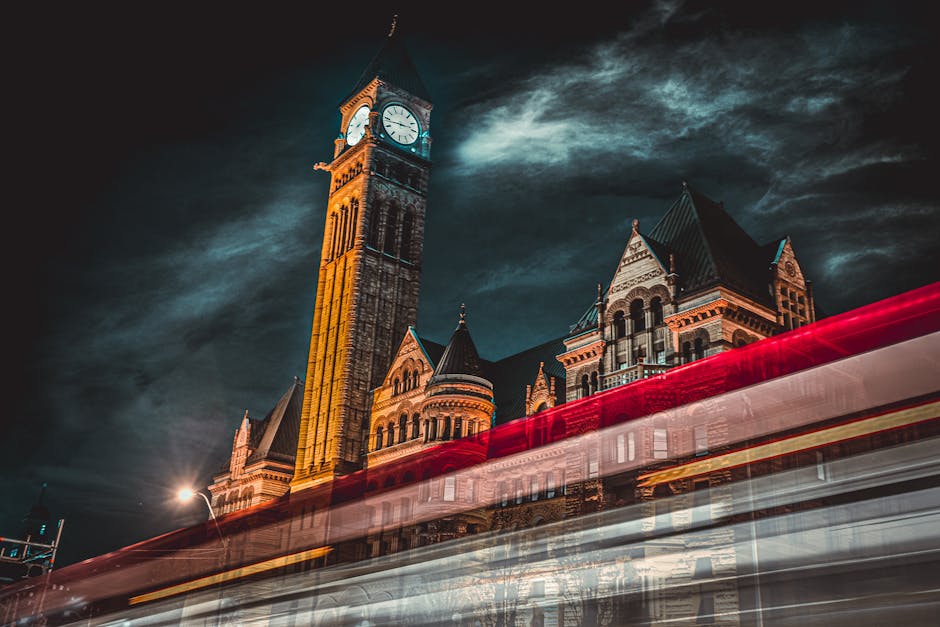
Explore Yorkville’s transformation from 1960s hippie haven to Toronto’s premier luxury district on this self-guided audio walk.
 Easy
EasyToronto, Canada
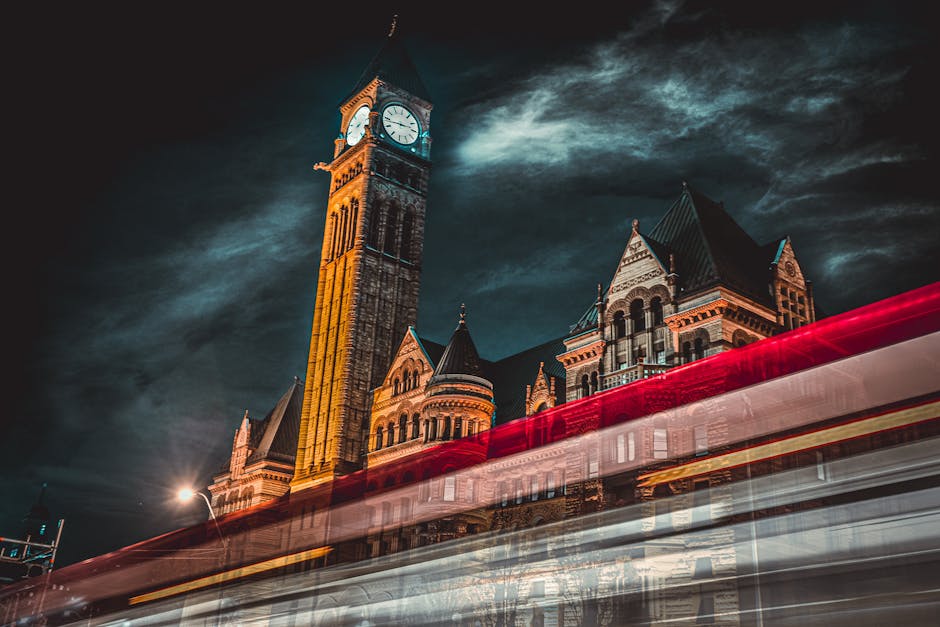
Discover Toronto’s 19th-century roots, Victorian architecture, and the iconic Flatiron building on this flexible self-guided walking route.
 Easy
EasyKrakow, Poland
Explore the prestigious Jagiellonian University district, featuring Neo-Gothic architecture, Baroque churches, and Krakow's hidden scholarly gems.
 Easy
EasyNairobi, Kenya
Explore Nairobi's architectural evolution from colonial-era landmarks to iconic Brutalist skyscrapers on this historic self-guided walking route.
 Easy
EasyNairobi, Kenya
Discover Nairobi's iconic skyline on this self-guided architecture walk through the CBD’s most famous modernist and Brutalist landmarks.
 Easy
EasyKrakow, Poland
Explore the historic heart of Kazimierz on this self-guided walk through synagogues, ancient cemeteries, and vibrant squares.
 Easy
EasyVancouver, Canada
Explore Vancouver’s transformation from industrial hub to futuristic urban oasis on this self-guided audio walk along the scenic False Creek Seawall.
 Moderate
Vancouver, Canada
Discover the cinematic secrets of Hollywood North on this self-guided walk through Downtown Vancouver’s most famous filming locations.
 Easy
EasyVancouver, Canada
Explore Vancouver's oldest neighborhood, from Victorian homes to the historic heart of the city's multicultural pioneer communities.
 Easy
EasyVancouver, Canada
Discover how historic rail warehouses became Vancouver’s trendiest district on this self-guided stroll through Yaletown’s chic streets and parks.