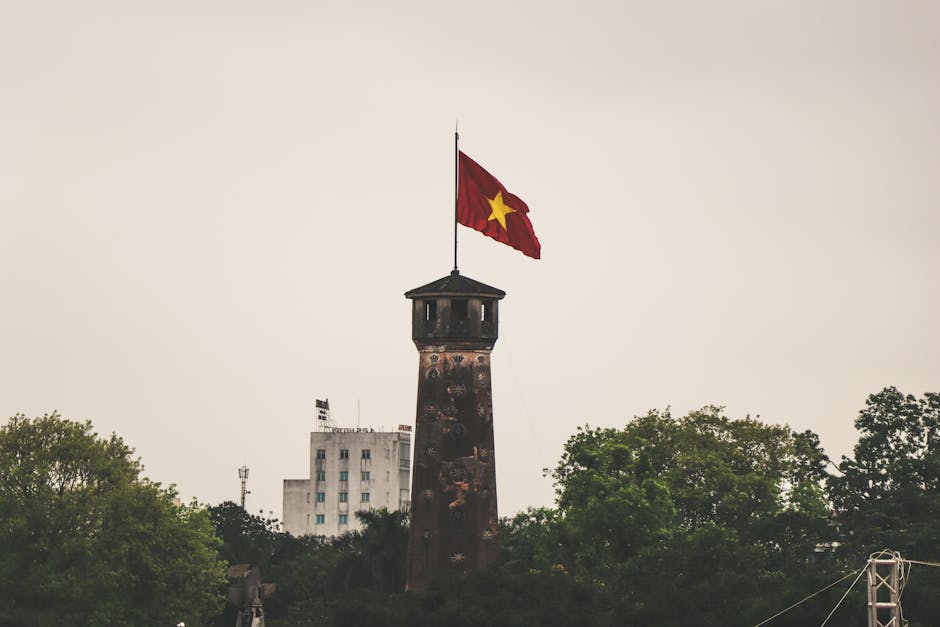
Self-guided audio tour in Hanoi
Start Free on iPhone
Start free on iPhone to unlock this self-guided walking tour in Hanoi. Hear all the stories that make it amazing, walk at your own pace, and begin whenever you want.
Your Private Tour Guide
Step into the heart of Vietnam's national identity with this self-guided walk through the Ba Dinh District. Known as the political nerve center of Hanoi, this neighborhood is a masterclass in historical layers, where French colonial grandeur meets the stoic architecture of a socialist state. This neighborhood stroll focuses on the legacy of Ho Chi Minh and the evolution of the Vietnamese government, offering a profound look at how power has been shaped and displayed in the capital city. As you explore independently, you will witness the architectural transition from the ornate yellow villas of the French era to the brutalist marble of the mid-20th century and finally the sleek, modern glass of the current National Assembly. The route begins at the Ho Chi Minh Museum, a structure designed to resemble a blooming lotus, which houses an avant-garde collection dedicated to the nation's founder. From there, the walking route moves toward the ancient One Pillar Pagoda, a symbol of resilience that dates back to the 11th century, providing a spiritual counterpoint to the political weight of the area. The centerpiece of this experience is Ba Dinh Square, the vast parade grounds where Ho Chi Minh read the Declaration of Independence in 1945. Looming over the square is the Mausoleum, a site of immense national reverence. This self-guided adventure also highlights the Presidential Palace, a stunning example of Beaux-Arts architecture that once served as the seat of the Governor-General of Indochina. Finally, the route concludes at the National Assembly Building, a contemporary marvel that sits atop the archaeological ruins of the ancient Thang Long Citadel. Whether you are a history enthusiast or a first-time visitor, this walking tour Hanoi provides the context needed to understand the complexities of Vietnam's path to sovereignty. By following this neighborhood stroll at your own pace, you can absorb the solemn atmosphere and architectural beauty of Hanoi's most significant district without the rush of a group.
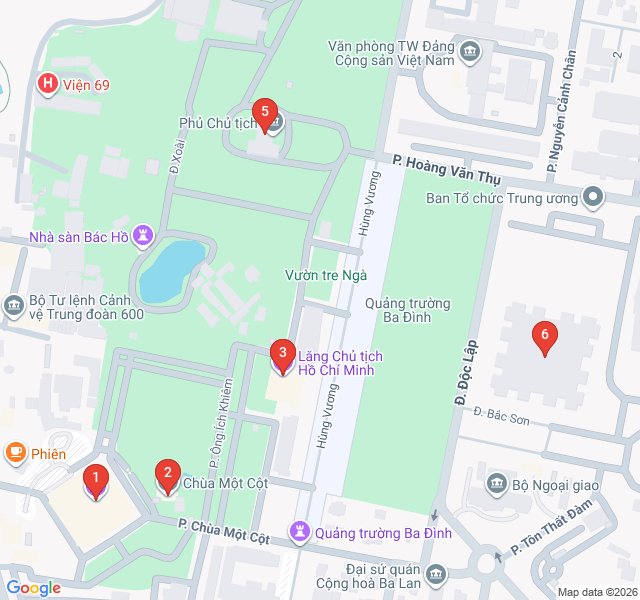
Numbers indicate the order of stops on the tour.
Start exploring with Zigway at the Ho Chi Minh Museum, an architectural tribute designed to look like a white lotus flower. Built with Soviet assistance and inaugurated in 1990 to celebrate the centenary of Ho Chi Minh's birth, this museum breaks the mold of traditional historical displays. Inside, you will find chronological exhibits that blend the leader's personal life with the global revolutionary context of the 20th century. The interior design is notably artistic, using symbolic installations rather than just glass cases. It serves as an essential introduction to the man known affectionately as 'Uncle Ho' and the political ideology that continues to shape modern Vietnam.
Just a short walk from the museum stands the One Pillar Pagoda, one of Vietnam's most iconic religious sites. Originally built in 1049 by Emperor Ly Thai Tong, the pagoda was designed to resemble a lotus blossom rising from a pond, following a dream the Emperor had about the Goddess of Mercy. While the original structure was destroyed by retreating forces in 1954, it was meticulously rebuilt to preserve its unique architecture. It stands as a symbol of Hanoi's resilience and provides a peaceful, spiritual contrast to the surrounding political monuments, reminding visitors of the deep Buddhist roots that predate the modern state.
As you continue your self-guided walk, you will arrive at the imposing Ho Chi Minh Mausoleum. Inspired by Lenin's Tomb in Moscow but incorporating distinct Vietnamese architectural elements like the stepped roof, this grey granite structure is the final resting place of the revolutionary leader. The atmosphere here is deeply solemn; guards in white dress uniforms maintain a strict perimeter. Even if you choose not to enter to see the preserved body, the exterior itself communicates the immense respect the nation holds for its founder. Note the materials used—marble and granite gathered from all over Vietnam to symbolize national unity.
Directly in front of the Mausoleum lies Ba Dinh Square, the largest square in Vietnam. This is the stage upon which modern Vietnamese history was written. On September 2, 1945, Ho Chi Minh stood here and read the Declaration of Independence, marking the end of colonial rule. The square is divided into over 200 green grass patches, which can accommodate hundreds of thousands of people during national celebrations and military parades. Walking across this open space, you can feel the transition from the dense, narrow streets of the Old Quarter to the organized, grand scale of the political district.
To the north of the square, the bright yellow Presidential Palace stands as a vivid reminder of the French colonial era. Completed in 1906 for the Governor-General of Indochina, the building is a prime example of European Beaux-Arts style, featuring Italian Renaissance flourishes. Interestingly, when Ho Chi Minh took power, he famously refused to live in the grand palace, choosing instead to live in a modest traditional stilt house nearby. Today, the palace remains a working government site used for receiving foreign dignitaries, so while the interior is typically closed to the public, the exterior gardens and facade offer a glimpse into Hanoi's colonial past.
The final stop on this neighborhood stroll is the Viet Nam National Assembly Building. Completed in 2014, this modern structure represents the future of Vietnamese governance. Its square base and circular central hall are inspired by the traditional Vietnamese concept of 'square earth and round sky.' Before its construction, the site underwent a massive archaeological excavation that revealed remnants of the 1,300-year-old Thang Long Imperial Citadel. This building effectively bridges the gap between the ancient dynasties of the past and the contemporary political landscape of the 21st century, serving as the seat of the country's legislative power.
Start Free on iPhone
Explore “Power and Politics: The Ba Dinh District” with your very own Private Tour Guide with Zigway. Start free on iPhone, skip the large group and the fixed routes, and hear the city come alive as you go.
Your Private Tour Guide
Don't miss the good stuff
Explore Freely
 Moderate
Hanoi, Vietnam
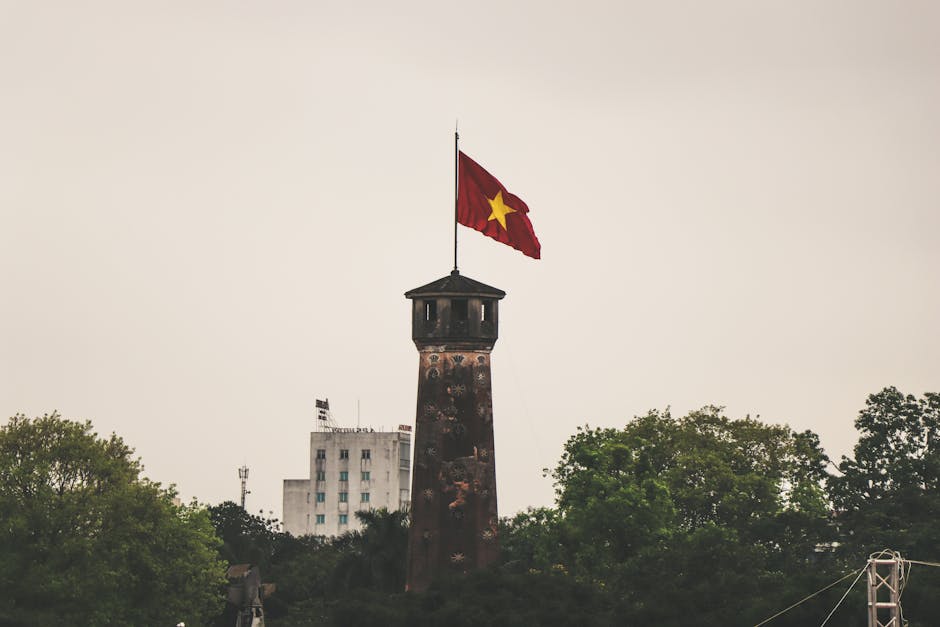
Discover Hanoi's resilient spirit on this self-guided audio walk through wartime bunkers, historic prisons, and military landmarks.
 Easy
EasyHanoi, Vietnam
Discover Hanoi's spiritual heart and scenic vistas on an independent stroll featuring ancient pagodas, colonial architecture, and sunset lake views.
 Easy
EasyHanoi, Vietnam
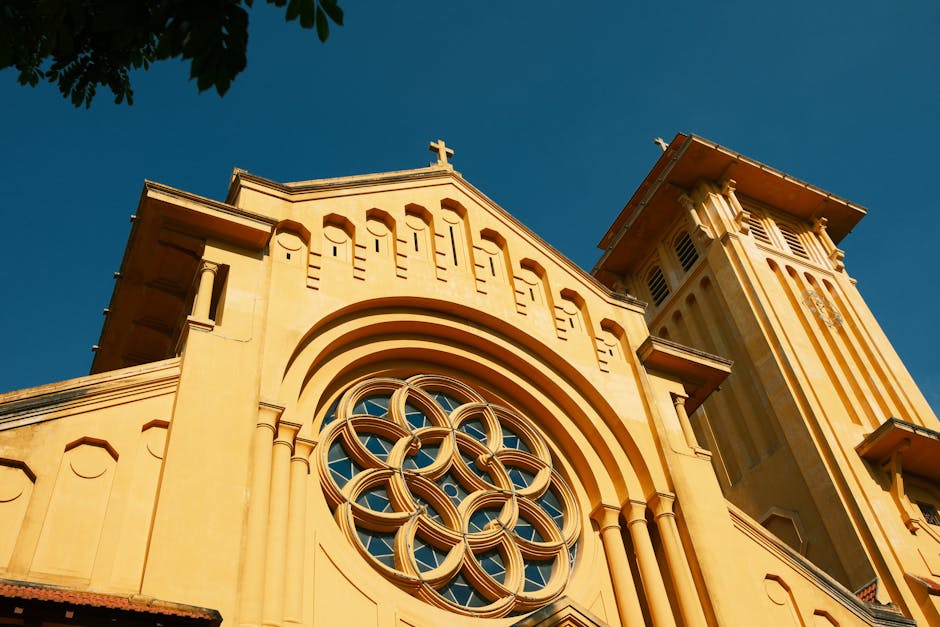
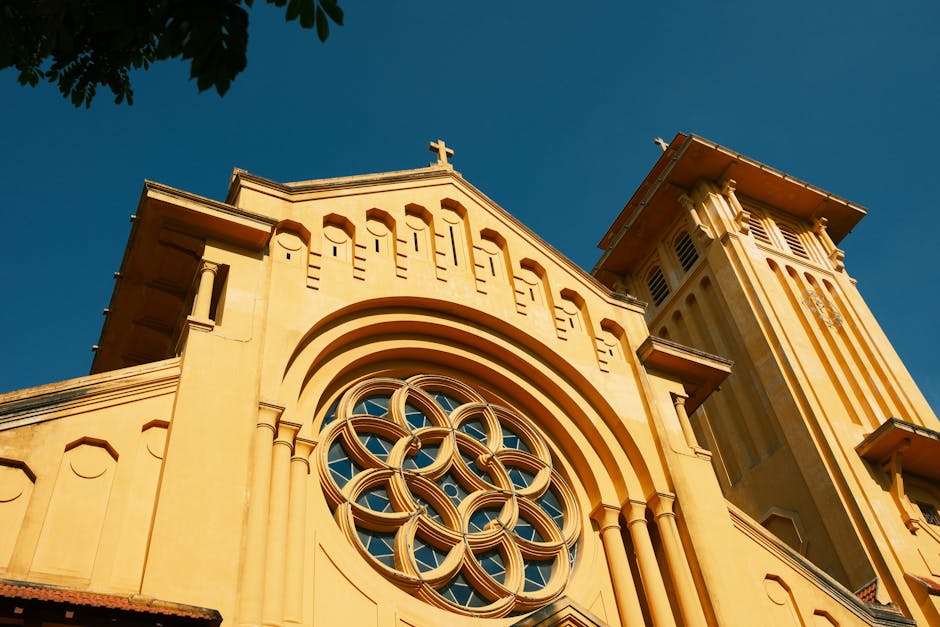
Explore Hanoi's diverse spiritual heritage on this self-guided walk through historic pagodas, a Neo-Gothic cathedral, and lakeside temples.
 Easy
EasyHanoi, Vietnam
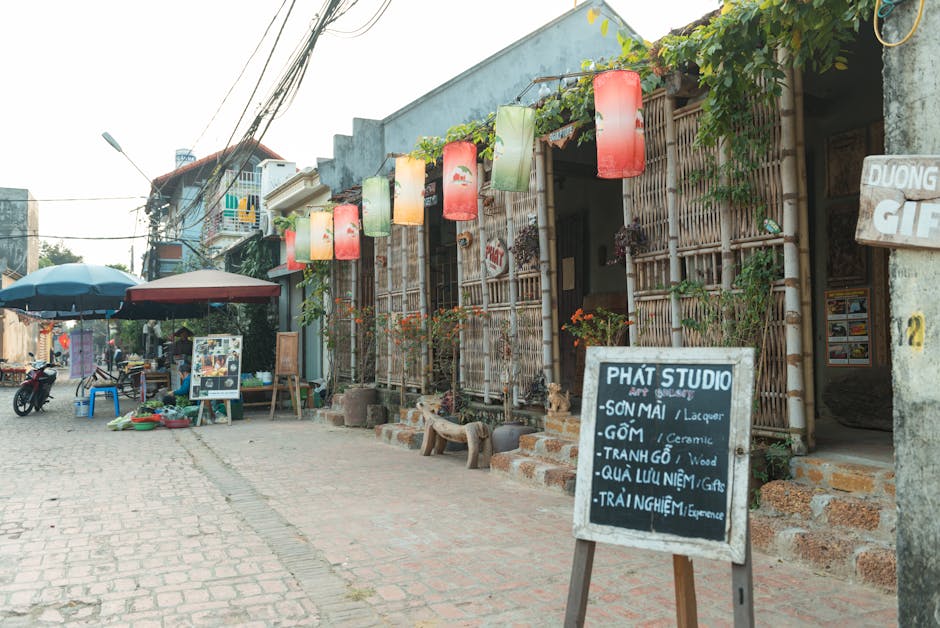
Discover Hanoi's vibrant soul through railway-side murals, historic tracks, and the record-breaking Ceramic Road on this self-guided walk.
 Easy
EasyNairobi, Kenya
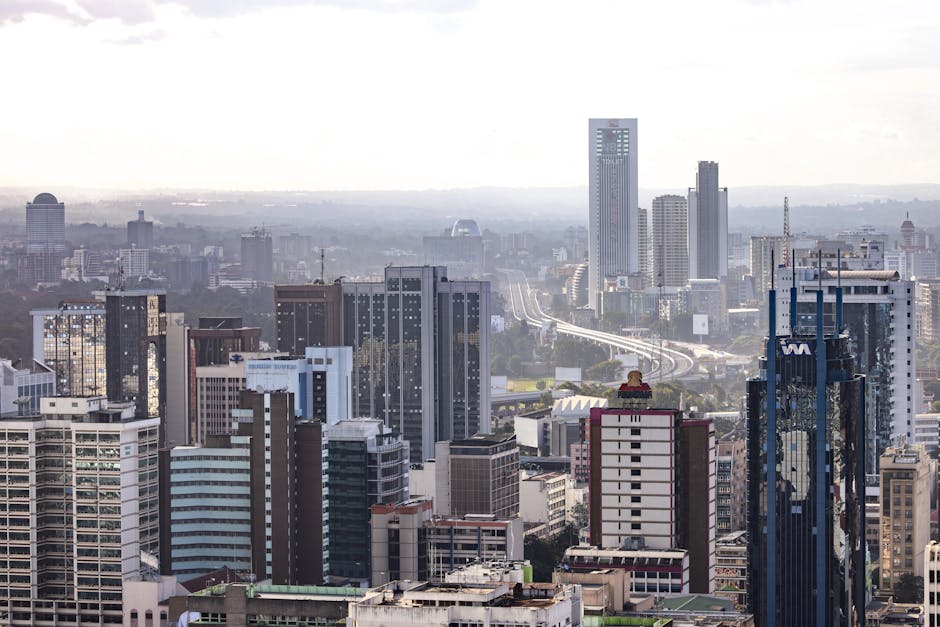
Explore Nairobi's architectural evolution from colonial-era landmarks to iconic Brutalist skyscrapers on this historic self-guided walking route.
 Easy
EasyNairobi, Kenya
Discover Nairobi's iconic skyline on this self-guided architecture walk through the CBD’s most famous modernist and Brutalist landmarks.
 Moderate
Gdansk, Poland
Discover the origins of WWII in Gdansk on this self-guided walk through heroic last stands, massive museums, and strategic hilltop fortifications.
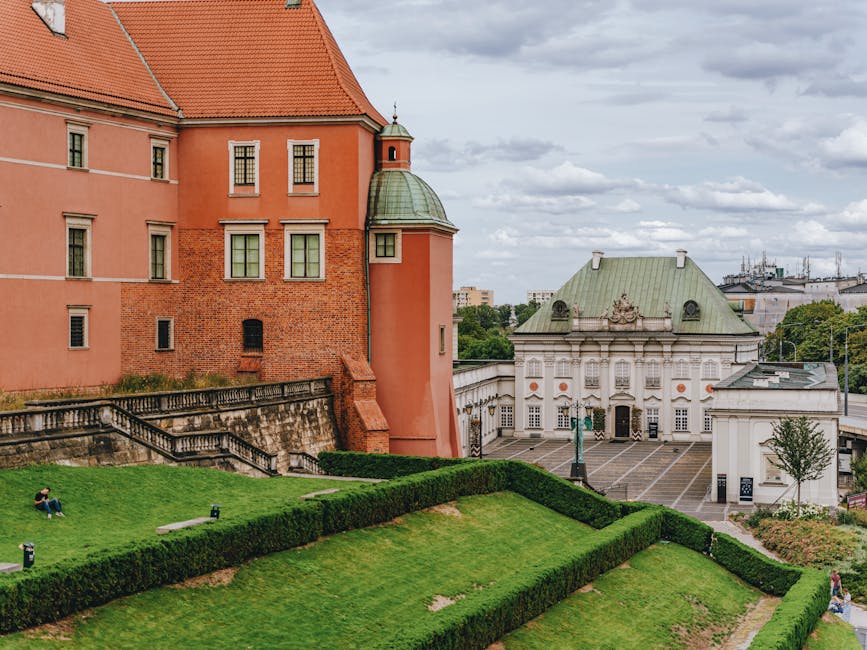 Moderate
Warsaw, Poland
A powerful self-guided walk through Warsaw's WWII history, tracking the 1944 Uprising from ruined skyscrapers to solemn memorials.
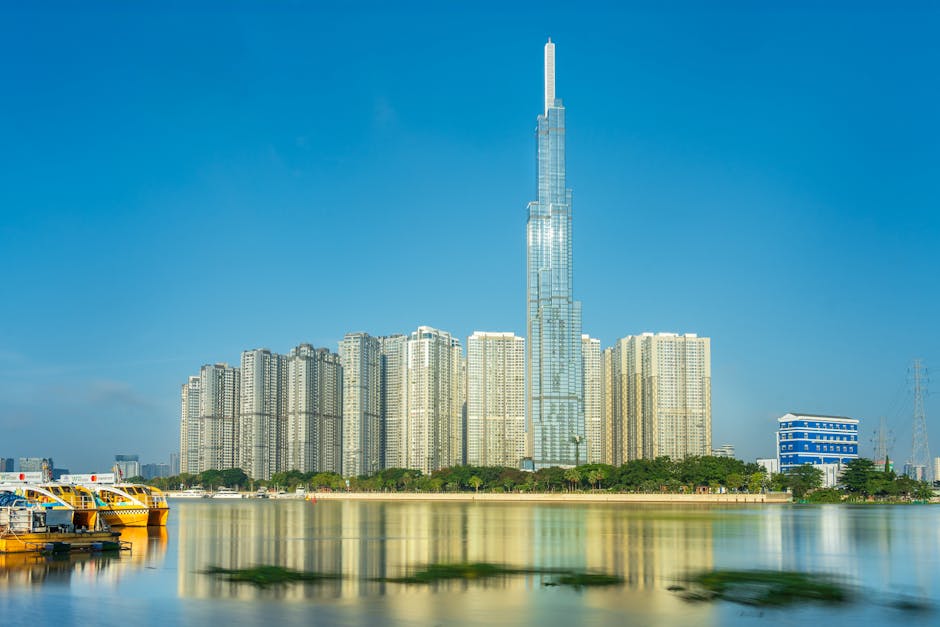 Moderate
Ho Chi Minh City, Vietnam
Explore the history of the Vietnam War at your own pace through iconic landmarks and hidden clandestine sites in Districts 1 and 3.
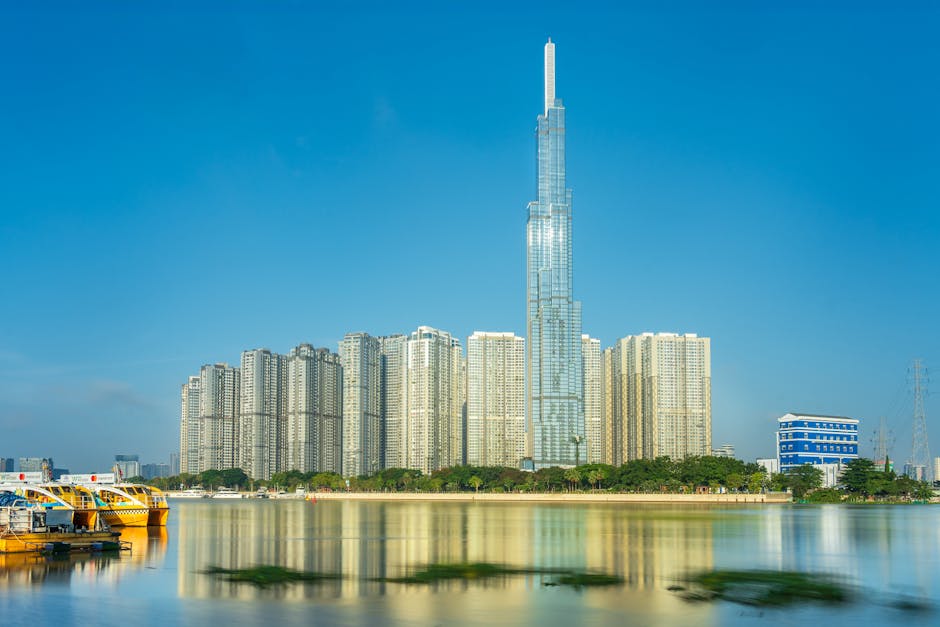 Moderate
Ho Chi Minh City, Vietnam
Explore Saigon’s coffee evolution from 1930s clay-pot brews to modern specialty roasters on this self-guided walk through District 1 and 3.
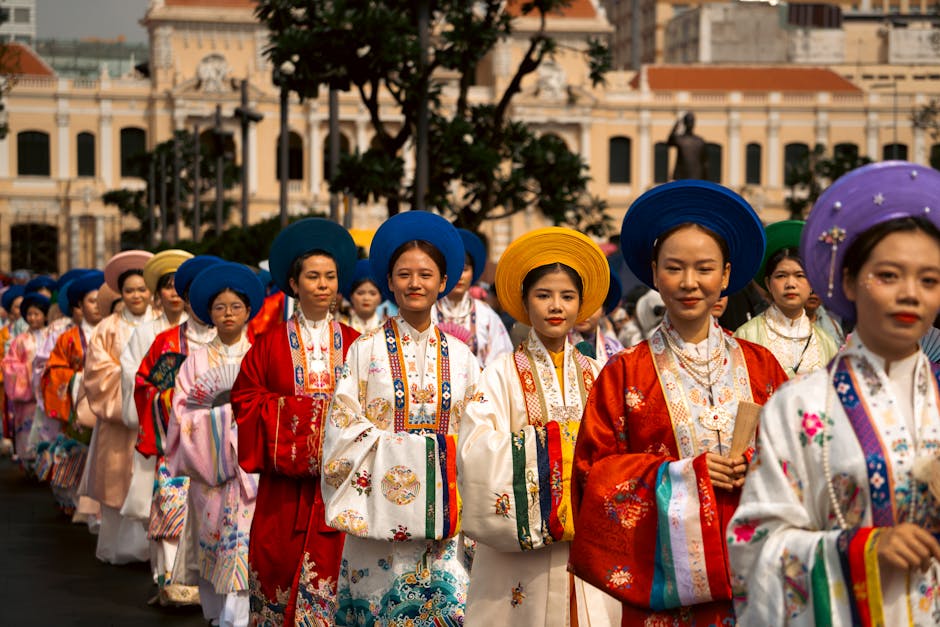 Moderate
Ho Chi Minh City, Vietnam
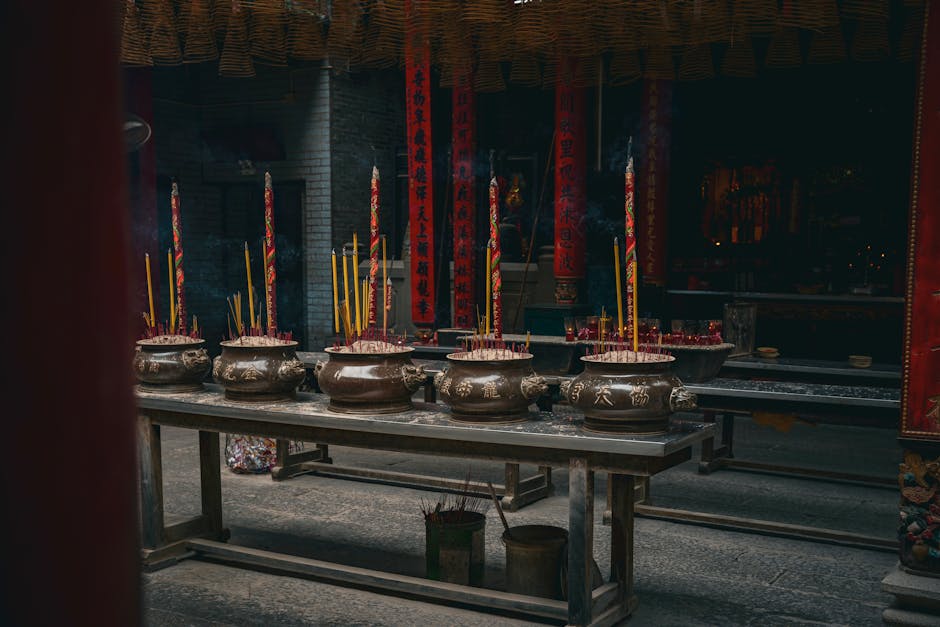
Explore the soul of Ho Chi Minh City's Chinatown on this self-guided walk through historic markets and ornate Cantonese assembly halls.
 Easy
EasyHo Chi Minh City, Vietnam
Discover the vibrant spirituality and stunning architecture of District 3, from serene pagodas to the iconic Pink Church.