Self-guided audio tour in Ho Chi Minh City
Start Free on iPhone
Start free on iPhone to unlock this self-guided walking tour in Ho Chi Minh City. Hear all the stories that make it amazing, walk at your own pace, and begin whenever you want.
Your Private Tour Guide
Step back into the sweltering, intrigue-filled days of 1950s Saigon on this atmospheric self-guided walk. Inspired by Graham Greene’s classic novel, 'The Quiet American,' this route invites you to trace the footsteps of the cynical British journalist Thomas Fowler and the idealistic American Alden Pyle. As you wander through District 1, you will discover that the ghost of French Indochina still lingers beneath the neon lights of modern Ho Chi Minh City. This walking route is more than just a literary pilgrimage; it is a journey through the pivotal moments of Vietnamese history that Greene captured so vividly. You will visit the very buildings where Greene lived and drank, the streets where his characters debated philosophy and politics, and the landmarks that witnessed the end of an empire. Starting at the site of Fowler's fictional apartment on the former Rue Catinat, you will explore the architectural evolution of the city. While modern skyscrapers now dominate the skyline, the core of this literary trail remains remarkably intact. You will see the Hotel Continental, where Greene spent his afternoons on the 'veranda' watching the world go by, and end your neighborhood stroll at the Majestic Hotel overlooking the Saigon River. For fans of the book or the film adaptations, this experience provides a tangible connection to the narrative. Even if you haven't read the novel, the route offers a fascinating way to explore the city's colonial heritage and understand the complex layers of its past. This self-guided walk allows you to pause whenever you wish, perhaps for a coffee at a local café or to snap a photo of the intricate French facades. Whether you are a history buff or a literature lover, exploring independently through these historic streets offers a unique perspective on the city. This literary-themed walking tour Ho Chi Minh City reveals the secrets of a bygone era, making it one of the most evocative ways to spend an afternoon. By following this route, you engage with the city's history in a way that a standard guided tour Ho Chi Minh City might miss, focusing on the intersection of fiction and reality in the heart of the former 'Pearl of the Orient.'
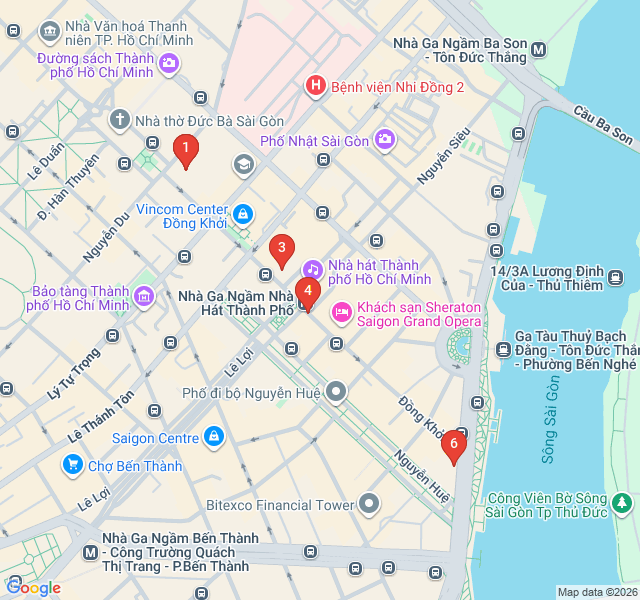
Numbers indicate the order of stops on the tour.
Our self-guided adventure begins here, at what was once 214 Rue Catinat. In Graham Greene’s 'The Quiet American,' this is where the protagonist, Thomas Fowler, lived in a small apartment overlooking the street. From his window, Fowler watched the flow of colonial life—the pedicabs, the French officers, and the beautiful Phuong. Today, the building houses shops and cafes, but if you look up at the shutters and balconies, you can still imagine Fowler brewing tea and listening to the distant sounds of mortar fire. Greene himself lived nearby at the Continental, but he chose this specific location for Fowler to ground the story in the bustling heart of the European quarter.
While the Vincom Center is a modern temple of commerce, it stands on the ground of the former Eden Center. In the 1950s, this was the social hub of Saigon, featuring the Eden Cinema and the 'Arcades.' In the novel, Pyle and Phuong would come here to watch films, a stark contrast to the political turmoil brewing outside. The original building was a masterpiece of Art Deco design. Although it has been replaced by glass and steel, this spot represents the transition of Saigon from a colonial outpost to a global metropolis, a theme Greene explored through the displacement of his characters.
This is perhaps the most important stop on our walking route. The Hotel Continental, built in 1880, was Graham Greene’s home during his stays in Saigon. He stayed in Room 214, and much of the novel was written right here. The ground-floor terrace, famously known as the 'Continental Shelf,' was the place to see and be seen. Journalists, spies, and politicians gathered here to trade rumors over drinks. In the book, Fowler spends countless hours on this veranda. It remains one of the best-preserved examples of French colonial architecture in the city, offering a glimpse into the luxury and intrigue of the 1950s.
As you walk down Đồng Khởi, you are walking the 'Rue Catinat,' the street Greene described as the center of the world for the expatriate community. In the 1950s, it was lined with high-end boutiques, perfumeries, and cafes. Greene wrote that the street had a 'restless, feverish' quality. Today, it remains the city's premier shopping street. Notice the contrast between the remaining colonial structures and the towering skyscrapers. This street witnessed the 1952 bombings described in the book—a real-life event that Greene used to highlight the tragic consequences of 'The Quiet American's' interventionist ideals.
We have reached the Saigon River at Bach Dang Wharf. This area serves as the backdrop for the novel's somber conclusion. The river was the lifeline of the city, crowded with sampans and naval vessels. In the story, the dark waters of the river reflect the murky morality of the war. Greene often walked along this quay to clear his head. Today, it is a popular park where locals come to enjoy the breeze. Look across the water and imagine the city as it was—a place where the scent of opium smoke mixed with the salt air of the South China Sea.
We conclude our stroll at the Hotel Majestic. Built in 1925, this hotel was another favorite of Greene’s and appears frequently in his writings. Its roof terrace offered a strategic view of the river, making it a prime spot for journalists to watch for incoming ships or signs of conflict. In 'The Quiet American,' the Majestic represents the fading glamour of the French era. Take a moment to look at the stained glass and the sweeping staircase. It stands as a silent witness to the city's transformation from Saigon to Ho Chi Minh City, marking the end of our literary journey through the past.
Start Free on iPhone
Explore “The Quiet American's Literary Trail” with your very own Private Tour Guide with Zigway. Start free on iPhone, skip the large group and the fixed routes, and hear the city come alive as you go.
Your Private Tour Guide
Don't miss the good stuff
Explore Freely
 Moderate
Ho Chi Minh City, Vietnam
Explore the history of the Vietnam War at your own pace through iconic landmarks and hidden clandestine sites in Districts 1 and 3.
 Moderate
Ho Chi Minh City, Vietnam
Explore Saigon’s coffee evolution from 1930s clay-pot brews to modern specialty roasters on this self-guided walk through District 1 and 3.
 Moderate
Ho Chi Minh City, Vietnam
Explore the soul of Ho Chi Minh City's Chinatown on this self-guided walk through historic markets and ornate Cantonese assembly halls.
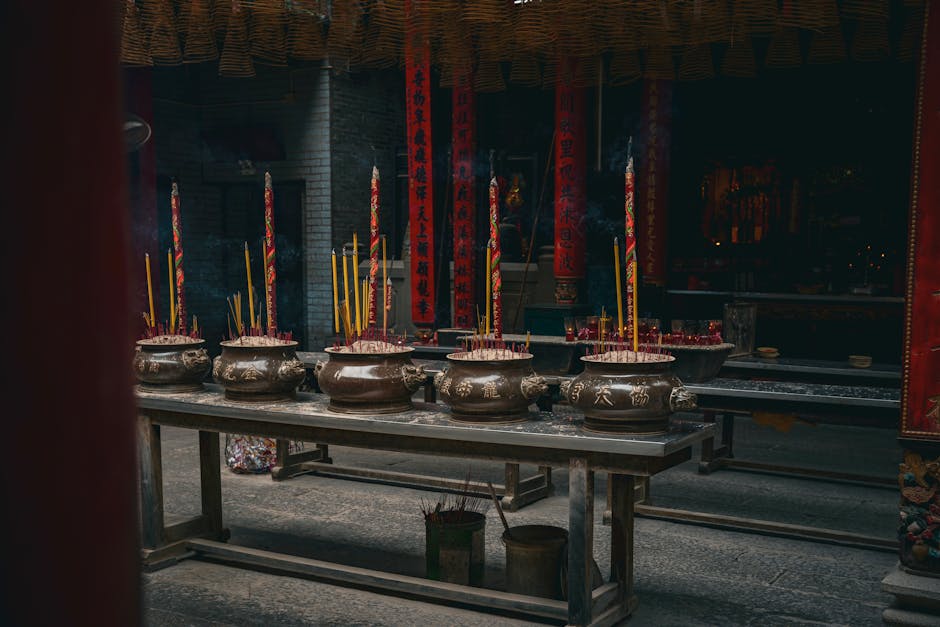 Easy
EasyHo Chi Minh City, Vietnam
Discover the vibrant spirituality and stunning architecture of District 3, from serene pagodas to the iconic Pink Church.
 Easy
EasyGothenburg, Sweden
Discover Gothenburg’s 17th-century Dutch foundations, historic canals, and military fortifications on this self-guided architectural walk.
 Easy
EasyKrakow, Poland
Explore the prestigious Jagiellonian University district, featuring Neo-Gothic architecture, Baroque churches, and Krakow's hidden scholarly gems.
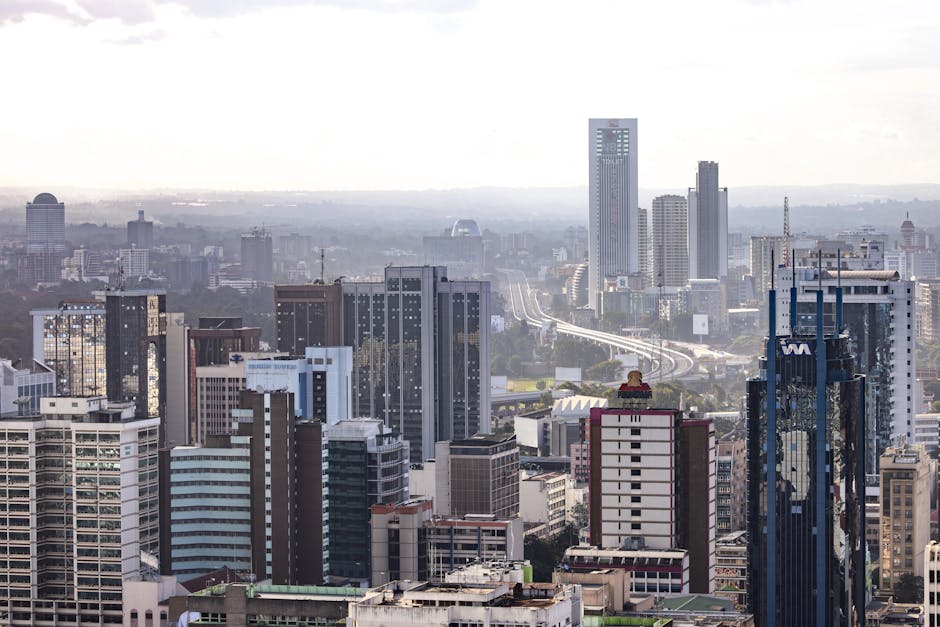 Easy
EasyNairobi, Kenya
Explore Nairobi's architectural evolution from colonial-era landmarks to iconic Brutalist skyscrapers on this historic self-guided walking route.
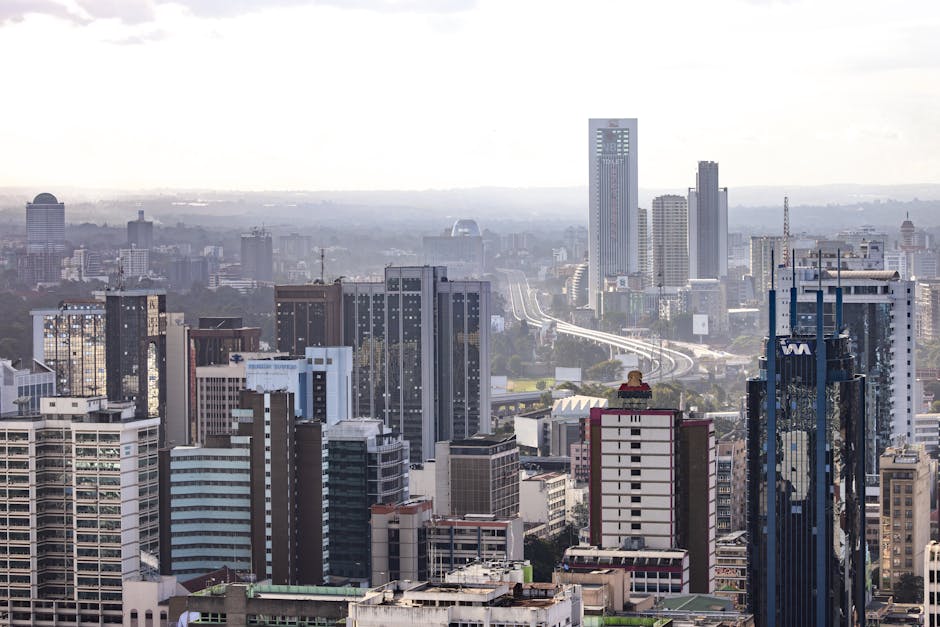 Easy
EasyNairobi, Kenya
Discover Nairobi's iconic skyline on this self-guided architecture walk through the CBD’s most famous modernist and Brutalist landmarks.
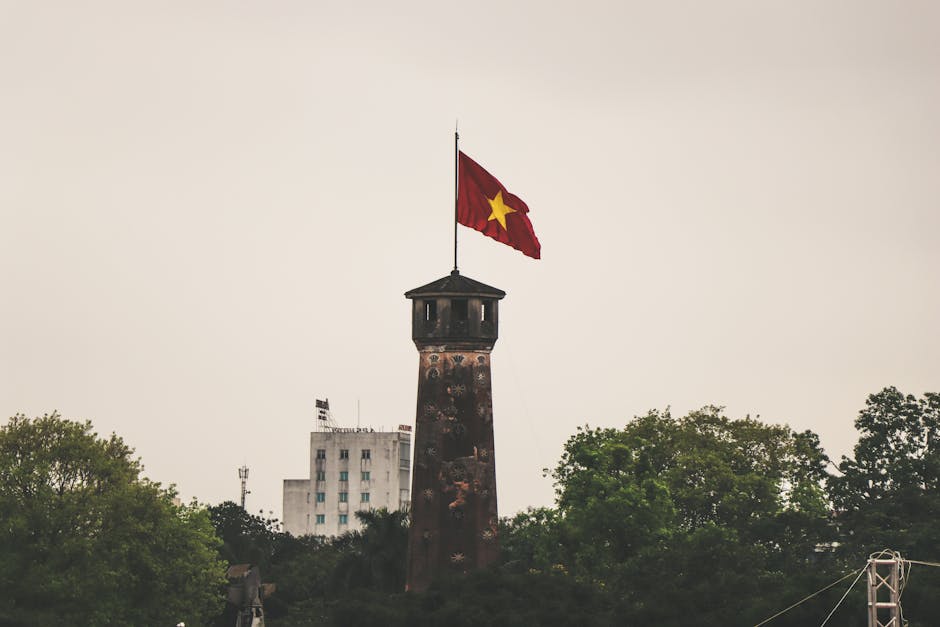 Moderate
Hanoi, Vietnam
Discover Hanoi's resilient spirit on this self-guided audio walk through wartime bunkers, historic prisons, and military landmarks.
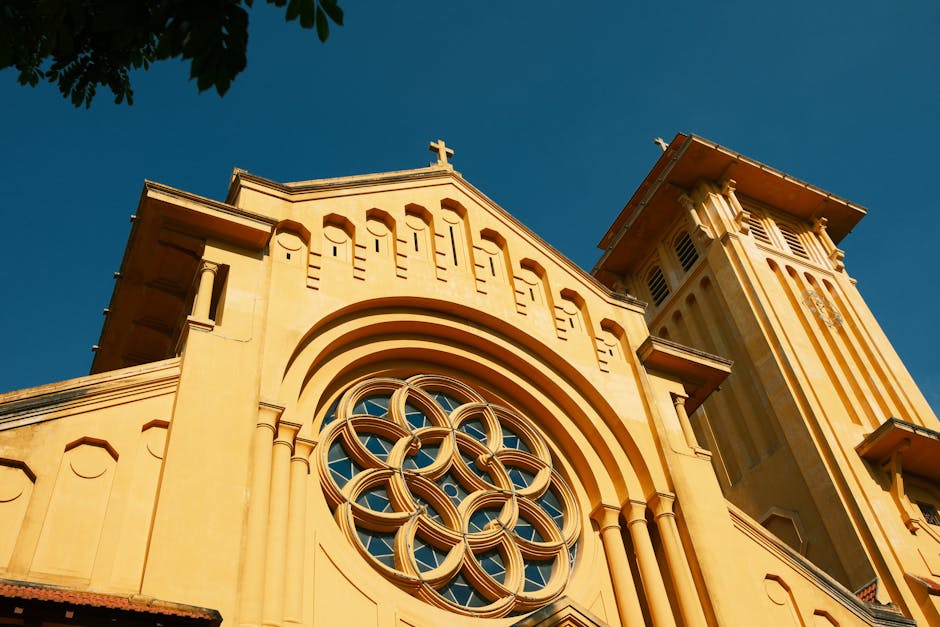 Easy
EasyHanoi, Vietnam
Discover Hanoi's spiritual heart and scenic vistas on an independent stroll featuring ancient pagodas, colonial architecture, and sunset lake views.
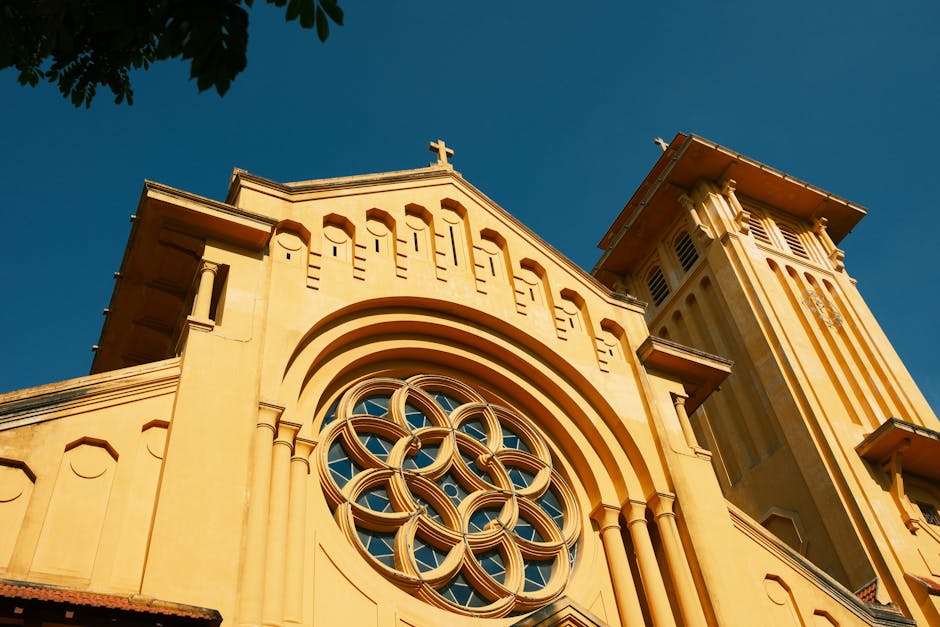 Easy
EasyHanoi, Vietnam
Explore Hanoi's diverse spiritual heritage on this self-guided walk through historic pagodas, a Neo-Gothic cathedral, and lakeside temples.
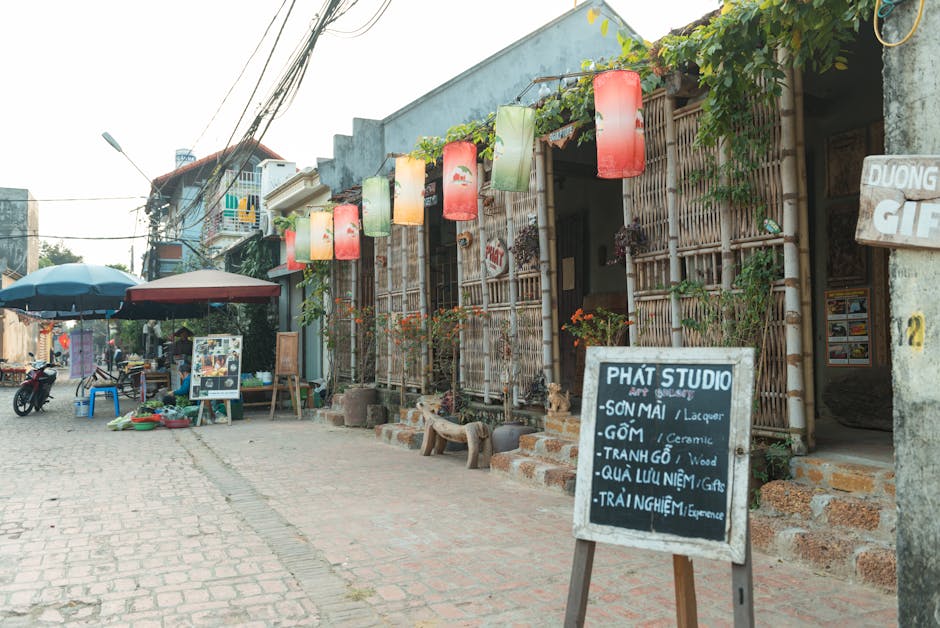 Easy
EasyHanoi, Vietnam
Discover Hanoi's vibrant soul through railway-side murals, historic tracks, and the record-breaking Ceramic Road on this self-guided walk.