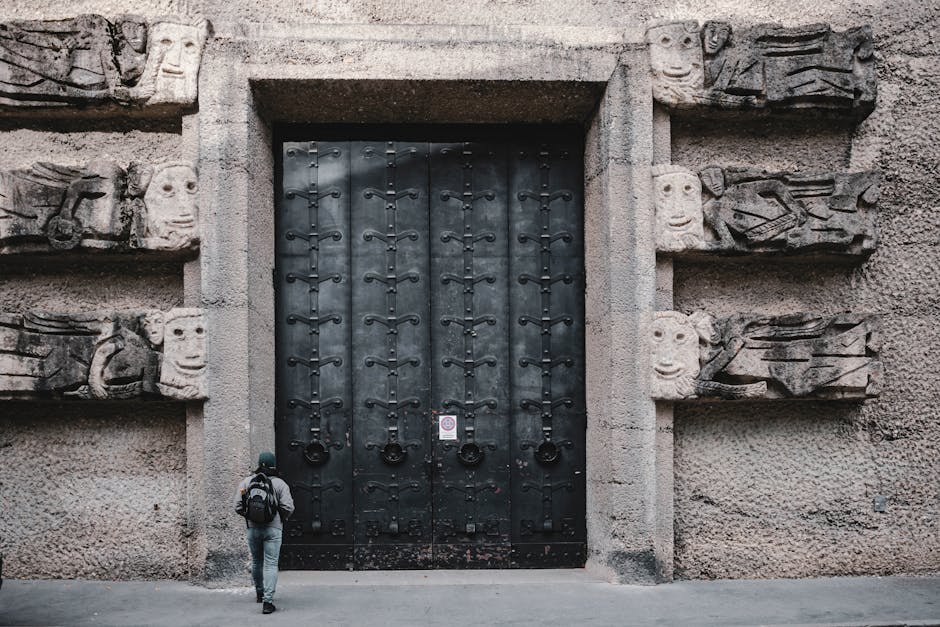
Self-guided audio tour in Salzburg
Start Free on iPhone
Start free on iPhone to unlock this self-guided walking tour in Salzburg. Hear all the stories that make it amazing, walk at your own pace, and begin whenever you want.
Your Private Tour Guide
Salzburg is world-renowned for its perfectly preserved Baroque skyline and the musical legacy of Wolfgang Amadeus Mozart. However, hidden within the winding alleys of the Altstadt lies a parallel world of contemporary creativity. This neighborhood stroll invites you to discover the 'Walk of Modern Art,' a series of world-class installations commissioned by the Salzburg Foundation. By following this walking route, you will experience the fascinating tension between the city's 18th-century heritage and the bold statements of 21st-century artists. This self-guided walk Salzburg offers is more than just a history lesson; it is an open-air gallery experience where the city itself becomes the canvas. Your journey begins in the vibrant Makartplatz, where industrial forms meet classical facades. As you explore independently, you will encounter works by international giants such as Tony Cragg and Marina Abramović. The route takes you across the Salzach River via the historic Staatsbrücke, offering panoramic views of the Hohensalzburg Fortress before diving back into the heart of the UNESCO World Heritage site. You will find that modern art in Salzburg isn't tucked away in sterile museums; it is integrated into the daily life of the city, standing proudly in public squares and ancient courtyards. Key highlights include the towering 'Sphaera' by Stephan Balkenhol, which has become an unofficial icon of the city, and the serene 'Awilda' by Jaume Plensa, tucked away near the university. This walking tour Salzburg experience concludes at the atmospheric St. Peter’s Cemetery and its ancient catacombs, where the journey through time reaches its oldest point. Whether you are an art aficionado or a curious traveler, this audio walk provides the context needed to appreciate how Salzburg remains a living, breathing center of culture. You can move at your own pace, stopping for a coffee in a traditional Brauhaus or spending extra time contemplating the sculptures that redefine these historic spaces.
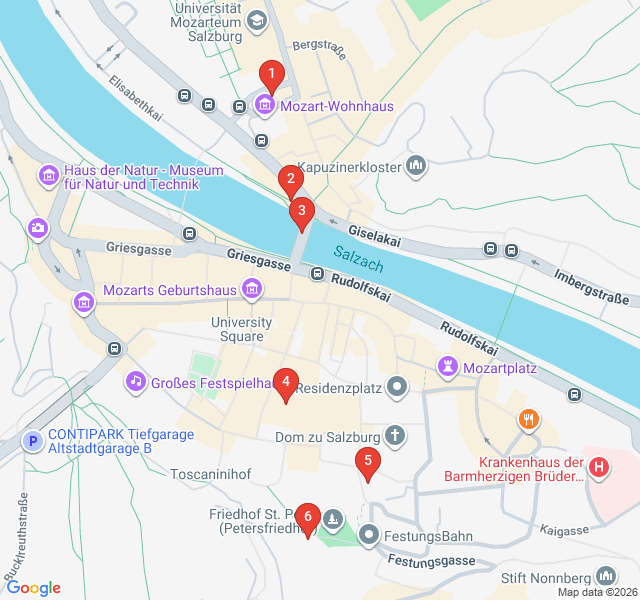
Numbers indicate the order of stops on the tour.
Start exploring with Zigway at Makartplatz, where you will find 'Caldera' by the British artist Tony Cragg. This massive bronze sculpture looks like a landscape of shifting tectonic plates or perhaps a series of profiles emerging from the metal. Installed in 2008, it serves as a powerful contrast to the surrounding Baroque architecture, including the nearby Holy Trinity Church. The name refers to the cauldron-like crater formed by a volcanic eruption, suggesting a hidden energy bubbling beneath the surface of this refined city. Take a moment to walk around the piece; its shape changes dramatically depending on your perspective, embodying the constant flux of modern creative expression in an ancient setting.
Continue your neighborhood stroll to the banks of the Salzach to find Marina Abramović’s 'Spirit of Mozart.' Unlike a traditional monument, this is an interactive ensemble of stainless steel chairs. One chair towers fifteen meters high, while several others are at ground level, inviting passersby to sit and meditate. Abramović, a pioneer of performance art, created this space for 'the spirit' of the composer rather than his physical form. It is a place of silence and contemplation amidst the city's bustle. By sitting here, you become part of the art, bridging the gap between the 18th-century musical genius and the contemporary observer.
Cross the Staatsbrücke, the main bridge connecting the new and old parts of the city. While the bridge itself is a vital piece of infrastructure, it serves as a viewing platform for the architectural harmony of Salzburg. From here, you can see the 'City of a Hundred Spires' reflected in the river. This bridge has a somber history; it was rebuilt during World War II using forced labor. Today, it stands as a symbol of connection. Look toward the Old Town side to see how the modern art pieces you are visiting are strategically placed to draw the eye toward historic landmarks like the Hohensalzburg Fortress and the Cathedral domes.
Tucked away in the courtyard of the University of Salzburg is 'Awilda' by the Spanish sculptor Jaume Plensa. This five-meter-tall head of a young girl, carved from white Spanish marble, appears to be emerging from the ground. Her eyes are closed in a state of deep inner peace or dreaming. Plensa is famous for his explorations of the human form and light, and 'Awilda' brings a sense of serenity and femininity to the traditionally masculine academic environment. The translucency of the marble makes the sculpture seem almost ethereal in the sunlight, creating a quiet sanctuary just steps away from the busy Getreidegasse.
In the center of Kapitelplatz stands one of Salzburg’s most photographed modern works: 'Sphaera' by Stephan Balkenhol. A man in a simple white shirt and black trousers stands atop a massive golden sphere. This 'Everyman' figure is a hallmark of Balkenhol’s style—intentionally ordinary and devoid of specific emotion, allowing the viewer to project their own feelings onto him. The golden ball echoes the gilded domes of the nearby Cathedral, while the man represents the modern individual navigating the weight of history. It is a playful yet profound addition to the square, standing in the shadow of the great fortress above.
Your self-guided adventure concludes at the St. Peter’s Cemetery, but look up at the Mönchsberg rock face to see the entrance to the Catacombs. These are not burial sites in the Roman sense but rather early Christian hermitages carved directly into the conglomerate rock. Dating back to the late Roman and early medieval periods, they represent the very foundations of Salzburg’s spiritual and architectural history. The contrast here is total: from the sleek, modern bronze and marble sculptures of the Salzburg Foundation to these primitive, hand-carved caves. It is a reminder that in Salzburg, every era—from the 3rd century to the 21st—leaves its mark on the stone.
Start Free on iPhone
Explore “Modern Art in a Baroque City” with your very own Private Tour Guide with Zigway. Start free on iPhone, skip the large group and the fixed routes, and hear the city come alive as you go.
Your Private Tour Guide
Don't miss the good stuff
Explore Freely
 Easy
EasySalzburg, Austria
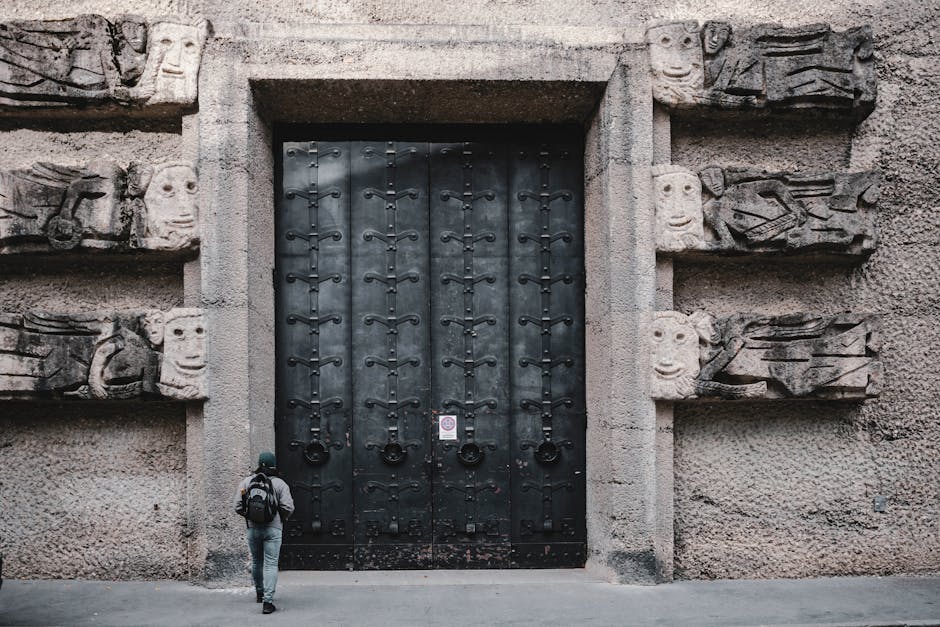
Discover the 'Rome of the North' on this self-guided walk through the Baroque squares and monumental legacy of Salzburg’s Prince-Archbishops.
 Easy
EasySalzburg, Austria
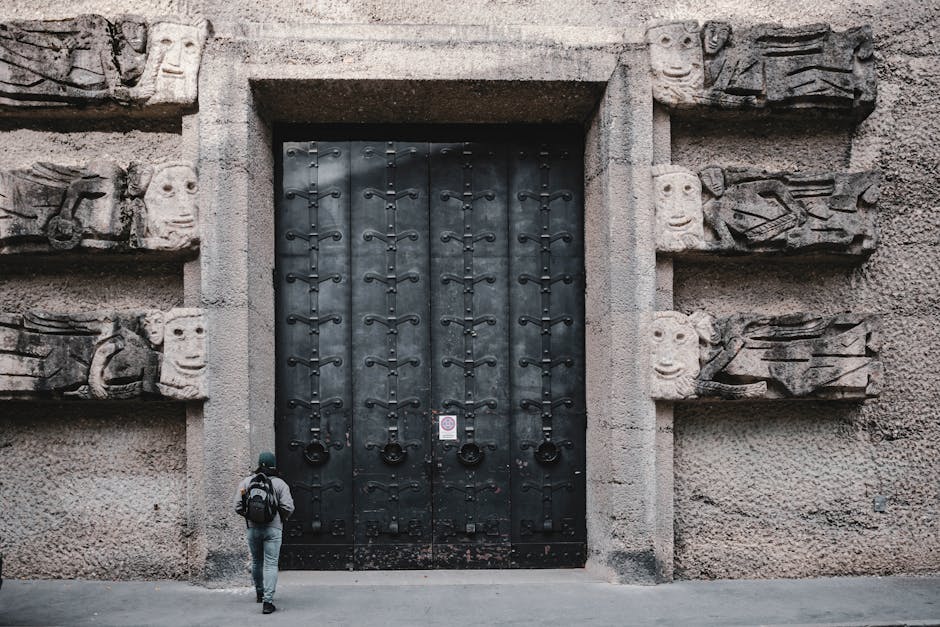
Discover Salzburg's oldest medieval alley, the birthplace of the 'Silent Night' author, and breathtaking views on this quiet self-guided walk.
 Easy
EasySalzburg, Austria
Walk through the iconic filming locations of The Sound of Music and discover the real history of the von Trapp family in Salzburg.
 Challenging
Salzburg, Austria
Scale the heights of Salzburg on this self-guided walk to the Hohensalzburg Fortress, exploring medieval walls and ancient monastic grounds.
 Easy
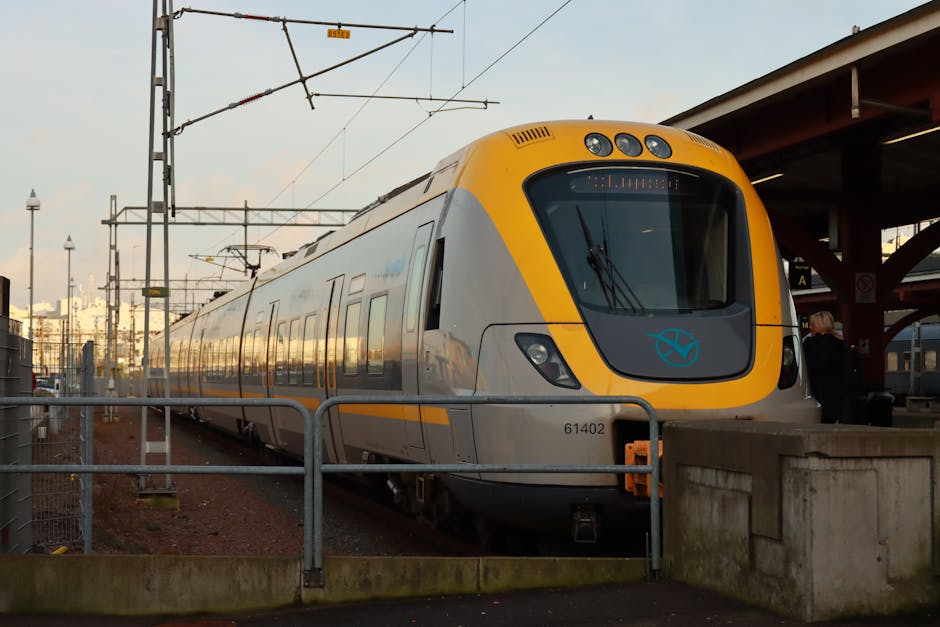
EasyGothenburg, Sweden
Discover Gothenburg’s 17th-century Dutch foundations, historic canals, and military fortifications on this self-guided architectural walk.
 Easy
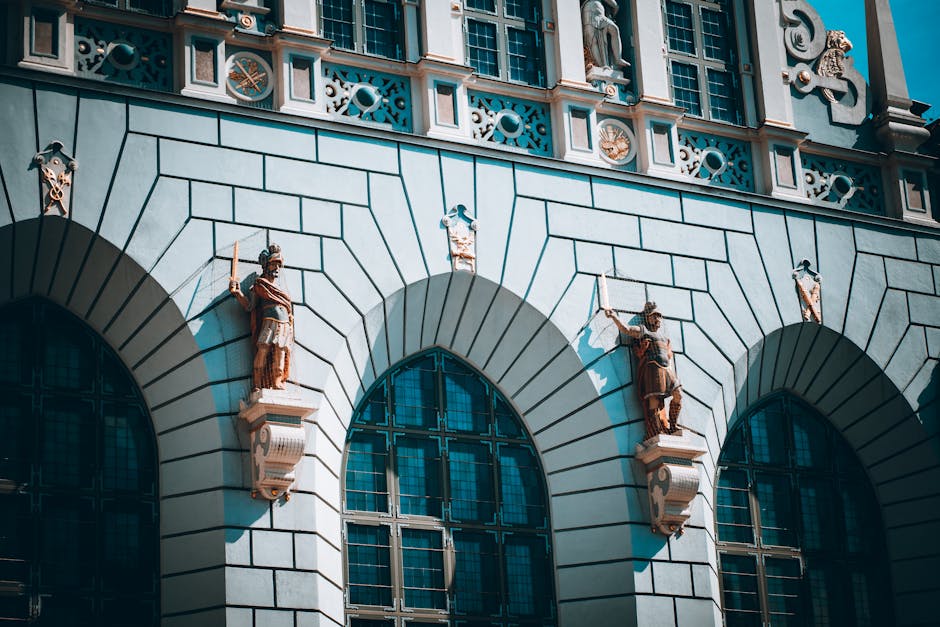
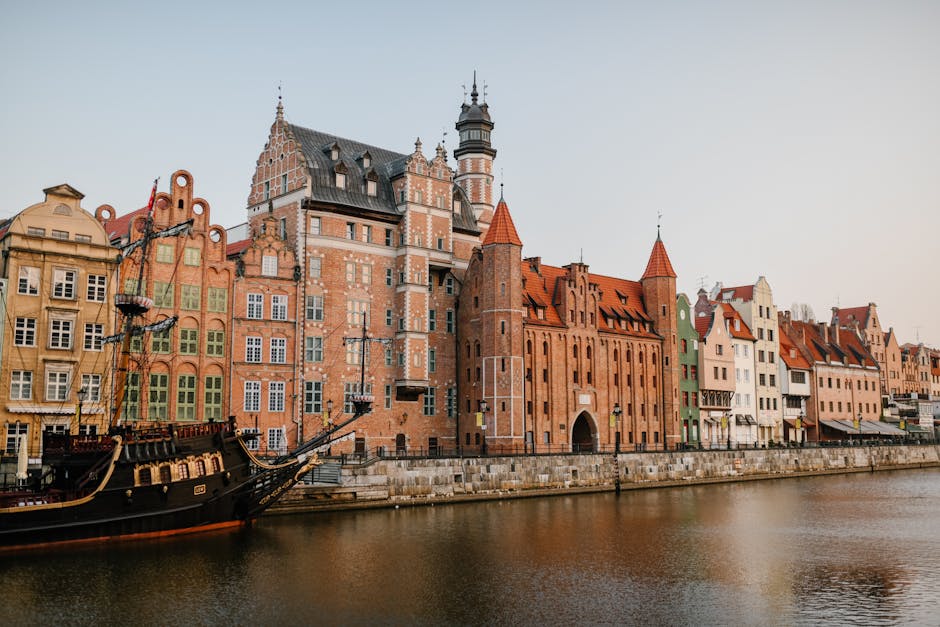
EasyGdansk, Poland
Discover the opulent Royal Way of Gdansk at your own pace. Explore Hanseatic history, gilded architecture, and the iconic Neptune's Fountain.
 Easy
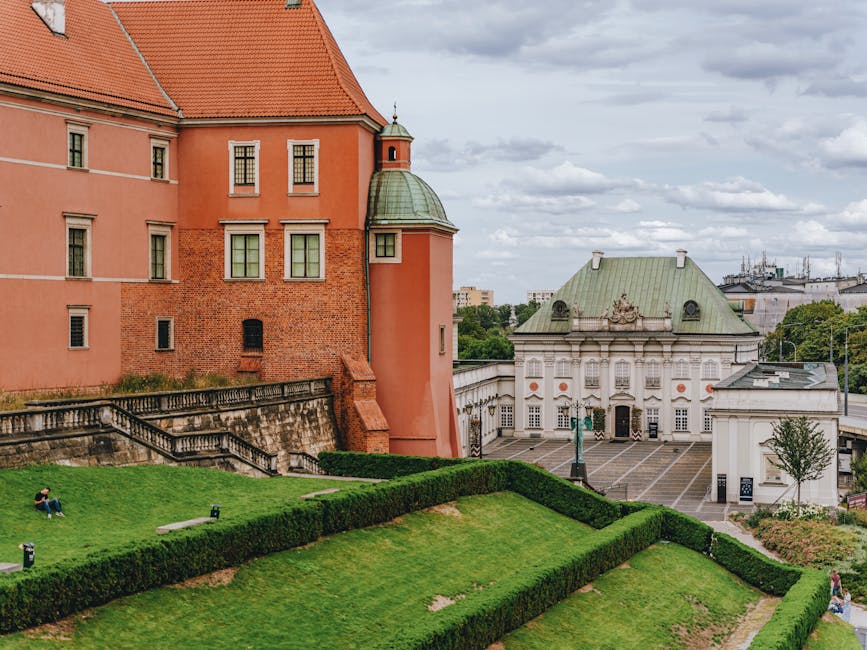
EasyGdansk, Poland
Discover the 'Baltic Gold' on this self-guided walk through Gdansk's historic mills, massive cathedrals, and the magical Mariacka Street.
 Easy
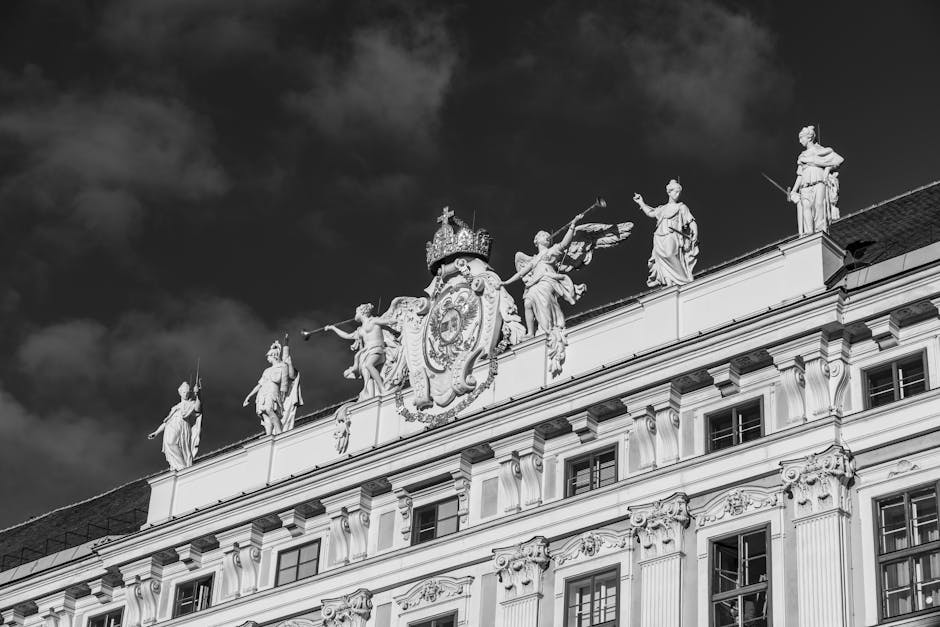
EasyWarsaw, Poland
Explore the miracle of Warsaw's reconstructed Old Town on this self-guided walk through royal squares, medieval walls, and heroic monuments.
 Easy
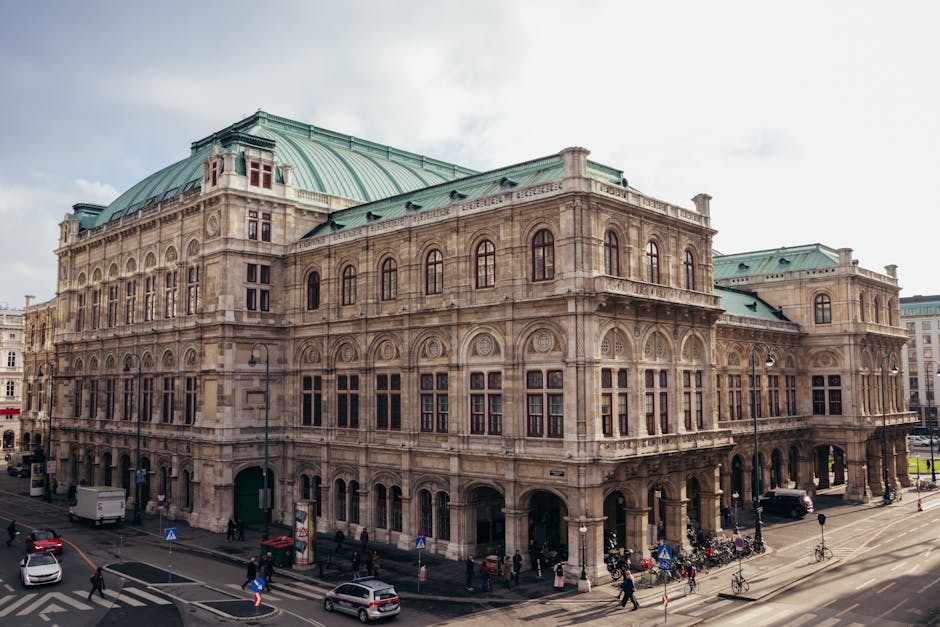
EasyVienna, Austria
Explore Vienna’s vibrant open-air gallery along the Danube Canal on this self-guided street art and nightlife stroll through Leopoldstadt.
 Moderate
Vienna, Austria
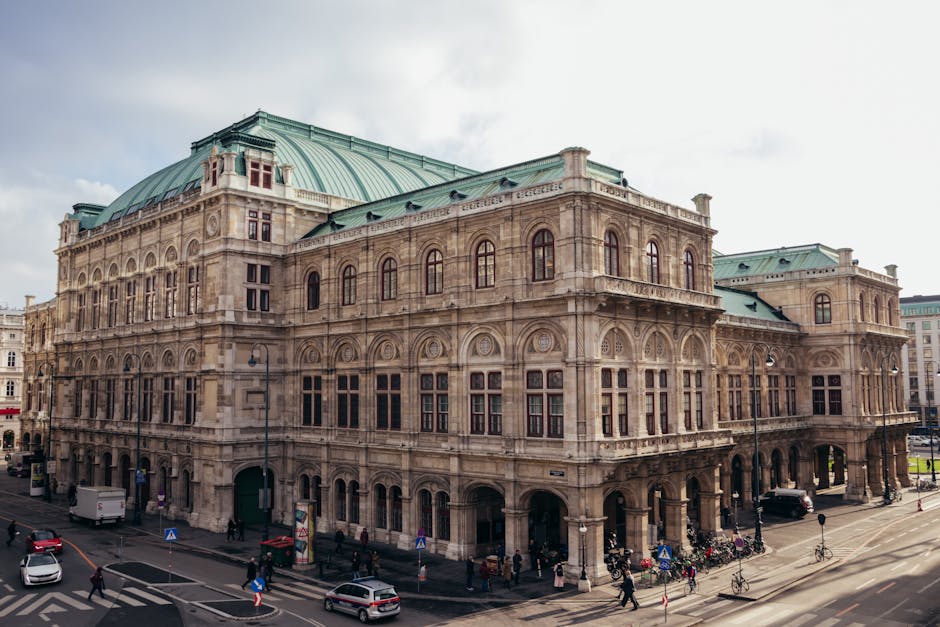
Follow the footsteps of Mozart and Strauss through Vienna’s historic center on this self-guided walk through the city's rich musical history.
 Moderate
Vienna, Austria
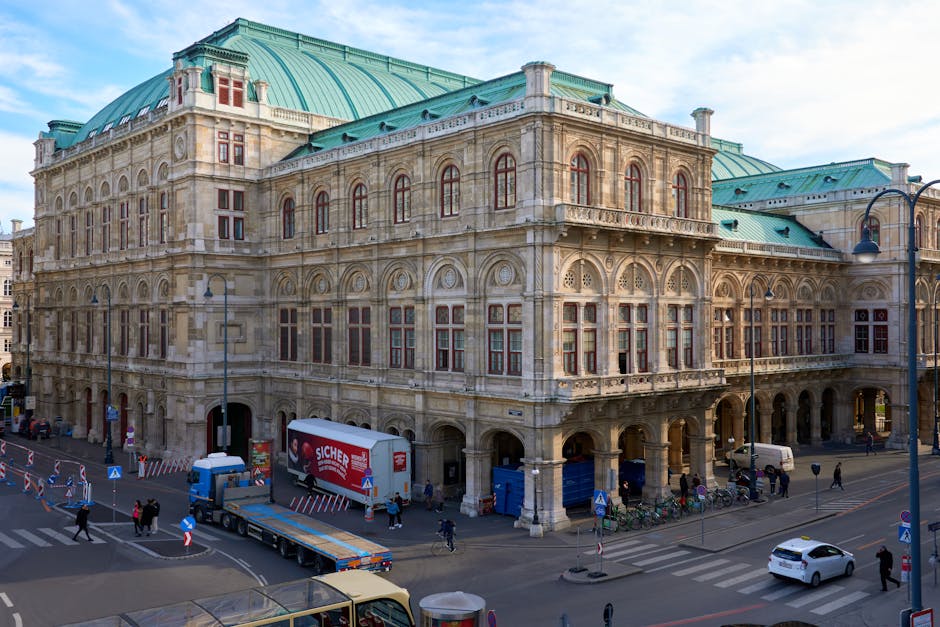
Discover the noir world of The Third Man and Cold War Vienna on this atmospheric self-guided audio walk through the historic Innere Stadt.
 Easy
EasyVienna, Austria
Discover the literary haunts and architectural gems of Vienna's legendary coffee culture on this self-guided stroll through the historic city center.